
- WELLNESS – Choosing Gratitude Every Day
Gratitude has the remarkable ability to transform ordinary moments into meaningful experiences. While life will always present challenges, intentionally recognising what is good and beautiful within our daily lives contributes positively to emotional well-being.

Practising gratitude does not require us to ignore difficulties or pretend that life is perfect. Rather, it encourages us to acknowledge both challenges and blessings simultaneously. A warm meal, supportive friendships, or simply watching the sunrise can become meaningful reminders of life’s quiet gifts.
Keeping a gratitude journal, expressing appreciation more often, or pausing each day to reflect upon positive experiences are simple practices that encourage mindfulness and joy.
Gratitude also strengthens our relationships. People flourish when they feel appreciated, and sincere words of thanks often leave lasting impressions.
Perhaps happiness is not found exclusively through acquiring more but through appreciating what we already have. Learning to recognise life’s small blessings may become one of the greatest gifts we offer ourselves.
- WELLNESS – Learning to Celebrate Small Victories
Life often encourages us to focus only on major achievements, but there is tremendous value in celebrating small victories. Progress is rarely made through one giant leap—it is usually the result of many small steps.
Completing a project, exercising consistently for a week, learning a new skill, or simply making it through a difficult day are all accomplishments worth acknowledging.

Celebrating small successes helps build confidence and motivation. It reminds us that personal growth is happening even when we feel like we have not reached our biggest goals.
Keeping a gratitude journal or taking a moment to reflect on what went well each day can encourage a more positive mindset.
Wellness is not about perfection. It is about appreciating progress and recognising that every small achievement contributes to the bigger picture.
Life becomes more meaningful when we learn to celebrate the little wins along the way.
WELLNESS
The Importance of Protecting Your Peace

In a world filled with constant information, responsibilities, and demands, protecting your peace has become more important than ever. Emotional well-being depends not only on what we do but also on what we allow into our lives.
Protecting your peace can mean setting healthy boundaries, taking breaks from technology, avoiding unnecessary conflicts, and spending time with people who encourage positivity.
It also means recognising when you need rest. Many people continue pushing themselves without allowing enough time to recharge. However, rest is essential for maintaining energy and emotional balance.
Creating moments of calm can be simple. Reading a book, enjoying nature, listening to music, practising gratitude, or spending quiet time alone can help restore a sense of balance.
Peace does not mean having a life without challenges. It means learning how to respond to challenges while maintaining inner strength.
When we protect our peace, we create more space for happiness, creativity, and meaningful connections.
WELLNESS
The Benefits of Practising Deep Breathing

Breathing is automatic, but taking slow, deep breaths can have remarkable benefits for both body and mind.
Deep breathing helps reduce stress by calming the nervous system and lowering feelings of anxiety. It can also improve concentration, encourage relaxation, and promote better sleep.
Whenever life feels overwhelming, pausing for a few minutes to breathe deeply can help restore a sense of balance.
Wellness doesn’t always require complicated solutions. Sometimes, the most powerful tool is something we’ve had all along—our breath.
WELLNESS
Why Optimism Is Good for Health

Optimism is more than simply hoping for the best. It is the ability to approach challenges with confidence that solutions can be found.
Research suggests that optimistic people often manage stress more effectively, maintain healthier relationships, and demonstrate greater resilience during difficult times.
Optimism encourages positive thinking without ignoring reality. Instead, it focuses on possibilities rather than limitations.
Choosing hope over discouragement can have a meaningful impact on emotional well-being.
WELLNESS
The Healing Power of Nature

Nature has long provided a place for rest, reflection, and renewal.
Spending time outdoors can reduce stress, improve mood, and encourage physical activity. Whether walking through a park, visiting the countryside, or sitting beneath a tree, natural environments offer valuable opportunities to recharge.
Nature reminds us to slow down, observe, and appreciate the world around us.
Sometimes the best remedy for a busy mind is simply stepping outside.
WELLNESS
Creating a Calm Mind in a Busy World

Modern life often demands constant attention. Emails, social media, work responsibilities, and daily commitments compete for our focus.
Creating moments of calm is essential for emotional well-being. Reading, gardening, walking outdoors, or simply enjoying quiet reflection can help restore balance.
Mental wellness is strengthened not only by managing stress but also by intentionally creating space for peace and relaxation.
Sometimes the greatest gift we can give ourselves is a few moments of uninterrupted calm.
Why Balance Matters More Than Perfection
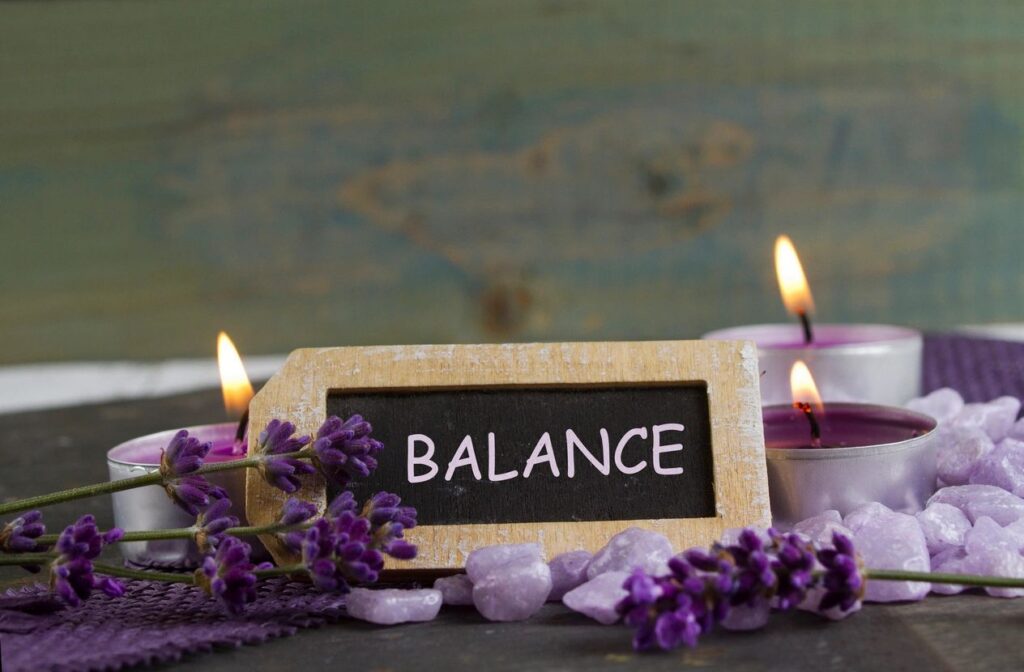
Many wellness trends promote ideal lifestyles that can feel difficult to achieve.
However, long-term well-being often depends more on balance than perfection. Occasional indulgences, missed workouts, or busy periods do not necessarily undermine overall health.
Balance encourages sustainable habits that can be maintained over time.
Rather than pursuing unrealistic standards, individuals benefit from focusing on consistency, moderation, and self-awareness.
Wellness is not about being perfect. It is about creating a healthy relationship with daily choices.
The Benefits of Disconnecting from Technology

Technology has transformed communication, education, and productivity. However, constant connectivity can also create challenges.
Many people spend significant portions of their day responding to notifications, emails, and digital content. While these tools provide convenience, they can also contribute to mental fatigue and distraction.
Periods of intentional disconnection allow individuals to recharge and focus on activities that support well-being. Reading, spending time outdoors, exercising, or engaging in face-to-face conversations can provide valuable balance.
Technology remains a powerful tool, but wellness often depends on using it intentionally rather than constantly.

The Importance of Mental Recovery

Physical recovery is widely recognized as essential for health, but mental recovery often receives less attention.
Daily responsibilities, information overload, and constant connectivity can create significant mental demands. Without opportunities to recharge, individuals may experience fatigue, reduced focus, and increased stress.
Mental recovery can take many forms, including hobbies, reading, spending time in nature, or simply disconnecting from technology for a period of time.
Prioritizing mental recovery supports resilience and helps maintain long-term well-being in a fast-moving world.
Why Gratitude Remains a Powerful Practice

Gratitude is a simple concept, yet its impact can be significant.
Practicing gratitude encourages individuals to focus on positive aspects of life rather than solely on challenges or frustrations. This shift in perspective can contribute to greater emotional resilience and overall well-being.
Gratitude does not require ignoring difficulties. Instead, it involves recognizing sources of value, support, and meaning even during challenging times.
Many people incorporate gratitude through journaling, reflection, or expressing appreciation to others. These small actions often strengthen relationships and improve outlook.
Why Rest Is a Productive Activity

Rest is often misunderstood as the absence of productivity. In reality, rest plays a critical role in supporting performance, creativity, and well-being.
Physical rest allows the body to recover from daily demands. Mental rest provides opportunities for reflection and emotional balance. Without adequate recovery, energy levels, concentration, and resilience may decline.
Many high-performing individuals recognize that sustainable success depends on balancing effort with recovery. Athletes, business leaders, and creative professionals frequently emphasize the importance of rest as part of their overall performance strategy.
Rest can take many forms, including sleep, leisure activities, time in nature, or simply stepping away from work-related responsibilities.
As conversations about burnout continue, rest is increasingly being recognized not as a luxury but as a necessity for maintaining long-term health and effectiveness.
Why Reflection Is Becoming a Valuable Habit

Modern life often emphasizes action, productivity, and constant forward movement. Yet reflection is emerging as an increasingly valuable practice for personal well-being.
Reflection allows individuals to evaluate experiences, recognize patterns, and learn from both successes and challenges. It creates opportunities for greater self-awareness and intentional decision-making.
Many people incorporate reflection through journaling, meditation, walking, or simply setting aside quiet time to think.
Reflection can also support emotional resilience. By examining experiences thoughtfully, individuals often gain perspective and clarity that may not be apparent during busy periods.
In a world that frequently rewards speed, reflection offers the opportunity to pause, learn, and move forward with greater understanding.
WELLNESS
The Power of Daily Routines

Daily routines may appear ordinary, but they often play a significant role in well-being.
Consistent habits help reduce decision fatigue, improve productivity, and create stability during uncertain periods.
Simple routines such as regular sleep schedules, exercise, healthy meals, and quiet reflection can have lasting benefits.
Rather than relying on motivation alone, routines provide structure that supports long-term goals.
Many wellness experts emphasize that meaningful change often comes from small daily actions rather than dramatic transformations.
Why Rest Is a Form of Productivity

For years, productivity was often measured by constant activity. Today, many people are recognizing that rest plays an essential role in performance and well-being.
Rest allows the mind and body to recover from physical and mental demands. Without sufficient recovery, concentration, creativity, and decision-making often decline.
Quality sleep, leisure activities, and periods of relaxation contribute to long-term effectiveness far more than endless work without breaks.
As conversations around burnout continue, rest is increasingly viewed not as laziness but as a necessary component of sustainable success.

Why Emotional Detachment Is Sometimes Necessary

Emotional connection is important, but healthy emotional detachment can also be necessary in certain situations.
Detachment does not mean becoming cold or uncaring.
It means learning not to absorb every problem, emotion, or conflict around you so deeply that it damages your own mental well-being.
Many people struggle because they feel responsible for fixing everything and everyone.
Healthy detachment creates emotional boundaries and clearer thinking.
Importantly, detachment allows compassion without emotional exhaustion.
And increasingly, emotional balance is being recognized as essential for long-term mental wellness.
Why Emotional Stability Is Becoming More Valued
Modern culture often celebrates excitement, ambition, and high energy. Increasingly, however, emotional stability is becoming deeply valued.
Emotional stability does not mean the absence of emotion.
It means the ability to manage stress, uncertainty, and challenges without becoming completely overwhelmed.
People are increasingly prioritizing calmness, balance, and emotional maturity in both personal and professional life.
This shift reflects broader awareness around mental health and long-term well-being.
Importantly, emotional stability supports clearer thinking, healthier relationships, and better decision-making.
And increasingly, peace of mind is being viewed as an important form of success.
Why Quiet Environments Support Emotional Health

Noise and constant stimulation have become normal parts of modern life.
However, quiet environments are increasingly being recognized as important for emotional balance and mental clarity.
Continuous exposure to noise, information, and social interaction can create emotional fatigue over time.
Quiet spaces allow the mind to slow down, process emotions, and recover mentally.
This may include nature, peaceful rooms, libraries, or simply moments without digital distraction.
Importantly, quietness is not emptiness.
It often creates the conditions necessary for focus, reflection, and emotional calmness.
And increasingly, people are intentionally seeking quieter environments to support overall well-being.
Why Mental Recovery Is Becoming a Daily Necessity

Mental recovery is becoming just as important as physical recovery in modern wellness conversations.
Constant information exposure, multitasking, and emotional pressure can leave people mentally exhausted even when they are physically rested.
Mental recovery involves activities that allow the mind to slow down and reset.
This may include quiet routines, reading, walking, mindfulness, sleep, or simply spending time away from screens and overstimulation.
Without recovery, mental fatigue gradually affects concentration, mood, and emotional resilience.
Importantly, mental recovery is not unproductive.
It is necessary for sustainable focus and long-term well-being.
And increasingly, people are understanding that protecting mental energy is part of overall health.
Why Breathing Practices Are Receiving More Attention

Breathing is automatic, yet many people rarely pay attention to how they breathe.
Increasingly, wellness experts are emphasizing breathing practices because of their strong connection to stress management and emotional regulation.
Controlled breathing can calm the nervous system, improve focus, and reduce physical tension.
Modern stress often causes shallow or irregular breathing patterns, which may increase feelings of anxiety or overwhelm.
Simple breathing exercises are now commonly used in mindfulness, fitness, and mental health practices.
Importantly, breathing techniques are accessible and require no complicated equipment or environments.
And increasingly, people are recognizing that small daily practices can significantly affect emotional and physical well-being.
Why Rest Is Becoming a Wellness Priority

For many years, modern culture celebrated constant productivity and nonstop activity. Today, however, rest is becoming increasingly recognized as essential for overall well-being.
Rest supports physical recovery, emotional regulation, mental clarity, and long-term health.
Without adequate rest, stress accumulates and affects concentration, mood, and energy levels.
People are now becoming more intentional about sleep, quiet time, and emotional recovery.
Importantly, rest is not laziness.
It is part of maintaining balance and sustainability in demanding environments.
And increasingly, wellness conversations are shifting from constant performance toward healthier rhythms of effort and recovery.
Why Emotional Recovery Is Becoming More Important

Recovery is often associated with physical rest, but emotional recovery is receiving growing attention as well.
Emotional recovery involves creating time and space to process stress, disappointment, pressure, or emotional fatigue.
Without recovery, emotional strain can build gradually and affect mental clarity, relationships, and overall well-being.
Modern life creates continuous emotional demands through work pressure, digital overload, and social expectations.
As a result, many people are becoming more intentional about rest, solitude, and emotional boundaries.
And increasingly, emotional recovery is being recognized as an essential part of wellness rather than a luxury.
Why Resilience Often Develops Quietly

Resilience is often associated with dramatic moments of strength, but most resilience develops quietly over time.
It grows through repeated experiences of adaptation, recovery, and persistence during ordinary challenges.
People become resilient by continuing despite uncertainty, setbacks, or emotional difficulty.
Importantly, resilience does not mean the absence of struggle.
It means developing the ability to move through difficulty without completely losing direction.
And increasingly, resilience is being understood as a long-term process rather than a single moment of strength.
Why Silence Is Becoming Part of Wellness Culture

Wellness culture often focuses on activity—exercise, productivity, routines, and constant self-improvement. Increasingly, however, silence itself is becoming recognized as beneficial.
Silence allows the mind to recover from constant stimulation. In environments filled with notifications, conversations, and media, quiet moments have become increasingly rare.
Many people are intentionally creating periods of silence through meditation, nature walks, or simply stepping away from digital devices.
These moments support emotional regulation and mental clarity.
Silence also creates space for reflection and deeper thinking.
And increasingly, wellness is being associated not only with action, but also with stillness.
SOCIETY
Why Modern Loneliness Exists Despite Constant Connection

Technology has made communication easier than at any point in history, yet loneliness remains a growing issue in modern society.
Many people are constantly connected digitally but still feel emotionally disconnected. Online interaction often creates visibility without genuine closeness.
One reason for this is the difference between communication and connection. Messaging, scrolling, and social media engagement can create activity without emotional depth.
Modern lifestyles also contribute to isolation. Busy schedules, remote work, and urban living can reduce opportunities for meaningful interaction.
Another factor is performance culture. People often feel pressure to present idealized versions of themselves online, which can make authentic connection more difficult.
Loneliness is not always about being physically alone. It can also come from feeling misunderstood or emotionally unsupported.
As awareness around mental health grows, conversations around connection are becoming more important.
And increasingly, people are recognizing that genuine human interaction cannot be fully replaced by digital communication.
CAREER
Why Portfolio Careers Are Becoming More Common

The traditional idea of one lifelong career is changing rapidly. Increasingly, people are building what is known as a portfolio career—earning income through multiple roles, skills, or projects instead of relying on a single professional identity.
This shift is being driven by technology, changing work cultures, and a growing desire for flexibility. Many professionals now combine consulting, freelance work, entrepreneurship, public speaking, creative projects, and digital work simultaneously.
A portfolio career offers several advantages. It creates multiple income streams, which can increase financial resilience during uncertain economic periods. It also allows individuals to explore different interests without feeling limited to one path.
Another important factor is personal fulfillment. Many people no longer want careers that only provide income. They want work that reflects their interests, creativity, and values.
However, portfolio careers also require discipline. Managing multiple responsibilities demands organization, time management, and adaptability.
The rise of digital platforms has made this lifestyle more accessible than before. Individuals can now build audiences, businesses, and professional networks globally from almost anywhere.
This trend reflects a larger cultural change. Success is no longer defined only by job titles or corporate structures.
And increasingly, people are creating careers that are more flexible, multidimensional, and personally meaningful.
WELLNESS
Why Quiet Time Has Become Increasingly Valuable

Modern life is filled with constant stimulation. Notifications, conversations, and information compete continuously for attention.
As a result, quiet time is becoming increasingly valuable.
Quiet moments provide mental recovery. They allow thoughts to settle and reduce overstimulation.
This does not necessarily mean complete isolation. It may simply involve stepping away from digital noise or spending time without distraction.
Quiet time also supports creativity and reflection. Some of the clearest thinking happens in moments of calm.
Wellness is not only about activity. Recovery and stillness are equally important.
And increasingly, people are recognizing the importance of creating intentional moments of quiet in everyday life. #ngozifrancaokoye#FrancaTV#FrancaMagazine#Goodlifetoday#franklyspeakingwithfranca
Why Emotional Rest Is Just as Important as Physical Rest

Rest is often associated with sleep and physical recovery, but emotional rest is equally important.
Emotional exhaustion can occur when individuals constantly manage stress, pressure, or emotional demands without pause.
Emotional rest involves creating space away from emotional overload. This may include solitude, boundaries, or quiet reflection.
Without emotional recovery, even physical rest may feel incomplete.
Wellness improves when both mind and body are allowed to recover.
And emotional balance is a key part of that process.
Why Mental Reset Moments Improve Well-Being

Wellness is not only about long-term habits. Short moments of reset throughout the day can have a significant impact.
A mental reset might involve stepping away from work, taking a few deep breaths, or briefly disconnecting from digital devices.
These small pauses allow the mind to recover and refocus.
Without them, stress can accumulate and reduce productivity.
Mental resets improve clarity and help maintain emotional balance.
They are simple, but effective.
And when practiced regularly, they contribute to overall well-being.
Why Emotional Balance Is a Modern Priority

Wellness today goes beyond physical health. Emotional balance is becoming just as important.
Managing stress, understanding emotions, and maintaining mental clarity are now seen as essential aspects of well-being.
Emotional balance does not mean constant calm. It means being able to navigate challenges without becoming overwhelmed.
This requires awareness, reflection, and sometimes adjustment in how situations are approached.
As life becomes more complex, emotional stability becomes more valuable.
And increasingly, it is being treated as a priority rather than an afterthought.
Why Growth Often Feels Uncertain

Growth is often imagined as clear and exciting. In reality, it often feels uncertain.
New directions come with unfamiliarity. Change involves risk.
That uncertainty can feel uncomfortable. But it is often part of progress.
When people expect growth to feel easy, they may stop too soon.
But discomfort does not always mean something is wrong.
Sometimes it means something is changing.
Understanding this can make growth easier to navigate.
Because uncertainty is not failure.
It is often movement.
Why Joy Belongs in Wellness Too

Wellness conversations often focus on discipline. Habits. Optimization.
But joy deserves a place too.
Joy restores.
Laughter. Pleasure. Beauty. Play.
These are not distractions from well-being. They are part of it.
Sometimes people approach wellness so seriously they remove delight from it.
But sustainable well-being often includes what uplifts.
Joy can reduce stress. Support resilience. Create connection.
And often it arrives through ordinary things. Music while cooking. Sunlight on a walk. A conversation that leaves you lighter.
Wellness should not feel only like effort.
Sometimes health grows where joy is allowed.
And that may be worth remembering.
Why Solitude Can Be Good for Emotional Health

Solitude is often confused with loneliness. But they are not the same.
Loneliness is painful disconnection. Solitude can be restorative connection with self.
Time alone can create clarity.
Without constant input from others, your own thoughts become easier to hear.
That matters.
Many people move through life with little reflective space.
Solitude can restore perspective. Calm overstimulation. Support creativity.
Even brief moments matter. Walking alone. Reading quietly. Sitting without devices.
Solitude is not withdrawal. It can be nourishment.
And in a noisy world, it may be one of the gentlest wellness practices available.
The Rise of Micro-Wellness Habits That Actually Stick

Big wellness overhauls often fail because they ask too much, too fast.
Micro-wellness habits are changing that.
Instead of radical transformations, this approach focuses on tiny actions repeated consistently: two minutes of breathwork, five minutes of journaling, a short walk after lunch, drinking water before coffee.
These habits may seem small, but their strength lies in sustainability.
Behavior specialists say habits succeed when they feel easy enough to repeat. And repetition creates identity.
Someone who meditates for two minutes daily often becomes someone who values mindfulness. Someone who stretches every morning often expands into broader wellness practices.
Wellness doesn’t always come from dramatic resets.
Sometimes it grows from the smallest promises kept.
Why Protecting Attention Is a Wellness Practice

Wellness is often framed around food, movement, and stress. But attention may be one of the most overlooked parts of well-being.
Where attention goes, energy often follows.
Constant notifications, endless scrolling, and fragmented focus can quietly drain mental reserves.
Attention scattered all day can leave people exhausted without understanding why.
Protecting attention means deciding what deserves mental space.
That may mean reducing interruptions, limiting multitasking, or creating periods without digital noise.
Focused attention also improves presence. Conversations deepen. Work becomes easier. Leisure feels restorative.
There is also emotional benefit. When attention is less fragmented, anxiety often decreases.
Protecting attention is not about rejecting technology. It is about using it without surrendering focus.
In a distracted world, guarding attention may be one of the healthiest habits available.
Why Emotional Balance Is Key to Overall Well-Being

Wellness is often associated with physical health, but emotional balance plays an equally important role.
Emotional balance means being able to manage your feelings without becoming overwhelmed. It does not mean avoiding emotions, but understanding and responding to them in a healthy way.
When emotions are unbalanced, they can affect decision-making, relationships, and overall quality of life.
Developing emotional balance starts with awareness. Recognizing how you feel allows you to respond instead of react.
It also requires space. Taking time to process emotions helps prevent buildup.
Healthy coping strategies, such as rest or reflection, support emotional stability.
Because when your emotions are balanced, everything else becomes easier to manage.
Why Taking Breaks Makes You More Productive, Not Less

Many people feel guilty about taking breaks. There is a belief that constant work leads to better results. But in reality, working without breaks often reduces productivity.
The brain needs rest to function effectively. When you work continuously, focus declines and mistakes increase.
Taking short breaks helps reset your attention. Even a few minutes away from a task can improve clarity and efficiency.
Breaks also reduce stress. Constant pressure leads to mental fatigue, which affects both performance and well-being.
The key is balance. Breaks should support your work, not replace it.
Working smarter, not longer, leads to better outcomes.
Why Mental Fatigue Feels Worse Than Physical Tiredness

Mental fatigue is often harder to recognize than physical tiredness. You can feel mentally drained even when your body hasn’t done much physically.
This type of fatigue comes from constant thinking, decision-making, and information overload.
Modern life exposes people to continuous input — messages, notifications, and tasks that require attention.
The mind becomes overloaded even without physical effort.
Rest for the mind is just as important as rest for the body.
Reducing stimulation, taking breaks, and creating quiet time helps restore mental energy.
WELLNESS
Learning to Say No Without Feeling Guilty

Saying no can be difficult, especially when you don’t want to disappoint others. But constantly saying yes can lead to stress, exhaustion, and imbalance.
Learning to say no is an important part of maintaining your well-being.
Boundaries help protect your time and energy. Without them, it becomes easy to take on too much.
Saying no doesn’t mean you’re selfish. It means you’re aware of your limits.
It’s also a form of respect — for yourself and for others. When you’re honest about what you can handle, you create clearer expectations.
The key is to be direct and respectful. You don’t need to over-explain or justify your decision.
Over time, setting boundaries becomes easier.
Because protecting your well-being is not something to feel guilty about — it’s something to prioritize.
WELLNESS
Protecting Your Energy in a Demanding World

In a world where demands are constant, protecting your energy is essential. While time management is often emphasized, energy management is just as important.
Your energy affects how you think, feel, and perform. When it’s depleted, even simple tasks can feel overwhelming.
One way to protect your energy is by setting boundaries. This means being mindful of what you commit to and learning to say no when necessary.
Rest is another important factor. Without proper rest, your energy levels will continue to decline. Taking breaks and allowing yourself time to recharge is not a luxury — it’s a necessity.
It’s also important to recognize what drains you and what restores you. Certain activities, environments, or even people can impact your energy levels.
Making intentional choices about where you invest your energy helps maintain balance.
Protecting your energy is not about avoiding responsibility. It’s about managing your resources so you can function effectively.
Because when your energy is well-managed, everything else becomes easier.
Why “Doing Nothing” Might Be the Most Productive Thing You Do Today

In a world that celebrates constant hustle, doing nothing can feel almost rebellious. We’re conditioned to believe that productivity is measured by how busy we are — how many emails we send, tasks we complete, or goals we tick off before sunset. But what if the secret to better health, sharper thinking, and even greater success lies in something much simpler?
Intentional rest.
Doing nothing isn’t laziness. It’s recovery. And without recovery, even the most driven individuals burn out.
Your brain, like any other part of your body, needs downtime. When you’re constantly consuming information, making decisions, and switching between tasks, your mental energy becomes depleted. Over time, this leads to reduced focus, irritability, and poor decision-making. Ironically, the harder you push, the less effective you become.
This is where “doing nothing” becomes powerful.
Moments of stillness — whether it’s sitting quietly, taking a walk without your phone, or simply staring out of a window — allow your mind to reset. These pauses activate what psychologists call the “default mode network,” the part of your brain responsible for creativity, reflection, and problem-solving.
Have you ever noticed how your best ideas come when you’re not trying? In the shower, during a walk, or just before falling asleep? That’s not a coincidence. It’s your brain finally having the space to think freely.
Beyond mental clarity, rest also impacts your physical health. Chronic busyness often leads to stress, and prolonged stress increases cortisol levels in the body. Over time, this can contribute to fatigue, sleep problems, and even weakened immunity.
So how do you “do nothing” in a meaningful way?
Start small. You don’t need to block out hours of your day. Even 10 to 15 minutes can make a difference.
Put your phone away. Sit somewhere comfortable. Don’t scroll, don’t plan, don’t try to be productive. Just be.
It might feel uncomfortable at first. That’s normal. We’re so used to constant stimulation that silence can feel unfamiliar. But with time, it becomes something you look forward to — a reset button in the middle of your day.
If you struggle with guilt when resting, reframe it. Think of rest as part of your productivity strategy, not the opposite of it. Just like athletes need recovery days to perform at their best, you need mental recovery to function well in your daily life.
In the long run, doing less — at the right moments — helps you achieve more.
So today, give yourself permission to pause. Not because you’ve earned it, but because you need it
WELLNESS
Why You Feel Better After Getting Fresh Air
Stepping outside can change how you feel almost instantly.
Fresh air, natural light, and open space affect both body and mind.
Sunlight helps regulate your internal clock.
Fresh air improves oxygen flow.
Even brief exposure can reduce stress and improve mood.
This is why short outdoor breaks feel refreshing.
Because sometimes, what you need is not more rest indoors.
It’s a change of environment.

WELLNESS
Why You Feel Better After Talking — Even If Nothing Changes

Sometimes, you talk to someone about a problem.
Nothing gets solved, but you still feel better.
This happens because expression reduces mental load.
Keeping thoughts inside requires effort.
Speaking them out releases that pressure.
It also creates clarity.
When you explain something, you organise your thoughts.
This helps you understand your situation better.
The solution may not change immediately.
But your perspective does.
And that can be enough to feel relief.
INSPIRATION
Why “Follow Your Passion” Can Be Misleading Advice

We’ve all heard: “Do what you love, and you’ll never work a day in your life.”
In reality, passion alone doesn’t pay bills. Many passionate pursuits require skill-building, patience, and often supplemental income. Following passion blindly can lead to frustration if practical realities are ignored.
The better approach? Combine interest with strategy. Pursue passion intentionally, while building skills and financial stability. This keeps dreams realistic and sustainable.
WELLNESS
Why Your Smartphone Is Quietly Sabotaging Your Mental Health

Notifications, social media, and constant messages may seem harmless, but research shows high device use can increase anxiety, reduce attention span, and disrupt sleep.
Small changes, like phone-free meals, device-free zones, and scheduled social media breaks, can dramatically improve mental clarity and emotional balance.
The debate isn’t about quitting technology. It’s about controlling it, instead of letting it control you.
WELLNESS
Why You Feel Better After Cleaning Your Space

Cleaning often feels like a chore.
But after it’s done, there’s a noticeable sense of relief.
This is not just about appearance.
Your environment affects your mental state.
Clutter creates visual noise.
It signals unfinished tasks and lack of control.
Cleaning reduces that noise.
It creates order.
That sense of order translates into calm.
Even small actions — organizing a desk or clearing a room — can improve focus and mood.
Because your surroundings influence how you think and feel.
INSPIRATION
Why Waiting for the “Right Time” Often Leads to No Action

Many decisions are delayed with the same thought:
“I’ll start when the time is right.”
But the “right time” is rarely clear.
Conditions are never perfect.
Waiting often becomes a form of avoidance.
It feels responsible, but it delays action indefinitely.
Starting before you feel fully ready creates momentum.
And momentum creates clarity.
Because action reveals what planning cannot.
WELLNESS
Why Changing Your Environment Can Instantly Improve Your Mood

Sometimes, a simple change in environment can shift how you feel.
A walk outside, a different room, or even rearranging a space can create a noticeable difference.
This happens because your surroundings influence your mental state.
Familiar environments can reinforce existing moods.
Changing them interrupts that pattern.
New environments create new input — different sights, sounds, and perspectives.
This refreshes attention and can reduce stress.
It’s a simple but effective reset.
Because sometimes, the fastest way to change how you feel is to change where you are.
WELLNESS
How to Reset Your Mind Without Taking a Full Break

Not everyone has the option to take long breaks or holidays.
But mental reset doesn’t always require time off.
Small resets throughout the day can be effective.
Stepping away for a few minutes, changing environment, or even shifting focus can refresh your mind.
Breathing exercises, short walks, or moments of silence help reduce mental pressure.
The key is intentional pause.
Instead of pushing continuously, allow short moments of reset.
Because recovery doesn’t always require stopping completely — sometimes it just requires slowing down briefly.
WELLNESS
Best Way to Integrate Mindful Movement Into a Hectic Schedule
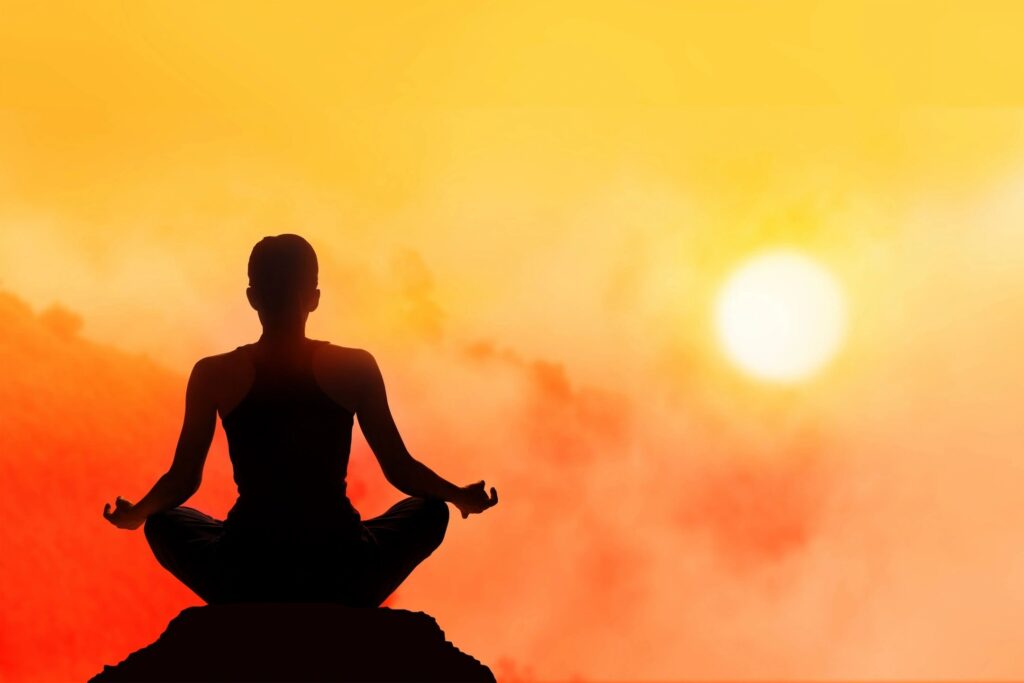
Exercise doesn’t need to be long or intense to improve wellness. Mindful movement integrates physical activity with awareness, focus, and mental balance.
Start with short daily sessions. Five to fifteen minutes of stretching, yoga, or walking while focusing on breath and movement is effective.
Combine with routine tasks. Stand and stretch during breaks, take stairs mindfully, or walk slowly while noticing your surroundings.
Focus on body awareness. Observe posture, tension, and breathing while moving. This awareness improves alignment, reduces injury risk, and enhances mental clarity.
Consistency is key. Daily micro-practices compound into improved flexibility, stress reduction, and energy over time.
Mindful movement creates balance between body and mind, even in a busy lifestyle.
WELLNESS
The Best Way to Start a Mindfulness Practice in a Busy Life

Mindfulness is often associated with meditation retreats or long sessions — intimidating for beginners. In reality, it can be integrated into daily routines.
Start small: a 5-minute daily meditation focusing on breath awareness. Gradually extend as comfort grows.
Incorporate mindfulness into ordinary tasks: eating, walking, or even washing dishes. Paying attention to sensory details cultivates presence.
Use reminders. Phone alerts, sticky notes, or visual cues can trigger short mindfulness exercises throughout the day.
Consistency matters more than duration. Even brief daily practice reinforces calm, focus, and resilience over time.
WELLNESS
The Quiet Effect of Spending Time Alone

Spending time alone is often misunderstood.
Some see it as loneliness, but it can also be a form of balance.
Being alone creates space to think, reflect, and reset.
Without constant interaction, your mind has time to process experiences.
This can improve clarity and reduce stress.
However, balance matters.
Too much isolation can feel disconnecting, while too little alone time can feel overwhelming.
Understanding your personal balance is key.
Because time alone is not about isolation — it’s about connection with yourself.
INSPIRATION
The Power of Starting Where You Are, Not Where You Wish You Were

Many people wait for the “perfect conditions” to start a project, pursue a goal, or make a change. They think: I’ll start once I have more experience, money, confidence, or time. This mindset creates stagnation because ideal conditions rarely exist.
Starting where you are is about acknowledging your current resources, knowledge, and abilities — however imperfect they may seem. Action, even small and hesitant, builds momentum. Each step provides lessons, feedback, and adjustments that refine your path forward.
Consider real-life examples: a writer begins with imperfect drafts, a business owner starts with minimal funding, a musician practices in a noisy apartment. In all cases, progress occurs not because conditions were ideal but because consistent effort was applied.
Starting now also reduces fear. Action confronts uncertainty and builds confidence organically. Waiting for perfection often magnifies doubt, making the initial leap harder over time.
Practical tips: break your goals into small, manageable tasks. Start with one simple step today, then the next tomorrow. Measure progress not by immediate perfection but by momentum.
Inspiration is not about waiting for readiness — it’s about embracing imperfection and using your present circumstances as fuel for growth.
WELLNESS
Why Chasing Happiness Can Actually Make You Miserable

Happiness is often treated as a goal — a prize to attain. But this pursuit can backfire. When happiness becomes an objective, every moment is evaluated against whether it “counts” as joyful. Life becomes a constant self-assessment: Am I happy yet? Am I doing enough?
Paradoxically, chasing happiness too aggressively often leads to anxiety, dissatisfaction, and even depression. The more we focus on feeling good, the less satisfied we feel, because real life includes discomfort, challenge, and complexity.
Instead, meaningful engagement produces a deeper form of contentment. This comes from pursuing purpose, learning new skills, contributing to others, or entering “flow” states where time disappears and focus is total. These moments may not feel blissful in a superficial sense, but they create a sustained sense of fulfillment.
A practical approach is to stop evaluating every action through the lens of immediate happiness. Focus on growth, curiosity, and contribution. Enjoyment often follows as a byproduct, not a direct aim.
It’s also important to redefine happiness. Contentment is not a constant euphoria but a balanced awareness of life’s highs and lows. By embracing this perspective, you reduce pressure, improve mental resilience, and cultivate genuine well-being.
Ultimately, the lesson is clear: don’t chase happiness directly. Live intentionally, engage meaningfully, and let true satisfaction emerge naturally.
WELLNESS
The Subtle Stress of Having Too Many Choices

Having options is often seen as a positive thing. More choices mean more freedom.
But too many choices can create a different kind of pressure.
Deciding what to eat, what to watch, what to do — constant decision-making can become exhausting.
This is known as decision fatigue.
When faced with too many options, it becomes harder to choose, and satisfaction with the decision may decrease.
Simplifying choices can reduce this stress.
Having routines, limiting options, or setting preferences in advance can make daily life easier.
Freedom is valuable, but too much of it can feel overwhelming without structure.
WELLNESS
The Difference Between Being Busy and Being Mentally Drained

Being busy and being mentally drained are not the same thing, even though they often feel similar.
You can be busy with structured tasks and still feel energized. But mental drain comes from something different — constant switching, lack of focus, and emotional strain.
Activities that require constant attention shifts can exhaust the mind more than sustained effort.
This is why a day filled with small, scattered tasks can feel more tiring than one focused project.
Recognizing this difference helps in managing energy.
Reducing unnecessary distractions, grouping similar tasks, and allowing time for focused work can reduce mental fatigue.
It’s not always about doing less — it’s about how your attention is used.
INSPIRATION
The Quiet Confidence of People Who Don’t Need Validation

Some people move through life without constantly seeking approval. They make decisions, take action, and trust themselves.
This kind of confidence is not loud or attention-seeking. It is steady and internal.
It comes from self-awareness — knowing your values, your goals, and your direction.
People with this mindset don’t rely heavily on external opinions. They listen, but they don’t depend on validation to move forward.
This doesn’t mean they never experience doubt. It means they don’t let doubt control their actions.
Building this kind of confidence takes time. It starts with small decisions — trusting yourself, even when outcomes are uncertain.
Over time, that trust grows.
And eventually, you rely less on approval and more on your own judgment.
WELLNESS
Why You Feel Better After Cleaning Your Space

There is a noticeable shift that happens after cleaning your space. The environment feels lighter, more organized — and so does your mind.
This is not just about appearance. It’s about how your surroundings influence your mental state.
Clutter creates subtle stress. Even if you’re not consciously aware of it, a disorganized space can feel overwhelming.
Cleaning introduces order. It reduces visual noise and creates a sense of control.
There is also a sense of completion. Finishing a task, even a simple one, can be satisfying and motivating.
The effect is both physical and psychological.
A clean space supports focus, reduces stress, and creates a more comfortable environment.
Sometimes, improving how you feel doesn’t start internally — it starts with changing what’s around you.
WELLNESS
The Hidden Cost of Always Being Available

Being constantly available might seem like a good thing, but it comes with hidden costs.
Always responding to messages, emails, and requests leaves little time for rest and reflection.
It creates an expectation that you are always accessible, making it harder to set boundaries later.
Over time, this can lead to mental exhaustion and reduced focus.
Learning to disconnect is essential. Not every message requires an immediate response.
Protecting your time and energy improves both productivity and well-being.
. INSPIRATION
How to Start Over Without Feeling Like You Failed

Starting over can feel discouraging, especially when it follows a setback. However, it is often a sign of growth rather than failure.
Reframe your perspective. Every experience provides lessons that can guide future decisions.
Focus on what you can control now instead of dwelling on the past.
Set new goals that align with your current situation.
Take small steps forward. Progress builds confidence over time.
Starting over is not the end of a journey but the beginning of a stronger one.
WELLNESS
How to Recognize When You Need a Mental Break

Many people push through stress without realizing they need a break. Recognizing early signs can prevent burnout.
Common signs include difficulty concentrating, irritability, and constant fatigue.
Pay attention to changes in mood or motivation. These often indicate mental overload.
Taking short breaks during the day can reset focus and improve clarity.
Engaging in relaxing activities helps restore balance.
Recognizing the need for rest is not weakness but a necessary part of maintaining well-being.
WELLNESS
Best Way to Manage Mental Fatigue in a Busy World

Mental fatigue is common in today’s fast-paced environment. It can reduce productivity, focus, and overall well-being.
Recognizing the signs is the first step. Difficulty concentrating, irritability, and lack of motivation often indicate mental exhaustion.
Taking regular breaks is essential. Short pauses during work help reset the mind and improve performance.
Practicing mindfulness or relaxation techniques can reduce stress and improve mental clarity.
Limiting information overload is also important. Reducing screen time and avoiding constant multitasking helps prevent burnout.
Prioritizing rest and sleep ensures that the mind has time to recover and recharge.
Managing mental fatigue improves focus, creativity, and overall quality of life.
INSPIRATION
How to Build Self-Confidence Step by Step

Self-confidence is built through consistent actions and positive self-perception.
Start by setting small achievable goals and celebrating progress.
Focus on strengths rather than weaknesses.
Surround yourself with supportive and positive influences.
Challenge negative thoughts and replace them with constructive ones.
Confidence grows over time through action, persistence, and self-belief.
INSPIRATION
How to Fix a Lack of Motivation

Lack of motivation can occur in work, fitness, or personal projects. Understanding its root causes and applying practical strategies can reignite drive.
Identify clear, achievable goals and break them into smaller steps. Overwhelming tasks reduce motivation, while small milestones create momentum.
Create a conducive environment. Reduce distractions, organize your workspace, and surround yourself with supportive influences.
Reward yourself for progress. Positive reinforcement reinforces motivation and builds a habit of productivity.
Consistency and self-compassion are key. Motivation fluctuates naturally, and acknowledging small achievements maintains long-term engagement.
By addressing underlying barriers and implementing structured steps, it is possible to overcome stagnation and achieve personal objectives.
PERSONAL DEVELOPMENT
How to Fix Procrastination Using Time-Blocking
Procrastination often occurs when tasks feel overwhelming or unclear. Time-blocking breaks work into structured segments.
First, list all tasks and estimate the time required for each. Then assign specific blocks on your calendar for focused work, breaks, and minor tasks.
During each block, minimize distractions. Turn off notifications, silence phones, and create a quiet environment.
Start with high-priority or high-energy tasks in the morning when focus is strongest. Reserve easier or routine tasks for later.
Review daily progress each evening. Adjust blocks as needed for future efficiency.
Time-blocking transforms overwhelming workloads into achievable, structured actions, reducing stress and increasing productivity.
WELLNESS
How to Fix Poor Posture While Working from Home

Long hours at a desk can lead to slouched shoulders, neck pain, and fatigue. Correcting posture improves comfort, focus, and overall health.
Start with ergonomics. Adjust chair height so feet rest flat on the floor, knees at a 90-degree angle, and elbows aligned with the desk. Monitor screens should be at eye level.
Strengthening exercises help maintain alignment. Focus on core, back, and shoulder muscles through planks, rows, and shoulder stretches.
Take movement breaks every hour. Simple standing stretches, short walks, or mobility exercises reduce stiffness.
Finally, mindfulness while sitting is essential. Regularly check posture, gently pulling shoulders back and aligning the spine.
Consistent attention to posture prevents chronic pain and promotes better energy and focus during work.
WELLNESS
How to Fix Digital Overload in Daily Life
Modern technology connects people globally, but it can also create constant distraction and mental fatigue. Digital overload occurs when notifications, emails, and social media dominate attention throughout the day.
One of the simplest solutions is setting device boundaries. Turning off unnecessary notifications immediately reduces interruptions.
Scheduling technology-free periods can also help. Many people now dedicate certain hours—especially mornings or evenings—to offline activities.
Replacing screen time with restorative activities such as reading, walking, or meditation can significantly improve mental clarity.
Another useful strategy is organizing digital spaces. Unsubscribing from unwanted emails, cleaning up apps, and limiting social media usage reduces information overload.
Technology should support productivity and connection rather than dominate attention. Managing digital habits helps restore focus and calm.
INSPIRATION
Beginner Guide to Building Confidence
Confidence is often misunderstood as something people are either born with or not. In reality, confidence develops through experience and self-trust.
The first step is recognizing small achievements. Every completed task or personal improvement provides evidence that progress is possible.
Another strategy is stepping slightly outside comfort zones. Trying new activities, speaking up in conversations, or learning new skills gradually builds self-belief.
Self-talk also matters. Replacing harsh criticism with constructive reflection encourages growth rather than fear of failure.
Confidence does not mean never feeling nervous. Even successful individuals experience doubt. What separates them is their willingness to act despite uncertainty.
Over time, repeated positive experiences strengthen self-confidence and resilience.
WELLNESS
Practicing Gratitude in Everyday Life

Gratitude is a simple concept, yet it has profound psychological benefits. Recognizing and appreciating positive aspects of life helps shift attention away from stress and negativity.
Practicing gratitude does not require major events. Small moments — a supportive conversation, a pleasant walk, or a satisfying meal — can all inspire appreciation.
Many people maintain gratitude journals where they write down a few positive experiences each day. This practice trains the mind to notice positive details that might otherwise go unnoticed.
Research suggests that regular gratitude practices can improve mood, strengthen relationships, and increase overall life satisfaction.
Gratitude also encourages perspective. Difficult challenges become easier to navigate when individuals remain aware of supportive people and meaningful experiences around them.
Incorporating gratitude into daily routines can therefore contribute to both emotional resilience and deeper contentment.
INSPIRATION
Why Persistence Often Matters More Than Talent

Talent can open doors, but persistence determines how far someone ultimately goes. Many successful individuals attribute their achievements not to extraordinary natural ability but to consistent effort over time.
Persistence involves continuing to work toward goals despite setbacks or slow progress. Learning new skills, building a career, or developing creative projects often requires sustained commitment.
Failures and obstacles are inevitable. However, those who persist treat challenges as opportunities to learn rather than reasons to quit.
History provides countless examples of innovators, artists, and entrepreneurs who faced repeated difficulties before achieving success. Their willingness to continue refining their work made the difference.
Persistence builds resilience and confidence. Each challenge overcome strengthens the belief that progress is possible.
Ultimately, determination often outweighs talent when it comes to long-term achievement.
New Year a time for creating a vision board.
- Post authorBy Ngozi Franca Okoye
- Post date
Happy New Year everyone. This is the time to create a vision board as the New Year just started. It will help you focused to achieve your goals. Furthermore it will help you monitor your aspirations as your vision board can be long term or short term. There is no pressure on which particular order you start to achieve your vision board.

In addition to creating your vision board, also create an achievement board. Achievement board help you to assess the progress you are making with your vision board. It helps keep you thankful to see how far you have achieved your goals. Have fun creating your vision and achievement boards.

Transform your life – move forward in the right direction.
- Post authorBy Ngozi Franca Okoye
- Post date
- No Commentson Transform your life – move forward in the right direction.

To transform your life, you have to be aware of the things you need to change in your life to make it better. To change your behaviour, it’s more effective to work at a higher logical level, to see how it fits with your beliefs, identity the overall purpose. For example, to stop smoking or drinking, you need to determine what it gives you often a sense of space and calm.
Replace that behaviour with something else that gives you space and calm. You will also need to create a new identity, so you will still ink yourself to smoking if you call yourself a nonsmoker. You need to view yourself as a fit and healthy person, who looks after their body and believes that they need to feed their body the right nutrients
LEARN THE ART OF RELAXATION.

With today’s hectic lifestyle, taking solace in the art of simplicity is the key. Try brainstorming to align your goals with your purpose while bringing the elements of mind, body and spirit into balance. When you close your eyes, imagine yourself achieving the goals that you’ve set. Visualizing the realization of your ambition creates continuing awareness and commitment to your goals. End your evenings with a filled night’s sleep, at least 6 -8 hours per night, and try to squeeze in a 1-2-hour nap once a week. It is also a good idea to arrange holidays from time to time.
Nourish your body and soul.

NOURISH YOUR BODY AND SOUL
Opportunity abounds each day of our life, each hour and each minute presents us with an ample time to renew our faith, redefine, redirect and re – align our body and spirit and move us closer towards achieving those goals. It is faith, not the mad rush that characterise the life of our people, during the ‘ember months (September, October, November and December) that will determine the level of awareness and self-rejuvenation. A solid spiritual base that nourishes your soul from within will empower you to take control of your life, while growing deeper in the knowledge of God, the service to humanity and the realisation of self worth, will strengthen your resistance to challenges of life.
If we want our bodies to sustain us over the years, we’ve got to give them what they need to operate efficiently. This includes giving our bodies a daily regimen of exercise, proper nutrition and self-care. Incorporation of a form of cardiovascular exercise into your daily routine also helps to reduce stress, improve blood flow and flexibility
Chase after your aspirations- Don’t let them wither away.
- Post authorBy drfranca
- Post date
- No Commentson Chase after your aspirations- Don’t let them wither away.

Most people have aspirations they want to achieve in life. However, as we all know living life is complicated. As a result of this complication a lot people begin to loose interest in their aspirations or even forget them altogether. This reason is because they believe their aspirations are now unattainable. This is how to realise your aspirations.
Each evening, look at your aspirations and make a list of what you will do the next day in order to move towards your goals.
Bring about real changes in attitudes
You have to become aware of what it is that you are doing that you want to change. To change your behaviour, it’s more effective to work at a higher logical level, to see how it fits with your beliefs, identify the overall purpose. Bear in mind that whatever attitude you want to change has to bring you closer to achieving your aspirations. But always incorporate time to think and visualise. Give yourself time but work hard at it. Before you know it the puzzles will start to fit it.
Rediscover yourself.
- Post authorBy drfranca
- Post date
- No Commentson Rediscover yourself.

REDISCOVER YOURSELF
You must see yourself differently as we enter these ‘ember months. This is the time to reevaluate our lives especially during this pandemic. The mad rush to Christmas is starting as our ambition to break through life barriers builds up. These barriers include Social, financial, relationship, tribal etc. Whatsoever yours is or are, you must see through the magnifying glass to identify the end results.
A metaphorical story by a local church priest illustrates this perfectly well. Here it goes: A tree surgeon otherwise known as wood cutter makes daily trip to the market to sell just enough to feed himself for the day. On one occasion while on his usual trip, a man stopped him to dish out an advice. He said, “why don’t you cut and sell enough to last you for a week at least so that you don’t have to make these daily trips.” “Why that?” the surgeon asked. “So that you make sufficient amount to feed and buy yourself a wheel barrow, that will make your profession easier”. “After wheel barrow what next”, Mr tree surgeon said. The man told him that after that he could then go ahead to build a house as the wheel barrow would assist him to make more money. The tree surgeon appeared adamant and replied saying, “what next after building a house to live”. The man told him that he would go ahead to build an estate for rents and regular income. “Ok. after that what next”, he said again. “Of course after an estate you can now relax”, the man told him. The surgeon shouted, “what a long process to achieve relaxation”. He then told the man that he was relaxed doing his job.
Before beginning the journey of self-renewal, you must be willing to admit that you need improvement, development, correction and encouragement. Cut out the old habits, the bad relationships or the unhealthy attitudes that are success saboteurs. Be willing to admit deficiencies in your character, your skills your habits and lifestyle. Denial in any form will cause you to procrastinate and resist growth. Whether it’s poor time management, poor money management, low self-esteem, fear or doubt, you must identify the obstacles that are holding you back before taking the steps to overcome them.
‘NO’ is a complete sentence.
- Post authorBy drfranca
- Post date
- No Commentson ‘NO’ is a complete sentence.

Build your confidence by knowing when to say No. ‘No’ is a complete sentence and it is an extremely powerful word to use when we are trying to empower ourselves. Whilst living our lives, we are encouraged to be positive and proactive. This makes many people to say yes very often hence turning them into overwhelmed or burdened individuals. However, in order to have a balanced life in which you feel confident and in control, you have to learn to say ‘no’ to anything or anyone that drains your energy and is not in your best interests.
If you are someone who is a people pleaser then it’s quite clear that you need to learn to say ‘no’ a lot more than you currently do. If something is not improving or nourishing your life, ask yourself why you are doing it. Is it worth the effort? Has it outlived its usefulness in your life? If you feel that you don’t have a very good reason for doing something, just say ‘no’ to it. Mind you that it will take some practice from you but you will get there. By saying ‘no’ when you can not do somethings means that when you do say ‘yes’ it is highly valued and thereby bestowing power on you.
Action and reaction is equal and opposite.
Instead of shrinking, know that freedom is what you do with what’s been done to you. Take charge of your life

Live your life one day at a time. Become more present in each moment. Give yourself time to slow down, notice all the details of your day-today life and take advantage of the external and internal cues around you. As you pay more attention to your world and have an open, receptive state of mind, you’ll start to see more and increase your awareness of flow. This is a time for inspiration and acquiring new insight and new perspectives on things. When you’re entangled in a fast-paced goal-driven life, you can fall into the trap of living in the future and overlooking the magic of the present. But when you pay attention to the moment, you’ll probable be pleasantly surprised by the great opportunities that are staring you in the face, simply waiting to be noticed! So get on with living and enjoying every moment of your life.
Spring clean your life.
- Post authorBy drfranca
- Post date
- No Commentson Spring clean your life.

The benefit in spring cleaning your life is the boost it provides to your energy flow. Successful people conserve and reserve more than enough energy in their mental, physical and emotional being to carry their ideas and projects through to completion. Their energy visibly flows through them and can be contagious, captivating others and sweeping them along as things get done quickly and almost effortlessly. To increase your energy flow, you need to minimize the things or situations that sap your energy and maximize the things or situations that bring so much energy into your life.
A known fact is that clutter drains you of energy, so sort everything out, decide what to keep, throw out, give away, sell or store. Get rid of anything you don’t absolutely need or haven’t used in the some months. Assign a home to everything you wish to keep and get organized.
Give yourself emotional makeover.
- Post authorBy drfranca
- Post date
- No Commentson Give yourself emotional makeover.

- Create an Inspirational Environment at Home and at Work
Developing an inspirational environment, both at home and at work, is a key element of your starting point. Establish a tranquil, harmonious home as one of the cornerstones of your life. If the space you reside has a positive atmosphere, you’re more likely to be in a position to perform at your best.
2. Check the area you live or work in.
Do you like the area where you live? Do you like the area where you work? If it’s not ideal, what can you do to make the best of it? Is your home somewhere you can relax and recharge? Does it suit your preferred lifestyle?

Sometimes small changes like changing the lighting, adding shelving, fresh flowers, music, pictures-can make a big difference. At work, adding plants and making sure you have a clear desk and tidy files can give you more energy to be productive. Think what you can do to improve your own space and go ahead and do it for a better you.
Decongestion is the key to reclaiming your life.

Decongestion of our immediate environment is the key to reclaiming our life. When we declutter our surroundings, it reduces our stress levels and makes us happier. We all have a certain amount of gunk or certain issues that block our lives, people and beliefs that hold us back, slow us down or drain our energy. We put up with clutter, niggling unfinished tasks and less than ideal situations that divert us from the important things in life, if you want to focus on your future, you need to get rid of as much of this gunk as possible.
What are the nagging issues, big and small, in your life at this moment? Maybe you haven’t really noticed until now all the little annoying things that are holding you back. We tolerate so many things unnecessarily. A negative, judgemental and over critical friend, a fridge that’s too small, old television set, a scanner that doesn’t work properly, a pile of ironing, unfinished paperwork, a dirty car, a client who drains us. The list is endless, so make a list of the issues that hold you back from attaining your goal. Then act upon that list gradually until you reach your potential. You will realise that you will experience less niggling feelings.
How to develop the right attitude.

Getting the right attitude:
1. Build on strengths-start with your biggest talents and go from there.
2. Know that people who are overcritical and attach negative labels and judgements don’t help anybody.
3. Acknowledge that change can be fun and rewarding and notice the difference.
4. Cultivate a flexible approach- when something isn’t working, it’s time to change.
5. Realise that there is a time and place to be soft and sensitive as well as a time and place to be tough to get your point across especially in a work place.
6. Introduce a sense of humour and spontaneity into your day.
7. Recognise that work is part of your life so find time to play too.
8. Rapport with colleagues is the best foundation for business. When the relationship is right, the business will follow.
9. Envisage and visualise the outcomes you want. When you are clear about what you want you can go in the right direction.
10. Listen with empathy and convince the communicator that you are interested in what they have to say. Make eye contact.
HOW TO SAVE YOURSELF FROM STRESS.
- Post authorBy drfranca
- Post date
- HOW TO SAVE YOURSELF FROM STRESS.

The fact that you are alive has an element of stress associated with that. Stress is nothing but feelings of anxiety and uncertainty. There are two kinds of stress, eustress and distress. Eustress happens to us out of good emotions, for example when you are too happy or over excitement can cause us eustress. On the other hand, we have distress, which comes to us due to bad emotions, and that is the one that cause us more harm.

This is how to manage distress. When you feel stress, there are many things you can do, you can for example start doing exercises, engage yourself in sports, that will produce some good hormones in your body and help to relieve some of these stress. If there are certain things or certain people that give you stress, I tell you see them less often if they are going to cause you stress. We are talking about your life here. So if you have a lot of people or some people that cause you to be stressed, think of how you go around them, be prepared so that you do not feel that much stress when you are around them, if at all you have to be around them. There are some other things you can do to also relieve these symptoms of stress, you can take up cleaning, something as simple as cleaning your home can relieve stress. A tidy and organised environment has been proven to relieve stress. There are also some other things you can do to a reduce stress, you can take up yoga, you can take up meditation and of course you can pray, put everything in the hand of God. When you put all your problems in the hands of God, stress kind of releases. You have to go spiritual sometimes in order to help yourself.
How to save yourself from jealous people.

Jealousy is the green eyed monster that eats up the soul. Jealousy stems from the feelings of insecurity, fear, resentment and lack of self esteem. That means that someone (Jealouser) is jealousing someone else (Jealousee) because of their status or that the jealousee have something that the jealouser feel that they cannot have. Envy and jealousy go hand in hand. Anybody who is constantly jealous is never happy, and the quickest way to age and look old is to feel jealous all the time. Nevertheless, there is really no point to feel jealous all the time. The world is so big that it can contain everybody and their different aspirations and ambitions.
The points below will help you know when someone is jealousing you.
They will be overcritical of you even when it is obvious you are performing well. They will fail to reason because a jealous person has lost all reasoning power as they are consumed by the power of jealousy.
They will assume the higher moral ground. This will enable them to hide under the cloak of righteousness to perpetuate their jealous plans which is to be judgemental.
They act as nice people to others except to the person they are jealous of. This enables them to hide their real intentions. They would always claim that they are concerned and that they want the best for you. But you know by yourself that interactions with these people don’t make you feel so good.
Most of these jealous people are control freaks and they have a god complex. They feel that the world should revolve around them. So they don’t feel happy when someone is better than them. So they try to berate the person. They try to dismiss the accomplishments of the person they are jealous of or even wish that the good things happened to somebody else because they are consumed by jealousy.
This is how to save yourself from jealous people.

First of all, you should feel happy that people are jealous of you. It means that you are worthy and have things that they don’t have hence why they are jealous of you.
Try and get on with your life as best as you can, do not let them demolarise or demotivate you. Be your biggest fan and your own biggest cheerleader so that their actions will not affect you whatever they do.
Know that the problem is not you but them. They are lacking in self awareness. Infact they deserve pity. So ignore them as much as possible or when you have the time you can offer explanations to them. But what ever happens don’t let their actions affect you.
Boost your self esteem.
- Post authorBy drfranca
- Post date
- No Commentson Boost your self esteem.

Mantras are strong, positive statements powerful tools for improving self-esteem and confidence. Through regular repetition of any particular mantra, the subconscious mind comes to terms with the message and it becomes normal to the subconscious mind. Therefore negative self talk is replaced by positive messages and ideas. You can create mantras to achieve anything you want, to improve any kind of situation, and to combat any kind of stress: fear of failure, lack of confidence, pain, anger.
Mantras can be general or specific, they are best kept short and simple, and should always be positive rather than negative (‘I am making it in life’ not ‘I’m no longer struggling’).
LIVE YOUR BEST LIFE.
- Post authorBy drfranca
- Post date
- No Commentson LIVE YOUR BEST LIFE.

The biggest adventure you can ever take is to live the life of your dreams. In a nutshell Dr Franca says that to be financially free you have to think, think, think. Change your thinking to possibility thinking and know that with God all things are possible.
Remember that only those who can risk going too far can really find out how far they can go. I cannot tell you what business to go into at this stage.

All I am saying is that for you to change your outlook you will for the first time have to notice the opportunities that abound.
Risk must be taken, because the greatest hazard in life is to risk nothing. The person who risks nothing does nothing, has nothing and is nothing.
Winners never quit and quitters never win

Failure and success are two sides of the coin – the will to try
If at first you don’t succeed try, try again. If you are a true entrepreneur you should not know the meaning of the word “Failure”. Real entrepreneurs look at failure as just another obstacle in their path to success. In fact, many people believe that you must fail’ before you can truly achieve monumental success.
A great example is Thomas Edison the great inventor of electric bulb. Thomas tried and failed more than one thousand times before his invention. Henry Ford encountered several failures as a great automobile genius of our time. Albert Einstein failed over one million times in his laboratory experiments.
How to live a great life: START WITH WHAT YOU HAVE “YOURSELF”
HOW TO LIVE A GREAT LIFE: START WITH WHAT YOU HAVE; YOURSELF.
To live a great life, you have to start some where. The most competent person you know now in matters concerning you is yourself, so it makes perfect sense to start with what you have which is your humble self. This means that you have to look within you and search for the hero inside you. Start with the talents you have. We all have capabilities and abilities, it is only that some of us have not realized how to turn what we have into opportunities. So instead of waiting for that big break, start with the little you have and turn it into something big.
How to stay focussed and positive.
HOW TO STAY FOCUSED AND POSITIVE

- Say this positive and self-fortifying mantra very often: ‘I haven’t peaked yet the best is yet to come’
- Avoid rigid vocabulary (‘should”, ‘always’, no-one/everyone’ and especially ‘can’t’)
- Test your assumptions. If you think you would find t stressful to speak out in a meeting, write down something you’d like to say and read it out! What’s the worst that could happen?
- Talk about how you feel. You’re not the only one with fears and difficulties and speaking to others helps you keep things in proportion.
OPEN YOUR MIND

DEVELOP YOURSELF… A mind is like a flower very beautiful when open
It may be a cliché, but life really is what you make it. Research has shown over and over again that optimistic people with a positive outlook on life are healthier and live longer, and tend to have more stable relationships and better-paid jobs than their negaholic counterparts. Pessimists make their own lives miserable and they drag others down with them. But, if you alter your mindset from negative to positive and see your glass as half full rather than half empty- you’ll give yourself the potential for a healthier, happier and longer life.
Are you being too hard on yourself?
Most of us aren’t even conscious of our negative thoughts, let alone realise how we’re subconsciously stopping ourselves from reaching our goals.
Read the statements below and tick which apply to you:
- You think there are no opportunities around.
- You see everything as being at one extreme or the other. For example, you might think: ‘because the party didn’t go completely to plan, it was a total failure
- You ignore compliments and only focus on the negative. Perhaps nine people tell you that they love your new hairstyle, but your friend says she preferred it as it was. You, of course only dwell on your friend’s comment.
- You fail to recognise your own achievements only dwelling on what went wrong and what you could have done better.
- You’re always criticising yourself, using terms like ‘must’, ‘should’ and ‘have to’ in such a way that you always feel bad about yourself.
- You always blame yourself, regardless of whether or not you’re responsible or not.
If you can recognise any of these traits in yourself, you’ve already made the first important step in changing your life. Now, tell yourself that you have the capacity to retrain your mind to adopt a thinking style that not only reduces stress, but also will get you more of what you want, more of the time. Over time you will re-programme your thought patterns to accentuate the positive and eliminate the negative. So, if you’re fed up with holding back, you can change your mindset and start living.