
- HOME & LIVING – Bringing Nature Indoors
Nature possesses a remarkable ability to create feelings of calm and comfort within our homes. Introducing natural elements into our living spaces encourages both relaxation and creativity throughout our daily routines.
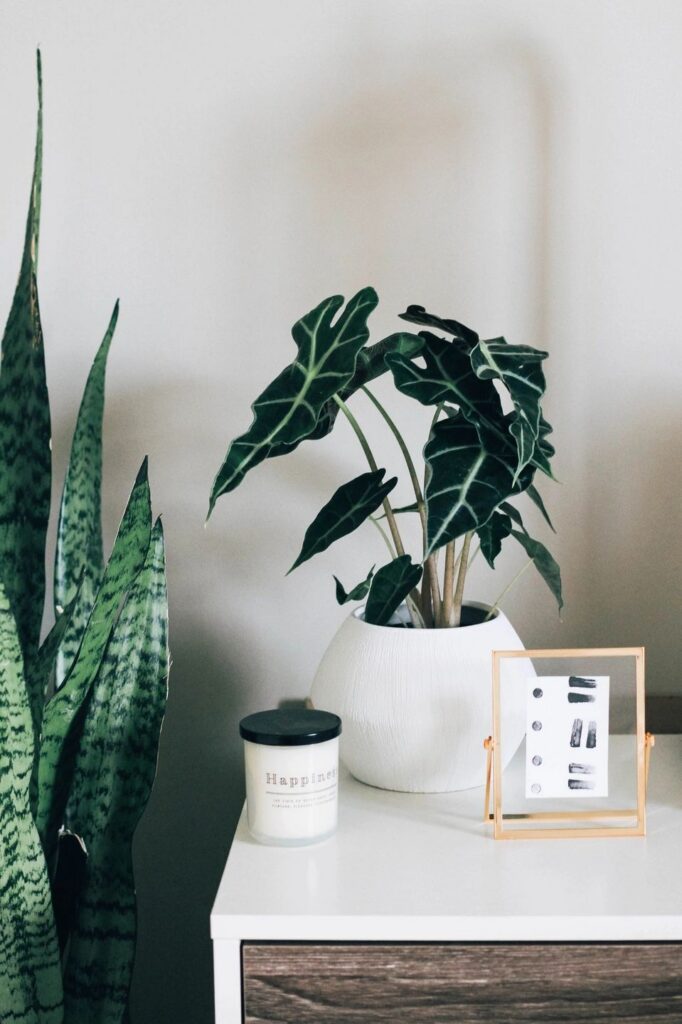
Fresh flowers, indoor plants, natural materials, and abundant sunlight can significantly influence how welcoming and peaceful our homes feel. Even small additions often create meaningful transformations.
Creating beautiful spaces need not require extensive renovations or expensive furnishings. Sometimes, opening a window to welcome fresh air or creating a quiet reading corner becomes enough to transform an ordinary room into something truly restorative.
Our homes should nurture us emotionally as well as physically. Bringing nature indoors gently reminds us to slow down, breathe deeply, and appreciate life’s quieter moments.
The most beautiful homes are often those that make us feel entirely at peace simply by walking through the door.
- HOME & LIVING – The Joy of Decluttering Your Space
A clutter-free home often creates a clutter-free mind. Decluttering is not about throwing everything away; it is about creating spaces that feel calm, organised, and welcoming.
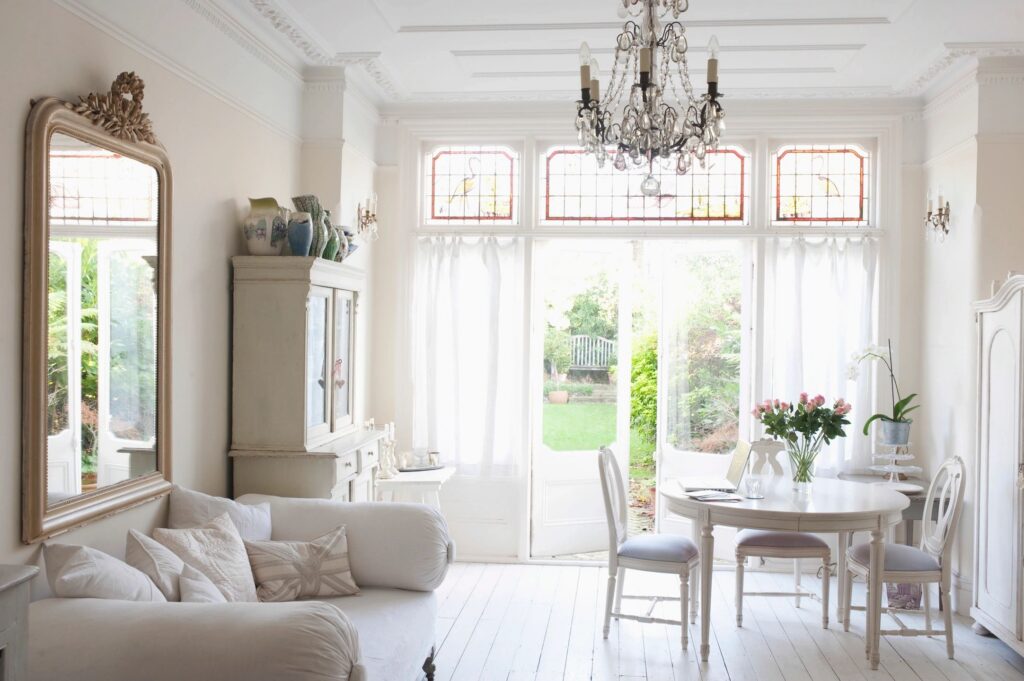
Removing items you no longer use can make cleaning easier and improve your overall living environment. Organised spaces also reduce everyday stress by helping you find what you need quickly.
Decluttering can begin with a single drawer or shelf. Small changes often create significant improvements over time.
Creating a peaceful home environment contributes positively to both mental and emotional well-being.
HOME & LIVING
Creating a Garden Space at Home

A garden, whether large or small, can transform a home into a more peaceful and welcoming environment. Plants bring colour, freshness, and a connection to nature.
Gardening can also be a relaxing activity that reduces stress and encourages mindfulness. Caring for plants provides a sense of achievement and satisfaction as they grow.
Even people with limited space can create beautiful garden areas using pots, balconies, or indoor plants.
A green space does not just improve the appearance of a home—it can improve the atmosphere and create a place for relaxation.
LIFESTYLE
Why Keeping a Diary Can Improve Your Life

Writing in a diary isn’t just for teenagers. People of all ages can benefit from recording their thoughts, experiences, and reflections.
A diary provides a private space to express emotions, celebrate achievements, and work through challenges. Many people find that writing helps organise their thoughts and reduces stress.
Keeping a diary also creates a valuable personal record. Looking back on past entries reminds us how much we’ve grown and the obstacles we’ve overcome.
You don’t need to write pages every day. Even a few sentences about what happened, what you learned, or what you’re grateful for can make a meaningful difference.
Sometimes, putting thoughts onto paper is the first step towards understanding them more clearly.
LIFESTYLE
The Beauty of Creating Family Traditions

Family traditions create memories that last for generations. They give people a sense of belonging and provide moments to reconnect in a busy world.
Traditions do not need to be expensive or complicated. They can be as simple as a weekly family meal, a yearly celebration, cooking a special recipe together, or taking an annual trip.
These shared experiences strengthen relationships and create stories that families remember for years.
Traditions also help pass values, culture, and history from one generation to another.
Sometimes the smallest traditions become the most meaningful ones.
LIFESTYLE
Why Hobbies Enrich Our Lives

Hobbies provide more than entertainment—they encourage creativity, reduce stress, and promote personal growth.
Gardening, photography, painting, cooking, knitting, reading, music, and woodworking are just a few examples of activities that enrich daily life.
Hobbies also provide opportunities to meet like-minded people, learn new skills, and maintain a healthy balance between work and leisure.
Making time for enjoyable activities is an investment in overall happiness.
The Happiness Found in Simple Pleasures

Modern life often encourages people to pursue bigger achievements, larger homes, and more possessions. Yet genuine happiness is frequently discovered through life’s simplest pleasures.
Watching the sunrise, enjoying a favourite meal, reading a good book, spending time with family, or taking a peaceful walk can provide lasting satisfaction.
Simple pleasures remind us that joy is often available in everyday experiences rather than extraordinary events.
Learning to appreciate these moments enriches both personal happiness and emotional well-being.
LIFESTYLE
Living Well Through Simplicity
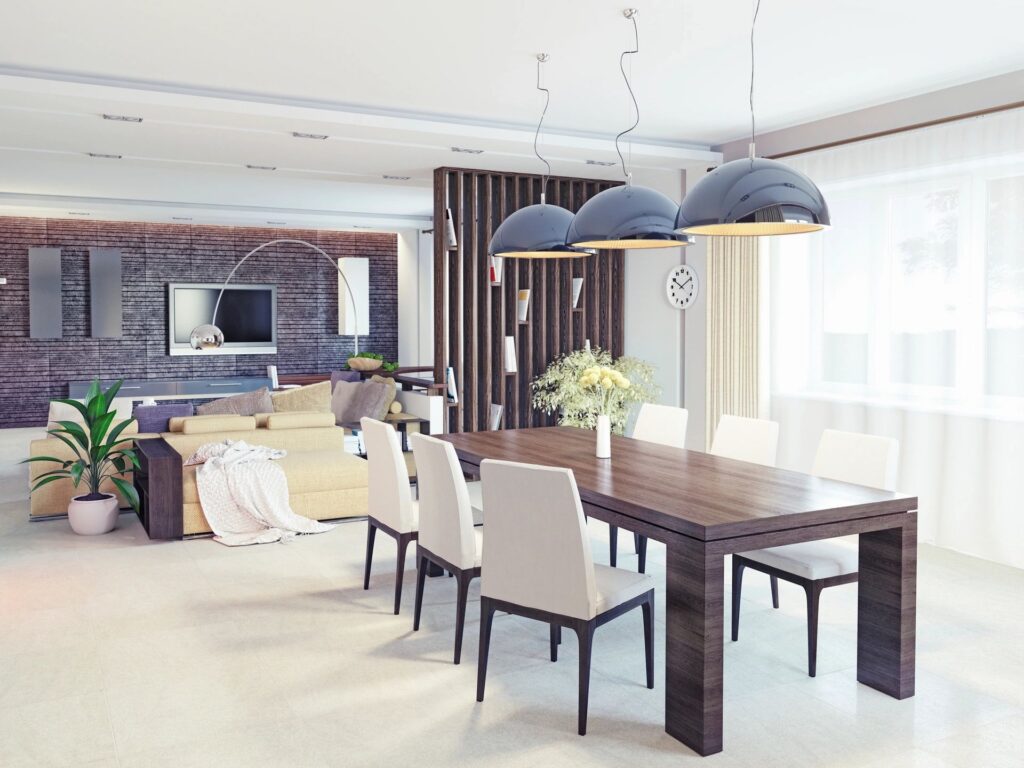
Many people discover that true contentment comes not from having more but from appreciating what they already possess.
Living simply encourages thoughtful choices about time, relationships, and personal priorities. It allows people to focus less on possessions and more on meaningful experiences.
Simplicity creates room for creativity, gratitude, and peace of mind.
In a busy world, choosing simplicity is often a deliberate decision to value quality over quantity.
TRAVEL
Why Every Journey Teaches Something New

Travel changes more than our location—it often changes our perspective.
Every destination offers lessons about culture, history, architecture, food, and human connection. Even short trips can inspire curiosity and broaden understanding.
The most memorable journeys are not always the most expensive. Often they are the ones that introduce us to new ideas and different ways of life.
Travel remains one of the world’s greatest classrooms.
LIFESTYLE
The Joy of Lifelong Curiosity
Curiosity does not belong only to children.
Adults who continue asking questions, learning new skills, and exploring unfamiliar ideas often experience greater personal satisfaction and adaptability.
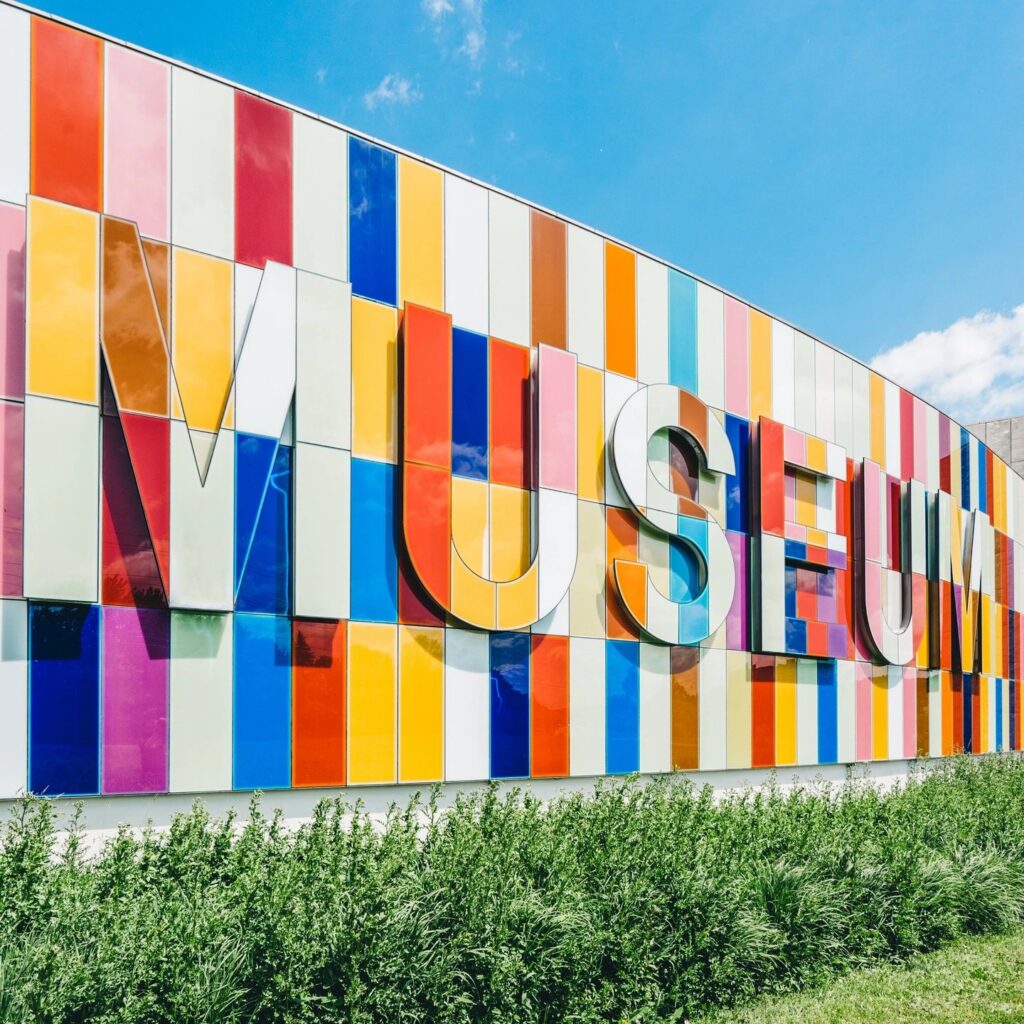
Learning a language, trying a new recipe, reading widely, or visiting museums all contribute to lifelong curiosity.
A curious mind remains open to opportunities and sees learning as an ongoing adventure rather than something that ends with formal education.
The Importance of Living Intentionally
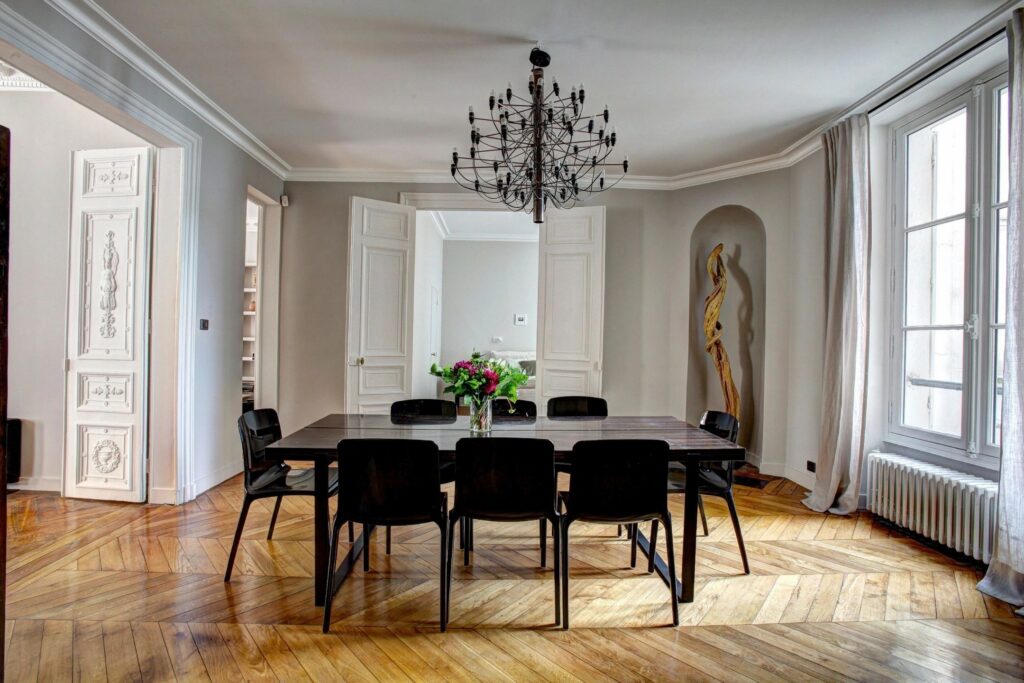
Modern life can feel busy and reactive. Many people spend their days responding to obligations without considering whether their activities align with their values and goals.
Intentional living encourages individuals to make conscious decisions about how they spend their time, energy, and resources.
This approach does not require perfection. Rather, it involves greater awareness and purpose.
When people live intentionally, they are often better able to focus on what truly matters and create a life that reflects their priorities.
Why Personal Growth Never Goes Out of Style

Trends come and go, but personal growth remains a timeless pursuit.
Personal growth involves developing new skills, expanding knowledge, improving habits, and gaining a deeper understanding of oneself. It is a continuous process rather than a destination.
Individuals who prioritize growth often approach challenges as opportunities to learn rather than obstacles to avoid. This mindset supports resilience and adaptability in changing circumstances.
Regardless of age or profession, personal growth provides a foundation for long-term fulfillment and achievement.
WELLNESS
The Benefits of Disconnecting from Technology
Technology has transformed communication, education, and productivity. However, constant connectivity can also create challenges.
Many people spend significant portions of their day responding to notifications, emails, and digital content. While these tools provide convenience, they can also contribute to mental fatigue and distraction.
Periods of intentional disconnection allow individuals to recharge and focus on activities that support well-being. Reading, spending time outdoors, exercising, or engaging in face-to-face conversations can provide valuable balance.
Technology remains a powerful tool, but wellness often depends on using it intentionally rather than constantly.
LIFESTYLE
Why Hobbies Are Making a Comeback

In an increasingly connected world, many people are rediscovering the value of hobbies.
Activities such as painting, gardening, photography, reading, and music provide opportunities for creativity and relaxation. Unlike work-related tasks, hobbies are often pursued for enjoyment rather than productivity.
Hobbies can also support personal growth by encouraging new skills and experiences. They create opportunities for social connection and offer a break from daily responsibilities.
As awareness of work-life balance grows, hobbies are becoming an important part of a healthy and fulfilling lifestyle.
Why Simplicity Is Becoming More Attractive
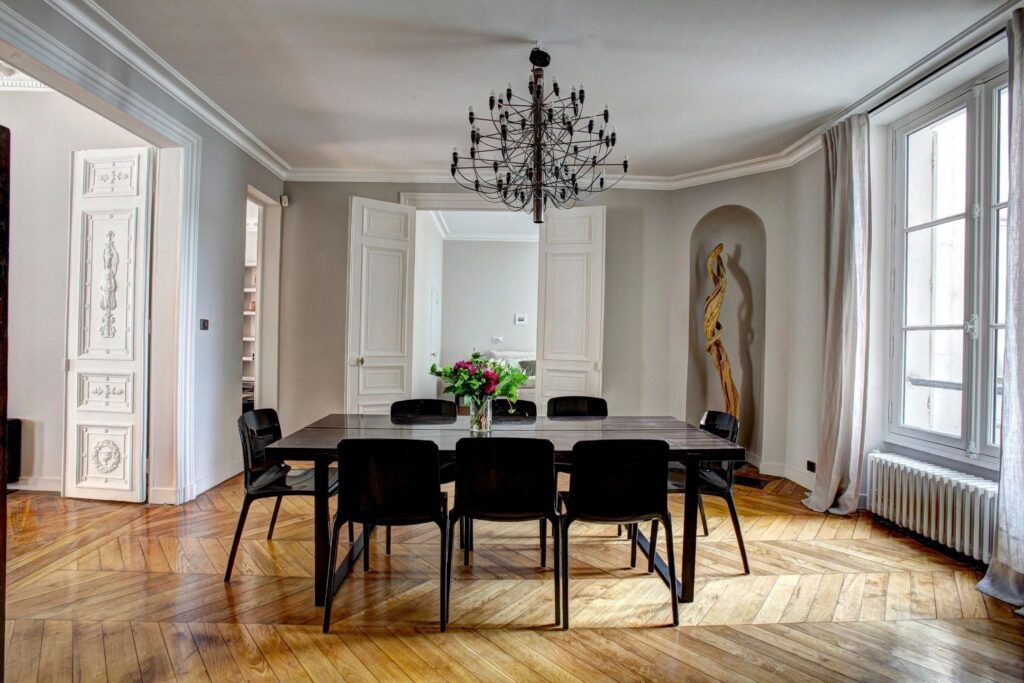
In a world filled with endless choices, notifications, and commitments, many people are discovering the value of simplicity.
Simplicity does not necessarily mean owning fewer possessions or abandoning ambition. Rather, it involves focusing on what truly matters and eliminating unnecessary complexity.
People are increasingly seeking simpler routines, clearer priorities, and more intentional lifestyles. This approach often reduces stress while creating greater space for meaningful experiences.
The appeal of simplicity reflects a growing desire for clarity and balance in an increasingly busy world.
The Art of Creating a Meaningful Home

A home is more than a physical space. It reflects personality, values, and daily habits.
Creating a meaningful home does not necessarily require expensive renovations or luxury furnishings. Often, it involves designing spaces that support comfort, functionality, and personal expression.
Many people are moving away from trends and focusing instead on environments that reflect their lifestyles. Family photographs, books, artwork, and cherished objects can transform a house into a place of belonging.
A meaningful home supports well-being by providing a space where individuals can relax, connect, and recharge.
LIFESTYLE
The Growing Appeal of Intentional Consumption

Consumers today have access to more products and services than at any other time in history. Yet many people are beginning to question whether more always means better.
Intentional consumption involves making purchasing decisions based on values, needs, and long-term usefulness rather than impulse or external pressure.
This approach encourages individuals to consider quality over quantity and to think carefully about how purchases contribute to their lives.
Intentional consumption is not necessarily about spending less. Rather, it is about spending more thoughtfully. People may choose durable products, support local businesses, or prioritize experiences over possessions.
The movement reflects broader conversations about sustainability, financial well-being, and personal fulfillment.
As consumers become increasingly conscious of their choices, intentional consumption is emerging as a lifestyle philosophy that balances practicality with purpose.
TRAVEL
Why Local Markets Offer the Best Cultural Experiences

Many travelers seek authentic experiences that reveal the true character of a destination. Local markets often provide exactly that.
Markets serve as gathering places where residents shop, socialize, and conduct daily business. They offer insights into local food, traditions, and lifestyles that may not be visible at major tourist attractions.
Visitors can discover regional ingredients, handmade products, and cultural customs while interacting directly with local vendors.
Markets also reflect the economic and social life of a community. Observing daily activity often provides a richer understanding of a destination than simply visiting famous landmarks.
For travelers seeking deeper cultural experiences, local markets remain among the most rewarding places to explore.
Why People Are Reassessing Success

Traditional definitions of success often focused on career advancement, income, and material possessions. While these factors remain important to many, a growing number of people are reevaluating what success means in their own lives.
For some, success now includes flexibility, meaningful relationships, personal growth, and well-being. Others prioritize experiences, purpose, and work-life balance over purely financial achievements.
This shift reflects broader cultural changes. Increased awareness of mental health, burnout, and quality of life has encouraged many individuals to question whether traditional measures of success truly align with their values.
Rather than rejecting ambition, people are redefining it. Success is becoming more personal and individualized.
As society evolves, there is increasing recognition that a fulfilling life may look different for each person. The ability to define success on one’s own terms may be one of the most significant lifestyle trends of the modern era.
TRAVEL
The Hidden Benefits of Traveling Without an Itinerary

Many travelers spend weeks planning detailed itineraries before departure. While preparation has clear advantages, there is growing appreciation for a different approach: traveling with flexibility.
Traveling without a rigid schedule allows for spontaneity and discovery. Rather than rushing between predetermined attractions, travelers can respond to opportunities as they arise. Unexpected conversations, local recommendations, and unplanned experiences often become the most memorable parts of a journey.
Flexible travel encourages greater engagement with destinations. Visitors may spend more time exploring neighborhoods, visiting local markets, or observing daily life rather than simply checking landmarks off a list.
This approach can also reduce stress. Overpacked schedules sometimes transform vacations into obligations. Allowing room for spontaneity creates opportunities for relaxation and deeper cultural immersion.
Travel without a strict itinerary does not mean abandoning planning entirely. Basic preparation remains important. However, leaving space for the unexpected often allows travelers to experience destinations in a more authentic and personal way.
As modern travel becomes increasingly accessible, many people are discovering that some of the best experiences are the ones they never planned.
Why Personal Time Has Become a Modern Luxury

Many people associate luxury with material possessions, yet personal time may be one of the most valuable resources today.
Modern schedules are often filled with work commitments, social obligations, digital communication, and constant connectivity.
As a result, uninterrupted personal time has become increasingly rare.
Whether spent reading, walking, reflecting, or pursuing hobbies, personal time supports mental clarity and emotional balance.
In an increasingly busy world, the ability to control one’s own time may be one of the greatest forms of freedom.
Why People Are Rediscovering Handwritten Journals

Despite the convenience of digital technology, handwritten journals are making a quiet comeback.
Many people find that writing by hand encourages reflection and deeper engagement with thoughts and experiences.
Journaling can help organize ideas, track goals, process emotions, and record personal growth.
Unlike digital communication, handwriting often feels slower and more intentional. This can create a sense of mindfulness that is increasingly rare in modern life.
As people seek meaningful ways to disconnect from constant notifications, journaling continues to offer a simple yet effective solution.
CAREER
Why Curiosity Is a Professional Advantage

Curiosity is often associated with childhood, but it remains one of the most valuable professional qualities throughout adulthood.
Curious professionals ask questions, seek new knowledge, and remain open to different perspectives.
This mindset encourages innovation and adaptability. In rapidly changing industries, curiosity often leads to continuous improvement and professional growth.
Employers increasingly value individuals who demonstrate willingness to learn rather than relying solely on existing expertise.
As workplaces evolve, curiosity may become one of the defining traits of long-term career success.
Why People Are Choosing Simplicity Over Excess

Modern life often encourages constant consumption and endless upgrades. Yet many people are moving in the opposite direction by embracing simplicity.
This shift is not necessarily about owning less. Rather, it is about being intentional with possessions, commitments, and daily routines.
People increasingly value experiences, relationships, and peace of mind over accumulation.
Simplifying life can reduce stress, improve focus, and create more time for meaningful activities.
As lifestyles become increasingly complex, simplicity is emerging as a powerful form of personal freedom.
CAREER
Why Communication Skills Are Becoming Career Essentials

Technical skills remain important, but communication ability increasingly shapes professional success.
Professionals must now collaborate across teams, cultures, and digital environments more than ever before.
Clear communication improves leadership, teamwork, negotiation, and problem-solving.
Importantly, strong communication builds trust and professional credibility.
And increasingly, employers are recognizing interpersonal effectiveness as a major competitive advantage in modern workplaces.
Why Train Travel Is Experiencing a Revival

Train travel is becoming increasingly attractive to modern travelers seeking slower and more scenic experiences.
Unlike fast-paced air travel, trains often allow passengers to engage more fully with landscapes and the journey itself.
Many travelers appreciate the reduced stress, comfort, and environmental benefits associated with rail transportation.
Train travel also creates opportunities for reflection and uninterrupted relaxation.
Importantly, the journey becomes part of the experience rather than simply transportation.
And increasingly, travelers are valuing quality of movement as much as the destination itself.
Why People Are Returning to Analog Hobbies
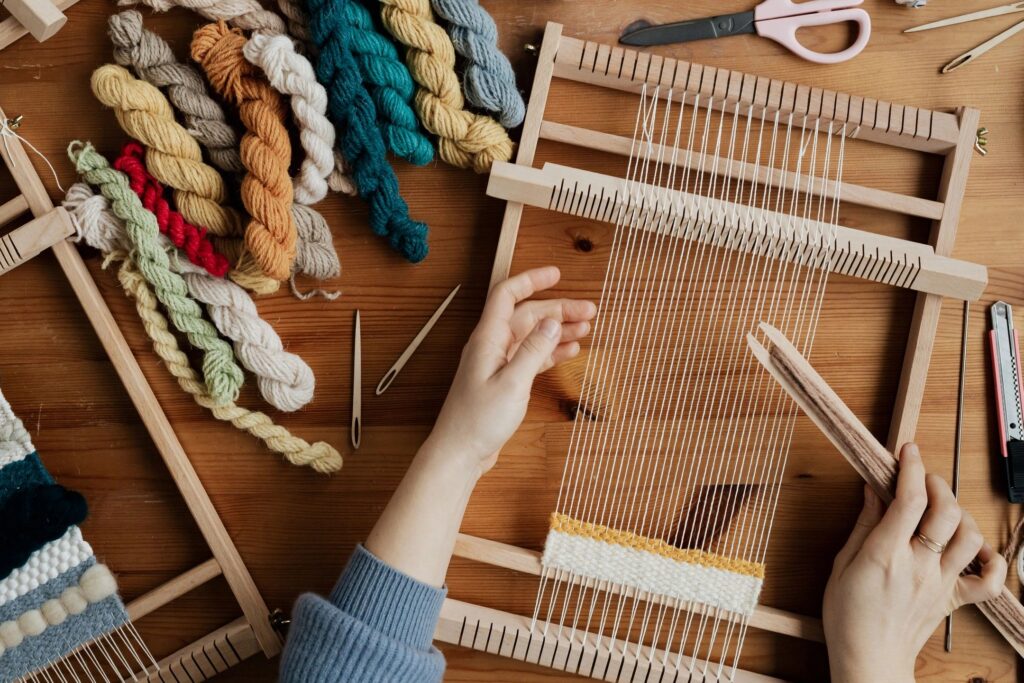
In highly digital environments, many individuals are rediscovering analog hobbies such as reading physical books, journaling, painting, gardening, film photography, and vinyl records.
These activities provide relief from constant screen exposure and digital overstimulation.
Analog hobbies also encourage patience and deeper focus because they often require slower, more intentional engagement.
Many people report that these hobbies feel calming and emotionally grounding.
Importantly, analog activities create experiences that feel tactile and personal in ways digital interaction sometimes lacks.
And increasingly, people are seeking balance between technological convenience and slower forms of creativity.
Why People Are Protecting Their Time More Carefully

Time is becoming one of the most valued resources in modern life.
Many people are now becoming more intentional about how they spend their time, who they spend it with, and what activities deserve their energy.
This shift reflects growing awareness around burnout, emotional exhaustion, and overstimulation.
People are beginning to understand that constant availability often leads to stress rather than productivity.
Protecting time may involve setting boundaries, reducing unnecessary commitments, or limiting digital distraction.
Importantly, time protection is not selfishness.
It is recognizing that attention and energy are limited resources.
And increasingly, balanced lifestyles are being built around intentional time management rather than constant busyness.
Why People Are Prioritizing Experiences Over Possessions

Material success once centered heavily around ownership and accumulation. Today, however, many people are placing greater value on experiences rather than possessions.
Travel, personal growth, wellness, meaningful relationships, and memorable moments are increasingly viewed as more fulfilling than constant consumption.
One reason for this shift is emotional sustainability. Experiences often create stronger memories and personal meaning than material purchases.
There is also growing awareness that excessive consumption does not necessarily lead to long-term happiness.
Importantly, experiences often strengthen human connection and perspective in ways possessions cannot.
And increasingly, modern lifestyles are becoming more focused on meaning and fulfillment rather than accumulation alone.
Why Cultural Experiences Are Shaping Modern Tourism

Modern travelers are increasingly seeking cultural experiences rather than only sightseeing attractions.
People want to understand local traditions, food, art, language, and daily life in the places they visit.
This shift reflects a growing desire for meaningful travel rather than purely performative tourism.
Cultural experiences often create stronger memories because they involve connection and perspective rather than observation alone.
Travelers are also becoming more respectful of authenticity and local identity.
And increasingly, tourism is being shaped by curiosity, learning, and cultural appreciation.
Why Personal Space Matters More Than Ever

Modern life is highly connected, fast-moving, and socially demanding. As a result, personal space is becoming increasingly important for emotional balance and mental well-being.
Personal space does not only refer to physical environment. It also includes emotional boundaries, quiet time, and the ability to disconnect from constant interaction.
Many people now feel overstimulated by nonstop communication, digital engagement, and social expectations.
Creating personal space allows individuals to think clearly, recover emotionally, and maintain a stronger sense of identity.
Importantly, needing space does not mean rejecting relationships or community.
It means recognizing that balance requires moments of privacy and restoration.
And increasingly, personal space is being viewed as an important part of healthy living.
Why People Are Creating More Intentional Homes
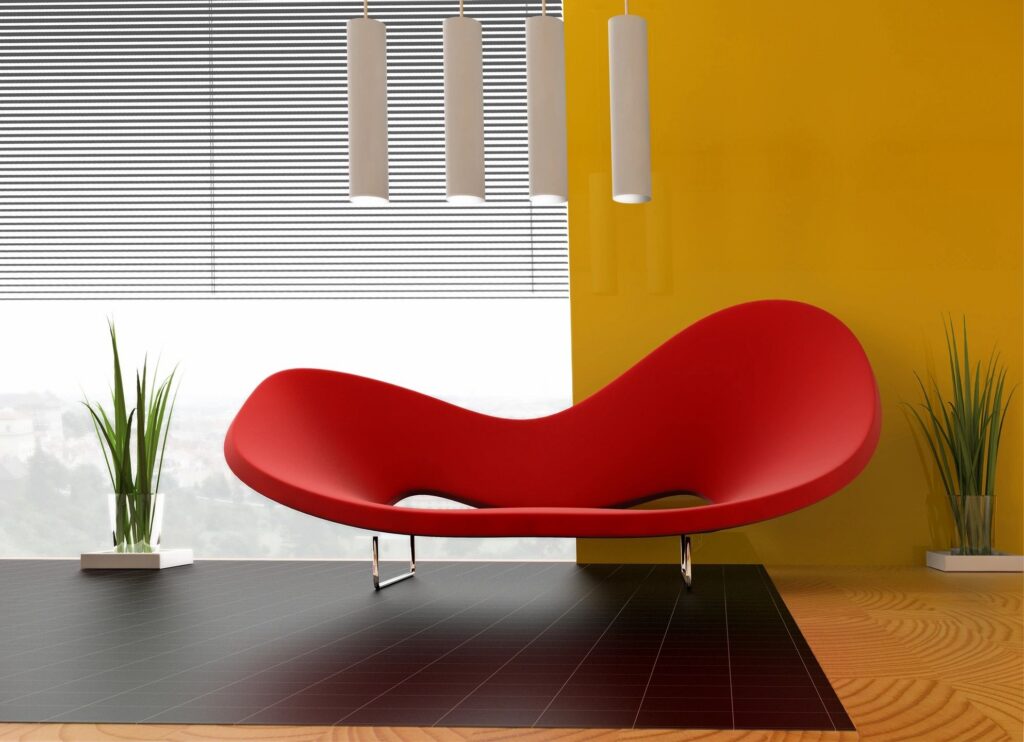
Homes are becoming more than places to sleep or store belongings. Increasingly, people are designing homes intentionally to support emotional well-being, productivity, and personal identity.
This trend reflects changing priorities around lifestyle quality. Many individuals now value calmness, comfort, and functionality more than excessive decoration or status-focused design.
Lighting, organization, natural materials, and peaceful environments are becoming more important in modern interiors.
Remote work has also influenced this shift by increasing the amount of time people spend at home.
Importantly, intentional homes are not about perfection or luxury. They are about creating spaces that support daily balance and comfort.
And increasingly, home environments are being viewed as extensions of emotional wellness itself.
Why More People Are Romanticizing Everyday Life

A growing lifestyle trend involves finding beauty and meaning in ordinary daily experiences. Often referred to as “romanticizing everyday life,” this mindset encourages people to appreciate simple moments more intentionally.
Instead of waiting for major achievements or special occasions, individuals are learning to enjoy small routines such as morning coffee, evening walks, reading, cooking, or quiet time at home.
This shift reflects a desire for emotional balance in highly demanding environments. Many people are becoming tired of constant productivity culture and external pressure.
Romanticizing daily life encourages mindfulness and appreciation of the present moment.
Social media has also influenced this trend by highlighting slower, more aesthetic approaches to living.
Importantly, this mindset is not about pretending life is perfect. It is about noticing moments of calm, beauty, and meaning that often go overlooked.
And increasingly, people are recognizing that fulfillment can exist within ordinary life rather than only in extraordinary moments.
Why More People Are Creating “Offline Hours”

In an age of constant digital access, many individuals are beginning to intentionally disconnect for parts of the day through what is becoming known as “offline hours.”
Offline hours are scheduled periods without social media, messaging, or constant online engagement. For some, this may mean avoiding screens during meals or before sleep. For others, it involves dedicated periods of complete digital absence.
The goal is not to reject technology completely, but to create healthier relationships with it.
Many people report feeling mentally exhausted from continuous notifications, information overload, and social comparison. Offline time allows the mind to recover and refocus.
It also improves presence. Without constant digital distraction, conversations, hobbies, and personal reflection often become more meaningful.
Importantly, offline hours help restore boundaries between work, personal life, and rest.
As awareness around digital fatigue grows, intentional disconnection is becoming more common.
And increasingly, protecting time away from screens is being viewed as an important part of modern well-being.
Why Personal Privacy Is Becoming a Modern Luxury
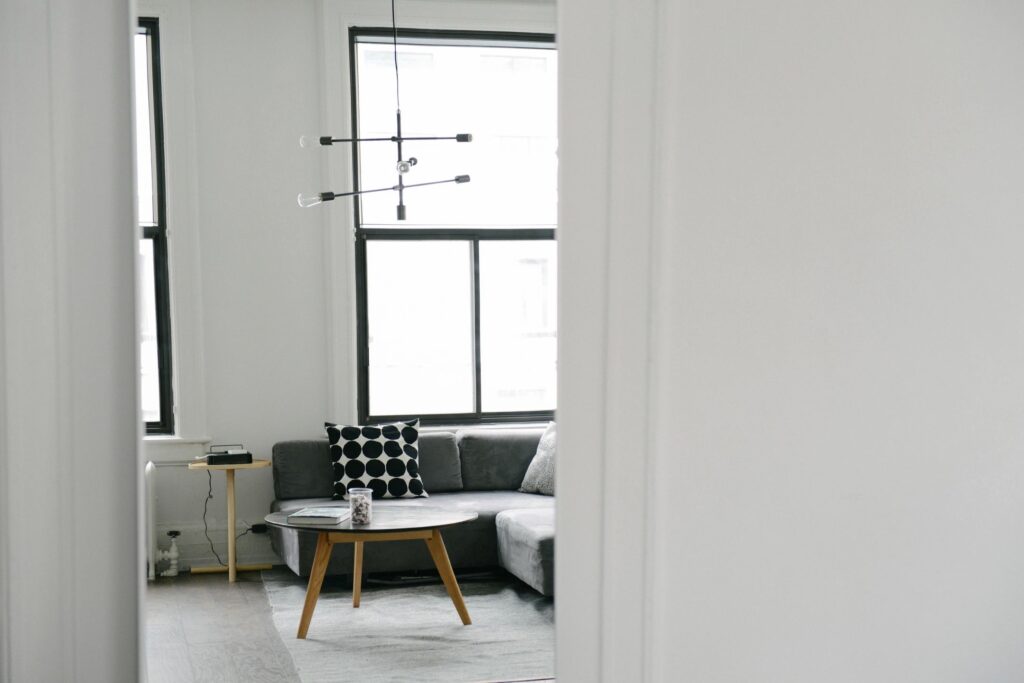
In the digital age, privacy has become increasingly rare.
Social media, constant connectivity, and public sharing have created environments where much of daily life is visible online. As a result, personal privacy is becoming more valuable than ever.
Many people are becoming more selective about what they share publicly. Quiet living, private routines, and controlled visibility are increasingly viewed as forms of balance and self-protection.
Privacy creates emotional space. It allows individuals to think, grow, and make decisions without constant external observation.
This shift also reflects fatigue with performative culture. People are recognizing that not every experience needs to be documented or publicly validated.
And increasingly, the ability to maintain personal boundaries is becoming a modern form of freedom.
TRAVEL & CULTURE
Why Cultural Curiosity Is Changing the Way People Travel

Travel is becoming less about luxury and more about understanding.
Increasingly, travelers are seeking cultural experiences that provide insight into local life rather than simply visiting tourist attractions. Food, language, traditions, and everyday routines are becoming central parts of the travel experience.
This reflects a growing desire for authenticity. Many people want travel to feel meaningful rather than performative.
Cultural curiosity also encourages respect and openness. Experiencing different ways of living often challenges assumptions and broadens perspective.
Another reason for this shift is accessibility. Social media and digital content have exposed people to cultures around the world, increasing interest in deeper exploration.
Travel is no longer only about escape.
And increasingly, it is becoming an opportunity for education, perspective, and connection.
Why More People Are Choosing Slower Mornings

Morning routines have become increasingly associated with productivity and optimization. However, many people are now moving toward slower, calmer mornings instead.
A slower morning creates space before the demands of the day begin. It allows individuals to start the day with intention rather than urgency.
This might include quiet reflection, reading, stretching, or simply avoiding immediate digital engagement.
The goal is not to do more before 8 a.m., but to create a steadier mental pace.
People are recognizing that the tone of the morning often influences the rest of the day.
And increasingly, calmness is being valued more than constant acceleration.
Why Personal Space Is Becoming a Priority

As life becomes increasingly busy, personal space is gaining importance.
Personal space is not only physical—it is also mental and emotional. It provides time to think, reflect, and recharge.
Without it, individuals may feel overwhelmed or constantly engaged without rest.
Creating personal space can involve setting boundaries, reducing commitments, or simply taking time alone.
This space allows for better focus and improved well-being.
It also supports independence and self-awareness.
In a connected world, personal space is becoming a form of balance.
And maintaining that balance is essential for a sustainable lifestyle.
Why Digital Boundaries Are Becoming Essential

Technology has made life more connected, but it has also made it more demanding.
Constant notifications, messages, and information can create pressure and reduce focus.
As a result, many people are establishing digital boundaries.
This includes limiting screen time, turning off notifications, and creating device-free periods.
These boundaries help restore attention and improve mental clarity.
They also allow for more meaningful engagement with daily life.
In a digital world, boundaries are becoming a form of control.
And that control is essential for balance.
Why Quality Time Is Becoming More Valuable

Time is one of the most limited resources, and people are becoming more intentional about how they use it.
Quality time—whether spent alone or with others—is increasingly valued over constant activity.
This shift reflects a growing understanding that meaningful experiences matter more than busy schedules.
Quality time allows for deeper connection, better focus, and greater satisfaction.
It also reduces stress by creating space for rest and reflection.
In a world that often prioritizes speed, choosing quality over quantity is becoming a powerful lifestyle choice.
Why Intentional Living Is Replacing Busy Living

For years, being busy was seen as a sign of productivity. Now, many people are questioning that assumption.
Intentional living focuses on doing things with purpose rather than simply doing more.
This means choosing activities, commitments, and routines that align with personal priorities.
It often leads to fewer obligations—but more meaningful ones.
Intentional living also creates space. Space to think, to rest, and to engage more deeply with life.
It is not about slowing down for the sake of it. It is about aligning actions with values.
And that alignment is becoming increasingly important.
Why Slowing Down Is Becoming a Modern Luxury

In today’s fast-moving world, speed is often associated with success. However, many people are beginning to see slowing down as a luxury rather than a limitation.
Slowing down allows for deeper experiences. It creates space to think, reflect, and engage more meaningfully with everyday life.
Constant speed can lead to burnout. When everything is rushed, nothing is fully experienced.
Choosing to slow down does not mean doing less. It means doing things more intentionally.
This shift is influencing how people approach work, relationships, and personal time.
Slowing down is not about avoiding progress. It is about making progress sustainable.
And increasingly, that is being recognized as valuable.
Why Minimalism Is Becoming a Lifestyle Shift

Minimalism is no longer just a design trend. For many, it is becoming a lifestyle choice rooted in clarity and intention.
At its core, minimalism is about removing excess—physically, mentally, and emotionally. It is not about living with nothing, but about keeping what adds value.
Clutter, whether physical or digital, can create mental noise. Reducing it often leads to a clearer mindset and more focus.
Minimalism also changes consumption habits. People begin to prioritize quality over quantity and purpose over impulse.
This shift often leads to less stress and more control over daily life.
Minimalism is not about restriction. It is about freedom from unnecessary overload.
And in a fast-paced world, that simplicity is increasingly appealing.
Why People Are Redefining Productivity

Productivity used to mean doing more in less time. But today, many people are redefining what it actually means.
Instead of constant output, productivity is increasingly about meaningful output. It is not just about how much is done, but what is worth doing.
This shift comes from burnout. Constant busyness does not always lead to progress. In fact, it often reduces focus and creativity.
A more intentional approach asks different questions. What matters? What creates value? What can be removed?
This often leads to fewer tasks—but better results.
Productivity is also becoming more human. Rest, reflection, and balance are now seen as part of effectiveness, not distractions from it.
When people stop measuring productivity by volume alone, they gain clarity.
And with clarity, work becomes more purposeful.
Sometimes the most productive decision is not to do more—but to do what matters most.
Why People Are Craving Homes That Feel Peaceful
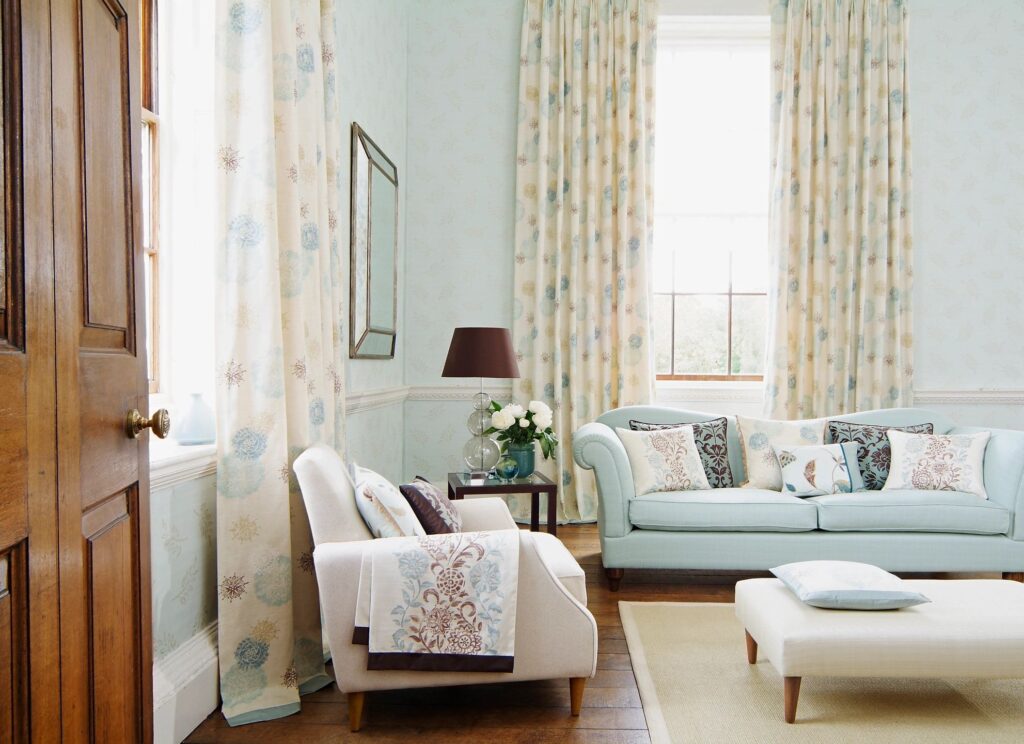
A beautiful home is one thing. A peaceful home is another.
Increasingly, people are valuing the second.
Not perfection. Peace.
Homes are being seen less as showcases and more as environments that affect emotional life.
Lighting. Order. Texture. Quiet corners. Even scent.
These subtle elements shape atmosphere.
And atmosphere shapes how a home feels.
A peaceful home does not require luxury. Often it comes from simplicity. Reduced clutter. Intentional spaces. Objects with meaning.
When the outside world feels noisy, people often want home to feel restorative.
That desire makes sense.
Home is where nervous systems settle. Where relationships unfold. Where ordinary life happens.
Making it feel calm is not superficial. It can support well-being deeply.
And perhaps that is why peaceful living spaces matter more than ever.
Why More People Are Choosing “Enough” Over More

For years success was often defined by accumulation. More achievement. More possessions. More expansion.
But many people are reconsidering that model.
Increasingly, there is interest in the idea of enough.
Enough space. Enough income. Enough commitments. Enough that supports life without excess complexity.
This is not lack of ambition. It is a different relationship with abundance.
Sometimes chasing more endlessly creates exhaustion.
Choosing enough can create peace.
It asks: What genuinely improves life? What merely adds noise?
That question can be liberating.
Enough is not settling. Sometimes it is wisdom.
And often contentment grows when life is measured not by endless expansion, but by meaningful sufficiency.
Why Rituals Make Ordinary Life Feel Richer

Routines help life function. Rituals help life feel meaningful.
There is a difference.
A routine may be making coffee. A ritual may be making coffee slowly every morning while journaling near a window.
Same act. Different presence.
Rituals turn ordinary moments into anchors.
A Sunday meal. An evening walk. Fresh flowers on the table. Reading before bed.
These small repeated acts create texture in life.
They are often underestimated because they seem simple. Yet they can shape atmosphere, mood, and memory.
In busy lives, rituals offer steadiness.
They remind us life is not made only of milestones. It is made of repeated moments.
And often it is those moments that become the most cherished.
A rich life is not always built from grand experiences. Sometimes it is built from beautiful repetitions.
Why Simplicity Leads to Greater Satisfaction

Modern life often encourages complexity — more choices, more commitments, and more expectations. While having options can be positive, it can also create overwhelm.
Simplicity offers an alternative.
Living simply does not mean doing less for the sake of it. It means focusing on what truly matters and removing what doesn’t add value.
When your life is simplified, decisions become easier. You spend less time overthinking and more time acting. This reduces stress and increases clarity.
Simplicity also improves focus. Without constant distractions, you can give more attention to what is important.
Another benefit is increased satisfaction. When you are not constantly chasing more, you begin to appreciate what you already have.
Simplifying your life can start with small changes — reducing unnecessary commitments, organizing your space, or limiting distractions.
Over time, these changes create a calmer and more intentional lifestyle.
Because sometimes, having less allows you to experience more.
Why Your Evenings Matter More Than You Think

While mornings often get the most attention, evenings play an equally important role in shaping your daily life.
How you spend your evenings affects your rest, recovery, and preparation for the next day.
Rushing through the evening or filling it with constant activity can make it harder to relax. This can lead to poor sleep and increased stress.
Creating a calm evening routine helps signal to your body that it is time to wind down. Simple habits, such as reducing screen time or taking a moment to relax, can improve overall well-being.
Evenings are also an opportunity to reflect. Taking a few minutes to review your day can provide clarity and reduce mental clutter.
A good evening routine sets the foundation for a better tomorrow.
Why Your Daily Routine Shapes Your Life More Than Big Decisions

People often believe that life is shaped by major decisions — career choices, big moves, or life-changing moments. While these are important, daily routines have an even greater impact over time.
Your routine is made up of small actions repeated every day. These actions determine how you spend your time, where your energy goes, and how your life develops.
For example, how you spend your mornings, how you manage your time, and how you relax all contribute to your overall lifestyle.
The challenge is that routines often happen automatically. Without awareness, habits can form that don’t support your goals.
Making small adjustments to your routine can create meaningful change. You don’t need to redesign your entire life — just improve a few daily habits.
Over time, these small changes add up.
Because ultimately, your life is not just shaped by what you do occasionally, but by what you do consistently.
Why Your Environment Shapes Your Habits More Than Willpower

Many people believe that discipline and willpower are the main drivers of behaviour change. While they matter, environment often plays a bigger role than motivation.
Your surroundings influence your habits more than you realize. If your environment makes a behaviour easy, you are more likely to repeat it.
For example, if healthy food is visible and accessible, you are more likely to eat it. If distractions are constant, focus becomes harder.
Changing behaviour is often less about forcing discipline and more about adjusting environment.
Small changes in your surroundings can lead to major lifestyle improvements.
Finding Joy in Everyday Moments

Life often feels like a series of goals and responsibilities. While achievement is important, it’s easy to overlook the value of everyday moments.
Joy doesn’t always come from big events. It often exists in small, ordinary experiences — a quiet morning, a conversation, or a moment of rest.
The challenge is noticing these moments. When you’re constantly focused on what’s next, it’s easy to miss what’s happening now.
Being present helps you appreciate these experiences. It shifts your focus from rushing through life to actually experiencing it.
Creating a fulfilling lifestyle doesn’t require major changes. It often starts with slowing down and paying attention.
Because sometimes, the simplest moments are the most meaningful.
LIFESTYLE
Redefining Success on Your Own Terms

Success is often defined by external standards — career achievements, financial status, or social recognition. While these markers can be meaningful, they don’t always reflect personal fulfillment.
Redefining success means looking beyond expectations and focusing on what truly matters to you.
For some, success may mean stability and security. For others, it may be creativity, freedom, or meaningful relationships. There is no single definition that applies to everyone.
The challenge is that external expectations are everywhere. Social media, society, and even personal circles can influence how success is perceived. This can create pressure to follow a path that doesn’t align with your values.
Taking time to reflect on what you actually want is an important step. This requires honesty and self-awareness.
It also means letting go of comparison. When you measure your life against others, it becomes difficult to appreciate your own progress.
A fulfilling lifestyle is built on alignment — making choices that reflect your priorities.
Success is not just about what you achieve, but how your life feels.
Creating a Life That Feels Balanced and Fulfilling

A fulfilling lifestyle is not about constant activity or achievement. It’s about balance — finding a way to manage your responsibilities while still making time for yourself.
Many people fall into the trap of being constantly busy. While productivity is important, it shouldn’t come at the cost of your well-being. Taking time to rest and recharge is just as valuable as getting things done.
Balance also means understanding your priorities. Not everything requires your attention at the same level. Learning to focus on what truly matters helps reduce stress and improve overall satisfaction.
Another important aspect is being present. Instead of rushing through your day, taking time to fully engage in what you’re doing can make a significant difference in how you experience life.
Relationships also play a key role in a balanced lifestyle. Spending time with people who support and uplift you adds value to your daily life.
Creating a fulfilling lifestyle doesn’t require major changes. Small adjustments, such as setting boundaries, managing your time better, and making space for rest, can have a big impact.
Ultimately, it’s not about doing more — it’s about doing what matters most.
INSPIRATION
Why Don’t I Feel Proud of My Achievements?

You achieve something.
But instead of feeling proud, you quickly move on.
Why does this happen?
Often, it’s because your mind shifts focus to the next goal immediately.
Achievement becomes a checkpoint, not a celebration.
Another factor is comparison.
Even after success, you may compare yourself to higher goals or others’ achievements.
This reduces satisfaction.
Learning to pause and acknowledge progress helps change this.
Because progress deserves recognition — even if it’s not final.
LIFESTYLE
Why Productivity Culture Is Making People Less Productive

Productivity advice is everywhere.
Wake up early. Optimise your day. Maximise your time.
But constant focus on productivity can backfire.
When every moment is structured, there’s no space for rest or creativity.
Pressure increases.
Burnout follows.
Ironically, this reduces productivity.
Because energy and focus decline.
Real productivity includes recovery.
Without it, output drops.
Because doing more doesn’t always mean achieving more.
LIFESTYLE
Why Free Time Doesn’t Always Feel Relaxing

You finally have free time.
But instead of feeling relaxed, you feel restless.
This happens when your mind hasn’t slowed down.
After being busy, your brain remains active.
Switching suddenly to rest can feel uncomfortable.
You may feel the need to “do something” instead of simply relaxing.
Transition matters.
Gradually shifting from activity to rest — through simple routines or low-effort activities — helps your mind adjust.
Because relaxation is not automatic.
It’s a state you ease into.
LIFESTYLE
Why You Keep Checking Your Phone — Even Without Notifications

You pick up your phone.
There’s no notification.
But you check it anyway.
This behaviour is not random.
It’s habit-driven.
Phones are designed to create anticipation.
You expect something new — a message, an update, a reward.
Even when nothing is there, the habit remains.
Over time, this becomes automatic.
You check without thinking.
Breaking this pattern requires awareness.
Noticing when and why you reach for your phone helps reduce unnecessary use.
Because habits continue until they are interrupted.
LIFESTYLE
Why Convenience Is Making Life Feel Faster — And Less Satisfying

Modern life is built around convenience.
Food is faster, communication is instant, and services are available immediately.
While this saves time, it also changes how we experience life.
When everything is quick, experiences become shorter.
There’s less anticipation, less process, and sometimes less satisfaction.
Waiting, preparing, and working toward something creates meaning.
Convenience removes that journey.
This doesn’t mean convenience is bad.
But relying on it entirely can reduce depth.
Because sometimes, the process is what makes the outcome valuable.
LIFESTYLE
Why Minimalism Isn’t For Everyone

Minimalism has become a global trend. Clean spaces, fewer belongings, and intentional living are praised widely.
But minimalism isn’t a universal solution. Some people thrive in rich, stimulating environments with lots of possessions. Their energy, creativity, and identity are tied to objects and experiences.
Minimalism works best when it enhances life rather than restricts it. Forcing it can create stress instead of calm. The key is intentional choice: keep what matters, let go of what doesn’t, and find your balance.
LIFESTYLE
Why Being Busy Has Become a Status Symbol

Being busy is often associated with importance.
People say “I’m busy” as a sign of productivity or success.
But busyness and effectiveness are not the same.
Constant activity can create the illusion of progress.
But without direction, it becomes noise.
The problem is perception.
When busyness is valued, people feel pressure to stay occupied.
Rest can feel unproductive.
But rest and focus are essential for meaningful work.
Shifting from busyness to intentional activity improves both results and well-being.
Because doing more is not always the same as doing better.
LIFESTYLE
Beginner Guide to Creating a Capsule Wardrobe That Saves Time and Money

A capsule wardrobe is a curated collection of versatile clothing designed to simplify daily decisions. This approach reduces clutter, enhances style, and saves money over time.
Start by assessing your lifestyle. Identify the activities, climates, and settings most common in your routine. Choose foundational pieces that can mix and match for multiple occasions.
Invest in quality over quantity. A few durable, well-fitting basics like a neutral blazer, jeans, and versatile shoes outperform a closet full of fast-fashion items.
Add statement pieces strategically. A bold scarf, colorful shoes, or patterned shirt can refresh the look of neutral items without overcomplicating choices.
Seasonal adjustments help maintain relevance. Swap out items rather than buying excessively, ensuring each piece serves a purpose.
Finally, declutter regularly. Remove items that no longer fit, are damaged, or no longer suit your style.
A capsule wardrobe saves time, money, and mental energy, giving you space to focus on other priorities in life.
. LIFESTYLE
Beginner Guide to Decluttering Your Digital Life

Digital clutter affects focus, stress, and productivity. From overflowing emails to multiple unused apps, the virtual environment mirrors our mental state.
Start with email cleanup. Unsubscribe from non-essential lists and organize remaining emails into folders. Daily or weekly review prevents backlog accumulation.
Next, audit apps and devices. Delete unused apps, organize home screens, and streamline notifications. This reduces distraction and decision fatigue.
Cloud storage and digital filing systems help maintain long-term organization. Name files logically and create folders for categories like finances, work, and personal projects.
Finally, schedule regular digital maintenance. Weekly or monthly reviews prevent clutter from re-accumulating.
A clean digital life reduces cognitive load, improves focus, and restores a sense of control in an increasingly connected world.
LIFESTYLE
Why You Feel Like You Never Have Enough Time

Many people feel like time is always limited.
No matter how much they do, there’s always something left unfinished.
This feeling is not always about lack of time — it’s about how time is perceived.
When your day is filled with constant tasks, interruptions, and decisions, it creates a sense of pressure.
Even small tasks add up, making the day feel overwhelming.
Another factor is lack of prioritization.
When everything feels important, nothing stands out. Time becomes scattered across too many activities.
The solution is not to do more, but to focus differently.
Identifying a few key priorities each day creates clarity.
This shifts the focus from quantity to quality.
Because having enough time is not always about the hours available — it’s about how those hours are used.
LIFESTYLE
Why Multitasking Is Slowly Stealing Your Life

Multitasking is praised in modern society — doing emails while attending a meeting, scrolling social media while cooking, or checking messages while working. But science proves it decreases efficiency, increases errors, and exhausts your mind.
The brain is designed for focus, not constant switching. Every time you switch tasks, you incur a “cognitive cost,” slowing progress and reducing quality.
Single-tasking — focusing on one thing at a time — may feel slower initially but produces more meaningful results. Completing a task fully before moving on reduces mental clutter and stress.
Multitasking also affects emotional health. Constant partial attention fragments experience, leaving a feeling of incompletion and dissatisfaction. You might finish the day exhausted yet feel you achieved little.
Breaking the habit requires intention. Start with time blocks dedicated to one task, turn off notifications, and resist the urge to split focus. Gradually, the brain adapts, improving both productivity and mental well-being.
By valuing depth over speed, single-tasking restores control and presence in daily life.
LIFESTYLE
Why Free Time Sometimes Feels Harder Than Being Busy

It sounds strange, but many people feel more comfortable being busy than having free time.
When you’re busy, your time is structured. You know what to do, and your focus is directed.
Free time, on the other hand, requires decisions.
What should you do? How should you spend it? What matters most?
This freedom can feel overwhelming.
Without structure, it’s easy to fall into passive habits — scrolling, watching, or doing things that don’t feel meaningful.
Creating light structure for free time can help.
It doesn’t mean planning everything, but having a general idea of how you want to spend it.
Because free time is valuable — but only if it’s used intentionally.
RELATIONSHIP
Why Some Conversations Feel Effortless — And Others Feel Draining

Have you ever noticed how some conversations flow naturally, while others feel exhausting?
The difference often comes down to alignment.
Effortless conversations happen when both people are equally engaged, interested, and present. There is a natural exchange, without forcing the interaction.
Draining conversations, on the other hand, often involve imbalance. One person may be doing most of the talking, or there may be a lack of genuine interest.
It can also happen when communication styles don’t match. Some people prefer depth, others prefer light interaction.
This doesn’t mean one type of conversation is better than the other — it just means compatibility matters.
Recognizing this can help you understand your interactions better.
Not every difficult conversation is a problem. Sometimes, it’s simply a difference in connection.
LIFESTYLE
Why Your Environment Influences You More Than You Realize

It’s easy to think that habits come purely from motivation or discipline. But environment plays a larger role than most people expect.
The spaces you spend time in influence your behavior in subtle ways.
A cluttered environment can make it harder to focus. A noisy space can increase stress. A well-organized space can improve clarity and efficiency.
Even small details matter. Lighting, layout, and accessibility all shape how you move through your day.
This is why changing your environment can sometimes be more effective than trying to change your habits directly.
When your surroundings support your goals, good habits become easier.
Instead of relying only on discipline, adjusting your environment creates conditions that naturally guide behavior.
And often, those small changes lead to noticeable results.
LIFESTYLE
The Habit of Starting Your Day Without Direction

Many people begin their day by reacting — checking messages, scrolling through content, or responding to whatever comes first.
This reactive start sets the tone for the rest of the day.
Without direction, time gets filled with whatever demands attention, rather than what truly matters.
Starting the day with even a small sense of direction can make a difference.
This doesn’t require a complex routine. It could be as simple as identifying one or two priorities for the day.
Knowing what matters most creates focus.
Instead of reacting to everything, you begin to act with intention.
Over time, this shift changes how your days feel — from scattered to structured.
LIFESTYLE
The Hidden Pressure of Trying to “Keep Up” With Everyone

There is a subtle pressure that many people feel but rarely talk about — the pressure to keep up.
It comes from seeing what others are doing, achieving, or experiencing. Career progress, home upgrade like new kitchen cabinets, lifestyle choices, travel, possessions — there is always something to compare.
The challenge is that this comparison is incomplete.
What people see is often a highlight, not the full reality. Behind every visible success are struggles, trade-offs, and unseen effort.
Trying to keep up can lead to decisions that don’t align with personal goals. Spending more than necessary, taking on commitments that don’t fit, or pursuing paths that don’t feel right.
It shifts focus away from what matters personally and toward what appears successful externally.
Letting go of this pressure is not easy, but it is freeing.
It allows you to make decisions based on your own priorities rather than external expectations.
Life becomes less about matching others and more about building something meaningful for yourself.
And that shift makes a significant difference in both satisfaction and direction.
LIFESTYLE
A Day in the Life of Someone Who Has Their Life Together (And What You Can Learn From It)

It’s easy to assume that people who seem “put together” have everything figured out. In reality, their lives are built on simple but consistent habits.
They don’t start their day in chaos. Their mornings are structured, even if simple.
They prioritize tasks instead of reacting to everything at once.
They take breaks without guilt and understand the importance of rest.
They say no when necessary and protect their time.
Most importantly, they are not perfect. They just have systems that help them stay consistent.
The idea of having your life together is not about perfection — it’s about intentional living.
LIFESTYLE
How to Create a Balanced Work-Life Schedule

Balancing work and personal life is essential for long-term happiness and productivity. Without balance, burnout and stress can quickly develop.
Start by setting clear boundaries between work and personal time. Avoid letting work spill into personal hours whenever possible.
Prioritize tasks based on importance rather than urgency. This helps focus on meaningful work while reducing unnecessary stress.
Schedule personal activities just like work commitments. This ensures that time for rest, hobbies, and relationships is protected.
Take regular breaks during the day. Short breaks improve focus and prevent mental fatigue.
Review your schedule regularly and make adjustments when needed. Flexibility helps maintain balance in changing circumstances.
A balanced schedule supports both professional success and personal well-being.
LIFESTYLE
How to Fix a Cluttered Living Space

A cluttered home can create stress, reduce productivity, and affect mental clarity. The process of decluttering may seem overwhelming, but it is achievable with structured steps.
Begin by evaluating spaces and identifying areas with the most clutter. Focus on one room or area at a time to avoid feeling overwhelmed.
Sort items into categories: keep, donate, recycle, or discard. Being honest about what truly serves a purpose prevents unnecessary accumulation.
Invest in storage solutions that are both functional and aesthetic, such as baskets, shelves, or under-bed storage. Proper organization ensures items are accessible and easy to maintain.
Establish daily habits to prevent clutter from returning. Simple routines like tidying for 10–15 minutes each day or assigning a home for every item maintain order.
Decluttering improves mental clarity, promotes calmness, and transforms living spaces into functional, enjoyable environments.
LIFESTYLE
How to Fix a Disorganized Living Space

A cluttered home can make daily life feel stressful and overwhelming. Fortunately, organizing a living space does not require expensive furniture or major renovations.
Start with small areas rather than trying to clean the entire house at once. Organizing one drawer, shelf, or corner can create motivation to continue.
Decluttering is the most important step. Items that are no longer useful or meaningful should be donated, recycled, or discarded.
After decluttering, create simple storage systems. Baskets, containers, or labeled shelves help keep items organized and easy to find.
Maintaining organization is easier when everything has a designated place. Taking a few minutes each day to return items to their proper spot prevents clutter from returning.
An organized space not only improves productivity but also creates a calmer and more comfortable home environment.
LIFESTYLE
Best Way to Simplify Your Daily Routine

Modern life often feels overwhelming because daily routines become filled with unnecessary tasks and distractions. Simplifying routines can improve focus, reduce stress, and create more time for meaningful activities.
Start by identifying the most important activities in your day. Focus on tasks that truly contribute to work, health, or personal growth.
Next, reduce unnecessary decisions. Preparing clothes the night before, planning meals in advance, or creating a consistent morning routine can save mental energy.
Limiting multitasking also helps. Concentrating on one task at a time often leads to better results and less frustration.
Another helpful habit is setting clear priorities. When everything feels urgent, nothing truly gets done. Choosing three key tasks each day creates a sense of progress.
Finally, protect time for rest and relaxation. A balanced routine includes moments for creativity, reflection, and connection with others.
Simplifying daily routines allows individuals to focus on what truly matters rather than constantly feeling rushed.
LIFESTYLE
Best Way to Organize Your Day for Maximum Productivity

Productivity is not about working longer but working smarter. Effective organization begins with prioritization. Identify the most important tasks each day and tackle them first.
Time blocking is a powerful technique. Allocate specific periods for focused work, meetings, and breaks. Protect these blocks from interruptions whenever possible.
Minimize distractions by silencing notifications, keeping workspaces tidy, and using productivity apps to track progress.
Include short breaks to recharge. Studies show that even five-minute breaks every hour improve focus and prevent burnout.
Finally, review your day each evening. Reflecting on accomplishments and planning for the next day strengthens habit formation and overall efficiency.
When applied consistently, organized routines help individuals accomplish more while reducing stress.
LIFESTYLE
How to Fix Work-Life Balance in a Busy World

Many professionals struggle with work-life balance as careers, family responsibilities, and personal goals compete for attention. Achieving balance does not mean dividing time perfectly between all areas of life. Instead, it involves creating boundaries and priorities.
One helpful strategy is defining clear work hours. When work constantly extends into evenings and weekends, stress increases and personal relationships may suffer.
Scheduling personal time is equally important. Exercise, hobbies, and social activities should be treated as valuable commitments rather than optional luxuries.
Another powerful habit is learning to say no. Overcommitting often leads to exhaustion and reduced productivity.
Technology boundaries can also help. Limiting work emails or notifications during personal hours protects mental recovery time.
Work-life balance is not achieved overnight. It develops gradually as individuals become more intentional about how they spend their time and energy.
LIFESTYLE
The Value of Creating Personal Rituals

Rituals are often associated with cultural or religious traditions, but personal rituals can also play an important role in everyday life.
A personal ritual is a repeated action performed with intention. It might involve morning coffee enjoyed quietly, a daily walk after dinner, or a weekly reflection session.
Unlike routine tasks, rituals carry emotional meaning. They create moments of pause within busy schedules and provide structure during uncertain times.
Morning rituals, for example, can establish a positive tone for the day. Evening rituals may help signal relaxation and prepare the mind for sleep.
Rituals also contribute to mindfulness. By engaging fully in a simple activity, individuals become more present and aware.
Over time, these small moments accumulate into a sense of stability and comfort. They act as anchors within the fast pace of modern life.
Creating personal rituals does not require elaborate planning. Even a few intentional minutes each day can bring calm, clarity, and focus.
LIFESTYLE
The Power of Intentional Living in a Distracted World
The modern world rewards urgency. But intentional living rewards clarity.
Intentional living means choosing what matters instead of reacting to everything.
Ask yourself:
- What kind of life do I want?
- What habits align with that life?
- What distractions must I reduce?
Minimalism is not about owning less. It’s about choosing better.
Your life improves when your decisions become deliberate.
ENTERTAINMENT
The Global Rise of Storytelling: Why Entertainment Now Shapes Culture
Entertainment is no longer just escape. It’s influence.
Streaming platforms have turned local stories into global phenomena. Korean dramas, African cinema, European thrillers, Latin American music — culture now travels instantly.
Artists like Beyoncé, Burna Boy, and Taylor Swift dominate global conversations because storytelling connects beyond borders.
We are living in the most culturally connected era in history.
What we watch shapes how we think.
Choose wisely.
WELLNESS
Rest Is Not Laziness: The Science of Recovery
Productivity culture glorifies exhaustion.
But science is clear: rest improves creativity, memory, mood, and physical performance.
Rest includes:
- Sleep
- Mental breaks
- Digital detox
- Vacations
- Saying no
Rest is strategic.
INSPIRATION
Discipline Is More Reliable Than Motivation

Motivation is emotional. Discipline is structural.
If you wait to “feel ready,” you may wait forever.
Build systems:
- Fixed wake-up time
- Scheduled exercise
- Weekly financial review
- Monthly goal check
Success respects structure.
Festive Christmas stuff.
- Post author By Ngozi Franca Okoye
Professor Franca shares some Christmas decorations ideas.


Enjoy the freshness of the outdoors. Going for a walk be it in the garden or other outer space gives a mental boost.

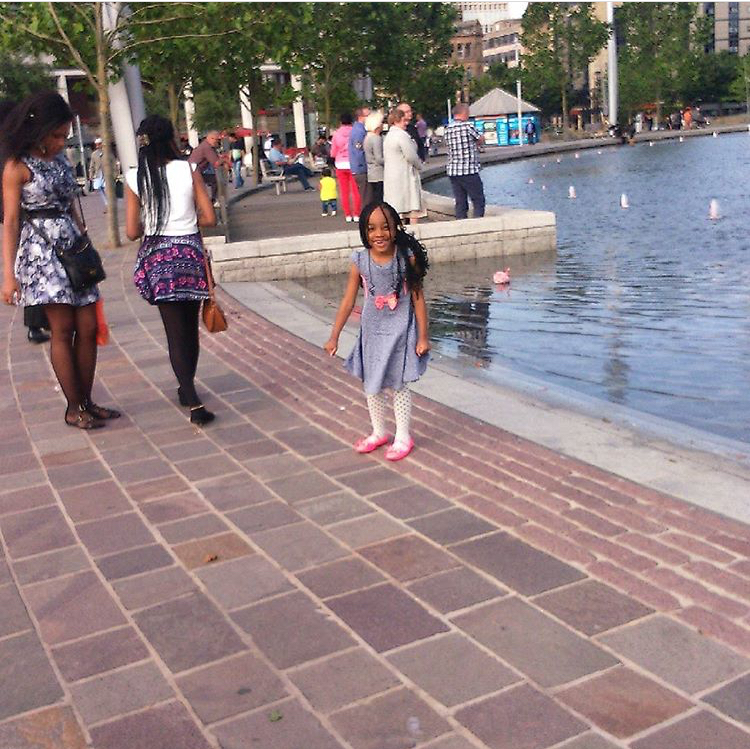



Holiday in style

Enjoy the Holiday Season . Get to the right resort and enjoy yourself. Destress your self.




Birthday Special.
- Post authorBy Ngozi Franca Okoye
- Post date

Today is a very special day as today is my birthday. So I wish myself a very happy birthday.

Almighty God, thank you for all the good things you are doing in my life. I offer you prayers of thanksgiving and pray for long life and prosperity through Jesus Christ our Lord Amen. Thank you, thank you Lord. Onu mu juru na ekene.
Nice weather for barbeque
- Post authorBy drfranca
- Post date
- No Commentson Nice weather for barbeque


The weather has been great with temperatures soaring to up to 30 degrees centigrade. This is the perfect time to have a nice barbeque. There are different foods you can grill along with the traditional foods.

Try roasting yam, unripe and ripe plantain, corn, aubergine, mixed peppers, fish with your burgers and sausages.

Enjoy the fresh outdoors and soak in the sunshine.
BRITONS HEAD TO THE BEACH AS TEMPERATURE SOARS

Britons headed to the beach as the temperature soars to above 30 degrees centigrade. The heat wave continued its upward movement and made a lot people to head to the beach to soak in the sunshine and have some fun. Most of areas of Britain is experience the heat wave.