
- FOOD – Rediscovering the Joy of Home Baking
There is something magical about the aroma of freshly baked bread, biscuits, or cakes filling a home. Home baking is more than simply preparing food—it is an experience that brings comfort, creativity, and connection. In today’s fast-paced world, taking time to bake reminds us to slow down and appreciate life’s simple pleasures.
Baking allows us to become more intentional about the ingredients we use while creating opportunities to share meaningful moments with family and friends. Children learn valuable skills when they participate in measuring ingredients or decorating homemade treats, creating memories that often last a lifetime.
Home baking doesn’t need to be complicated. A simple loaf of bread, banana muffins, or homemade scones can become treasured family favourites. The satisfaction of creating something delicious from scratch is difficult to replace.

Beyond nourishment, baking has a remarkable way of bringing people together. A homemade cake shared over conversation often creates moments that are remembered long after the final slice has been enjoyed.
Sometimes, happiness can be found in the simplest things—a warm kitchen, familiar recipes, and food prepared with love.
- FOOD – The Wonderful World of Herbs and Spices
Herbs and spices do much more than add flavour to our meals—they have been treasured for centuries for their culinary and wellness benefits. Ingredients such as cinnamon, turmeric, rosemary, basil, ginger, and mint can transform ordinary dishes into something extraordinary.
Cooking with herbs and spices allows us to reduce our reliance on excessive salt and sugar while creating exciting flavours. Ginger adds warmth to soups and teas, basil brings freshness to salads and pasta dishes, and cinnamon offers a naturally sweet aroma perfect for breakfast recipes and desserts.
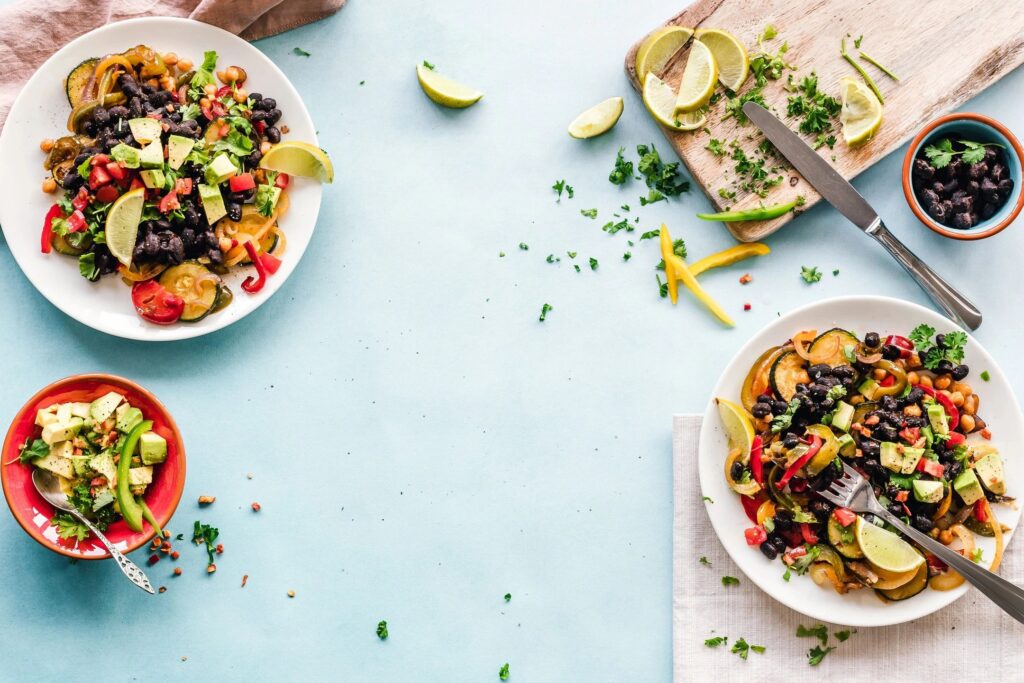
Many herbs and spices are also rich in antioxidants and plant compounds that contribute to overall well-being when enjoyed as part of a balanced diet. They are an easy and affordable way to make healthy eating more enjoyable.
Experimenting with different herbs and spices can also introduce you to cuisines from around the world. Sometimes, the secret ingredient that elevates a simple meal is sitting quietly in your kitchen cupboard.
Healthy cooking does not need to be complicated. A pinch of flavour can often make all the difference.
FOOD
The Beauty of Fresh Seasonal Eating
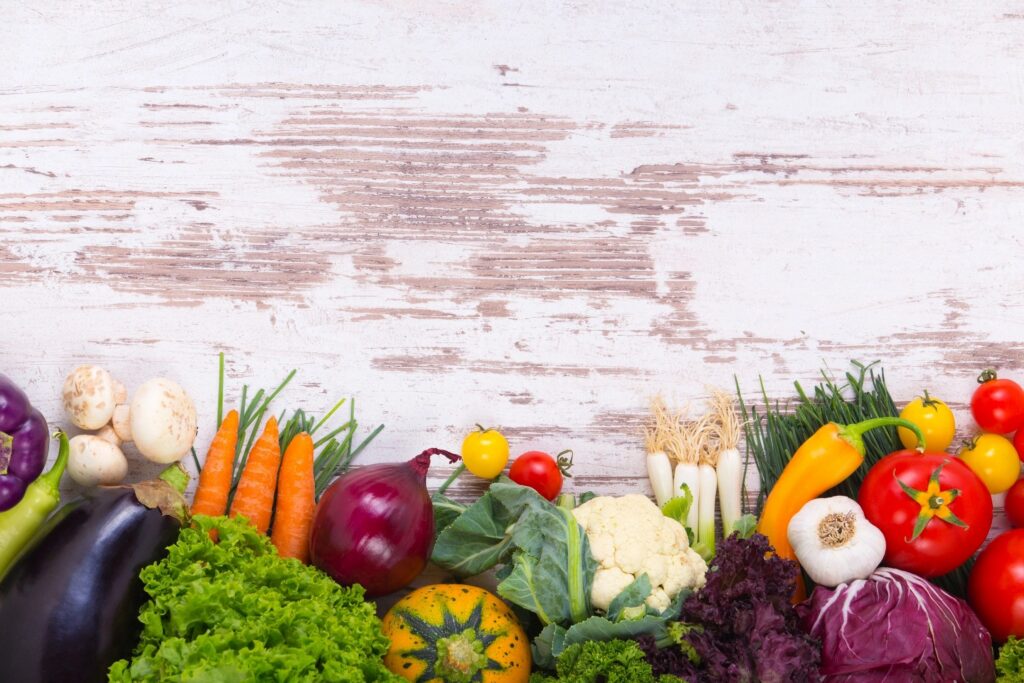
Food often tastes best when it is enjoyed at the right time of year. Seasonal eating means choosing fruits, vegetables, and ingredients that are naturally available during a particular season. This simple approach can bring more flavour, variety, and goodness to everyday meals.
Fresh seasonal produce is often harvested closer to the time it reaches your plate, which can help preserve its natural taste and nutritional value. From juicy summer fruits to comforting winter vegetables, each season brings its own selection of delicious ingredients.
Eating seasonally also encourages creativity in the kitchen. It inspires us to try new recipes, explore different flavours, and appreciate the natural rhythm of food production. A simple vegetable soup in winter or a fresh salad in summer can be both satisfying and nourishing.
Choosing local and seasonal foods may also support farmers and reduce the environmental impact associated with transporting food over long distances.
Healthy eating does not always require complicated recipes or expensive ingredients. Sometimes, the best meals come from simple, fresh foods prepared with care.
Seasonal eating reminds us to slow down, appreciate nature’s gifts, and enjoy food at its freshest and most flavourful.
FOOD
The Benefits of Eating More Nuts and Seeds

Nuts and seeds may be small, but they are full of important nutrients that support a healthy lifestyle. Almonds, walnuts, cashews, sunflower seeds, chia seeds, and flaxseeds have become popular additions to everyday meals because of their impressive nutritional value.
These natural foods contain healthy fats, plant-based protein, fibre, vitamins, and minerals. Many varieties are rich in nutrients such as magnesium, zinc, and vitamin E, which support the body’s normal functions.
Adding nuts and seeds to meals is simple. They can be sprinkled over yoghurt, blended into smoothies, added to salads, or enjoyed as a convenient snack. Their satisfying texture and flavour make healthy eating more enjoyable.
Many people appreciate nuts and seeds because they help provide lasting energy throughout the day. Their combination of protein and fibre can help keep you feeling satisfied between meals.
Although nutritious, portion size is important because nuts and seeds are naturally energy-dense. A small handful is often enough to enjoy their benefits.
From breakfast bowls to homemade snacks, these tiny ingredients prove that good nutrition can come in small packages.
FOOD
The Forgotten Grains Making a Comeback

For years, rice, wheat and maize have dominated our dinner tables, but a quiet food revolution is bringing ancient grains back into the spotlight. Once considered traditional staples in many parts of the world, grains such as millet, sorghum, teff and quinoa are making a remarkable comeback—and for good reason.
These grains are naturally rich in fibre, vitamins, minerals and plant-based protein, making them an excellent addition to a healthy diet. Many are also gluten-free, making them suitable for people with gluten intolerance or those looking to diversify their meals.
Millet has long been enjoyed in Africa and Asia, while teff has been a staple in Ethiopia for centuries. Sorghum is highly versatile and can be used in porridge, salads, baked goods and even popcorn-like snacks. Their nutty flavours and hearty textures make them a delicious alternative to refined grains.
Beyond their nutritional value, ancient grains are also environmentally friendly. Many require less water to grow and are more resilient to changing climates, making them an important crop for sustainable agriculture.
Whether added to soups, stews or side dishes, these forgotten grains prove that healthy eating doesn’t have to be boring. Sometimes, the best way forward is by rediscovering foods that have nourished generations before us.
FOOD
The Incredible Health Benefits of Garlic
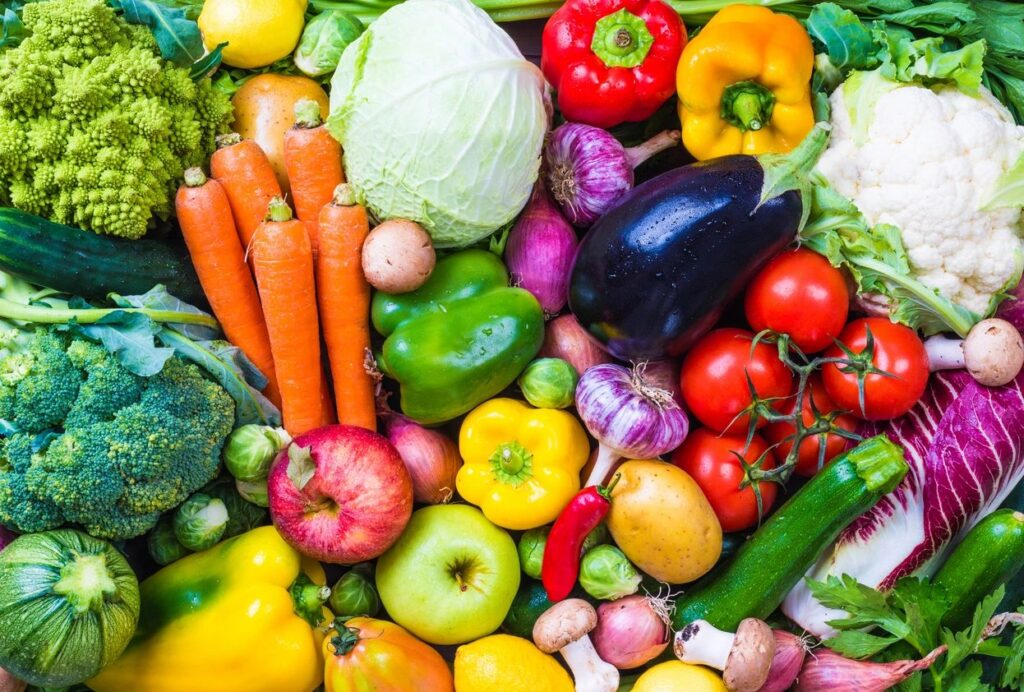
Garlic has been used in kitchens and traditional medicine for thousands of years. Although it is often added to meals simply to enhance flavour, garlic is also recognised as one of nature’s most beneficial foods. This humble bulb is packed with nutrients and natural compounds that contribute to overall health and well-being.
Garlic contains vitamins C and B6, manganese, selenium, and antioxidants that help protect the body’s cells from damage. One of its most powerful compounds is allicin, which is released when garlic is crushed or chopped. Allicin is responsible for garlic’s distinctive aroma and many of its health-promoting properties.
Research suggests that garlic may help support heart health by contributing to healthy blood pressure and cholesterol levels when consumed as part of a balanced diet. It also contains natural antibacterial and antiviral properties that may help strengthen the body’s immune system.
Garlic is incredibly versatile in the kitchen. It enhances soups, stews, roasted vegetables, grilled meats, pasta dishes, seafood, and sauces. Whether used fresh, roasted, or lightly sautéed, it adds depth of flavour while increasing the nutritional value of a meal.
Although garlic offers many potential health benefits, it works best alongside an overall healthy lifestyle that includes regular exercise, balanced nutrition, and adequate rest.
Simple, affordable, and packed with goodness, garlic proves that some of the most powerful ingredients in our kitchens are often the smallest.
FOOD
The Nutritional Power of Spinach
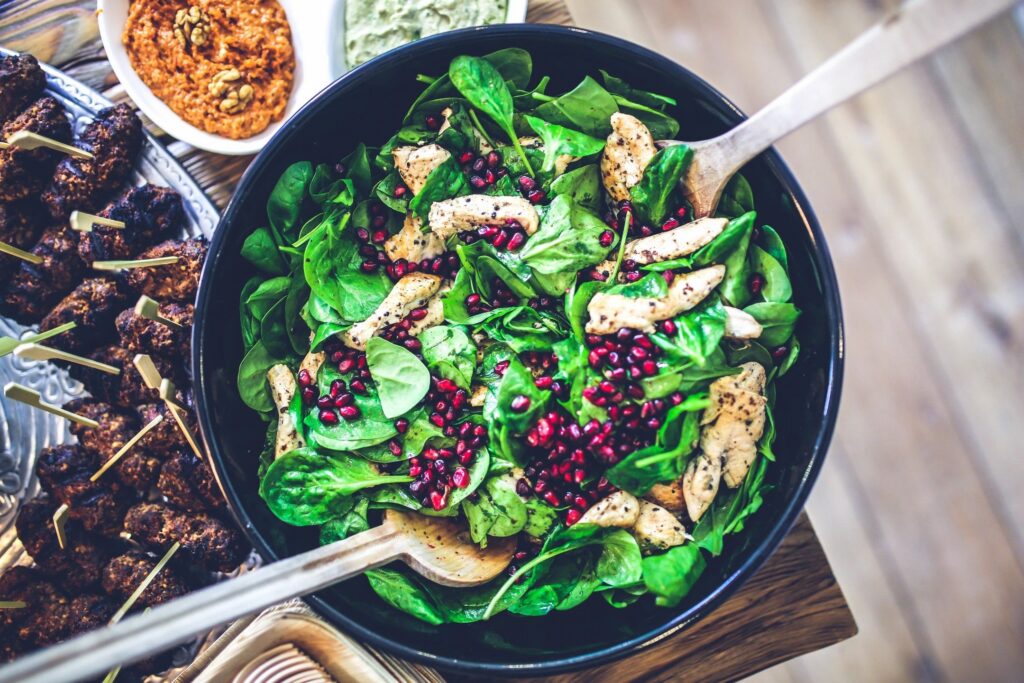
Spinach has long been recognised as one of the healthiest leafy green vegetables, earning its place in kitchens around the world. Whether served fresh in salads, blended into smoothies, or cooked into soups and stews, spinach provides a wealth of nutrients that support overall health.
Rich in vitamins A, C, K, and folate, spinach helps maintain healthy vision, strengthens the immune system, and supports normal blood clotting. It also contains iron, magnesium, potassium, and calcium, making it a valuable addition to a balanced diet.
Spinach is packed with antioxidants, including lutein and zeaxanthin, which are known to support eye health and may help protect against age-related vision problems. Its high fibre content also contributes to healthy digestion and promotes a feeling of fullness after meals.
One of spinach’s greatest strengths is its versatility. It can be added to omelettes, pasta dishes, curries, casseroles, and stir-fries without overpowering other flavours. Even a handful of fresh spinach added to soups or sauces increases the nutritional value of a meal.
Choosing fresh, seasonal spinach and preparing it with minimal cooking helps preserve many of its nutrients. Combined with healthy proteins and whole grains, spinach becomes part of a satisfying and nourishing meal.
Simple, affordable, and highly nutritious, spinach reminds us that some of nature’s greatest health benefits come from the simplest ingredients.
FOOD
The Wonderful Benefits of Pumpkin

Pumpkin is one of nature’s most nutritious and versatile foods. Although many people associate it with autumn, this vibrant vegetable can be enjoyed throughout the year in soups, stews, curries, pies, breads, and roasted vegetable dishes.
Pumpkin is naturally rich in vitamin A, which supports healthy eyesight, skin, and the immune system. It also provides vitamin C, potassium, fibre, and antioxidants that help protect the body’s cells from damage caused by free radicals.
Its high fibre content promotes healthy digestion while helping people feel fuller for longer, making pumpkin an excellent addition to a balanced diet. Because it is naturally low in calories, it is popular among those seeking nutritious meals without excessive energy intake.
Pumpkin seeds are equally impressive. They contain healthy fats, magnesium, zinc, iron, and plant protein. Many people enjoy roasting the seeds as a healthy snack or adding them to salads and breakfast cereals.
Beyond its nutritional benefits, pumpkin is incredibly versatile in the kitchen. It blends beautifully into creamy soups, complements spicy dishes, and adds natural sweetness to baked goods.
Whether prepared as a comforting soup or roasted alongside herbs and vegetables, pumpkin demonstrates that healthy food can also be delicious, colourful, and satisfying.
FOOD
The Amazing Benefits of Mushrooms
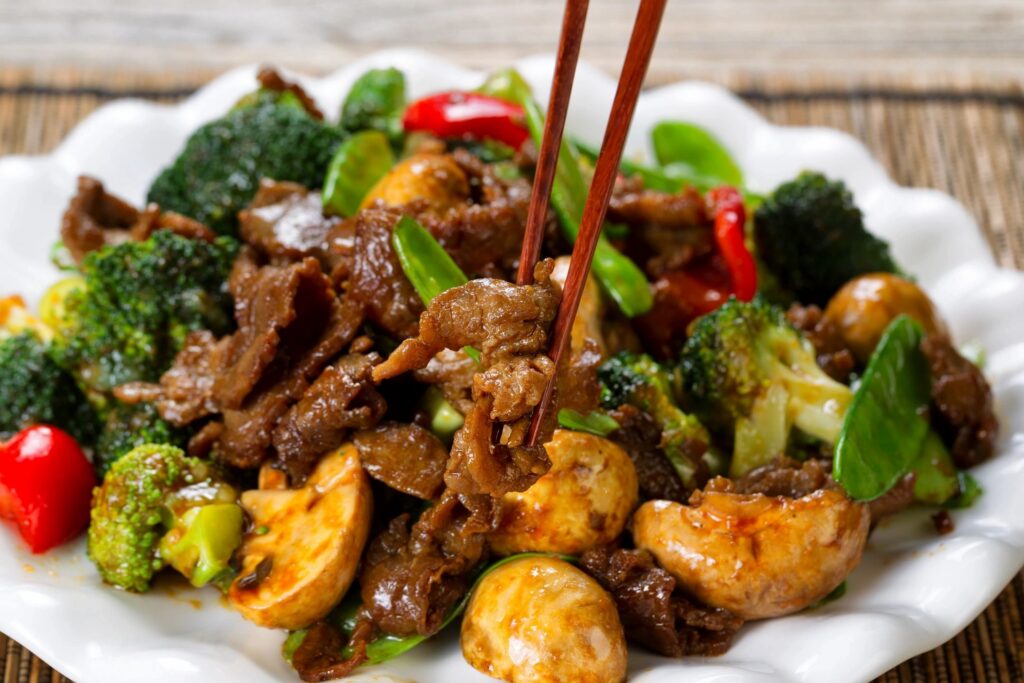
Mushrooms have been enjoyed for thousands of years, not only for their rich, earthy flavour but also for their impressive nutritional value. Although often used as a vegetable in cooking, mushrooms are actually fungi and come in hundreds of edible varieties, each with its own unique taste and texture.
One of the greatest benefits of mushrooms is that they are naturally low in calories and fat while providing important nutrients such as B vitamins, selenium, potassium, copper, and antioxidants. These nutrients help support the immune system, maintain healthy cells, and contribute to normal energy production.
Many mushrooms also contain compounds that are being studied for their potential role in supporting heart health and reducing inflammation. Their fibre content contributes to healthy digestion, while their satisfying texture makes them an excellent ingredient for balanced meals.
Whether added to soups, stews, stir-fries, pasta dishes, or grilled alongside vegetables, mushrooms provide both flavour and nutrition. They demonstrate that healthy ingredients can also be delicious and versatile.
FOOD
Why Avocados Deserve a Place on Your Plate
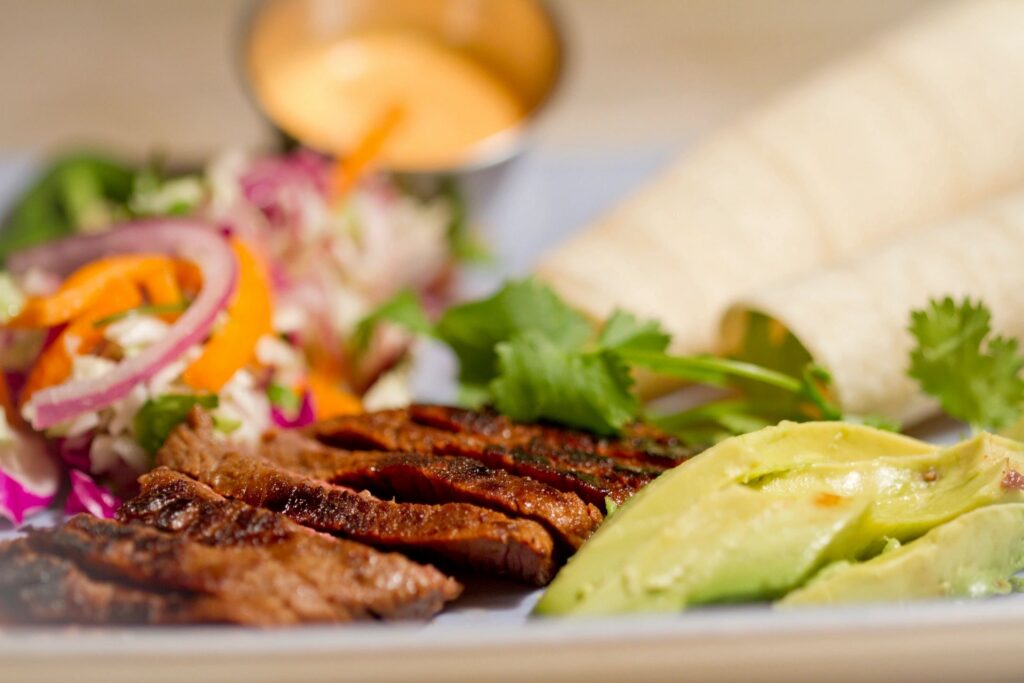
Once considered an exotic fruit, the avocado has become a staple in kitchens around the world. Its creamy texture and mild flavour make it a versatile ingredient that pairs well with salads, sandwiches, smoothies, soups, and even desserts.
Avocados are rich in heart-healthy monounsaturated fats, which can help maintain healthy cholesterol levels when eaten as part of a balanced diet. They are also an excellent source of fibre, potassium, folate, vitamin K, and vitamin E.
The healthy fats in avocados help the body absorb fat-soluble vitamins found in vegetables, making them an ideal addition to colourful salads. Their fibre content supports digestive health and helps promote a feeling of fullness after meals.
Whether enjoyed on toast, blended into guacamole, or sliced over grilled fish, avocados demonstrate that healthy eating can be both nutritious and delicious.
1. FOOD
The Remarkable Benefits of Sweet Potatoes
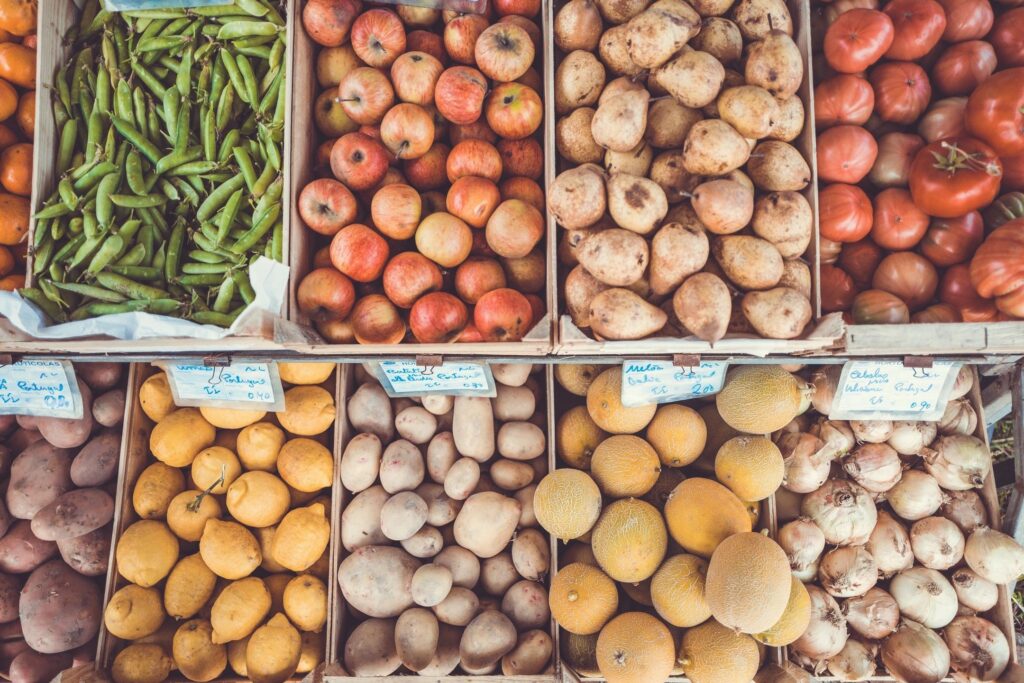
Sweet potatoes have earned their place as one of the world’s most nutritious root vegetables. Naturally rich in fibre, vitamins A and C, potassium, and antioxidants, they are both delicious and highly beneficial to overall health.
Their vibrant orange colour comes from beta-carotene, which the body converts into vitamin A, supporting healthy vision, skin, and the immune system. Sweet potatoes also provide slow-releasing carbohydrates, making them an excellent source of sustained energy.
Whether baked, roasted, boiled, mashed, or added to soups and stews, sweet potatoes are versatile enough to complement countless dishes.
Nutritious, affordable, and satisfying, this humble vegetable continues to prove that healthy eating can also be comforting and full of flavour.
FOOD
Cooking with Fresh Herbs: Small Ingredients, Big Flavour
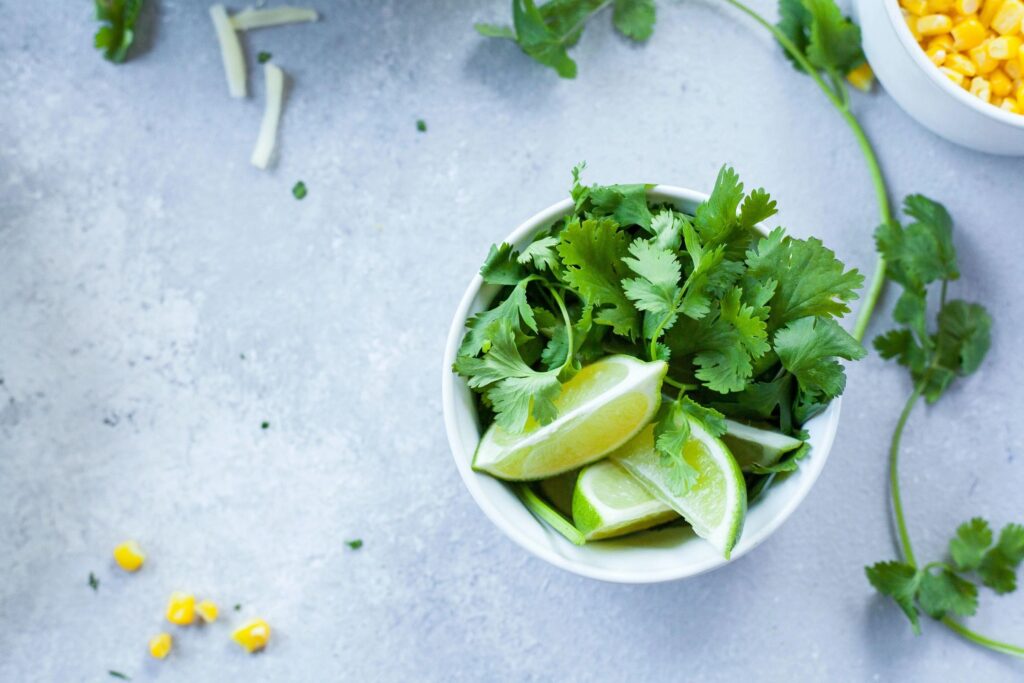
Fresh herbs have transformed kitchens for centuries. Whether it’s parsley, basil, thyme, rosemary, or coriander, these aromatic plants have the remarkable ability to elevate ordinary meals into memorable culinary experiences.
Beyond their flavour, herbs are packed with nutrients and antioxidants that support overall health. Many contain vitamins A, C, and K, while others provide anti-inflammatory compounds that have been appreciated in traditional medicine for generations.
Adding fresh herbs to soups, stews, fish, meat, and vegetables can reduce the need for excessive salt while enhancing natural flavours. They also bring colour, freshness, and fragrance to every dish.
Cooking with herbs is not only about taste—it’s about celebrating nature’s simplest ingredients. Sometimes the smallest additions create the biggest difference.
A Bowl of Goodness: The Nutritional Benefits of Homemade Okra Soup

There is something truly satisfying about a warm bowl of homemade okra soup. Rich in flavour, packed with wholesome ingredients, and deeply rooted in African cuisine, okra soup is more than just a delicious meal—it is a nourishing dish that offers a variety of health benefits.
The star ingredient, okra, is often described as a nutritional powerhouse. It is naturally rich in dietary fibre, vitamins C and K, folate, magnesium, and antioxidants. One of okra’s most remarkable qualities is its soluble fibre, the natural gel-like substance that gives the vegetable its distinctive texture. This fibre may help support healthy digestion, promote a feeling of fullness, and contribute to heart health.
Studies suggest that the soluble fibre found in okra can help lower LDL (“bad”) cholesterol by reducing its absorption in the digestive system. Okra may also help support healthy blood sugar management by slowing the absorption of glucose after meals. While it is not a treatment for diabetes or high cholesterol, including okra as part of a balanced diet may contribute to overall metabolic health.
My homemade okra soup combines the goodness of fresh okra with a selection of quality proteins, including tender lamb, mackerel, salmon, basa fish, and flavourful crayfish. Palm oil adds richness and colour while contributing vitamin E and beneficial plant compounds. Together, these ingredients create a hearty, satisfying dish that is both nutritious and deeply comforting.
The combination of fish provides an excellent source of high-quality protein and omega-3 fatty acids, which support heart and brain health. Lamb contributes important nutrients such as iron, zinc, and vitamin B12, while crayfish enhances the soup with minerals and a distinctive depth of flavour.
What makes this soup especially enjoyable is the balance between nutrition and taste. Every spoonful delivers a blend of vegetables, healthy fats, lean proteins, and traditional seasonings that celebrate the richness of African cooking.
Homemade meals remind us that healthy eating does not have to be complicated. By choosing fresh ingredients and preparing food with care, we can enjoy dishes that nourish both body and soul.
This bowl of okra soup is a celebration of wholesome ingredients, traditional flavours, and the timeless belief that some of the best meals are those prepared with love and shared with family and friends.
The Art of Dining Well

Good food is not only about ingredients or recipes. It is also about the experience of dining. Across cultures, meals have long served as opportunities for conversation, celebration, and connection.
In recent years, many people have become accustomed to eating quickly while multitasking. However, there is growing interest in slowing down and appreciating meals more intentionally.
Dining well involves paying attention to flavors, enjoying company, and creating an environment that encourages conversation. It transforms eating from a routine necessity into a meaningful experience.
The quality of a meal is often influenced as much by the atmosphere as by the food itself.
The Social Power of Shared Meals

Throughout history, food has served a purpose beyond nourishment. Across cultures and generations, shared meals have brought people together, strengthened relationships, and created opportunities for meaningful conversation.
In today’s fast-paced world, eating has often become a solitary activity. Many people consume meals while working, commuting, or scrolling through digital devices. Yet research and experience suggest that shared dining experiences continue to play an important role in personal and social well-being.
Family meals create opportunities for communication and connection. Business lunches help build professional relationships. Community events centered around food encourage interaction among people from different backgrounds.
Food has a unique ability to create common ground. Regardless of language, nationality, or profession, sharing a meal often fosters understanding and trust.
As lifestyles become increasingly busy, the simple act of sitting down together for a meal remains one of the most powerful ways to strengthen human connections.
1. FOOD
The Rise of Seasonal Eating

For much of modern history, consumers have become accustomed to accessing nearly every type of fruit and vegetable throughout the year. Advances in transportation and global trade have made this possible. However, a growing number of people are rediscovering the benefits of seasonal eating.
Seasonal eating involves consuming foods during the time of year when they are naturally harvested. Supporters of this approach often point to improved freshness, flavor, and environmental sustainability. Produce harvested at its natural peak frequently requires fewer resources and less transportation before reaching consumers.
Seasonal eating also reconnects people with natural cycles. Different seasons bring unique ingredients and culinary opportunities. Spring offers fresh greens, summer provides abundant fruits, autumn introduces hearty vegetables, and winter encourages warming dishes built around root vegetables and preserved foods.
Beyond nutrition, seasonal eating can strengthen local economies by supporting regional farmers and food producers. Many consumers appreciate knowing where their food originates and how it was grown.
As interest in sustainability continues growing, seasonal eating serves as a reminder that some of the most effective changes are often the simplest.
The Story Behind Everyday Ingredients

Most people rarely think about the journey their food takes before reaching their plates. Behind every loaf of bread, cup of coffee, or piece of fruit is a complex network of farmers, producers, transporters, and retailers working together to deliver products to consumers.
Understanding where ingredients come from can create greater appreciation for food and the people involved in producing it. Many consumers are becoming more interested in sourcing, sustainability, and the impact of agricultural practices on communities and the environment.
Food is often viewed simply as a product, yet it represents a remarkable global effort involving expertise, innovation, and tradition. Recognizing this journey helps deepen our relationship with what we eat and encourages more informed food choices.
The Future of Urban Farming

As cities continue to grow, the question of how to feed urban populations sustainably is becoming increasingly important. Urban farming has emerged as an innovative solution that brings food production closer to consumers.
From rooftop gardens to vertical farming systems, urban agriculture is transforming unused spaces into productive environments. These projects reduce transportation distances, support local food security, and provide fresh produce to city residents.
Urban farming also offers educational opportunities. Schools, community groups, and local organizations use gardens to teach people about nutrition, sustainability, and environmental responsibility.
While urban farming is unlikely to replace traditional agriculture entirely, it demonstrates how cities can become more self-sufficient and resilient. As technology advances and sustainability becomes a greater priority, urban farming is likely to play an increasingly important role in the future of food production.
How Culinary Traditions Preserve Cultural Identity

Food is far more than nourishment. Across the world, culinary traditions serve as a living connection to history, heritage, and community. Recipes passed down through generations often carry stories that reflect migration, celebration, resilience, and family life.
In many cultures, traditional dishes are prepared during important holidays and gatherings. These meals create continuity between generations, allowing younger family members to experience customs that may have existed for centuries. Even simple ingredients can carry significant meaning when tied to cultural memory.
Globalization has expanded access to international cuisines, creating exciting opportunities for culinary exchange. Yet it has also increased awareness of the importance of preserving local food traditions. Communities are working to document recipes, support regional producers, and celebrate culinary heritage through festivals and educational programs.
Food also creates opportunities for cultural understanding. Sharing traditional dishes allows people to learn about different histories and perspectives. A meal can become a conversation about geography, migration, agriculture, and identity.
As societies become increasingly interconnected, culinary traditions continue to remind us of the value of cultural diversity. They demonstrate that food is not only something we consume but also something that connects us to our roots and to one another.
Why Shared Meals Still Matter in a Fast-Paced World

In an age of food delivery apps, busy schedules, and eating on the move, the simple act of sharing a meal remains one of the most meaningful human traditions. Across cultures and generations, gathering around a table continues to serve as more than an opportunity to eat—it creates connection.
Shared meals encourage conversation and strengthen relationships. Families often use mealtimes to reconnect after busy days, while friends and colleagues build stronger bonds through dining experiences. The table becomes a place where stories are exchanged, ideas are discussed, and memories are created.
Research has frequently highlighted the positive social and emotional effects of eating together. Children who regularly share meals with family members often develop stronger communication habits, while adults benefit from the sense of belonging and community these gatherings provide.
Food itself becomes part of the experience. Recipes are shared, traditions are passed down, and cultural identity is reinforced through meals enjoyed together. Many people can recall specific dishes not only because of their taste but because of the people they shared them with.
As modern life continues to accelerate, the value of slowing down for a shared meal may become even more significant. Beyond nutrition, these moments remind us that food is often at its best when accompanied by conversation, connection, and community.
FOOD
Why Comfort Food Never Goes Out of Style

Food trends come and go, but comfort food remains a constant presence across cultures and generations. Whether it is a bowl of soup on a cold day, a family recipe passed down through generations, or a simple homemade dessert, comfort food continues to hold a special place in people’s lives.
The appeal of comfort food extends beyond taste. It often carries emotional significance, connecting people to memories, family traditions, and feelings of security. During periods of uncertainty or stress, familiar foods can provide reassurance and a sense of stability.
Psychologists have long observed the relationship between food and emotion. Certain meals remind people of childhood, celebrations, or meaningful moments shared with loved ones. These associations help explain why comfort food often feels restorative even when it is relatively simple.
Comfort food also reflects cultural identity. Every society has dishes that evoke familiarity and belonging. From regional specialties to family recipes, these foods preserve traditions while creating a sense of connection between generations.
Interestingly, comfort food has evolved alongside modern lifestyles. Restaurants increasingly offer elevated versions of traditional dishes, combining nostalgia with contemporary culinary techniques. Consumers appreciate both innovation and familiarity, creating opportunities for chefs to reinterpret classic meals.
The popularity of comfort food highlights a broader truth about human nature. While people enjoy novelty and experimentation, they also seek familiarity and emotional connection. Comfort food provides both nourishment and reassurance in an increasingly fast-paced world.
As food culture continues to evolve, comfort food is likely to remain relevant because it satisfies something deeper than hunger. It reminds people of home, identity, and the simple pleasures that often matter most.
The Return of Home Baking in Modern Life

Home baking experienced a resurgence during recent years, but its popularity has continued long after trends faded. More people are discovering that baking offers benefits beyond simply producing cakes, bread, or pastries.
Baking provides a creative outlet while encouraging patience and attention to detail. Unlike many aspects of modern life that demand instant results, baking requires preparation, timing, and care.
Many people also find baking therapeutic. Measuring ingredients, following recipes, and creating something tangible can provide a welcome break from digital screens and daily pressures.
Home baking also strengthens family traditions. Recipes passed through generations often carry memories and stories that connect people to their heritage.
As consumers become more interested in homemade food and mindful living, baking continues to offer both comfort and creativity.
The Growing Appeal of Farmers’ Markets
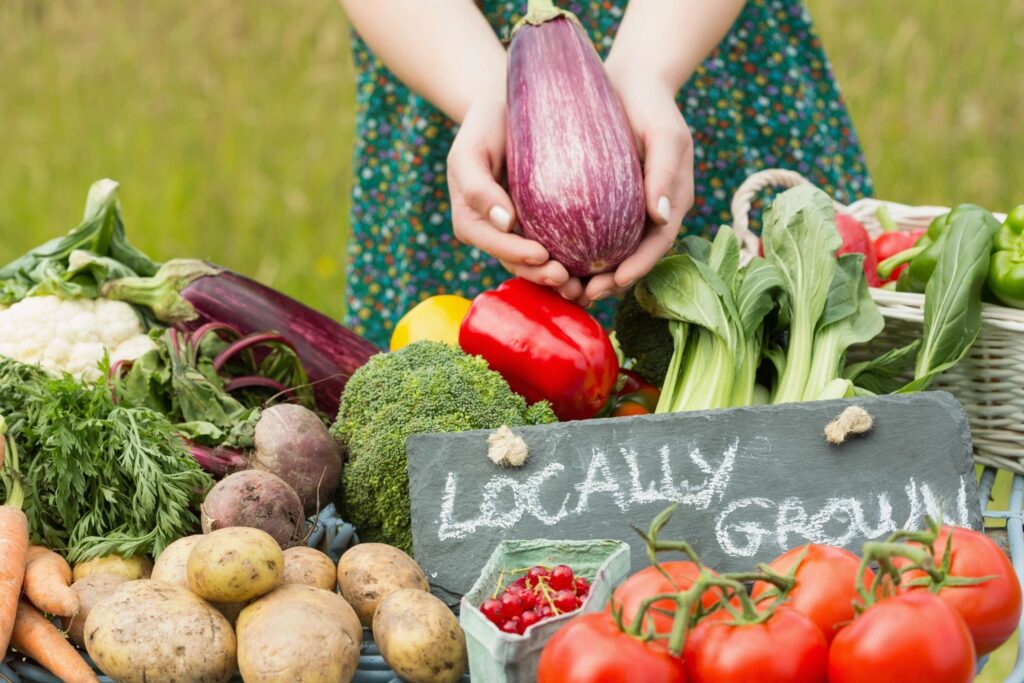
In an age of supermarkets and online grocery deliveries, farmers’ markets continue to attract shoppers looking for a more personal food experience. These markets offer direct access to local producers, seasonal ingredients, and unique products that are often unavailable through large retail chains.
Many consumers appreciate the opportunity to meet the people who grow and produce their food. This direct connection creates greater awareness about farming practices, food quality, and sustainability.
Farmers’ markets also encourage seasonal eating. Rather than expecting every fruit and vegetable year-round, shoppers become more connected to natural growing cycles and regional agriculture.
Beyond food itself, these markets often serve as community gathering spaces where local businesses, artisans, and residents interact. This social aspect adds value that extends beyond simple commerce.
As interest in sustainability and local economies grows, farmers’ markets continue to demonstrate that food can be both a product and a community experience.
Why Traditional Recipes Are Making a Comeback

In an era dominated by food trends and social media-driven dining experiences, many people are rediscovering the value of traditional recipes. Across cultures, family dishes that have been passed down through generations are enjoying renewed appreciation.
Part of this revival comes from a desire for authenticity. Traditional recipes often tell stories about heritage, migration, family history, and local ingredients. They connect people not only to food but also to identity and culture.
Many home cooks are also becoming more interested in understanding where their meals come from. Rather than relying on convenience foods, they are learning cooking techniques used by parents and grandparents.
Traditional recipes often emphasize seasonal ingredients and simple preparation methods. While modern cooking offers innovation and convenience, older recipes frequently provide lessons in resourcefulness and balance.
As culinary culture continues evolving, traditional food remains a reminder that some of the most meaningful meals are those connected to history, family, and community.
Why Street Food Continues to Influence Global Food Culture

Street food remains one of the most influential parts of global food culture because it reflects authenticity, creativity, and local identity. Across major cities and smaller communities alike, street vendors continue to attract people searching for flavors that feel personal and connected to tradition.
One reason street food remains popular is accessibility. It allows people to experience regional specialties quickly and affordably while also supporting small independent businesses.
Street food also creates strong cultural connection. Many traditional recipes are passed through generations and reflect the history of local communities.
Importantly, street food culture continues evolving through fusion cuisine and modern presentation while still maintaining authenticity.
And increasingly, travelers and food enthusiasts are recognizing street food as one of the most genuine ways to experience culture through taste.
Why Midnight Snacking Has Become a Lifestyle Habit

Late-night eating has become increasingly common in modern lifestyles. Whether caused by demanding schedules, streaming culture, remote work, or irregular routines, many people now find themselves eating long after traditional dinner hours.
For some, midnight snacking is connected to convenience and comfort. After busy days filled with work and responsibilities, evenings often become the first opportunity to truly relax. Food becomes associated with reward and emotional release rather than simple hunger.
Technology has also influenced this behavior. Streaming platforms, gaming, social media, and late-night digital activity encourage people to stay awake longer than previous generations. Extended wakefulness naturally increases opportunities for eating.
Importantly, late-night eating is not always unhealthy. Many people are becoming more mindful about snack choices, focusing on lighter foods and balanced portions rather than highly processed options.
Nutrition experts increasingly emphasize awareness and moderation rather than strict guilt around eating habits.
This trend reflects broader lifestyle changes where traditional schedules are becoming less rigid.
And increasingly, food habits are adapting to modern routines shaped by technology, flexibility, and changing social behavior.
FOOD
Why Simple Meals Are Becoming More Popular
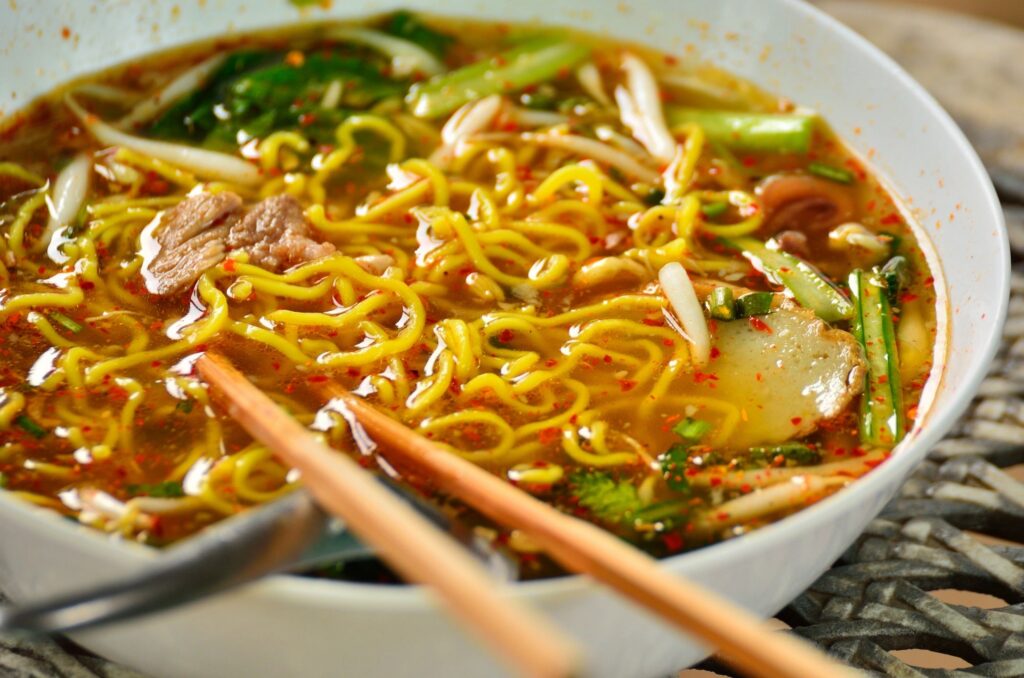
For many years, food culture focused heavily on excess—large portions, complicated recipes, and highly elaborate presentation. Increasingly, however, many people are moving toward simpler meals and more balanced eating habits.
Simple meals are becoming attractive because modern lifestyles often feel overstimulating and rushed. After long workdays, digital overload, and constant pressure, many individuals prefer food that feels comforting, nourishing, and uncomplicated.
This shift is also connected to wellness awareness. People are paying greater attention to ingredients, digestion, and how food affects energy levels throughout the day. Simpler meals often rely on fresher ingredients and less processing, making them feel lighter and more sustainable.
Importantly, simplicity in food does not mean lack of quality. In many cases, it reflects greater appreciation for flavor, freshness, and intentional preparation.
There is also an emotional aspect involved. Cooking simple meals at home can create routines that feel calming and grounding. Many people are rediscovering the comfort of familiar dishes and balanced eating patterns.
Restaurants are adapting as well. Menus increasingly highlight clean ingredients, seasonal produce, and dishes that feel approachable rather than overly complicated.
This trend reflects broader cultural changes around intentional living. Simplicity is becoming associated with clarity, wellness, and emotional comfort rather than limitation.
And increasingly, people are discovering that satisfying food experiences often come from quality and balance rather than excess.
FOOD
Why Dining Alone Is Becoming More Accepted

For many years, dining alone was often viewed negatively. Restaurants, cafés, and social spaces were traditionally associated with groups, families, or social gatherings. Today, however, attitudes are changing, and dining alone is becoming increasingly accepted and even appreciated.
Modern lifestyles are more independent than ever before. People travel alone, work remotely, relocate frequently, and maintain flexible schedules that do not always align with others. As a result, solo dining has become a practical and increasingly normal part of daily life.
One major reason for this shift is changing attitudes toward independence. Many people now see the ability to enjoy one’s own company as a sign of confidence rather than isolation. Dining alone can create moments of calmness and reflection in otherwise busy environments.
Technology has also influenced this cultural change. Smartphones, laptops, and digital workspaces have transformed cafés and restaurants into places where people comfortably spend time alone while reading, working, or simply relaxing.
Importantly, solo dining allows individuals to engage more intentionally with their surroundings. Without constant conversation, people often become more aware of atmosphere, food quality, music, and the overall dining experience itself.
Restaurants and hospitality spaces are adapting to this trend as well. More venues now create welcoming environments for individual guests rather than designing exclusively around large groups.
There is also a wellness aspect connected to solo experiences. Spending time alone can support emotional independence and mental clarity when balanced healthily with social interaction.
This shift reflects broader changes in modern culture. Independence, self-awareness, and intentional solitude are becoming more socially accepted.
And increasingly, dining alone is being viewed not as loneliness, but as a comfortable expression of modern lifestyle flexibility and self-confidence.
FOOD
Why Dining at Home Is Becoming the New Luxury Experience
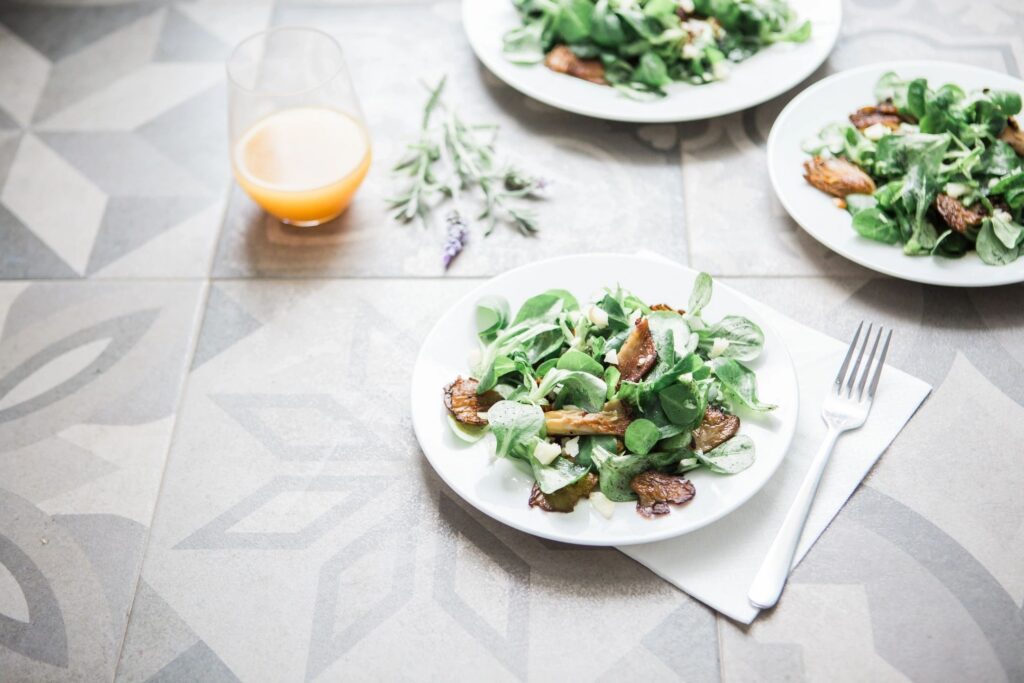
Luxury dining was once associated mainly with exclusive restaurants, formal reservations, and elaborate public experiences. Increasingly, however, many people are rediscovering the value of dining at home and transforming ordinary meals into intentional experiences.
Modern lifestyles have become highly demanding, fast-paced, and digitally overstimulating. As a result, people are searching for comfort, calmness, and more personal forms of enjoyment. Dining at home offers privacy and flexibility that many public spaces cannot always provide.
This shift is not necessarily about avoiding restaurants. Instead, it reflects a growing appreciation for atmosphere, quality time, and intentional living. People are investing more effort into table settings, cooking techniques, lighting, music, and creating environments that feel warm and meaningful.
Another factor influencing this trend is emotional connection. Meals prepared and shared at home often feel more personal than highly commercial dining experiences. Cooking together, hosting intimate gatherings, or simply enjoying a quiet dinner without distraction creates stronger moments of connection.
Social media and lifestyle content have also influenced how people approach home dining. Beautifully presented meals, carefully designed interiors, and creative recipes have inspired many individuals to see home dining as both practical and enjoyable.
Importantly, dining at home can also support wellness and financial balance. People often have greater control over ingredients, portions, and overall spending while still creating memorable experiences.
This movement reflects broader cultural changes around intentional living. Luxury is increasingly being associated with privacy, emotional comfort, and meaningful experiences rather than public display alone.
And increasingly, people are discovering that some of the most satisfying dining experiences happen not in crowded venues, but around their own tables.
Why Seasonal Eating Is Returning to Modern Lifestyles
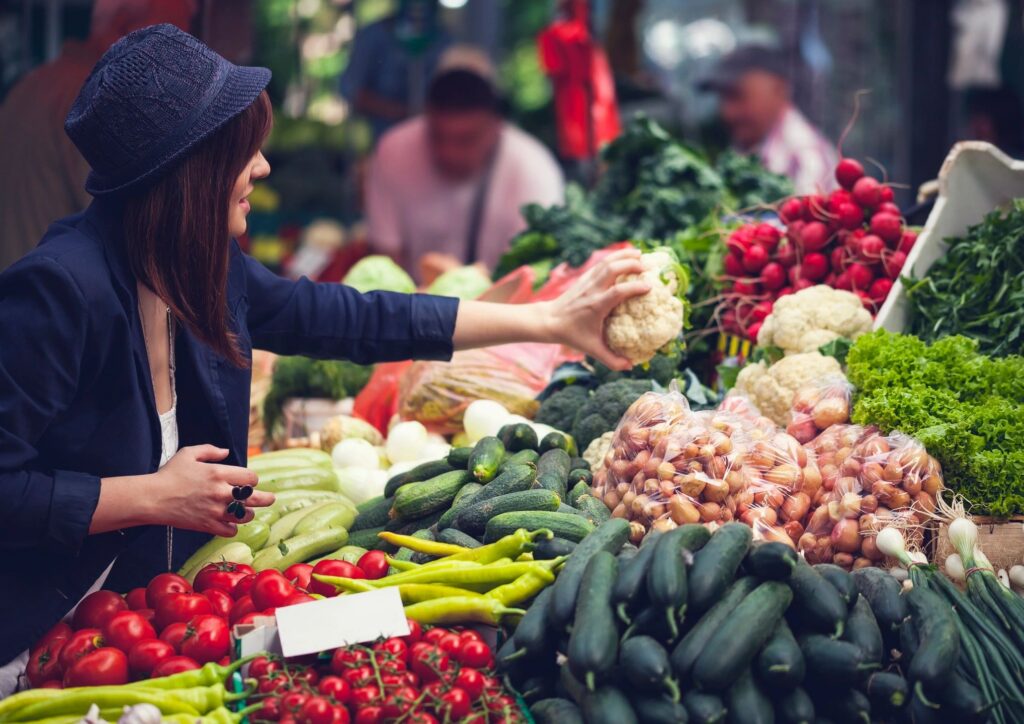
For many years, supermarkets and global supply chains made it possible to access almost any ingredient at any time of year. Today, however, seasonal eating is making a strong return as people become more conscious about food quality, sustainability, and wellness.
Seasonal eating focuses on consuming foods during the time of year they naturally grow. Fruits, vegetables, and ingredients harvested in season are often fresher, more flavorful, and nutritionally richer than products transported long distances or heavily preserved.
One major reason for this renewed interest is health awareness. People are becoming more intentional about the quality of ingredients they consume. Seasonal produce is often associated with freshness, fewer preservatives, and better taste.
There is also a growing environmental conversation around food systems. Seasonal eating can reduce the environmental impact associated with long-distance transportation and large-scale storage.
Importantly, seasonal eating reconnects people with natural rhythms. It encourages greater appreciation for local agriculture, changing climates, and regional food traditions.
Many chefs and restaurants are embracing seasonal menus as well, creating dishes that reflect freshness and authenticity rather than year-round uniformity.
This movement reflects a broader cultural shift toward intentional living and mindful consumption.
And increasingly, people are viewing food not only as convenience, but as a connection to health, nature, and community.
Why Homemade Meals Are Becoming More Meaningful Again
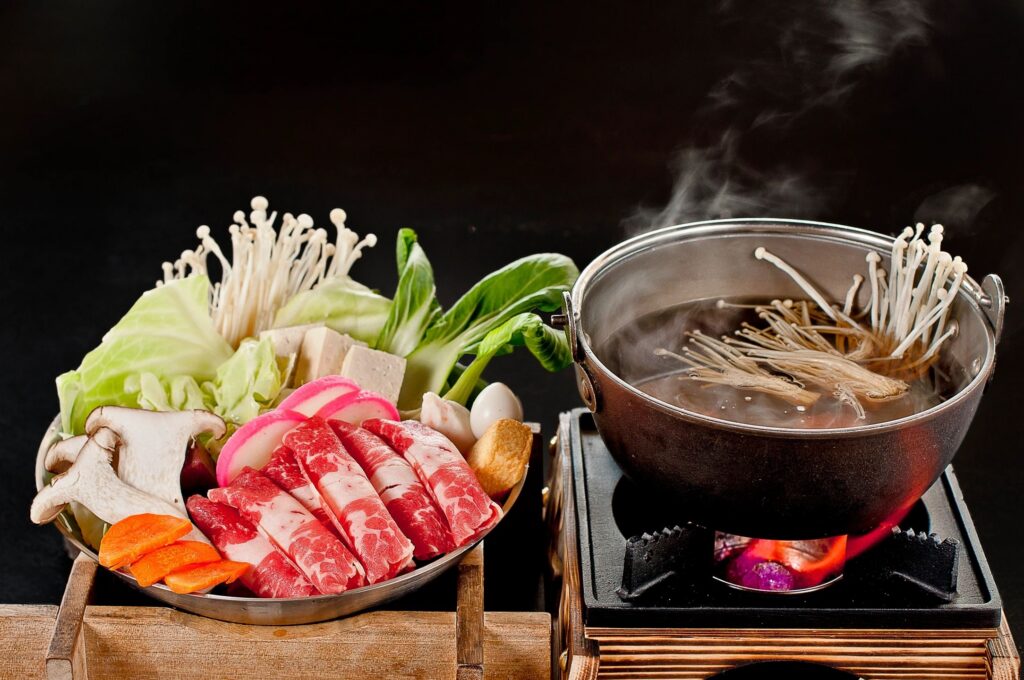
For many years, convenience shaped modern eating habits. Fast food, delivery apps, and busy schedules often reduced the amount of time people spent preparing meals at home. Today, however, homemade meals are experiencing a quiet return in modern lifestyles.
Across many households, cooking is becoming more than a practical necessity. Increasingly, it is viewed as a meaningful activity connected to wellness, creativity, and emotional comfort.
One reason for this shift is the growing awareness around food quality and ingredients. Many people want greater control over what they eat, how meals are prepared, and where ingredients come from. Cooking at home provides that transparency.
Homemade meals also encourage slower routines. In highly demanding lifestyles, preparing food can create moments of calmness and presence that are often missing from rushed daily schedules.
There is also an emotional and cultural aspect attached to home cooking. Family recipes, traditional dishes, and familiar flavors often create strong feelings of comfort and identity. Meals prepared at home can strengthen family connection and create shared experiences that feel increasingly valuable in fast-paced environments.
Technology has influenced this trend as well. Online recipes, cooking videos, and food content have made cooking more accessible and creative for people of different skill levels.
Importantly, homemade meals do not need to be elaborate to be meaningful. Simple, balanced meals often provide the greatest sense of comfort and sustainability.
This renewed interest in home cooking reflects broader lifestyle changes around intentional living and emotional well-being.
And increasingly, homemade meals are being appreciated not only for nourishment, but for the sense of balance, connection, and care they bring into everyday life.
FOOD
Why Comfort Food Still Matters in Modern Life

In a world increasingly focused on health trends, food technology, and fast-paced dining, comfort food continues to hold a special place in people’s lives. Across cultures and generations, certain meals remain deeply connected to memory, emotion, and personal identity.
Comfort food is not only about taste. It often represents familiarity, safety, and emotional reassurance. A homemade soup, warm bread, family recipe, or favorite childhood meal can instantly create feelings of calm and nostalgia.
Modern lifestyles have become increasingly demanding, which may explain why comfort food remains so important. During stressful periods, people naturally seek experiences that feel emotionally grounding and familiar.
Interestingly, comfort food itself is evolving. While traditional recipes remain popular, many people are now combining emotional satisfaction with healthier ingredients and balanced preparation methods. Familiar meals are being adapted to fit modern wellness priorities without losing their emotional value.
Restaurants and cafés are also embracing this movement. Many dining spaces now focus on warmth, atmosphere, and emotionally familiar dishes rather than overly complicated menus.
Social connection is another important part of comfort food culture. Shared meals continue to strengthen relationships and create moments of connection in otherwise busy lifestyles.
Importantly, comfort food reflects more than eating habits. It highlights the emotional role food plays in everyday life.
And increasingly, people are recognizing that food nourishes not only the body, but also memory, emotion, and human connection.
Why Farmers Markets Are Becoming Lifestyle Destinations

Farmers markets were once viewed mainly as places to buy fresh produce directly from local growers. Today, however, they are becoming something much larger: lifestyle destinations that combine food, culture, wellness, and community interaction.
Across many cities, farmers markets now attract people not only for shopping, but for the overall experience. Fresh bread, handmade products, organic produce, specialty coffee, flowers, live music, and local art often exist together in one environment. The atmosphere feels slower and more personal than traditional supermarkets, which many people find increasingly appealing.
One major reason for this popularity is growing awareness around food quality and sourcing. Consumers are becoming more interested in where food comes from, how it is produced, and who is producing it. Farmers markets create direct connection between buyers and local producers, adding transparency that large retail systems often lack.
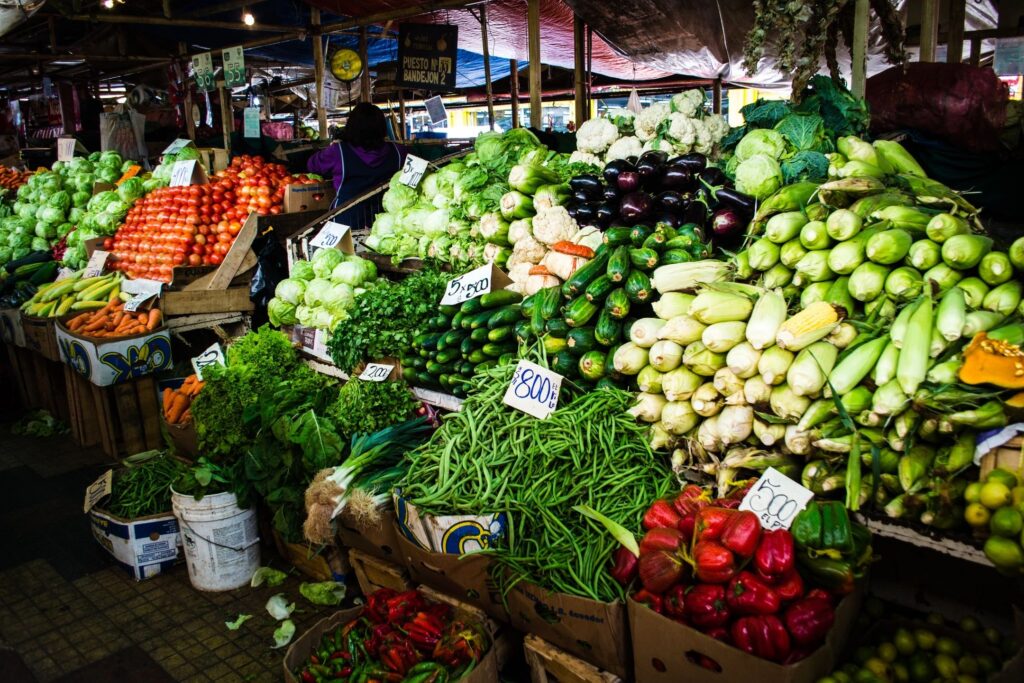
There is also a social aspect involved. In modern urban life, many people are searching for more authentic community experiences. Farmers markets create opportunities for casual conversation, local interaction, and shared routines that feel more human and less transactional.
Another factor is wellness culture. Fresh ingredients, seasonal produce, and locally sourced products align closely with current health and sustainability trends. People increasingly associate farmers markets with mindful living and balanced lifestyles.
Importantly, farmers markets represent more than shopping. They reflect changing priorities around quality, connection, and intentional consumption.
And increasingly, they are becoming part of modern lifestyle culture rather than simply places to buy food.
Why Breakfast Culture Is Quietly Changing Around the World

Breakfast has long been described as the most important meal of the day, yet the way people approach breakfast is changing significantly across different cultures and lifestyles.
Traditional breakfast routines once centered around large family meals eaten at home before work or school. Today, modern schedules, urban living, and evolving health habits are reshaping morning eating patterns. Many people now prefer lighter, simpler breakfasts that fit into fast-paced routines while still supporting energy and focus.
One major influence behind this shift is wellness culture. Increasing awareness around nutrition has encouraged people to become more intentional about what they eat in the morning. Protein-rich meals, fresh ingredients, smoothies, fruit bowls, and lighter combinations are increasingly replacing heavily processed breakfast options.
Another factor is flexibility in modern work culture. Remote and hybrid work schedules have reduced the pressure of rushed early mornings for some individuals. This has allowed people to create more personalized breakfast routines rather than following rigid schedules.
At the same time, café culture continues to influence breakfast trends globally. Breakfast meetings, brunch culture, and social coffee spaces have transformed mornings into more social and lifestyle-driven experiences.
Importantly, breakfast is becoming less about strict tradition and more about individual balance. People are adapting meals based on their energy needs, health priorities, and daily structure.
This evolution reflects broader changes in modern living. Food habits are becoming increasingly connected to wellness, flexibility, and intentional lifestyle choices.
And increasingly, breakfast culture is being redefined not only by what people eat, but by how they choose to begin their day.
Why Late-Night Dining Culture Is Changing

For many years, late-night dining was associated with fast food, convenience meals, or rushed eating after long working hours. Today, however, late-night food culture is beginning to evolve into something more intentional and experience-driven.
In many cities around the world, restaurants and cafés are adapting to changing lifestyles by creating calmer, more refined evening dining environments. Instead of hurried meals, people are increasingly looking for relaxed spaces where they can unwind after demanding days.
Part of this shift is linked to modern work culture. Flexible schedules and remote work have changed traditional eating patterns. Dinner is no longer always limited to a fixed early-evening timeframe. Many people now view late-night dining as a way to slow down and reconnect socially after busy days.
There is also a growing focus on atmosphere. Lighting, music, and comfort have become important elements of the dining experience. Increasingly, people are looking for spaces that feel restorative rather than overstimulating.
Food choices themselves are changing as well. Lighter meals, healthier options, and carefully prepared dishes are replacing the heavy late-night meals traditionally associated with evening dining.
This trend also reflects a broader cultural movement toward intentional experiences. Dining is becoming less transactional and more connected to emotional well-being and lifestyle.
And increasingly, late-night dining is being viewed not just as eating late, but as creating space for relaxation, conversation, and balance in modern life.
Why Dining Alone Is Becoming a New Form of Luxury

For a long time, dining alone was often misunderstood. Many people associated eating alone with isolation or inconvenience rather than choice. Today, however, solo dining is increasingly being embraced as a form of independence, mindfulness, and even luxury.
Modern lifestyles have changed the way people think about time and personal experiences. Increasingly, individuals are becoming more comfortable enjoying their own company. Dining alone is no longer viewed as something awkward. Instead, it is becoming a deliberate way to slow down, reflect, and fully enjoy a meal without distraction.
Part of this shift comes from changing social attitudes. People are placing greater value on self-awareness and personal space. A solo meal offers a rare opportunity to disconnect from constant conversation, digital noise, or daily pressure. For some, it becomes a quiet pause in an otherwise demanding schedule.
Restaurants are also adapting to this trend. More dining spaces now cater to solo guests with smaller tables, counter seating, and calmer environments designed for comfort rather than speed. In many major cities, solo dining has become increasingly common among professionals, travelers, and individuals simply seeking a peaceful experience.
There is also a mindfulness element involved. Eating alone often encourages people to focus more on the food itself—the flavors, textures, and overall experience. Without distraction, meals can become more intentional and satisfying.
Importantly, solo dining reflects confidence. It suggests comfort with one’s own presence rather than dependence on constant company. This does not diminish the importance of shared meals or social connection. Instead, it highlights the growing understanding that solitude can also be valuable.
The rise of solo dining mirrors broader cultural changes around independence and well-being. People are becoming more selective about how they spend their time and energy.
And increasingly, the ability to enjoy one’s own company is being viewed not as loneliness, but as a quiet form of modern luxury.
Why Food Rituals Matter More Than Food Trends

Food trends come and go quickly, but food rituals tend to stay. A ritual is not just about what is eaten, but how and why it is eaten. Increasingly, people are shifting away from trend-based eating habits and returning to more intentional food rituals that bring structure and meaning to their day.
A food ritual can be as simple as a morning cup of tea without distraction, a shared family meal, or a consistent lunch break away from screens. These small patterns create rhythm in daily life, which many people find grounding.
Unlike trends, rituals are personal. They are shaped by culture, lifestyle, and individual preference. This makes them more sustainable and emotionally meaningful. They also tend to reduce stress around eating, because they remove decision fatigue.
Another important aspect is mindfulness. Food rituals encourage people to slow down and engage with their meals rather than rushing through them. This can improve digestion, satisfaction, and awareness of hunger cues.
In a fast-paced world, rituals act as anchors. They provide stability in otherwise busy schedules. Even when everything else changes, a food ritual remains familiar.
This is why many people are returning to simple, repeatable eating habits instead of constantly chasing new diets or food trends.
And increasingly, food is being viewed less as a trend cycle and more as a daily grounding experience.
Why Comfort Food Is Changing With Modern Lifestyles

Comfort food has traditionally been associated with rich meals, family recipes, and familiar flavors. Today, however, the meaning of comfort food is evolving alongside modern lifestyles.
For many people, comfort food is no longer only about indulgence. It is increasingly connected to balance, convenience, and emotional well-being. Meals that provide nourishment while also creating a sense of calm are becoming more important.
This shift reflects changing priorities. People are busier, more health-conscious, and more aware of how food affects both mood and energy. As a result, comfort food is becoming lighter, more intentional, and often more nutritious.
Simple homemade meals are gaining popularity because they offer familiarity without unnecessary complexity. Soups, rice dishes, roasted vegetables, and balanced bowls are replacing heavily processed options for many households.
Another reason for this change is emotional connection. Comfort food often represents stability and routine. In uncertain or stressful periods, familiar meals can create a sense of reassurance.
Importantly, modern comfort food is also becoming more personalized. What feels comforting differs from person to person. For some, it is a traditional family recipe. For others, it may simply be a healthy meal prepared at home after a long day.
This evolution shows that comfort food is not disappearing—it is adapting.
And increasingly, comfort is being defined not just by taste, but by how food supports overall well-being.
Why Seasonal Eating Is Making a Comeback

For years, modern food culture has made almost every ingredient available at any time of the year. Supermarkets are stocked with imported produce regardless of season, and convenience has often taken priority over timing. However, there is a growing shift back toward seasonal eating.
Seasonal eating focuses on consuming foods that are naturally harvested during a particular time of year. This approach is gaining popularity not only for health reasons, but also for taste, sustainability, and affordability.
One of the main advantages of seasonal produce is freshness. Fruits and vegetables harvested at the right time tend to have better flavor and nutritional value. Food that travels shorter distances often retains more quality compared to produce stored or transported over long periods.
Seasonal eating also encourages variety. Instead of relying on the same meals year-round, people naturally rotate ingredients based on availability. This creates a more balanced and diverse diet.
Another important factor is connection. Eating seasonally creates greater awareness of food sources and natural cycles. It encourages a more thoughtful relationship with what is consumed.
There are environmental benefits as well. Locally grown seasonal foods often require fewer resources for transportation and storage, reducing overall environmental impact.
Importantly, seasonal eating does not require extreme lifestyle changes. Small adjustments—such as choosing produce currently in season—can make a meaningful difference.
As people become more intentional about their food choices, seasonal eating is increasingly being seen as both practical and sustainable.
And in many ways, it represents a return to a simpler and more connected approach to food.
Why Food Quality Is Becoming More Important Than Quantity
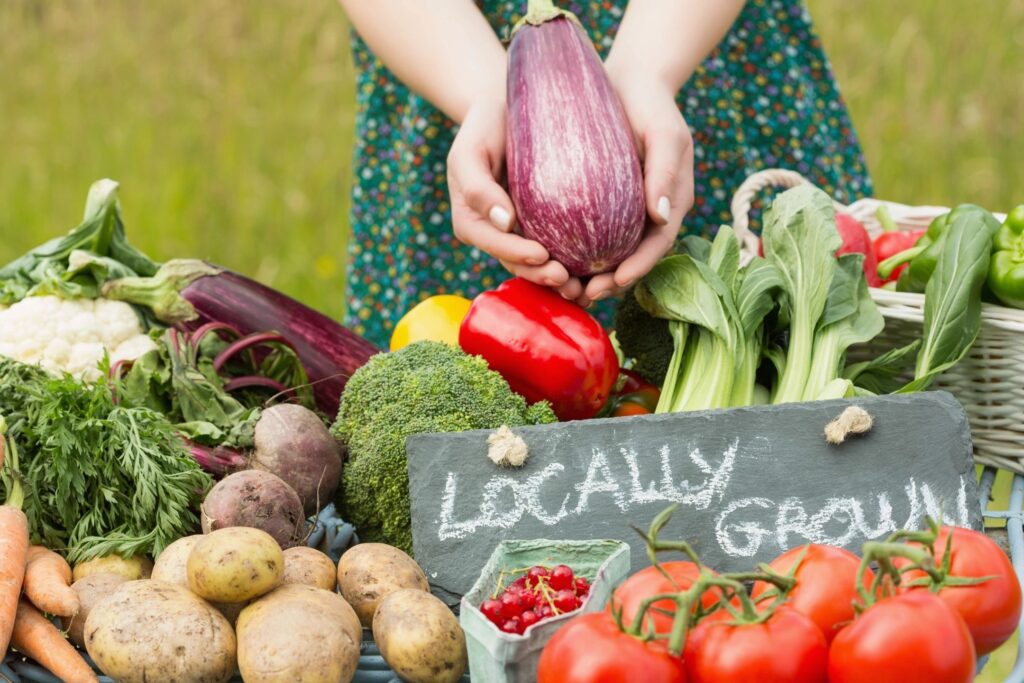
For a long time, food culture has focused on portions—how much we eat, how often, and how to control intake. Recently, however, there has been a noticeable shift toward food quality rather than quantity.
People are beginning to pay more attention to where their food comes from, how it is prepared, and what it contains. This change is not necessarily about eating less, but about eating better. The emphasis is moving toward ingredients that are fresh, minimally processed, and nutritionally dense.
One reason for this shift is growing awareness. Information about food production, nutrition, and health is more accessible than ever. As a result, individuals are making more informed choices.
Another factor is how food affects overall well-being. High-quality meals tend to support sustained energy, better digestion, and improved focus. In contrast, heavily processed foods may offer convenience but often lack long-term benefits.
Focusing on quality also encourages a more mindful approach to eating. When meals are prepared with care, they are often enjoyed more fully. This naturally leads to greater satisfaction, even with smaller portions.
Importantly, prioritizing quality does not require perfection. It is about making better choices where possible and being aware of what is being consumed.
This shift reflects a broader change in mindset. Food is no longer viewed simply as fuel or indulgence, but as an essential part of maintaining balance and well-being.
And increasingly, that perspective is shaping everyday eating habits.
The Rise of Functional Foods in Everyday Diets
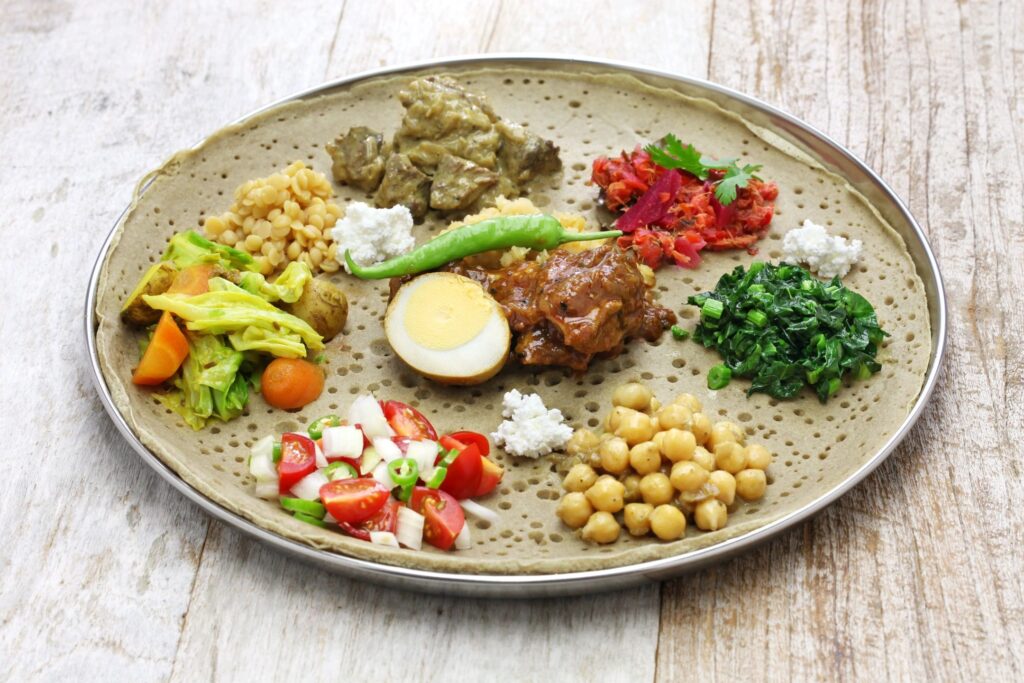
Food is increasingly being viewed not just as nourishment, but as a tool for improving specific aspects of health. This shift has led to the rise of functional foods—ingredients and meals designed to support targeted outcomes such as energy, digestion, or mental clarity.
Unlike traditional approaches that focus on general nutrition, functional foods emphasize purpose. People are no longer asking only whether something is healthy, but what it does for them.
Ingredients like fermented foods, whole grains, and nutrient-dense vegetables are gaining attention for their specific benefits. Even everyday meals are being adjusted to support performance throughout the day.
This approach reflects a broader change in how people relate to food. It is no longer passive consumption but an active decision-making process.
Functional eating also encourages awareness. It requires understanding how different foods affect the body and making adjustments accordingly.
Importantly, it does not require complexity. Simple meals can still be functional when chosen with intention.
As this trend grows, food is becoming more integrated with overall lifestyle goals.
And increasingly, what people eat is being aligned with how they want to feel and perform.
FOOD
Why Balanced Eating Is Replacing Strict Dieting

For years, strict dieting dominated conversations around food. Rules, restrictions, and elimination plans shaped how people approached eating. But increasingly, there is a noticeable shift away from rigid systems toward a more balanced, flexible approach.
Balanced eating focuses less on cutting things out and more on including what the body needs. Instead of labeling foods as “good” or “bad,” it encourages a broader perspective—one that considers nutrition, enjoyment, and sustainability together.
This shift is happening because strict diets are difficult to maintain. While they may produce short-term results, they often create long-term frustration. Balance, on the other hand, supports consistency. It allows people to make healthier choices without feeling restricted.
There is also growing awareness of how food affects overall well-being beyond weight. Energy levels, focus, mood, and even sleep are influenced by eating habits. Balanced meals that include a mix of nutrients help support these areas more effectively.
Another important aspect is flexibility. Life is unpredictable, and rigid food rules do not always fit into daily routines. Balanced eating allows for adaptation without losing direction.
It also improves the relationship people have with food. When eating is no longer tied to guilt or pressure, it becomes more intuitive and enjoyable.
Ultimately, balanced eating is not about perfection. It is about consistency and awareness.
And for many, that approach is proving to be far more sustainable than strict dieting ever was.
Why Eating Well Is Becoming More Intentional Than Ever
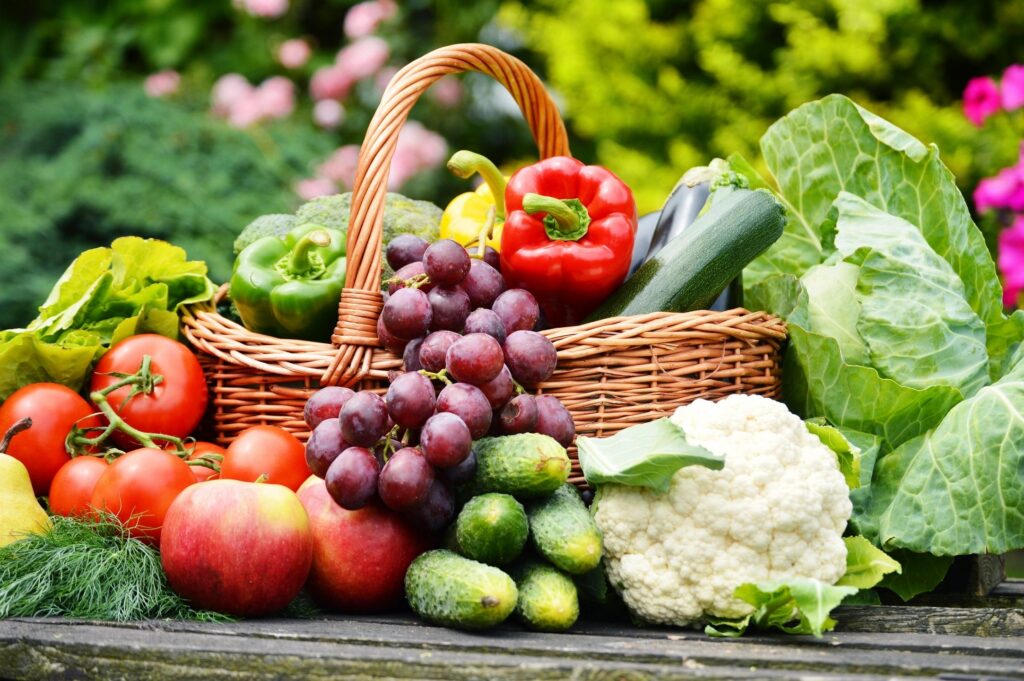
Food is no longer just about taste or convenience. Increasingly, people are becoming more intentional about what they eat—not in a restrictive way, but in a thoughtful one.
This shift is less about following strict diets and more about understanding the role food plays in overall well-being. People are asking different questions: How does this make me feel? Does it support my energy? Is it sustainable for my lifestyle?
Intentional eating often leads to simpler, more balanced choices. Meals are less about excess and more about nourishment. Fresh ingredients, whole foods, and mindful portions become the focus—not because they are trendy, but because they are effective.
There is also a growing awareness of how food connects to daily performance. What we eat affects focus, mood, and energy levels. As a result, meals are being approached with more care and awareness.
Importantly, intentional eating does not remove enjoyment. It enhances it. When people slow down and engage with their meals, they often find greater satisfaction in less.
This approach also reduces the pressure of perfection. It allows flexibility while maintaining awareness.
In many ways, eating well is becoming less about rules and more about relationship.
And that relationship is shaping healthier, more sustainable habits.
FOOD
Why Home Cooking Is Becoming a Form of Self-Care

In a fast-paced world where convenience often takes priority, home cooking is quietly being redefined—not as a chore, but as a form of self-care. More people are returning to their kitchens, not out of necessity alone, but as a way to reconnect with themselves and create moments of calm in busy routines.
Cooking at home allows for control—over ingredients, portions, and quality. But beyond that, it creates a sense of intention. Preparing a meal requires presence. It slows things down. It shifts focus from constant digital engagement to something tangible and nourishing.
There is also an emotional element to home cooking. The act of preparing food can feel grounding. Chopping vegetables, stirring a pot, or baking something from scratch creates a rhythm that can be both calming and satisfying. It offers a break from mental overload.
Home cooking also encourages healthier habits without strict rules. When people cook for themselves, they are more aware of what they consume. Meals become less processed and more balanced naturally.
Importantly, it does not need to be complicated. Simple meals can be just as nourishing as elaborate ones. The value lies in the act itself, not the complexity of the dish.
Cooking can also create connection. Whether shared with family or enjoyed alone, it reinforces a sense of care.
In many ways, home cooking is not just about food—it is about creating space for yourself.
And sometimes, that is exactly what self-care looks like.
Why Eating Patterns Matter More Than Diet Trends

Food trends come and go, but eating patterns have a far deeper impact on health than any temporary diet. Many people focus on what is “in” at the moment—low-carb, high-protein, plant-based, intermittent fasting—but often overlook the simple structure of how they eat every day.
Eating patterns refer to consistency: when you eat, how often you eat, and how balanced your meals are over time. These patterns shape energy levels, digestion, mood, and even long-term health outcomes more than short-term dietary changes.
For example, skipping meals regularly may lead to energy crashes or overeating later in the day. Eating at irregular times can disrupt the body’s natural rhythm. On the other hand, balanced and steady eating patterns create stability.
Another important factor is mindfulness. Eating quickly or distractedly often leads to overconsumption without satisfaction. When meals are eaten with awareness, the body better recognizes fullness and nourishment.
Sustainability also matters. A diet that is too restrictive is difficult to maintain. But an eating pattern that allows flexibility is more realistic for long-term well-being.
Ultimately, healthy eating is not about perfection. It is about rhythm, balance, and consistency.
When people shift their focus from trends to patterns, food becomes less stressful and more intuitive. And that is where real, lasting health often begins.
Why Simple Meals Are Winning Again

In recent years, food culture has been dominated by complexity—layered flavors, elaborate presentations, and trending ingredients from around the world. But quietly, a shift is happening. More people are returning to simple meals, not out of limitation, but by choice.
Simple meals offer something that complexity often cannot: clarity. A well-cooked dish made from a few quality ingredients can be deeply satisfying. It allows each element to stand on its own, without being overshadowed.
There is also a practical side to this shift. Simpler meals are easier to prepare, more affordable, and often healthier. When cooking becomes less overwhelming, people are more likely to do it regularly. That consistency matters more than occasional perfection.
Another factor is time. Many people are reassessing how they spend their energy. Spending hours preparing complicated meals every day is not always sustainable. Simplicity creates space.
Emotionally, simple meals can feel grounding. A bowl of soup, fresh bread, or a home-cooked dish can bring a sense of calm and familiarity. These meals often connect people to memory and routine.
This does not mean creativity disappears. Simplicity can still be expressive. It just removes excess.
In a world that often feels overcomplicated, simple food offers relief.
And sometimes, that is exactly what people are looking for.
Why Traditional Foods Are Finding New Respect

For years, food trends often pushed people toward whatever was newest — superfoods, imported ingredients, complicated eating styles. But lately, many people are looking back instead of forward, rediscovering traditional foods that generations relied on long before wellness became fashionable.
Beans, lentils, fermented foods, broths, whole grains, root vegetables — many of these humble staples are returning to modern tables with renewed appreciation.
Part of the appeal is simplicity. Traditional foods are often nourishing without being expensive or complicated. They were shaped by practicality and wisdom.
Many are naturally balanced, built around ingredients that sustain energy and support long-term well-being.
There is also cultural richness here.
Traditional food often carries story. Memory. Identity. Connection.
Recipes passed through families preserve more than flavor. They preserve belonging.
People are realizing healthy eating does not always require something exotic. Sometimes wellness has been sitting in heritage recipes all along.
Traditional foods also tend to align with slower, more mindful cooking. Meals built from scratch. Ingredients recognized. Food prepared with intention.
That has emotional value too.
In a fast-food culture, returning to traditional foods can feel grounding.
And perhaps that is part of why they are resonating again. Not because they are trendy. But because they have quietly worked for generations.
Sometimes the future of food looks surprisingly rooted in the past.
Why Breakfast Is Making a Quiet Comeback

For years breakfast was often skipped in the rush of modern life. Coffee became a substitute, convenience bars replaced meals, and many people moved through mornings under-fueled. But lately, breakfast is making a quiet comeback — not as a trend, but as a return to something foundational.
People are beginning to recognize that how the day begins often shapes energy for everything that follows.
A nourishing breakfast does not have to be elaborate. It may be oatmeal with fruit, eggs with vegetables, croissants with fruits, yogurt with nuts, or simple toast with avocado. What matters is not complexity, but steadiness.
Morning nourishment can support focus, reduce mid-morning crashes, and prevent the kind of extreme hunger that leads to poor choices later.
But beyond nutrition, breakfast can be something more.
It can be a rhythm. A pause before the demands of the day. A moment to begin intentionally.
Many people who restore breakfast discover they are not just eating better — they are starting differently.
There is also something deeply grounding about a consistent morning meal.
In an unpredictable world, small rituals matter.
Breakfast may be one of the simplest.
And perhaps that is why it is quietly returning — not because it is fashionable, but because it works.
Sometimes well-being begins at the first meal.
The Return of Slow Cooking: Why Homemade Meals Are Becoming Luxury

In a culture built around speed, slow cooking is quietly becoming a modern luxury. More people are rediscovering the comfort of simmering soups, roasting vegetables, and baking bread—not just for nutrition, but for the emotional value tied to preparing food with intention.
Unlike convenience meals, slow cooking creates a sensory experience. The aroma of garlic softening in olive oil, herbs infusing broth, or bread rising in a warm kitchen taps into something deeply grounding. For many, cooking has become less about obligation and more about reclaiming calm.
Nutrition experts say slow-cooked meals often preserve ingredients in their whole form, reducing dependency on preservatives, sodium, and ultra-processed additives. Beans, grains, root vegetables, and affordable cuts of meat become nourishing centerpieces rather than budget compromises.
There’s also a social revival happening around food. Families are returning to shared meals. Friends are hosting soup nights and homemade pasta dinners. Food is becoming connection again.
Perhaps most surprisingly, slow cooking aligns with sustainability. It encourages seasonal produce, reduces packaging waste, and helps people make use of ingredients they already have.
Luxury today isn’t always expensive. Sometimes it looks like a pot on the stove, time in the kitchen, and a meal made from scratch.
Why Comfort Food Is Being Reimagined as Healthy Food

Comfort food has long been associated with indulgence — rich dishes, family favorites, and meals tied to memory. But today, many people are redefining comfort food in a healthier way, proving that nourishment and comfort do not have to compete.
At its core, comfort food is emotional. It is food that soothes, grounds, and restores. Traditionally that may have meant heavy dishes, but comfort can also come from warm lentil soup, roasted vegetables, fragrant rice, homemade stews, or simple meals prepared with care.
This shift matters because it changes the relationship people have with healthy eating. Wellness no longer has to feel restrictive. It can feel satisfying.
Part of this change comes from how people are cooking. More home kitchens are embracing flavor-rich but nourishing versions of classics — baked instead of fried, whole ingredients instead of highly processed ones, homemade sauces instead of packaged shortcuts.
Another reason this trend resonates is emotional well-being. In stressful times, people often crave food that feels grounding. Healthy comfort food offers that support without the aftermath of heavy, overly processed meals.
There is also cultural richness in this movement. Many traditional cuisines have always known how to combine comfort and nourishment — broths, legumes, grains, spices, seasonal produce.
Perhaps the deeper lesson is this: healthy food does not need to feel clinical.
It can be warm. It can be soulful. It can carry memory.
And when healthy eating feels comforting rather than punishing, it becomes easier to sustain.
Sometimes the future of wellness looks less like deprivation — and more like a pot simmering on the stove.
Why Home Cooking Is Becoming a Form of Self-Care

For many people, cooking used to be viewed as another task on a long list of responsibilities. But increasingly, home cooking is being seen differently — not merely as meal preparation, but as a form of self-care.
Part of this shift comes from how cooking slows life down. In a culture built around speed, preparing a meal can become a rare moment of presence. Chopping vegetables, stirring a simmering pot, or baking something from scratch can feel grounding.
There is also satisfaction in creating nourishment with your own hands. Even a simple meal can create a sense of capability and calm.
Cooking at home often encourages healthier choices without rigid rules. You tend to be more aware of ingredients, portions, and what actually satisfies you.
There is a financial benefit too. Home-cooked meals are often far more economical than constant takeout or convenience foods.
But beyond nutrition and savings, cooking can carry emotional comfort. Many people associate certain meals with memory, family, or cultural identity.
Even experimenting with new dishes can bring creativity into ordinary life.
Self-care is often marketed as something expensive or indulgent. But often it looks simpler — preparing food that cares for you.
It doesn’t have to be elaborate. A nourishing soup, a thoughtfully made breakfast, even preparing tomorrow’s lunch can become part of caring for yourself.
Sometimes wellness begins not with dramatic routines, but in the quiet rituals of everyday living.
And home cooking can be one of those rituals.
The Quiet Return of Seasonal Eating
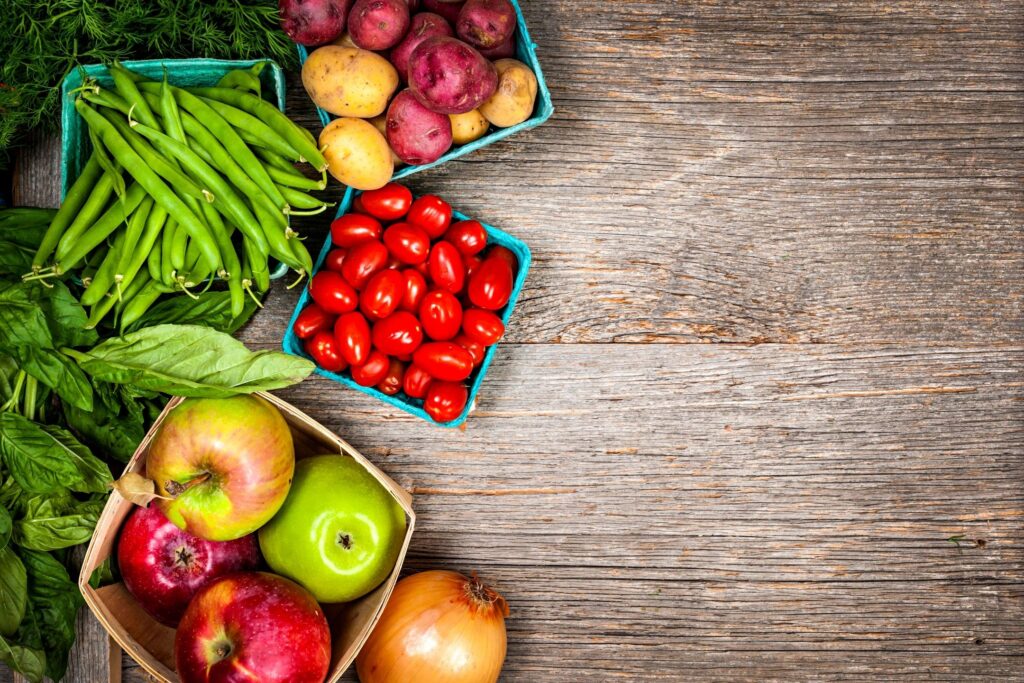
For years, convenience shaped the way many people eat. Supermarkets made nearly every ingredient available year-round, and meals became less connected to season and place. But lately, there is growing interest in seasonal eating — choosing foods that naturally align with the time of year. It may sound old-fashioned, but many people are rediscovering that it offers practical, financial, and wellness benefits.
Seasonal eating often begins with flavor. Produce harvested in its natural season tends to taste better. Tomatoes in summer, root vegetables in autumn, citrus in winter — these foods often carry a freshness and richness that imported or out-of-season versions can lack.
There is also a nutritional argument. Many foods naturally appear in seasons when the body may benefit from them. Lighter fruits and water-rich produce in warm months can feel refreshing. Hearty vegetables and warming foods in colder seasons can feel grounding.
Cost is another factor. In-season produce is often more affordable because supply is abundant. This makes seasonal eating practical for households trying to eat well while managing expenses.
Another overlooked benefit is variety. People often rotate through the same foods repeatedly. Eating seasonally encourages change without forcing it. Your meals evolve naturally through the year.
There is also something emotionally satisfying about it. Seasonal eating reconnects people to rhythm. It brings awareness to time passing and creates anticipation. The first strawberries of spring or soups in winter become experiences, not just meals.
This approach doesn’t require strict rules. It can be as simple as letting seasonal ingredients influence part of your shopping. Visit a local market, notice what is abundant, and build meals around that.
Seasonal eating is not about perfection or nostalgia. It is about choosing food in a way that feels practical, flavorful, and connected.
Sometimes the healthiest food trend is not new at all — it is returning to something people understood long ago.
Why Your Kitchen Habits Matter More Than Your Recipes

When people think about improving their eating habits, they often focus on recipes — what to cook, which ingredients to use, or which diet to follow. But an often overlooked factor is something much simpler: your kitchen habits.
Your habits determine how often you cook, how you prepare meals, and even how you feel about food. You can have the best recipes in the world, but if your habits don’t support cooking, they won’t make a difference.
For example, planning ahead is one of the most powerful kitchen habits. Knowing what you will eat in advance reduces stress and prevents last-minute decisions that often lead to unhealthy choices. It also saves time and helps you stay consistent.
Another important habit is keeping your kitchen organized. When ingredients are easy to find and tools are accessible, cooking feels less like a chore. A cluttered space, on the other hand, can discourage even the simplest meal preparation.
Preparation also plays a role. Washing vegetables, portioning ingredients, or preparing meals in advance can make daily cooking much easier. These small actions reduce effort during busy moments.
Consistency is what makes these habits effective. Cooking occasionally is helpful, but building a routine makes it sustainable. The more natural cooking becomes, the less effort it requires.
Your environment also matters. If your kitchen encourages healthy choices, you are more likely to follow through. Keeping nutritious ingredients visible and accessible can influence your decisions without requiring extra willpower.
Ultimately, improving your diet is not just about what you cook — it’s about how you approach cooking. Strong kitchen habits create structure, reduce stress, and make healthy eating easier to maintain.
Because in the long run, habits shape outcomes more than recipes ever will.
Why Eating Slowly Can Improve Your Health and Enjoyment

In a fast-paced world, eating has become just another task to complete. Many people eat quickly, often distracted by phones, work, or television. But slowing down while eating can have a powerful impact on both health and overall enjoyment.
When you eat slowly, your body has time to register fullness. It takes several minutes for your brain to receive signals that you’ve had enough. Eating too quickly can lead to overeating simply because your body hasn’t caught up yet.
Slower eating also improves digestion. Chewing food properly allows your body to break it down more efficiently, making it easier to absorb nutrients. When meals are rushed, digestion becomes less effective, which can lead to discomfort.
Beyond the physical benefits, eating slowly enhances the experience itself. Food becomes more enjoyable when you actually taste it. Flavours, textures, and aromas are easier to appreciate when you’re not rushing through a meal.
It also encourages mindfulness. Instead of treating food as something to finish quickly, you begin to engage with it. This can create a healthier relationship with eating, reducing stress and improving satisfaction.
Another advantage is portion control. When you slow down, you naturally become more aware of how much you’re eating. This awareness helps prevent unnecessary consumption.
You don’t need to completely change your routine. Small adjustments, such as putting your utensils down between bites or taking a moment before starting your meal, can make a difference.
Eating slowly is a simple habit, but its impact is significant.
Why Eating at the Same Time Every Day Matters More Than You Think
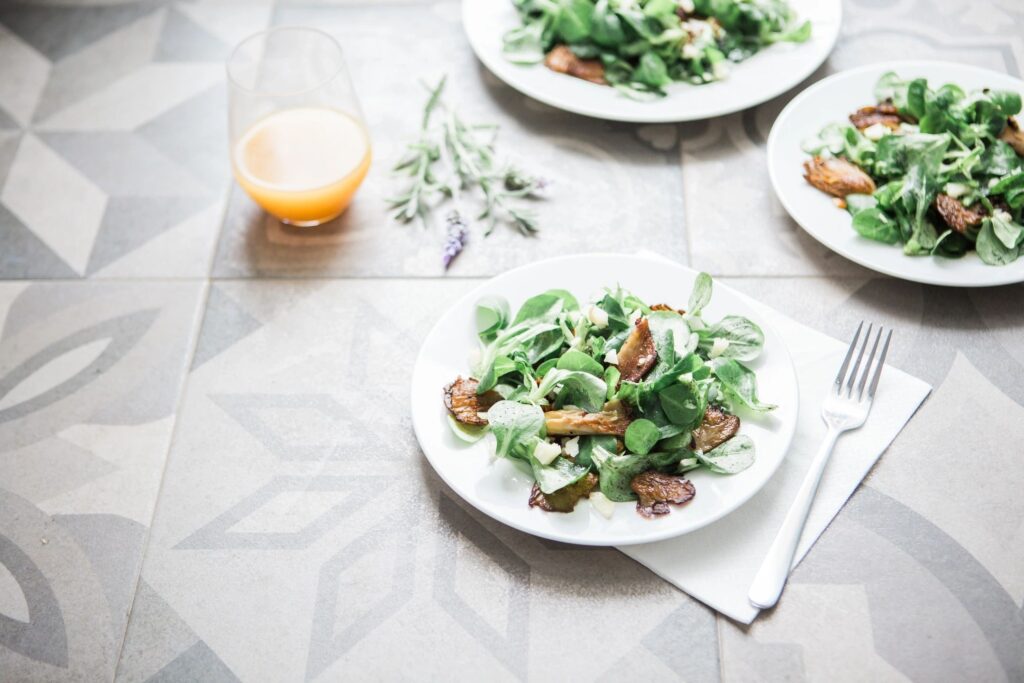
When people think about healthy eating, they often focus on what they eat — ingredients, calories, or diets. But an overlooked factor is when you eat. Your eating schedule can have a real impact on energy, digestion, and overall well-being.
The body works best with rhythm. Just like sleep patterns, your digestive system responds well to consistency. Eating meals at roughly the same time each day helps regulate hunger signals and energy levels. When your body knows when to expect food, it functions more efficiently.
Irregular eating patterns can lead to energy dips, overeating, or cravings. Skipping meals often results in intense hunger later, which makes it harder to make balanced choices. On the other hand, consistent meals help maintain steady energy throughout the day.
Another benefit is improved digestion. When meals are spaced properly, your body has time to process food effectively. Constant snacking or unpredictable eating can disrupt this process.
This doesn’t mean you need a strict schedule. Life is flexible, and routines can adjust. But having a general structure — breakfast, lunch, and dinner at similar times — creates stability.
Eating well is not just about food quality. Timing plays a quiet but important role in how your body responds.
FOOD
How Food Choices Are Quietly Shaping Your Energy Levels

Most people think of food only in terms of hunger, taste, or weight. But what you eat also has a direct effect on something less obvious — your daily energy levels. The difference between feeling drained in the afternoon or staying focused often comes down to food choices made hours earlier.
Highly processed foods tend to give quick bursts of energy followed by crashes. This is why people often feel tired shortly after eating sugary snacks or heavy fast food meals. The body processes these foods quickly, leading to unstable energy levels.
On the other hand, balanced meals with protein, fibre, and healthy fats release energy more steadily. This helps maintain focus, mood, and productivity throughout the day. It’s not about strict dieting — it’s about awareness.
Another important factor is timing. Skipping meals or eating irregularly can disrupt energy balance. The body performs best when it has a predictable fuel pattern.
Hydration also plays a major role. Even mild dehydration can lead to fatigue and reduced concentration, yet it’s often ignored.
The goal is not perfection but awareness. When you start noticing how certain foods affect your energy, you naturally begin to make better choices.
Food is not just fuel for the body — it is also fuel for your focus, mood, and daily performance.
The Comfort of Familiar Meals in a Fast-Changing World

In a time when food trends change almost daily, there is something deeply comforting about familiar meals. While new recipes and global cuisines continue to gain popularity, many people are quietly returning to the basics — meals that are simple, reliable, and emotionally satisfying.
Familiar meals are not just about taste; they are about connection. They remind us of home, culture, and moments that feel safe and predictable. In a world that often feels fast and uncertain, that sense of stability matters more than ever.
One of the reasons familiar meals are so powerful is that they remove decision fatigue. Instead of constantly thinking about what to cook or trying something new, you rely on what you already know works. This makes daily life easier and less stressful.
There is also a practical advantage. These meals are usually quicker to prepare and require fewer ingredients. You don’t need to spend hours in the kitchen or search for complicated recipes. This simplicity makes it easier to maintain a consistent eating routine.
Familiar meals can also support better nutrition. When you know what goes into your food, you have more control over your choices. You’re less likely to rely on processed or convenience options when you have trusted meals to fall back on.
Another important aspect is emotional well-being. Food has always been tied to feelings, and meals that bring comfort can help reduce stress and create a sense of calm. This is especially important during busy or challenging periods.
That doesn’t mean you should avoid trying new things altogether. Variety can still be part of your routine. But having a foundation of familiar meals gives you balance.
Ultimately, food doesn’t need to be exciting every day. Sometimes, the most meaningful meals are the ones that feel simple and known.
Because in the end, comfort is just as important as creativity when it comes to what we eat.
FOOD
Why Simple Cooking Is Becoming the New Luxury
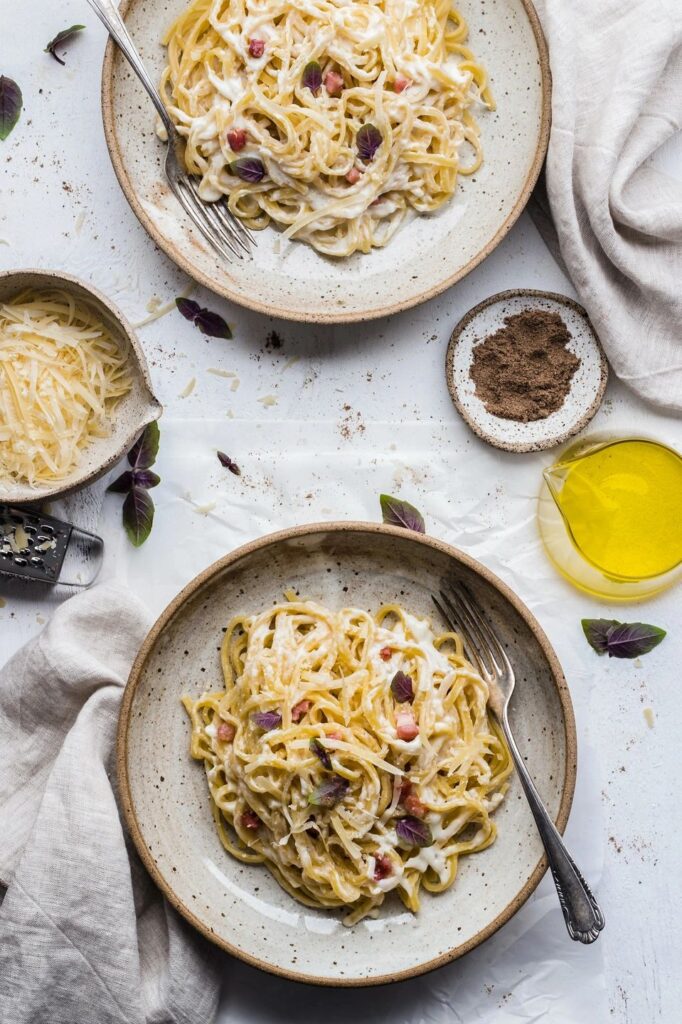
In recent years, food has shifted from something practical to something performative. Social media feeds are filled with complex recipes, exotic ingredients, and visually perfect meals. While these can be inspiring, they’ve also created the impression that good food must be complicated. But increasingly, people are rediscovering something different — simplicity.
Simple cooking is quietly becoming the new luxury.
At its core, cooking doesn’t need to be overwhelming. A well-prepared meal using a few quality ingredients can be just as satisfying as something elaborate. In fact, simplicity often allows flavors to stand out more clearly. When meals are not overloaded with ingredients, you begin to appreciate the natural taste of food.
There’s also a growing awareness of time. Many people are balancing work, family, and personal responsibilities. Spending hours in the kitchen every day is simply not realistic. Simple cooking offers a solution — meals that are quick, nourishing, and easy to prepare without sacrificing quality.
Cost plays a role as well. With rising expenses, people are becoming more mindful of how they spend on food. Simple meals often rely on accessible, affordable ingredients, making it easier to eat well without overspending.
Another benefit is consistency. When meals are easy to prepare, you’re more likely to stick with them. Complicated recipes can be exciting occasionally, but they’re difficult to maintain daily. Simplicity creates routine, and routine supports healthier habits.
There’s also something comforting about simple meals. They often connect us to familiar experiences — home-cooked dishes, cultural traditions, and everyday comfort food. These meals may not be flashy, but they feel grounding.
Ultimately, simple cooking is not about doing less. It’s about focusing on what truly matters — nourishment, ease, and enjoyment.
Because sometimes, the simplest meals are the ones that bring the most satisfaction.
FOOD
Making Everyday Meals Simple and Satisfying

Food doesn’t have to be complicated to be enjoyable or nourishing. In fact, the more we simplify our approach to meals, the easier it becomes to eat well consistently. Many people feel overwhelmed by the pressure to cook elaborate dishes or follow strict dietary rules, but the truth is that simple meals often work best.
At its core, a satisfying meal is about balance. You don’t need dozens of ingredients or complex techniques. A combination of protein, carbohydrates, and vegetables is enough to provide energy and keep you full. This could be as simple as grilled chicken with rice and vegetables, or eggs with toast and avocado.
One of the biggest advantages of simple meals is consistency. When cooking feels easy, you’re more likely to stick with it. Complicated recipes can be exciting occasionally, but they’re hard to maintain on a daily basis. Having a few go-to meals that you enjoy removes the stress of deciding what to eat.
Preparation also plays a key role. Keeping basic ingredients at home makes it easier to put meals together quickly. When your kitchen is stocked with essentials, you’re less likely to rely on unhealthy convenience foods.
Another benefit of simplicity is cost. You don’t need expensive or trendy ingredients to eat well. Basic foods like vegetables, grains, and proteins are often more affordable and just as nutritious.
Eating well is not about perfection. It’s about making choices that work for your lifestyle. Some days will be better than others, and that’s completely normal.
When you remove the pressure to be perfect, food becomes more enjoyable. And when something is enjoyable, it becomes sustainable.
Because at the end of the day, the best meals are not the most complicated ones — they’re the ones you can keep coming back to.
FOOD
Why Simple Meals Are Making a Powerful Comeback

For years, food trends have been dominated by complexity — elaborate recipes, rare ingredients, and picture-perfect presentations. But recently, something unexpected has been happening. People are going back to basics.
Simple meals are making a comeback, and not because people have lost interest in creativity, but because they’re rediscovering the value of ease, nourishment, and authenticity.
At its core, food is meant to fuel the body and bring comfort. Somewhere along the way, it became a performance. Social media played a big role, turning everyday meals into curated experiences. While there’s nothing wrong with beautiful food, the pressure to constantly “impress” has taken away from the joy of simply eating well.
Simple meals remove that pressure.
Think of a warm bowl of rice with vegetables, a homemade sandwich, or a classic soup. These meals don’t require hours in the kitchen, yet they deliver what matters most — satisfaction, nutrition, and consistency.
There’s also a financial benefit. With the rising cost of living, many households are rethinking how they spend on food. Simple meals rely on accessible ingredients, reducing waste and making it easier to stick to a budget without sacrificing quality.
Another reason for this shift is time. People are busier than ever, and not everyone wants to spend hours cooking after a long day. Simplicity allows for balance — you can eat well without feeling overwhelmed.
But simple doesn’t mean boring.
In fact, simplicity often enhances flavor. When you’re not masking ingredients with heavy sauces or excessive seasoning, you begin to appreciate the natural taste of food. Fresh vegetables, grains, and proteins shine in their own right.
Cooking simple meals also builds confidence. Instead of relying on complicated recipes, you learn how to combine ingredients intuitively. Over time, this creates a more sustainable relationship with food.
There’s also a deeper emotional aspect. Simple meals often connect us to memories — family dinners, childhood favorites, or cultural traditions. These are the meals that feel familiar and grounding.
So how can you embrace this approach?
Start by focusing on a few staple ingredients you enjoy. Keep your meals balanced but uncomplicated. Don’t aim for perfection — aim for consistency.
Food doesn’t need to be complicated to be meaningful.
Sometimes, the simplest meals are the ones that truly satisfy.
FOOD
Why Do I Crave Unhealthy Food Even When I’m Not Hungry?

Have you ever found yourself craving snacks, sweets, or fast food even when you’ve just eaten?
It’s a common experience — and it doesn’t always mean you’re hungry.
Cravings are often driven by more than physical need.
They can come from habit, emotion, environment, or even stress.
For example, your brain associates certain foods with comfort or reward.
Over time, this creates automatic responses.
You feel stressed → you crave something sweet or salty.
You’re bored → you look for snacks.
You’re tired → you want quick energy.
Another factor is blood sugar fluctuation.
Highly processed foods can create quick spikes and drops in energy, which can increase cravings shortly after eating.
Sleep also plays a role.
When you’re tired, your body often seeks quick energy sources — usually sugar or high-calorie foods.
Understanding this helps shift your response.
Instead of seeing cravings as lack of discipline, you can see them as signals.
Because cravings are not just about food.
They’re about patterns.
FOOD
Why Breakfast Might Not Be the Most Important Meal of the Day

For years, we’ve been told that breakfast is essential.
“Never skip breakfast.”
“It boosts metabolism.”
“It sets the tone for the day.”
But is it really necessary for everyone?
Not exactly.
Some people feel energised after eating in the morning. Others feel better waiting a few hours.
The idea that everyone must eat breakfast at a specific time doesn’t account for individual differences.
Your body doesn’t follow a universal schedule.
What matters more is total nutrition across the day — not whether you eat at 7am.
For some, forcing breakfast leads to discomfort or unnecessary calories.
For others, it works perfectly.
The real takeaway?
There’s no one-size-fits-all rule.
Because health is personal — not universal.
FOOD
Do You Actually Enjoy Your Food — Or Just Eat Out of Habit?

Think about your last few meals.
Do you remember the taste, the texture, the experience?
Or did you simply eat because it was time to eat?
For many people, food has become routine.
Breakfast at a certain hour. Lunch during a break. Dinner at the end of the day.
The structure is consistent — but the awareness is not.
You eat, but you don’t always experience the meal.
This isn’t about what you eat.
It’s about how present you are while eating.
When meals become automatic, enjoyment decreases.
You may still feel full, but not satisfied.
That difference matters.
Satisfaction comes from attention.
When you slow down, notice flavours, and actually experience the food, the meal feels complete.
Without that awareness, you may keep looking for something else — a snack, a dessert, something extra — even if you’ve eaten enough.
This creates a cycle.
Not because you need more food, but because you didn’t fully experience what you had.
The solution is simple, but not easy.
Be present.
Even for one meal a day, remove distractions.
No phone. No rushing.
Just eat.
Because sometimes, the problem isn’t the food.
It’s the experience.
FOOD
Why Your Favourite Food Sometimes Suddenly Tastes “Off”

Have you ever eaten something you usually love — and suddenly it just didn’t taste the same?
It can feel strange, almost like something is wrong with the food. But often, the change isn’t in the food itself.
It’s in you.
Taste is not fixed. It’s influenced by multiple factors: mood, health, environment, and even recent meals.
If you’re tired, stressed, or slightly unwell, your sense of taste can shift. Foods may feel dull, too salty, or less enjoyable.
Your expectations also play a role.
If you’re craving something intensely, your brain builds anticipation. If the experience doesn’t match that expectation, it feels disappointing — even if the food hasn’t changed.
There’s also sensory adaptation.
If you eat the same food frequently, your brain becomes used to it. What once felt exciting becomes normal.
This is why variety can restore enjoyment.
Rotating meals, trying new flavours, or even taking a break from a favourite dish can make it feel enjoyable again.
Because taste is not just about what you eat.
It’s about how your mind and body experience it.
FOOD
Why You’re Always Hungry — Even After Eating Enough

Have you ever finished a full meal and still felt hungry shortly after?
It’s frustrating — and confusing.
But hunger isn’t always about how much you eat.
It’s often about what you eat and how your body responds.
Meals high in refined carbohydrates or sugar can spike your blood sugar quickly. That spike is usually followed by a rapid drop, which triggers hunger again — even if you consumed enough calories.
Protein and healthy fats, on the other hand, digest more slowly and keep you fuller for longer.
Another overlooked factor is speed.
If you eat too quickly, your body doesn’t register fullness in time. You may feel hungry simply because your brain hasn’t caught up yet.
Hydration also plays a role.
Dehydration can mimic hunger signals, leading you to eat when your body actually needs water.
There’s also a psychological layer.
Eating while distracted — scrolling, watching, working — reduces satisfaction. You may technically eat enough, but mentally, it doesn’t feel like you did.
Understanding this changes your approach.
Because hunger is not just about quantity.
It’s about timing, composition, and awareness.
FOOD
Why “Eating Clean” Might Be Doing More Harm Than Good

“Eat clean” sounds like simple, positive advice. But the phrase itself has become increasingly problematic.
At first glance, it encourages healthier choices — whole foods, fewer processed items, better ingredients. But over time, it has evolved into something more rigid.
Food becomes labeled as “clean” or “dirty.”
This creates a mental divide.
Instead of balance, people begin to associate guilt with certain foods. Eating something outside of the “clean” category feels like failure, even if it’s occasional and harmless.
This mindset can lead to stress around eating.
Food is no longer just nourishment or enjoyment — it becomes a source of pressure.
Ironically, this can push people further away from sustainable habits. Extreme restriction often leads to cycles of control and overindulgence.
The body doesn’t need perfection.
It needs consistency.
Balanced eating — including flexibility — is more effective long-term than strict rules.
Understanding this changes your relationship with food.
Because health is not about being “perfect.”
It’s about being consistent without unnecessary pressure.
FOOD
Why “Organic” Isn’t Always Better — The Truth About Food Labels

Organic food has become synonymous with health and quality. But the reality is more nuanced. Organic does not always guarantee better nutrition or taste.
Many organic products have the same calorie, sugar, and fat content as conventional items. Labels may create perception of superiority rather than actual advantage.
The bigger consideration is food sourcing and preparation. Locally grown produce, seasonal vegetables, and minimal processing often matter more than the organic label itself.
Price is another factor. Organic foods are often 2–3x more expensive. For people trying to balance nutrition and cost, spending on fresh, local foods may yield better results than chasing the “organic” tag.
The takeaway? Read beyond labels. Focus on freshness, variety, and balance. Organic is one tool, not a universal rule.
FOOD
Why “Healthy Eating” Is More Confusing Than Ever

Healthy eating used to sound simple: eat vegetables, avoid excess sugar, stay balanced.
Today, it feels complicated.
One day carbs are the problem. The next day, they’re essential. Fats were once avoided, now they’re encouraged. Every trend claims to be the best approach.
This constant shift creates confusion.
The issue is not that nutrition is unclear — it’s that information is overwhelming.
Different diets work for different people, but when presented as universal solutions, they conflict.
This leads to frustration.
People start questioning everything: What should I eat? What should I avoid?
The truth is, simplicity still works.
Whole foods, balanced meals, and moderation remain effective.
But they’re less attention-grabbing than extreme diets.
Extreme ideas spread faster because they’re clear and bold.
“Cut this completely” is easier to follow than “balance your intake.”
But balance is more sustainable.
Understanding this helps you step back from the noise.
Because healthy eating is not about following every trend.
It’s about finding consistency in what works for you.
FOOD
Why Restaurant Food Feels “Better” — Even When It’s Not Healthier

There’s a common experience: you order a dish at a restaurant, enjoy it, and think, “Why doesn’t my cooking taste like this?”
It’s not always about skill.
Restaurants are designed to maximise flavour — often in ways you wouldn’t use at home.
One major difference is ingredient intensity. Chefs use more butter, oil, salt, and sugar than most people realise. These enhance taste quickly, making dishes richer and more satisfying in the moment.
There’s also technique.
Professional kitchens control heat precisely. High temperatures, proper timing, and experience create textures that are difficult to replicate casually.
But there’s another factor people often overlook: environment.
When you eat out, you’re not just tasting food — you’re experiencing atmosphere. Lighting, music, presentation, and social context all influence perception.
You’re more relaxed, more present, and more focused on the experience.
That combination enhances how the food feels.
At home, meals are often rushed or distracted.
The interesting takeaway is this: improving your meals doesn’t always require more complex cooking.
Sometimes, it’s about slowing down, presenting food better, and creating a more intentional eating experience.
Because taste is not just physical.
It’s psychological.
FOOD
Why Street Food Often Tastes Better Than Restaurant Meals

Across the world, from Lagos to Bangkok to London, street food holds a special place in people’s hearts. It’s fast, affordable, and often more memorable than a formal restaurant meal. But why?
The answer isn’t just nostalgia — it’s technique, environment, and focus.
Street food vendors typically specialise in one or two dishes. Unlike restaurants with large menus, they perfect a small selection over time. This repetition creates mastery. Every ingredient, every step, every timing detail is refined through daily practice.
There’s also freshness.
Street food is usually prepared in high turnover environments. Ingredients don’t sit around long. Food is cooked and served immediately, often right in front of you. That immediacy enhances flavour and texture.
Another factor is boldness.
Street food doesn’t hold back. Strong spices, rich marinades, and intense flavours are common. These dishes are designed to stand out instantly, not subtly impress over multiple courses.
Then there’s the atmosphere.
Eating outdoors, surrounded by people, sounds, and movement creates a sensory experience. Food becomes part of a moment, not just a meal.
Interestingly, many high-end chefs draw inspiration from street food. What makes it powerful isn’t complexity — it’s clarity.
Because when something is done repeatedly, simply, and with focus, it often becomes exceptional.
FOOD
Why You Crave Certain Foods at Specific Times — And What It Really Means

Have you ever noticed how your cravings change depending on the time of day? In the morning, you might want something light or energizing. By afternoon, you’re reaching for something sweet. And at night, comfort food suddenly feels irresistible.
These patterns are not random.
Your body operates on cycles — energy levels rise and fall throughout the day, and your cravings often reflect what your body thinks it needs, even if it’s not always accurate.
For example, afternoon sugar cravings are often linked to energy dips. When your energy drops, your brain looks for quick fuel, and sugar provides fast but temporary relief. The result is a short boost followed by another crash.
Late-night cravings, on the other hand, are often emotional rather than physical. After a long day, your mind seeks comfort, and food becomes an easy solution.
Understanding this changes how you respond.
Instead of reacting automatically, you can pause and ask: is this hunger, or is it something else?
Balancing meals throughout the day helps reduce these cravings. Protein, healthy fats, and complex carbohydrates provide steady energy, preventing sharp highs and lows.
Hydration also plays a role. Sometimes, what feels like hunger is simply dehydration.
The goal isn’t to eliminate cravings completely — that’s unrealistic. It’s to understand them.
Because once you understand why you crave certain foods, you gain control over how you respond.
FOOD
How to Fix Boring Weeknight Dinners Without Spending Hours in the Kitchen

Weeknight dinners often fall into a rut: the same pasta, rice, or stir-fry over and over. The problem isn’t your cooking skills—it’s time and habit. Breaking the cycle doesn’t require hours of prep; it requires smart, flavorful shortcuts.
Start with a base ingredient like chicken, tofu, or beans, then experiment with seasonings and cooking methods. A simple roasted chicken with garlic and paprika can feel completely different than a sautéed version with lemon and herbs. Switching textures—crunchy toppings, creamy sauces, or roasted vegetables—adds variety without complexity.
Another approach is to borrow from global cuisines. Thai curries, Mediterranean grain bowls, or Moroccan spiced stews can be made in under 30 minutes with pantry staples. This introduces bold flavors while still being easy to prepare.
Meal prep can also save the week. Preparing grains, proteins, and chopped vegetables in advance allows for mix-and-match dinners. Even five-minute sauces or dressings can elevate a meal.
Finally, focus on presentation and color. Bright vegetables, fresh herbs, or a drizzle of sauce make meals feel restaurant-quality, even when simple.
The key is creativity, not complication. By experimenting with flavors, textures, and techniques, boring weeknight dinners become enjoyable, healthy, and sustainable.
FOOD
How to Make Plant-Based Meals Exciting Without Overthinking
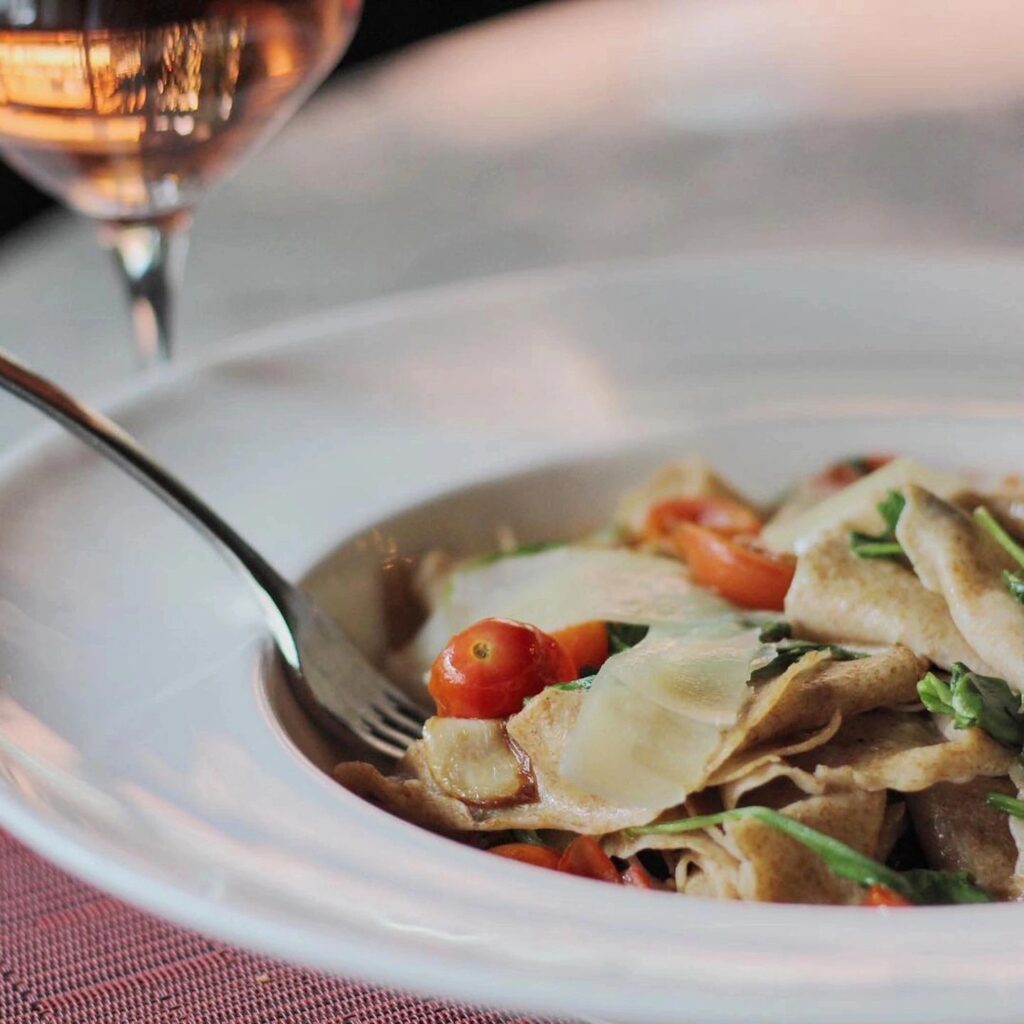
Plant-based eating is growing globally, but many people struggle with monotony. Salads, grains, and legumes can feel repetitive if prepared the same way repeatedly.
The key to making plant-based meals exciting lies in flavor layering. Herbs, spices, and sauces transform simple ingredients into bold experiences. For instance, roasted chickpeas with smoked paprika can feel like a completely different dish from boiled chickpeas in a salad.
Another approach is texture contrast. Mixing soft, crunchy, and chewy ingredients creates interest with each bite. Roasted vegetables, toasted nuts, and fresh greens on one plate can elevate a simple meal into something memorable.
Additionally, explore global cuisines. Asian stir-fries, Mediterranean grain bowls, and Middle Eastern mezze can all be adapted to plant-based ingredients, offering variety without sacrificing nutrition.
Finally, consider presentation and color. Humans eat with their eyes first. Bright vegetables, artful plating, and contrasting colors enhance the perceived taste and satisfaction.
Plant-based eating doesn’t have to be bland or complicated. With creativity, it can be both nourishing and exciting.
FOOD
Why You Get Bored of the Same Meals (Even If You Once Loved Them)
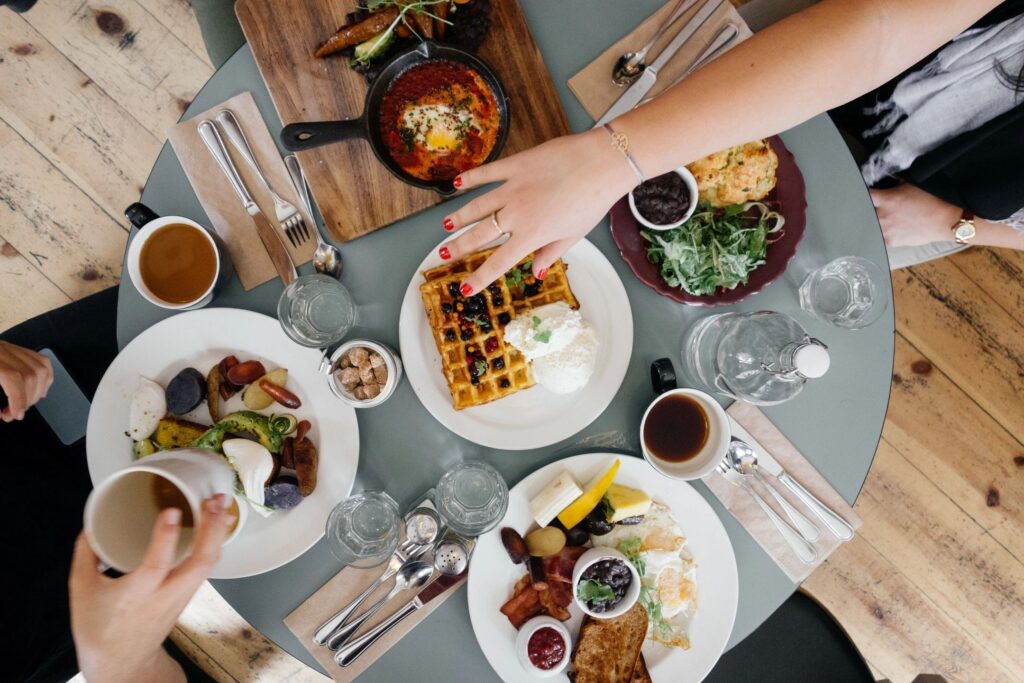
There’s a moment many people experience: a meal you once loved suddenly feels unappealing. You’ve eaten it so many times that even the thought of it feels repetitive. This isn’t about the food losing quality — it’s about how your brain responds to repetition.
Humans naturally seek variety. When you eat the same meals repeatedly, your brain becomes familiar with the taste, texture, and experience. What once felt enjoyable becomes predictable. And predictability, over time, reduces excitement.
This is why even your favorite dishes can lose their appeal.
Interestingly, this doesn’t mean you need to completely change your diet. The key is variation, not replacement.
Small changes can make a big difference. Adjusting seasoning, cooking methods, or presentation can create a new experience from the same ingredients. For example, grilled chicken can feel entirely different from roasted or stir-fried chicken, even though the base ingredient is the same.
Another factor is context. Eating the same meal in a different setting, with different sides, or at a different time of day can shift how it feels.
Variety doesn’t have to be complex. It’s about keeping your meals interesting enough to stay engaged.
Because the goal isn’t just to eat — it’s to enjoy the experience consistently over time.
FOOD
Why Following Food Trends Can Actually Ruin Your Taste Buds

Social media is flooded with food trends — smoothie bowls topped with exotic fruits, charcoal ice cream, keto everything, air fryer obsessions. On the surface, keeping up seems harmless, even fun. But if you follow these trends blindly, you may be unintentionally reshaping your taste buds and changing the way you perceive food.
Taste is not just a sense; it is a dynamic skill. When you constantly seek extreme flavors or novel combinations, your palate begins to crave intensity over simplicity. A simple, fresh tomato might no longer excite you. A plain salad may feel bland. The more extreme or flashy the trend, the more your baseline expectation of “taste” shifts.

This has psychological implications as well. When your meals are dictated by trends rather than your own preference, eating becomes a performance. You chase approval, likes, or the idea of being trendy, rather than enjoying what naturally nourishes and satisfies your body.
Balance is crucial. Trends are not inherently bad — they can introduce you to new flavors and ideas — but they shouldn’t dominate your diet. Reconnecting with foundational foods and simple cooking helps maintain a natural, enjoyable palate. Fresh vegetables, seasonal fruits, grains, and simple proteins form the backbone of sustainable eating.
Another overlooked aspect is sustainability. Many trends focus on imported superfoods or rare ingredients. Chasing these trends contributes to environmental strain and high food costs. Returning to local, seasonal, and simple ingredients is not only healthier for your body but better for the planet.
In the end, food should feel like a conversation with your body. Listen to what you enjoy, experiment when curious, but don’t let external pressures dictate your habits. Your taste buds, long-term satisfaction, and overall health will thank you.
FOOD
Why Cooking Feels Like a Chore — And How to Change That

There are days when cooking feels enjoyable, almost relaxing. And then there are days when it feels like a burden — something you have to do rather than something you want to do.
This difference is not always about the food itself. It’s often about how the process fits into your day.
When cooking is rushed, unplanned, or done out of obligation, it naturally feels like a chore. You’re thinking about time, effort, and everything else you still need to do.
But when the process is simplified, something changes.
Reducing the number of decisions — knowing what to cook, having ingredients ready, keeping meals simple — removes a lot of the pressure.
Environment matters too. A cluttered kitchen makes cooking feel harder. A clean, organized space makes it feel more manageable.
Another factor is expectation. Trying to cook something perfect every time adds unnecessary stress. Not every meal needs to be impressive.
Sometimes, cooking becomes easier when you stop treating it as a performance and start treating it as a routine.
Because the goal isn’t to enjoy every moment of cooking — it’s to make it feel less difficult overall.
FOOD
Why Cooking Feels Like a Chore — And How to Change That
There are days when cooking feels enjoyable, almost relaxing. And then there are days when it feels like a burden — something you have to do rather than something you want to do.
This difference is not always about the food itself. It’s often about how the process fits into your day.
When cooking is rushed, unplanned, or done out of obligation, it naturally feels like a chore. You’re thinking about time, effort, and everything else you still need to do.
But when the process is simplified, something changes.
Reducing the number of decisions — knowing what to cook, having ingredients ready, keeping meals simple — removes a lot of the pressure.
Environment matters too. A cluttered kitchen makes cooking feel harder. A clean, organized space makes it feel more manageable.
Another factor is expectation. Trying to cook something perfect every time adds unnecessary stress. Not every meal needs to be impressive.
Sometimes, cooking becomes easier when you stop treating it as a performance and start treating it as a routine.
Because the goal isn’t to enjoy every moment of cooking — it’s to make it feel less difficult overall.
FOOD
The Night You Don’t Feel Like Cooking — And What It Reveals About Your Habits
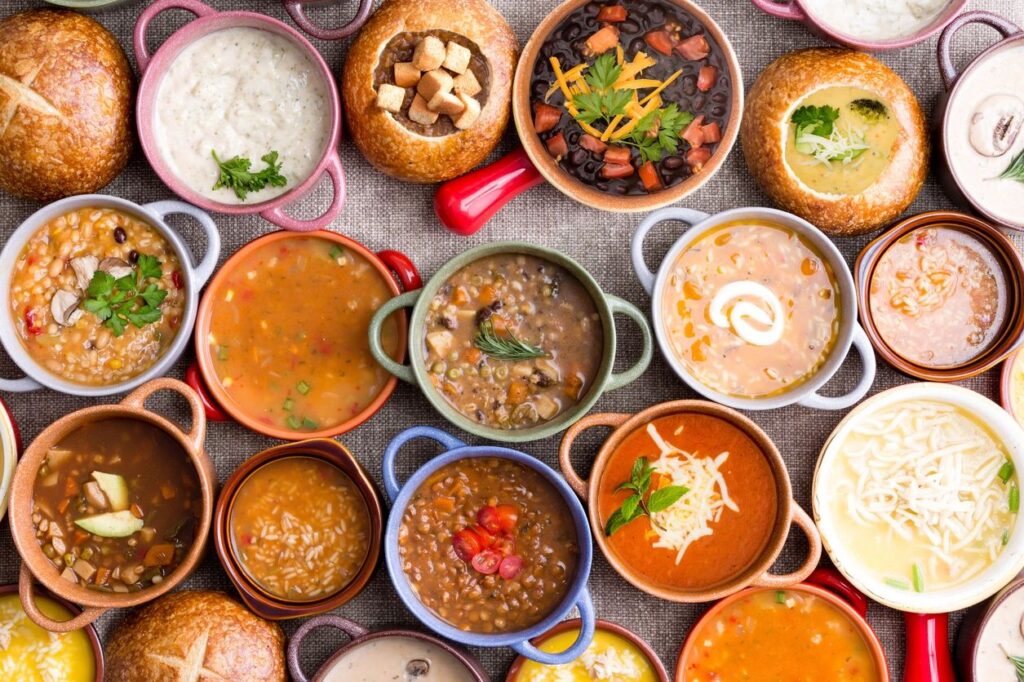
There’s always that one evening. You’re tired, maybe slightly overwhelmed, and the thought of cooking feels like too much effort. You open the fridge, stare for a few seconds, then close it again without making a decision.
In that moment, your habits are revealed more clearly than at any other time.
Do you order something quickly? Skip the meal entirely? Snack instead of preparing proper food? Or do you find a simple way to make something work?
These moments matter more than the well-planned ones.
Anyone can cook when they have energy, time, and motivation. But your real food habits show up when those things are missing.
This is where having simple “fallback meals” becomes important. Not elaborate recipes, just easy options you can rely on — something quick, familiar, and satisfying.
Because the goal isn’t perfection. It’s consistency.
The nights when you don’t feel like cooking are not exceptions. They are part of your routine.
And how you handle them often shapes your long-term habits more than your best days.
. FOOD
Why Your Food Tastes Better When Someone Else Cooks It

It’s a strange but familiar experience — eating a simple meal prepared by someone else and finding it surprisingly more enjoyable than your own cooking.
This isn’t always about skill. In many cases, it’s about perception.
When you cook for yourself, you are involved in every step — chopping, seasoning, adjusting. You become accustomed to the smells and flavors before the meal is even finished. By the time you eat, the experience feels less exciting because your senses have already been exposed to it.
When someone else cooks, there’s an element of surprise. You experience the meal fully for the first time at the moment you eat it. This freshness enhances enjoyment.
There’s also a psychological factor. Being served a meal can create a sense of care and relaxation. You’re not thinking about effort — just the result.
Interestingly, this also explains why leftovers sometimes taste better the next day. The break between cooking and eating resets your senses.
Understanding this can change how you approach your own meals. Taking a short break before eating, plating your food differently, or even changing your environment can make your own cooking feel new again.
Sometimes, it’s not the food that changes — it’s the experience.
FOOD
Why Simple Meals Are Becoming More Popular Than Complicated Recipes

For years, cooking was often associated with complexity — long ingredient lists, detailed steps, and elaborate presentation. But recently, there has been a noticeable shift. More people are moving toward simpler meals.
This change is not about lack of skill. It’s about practicality.
Simple meals save time, reduce stress, and make cooking more accessible. Instead of spending hours preparing food, people are focusing on meals that can be made quickly without sacrificing taste.
There’s also a growing appreciation for ingredients themselves. When meals are simple, each ingredient stands out more. A well-cooked vegetable, properly seasoned, can be just as satisfying as a complex dish.
Another factor is consistency. Simple meals are easier to repeat, which makes them more sustainable in everyday life.
This doesn’t mean creativity is lost. In fact, it often increases. With fewer components, there is more room to experiment and refine.
The idea that good food must be complicated is slowly being replaced by something more realistic — that good food is about balance, not complexity.
FOOD
The Ingredient You’re Probably Ignoring That Changes Everything

Most people focus on the main ingredients when cooking — the protein, the vegetables, the base of the dish. But what often separates an average meal from a memorable one is something much smaller: finishing touches.
These are the final elements added just before serving. A squeeze of lemon, a drizzle of oil, fresh herbs, or even a pinch of something unexpected.
What makes finishing touches powerful is contrast. A rich dish becomes balanced with a bit of acidity. A soft texture becomes more interesting with a slight crunch. A warm meal feels fresher with something bright added at the end.
Without these elements, food can feel flat, even if everything else is done correctly.
This is why many dishes taste better at restaurants. They are rarely served without some form of finishing detail.
The good news is that this is easy to apply at home. You don’t need expensive ingredients — just awareness.
Next time you cook, pause before serving and ask: what does this dish need? A bit of freshness? A touch of brightness? A slight contrast?
Often, the smallest addition at the end makes the biggest difference.
FOOD
Why Some People Always Cook “By Eye” — And Why It Works

If you’ve ever watched someone cook without measuring anything, it can seem almost unbelievable. They pour oil, sprinkle seasoning, stir ingredients together — and somehow, everything turns out perfectly balanced. No measuring spoons, no strict instructions. Just instinct.
But what looks like guessing is actually experience in action.
Cooking “by eye” is about understanding ingredients on a deeper level. Over time, people learn what a dish needs by observing texture, color, smell, and taste. They recognize how much oil is enough by how it coats a pan, how much seasoning is needed by the aroma, and when something is cooked simply by how it looks and feels.
This method also allows flexibility. Recipes are fixed, but real ingredients are not. Vegetables vary in freshness, spices differ in strength, and personal taste always plays a role. Cooking by eye allows immediate adjustment instead of blindly following a formula.
There’s also a confidence element. Measuring gives structure, especially for beginners, but it can also create dependence. When you move beyond measuring, you start trusting your senses.
That said, this doesn’t mean recipes are unnecessary. They are essential for learning. They teach proportions, techniques, and combinations. But once those basics are understood, cooking becomes more intuitive.
Cooking by eye transforms the process from following instructions into creating something personal. It becomes less about getting it “right” and more about making it your own.
And that’s when cooking becomes not just a task — but a skill you truly own.
FOOD
Why Your Home Cooking Doesn’t Taste Like Restaurants (And What They Do Differently)

Have you ever followed a recipe exactly and still wondered why your food doesn’t taste like something from a restaurant? The difference is rarely about talent — it’s about technique and mindset.
Restaurants are not just cooking food; they are building layers of flavor. One of the biggest differences is seasoning. Professional kitchens season at every stage, not just at the end. This builds depth rather than surface-level taste.
Another key factor is heat. Many home cooks are afraid of high heat, but restaurants use it strategically. Searing, caramelization, and controlled charring create flavors that are hard to replicate with low heat.
Then there’s fat — butter, oils, and sauces. Restaurants use more of it than most people realize. While you don’t need to overdo it at home, understanding how fat enhances flavor can instantly improve your meals.
Timing also matters. Ingredients are often cooked separately and combined at the right moment instead of everything being cooked together.
Finally, presentation changes perception. Even simple food feels more enjoyable when it looks appealing.
The truth is, restaurant-quality cooking isn’t about complexity — it’s about attention to detail. Once you understand these principles, your cooking will start to feel less ordinary and far more intentional.
. FOOD
Best Way to Build Meals Around One Ingredient
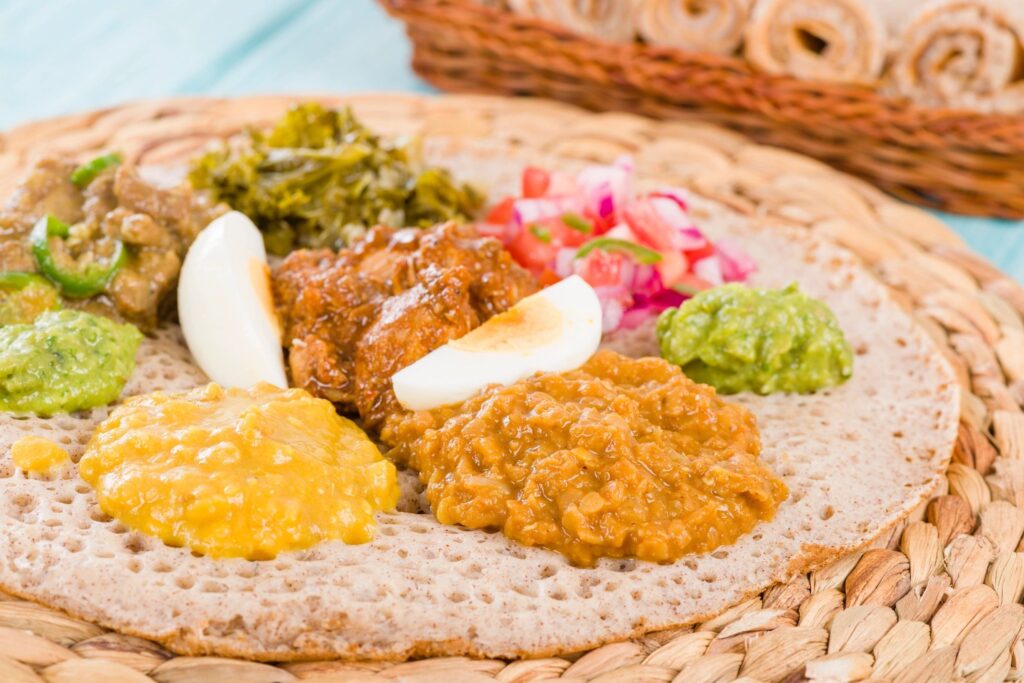
Cooking does not always have to start with a full recipe. One of the simplest and most creative ways to cook is by choosing a single main ingredient and building an entire meal around it.
Start by selecting a core ingredient such as chicken, lentils, mushrooms, or even a vegetable like eggplant. Think of this as the “anchor” of your meal. Everything else should complement its flavor, texture, and cooking style.
Next, consider contrast. If your main ingredient is soft, like mashed beans or roasted squash, add something crunchy such as nuts or toasted bread. If it is rich, balance it with something fresh like herbs or citrus.
Cooking methods also matter. A single ingredient can taste completely different depending on how it is prepared. For example, potatoes can be roasted, boiled, mashed, or fried, each giving a unique experience.
Seasoning should enhance, not overpower. Let the main ingredient shine while supporting it with spices, sauces, or garnishes.
This approach simplifies cooking, reduces waste, and encourages creativity. It also helps you become more confident in the kitchen without relying on strict recipes.
FOOD
Best Way to Build Meals Around One Ingredient

Cooking does not always have to start with a full recipe. One of the simplest and most creative ways to cook is by choosing a single main ingredient and building an entire meal around it.
Start by selecting a core ingredient such as chicken, lentils, mushrooms, couscous, or even a vegetable like eggplant. Think of this as the “anchor” of your meal. Everything else should complement its flavor, texture, and cooking style.
Next, consider contrast. If your main ingredient is soft, like mashed beans or roasted squash, add something crunchy such as nuts or toasted bread. If it is rich, balance it with something fresh like herbs or citrus.
Cooking methods also matter. A single ingredient can taste completely different depending on how it is prepared. For example, potatoes can be roasted, boiled, mashed, or fried, each giving a unique experience.
Seasoning should enhance, not overpower. Let the main ingredient shine while supporting it with spices, sauces, or garnishes.
This approach simplifies cooking, reduces waste, and encourages creativity. It also helps you become more confident in the kitchen without relying on strict recipes.
FOOD
Beginner Guide to Cooking with Spices for Better Flavor

Cooking with spices is one of the easiest ways to transform simple meals into rich, flavorful dishes. Many people either underuse spices or rely on the same few options, missing out on the depth they can bring to food.
Spices come from seeds, roots, bark, and dried fruits of plants, and each has a unique flavor profile. Learning how to combine them effectively can elevate everyday cooking.
Start by understanding basic spice categories. Warm spices like cinnamon, nutmeg, and cloves add sweetness and depth, while earthy spices like cumin and turmeric provide richness. Spicy elements like chili powder or black pepper add heat, and aromatic spices like coriander or cardamom enhance fragrance.
One important technique is toasting spices. Heating whole or ground spices briefly in a dry pan releases their natural oils and intensifies their flavor. This step can make a noticeable difference in dishes like stews, rice, or sauces.
Layering spices is another key method. Instead of adding all spices at once, introduce them at different stages of cooking. For example, start with garlic and onions, then add spices, followed by liquids. This builds a deeper flavor profile.
Balance is essential. Too much of one spice can overpower a dish. Start with small amounts and adjust gradually. Combining spices with herbs, acidity, or sweetness can create harmony.
Experimenting with global cuisines is a great way to learn spice combinations. Indian, Middle Eastern, and North African dishes are especially rich in spice usage.
With practice, cooking with spices becomes intuitive, allowing you to create meals that are flavorful, aromatic, and memorable.
FOOD
How to Fix Bland Meals and Instantly Boost Flavor
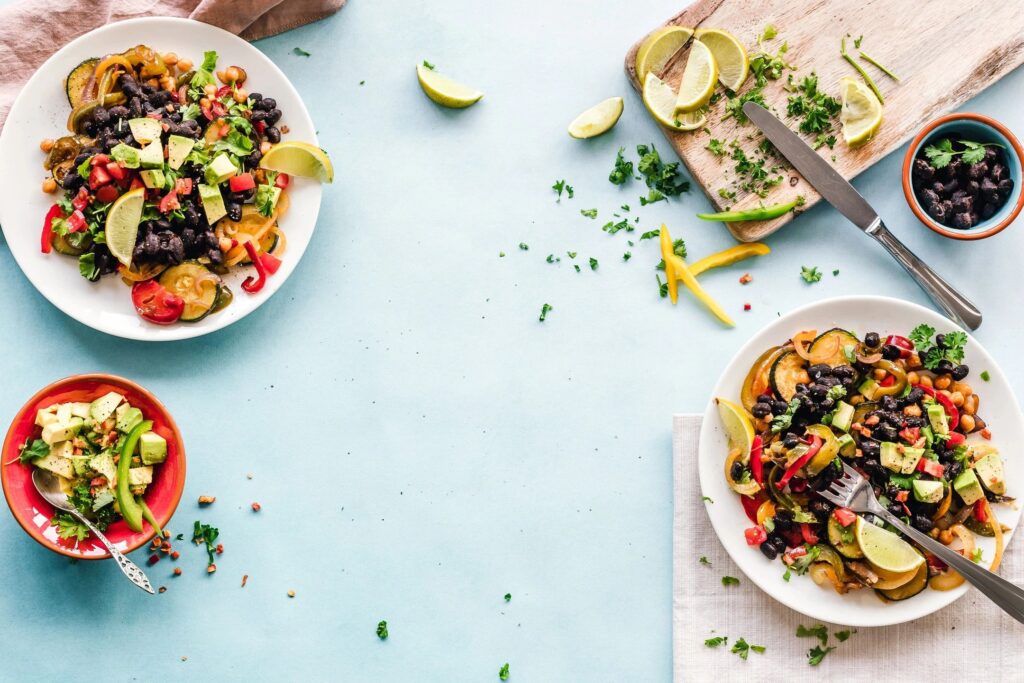
One of the most common challenges in cooking is ending up with a meal that tastes flat or uninspiring. Bland food can be disappointing, especially after putting in time and effort. Fortunately, there are simple and effective ways to fix it and transform your dish into something flavorful and satisfying.
The first step is identifying what’s missing. Most bland meals lack balance in one or more of these areas: saltiness, acidity, sweetness, bitterness, or umami. Understanding these taste elements helps you adjust your dish accurately rather than randomly adding ingredients.
Salt is often the easiest fix, but it should be used carefully. A small pinch can enhance existing flavors without overpowering the dish. If salt isn’t the issue, try adding acidity. Ingredients like lemon juice, vinegar, or even yogurt can brighten flavors and bring a dish to life.
Spices and herbs are another powerful solution. Fresh herbs such as parsley, cilantro, or basil add freshness, while spices like paprika, cumin, or chili flakes add depth and warmth. Toasting spices before adding them can intensify their flavor.
Texture also plays a role in how we perceive taste. Adding crunch through nuts, seeds, or crispy toppings can make a dish more enjoyable and less dull.
Another effective method is layering flavors. Instead of adding everything at once, build flavor gradually throughout the cooking process. Sauté aromatics like garlic and onions first, then add spices, followed by liquids and finishing touches.
If a dish still feels lacking, consider adding a contrasting element. A sweet sauce with a savory dish or a tangy dressing over a rich meal can create balance.
Fixing bland meals is not about starting over but about adjusting and enhancing what is already there. With practice, these techniques become second nature, allowing you to create consistently delicious meals.
FOOD
Best Way to Create Flavorful Homemade Sauces Without Packaged Ingredients
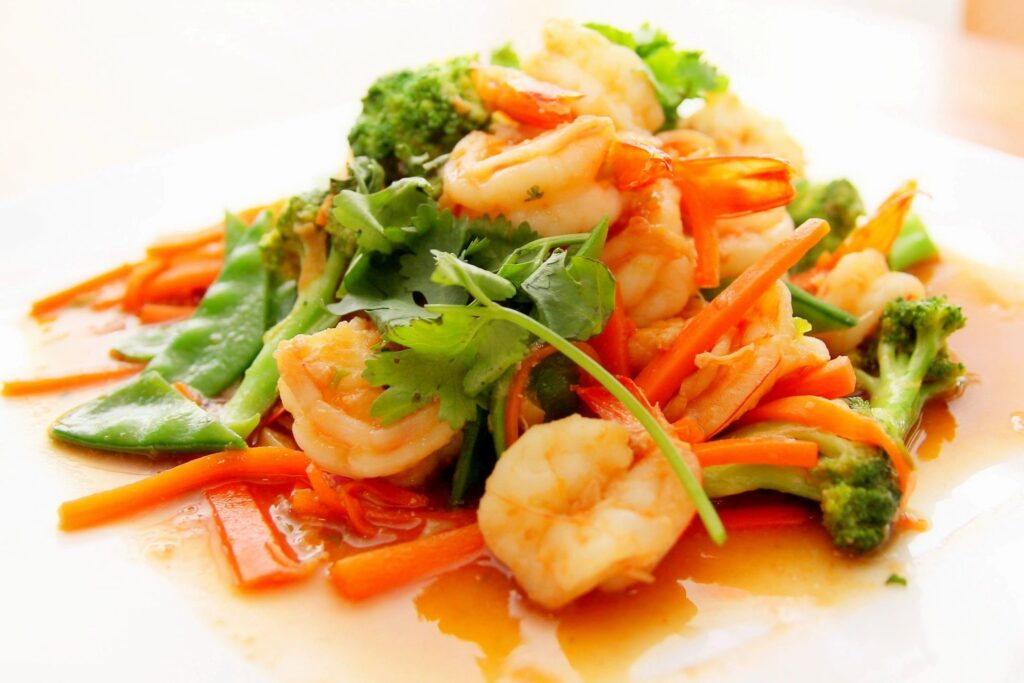
Homemade sauces can completely transform a meal, adding depth, richness, and character without relying on store-bought options. Creating your own sauces allows full control over ingredients, flavor intensity, and nutritional value.
The foundation of many sauces begins with a balance of fat, acidity, sweetness, and seasoning. For example, olive oil or butter provides richness, vinegar or citrus adds brightness, a touch of honey or sugar balances flavors, and herbs or spices complete the profile. Understanding this balance makes it easier to experiment confidently.
One simple method is to create emulsion-based sauces, where oil and liquid are blended together. Vinaigrettes are a great example. By whisking together oil, vinegar, mustard, and seasoning, you can create a dressing that enhances salads, grains, or roasted vegetables.
Another approach is building sauces from aromatics. Ingredients like garlic, onion, ginger, and chili can be sautéed to release their natural flavors. Adding liquids such as broth, coconut milk, or tomato sauce creates a base that can be adjusted with spices and herbs.
Thickening sauces naturally is also important. Instead of relying on artificial thickeners, ingredients like blended vegetables, nuts, yogurt, or slow reduction of liquids can achieve a rich texture. For example, blending roasted peppers or cashews creates creamy sauces without heavy cream.
Herbs play a major role in finishing sauces. Fresh herbs like basil, cilantro, parsley, or dill can elevate a sauce just before serving, adding freshness and aroma.
Homemade sauces also allow customization. You can adjust spice levels, saltiness, or sweetness based on personal preference, making meals more enjoyable and tailored.
By mastering a few base techniques, anyone can create sauces that elevate everyday meals into something memorable and flavorful.
FOOD
How to Fix Mushy Vegetables When Cooking
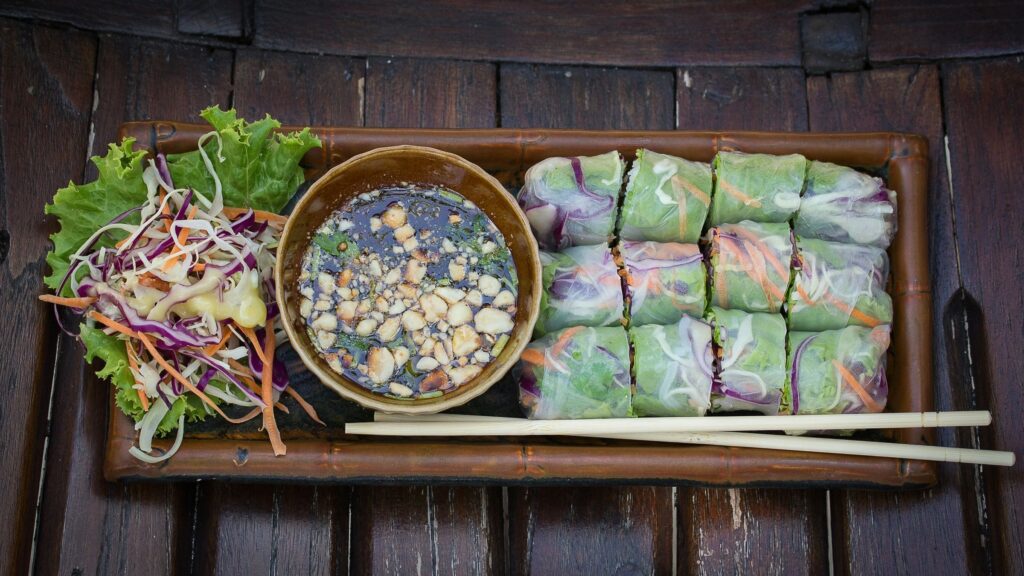
Vegetables are a staple in healthy meals, but overcooking can make them mushy and unappetizing. The good news is that even if vegetables appear overdone, there are several ways to rescue them and still create a delicious dish.
Understanding why vegetables become mushy is key. High heat, long cooking times, or cooking with too much water can break down the structure of the vegetable. This is especially true for delicate vegetables like zucchini, spinach, or bell peppers.
To fix mushy vegetables, one method is to transform them into a new dish. Overcooked carrots or squash can be blended into soups, purees, or sauces. Adding herbs, spices, or coconut milk can elevate the flavor and mask any texture issues.
Another approach is sautéing or roasting. Slightly overcooked vegetables can regain texture and flavor when tossed in olive oil, garlic, and seasoning and quickly roasted or pan-fried to caramelize their edges.
For leafy greens that are too soft, consider using them in wraps, omelets, or frittatas, where texture is less critical. Mushy beans or peas can be added to grain bowls, casseroles, or stews to absorb flavors without compromising the meal.
Preventing mushy vegetables in the future is ideal. Cook with minimal water, steam lightly, and check doneness frequently to retain crispness and flavor.
With these techniques, even overcooked vegetables can become the centerpiece of a flavorful, nutritious meal rather than a disappointment.
FOOD
Beginner Guide to Cooking Balanced Plant-Based Meals
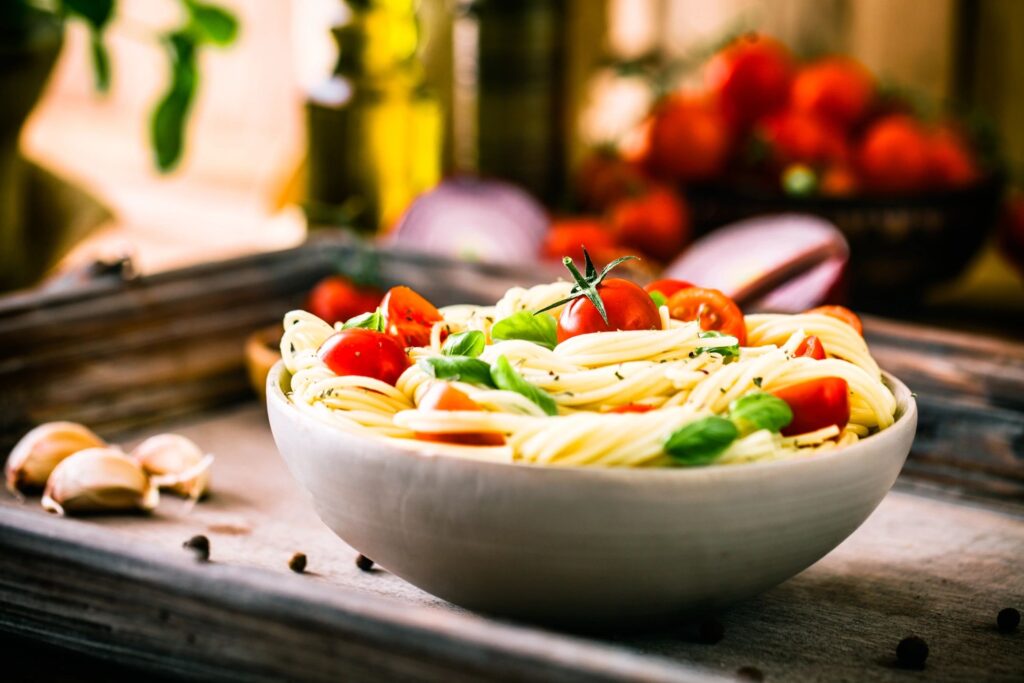
Plant-based meals are increasingly popular worldwide, not only for health reasons but also for sustainability and flavor. Many beginners assume plant-based cooking is restrictive, but with careful planning, it can be diverse, satisfying, and nutritionally complete.
A balanced plant-based meal includes protein, complex carbohydrates, healthy fats, and plenty of vegetables. Proteins can come from beans, lentils, tofu, tempeh, seitan, nuts, and seeds. Complex carbohydrates such as quinoa, brown rice, or whole-grain pasta provide sustained energy, while healthy fats like avocado, olive oil, or nut butters support brain health.
Flavor is key. Plant-based dishes may lack the natural richness of meat, so using herbs, spices, citrus, and fermented ingredients like miso or soy sauce is essential. Roasting vegetables enhances natural sweetness, while sautéing with garlic, onions, or ginger adds complexity.
Meal planning is critical. Start with one main protein dish, then build sides around it. For instance, a chickpea curry can be paired with brown rice, roasted seasonal vegetables, and a fresh salad with tahini dressing. Prepping ingredients like chopped vegetables and cooked legumes in advance makes weeknight cooking faster and more enjoyable.
Textures matter. Mix creamy, soft, and crunchy elements in one meal. Mashed avocado, creamy cashew sauces, roasted chickpeas, or toasted seeds add variety to bowls and salads.
Exploring international cuisines keeps meals exciting. Mediterranean grain bowls, Indian lentil stews, Asian stir-fries, and Middle Eastern roasted vegetables each offer unique flavors and ingredients. Experimenting introduces new cooking techniques and broadens culinary skills.
Nutrition balance is important. Include vitamin B12, iron, and omega-3 sources through fortified foods or supplements if needed, and pair iron-rich foods like lentils with vitamin C-rich vegetables to enhance absorption.
With consistency and creativity, beginners can enjoy plant-based meals that are filling, flavorful, and globally inspired while maintaining a healthy, sustainable lifestyle.
. FOOD
How to Fix Dry Chicken When Cooking at Home

Cooking chicken seems simple, yet many people struggle with dry or tough results. The problem usually comes from overcooking or cooking at the wrong temperature. Fortunately, there are several ways to fix dry chicken and prevent it from happening again.
One solution is adding moisture back into the dish. Slicing dry chicken and mixing it with sauces such as broth, tomato sauce, or a light cream sauce can help restore tenderness. Using the chicken in soups, pasta dishes, or wraps can also improve texture.
Another technique is marinating before cooking. Marinades made with ingredients like yogurt, lemon juice, olive oil, or herbs help tenderize the meat and lock in moisture.
Cooking temperature also matters. Chicken cooked slowly at moderate heat tends to stay juicier than chicken exposed to very high heat.
Finally, using a meat thermometer can prevent overcooking. Chicken is safely cooked when it reaches about 75°C (165°F). Removing it from heat at the right moment preserves its natural juices.
With a few adjustments, home cooks can turn dry chicken into flavorful and satisfying meals.
FOOD
Best Way to Meal Prep for a Busy Week

Many people want to eat healthy but struggle because of busy schedules. Meal prepping is one of the most effective ways to save time, reduce stress, and maintain healthy eating habits throughout the week.
The key to successful meal prep is planning. Start by choosing simple meals that can be prepared in larger quantities. Dishes like grilled chicken with vegetables, rice bowls, soups, or pasta salads are easy to cook and store.
Next, prepare ingredients in advance. Washing vegetables, cooking grains, and marinating proteins ahead of time makes assembling meals faster during the week.
Storage also matters. Using airtight containers keeps food fresh longer and helps organize portions for quick access.
Variety is important as well. Eating the same meal every day can become boring. Try preparing two or three different meals to rotate throughout the week.
Meal prepping not only saves time but can also reduce food waste and unnecessary spending on takeout. With a little preparation, healthy eating becomes much easier to maintain even during busy schedules.
FOOD
Beginner Guide to Cooking Healthy Meals at Home
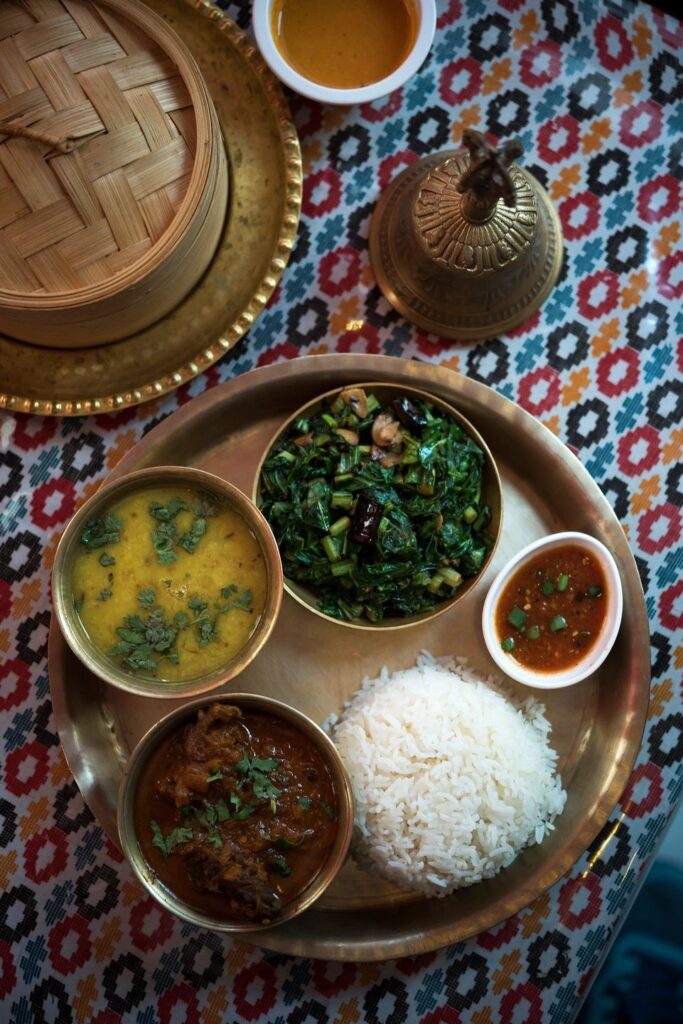
Cooking healthy meals at home is one of the most powerful ways to improve your lifestyle. While many people believe healthy cooking requires complicated recipes or expensive ingredients, the truth is much simpler. With a few basic habits and some planning, anyone can prepare nutritious meals that are both satisfying and enjoyable.
The first step is understanding balance. A healthy meal usually includes three main components: protein, carbohydrates, and vegetables. Protein supports muscle health and keeps you full longer. Examples include chicken, fish, eggs, beans, lentils, or tofu. Carbohydrates provide energy, especially when they come from whole foods such as brown rice, quinoa, oats, or sweet potatoes.
Vegetables are the most important element because they provide vitamins, minerals, and fiber. Aim to fill at least half of your plate with vegetables. Fresh, frozen, or lightly cooked vegetables all offer benefits.
Another key habit is meal preparation. Planning meals ahead of time helps avoid last-minute unhealthy choices. Preparing ingredients such as chopped vegetables, cooked grains, or marinated proteins in advance saves time during busy weekdays.
Cooking methods also matter. Baking, grilling, steaming, or sautéing with small amounts of oil preserves nutrients while reducing excess calories. Avoid heavy frying whenever possible.
Finally, experiment with herbs and spices instead of relying heavily on salt or processed sauces. Ingredients like garlic, ginger, turmeric, cumin, and fresh herbs add incredible flavor while providing health benefits.
Healthy cooking does not have to be perfect. Even small improvements—like cooking at home more often—can lead to better nutrition, stronger energy levels, and long-term wellness
. FOOD
How to Fix Overly Salty Dishes
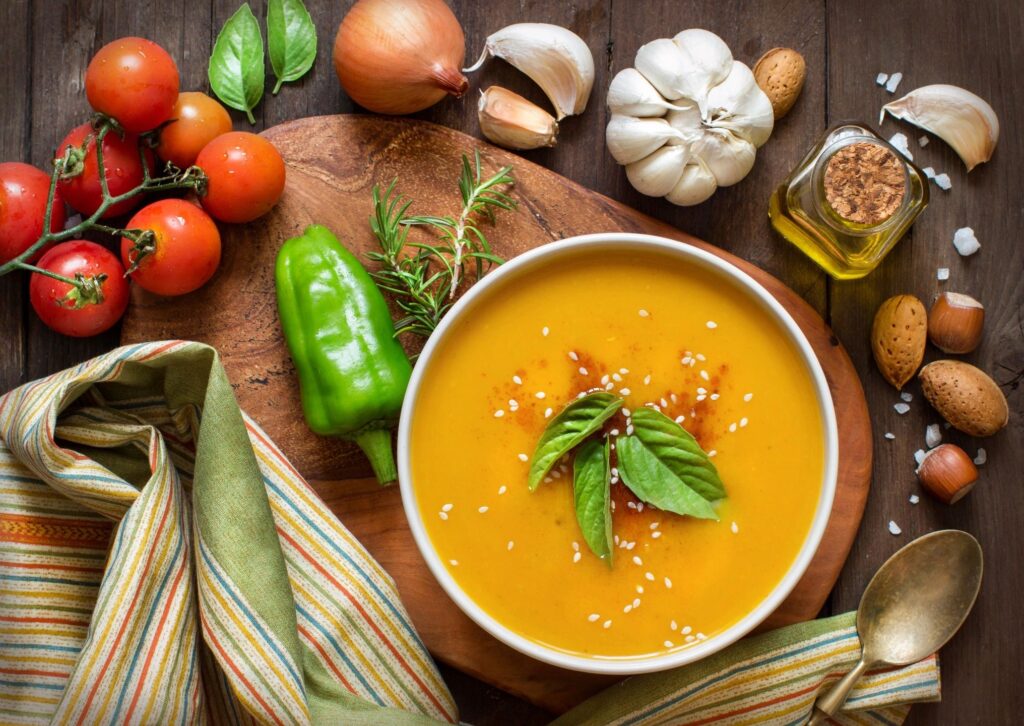
Accidentally over-salting a dish can feel disastrous, but several simple techniques can restore balance.
One common solution is dilution. Adding unsalted ingredients like vegetables, grains, or water can reduce overall salt concentration. For soups or stews, add extra broth or cooked vegetables to absorb excess salt.
Acidity also helps. A splash of lemon juice, vinegar, or even a dollop of yogurt can counteract saltiness by balancing flavors.
Starchy ingredients such as potatoes or rice can absorb excess salt during cooking. Simply adding a peeled potato to a salty soup or sauce while it simmers helps neutralize flavor.
Finally, incorporating fat, such as butter, cream, or olive oil, can mellow strong saltiness and improve mouthfeel.
By applying these strategies, dishes can be salvaged, preserving both taste and presentation.
FOOD
How to Fix Overcooked Vegetables Without Losing Flavor

Overcooked vegetables are a common kitchen mishap, often leading to soggy texture and dull flavor. The good news is that there are practical ways to recover them.
First, consider adding seasoning and acidity. A squeeze of lemon, a dash of vinegar, or a sprinkle of fresh herbs can brighten dull flavors and restore vibrancy.
Next, enhance texture through creative finishing touches. Tossing overcooked vegetables with toasted nuts, seeds, or breadcrumbs introduces crunch and makes the dish more appealing.
For soups or stews, blending overcooked vegetables into a puree can transform them into a creamy base while maintaining their nutrients.
Finally, balance flavors by incorporating fats such as olive oil, butter, or coconut milk. Fat helps carry flavors and creates a satisfying mouthfeel.
With these simple techniques, even overcooked vegetables can be saved and transformed into delicious dishes that impress at any meal.
FOOD
How to Fix Bland Cooking at Home
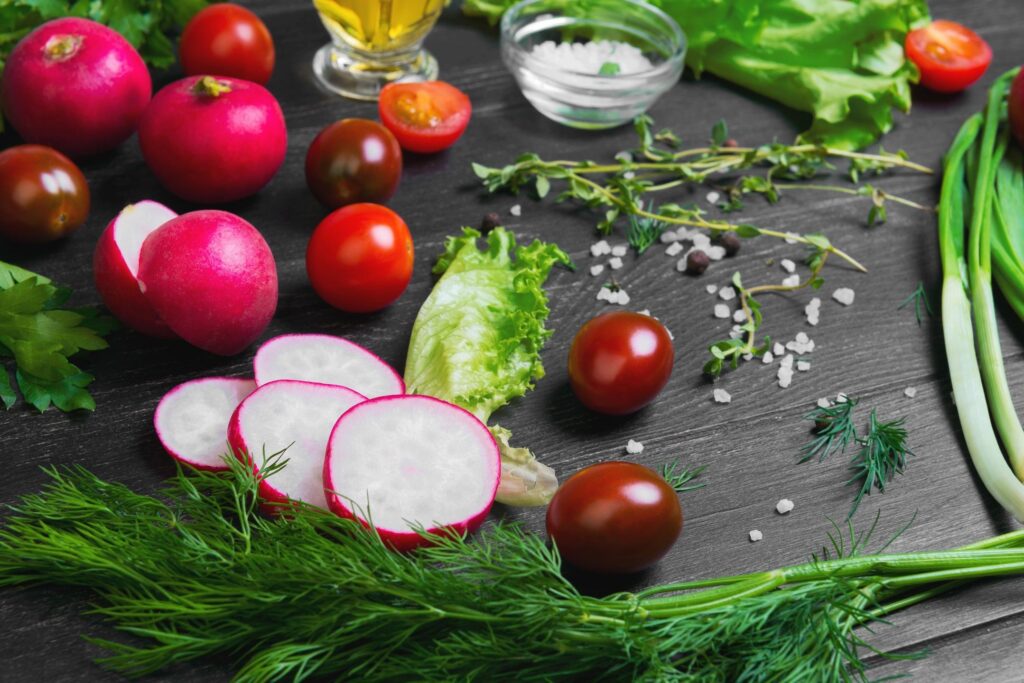
Many people feel that their home cooking tastes flat compared to restaurant meals. The good news is that bland food is usually easy to fix. Most flavor problems come down to seasoning, texture, and balance.
One of the most common mistakes is under-seasoning. Salt plays a powerful role in enhancing flavor. When used properly, it doesn’t make food taste salty—it simply brings out natural taste. Try seasoning gradually during cooking rather than only at the end.
Another secret is acid. Ingredients like lemon juice, vinegar, or tomatoes brighten dishes instantly. Even a small splash added at the end of cooking can dramatically improve taste.
Herbs and spices also make a huge difference. Fresh herbs such as parsley, basil, or cilantro add freshness, while spices like cumin, paprika, and turmeric add depth.
Texture matters too. A dish with only soft ingredients may taste boring even if the flavor is good. Adding something crunchy—nuts, seeds, or roasted vegetables—creates more interest.
Finally, learn to taste your food while cooking. Professional chefs constantly adjust seasoning until flavors feel balanced.
With these simple adjustments, home cooking can become more flavorful and satisfying without complicated techniques.
FOOD
The Rising Popularity of Grain Bowls Around the World

Over the past decade, grain bowls have quietly become one of the most popular meal trends across many countries. From casual cafés to home kitchens, these colorful bowls filled with grains, vegetables, proteins, and sauces are celebrated for being nutritious, customizable, and satisfying.
At the heart of a grain bowl is a base of whole grains such as brown rice, quinoa, barley, or farro. These grains provide fiber, slow-release carbohydrates, and important nutrients that support sustained energy throughout the day. Unlike highly processed foods, whole grains digest more slowly, helping regulate blood sugar levels and maintain fullness.
The second element is vegetables. Grain bowls allow for endless creativity, incorporating roasted vegetables, leafy greens, pickled items, or fresh herbs. Roasted sweet potatoes, sautéed mushrooms, grilled zucchini, or crunchy shredded carrots add both flavor and texture.
Protein is another essential component. Depending on dietary preference, this could include grilled chicken, tofu, chickpeas, lentils, eggs, or fish. Balanced protein intake supports muscle health and helps keep meals satisfying.
Finally, a sauce or dressing ties everything together. Tahini sauces, yogurt dressings, pesto, or light vinaigrettes add flavor and moisture to the bowl.
One reason grain bowls are so popular is flexibility. They work equally well for lunch or dinner and can be adapted for nearly any cuisine — Mediterranean, Asian, Latin American, or Middle Eastern.
Grain bowls also support mindful eating. Because they combine several ingredients in a balanced way, they encourage variety and nutritional diversity.
Ultimately, their appeal lies in simplicity. A single bowl containing grains, vegetables, protein, and flavor offers a complete, nourishing meal that fits modern lifestyles while remaining deeply satisfying.
FOOD
Plant-Forward Eating: A Balanced Approach to Modern Diets
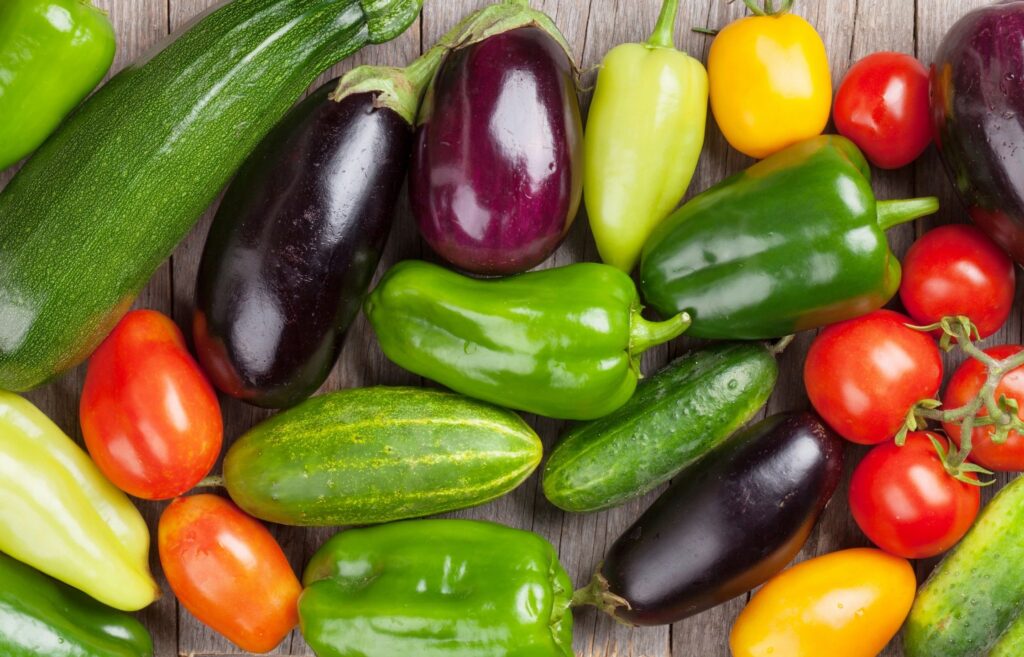
Around the world, a growing number of people are adopting a plant-forward diet. Unlike strict vegetarian or vegan lifestyles, plant-forward eating simply prioritizes plant-based foods while still allowing flexibility. It focuses on vegetables, fruits, legumes, whole grains, nuts, and seeds as the foundation of meals.
One reason this approach has gained popularity is its balance. Many people want to eat healthier but are hesitant to eliminate entire food groups. Plant-forward eating offers a middle ground. It encourages more vegetables and whole foods without imposing rigid restrictions.
Health research consistently shows that diets rich in plant foods support heart health, improve digestion, and provide important nutrients such as fiber, vitamins, and antioxidants. Fiber, in particular, plays a major role in digestive health and blood sugar regulation.
Environmental considerations also contribute to the trend. Producing plant foods generally requires fewer resources than large-scale livestock production. For individuals concerned about sustainability, incorporating more plant-based meals can feel like a practical step toward reducing environmental impact.
Plant-forward meals can be simple and satisfying. A bowl of roasted vegetables with quinoa, a lentil soup with herbs, or a colorful salad topped with nuts and seeds can provide both flavor and nutrition.
Importantly, this approach emphasizes addition rather than restriction. Instead of focusing on what to remove from the diet, it focuses on adding more nourishing ingredients.
Over time, these small shifts in eating habits can improve health, expand culinary creativity, and support a more balanced relationship with food.
Eating Well in a Busy World: How to Build a Healthy Plate Without Complicating Your Life
In today’s world, eating has become confusing. One expert says go keto. Another says go plant-based. Social media promotes detox teas, extreme fasting, and miracle superfoods. Meanwhile, you’re just trying to survive the week without living on takeout.
The truth? Healthy eating doesn’t have to be dramatic. It has to be sustainable.
A balanced plate is not about restriction — it’s about structure. Across cultures — whether in Asia, Africa, Europe, or the Americas — traditional meals tend to follow a simple formula: whole foods, natural ingredients, and balance.
Here’s a universal formula you can follow anywhere in the world:
1. Half Your Plate: Vegetables & Fruits
These provide fiber, vitamins, minerals, and antioxidants. Think leafy greens, carrots, tomatoes, bell peppers, okra, spinach, broccoli, cabbage, seasonal fruits. Fresh or lightly cooked is best.
2. One Quarter: Protein
Protein stabilizes blood sugar and keeps you full longer. Options vary globally: beans, lentils, eggs, chicken, fish, tofu, yogurt, lean meat, chickpeas. You don’t need exotic powders. Real food works.
3. One Quarter: Smart Carbohydrates
Carbs are not the enemy. Over-processed carbs are. Choose rice, sweet potatoes, whole wheat bread, quinoa, oats, plantains, couscous, millet — depending on your region.
4. Healthy Fats Matter
Olive oil, avocado, nuts, seeds, coconut (in moderation), fatty fish — these support heart and brain health.
But food isn’t just nutrients. It’s culture. It’s memory. It’s connection.
Instead of eliminating your traditional meals, modify them. Reduce excess oil. Add more vegetables. Control portions. Eat slowly.
And most importantly: cook more at home. Even one extra home-cooked meal per week can significantly improve overall health.
Healthy eating is not about perfection. It’s about patterns.
Eating for Energy: How to Avoid the Afternoon Slump

Many people experience a noticeable drop in energy between 2pm and 4pm. While it’s often blamed on a long day, the real culprit is usually what we eat — or fail to eat — earlier.
Energy crashes are commonly caused by high-sugar or refined carbohydrate meals. White bread, pastries, sugary drinks, and heavily processed snacks spike blood sugar quickly, then cause it to fall just as fast. The result? Fatigue, irritability, and difficulty concentrating.
The solution is balance.
A balanced lunch should include lean protein, complex carbohydrates, healthy fats, and fiber. Think grilled chicken with quinoa and vegetables, lentil soup with whole-grain bread, or a salmon salad with avocado and leafy greens.
Hydration also plays a critical role. Even mild dehydration can cause sluggishness and headaches. Aim for steady water intake throughout the day rather than drinking large amounts all at once.
Finally, portion size matters. Overeating forces your body to direct energy toward digestion, leaving less available for mental focus.
Small adjustments — smarter carbs, added protein, more water — can transform your productivity and overall energy levels. Food is fuel, and when chosen wisely, it powers your entire day.
The Surprising Health Benefits of Spices You Already Have

Spices do more than flavor your food —
Title: they’re tiny powerhouses of nutrition, disease prevention, and overall wellness. From your kitchen cabinet to your plate, these everyday ingredients can quietly improve your health in ways you might not expect.
Turmeric contains curcumin, which has potent anti-inflammatory and antioxidant properties. It supports brain function, reduces the risk of heart disease, and even improves mood when used consistently in cooking.
Cinnamon helps regulate blood sugar and can improve insulin sensitivity. A sprinkle on oatmeal or coffee can be both tasty and beneficial.
Ginger is a natural digestive aid and has been shown to reduce nausea and muscle pain. It’s perfect for morning tea, soups, or stir-fries.
Garlic not only adds punch to meals but also supports heart health and immune function, thanks to compounds like allicin.
Paprika and chili peppers boost metabolism and have antioxidant effects that protect cells from damage.
Integrating spices into daily meals is simple, inexpensive, and delicious. Beyond taste, your meals become a subtle health ritual. Small changes in your cooking can add up to big benefits for your body and mind.
Christmas Festive food 2023.


Christmas and festive food
- Post author By Ngozi Franca Okoye
Dr Franca shares some Christmas and festive food ideas.






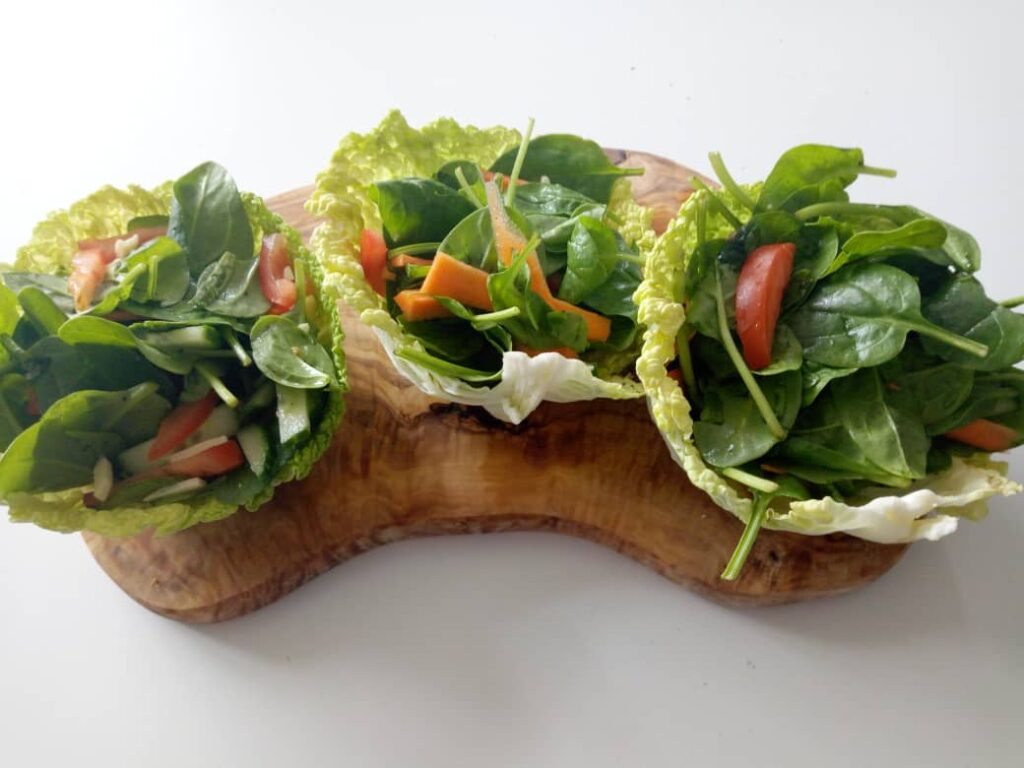





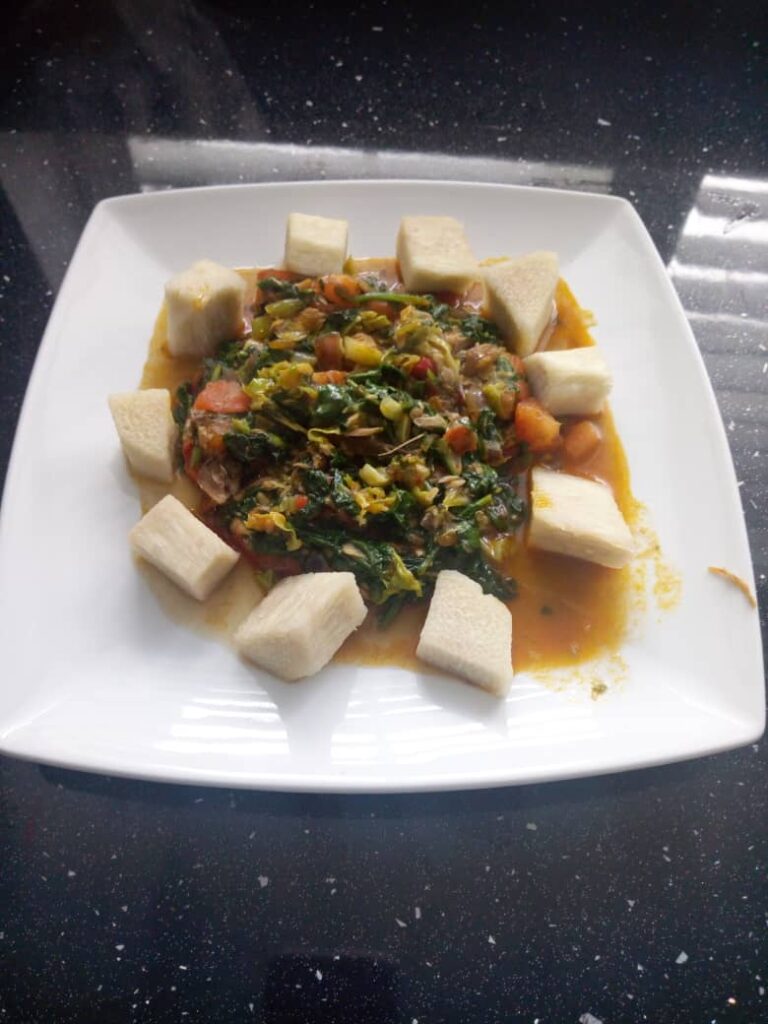



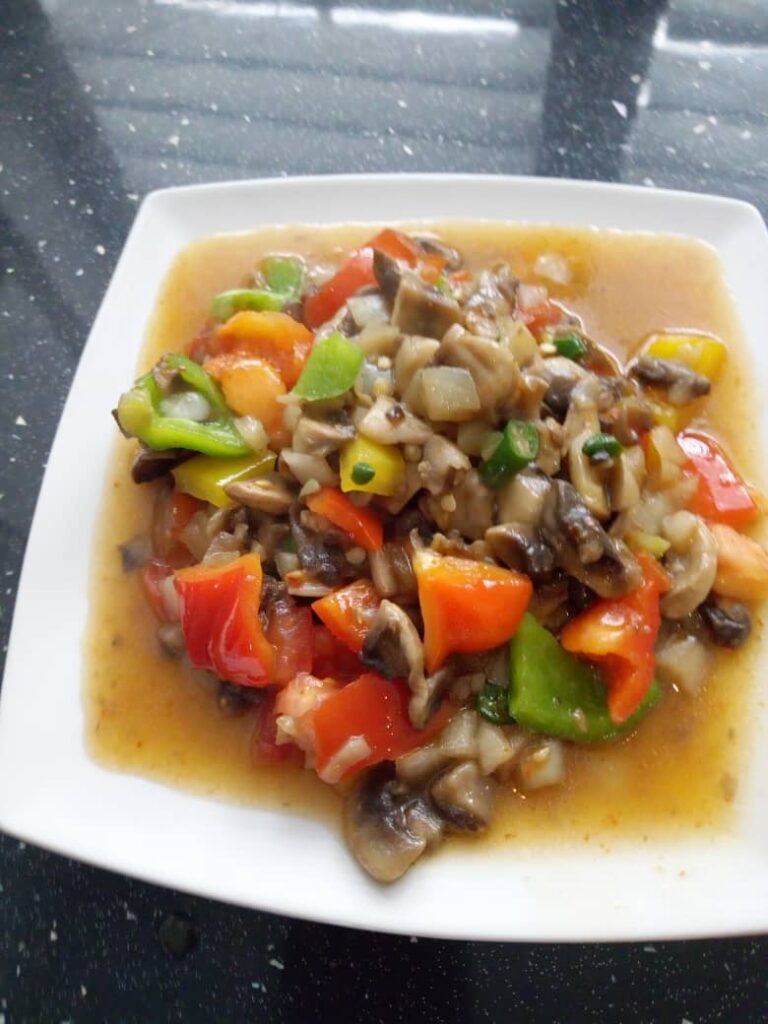



Healthy living with Dr Franca -Roast dinner recipe.
- Post authorBy Ngozi Franca Okoye
- Post date

Roast pork dinner recipe is featured in the healthy living with Dr Franca.
Ingredients
a. Pork chops
b. Potatoes
c. Vegetables (broccoli, cauliflower, carrots and spinach (optional) )
d. Onions, garlic, ginger
e. Spices (curry, thyme, basil, nutmeg, cinnamon, black pepper)
f. Olive oil, sesame oil, salt and fresh red hot chili pepper and seasoning
g. Beef gravy granules.

Directions
First is to marinade the pork chops with a mixture of olive oil, sesame oil, chopped onions, garlic, ginger, cinnamon, basil, thyme, curry, nutmeg, chopped red hot chili peppers, salt and seasoning.
Peel the potatoes and cut in chunks. Put them in an oven tray and sprinkle olive oil, sesame oil, salt and black pepper then put in preheated oven for thirty minutes.
Place the pork chops in an oven tray and put in preheated oven for thirty minutes.
Boil the broccoli, cauliflower and carrots
Put some granules in a bowl and pour in hot water
Chop the washed spinach

Voila our delicious roast is ready.
Bon apetit
Christmas Meal
Healthy living with Dr Franca: Plantain and egg stew. A nice delicious heart warming meal.
- Post authorBy drfranca
- Post date
- No Commentson Healthy living with Dr Franca: Plantain and egg stew. A nice delicious heart warming meal.

Ingredients
Plantain
Eggs
Vegetable oil
Fresh Tomatoes
Onions, spring onions
salt, pepper, seasoning
Directions
Cut the plantain and fry in the vegetable oil until golden brown.
Place a saucepan with vegetable oil on the heat, add salt. Chop the onions and to the oil. Beat some eggs together in a plate and add to the frying onions. Stir several times. Add the chopped spring onions and fresh tomatoes and scotch bonnet peppers. Stir and add seasoning. The plantain and egg stew are ready to be served.
HEALTHY LIVING WITH DR FRANCA: PLANTAIN FRITTERS

PLANTAIN FRITTERS
INGREDIENTS
- 2 VERY RIPE PLANTAIN (BANANA WOULD DO IF THERE IS NO PLANTAIN).
- 2 EGGS
- 2 SPRING ONION
- 2 TOMATOES
- 1 SCOTCH BONNET PEPPER
- 100 GRAM OF FLOUR
- A DASH OF GROUND CRAYFISH OR PRAWN
- OIL
- SALT AND SEASONING

DIRECTIONS
- Mash the plantain in a bowl with a fork
- Chop the spring onions, tomatoes, scotch bonnet peppers into cubes.
- Mix with the mashed plantain
- Beat two eggs into the plantain mix.
- Add the flour and mix together.
- Add a dash of crayfish or prawn and mix.
- Then mould with spoon and shallow fry in hot oil until golden brown.
Comfort food

Spicy Veges
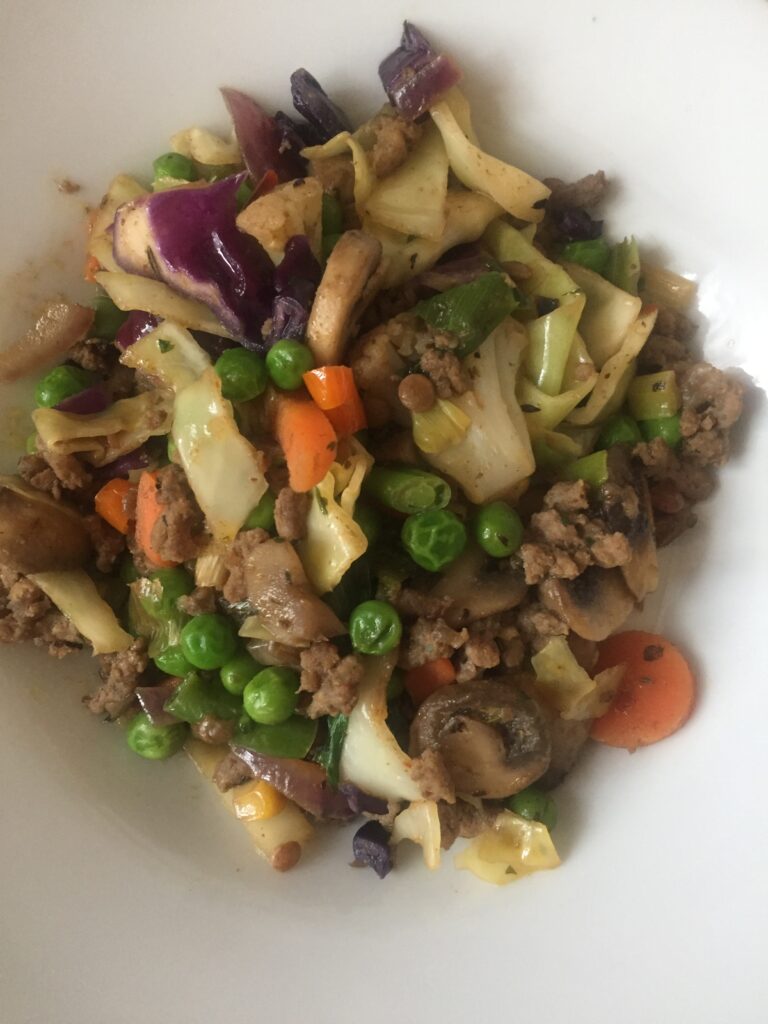
Tacos

Delicious Breakfast

Lasagna

Salads

Christmas Cake

Birthday cake

Ice Cream

Delicious simple ice cream

Delicious burger

ARE YOU GETTING THE RIGHT BALANCE IN YOUR FOOD?

ACID AND ALKALINE FORMING FOODS Do you know if you are in balance? How do we know?
We need 70% alkaline and 30% acid forming foods

| ACID FORMING | ALKALINE FORMING |
| Cranberries | Apples |
| Blueberries | Apricots |
| Prunes | Avocados |
| Plums | Melons |
| Rhubarb | Mangoes |
| Onions | Dates |
| Garlic | Figs |
| Horseradish | Grapes |
| Hot peppers | Paw paw |
| Pumpkins | Peaches |
| Other squashes | Pears |
| Most cereals | Olives |
| Wheat cereals | Oranges |
| White flour | Grape fruits |
| Brown rice | Lemons |
| White rice | Limes |
| Basmati rice | Currant |
| Oats | Berries except acid’s ones |
| Rye | Pineapples |
| Lentils | Cherries |
| Kidney beans | Kiwis |
| Broad beans | Pomegranates |
| Meat | Dried fruits |
| Poultry | Ripe bananas |
| Fish | Almonds |


| ACID FORMING | ALKALINE FORMING |
| Eggs | Pecans |
| Dairy products | Chestnuts |
| All other nuts | Fresh coconuts |
| Coffee | Cashews |
| Beer and spirits | Pine nuts |
| Green bananas | Sunflower |
| Sesame | |
| Pumpkin seeds | |
| Poppy seeds | |
| Millet | |
| Buckwheat | |
| Quinoa | |
| All Soya products | |
| Molasses | |
| Wine | |
| All natural vegetable oil eg. olive and sunflower oil | |
| Live yogurt | |
| Butter milk | |
| All vegetables | |
| All sprouted foods eg. Barley, beans, alfalfa etc |
HEALTHY TASTY FOOD BY DR FRANCA
- Post authorBy drfranca
- Post date
- No Commentson HEALTHY TASTY FOOD BY DR FRANCA


- September 2026
- August 2026
- July 2026
- June 2026
- May 2026
- April 2026
- March 2026
- February 2026
- August 2023
- June 2023
- May 2023
- July 2021
- June 2021
- May 2021
- April 2021
- March 2021
- February 2021
- January 2021
- December 2020
- November 2020
- October 2020
7 Foods That Quietly Improve Your Mood Every Day
Food is more than fuel. It is chemistry, emotion, memory, and in many ways, medicine. While we often eat for taste or convenience, some foods have a quiet but powerful effect on how we feel mentally and emotionally throughout the day.
Here are seven everyday foods that naturally help improve mood, reduce anxiety, and support emotional balance.
1. Fatty Fish
Salmon, sardines, and mackerel are rich in omega-3 fatty acids. These healthy fats are essential for brain function and have been shown to reduce symptoms of depression and anxiety. Even eating fish twice a week can make a noticeable difference.
2. Dark Chocolate
Dark chocolate (70% cocoa or higher) increases serotonin and endorphins in the brain. A small square after meals can genuinely lift your mood.
3. Bananas
High in vitamin B6, bananas help your body produce serotonin — the happiness hormone. They also stabilize blood sugar, preventing mood swings.
4. Yogurt and Fermented Foods
Your gut is deeply connected to your brain. Yogurt, kefir, kimchi, and sauerkraut support healthy gut bacteria, which in turn improves mental well-being.
5. Nuts and Seeds
Almonds, walnuts, chia seeds, and flaxseeds are rich in magnesium, known for reducing stress and promoting relaxation.
6. Oats
Oats release energy slowly, preventing energy crashes that can affect mood. They also support serotonin production.
7. Leafy Greens
Spinach and kale contain folate, a nutrient linked to lower rates of depression.
Small changes in what you eat daily can make a surprising difference in how you feel emotionally.