Why Lifelong Learning Is Becoming Essential in the Modern World
Education is no longer viewed as something limited to childhood, university, or formal qualifications. Increasingly, lifelong learning is becoming an essential part of modern life and professional growth.
Rapid technological advancement, changing industries, and global connectivity have transformed the way people work and communicate. Skills that were once considered enough for an entire career may now require continuous updating. As a result, learning has become an ongoing process rather than a one-time achievement.
Lifelong learning refers to the continuous development of knowledge and skills throughout life. This can happen through formal education, online courses, professional training, reading, mentorship, travel, or practical experience.
One major reason lifelong learning is growing in importance is adaptability. Modern industries evolve quickly, and individuals who continue learning are often better prepared to adjust to change. Employers increasingly value curiosity, flexibility, and the ability to develop new skills over time.
Technology has also made education more accessible than ever before. People can now learn languages, business skills, creative disciplines, and technical knowledge from anywhere in the world through digital platforms and online communities.
Importantly, lifelong learning is not only connected to professional advancement. It also supports personal growth, confidence, and intellectual curiosity. Learning new ideas and perspectives can improve communication, creativity, and emotional awareness.
There is also a social dimension to education. Informed individuals are often better equipped to participate thoughtfully in conversations about society, leadership, innovation, and global issues.
Modern education itself is changing as well. Traditional memorization-based systems are gradually being challenged by greater emphasis on critical thinking, adaptability, collaboration, and problem-solving skills.
This shift reflects broader changes in how success is defined. Qualifications remain valuable, but continuous learning and growth are becoming equally important.
And increasingly, education is being understood not as a stage of life that eventually ends, but as a lifelong process that supports both professional relevance and personal development.
Why Homemade Meals Are Becoming More Meaningful Again
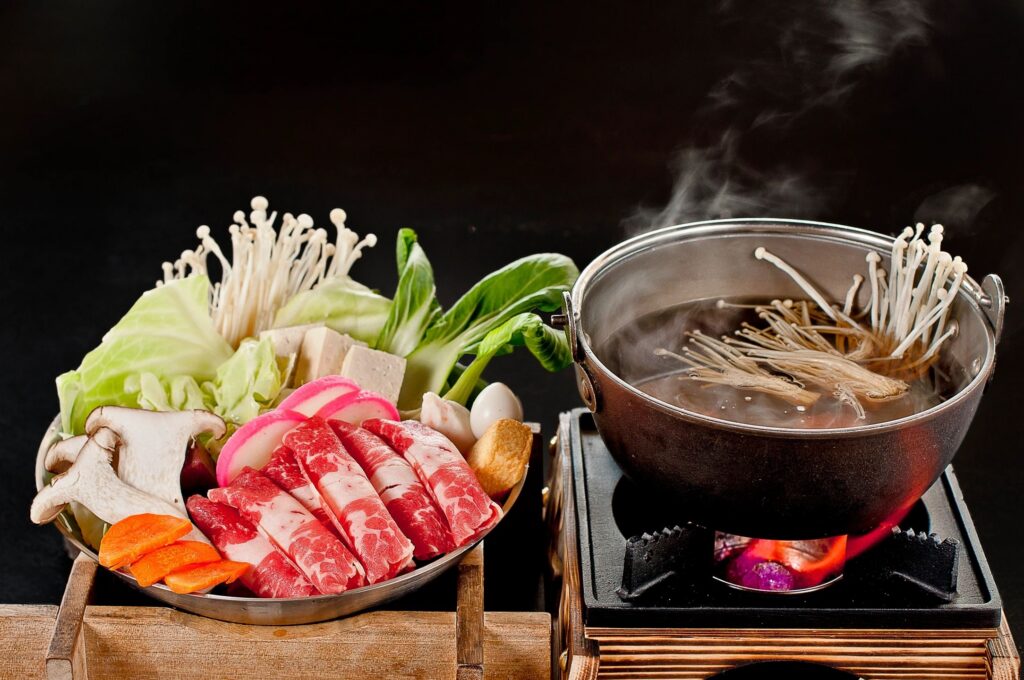
For many years, convenience shaped modern eating habits. Fast food, delivery apps, and busy schedules often reduced the amount of time people spent preparing meals at home. Today, however, homemade meals are experiencing a quiet return in modern lifestyles.
Across many households, cooking is becoming more than a practical necessity. Increasingly, it is viewed as a meaningful activity connected to wellness, creativity, and emotional comfort.
One reason for this shift is the growing awareness around food quality and ingredients. Many people want greater control over what they eat, how meals are prepared, and where ingredients come from. Cooking at home provides that transparency.
Homemade meals also encourage slower routines. In highly demanding lifestyles, preparing food can create moments of calmness and presence that are often missing from rushed daily schedules.
There is also an emotional and cultural aspect attached to home cooking. Family recipes, traditional dishes, and familiar flavors often create strong feelings of comfort and identity. Meals prepared at home can strengthen family connection and create shared experiences that feel increasingly valuable in fast-paced environments.
Technology has influenced this trend as well. Online recipes, cooking videos, and food content have made cooking more accessible and creative for people of different skill levels.
Importantly, homemade meals do not need to be elaborate to be meaningful. Simple, balanced meals often provide the greatest sense of comfort and sustainability.
This renewed interest in home cooking reflects broader lifestyle changes around intentional living and emotional well-being.
And increasingly, homemade meals are being appreciated not only for nourishment, but for the sense of balance, connection, and care they bring into everyday life.
FINANCE
Why Financial Confidence Matters More Than Income Alone
Income is important, but financial confidence plays an equally significant role in overall stability and well-being.
Financial confidence refers to the ability to make informed decisions about money without constant fear or uncertainty. It comes from understanding budgeting, saving, spending habits, and long-term planning.
Many people with high incomes still experience financial stress because confidence is not determined only by earnings. Without financial clarity, anxiety often remains regardless of income level.
One reason financial confidence is increasingly important is the complexity of modern financial life. Digital banking, online spending, investment culture, and economic uncertainty require people to make financial decisions more frequently than before.
Financial confidence also improves emotional stability. People who feel more in control of their finances often experience less stress and greater freedom in daily decision-making.
Importantly, confidence develops gradually through education, consistency, and practical habits rather than perfection.
And increasingly, financial well-being is being associated with clarity and control rather than income alone.
HEALTH
Why Preventing Burnout Is Becoming a Health Priority
Burnout is no longer viewed only as a workplace issue. Increasingly, it is recognized as a broader health concern affecting emotional, mental, and physical well-being.
Burnout often develops through prolonged stress without adequate recovery. Symptoms may include exhaustion, low motivation, emotional detachment, difficulty concentrating, and physical fatigue.
Modern lifestyles contribute heavily to burnout. Constant digital access, high productivity expectations, and limited boundaries between work and personal life make true rest increasingly difficult.
As awareness grows, more people are becoming intentional about recovery, balance, and emotional sustainability.
Preventing burnout requires more than occasional breaks. It involves consistent habits that support long-term well-being, including rest, boundaries, movement, sleep, and realistic expectations.
Importantly, burnout prevention is not laziness or lack of ambition.
It is recognizing that sustainable performance depends on recovery and emotional health.
And increasingly, protecting mental and physical energy is becoming part of responsible self-care.
LIFESTYLE
Why Simplicity Is Influencing Modern Lifestyle Choices
Modern life often encourages excess—more possessions, more activity, more visibility, and more pressure to constantly improve. Increasingly, however, simplicity is becoming more attractive.
Simple living focuses on reducing unnecessary complexity and prioritizing what genuinely adds value to daily life.
For some people, simplicity means reducing clutter. For others, it means creating calmer routines, limiting digital overload, or becoming more intentional with time and relationships.
This shift reflects growing fatigue with overstimulation and constant comparison culture.
Simplicity often creates mental clarity and emotional balance because it removes unnecessary pressure and distraction.
Importantly, simple living does not mean lack of ambition or enjoyment.
It means creating space for what matters most.
And increasingly, people are discovering that a simpler lifestyle can feel more fulfilling than constant excess.
WELLNESS
Why Breathing Practices Are Receiving More Attention
Breathing is automatic, yet many people rarely pay attention to how they breathe.
Increasingly, wellness experts are emphasizing breathing practices because of their strong connection to stress management and emotional regulation.
Controlled breathing can calm the nervous system, improve focus, and reduce physical tension.
Modern stress often causes shallow or irregular breathing patterns, which may increase feelings of anxiety or overwhelm.
Simple breathing exercises are now commonly used in mindfulness, fitness, and mental health practices.
Importantly, breathing techniques are accessible and require no complicated equipment or environments.
And increasingly, people are recognizing that small daily practices can significantly affect emotional and physical well-being.
CAREER
Why Networking Is Becoming More Relationship-Focused
Professional networking is evolving. Traditional networking often focused on collecting contacts and creating transactional opportunities. Today, however, relationship-based networking is becoming more valuable.
People increasingly prefer authentic professional connections built on trust, communication, and shared interests rather than superficial interaction.
Digital communication has expanded access to global professional communities, but it has also increased appreciation for genuine connection.
Strong professional relationships often create long-term opportunities more effectively than aggressive self-promotion.
Importantly, relationship-focused networking emphasizes consistency and mutual value.
And increasingly, professional success is being shaped by meaningful connections rather than visibility alone.
TRAVEL
Why Wellness Travel Is Growing Globally
Travel is no longer only about sightseeing or luxury experiences. Increasingly, people are traveling specifically to improve well-being.
Wellness travel includes retreats, nature experiences, spa destinations, mindfulness programs, and restorative environments designed to support mental and physical recovery.
Many individuals are seeking travel experiences that reduce stress rather than intensify activity.
Natural environments, slower schedules, and intentional relaxation are becoming increasingly appealing.
This reflects broader lifestyle priorities around balance and emotional health.
And increasingly, travel is being viewed as an opportunity for restoration as well as exploration.
REAL ESTATE
Why Quiet Neighborhoods Are Increasingly Desirable
Noise and overstimulation are becoming growing concerns in urban living. As a result, quiet neighborhoods are gaining popularity among many property buyers.
People increasingly value calm environments that support relaxation, focus, and emotional well-being.
Green spaces, lower traffic, walkability, and peaceful surroundings strongly influence property demand.
This shift reflects changing priorities around lifestyle quality rather than location prestige alone.
And increasingly, peace and comfort are becoming major factors in modern real estate decisions.
RELATIONSHIPS
Why Boundaries Improve Healthy Relationships
Boundaries are essential in healthy relationships.
They create clarity around emotional needs, communication, time, and respect.
Without boundaries, resentment and emotional exhaustion often develop over time.
Healthy boundaries allow individuals to maintain both connection and personal well-being simultaneously.
Importantly, boundaries are not about rejection.
They are about creating healthier and more balanced interactions.
And increasingly, emotional boundaries are being recognized as important forms of self-respect.
PERSONAL DEVELOPMENT
Why Consistency Often Matters More Than Talent
Talent can create opportunity, but consistency is often what produces long-term success.
Repeated effort builds experience, discipline, and improvement over time.
Many successful individuals achieve results not because they are naturally exceptional, but because they continue consistently even during difficult periods.
Consistency also creates trust and reliability in both personal and professional environments.
And increasingly, long-term growth is being associated more with persistence than with natural ability alone.
FRANKLY SPEAKING WITH FRANCA
“I Keep Doubting Myself After Making Decisions”
Dear Franca, Every time I make a decision, I immediately start questioning whether I made the wrong choice.
Franca Says:
Constant self-doubt can make even good decisions feel stressful.
No decision comes with complete certainty.
Part of growth is learning to trust yourself even when outcomes are not fully predictable.
Overthinking every choice often creates more anxiety than clarity.
Once you have made a thoughtful decision, allow yourself space to move forward instead of replaying endless possibilities.
Confidence develops through action, experience, and self-trust over time.
And learning to trust your own judgment is part of emotional maturity.
In a world increasingly focused on health trends, food technology, and fast-paced dining, comfort food continues to hold a special place in people’s lives. Across cultures and generations, certain meals remain deeply connected to memory, emotion, and personal identity.
Comfort food is not only about taste. It often represents familiarity, safety, and emotional reassurance. A homemade soup, warm bread, family recipe, or favorite childhood meal can instantly create feelings of calm and nostalgia.
Modern lifestyles have become increasingly demanding, which may explain why comfort food remains so important. During stressful periods, people naturally seek experiences that feel emotionally grounding and familiar.
Interestingly, comfort food itself is evolving. While traditional recipes remain popular, many people are now combining emotional satisfaction with healthier ingredients and balanced preparation methods. Familiar meals are being adapted to fit modern wellness priorities without losing their emotional value.
Restaurants and cafés are also embracing this movement. Many dining spaces now focus on warmth, atmosphere, and emotionally familiar dishes rather than overly complicated menus.
Social connection is another important part of comfort food culture. Shared meals continue to strengthen relationships and create moments of connection in otherwise busy lifestyles.
Importantly, comfort food reflects more than eating habits. It highlights the emotional role food plays in everyday life.
And increasingly, people are recognizing that food nourishes not only the body, but also memory, emotion, and human connection.
FINANCE
Why Financial Simplicity Is Becoming More Attractive
Financial culture often encourages complexity—multiple investments, endless consumption, and constant upgrading. Increasingly, however, many people are moving toward financial simplicity.
Financial simplicity focuses on clarity, sustainability, and reduced financial stress. Rather than chasing endless accumulation, individuals are prioritizing manageable lifestyles and intentional spending.
This shift reflects growing fatigue with pressure-driven consumer culture. Many people are realizing that financial peace often comes from control and stability rather than constant expansion.
Simplifying finances can involve reducing unnecessary expenses, avoiding lifestyle inflation, and focusing on long-term priorities.
Importantly, financial simplicity also improves emotional well-being. Less financial chaos often leads to clearer decision-making and reduced anxiety.
And increasingly, people are discovering that simplicity can feel more valuable than excess.
HEALTH
Why Stretching Is Receiving More Attention in Wellness Culture
Stretching was once viewed mainly as a warm-up activity before exercise. Today, however, it is becoming an important wellness practice on its own.
Modern lifestyles involve long periods of sitting, screen use, and limited movement. As a result, muscle stiffness, poor mobility, and physical tension are becoming increasingly common.
Stretching improves flexibility, posture, circulation, and physical comfort. It can also reduce stress because physical tension and emotional tension are often connected.
Many wellness professionals now recommend daily stretching routines even for individuals who are not highly active physically.
Importantly, stretching encourages body awareness. It helps people reconnect with physical movement in a calmer and more intentional way.
And increasingly, mobility and flexibility are being recognized as important parts of long-term health.
LIFESTYLE
Why People Are Creating More Intentional Homes
Homes are becoming more than places to sleep or store belongings. Increasingly, people are designing homes intentionally to support emotional well-being, productivity, and personal identity.
This trend reflects changing priorities around lifestyle quality. Many individuals now value calmness, comfort, and functionality more than excessive decoration or status-focused design.
Lighting, organization, natural materials, and peaceful environments are becoming more important in modern interiors.
Remote work has also influenced this shift by increasing the amount of time people spend at home.
Importantly, intentional homes are not about perfection or luxury. They are about creating spaces that support daily balance and comfort.
And increasingly, home environments are being viewed as extensions of emotional wellness itself.
WELLNESS
Why Rest Is Becoming a Wellness Priority
For many years, modern culture celebrated constant productivity and nonstop activity. Today, however, rest is becoming increasingly recognized as essential for overall well-being.
Without adequate rest, stress accumulates and affects concentration, mood, and energy levels.
People are now becoming more intentional about sleep, quiet time, and emotional recovery.
Importantly, rest is not laziness.
It is part of maintaining balance and sustainability in demanding environments.
And increasingly, wellness conversations are shifting from constant performance toward healthier rhythms of effort and recovery.
CAREER
Why Career Satisfaction Is Becoming More Important Than Job Titles
Professional success is increasingly being measured differently than before.
While titles and status still matter in many industries, more people are prioritizing career satisfaction, flexibility, and emotional well-being over external recognition alone.
This shift reflects changing attitudes toward work-life balance and long-term happiness.
Many professionals are asking whether their careers align with their values, interests, and quality of life rather than focusing only on prestige.
Importantly, satisfaction often improves creativity, motivation, and long-term professional performance.
And increasingly, career fulfillment is becoming just as valuable as professional status.
TRAVEL
Why Local Travel Experiences Are Becoming More Popular
International travel remains appealing, but local and regional travel experiences are growing in popularity.
Many people are rediscovering nearby destinations, smaller towns, countryside retreats, and local cultural experiences.
This shift reflects growing appreciation for slower and more accessible travel.
Local travel often feels less stressful while still providing relaxation and new perspective.
It also supports local economies and encourages deeper connection with regional culture.
And increasingly, meaningful travel is being defined by experience rather than distance alone.
REAL ESTATE
Why Functional Design Is Influencing Property Choices
Property buyers are increasingly prioritizing functionality over excess.
Practical layouts, storage solutions, natural light, and adaptable spaces are becoming more valuable than purely decorative features.
This reflects changing lifestyles where homes must support work, wellness, and daily living simultaneously.
Functionality improves comfort and long-term usability.
And increasingly, modern buyers are looking for homes that simplify life rather than complicate it.
RELATIONSHIPS
Why Listening Is One of the Most Important Relationship Skills
Strong communication involves more than speaking clearly. Listening is equally important.
People want to feel heard, understood, and emotionally acknowledged within relationships.
Active listening improves trust and reduces misunderstandings.
It also creates emotional safety during difficult conversations.
Importantly, listening requires patience and attention rather than immediate reaction.
And increasingly, healthy relationships are being built on communication quality rather than constant agreement.
PERSONAL DEVELOPMENT
Why Personal Discipline Creates Long-Term Freedom
Discipline is often misunderstood as restriction. In reality, personal discipline frequently creates greater freedom over time.
Consistent habits improve financial stability, emotional balance, health, and productivity.
Discipline also reduces chaos because it creates structure and reliability.
Importantly, discipline is not about perfection.
It is about making repeated decisions that support long-term goals rather than temporary impulses.
And increasingly, self-discipline is being viewed as a tool for independence and personal growth.
FRANKLY SPEAKING WITH FRANCA
“I Feel Drained by Constant Negativity Around Me”
Dear Franca, Lately I feel emotionally exhausted because the people around me are constantly negative.
Franca Says:
Energy matters more than many people realize.
Constant negativity affects emotional balance, motivation, and even confidence over time.
You cannot always control other people’s behavior, but you can protect your emotional environment.
That may mean creating stronger boundaries, limiting certain conversations, or spending more time around people who inspire calmness and encouragement.
Not every environment deserves unlimited access to your energy.
And protecting your peace is part of emotional maturity and self-care.
For many years, travel was often centered around speed and quantity. People rushed to visit as many destinations as possible within limited time, filling itineraries with nonstop activity and tightly scheduled experiences. Today, however, a growing number of travelers are embracing a different philosophy known as slow travel.
Slow travel focuses less on how many places a person visits and more on the depth of the experience itself. Instead of moving quickly from one attraction to another, travelers spend longer periods in fewer destinations, allowing time to connect more meaningfully with local culture, routines, and everyday life.
One reason for this shift is growing travel fatigue. Highly packed itineraries can leave people feeling exhausted rather than restored. Constant movement, transportation schedules, and pressure to “see everything” often reduce the opportunity to actually enjoy the environment.
Slow travel creates space for presence. Travelers are more likely to explore neighborhoods, speak with local residents, discover independent cafés, visit local markets, and experience destinations beyond traditional tourist attractions.
Another important factor is emotional well-being. Many people now view travel not only as entertainment, but also as a way to reset mentally and emotionally. Slower experiences encourage calmness, reflection, and deeper appreciation of surroundings.
Technology has also influenced this trend. Remote work and flexible schedules allow some individuals to spend extended periods abroad while maintaining professional responsibilities. This has blurred the line between travel, lifestyle, and temporary living.
Importantly, slow travel often supports more sustainable tourism practices as well. Spending more time in one location can reduce excessive transportation while supporting local businesses and communities more directly.
This approach reflects broader cultural changes around intentional living. Increasingly, people are prioritizing quality of experience over quantity of activity.
Travel is no longer only about collecting destinations or photographs. For many, it has become about perspective, connection, and meaningful experiences that remain long after the journey ends.
And increasingly, slow travel is redefining what modern exploration truly means.
Why Farmers Markets Are Becoming Lifestyle Destinations
Farmers markets were once viewed mainly as places to buy fresh produce directly from local growers. Today, however, they are becoming something much larger: lifestyle destinations that combine food, culture, wellness, and community interaction.
Across many cities, farmers markets now attract people not only for shopping, but for the overall experience. Fresh bread, handmade products, organic produce, specialty coffee, flowers, live music, and local art often exist together in one environment. The atmosphere feels slower and more personal than traditional supermarkets, which many people find increasingly appealing.
One major reason for this popularity is growing awareness around food quality and sourcing. Consumers are becoming more interested in where food comes from, how it is produced, and who is producing it. Farmers markets create direct connection between buyers and local producers, adding transparency that large retail systems often lack.
There is also a social aspect involved. In modern urban life, many people are searching for more authentic community experiences. Farmers markets create opportunities for casual conversation, local interaction, and shared routines that feel more human and less transactional.
Another factor is wellness culture. Fresh ingredients, seasonal produce, and locally sourced products align closely with current health and sustainability trends. People increasingly associate farmers markets with mindful living and balanced lifestyles.
Importantly, farmers markets represent more than shopping. They reflect changing priorities around quality, connection, and intentional consumption.
And increasingly, they are becoming part of modern lifestyle culture rather than simply places to buy food.
FINANCE
Why People Are Prioritizing Financial Peace Over Social Status
Financial priorities are changing for many people around the world. Instead of focusing heavily on visible status symbols, increasing numbers of individuals are prioritizing financial peace.
Financial peace means living with reduced financial anxiety and greater stability. It involves having manageable expenses, savings, and the ability to make decisions without constant economic pressure.
This shift reflects broader cultural fatigue with comparison-driven lifestyles. Social media and public visibility have created pressure to appear successful, even when that appearance may not reflect reality.
As economic uncertainty increases globally, many people are becoming more cautious and intentional with money. Stability is beginning to feel more valuable than performance.
Financial peace also improves emotional well-being. Reduced financial stress often leads to better sleep, healthier relationships, and clearer decision-making.
Importantly, financial peace is not necessarily connected to extreme wealth. It is often built through consistent habits, realistic expectations, and balanced financial choices.
And increasingly, people are redefining success around peace of mind rather than public display.
HEALTH
Why Posture Is Becoming a Modern Health Concern
Modern lifestyles have created new health challenges, and posture is becoming one of the most significant.
Long hours spent sitting, using laptops, and looking down at phones have contributed to growing concerns around spinal alignment, muscle tension, and physical discomfort.
Poor posture affects more than appearance. It can influence breathing, energy levels, concentration, and long-term physical health.
Many people experience neck pain, back tension, or headaches connected to prolonged screen use and sedentary habits.
As awareness grows, posture correction is receiving increased attention from health professionals and wellness experts.
Simple changes such as stretching, standing breaks, ergonomic furniture, and mindful body positioning can significantly improve physical comfort.
This issue reflects how technology continues to shape daily health habits.
And increasingly, posture is being recognized as an important part of long-term physical well-being.
LIFESTYLE
Why More People Are Romanticizing Everyday Life
A growing lifestyle trend involves finding beauty and meaning in ordinary daily experiences. Often referred to as “romanticizing everyday life,” this mindset encourages people to appreciate simple moments more intentionally.
Instead of waiting for major achievements or special occasions, individuals are learning to enjoy small routines such as morning coffee, evening walks, reading, cooking, or quiet time at home.
This shift reflects a desire for emotional balance in highly demanding environments. Many people are becoming tired of constant productivity culture and external pressure.
Romanticizing daily life encourages mindfulness and appreciation of the present moment.
Social media has also influenced this trend by highlighting slower, more aesthetic approaches to living.
Importantly, this mindset is not about pretending life is perfect. It is about noticing moments of calm, beauty, and meaning that often go overlooked.
And increasingly, people are recognizing that fulfillment can exist within ordinary life rather than only in extraordinary moments.
WELLNESS
Why Emotional Recovery Is Becoming More Important
Recovery is often associated with physical rest, but emotional recovery is receiving growing attention as well.
Emotional recovery involves creating time and space to process stress, disappointment, pressure, or emotional fatigue.
Without recovery, emotional strain can build gradually and affect mental clarity, relationships, and overall well-being.
Modern life creates continuous emotional demands through work pressure, digital overload, and social expectations.
As a result, many people are becoming more intentional about rest, solitude, and emotional boundaries.
And increasingly, emotional recovery is being recognized as an essential part of wellness rather than a luxury.
CAREER
Why Soft Skills Are Becoming More Valuable in Professional Life
Technical expertise remains important, but soft skills are becoming increasingly valuable in modern careers.
Communication, emotional intelligence, adaptability, leadership, and problem-solving strongly influence professional success.
As workplaces become more collaborative and technology-driven, human interaction skills are becoming more essential.
Soft skills also improve teamwork, conflict management, and professional relationships.
Importantly, these abilities often determine long-term career growth beyond technical qualifications alone.
And increasingly, companies are recognizing that professional effectiveness depends heavily on interpersonal capability.
For many years, career success was associated with stability and predictability. People often stayed in one industry, one role, or even one company for decades. Today, however, professional life is changing rapidly, and career reinvention is becoming increasingly common.
Career reinvention refers to the ability to adapt, evolve, and shift direction professionally over time. More people are changing industries, developing new skills, building side businesses, or creating entirely different career paths from where they originally started.
One major reason for this shift is the speed of technological and economic change. Industries evolve quickly, and roles that were once considered secure can transform within a few years. As a result, adaptability has become more valuable than rigid career planning.
Another factor is personal fulfillment. Many professionals no longer want careers based only on financial survival. Increasingly, people are looking for work that aligns with their interests, creativity, lifestyle goals, and emotional well-being.
Remote work and digital platforms have also expanded opportunities significantly. Individuals can now learn new skills online, build independent brands, consult globally, or create businesses with far fewer barriers than before.
Importantly, career reinvention often requires courage. Starting again professionally can feel uncomfortable, especially for people who fear failure or judgment. However, many professionals are discovering that reinvention does not erase previous experience. Instead, it builds on it.
Skills such as communication, leadership, adaptability, and critical thinking often transfer across industries more effectively than people realize.
There is also a growing recognition that modern careers may no longer follow one straight path. Professionals may move through multiple phases, combining different interests and experiences throughout their lives.
This shift reflects broader changes in how success is viewed. Stability is still valued, but flexibility and resilience are becoming equally important.
And increasingly, the ability to reinvent oneself professionally is being seen not as instability, but as a modern professional advantage.
Why Breakfast Culture Is Quietly Changing Around the World
Breakfast has long been described as the most important meal of the day, yet the way people approach breakfast is changing significantly across different cultures and lifestyles.
Traditional breakfast routines once centered around large family meals eaten at home before work or school. Today, modern schedules, urban living, and evolving health habits are reshaping morning eating patterns. Many people now prefer lighter, simpler breakfasts that fit into fast-paced routines while still supporting energy and focus.
One major influence behind this shift is wellness culture. Increasing awareness around nutrition has encouraged people to become more intentional about what they eat in the morning. Protein-rich meals, fresh ingredients, smoothies, fruit bowls, and lighter combinations are increasingly replacing heavily processed breakfast options.
Another factor is flexibility in modern work culture. Remote and hybrid work schedules have reduced the pressure of rushed early mornings for some individuals. This has allowed people to create more personalized breakfast routines rather than following rigid schedules.
At the same time, café culture continues to influence breakfast trends globally. Breakfast meetings, brunch culture, and social coffee spaces have transformed mornings into more social and lifestyle-driven experiences.
Importantly, breakfast is becoming less about strict tradition and more about individual balance. People are adapting meals based on their energy needs, health priorities, and daily structure.
This evolution reflects broader changes in modern living. Food habits are becoming increasingly connected to wellness, flexibility, and intentional lifestyle choices.
And increasingly, breakfast culture is being redefined not only by what people eat, but by how they choose to begin their day.
FINANCE
Why People Are Becoming More Interested in Financial Boundaries
Conversations about boundaries are often linked to relationships and mental health, but financial boundaries are becoming equally important in modern life.
Financial boundaries involve setting clear limits around spending, lending, financial expectations, and lifestyle pressure. As economic pressures increase, many people are recognizing the importance of protecting their financial stability through intentional decision-making.
One reason financial boundaries matter is social influence. Constant exposure to luxury lifestyles and online comparison culture can create pressure to overspend or maintain appearances that do not align with reality.
Financial boundaries help individuals make choices based on their own priorities rather than external expectations.
These boundaries can include declining unnecessary expenses, limiting financial support that creates strain, or resisting lifestyle inflation when income increases.
Importantly, financial boundaries are not about selfishness. They are about sustainability and emotional peace.
Money-related stress affects relationships, mental health, and long-term stability. Clear boundaries reduce unnecessary pressure and improve decision-making.
As financial awareness grows, people are becoming more comfortable discussing budgeting, priorities, and realistic expectations openly.
And increasingly, financial health is being understood not only as income, but as the ability to maintain stability without constant pressure or comparison.
HEALTH
Why Hydration Is Often Overlooked in Everyday Health
Health conversations frequently focus on exercise, nutrition, and supplements, but hydration remains one of the simplest and most overlooked aspects of wellness.
Water supports nearly every major function in the body. Energy levels, digestion, concentration, circulation, and temperature regulation all depend heavily on proper hydration.
Despite its importance, many people underestimate how much dehydration affects daily functioning. Fatigue, headaches, poor focus, and low energy are often linked to inadequate water intake.
Modern lifestyles can make hydration more difficult. Busy schedules, caffeine-heavy routines, and long periods indoors may reduce awareness of the body’s need for water.
There is also growing recognition that hydration affects appearance and mental clarity in addition to physical health. Skin quality, concentration, and mood can all improve with better hydration habits.
Importantly, improving hydration does not require dramatic lifestyle changes. Small consistent habits throughout the day often make the biggest difference.
This reflects a larger wellness principle: foundational habits are frequently more important than complicated routines.
And increasingly, people are recognizing that better health sometimes begins with the simplest daily practices.
LIFESTYLE
Why More People Are Creating “Offline Hours”
In an age of constant digital access, many individuals are beginning to intentionally disconnect for parts of the day through what is becoming known as “offline hours.”
Offline hours are scheduled periods without social media, messaging, or constant online engagement. For some, this may mean avoiding screens during meals or before sleep. For others, it involves dedicated periods of complete digital absence.
The goal is not to reject technology completely, but to create healthier relationships with it.
Many people report feeling mentally exhausted from continuous notifications, information overload, and social comparison. Offline time allows the mind to recover and refocus.
It also improves presence. Without constant digital distraction, conversations, hobbies, and personal reflection often become more meaningful.
Importantly, offline hours help restore boundaries between work, personal life, and rest.
As awareness around digital fatigue grows, intentional disconnection is becoming more common.
And increasingly, protecting time away from screens is being viewed as an important part of modern well-being.
WELLNESS
Why Restorative Spaces Matter for Mental Health
Environment plays a significant role in emotional well-being.
Restorative spaces—places that create calmness, comfort, and mental relief—are becoming increasingly important in modern lifestyles.
These spaces do not need to be large or luxurious. A quiet room, a reading corner, a garden, or even a peaceful café can provide emotional recovery from overstimulation.
Modern environments are often noisy, fast-paced, and highly demanding. Restorative spaces create opportunities to pause mentally and emotionally.
Many wellness experts now emphasize the importance of surroundings in stress management and emotional regulation.
And increasingly, people are designing their environments intentionally to support calmness and clarity.
INSPIRATION
Why Resilience Often Develops Quietly
Resilience is often associated with dramatic moments of strength, but most resilience develops quietly over time.
It grows through repeated experiences of adaptation, recovery, and persistence during ordinary challenges.
People become resilient by continuing despite uncertainty, setbacks, or emotional difficulty.
Importantly, resilience does not mean the absence of struggle.
It means developing the ability to move through difficulty without completely losing direction.
And increasingly, resilience is being understood as a long-term process rather than a single moment of strength.
REAL ESTATE
Why Outdoor Living Spaces Are Increasingly Valuable
Outdoor living spaces have become increasingly desirable in modern real estate.
Balconies, terraces, gardens, and shared outdoor areas are now viewed as important lifestyle features rather than optional additions.
This shift reflects growing awareness around wellness, fresh air, and lifestyle balance.
People want environments that provide relaxation and connection to nature without leaving home completely.
Outdoor spaces also increase flexibility for social gatherings, work, and personal downtime.
And increasingly, property value is being influenced not only by interior design, but by outdoor experience as well.
RELATIONSHIPS
Why Emotional Honesty Improves Communication
Healthy communication depends heavily on emotional honesty.
Emotional honesty involves expressing thoughts and feelings clearly rather than avoiding important conversations or hiding emotions completely.
Without honesty, misunderstandings and emotional distance often increase over time.
Open communication creates trust and emotional security within relationships.
Importantly, emotional honesty requires respect and maturity, not harshness.
And increasingly, communication quality is being recognized as one of the strongest indicators of relationship strength.
PERSONAL DEVELOPMENT
Why Confidence Is Built Through Repetition
Confidence is rarely immediate.
In most cases, confidence develops through repeated action and experience rather than sudden certainty.
People become more confident by practicing skills, facing discomfort, and gradually expanding their abilities over time.
This process requires patience because confidence often grows slowly.
Importantly, action usually comes before confidence—not after it.
And increasingly, people are recognizing that experience is one of the strongest builders of self-belief.
HEALTHY LIVING
Why Evening Routines Affect Overall Wellness
Morning routines receive significant attention, but evening routines are equally important for overall well-being.
Evening habits influence sleep quality, stress levels, and mental recovery.
Reducing screen exposure, creating calmer environments, and maintaining consistent sleep schedules can significantly improve physical and emotional health.
Evening routines also create psychological separation between work and rest.
And increasingly, wellness experts are emphasizing the importance of how people end their day, not only how they begin it.
FRANKLY SPEAKING WITH FRANCA
“I’m Struggling to Stay Motivated”
Dear Franca, I start things with excitement, but after a while I lose motivation and struggle to continue.
Franca Says:
Motivation naturally changes over time.
That is why consistency matters more than temporary excitement.
You will not feel inspired every single day, and that is completely normal.
What creates progress is continuing even during less exciting periods.
Small consistent effort usually produces stronger long-term results than emotional bursts of motivation.
Focus less on feeling motivated all the time and more on building habits that continue regardless of mood.
Because discipline often carries you further than inspiration alone.
Tea has been part of social and cultural traditions for centuries, but recently it has experienced a noticeable modern revival. Across cities around the world, tea culture is evolving beyond tradition and becoming part of contemporary wellness and lifestyle habits.
One reason for this renewed popularity is the growing desire for slower daily rituals. In highly connected and fast-moving environments, many people are looking for calming routines that create moments of pause during the day. Preparing and drinking tea naturally encourages slowness and presence.
Tea culture is also expanding creatively. Independent tea houses, specialty blends, herbal infusions, and wellness-focused beverages are attracting younger audiences who are interested in both health and experience.
Unlike highly stimulating drinks often associated with productivity culture, tea is increasingly connected to balance and mindfulness. Many people view it as a gentler alternative that supports focus without intensity.
Socially, tea spaces are also changing. Modern tea cafés are becoming environments for conversation, remote work, reflection, and relaxation. Their atmosphere is often quieter and more intentional than fast-paced coffee environments.
There is also a cultural appreciation attached to tea traditions. Different regions around the world bring unique preparation styles, ceremonies, and flavors that continue to influence global tea culture.
Importantly, the revival of tea reflects a broader lifestyle movement toward intentional living. Small daily rituals are gaining importance as people search for stability and calm in busy routines.
And increasingly, tea is being appreciated not only as a beverage, but as an experience connected to wellness, culture, and modern lifestyle balance.
FINANCE
Why Financial Independence Is Becoming More Appealing Than Early Retirement
For many years, financial success was strongly linked to the idea of early retirement. Increasingly, however, people are focusing more on financial independence rather than leaving work completely.
Financial independence means having enough stability and flexibility to make life decisions without constant financial pressure. It allows individuals greater freedom over how they work, where they live, and how they spend their time.
This shift reflects changing attitudes toward work itself. Many people no longer want to stop working entirely. Instead, they want the ability to choose meaningful projects, reduce stress, or create more balanced lifestyles.
Economic uncertainty has also influenced this perspective. Flexibility is becoming more valuable than rigid long-term plans.
Another reason for the popularity of financial independence is emotional well-being. People increasingly associate financial security with peace of mind rather than status alone.
Importantly, financial independence is often built gradually through consistent habits rather than dramatic wealth accumulation.
And increasingly, success is being measured by freedom of choice rather than by retirement timelines alone.
HEALTH
Why Recovery Is Becoming Central to Fitness Culture
Fitness culture traditionally emphasized effort, intensity, and endurance. Today, however, recovery is becoming just as important as exercise itself.
Recovery includes sleep, hydration, stretching, rest days, and stress management. These practices allow the body to repair and maintain long-term performance.
Many people are beginning to recognize that constant strain without recovery can lead to exhaustion, injury, and burnout.
Athletes and wellness professionals now frequently discuss the importance of balancing effort with restoration.
Recovery also affects mental health. Rest improves focus, emotional regulation, and motivation.
This shift reflects a more sustainable approach to wellness. Instead of extreme routines, people are prioritizing long-term consistency and overall balance.
And increasingly, recovery is being understood not as weakness, but as an essential part of health and performance.
LIFESTYLE
Why More People Are Choosing Smaller Social Circles
Modern social culture often encourages large networks and constant interaction. Increasingly, however, many people are intentionally choosing smaller and more meaningful social circles.
This shift reflects growing awareness around emotional energy and mental well-being. Maintaining too many superficial relationships can become exhausting and emotionally draining.
Smaller social circles often create deeper trust, stronger communication, and more genuine support systems.
People are becoming more selective about where they invest their time and emotional attention.
Quality of connection is beginning to matter more than quantity of interaction.
Importantly, this change does not necessarily mean isolation. It reflects a preference for authenticity and emotional balance.
And increasingly, close and dependable relationships are being valued more than broad social visibility.
WELLNESS
Why Emotional Calm Is Becoming a Personal Goal
For many years, achievement and productivity dominated conversations around success. Today, emotional calm is increasingly becoming a personal goal for many people.
Calmness supports clearer thinking, healthier relationships, and emotional resilience.
Modern lifestyles create constant stimulation through work pressure, digital exposure, and social expectations. As a result, many individuals are seeking environments and routines that reduce emotional overwhelm.
Practices such as mindfulness, boundaries, quiet routines, and intentional rest are becoming more common.
Importantly, emotional calm is not about avoiding ambition or responsibility.
It is about maintaining internal stability while navigating external demands.
And increasingly, peace of mind is being viewed as a valuable form of success.
REAL ESTATE
Why Mixed-Use Communities Are Growing in Popularity
Urban planning and property development are increasingly moving toward mixed-use communities.
These environments combine residential, commercial, recreational, and social spaces within the same area.
The appeal lies in convenience and lifestyle integration. People want easier access to workspaces, cafés, parks, shops, and services without long commuting times.
Mixed-use communities also encourage walkability and social interaction.
This reflects changing lifestyle priorities around balance and accessibility.
And increasingly, property buyers are looking for neighborhoods that support daily convenience and quality of life together.
RELATIONSHIPS
Why Respect Is the Foundation of Healthy Relationships
Attraction and chemistry may create connection initially, but respect is what sustains relationships over time.
Respect involves listening, honesty, emotional consideration, and healthy boundaries.
Without respect, communication becomes difficult and trust weakens.
Strong relationships depend on mutual value and understanding.
Respect also creates emotional safety, allowing people to communicate openly without fear of constant judgment.
And increasingly, emotional respect is being recognized as one of the strongest indicators of relationship health.
HEALTHY LIVING
Why Natural Light Affects Daily Well-Being
Natural light has a significant influence on both physical and mental health.
Exposure to daylight supports energy levels, sleep quality, mood, and concentration.
However, many modern lifestyles involve long hours indoors under artificial lighting.
As awareness grows, people are paying greater attention to home design, outdoor routines, and environments that maximize natural light exposure.
Simple changes such as morning walks or brighter living spaces can positively influence well-being.
And increasingly, natural light is being recognized as an important part of healthy living.
FRANKLY SPEAKING WITH FRANCA
“I Feel Guilty Saying No to People”
Dear Franca, I struggle to say no because I don’t want to disappoint people, but I end up overwhelmed.
Franca Says:
Saying no does not make you selfish.
It means recognizing your limits and protecting your well-being.
When you constantly say yes to everything, you may begin neglecting your own needs completely.
Healthy boundaries are necessary for emotional balance.
People who genuinely respect you will understand that you cannot do everything all the time.
And learning to say no calmly and respectfully is part of self-respect and emotional maturity.
Dear Franca, I keep comparing my progress to other people my age and it makes me feel like I’m falling behind in life.
Franca Says:
Life is not a synchronized timeline.
People reach different stages at different moments for different reasons.
Comparison often creates unnecessary pressure because you are measuring your private reality against someone else’s public image.
Your journey is shaped by your own experiences, responsibilities, opportunities, and timing.
Progress is still progress, even when it looks different from someone else’s.
Focus less on speed and more on direction.
Because fulfillment rarely comes from competing with other people’s timelines.
Manage Consent
To provide the best experiences, we use technologies like cookies to store and/or access device information. Consenting to these technologies will allow us to process data such as browsing behavior or unique IDs on this site. Not consenting or withdrawing consent, may adversely affect certain features and functions.
Functional
Always active
The technical storage or access is strictly necessary for the legitimate purpose of enabling the use of a specific service explicitly requested by the subscriber or user, or for the sole purpose of carrying out the transmission of a communication over an electronic communications network.
Preferences
The technical storage or access is necessary for the legitimate purpose of storing preferences that are not requested by the subscriber or user.
Statistics
The technical storage or access that is used exclusively for statistical purposes.The technical storage or access that is used exclusively for anonymous statistical purposes. Without a subpoena, voluntary compliance on the part of your Internet Service Provider, or additional records from a third party, information stored or retrieved for this purpose alone cannot usually be used to identify you.
Marketing
The technical storage or access is required to create user profiles to send advertising, or to track the user on a website or across several websites for similar marketing purposes.