
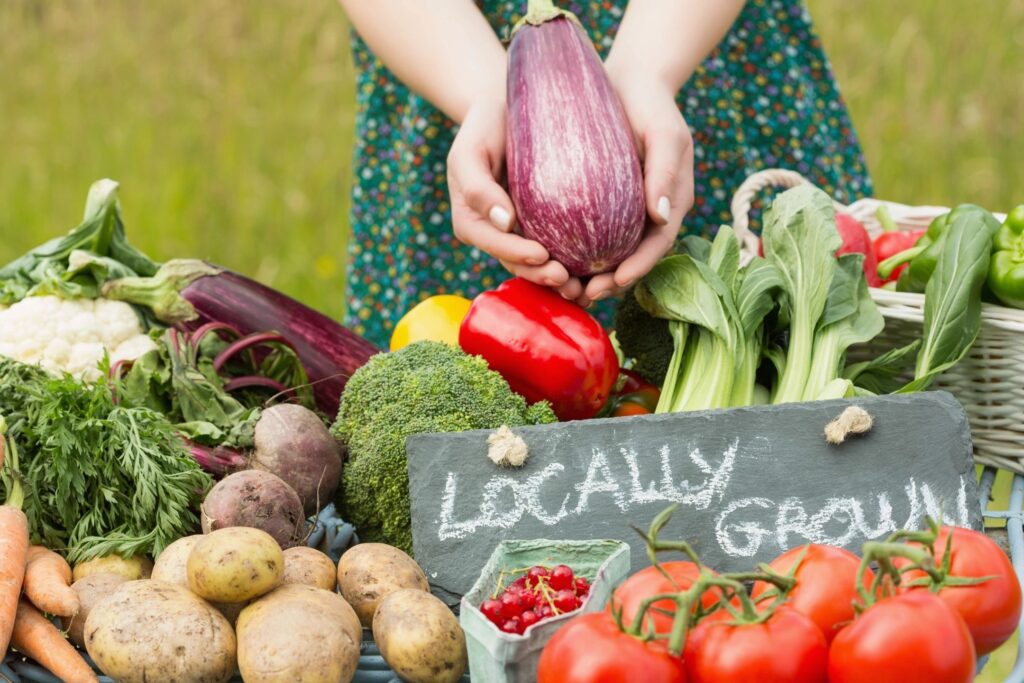
For a long time, food culture has focused on portions—how much we eat, how often, and how to control intake. Recently, however, there has been a noticeable shift toward food quality rather than quantity.
People are beginning to pay more attention to where their food comes from, how it is prepared, and what it contains. This change is not necessarily about eating less, but about eating better. The emphasis is moving toward ingredients that are fresh, minimally processed, and nutritionally dense.
One reason for this shift is growing awareness. Information about food production, nutrition, and health is more accessible than ever. As a result, individuals are making more informed choices.
Another factor is how food affects overall well-being. High-quality meals tend to support sustained energy, better digestion, and improved focus. In contrast, heavily processed foods may offer convenience but often lack long-term benefits.
Focusing on quality also encourages a more mindful approach to eating. When meals are prepared with care, they are often enjoyed more fully. This naturally leads to greater satisfaction, even with smaller portions.
Importantly, prioritizing quality does not require perfection. It is about making better choices where possible and being aware of what is being consumed.
This shift reflects a broader change in mindset. Food is no longer viewed simply as fuel or indulgence, but as an essential part of maintaining balance and well-being.
And increasingly, that perspective is shaping everyday eating habits.