Why Food Presentation Influences the Dining Experience
Food has always been connected to taste and nourishment, but presentation is becoming increasingly important in modern dining culture. Across restaurants, cafés, and even home kitchens, the visual experience of food now plays a major role in how meals are enjoyed and remembered.
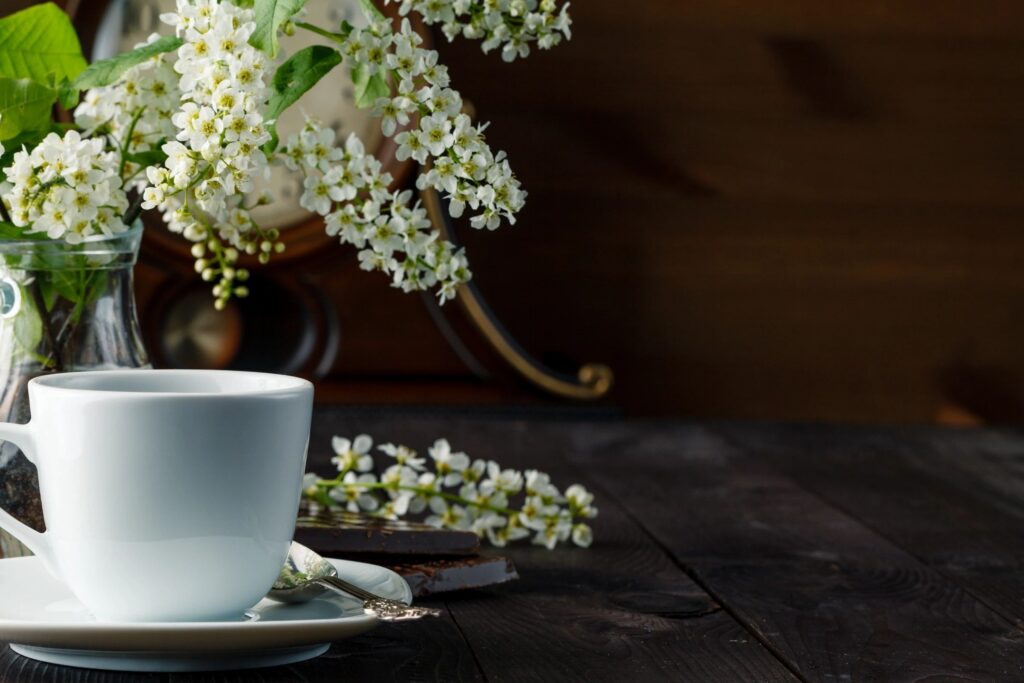
One reason for this shift is emotional experience. Beautifully presented meals often create anticipation and excitement before the first bite is even taken. Colors, textures, arrangement, and atmosphere can influence how people perceive flavor and quality.
Social media has also transformed food culture significantly. Platforms centered around visual content have encouraged both restaurants and individuals to think more carefully about presentation and creativity. Meals are now frequently shared online as part of lifestyle expression and personal storytelling.
Importantly, presentation is not only about luxury or expensive ingredients. Even simple meals can feel elevated through thoughtful preparation and attention to detail.
Food presentation also reflects care and intentionality. A carefully prepared meal often communicates effort, hospitality, and appreciation toward the people sharing it.
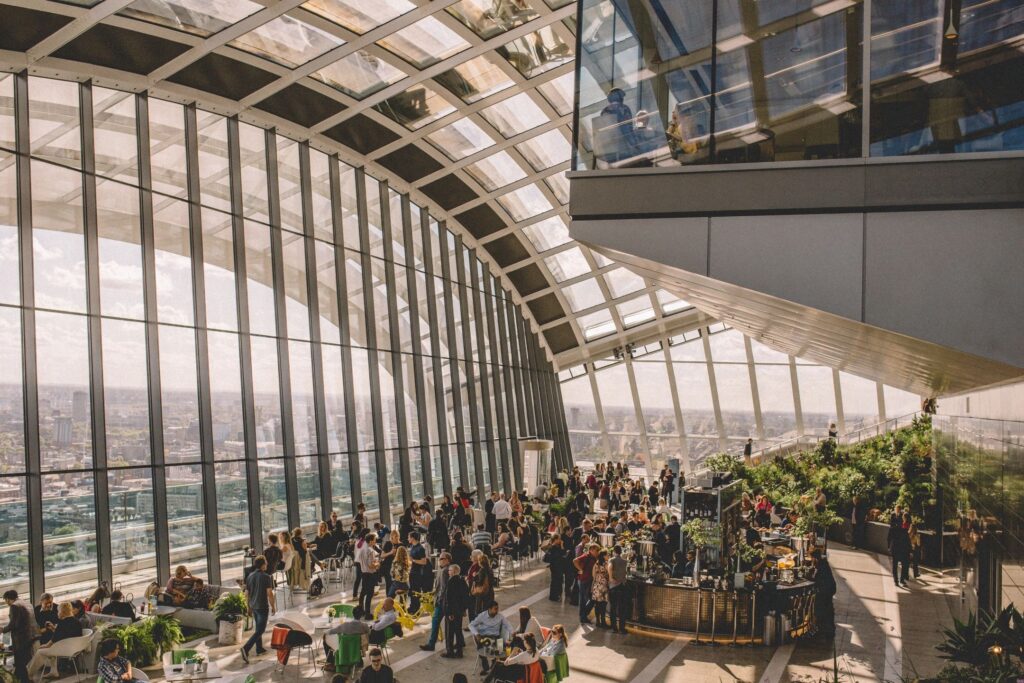
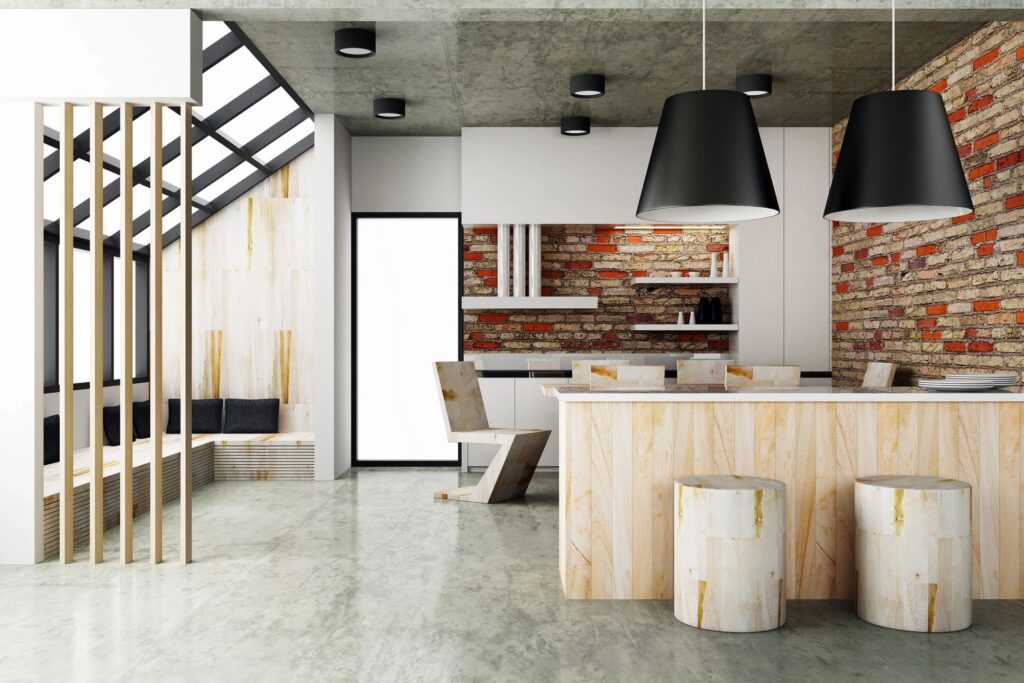
Restaurants increasingly understand that dining is now about the full experience rather than food alone. Lighting, interior design, music, and visual aesthetics all contribute to how customers emotionally connect with a space.
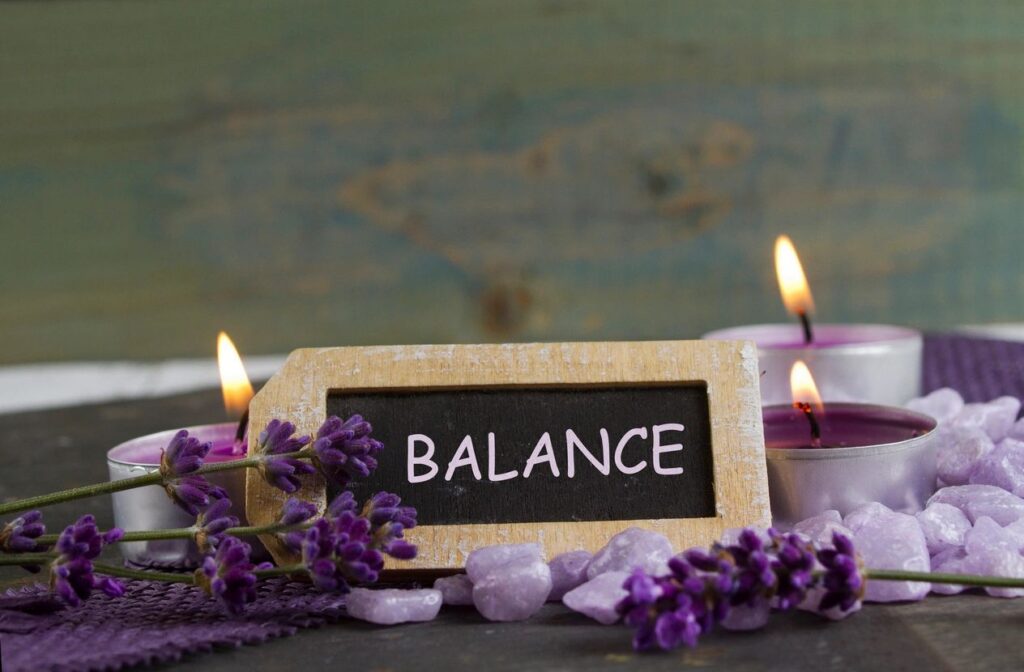
At home, people are also becoming more intentional about dining environments. Table settings, candles, fresh ingredients, and slower meals are helping transform ordinary routines into more meaningful experiences.
This trend reflects broader cultural changes around mindfulness and lifestyle quality. People increasingly seek experiences that feel emotionally satisfying rather than purely functional.
And increasingly, food presentation is being recognized not as superficial decoration, but as part of the emotional and sensory experience that makes dining memorable.
FINANCE
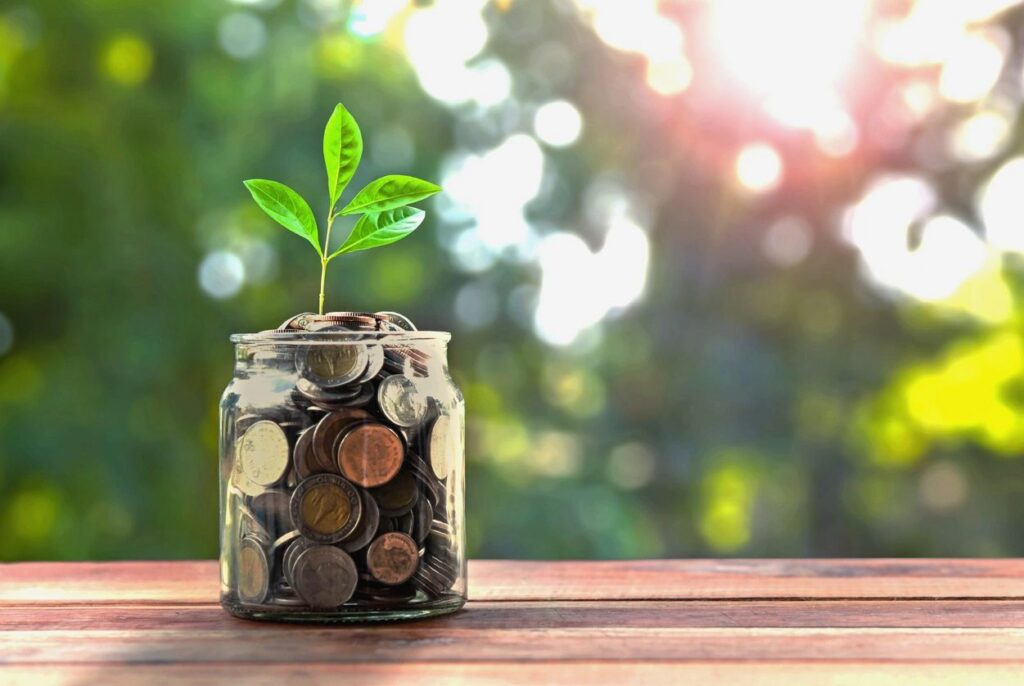
Why Financial Awareness Is Becoming More Important for Young Professionals
Financial awareness is becoming one of the most important skills for younger professionals entering modern workplaces.
In previous generations, financial literacy was often learned gradually through life experience. Today, however, rising living costs, digital spending, and economic uncertainty require people to understand money management much earlier.
Financial awareness includes budgeting, saving, debt management, spending habits, and long-term planning.
Without these skills, even stable income can quickly become stressful to manage.
One major challenge for young professionals is lifestyle pressure. Social media often creates unrealistic expectations around luxury, travel, fashion, and visible success. This can encourage unhealthy spending habits driven more by comparison than actual financial stability.
Importantly, financial awareness supports independence and confidence. People who understand their finances often make calmer and more intentional decisions.
Financial education also reduces anxiety around future planning and unexpected challenges.
As awareness grows, younger generations are becoming more open about discussing budgeting, investments, and realistic financial habits.
And increasingly, financial intelligence is being viewed as an essential part of adulthood and long-term stability.
HEALTH
Why Stress Management Is Becoming a Health Priority
Stress has become one of the most common challenges in modern life.
Fast-paced routines, digital overload, work pressure, and constant information exposure affect both emotional and physical health.
While occasional stress is normal, long-term unmanaged stress can negatively influence sleep, concentration, immunity, digestion, and overall well-being.
As awareness grows, stress management is becoming an increasingly important part of health conversations.
People are now recognizing that health involves more than physical fitness alone. Emotional balance and nervous system recovery also play major roles in overall wellness.
Stress management can include exercise, sleep, mindfulness, boundaries, movement, quiet routines, and supportive relationships.
Importantly, managing stress does not mean eliminating responsibility or ambition.
It means learning how to maintain balance while handling life’s demands.
And increasingly, protecting mental and emotional energy is being recognized as essential for long-term health.
LIFESTYLE
Why Personal Identity Is Becoming More Individualized
Modern society increasingly encourages individuality and personal expression.
People are becoming more comfortable building lifestyles, careers, and identities that reflect their personal values rather than traditional expectations.
This shift is visible in fashion, work choices, relationships, travel, and creative expression.
Technology and global connectivity have exposed individuals to a wider range of perspectives and lifestyles than ever before.
As a result, many people feel less pressure to follow one standard version of success.
Importantly, individuality also encourages self-awareness and authenticity.
People increasingly value environments where they can express themselves honestly without excessive judgment or pressure to conform.
And increasingly, modern identity is being shaped by personal alignment rather than social expectation alone.
WELLNESS
Why Slowing Down Is Becoming a Wellness Trend
For many years, speed and productivity dominated modern culture.
Today, however, slowing down is becoming increasingly connected to wellness and emotional balance.
People are recognizing that constant rushing often creates exhaustion, reduced focus, and emotional overwhelm.
Slowing down may involve mindful routines, slower travel, intentional rest, or reducing unnecessary commitments.
Importantly, slowing down does not mean lack of ambition.
It means creating healthier rhythms that allow for sustainability and emotional clarity.
And increasingly, wellness is being associated with balance rather than constant activity.
CAREER
Why Professional Confidence Develops Gradually
Professional confidence is often misunderstood as something people either naturally have or do not have.
In reality, confidence usually develops gradually through experience, repetition, and learning.
Most professionals begin careers with uncertainty and self-doubt. Confidence grows as individuals solve problems, gain knowledge, and navigate challenges over time.
Importantly, confidence is not perfection.
It is the willingness to continue learning while trusting your ability to adapt.
Professional growth often requires discomfort, especially when entering new environments or responsibilities.
And increasingly, career success is being linked not to appearing flawless, but to remaining adaptable and resilient during growth.
TRAVEL
Why Cultural Curiosity Improves Travel Experiences
Travel becomes more meaningful when people approach destinations with curiosity rather than assumption.
Cultural curiosity encourages travelers to learn about local traditions, language, history, and daily life respectfully.
This creates deeper understanding and stronger connection to places visited.
Rather than viewing travel only as entertainment, many people now see it as an opportunity for perspective and learning.
Importantly, curiosity improves respect and openness during cultural interaction.
And increasingly, meaningful travel is being shaped by learning and understanding rather than simple tourism alone.
REAL ESTATE
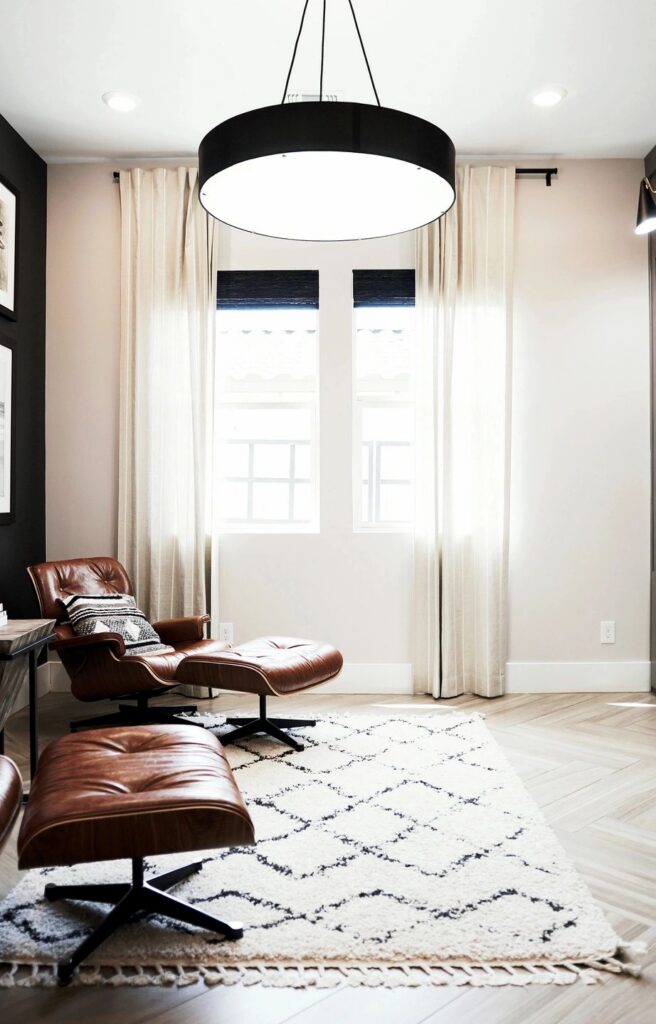
Why Multi-Functional Spaces Are in Demand
Modern homes are expected to serve multiple purposes simultaneously.
Living spaces now often function as workplaces, relaxation areas, fitness spaces, and social environments all within the same property.
As a result, flexible and multi-functional design is becoming increasingly valuable in real estate.
People want layouts that adapt easily to changing needs and routines.
This reflects broader lifestyle changes around remote work and home-centered living.
And increasingly, practical flexibility is becoming a major feature of desirable modern homes.
RELATIONSHIPS
Why Emotional Maturity Improves Relationships
Healthy relationships depend heavily on emotional maturity.
Emotional maturity includes accountability, communication, patience, empathy, and the ability to manage conflict respectfully.
Without maturity, small disagreements often become larger emotional problems.
Strong relationships require both people to communicate honestly while maintaining respect during difficult moments.
Importantly, emotional maturity supports trust and long-term emotional safety.
And increasingly, relationship success is being associated more with emotional intelligence than with superficial compatibility alone.
FRANKLY SPEAKING WITH FRANCA
“I Feel Emotionally Exhausted From Always Being Strong”
Dear Franca, I’m always the person everyone depends on, but lately I feel emotionally tired and overwhelmed.
Franca Says:
Being dependable is admirable, but constantly carrying emotional responsibility for everyone around you eventually becomes exhausting.
Strong people often feel pressure to continue functioning even when they themselves need support.
But emotional strength does not mean ignoring your own needs indefinitely.
You are allowed to rest.
You are allowed to ask for support.
And you are allowed to stop pretending everything is fine when you feel overwhelmed.
Sometimes people become so focused on being available for others that they forget they also deserve care, understanding, and emotional space.
Strength without recovery eventually turns into exhaustion.
And protecting your emotional health is not weakness—it is necessary for long-term balance and well-being.
For many years, food culture focused heavily on excess—large portions, complicated recipes, and highly elaborate presentation. Increasingly, however, many people are moving toward simpler meals and more balanced eating habits.
Simple meals are becoming attractive because modern lifestyles often feel overstimulating and rushed. After long workdays, digital overload, and constant pressure, many individuals prefer food that feels comforting, nourishing, and uncomplicated.
This shift is also connected to wellness awareness. People are paying greater attention to ingredients, digestion, and how food affects energy levels throughout the day. Simpler meals often rely on fresher ingredients and less processing, making them feel lighter and more sustainable.
Importantly, simplicity in food does not mean lack of quality. In many cases, it reflects greater appreciation for flavor, freshness, and intentional preparation.
There is also an emotional aspect involved. Cooking simple meals at home can create routines that feel calming and grounding. Many people are rediscovering the comfort of familiar dishes and balanced eating patterns.
Restaurants are adapting as well. Menus increasingly highlight clean ingredients, seasonal produce, and dishes that feel approachable rather than overly complicated.
This trend reflects broader cultural changes around intentional living. Simplicity is becoming associated with clarity, wellness, and emotional comfort rather than limitation.
And increasingly, people are discovering that satisfying food experiences often come from quality and balance rather than excess.
FINANCE
Why Younger Generations Are Thinking Differently About Money
Attitudes toward money are changing significantly among younger generations.
Traditional financial goals once centered heavily around home ownership, long-term corporate careers, and predictable retirement plans. Today, however, many younger professionals are approaching financial life differently due to economic realities and changing lifestyle priorities.
Rising living costs, student debt, housing challenges, and evolving work structures have influenced how younger generations think about stability and success.
Flexibility is becoming increasingly valuable. Many people prioritize experiences, remote work opportunities, entrepreneurship, and lifestyle freedom alongside financial growth.
There is also greater awareness around mental health and work-life balance. Financial success is increasingly connected to emotional sustainability rather than only visible wealth.
Importantly, younger generations are also more open to discussing money openly, including budgeting, investing, and financial education.
This reflects broader cultural changes around transparency and realism.
And increasingly, financial success is being defined through freedom, flexibility, and stability rather than traditional expectations alone.
HEALTH
Why Preventative Health Is Receiving More Attention
Modern healthcare conversations are increasingly shifting toward prevention rather than reaction.
Preventative health focuses on habits and lifestyle choices that reduce the likelihood of future illness or long-term health problems.
This includes sleep, nutrition, movement, stress management, hydration, and regular health monitoring.
One major reason preventative health is gaining attention is growing awareness that many modern health issues are strongly influenced by daily lifestyle patterns.
People are beginning to recognize that small habits practiced consistently often have major long-term impact.
Preventative health also encourages greater personal responsibility and awareness around well-being.
Importantly, prevention is not about fear or perfection.
It is about maintaining balance and reducing unnecessary health risks over time.
And increasingly, wellness culture is focusing more on sustainability and long-term care rather than short-term extremes.
LIFESTYLE
Why People Are Protecting Their Time More Carefully
Time is becoming one of the most valued resources in modern life.
Many people are now becoming more intentional about how they spend their time, who they spend it with, and what activities deserve their energy.
This shift reflects growing awareness around burnout, emotional exhaustion, and overstimulation.
People are beginning to understand that constant availability often leads to stress rather than productivity.
Protecting time may involve setting boundaries, reducing unnecessary commitments, or limiting digital distraction.
Importantly, time protection is not selfishness.
It is recognizing that attention and energy are limited resources.
And increasingly, balanced lifestyles are being built around intentional time management rather than constant busyness.
WELLNESS
Why Emotional Stability Is Becoming More Valued
Modern culture often celebrates excitement, ambition, and high energy. Increasingly, however, emotional stability is becoming deeply valued.
Emotional stability does not mean the absence of emotion.
It means the ability to manage stress, uncertainty, and challenges without becoming completely overwhelmed.
People are increasingly prioritizing calmness, balance, and emotional maturity in both personal and professional life.
This shift reflects broader awareness around mental health and long-term well-being.
Dear Franca, Lately I feel disconnected from some people I used to be very close to. Our conversations feel different, and I no longer relate to the same things. I feel guilty about it, but I also feel like I’m growing in another direction.
Franca Says:
Outgrowing people is one of the most uncomfortable parts of personal growth because it forces us to accept that not every connection is meant to remain the same forever.
Growth changes priorities, perspectives, habits, and emotional needs. Sometimes relationships evolve alongside us, and sometimes they remain tied to an earlier version of who we were.
That does not automatically make anyone wrong or bad.
People grow at different speeds and in different directions.
The important thing is to recognize the difference between temporary distance and deeper incompatibility. Some relationships simply need healthier boundaries, while others naturally become less central over time.
What often creates guilt is the belief that loyalty means remaining exactly the same forever. But healthy growth requires honesty with yourself.
You should not have to shrink your goals, values, or emotional maturity in order to maintain comfort for others.
At the same time, growth should not create arrogance. Outgrowing someone does not mean looking down on them. It simply means your paths may no longer align in the same way they once did.
Relationships are healthiest when they allow both people to evolve without resentment or pressure to remain unchanged.
Sometimes people return to your life later in different ways. Sometimes they remain important from a distance. And sometimes certain chapters simply end naturally.
That is part of life.
Not every relationship is meant to last forever in the exact same form.
What matters most is whether your relationships continue to support peace, respect, honesty, and emotional well-being.
Because growth is not only about becoming more successful.
It is also about becoming more aligned with the kind of life and energy you truly want around you.
For many years, dining alone was often viewed negatively. Restaurants, cafés, and social spaces were traditionally associated with groups, families, or social gatherings. Today, however, attitudes are changing, and dining alone is becoming increasingly accepted and even appreciated.
Modern lifestyles are more independent than ever before. People travel alone, work remotely, relocate frequently, and maintain flexible schedules that do not always align with others. As a result, solo dining has become a practical and increasingly normal part of daily life.
One major reason for this shift is changing attitudes toward independence. Many people now see the ability to enjoy one’s own company as a sign of confidence rather than isolation. Dining alone can create moments of calmness and reflection in otherwise busy environments.
Technology has also influenced this cultural change. Smartphones, laptops, and digital workspaces have transformed cafés and restaurants into places where people comfortably spend time alone while reading, working, or simply relaxing.
Importantly, solo dining allows individuals to engage more intentionally with their surroundings. Without constant conversation, people often become more aware of atmosphere, food quality, music, and the overall dining experience itself.
Restaurants and hospitality spaces are adapting to this trend as well. More venues now create welcoming environments for individual guests rather than designing exclusively around large groups.
There is also a wellness aspect connected to solo experiences. Spending time alone can support emotional independence and mental clarity when balanced healthily with social interaction.
This shift reflects broader changes in modern culture. Independence, self-awareness, and intentional solitude are becoming more socially accepted.
And increasingly, dining alone is being viewed not as loneliness, but as a comfortable expression of modern lifestyle flexibility and self-confidence.
FINANCE
Why Financial Planning Is Becoming a Life Skill
Financial planning was once considered something mainly associated with investors, business owners, or later stages of adulthood. Increasingly, however, it is becoming recognized as an essential life skill for people of all ages.
Modern financial life is more complex than ever before. Digital payments, subscriptions, online shopping, loans, investments, and rising living costs require individuals to make financial decisions constantly.
Without planning, even stable income can quickly become difficult to manage.
Financial planning involves understanding income, budgeting, saving, spending habits, and long-term priorities. It creates structure and reduces unnecessary financial stress.
Importantly, financial planning also supports emotional well-being. Financial uncertainty often affects mental health, relationships, and overall stability.
As awareness grows, more people are becoming intentional about financial education and sustainable money habits.
And increasingly, financial planning is being viewed not as restriction, but as a foundation for freedom and long-term security.
HEALTH
Why Sleep Quality Is Receiving More Attention
Health conversations often focus on diet and exercise, but sleep quality is becoming equally important in modern wellness discussions.
Poor sleep affects concentration, mood, memory, energy levels, and long-term physical health. Yet many people underestimate how significantly sleep influences daily performance.
Modern lifestyles contribute heavily to sleep disruption. Excessive screen exposure, stress, irregular schedules, and overstimulation make restful sleep increasingly difficult.
As awareness grows, individuals are paying greater attention to evening routines, sleep environments, and overall recovery habits.
Importantly, quality sleep supports both physical and emotional resilience.
And increasingly, rest is being recognized as a critical part of long-term health rather than simply downtime.
LIFESTYLE
Why People Are Prioritizing Experiences Over Possessions
Material success once centered heavily around ownership and accumulation. Today, however, many people are placing greater value on experiences rather than possessions.
Travel, personal growth, wellness, meaningful relationships, and memorable moments are increasingly viewed as more fulfilling than constant consumption.
One reason for this shift is emotional sustainability. Experiences often create stronger memories and personal meaning than material purchases.
There is also growing awareness that excessive consumption does not necessarily lead to long-term happiness.
Importantly, experiences often strengthen human connection and perspective in ways possessions cannot.
And increasingly, modern lifestyles are becoming more focused on meaning and fulfillment rather than accumulation alone.
WELLNESS
Why Quiet Environments Support Emotional Health
Noise and constant stimulation have become normal parts of modern life.
However, quiet environments are increasingly being recognized as important for emotional balance and mental clarity.
Continuous exposure to noise, information, and social interaction can create emotional fatigue over time.
Quiet spaces allow the mind to slow down, process emotions, and recover mentally.
This may include nature, peaceful rooms, libraries, or simply moments without digital distraction.
Importantly, quietness is not emptiness.
It often creates the conditions necessary for focus, reflection, and emotional calmness.
And increasingly, people are intentionally seeking quieter environments to support overall well-being.
CAREER
Why Professional Adaptability Is a Competitive Advantage
Modern industries change rapidly, making adaptability one of the most valuable professional qualities today.
Professionals who can learn new systems, adjust to changing environments, and remain flexible during uncertainty are often better positioned for long-term success.
Adaptability also improves resilience because it reduces dependence on rigid expectations.
Importantly, adaptable professionals are often more open to growth and innovation.
And increasingly, career success is being shaped by flexibility and continuous learning rather than routine alone.
TRAVEL
Why Smaller Cities Are Becoming Popular Travel Destinations
Large global cities continue to attract travelers, but smaller cities and towns are becoming increasingly appealing.
Many travelers now seek slower environments, authentic culture, and less crowded experiences.
Smaller destinations often provide stronger local identity and more relaxed atmospheres.
They also allow visitors to engage more deeply with communities and regional traditions.
And increasingly, meaningful travel experiences are being found outside major tourist centers.
REAL ESTATE
Why Natural Light Influences Property Appeal
Natural light has become one of the most desired features in modern real estate.
Bright environments improve mood, comfort, productivity, and overall atmosphere within homes.
As people spend more time indoors for work and lifestyle activities, light-filled spaces are becoming increasingly valuable.
Natural light also creates stronger visual openness and emotional comfort.
And increasingly, buyers are prioritizing environments that support both physical and emotional well-being.
RELATIONSHIPS
Why Communication Timing Matters in Relationships
Healthy communication involves not only what is said, but also when it is said.
Difficult conversations handled during stressful or emotionally reactive moments often become more complicated unnecessarily.
Good timing creates calmer and more productive communication.
It allows people to listen more carefully and respond more thoughtfully.
Importantly, emotional awareness improves communication quality significantly.
And increasingly, relationship strength is being linked to emotional maturity and respectful communication habits.
EDUCATION
Why Critical Thinking Is More Important Than Memorization
Education is evolving beyond memorization-based learning.
Critical thinking—the ability to analyze information, ask questions, and evaluate ideas independently—is becoming increasingly valuable.
Modern societies are filled with information, opinions, and digital content. As a result, the ability to think carefully and critically is essential.
Critical thinking improves problem-solving, communication, and decision-making across many areas of life.
Importantly, it encourages intellectual independence rather than passive learning.
And increasingly, education systems are recognizing the importance of developing thoughtful and adaptable learners.
FRANKLY SPEAKING WITH FRANCA
“I Feel Guilty Resting”
Dear Franca, Whenever I take time to rest, I feel like I should be doing something productive instead.
Franca Says:
Many people have been conditioned to associate constant activity with value and success.
But rest is not wasted time.
Without recovery, exhaustion eventually affects focus, emotional health, and even productivity itself.
You are not meant to operate endlessly without pause.
Rest allows your mind and body to recover so you can function more sustainably.
And learning to rest without guilt is part of creating a healthier relationship with yourself and your time.
Why Career Flexibility Is Becoming More Valuable Than Traditional Stability
For many years, career success was strongly connected to stability. A steady job, long-term employment at one company, and predictable professional growth were often viewed as the ideal path. Today, however, the modern professional landscape is changing rapidly, and career flexibility is becoming increasingly valuable.
Career flexibility refers to the ability to adapt to new industries, roles, technologies, and working styles over time. Instead of following one rigid professional path, many people are now building careers that evolve alongside changing opportunities and personal goals.
One major reason for this shift is the speed of technological and economic change. Entire industries are transforming due to automation, digital communication, artificial intelligence, and global connectivity. Skills that were highly valuable a decade ago may now require updating or expansion.
As a result, employers increasingly value adaptability, problem-solving, and continuous learning. Professionals who can adjust quickly to change are often more resilient in uncertain economic environments.
Another important factor is changing attitudes toward work-life balance and personal fulfillment. Many people no longer want careers based solely on financial survival or social status. Increasingly, professionals are seeking flexibility, creativity, autonomy, and work that aligns with their personal values.
Remote and hybrid work models have also expanded professional possibilities. Individuals can now work across cities and countries, collaborate globally, and explore career paths that were previously inaccessible.
Importantly, career flexibility does not necessarily mean instability. In many cases, it creates stronger long-term resilience because individuals are less dependent on one single role, company, or industry.
This modern approach to career growth also encourages skill diversification. Communication, leadership, digital literacy, emotional intelligence, and adaptability are becoming highly transferable skills across industries.
There is also growing recognition that professional reinvention is normal. Many successful individuals now move through multiple career phases throughout their lives rather than remaining tied to one professional identity forever.
This shift reflects broader cultural changes around ambition and success. Stability still matters, but flexibility is increasingly viewed as equally important in navigating modern professional life.
And increasingly, career success is being defined not only by job titles or long-term permanence, but by the ability to adapt, grow, and remain relevant in a constantly evolving world.
Luxury dining was once associated mainly with exclusive restaurants, formal reservations, and elaborate public experiences. Increasingly, however, many people are rediscovering the value of dining at home and transforming ordinary meals into intentional experiences.
Modern lifestyles have become highly demanding, fast-paced, and digitally overstimulating. As a result, people are searching for comfort, calmness, and more personal forms of enjoyment. Dining at home offers privacy and flexibility that many public spaces cannot always provide.
This shift is not necessarily about avoiding restaurants. Instead, it reflects a growing appreciation for atmosphere, quality time, and intentional living. People are investing more effort into table settings, cooking techniques, lighting, music, and creating environments that feel warm and meaningful.
Another factor influencing this trend is emotional connection. Meals prepared and shared at home often feel more personal than highly commercial dining experiences. Cooking together, hosting intimate gatherings, or simply enjoying a quiet dinner without distraction creates stronger moments of connection.
Social media and lifestyle content have also influenced how people approach home dining. Beautifully presented meals, carefully designed interiors, and creative recipes have inspired many individuals to see home dining as both practical and enjoyable.
Importantly, dining at home can also support wellness and financial balance. People often have greater control over ingredients, portions, and overall spending while still creating memorable experiences.
This movement reflects broader cultural changes around intentional living. Luxury is increasingly being associated with privacy, emotional comfort, and meaningful experiences rather than public display alone.
And increasingly, people are discovering that some of the most satisfying dining experiences happen not in crowded venues, but around their own tables.
FINANCE
Why People Are Redefining Financial Success
Financial success has traditionally been associated with high income, visible wealth, and material achievement. Today, however, many people are redefining what financial success truly means.
Increasingly, individuals are prioritizing stability, flexibility, and peace of mind over public displays of wealth. The ability to live comfortably without constant financial stress is becoming more appealing than chasing endless external validation.
This shift reflects broader social and economic realities. Rising costs, economic uncertainty, and changing work structures have encouraged more realistic and intentional financial planning.
Many people are also questioning lifestyles built entirely around consumption and comparison. Social media often creates unrealistic financial expectations, leading some individuals to focus more on appearance than sustainability.
As awareness grows, financial success is increasingly connected to freedom of choice. Having the ability to make decisions without overwhelming financial pressure has become a major goal for many professionals and families.
Importantly, redefining financial success does not mean rejecting ambition. It means aligning financial goals more closely with personal values and long-term well-being.
And increasingly, people are recognizing that true financial success often feels calmer and more stable than it looks publicly.
HEALTH
Why Daily Movement Matters More Than Extreme Fitness
Modern health culture often highlights intense workouts and dramatic transformations. Increasingly, however, health experts are emphasizing the importance of consistent daily movement rather than extreme exercise alone.
Daily movement includes walking, stretching, standing regularly, and maintaining physical activity throughout ordinary routines.
This shift reflects growing awareness around sedentary lifestyles. Long hours spent sitting at desks, using screens, or commuting can negatively affect circulation, posture, energy levels, and long-term health.
Importantly, movement does not always need to be intense to be beneficial. Consistent low-impact activity often improves overall well-being more sustainably than occasional extreme routines.
Daily movement also supports mental health by reducing stress and improving focus.
And increasingly, wellness conversations are shifting toward sustainable habits rather than unrealistic fitness expectations.
LIFESTYLE
Why People Are Becoming More Selective With Their Energy
Modern life constantly demands attention, interaction, and emotional engagement. As a result, many people are becoming far more selective about where they invest their energy.
This includes relationships, work environments, social interactions, and digital spaces.
People are beginning to recognize that emotional energy is limited and should be protected carefully.
Overexposure to negativity, unnecessary conflict, or constant pressure often leads to emotional exhaustion.
As awareness around mental health grows, individuals are becoming more intentional about creating environments that support calmness and balance.
Importantly, protecting energy is not selfishness.
It is understanding that emotional well-being affects every area of life.
And increasingly, emotional boundaries are being viewed as forms of maturity and self-respect.
WELLNESS
Why Solitude Is Becoming More Appreciated
For many years, being constantly social was often associated with success and happiness. Today, however, solitude is being viewed differently.
Healthy solitude provides opportunities for reflection, emotional recovery, and mental clarity.
In highly connected societies, quiet moments alone have become increasingly rare.
Many people now intentionally create space away from constant communication and digital interaction.
Importantly, solitude is not the same as loneliness.
It is the ability to feel comfortable and balanced in one’s own company.
And increasingly, solitude is being appreciated as an important part of emotional wellness.
CAREER
Why Emotional Intelligence Is Influencing Professional Success
Technical expertise remains important in professional environments, but emotional intelligence is becoming equally valuable.
Emotional intelligence includes communication, self-awareness, empathy, adaptability, and the ability to manage emotions effectively.
Professionals with strong emotional intelligence often navigate leadership, teamwork, and conflict more successfully.
Modern workplaces increasingly value collaboration and communication alongside technical skill.
Importantly, emotional intelligence improves both professional performance and workplace culture.
And increasingly, career advancement is being influenced not only by qualifications, but by interpersonal effectiveness as well.
TRAVEL
Why Travelers Are Seeking More Meaningful Experiences
Modern travel is changing. Increasingly, people are seeking experiences that feel meaningful rather than rushed or purely performative.
Travelers want connection, cultural understanding, and personal perspective rather than only collecting photographs or checking destinations off lists.
This shift reflects broader lifestyle changes around intentional living and emotional fulfillment.
Smaller experiences—local cafés, conversations, neighborhoods, and cultural traditions—often leave stronger impressions than crowded tourist attractions.
And increasingly, meaningful travel is being defined by depth of experience rather than quantity of destinations.
REAL ESTATE
Why Lifestyle Is Influencing Property Decisions
Property decisions are increasingly connected to lifestyle preferences rather than financial investment alone.
People are considering factors such as wellness, walkability, natural light, community atmosphere, and emotional comfort when choosing where to live.
Modern homes must now support work, rest, social life, and personal well-being simultaneously.
As a result, lifestyle compatibility has become a major part of real estate demand.
And increasingly, buyers are choosing homes based on how spaces support daily quality of life.
RELATIONSHIPS
Why Trust Is Built Through Small Actions
Trust is rarely created through dramatic moments alone.
In healthy relationships, trust is usually built gradually through consistency, honesty, communication, and reliability over time.
Small actions often matter more than large promises.
Why Seasonal Eating Is Returning to Modern Lifestyles
For many years, supermarkets and global supply chains made it possible to access almost any ingredient at any time of year. Today, however, seasonal eating is making a strong return as people become more conscious about food quality, sustainability, and wellness.
Seasonal eating focuses on consuming foods during the time of year they naturally grow. Fruits, vegetables, and ingredients harvested in season are often fresher, more flavorful, and nutritionally richer than products transported long distances or heavily preserved.
One major reason for this renewed interest is health awareness. People are becoming more intentional about the quality of ingredients they consume. Seasonal produce is often associated with freshness, fewer preservatives, and better taste.
There is also a growing environmental conversation around food systems. Seasonal eating can reduce the environmental impact associated with long-distance transportation and large-scale storage.
Importantly, seasonal eating reconnects people with natural rhythms. It encourages greater appreciation for local agriculture, changing climates, and regional food traditions.
Many chefs and restaurants are embracing seasonal menus as well, creating dishes that reflect freshness and authenticity rather than year-round uniformity.
This movement reflects a broader cultural shift toward intentional living and mindful consumption.
And increasingly, people are viewing food not only as convenience, but as a connection to health, nature, and community.
FINANCE
Why Financial Transparency Is Becoming More Important
Money was once considered a highly private topic that many people avoided discussing openly. Today, however, financial transparency is becoming increasingly important in both personal and professional life.
Financial transparency involves honest conversations about budgeting, expectations, debt, pricing, and financial decision-making. Greater openness often reduces misunderstanding and unrealistic assumptions.
One reason for this shift is economic pressure. Rising living costs and financial uncertainty have encouraged more realistic conversations around money management.
Financial transparency also improves relationships. Whether in families, friendships, or professional partnerships, clarity around financial expectations often prevents tension and confusion.
In workplaces, transparency around salaries and compensation is also becoming a larger conversation connected to fairness and accountability.
Importantly, financial transparency requires emotional maturity and trust.
And increasingly, open financial communication is being recognized as part of responsible decision-making and long-term stability.
HEALTH
Why Walking After Meals Is Gaining Attention
Simple health habits are receiving more attention, and one of the most discussed is walking after meals.
Health professionals increasingly recommend light movement after eating because it supports digestion, circulation, and energy regulation.
Unlike intense exercise, post-meal walking is gentle and accessible for many people regardless of fitness level.
It can also help reduce feelings of heaviness or sluggishness after eating.
Beyond physical health, walking after meals provides emotional benefits as well. It encourages mindfulness, relaxation, and a calmer transition between daily activities.
Importantly, this habit reflects a larger wellness principle: small consistent actions often create meaningful long-term impact.
And increasingly, people are recognizing that sustainable health habits do not always need to be complicated or extreme.
LIFESTYLE
Why Personal Space Matters More Than Ever
Modern life is highly connected, fast-moving, and socially demanding. As a result, personal space is becoming increasingly important for emotional balance and mental well-being.
Personal space does not only refer to physical environment. It also includes emotional boundaries, quiet time, and the ability to disconnect from constant interaction.
Many people now feel overstimulated by nonstop communication, digital engagement, and social expectations.
Creating personal space allows individuals to think clearly, recover emotionally, and maintain a stronger sense of identity.
Importantly, needing space does not mean rejecting relationships or community.
It means recognizing that balance requires moments of privacy and restoration.
And increasingly, personal space is being viewed as an important part of healthy living.
WELLNESS
Why Mental Recovery Is Becoming a Daily Necessity
Mental recovery is becoming just as important as physical recovery in modern wellness conversations.
Constant information exposure, multitasking, and emotional pressure can leave people mentally exhausted even when they are physically rested.
Mental recovery involves activities that allow the mind to slow down and reset.
This may include quiet routines, reading, walking, mindfulness, sleep, or simply spending time away from screens and overstimulation.
Without recovery, mental fatigue gradually affects concentration, mood, and emotional resilience.
Importantly, mental recovery is not unproductive.
It is necessary for sustainable focus and long-term well-being.
And increasingly, people are understanding that protecting mental energy is part of overall health.
CAREER
Why Professional Reputation Matters in the Digital Age
Professional reputation has always been important, but the digital era has made it more visible and influential than ever before.
Online communication, professional platforms, and digital networking mean that reputation can shape career opportunities globally and almost instantly.
Professional reputation is built not only through technical skill, but also through reliability, communication, professionalism, and consistency.
In highly connected industries, trust often influences opportunities as much as qualifications.
Importantly, digital visibility also requires responsibility. Public behavior, communication style, and online presence increasingly affect professional perception.
And increasingly, career success is being influenced by credibility and professional integrity alongside expertise.
TRAVEL
Why Cultural Experiences Are Shaping Modern Tourism
Modern travelers are increasingly seeking cultural experiences rather than only sightseeing attractions.
People want to understand local traditions, food, art, language, and daily life in the places they visit.
This shift reflects a growing desire for meaningful travel rather than purely performative tourism.
Cultural experiences often create stronger memories because they involve connection and perspective rather than observation alone.
Travelers are also becoming more respectful of authenticity and local identity.
And increasingly, tourism is being shaped by curiosity, learning, and cultural appreciation.
REAL ESTATE
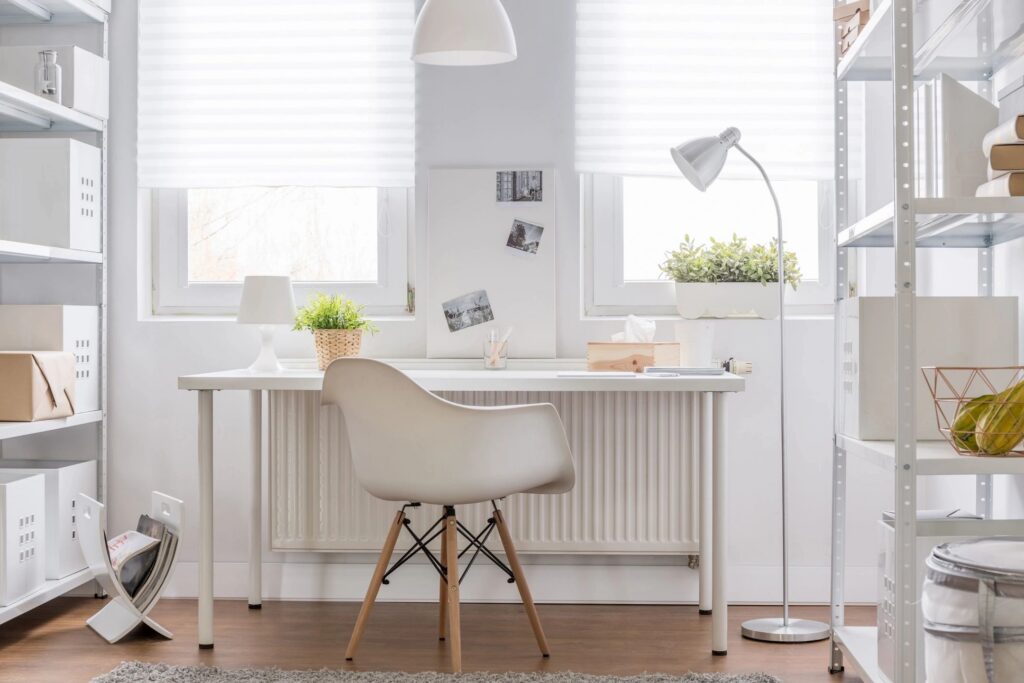
Why Home Offices Are Now a Major Property Feature
Remote and hybrid work models have transformed modern housing priorities.
Home offices, once considered optional, are now major selling features in many property markets.
People increasingly need spaces that support focus, productivity, and professional communication from home.
This shift has influenced interior design, property layouts, and buyer expectations significantly.
Importantly, home workspaces are no longer viewed only as practical additions.
They are becoming central parts of modern lifestyle design.
And increasingly, real estate is adapting to the evolving relationship between work and home life.
RELATIONSHIPS
Why Mutual Support Strengthens Relationships
Healthy relationships involve more than affection or attraction.
Mutual support plays a major role in emotional connection and long-term stability.
Supportive relationships create environments where people feel encouraged, respected, and emotionally safe.
This support becomes especially important during stressful or uncertain periods.
Importantly, support should feel balanced rather than one-sided.
And increasingly, emotional partnership is being recognized as one of the strongest foundations of healthy relationships.
EDUCATION
Why Curiosity Improves Learning
Curiosity is one of the strongest drivers of meaningful learning.
When people are genuinely interested in a subject, they engage more deeply, ask better questions, and retain information more effectively.
Modern education increasingly recognizes that curiosity encourages creativity, problem-solving, and independent thinking.
People who remain curious often continue developing knowledge and skills throughout life.
And increasingly, education is being viewed not only as memorization, but as the ability to explore and think critically.
FRANKLY SPEAKING WITH FRANCA
“I’m Always Worried About the Future”
Dear Franca, I constantly worry about what could go wrong in the future, and it’s becoming exhausting mentally.
Franca Says:
Planning for the future is responsible.
But living in constant fear of the future steals peace from the present.
Not everything can be predicted or controlled.
Sometimes anxiety grows because we spend too much time imagining worst-case scenarios instead of focusing on what we can manage today.
Preparation is healthy.
Constant fear is not.
Try to focus more on steady action rather than endless worry.
Because peace often comes from trusting yourself to handle challenges as they come, not from trying to predict every possible outcome.
Manage Consent
To provide the best experiences, we use technologies like cookies to store and/or access device information. Consenting to these technologies will allow us to process data such as browsing behavior or unique IDs on this site. Not consenting or withdrawing consent, may adversely affect certain features and functions.
Functional
Always active
The technical storage or access is strictly necessary for the legitimate purpose of enabling the use of a specific service explicitly requested by the subscriber or user, or for the sole purpose of carrying out the transmission of a communication over an electronic communications network.
Preferences
The technical storage or access is necessary for the legitimate purpose of storing preferences that are not requested by the subscriber or user.
Statistics
The technical storage or access that is used exclusively for statistical purposes.The technical storage or access that is used exclusively for anonymous statistical purposes. Without a subpoena, voluntary compliance on the part of your Internet Service Provider, or additional records from a third party, information stored or retrieved for this purpose alone cannot usually be used to identify you.
Marketing
The technical storage or access is required to create user profiles to send advertising, or to track the user on a website or across several websites for similar marketing purposes.