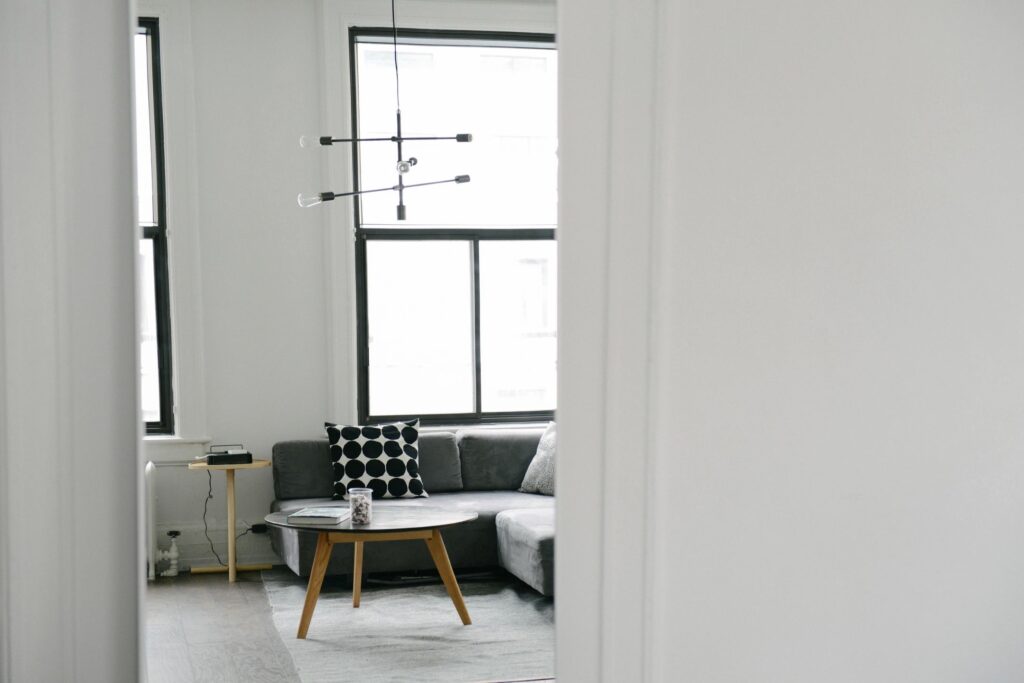
In the digital age, privacy has become increasingly rare.
Social media, constant connectivity, and public sharing have created environments where much of daily life is visible online. As a result, personal privacy is becoming more valuable than ever.
Many people are becoming more selective about what they share publicly. Quiet living, private routines, and controlled visibility are increasingly viewed as forms of balance and self-protection.
Privacy creates emotional space. It allows individuals to think, grow, and make decisions without constant external observation.
This shift also reflects fatigue with performative culture. People are recognizing that not every experience needs to be documented or publicly validated.
And increasingly, the ability to maintain personal boundaries is becoming a modern form of freedom.
Wellness culture often focuses on activity—exercise, productivity, routines, and constant self-improvement. Increasingly, however, silence itself is becoming recognized as beneficial.
Silence allows the mind to recover from constant stimulation. In environments filled with notifications, conversations, and media, quiet moments have become increasingly rare.
Many people are intentionally creating periods of silence through meditation, nature walks, or simply stepping away from digital devices.
These moments support emotional regulation and mental clarity.
Silence also creates space for reflection and deeper thinking.
And increasingly, wellness is being associated not only with action, but also with stillness.
Health discussions are increasingly focusing on one area that was often overlooked in the past: gut health.
Researchers and health professionals continue to explore how digestion influences overall well-being, including energy, immunity, and even mood.
The digestive system plays a central role in how nutrients are absorbed and how the body functions overall. When digestion is disrupted, it can affect multiple aspects of health.
As awareness grows, people are paying closer attention to foods that support digestive balance. Fiber-rich meals, fermented foods, hydration, and balanced eating habits are becoming more widely discussed.
There is also growing understanding of the connection between stress and digestion. Emotional pressure can significantly affect gut health, reinforcing the relationship between mental and physical well-being.
This growing focus reflects a broader shift toward preventive health and long-term wellness.
And increasingly, gut health is being recognized as an essential foundation for overall health.
For decades, wealth was often associated with visible luxury and public display. Increasingly, however, many financially successful individuals are moving toward a quieter approach.
Quiet wealth focuses less on appearance and more on long-term stability, flexibility, and privacy. Instead of prioritizing visible status symbols, people are placing greater value on financial independence and control over their time.
This shift reflects changing cultural attitudes around success. Many individuals no longer feel the need to publicly display financial achievement to validate it.
Quiet wealth also encourages more intentional spending. Investments in education, health, travel, and long-term security are often prioritized over unnecessary consumption.
Another reason for this change is uncertainty in the global economy. Financial resilience has become more valuable than performative spending.
And increasingly, confidence is being associated with stability rather than visibility.
For many years, late-night dining was associated with fast food, convenience meals, or rushed eating after long working hours. Today, however, late-night food culture is beginning to evolve into something more intentional and experience-driven.
In many cities around the world, restaurants and cafés are adapting to changing lifestyles by creating calmer, more refined evening dining environments. Instead of hurried meals, people are increasingly looking for relaxed spaces where they can unwind after demanding days.
Part of this shift is linked to modern work culture. Flexible schedules and remote work have changed traditional eating patterns. Dinner is no longer always limited to a fixed early-evening timeframe. Many people now view late-night dining as a way to slow down and reconnect socially after busy days.
There is also a growing focus on atmosphere. Lighting, music, and comfort have become important elements of the dining experience. Increasingly, people are looking for spaces that feel restorative rather than overstimulating.
Food choices themselves are changing as well. Lighter meals, healthier options, and carefully prepared dishes are replacing the heavy late-night meals traditionally associated with evening dining.
This trend also reflects a broader cultural movement toward intentional experiences. Dining is becoming less transactional and more connected to emotional well-being and lifestyle.
And increasingly, late-night dining is being viewed not just as eating late, but as creating space for relaxation, conversation, and balance in modern life.
Cities continue to evolve as people rethink how they want to live and work.
Urban living is increasingly focused on convenience, flexibility, and quality of life. Walkable neighborhoods, mixed-use spaces, and access to green areas are becoming more important than ever.
Remote and hybrid work models have also changed housing priorities. People want spaces that support both living and working comfortably.
Sustainability is another growing factor. Energy efficiency, public transportation, and environmentally conscious design are influencing property development.
The modern city is no longer being designed only for movement and commerce.
Increasingly, it is being shaped around lifestyle and well-being.
Public diplomacy is no longer limited to official meetings and government statements. In the digital era, communication between nations happens constantly through media, technology, culture, and online platforms.
How countries communicate publicly now shapes global perception in real time.
Digital platforms have increased both opportunity and risk. Messages can reach global audiences instantly, but misinformation and disinformation can spread just as quickly.
This has made credibility increasingly important. Trust and transparency are becoming central to international communication.
Public diplomacy today involves more than political negotiation. It includes education, cultural exchange, digital engagement, and public dialogue.
As global conversations become more interconnected, communication itself has become a strategic tool.
And increasingly, diplomacy is being shaped not only in formal institutions, but also in the digital public sphere.
Manage Consent
To provide the best experiences, we use technologies like cookies to store and/or access device information. Consenting to these technologies will allow us to process data such as browsing behavior or unique IDs on this site. Not consenting or withdrawing consent, may adversely affect certain features and functions.
Functional
Always active
The technical storage or access is strictly necessary for the legitimate purpose of enabling the use of a specific service explicitly requested by the subscriber or user, or for the sole purpose of carrying out the transmission of a communication over an electronic communications network.
Preferences
The technical storage or access is necessary for the legitimate purpose of storing preferences that are not requested by the subscriber or user.
Statistics
The technical storage or access that is used exclusively for statistical purposes.The technical storage or access that is used exclusively for anonymous statistical purposes. Without a subpoena, voluntary compliance on the part of your Internet Service Provider, or additional records from a third party, information stored or retrieved for this purpose alone cannot usually be used to identify you.
Marketing
The technical storage or access is required to create user profiles to send advertising, or to track the user on a website or across several websites for similar marketing purposes.