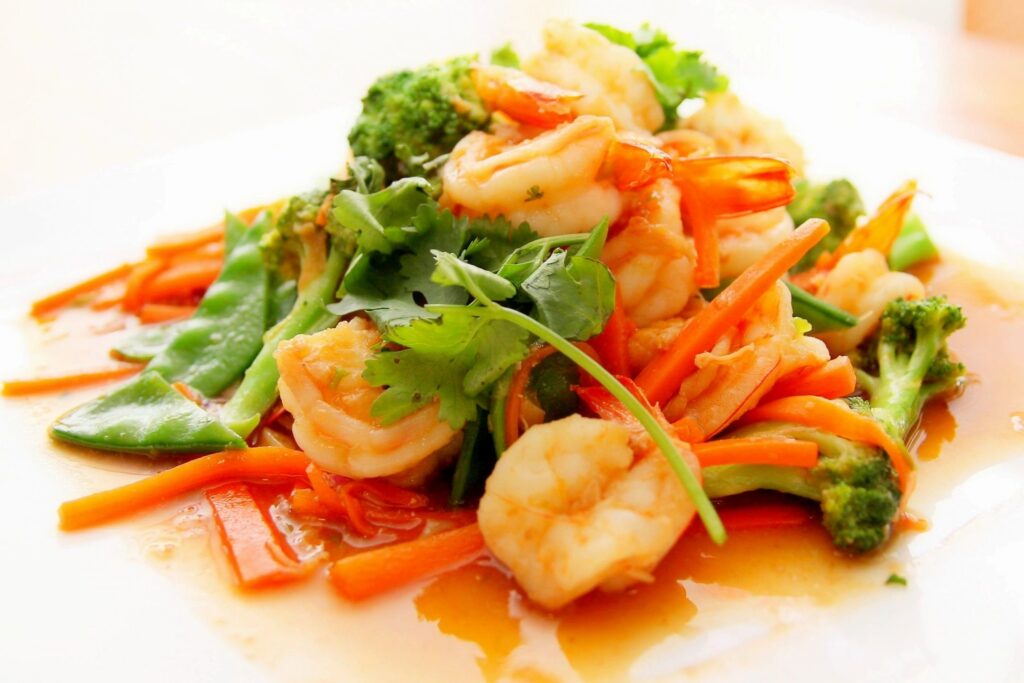
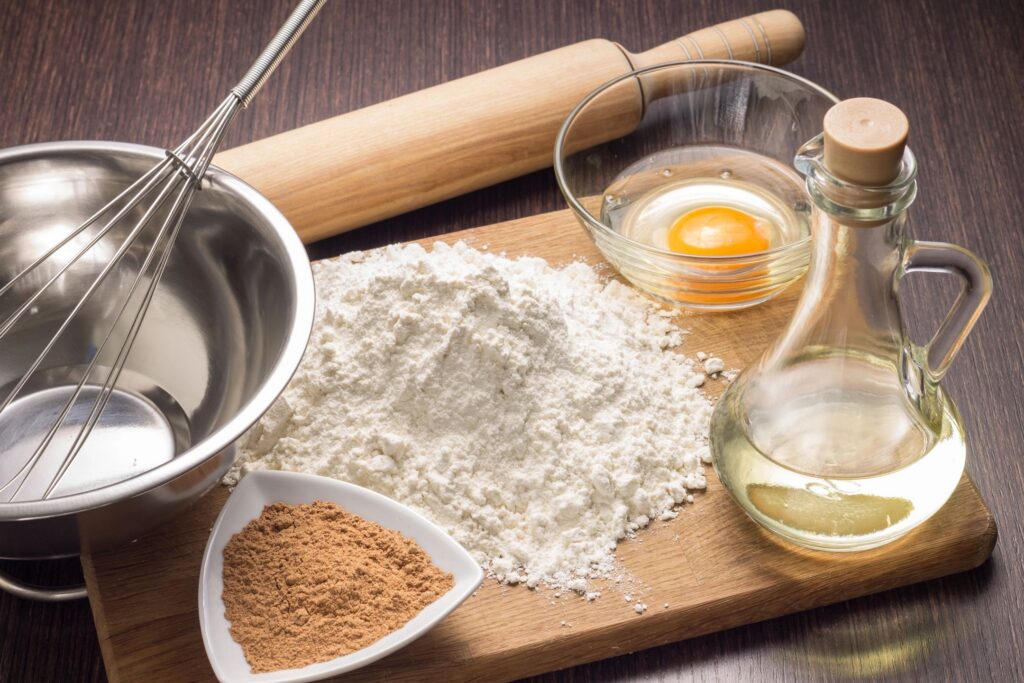
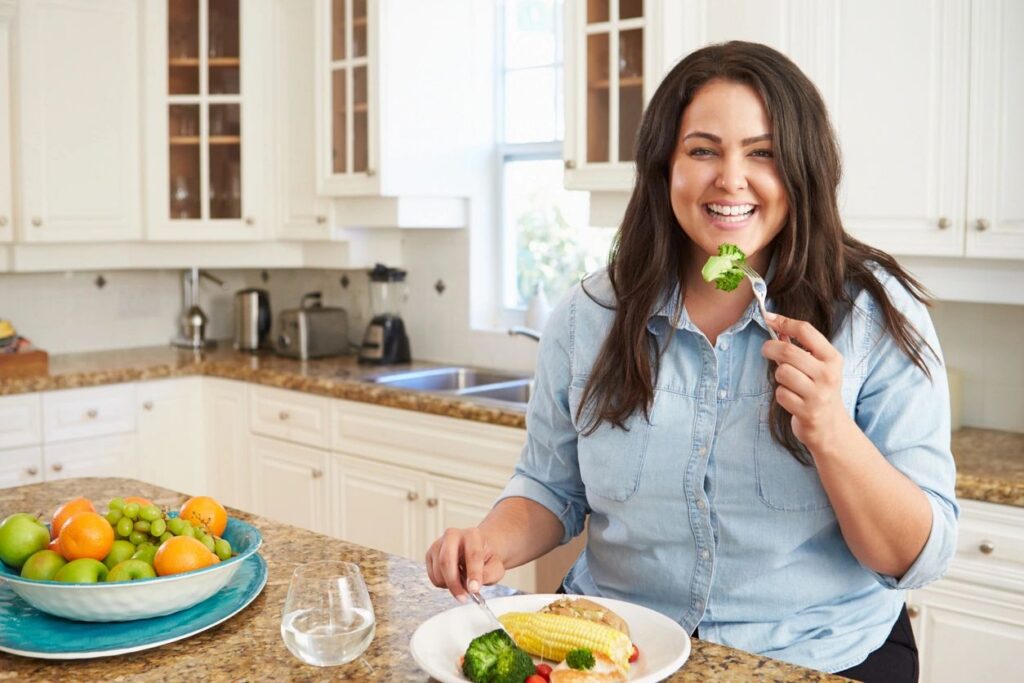
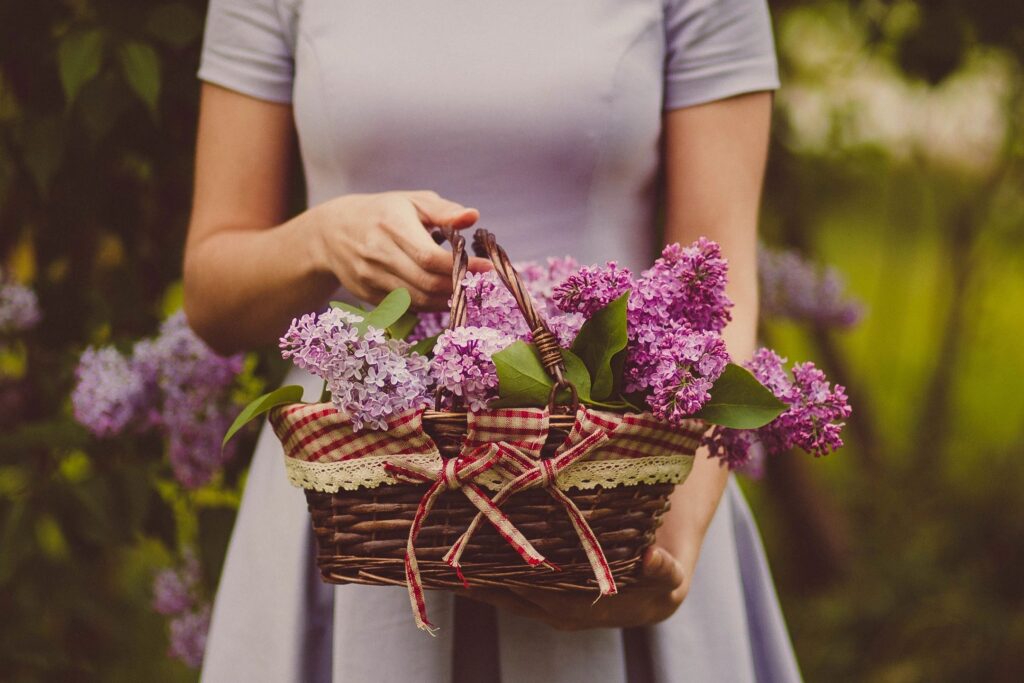
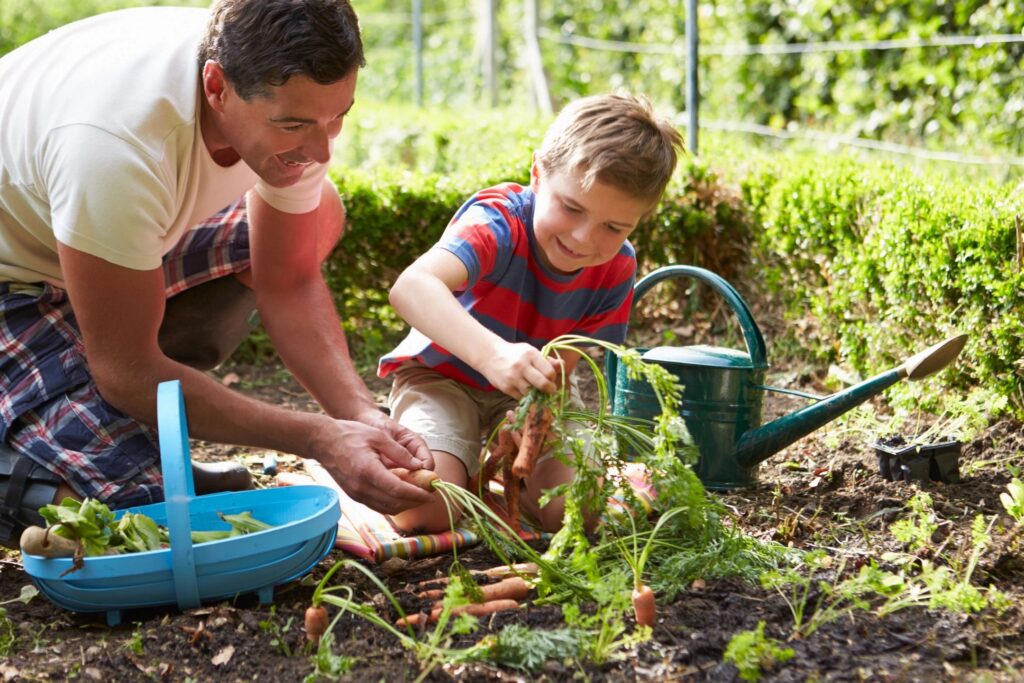
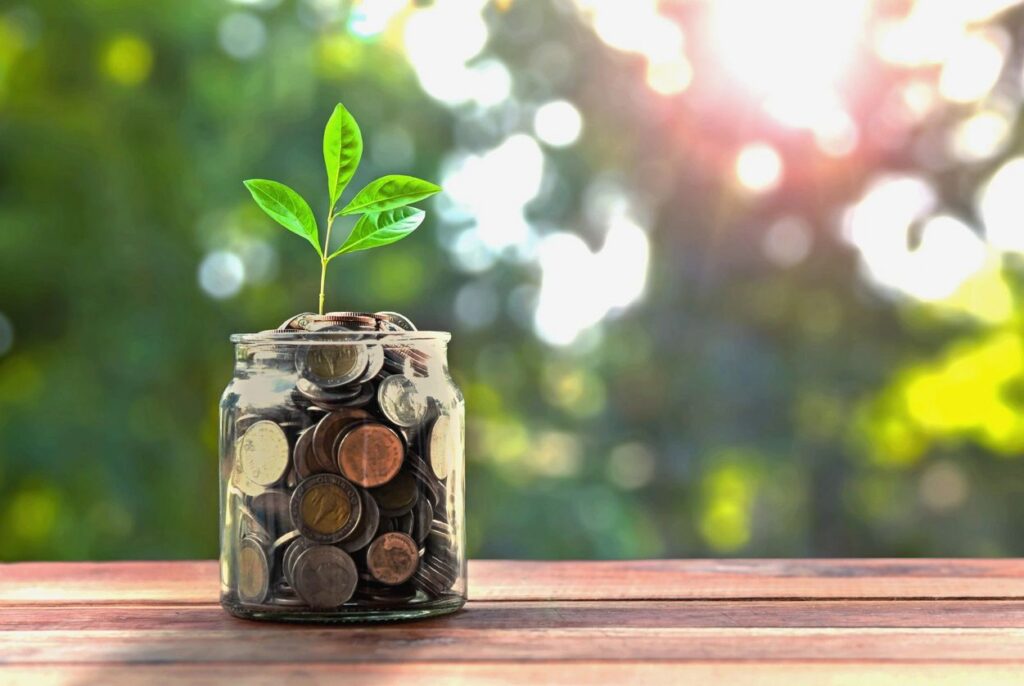
Healthy eating is often associated with expensive ingredients and specialist products, but nourishing meals can be created on almost any budget. The key is planning ahead, buying seasonal produce, and making the most of simple ingredients.
Foods such as beans, lentils, rice, oats, eggs, fresh vegetables, and frozen fruit provide excellent nutrition without placing unnecessary strain on household finances. Cooking at home also allows families to control the amount of salt, sugar, and fat in their meals while creating dishes that suit their own tastes.
Preparing meals in larger batches can save both time and money. Soups, stews, curries, and casseroles often taste even better the following day and can be frozen for busy evenings. Reducing food waste by using leftover vegetables and cooked meats in new recipes is another excellent habit.
Eating well isn’t about perfection or expensive superfoods. It is about making thoughtful choices that nourish the body while bringing enjoyment to the table. Sharing a home-cooked meal with loved ones remains one of life’s simplest pleasures, proving that delicious food is often created with care rather than cost.
2. HEALTH – Small Daily Habits That Make a Big Difference
When people think about improving their health, they often imagine dramatic lifestyle changes. In reality, lasting wellness is usually built through small habits repeated consistently over time.
Drinking enough water, walking for thirty minutes, eating more fruit and vegetables, and getting adequate sleep all contribute to better health. These actions may seem ordinary, but together they support the body’s ability to function at its best.
Mental health deserves equal attention. Taking short breaks during the day, spending time outdoors, talking with trusted friends, and limiting unnecessary stress all contribute to emotional well-being.
Healthy living isn’t about being perfect every day. There will always be occasions when routines are interrupted. The important thing is returning to healthy habits without guilt or discouragement.
Every positive choice is a step towards a healthier future. The journey begins not with one huge decision, but with many small ones made every day.
3. HOME & LIVING – Turning Your House into a Home
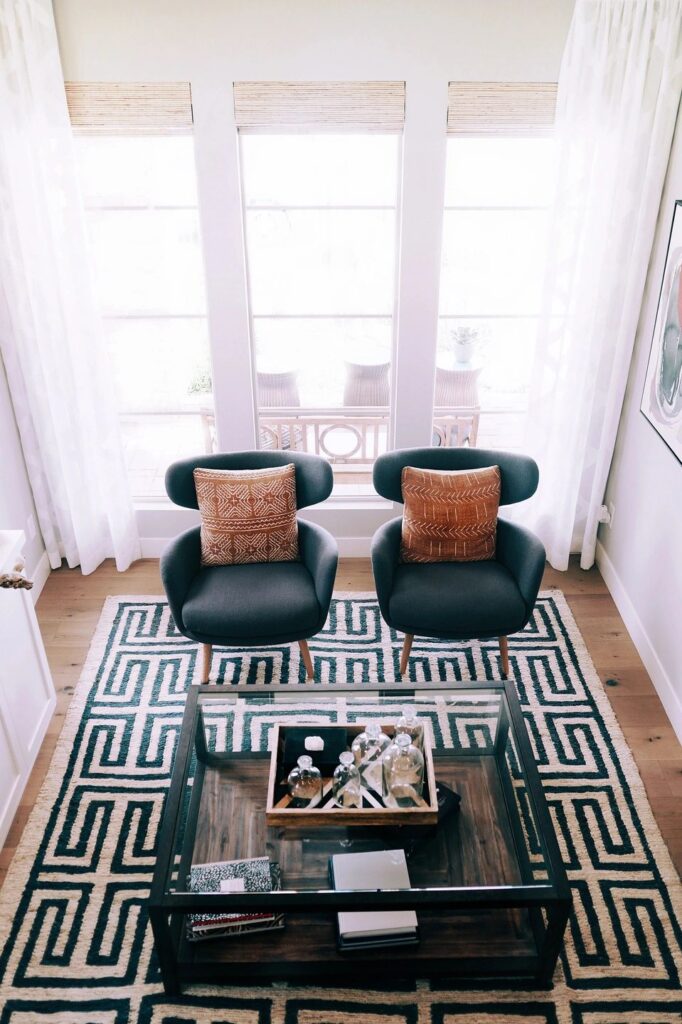
A beautiful home is not measured by its size or its price tag. It is measured by how it makes people feel. A welcoming home offers comfort, peace, and a place where family and friends enjoy spending time together.
Simple touches can make a remarkable difference. Fresh flowers, comfortable cushions, family photographs, soft lighting, and tidy spaces all help create a warm atmosphere. Adding personal items collected through travel or gifted by loved ones gives every room its own character.
Home should also be a place where people can relax after busy days. Creating quiet corners for reading, enjoying music, or simply sitting with a cup of tea helps reduce stress and encourages balance.
The most memorable homes are rarely the most luxurious. They are the ones filled with laughter, kindness, and genuine hospitality. When people leave your home feeling happier than when they arrived, you have created something truly special.
4. BUSINESS – The Value of Excellent Customer Service
Every successful business has one thing in common: it understands the importance of looking after its customers. Products and services may attract attention, but excellent customer service encourages people to return again and again.
Good customer service begins with listening. Understanding what customers need allows businesses to provide solutions that build trust and confidence. Friendly communication, honesty, and reliability all contribute to positive experiences.
Businesses that respond quickly to questions and resolve problems professionally often develop loyal customers who recommend them to others. Word-of-mouth remains one of the most powerful forms of marketing.
Technology continues to change the way businesses operate, but genuine human connection remains invaluable. People remember how they were treated long after they have forgotten the details of a transaction.
Excellent customer service is not simply a business strategy—it is a commitment to treating every customer with respect and appreciation.
5. TRAVEL – Discovering the Charm of Market Towns
While many travellers head for famous cities and popular resorts, market towns offer a slower and often more rewarding travel experience. Rich in history and local character, these towns provide visitors with the chance to experience authentic culture at a relaxed pace.
Weekly markets are often the heart of these communities, offering fresh produce, handmade crafts, artisan foods, and locally produced goods. Visitors can meet local traders, sample regional delicacies, and learn more about the area’s traditions.
Many market towns are also home to beautiful architecture, independent shops, charming cafés, and scenic walking routes. Their smaller size encourages exploration on foot, allowing visitors to discover hidden streets and unexpected treasures.
Travelling to market towns also supports local businesses and helps preserve traditional communities. Instead of rushing from attraction to attraction, visitors are encouraged to slow down, appreciate their surroundings, and enjoy meaningful experiences.
Sometimes the most memorable journeys are found not in the busiest destinations, but in the quiet places where history, hospitality, and community come together.
For many people, owning a home represents far more than bricks and mortar. It symbolises security, stability, and the opportunity to create lasting memories. While real estate remains one of the world’s most valuable investments, its greatest returns are often measured in moments rather than money.
A home provides a place where families grow, traditions are created, and life’s milestones are celebrated. Whether it’s purchasing a first property, upgrading to accommodate a growing family, or downsizing for a simpler lifestyle, every home tells a unique story.
From a financial perspective, property ownership can offer long-term benefits when approached thoughtfully. Building equity over time may contribute to financial security, while carefully maintaining a property can help preserve its value for future generations. However, purchasing a home should always involve careful planning, realistic budgeting, and consideration of both present and future needs.
Real estate is also evolving to reflect changing lifestyles. Buyers are increasingly prioritising energy efficiency, flexible living spaces, and locations that support healthier work-life balance. Communities that provide convenience, green spaces, and accessibility continue to attract growing interest.
Ultimately, a home is much more than an address or an investment portfolio. It is where life unfolds each day. The true value of real estate lies not only in what we own, but in the sense of comfort, belonging, and possibility that a place to call home can provide.
There is something magical about the aroma of freshly baked bread, biscuits, or cakes filling a home. Home baking is more than simply preparing food—it is an experience that brings comfort, creativity, and connection. In today’s fast-paced world, taking time to bake reminds us to slow down and appreciate life’s simple pleasures.
Baking allows us to become more intentional about the ingredients we use while creating opportunities to share meaningful moments with family and friends. Children learn valuable skills when they participate in measuring ingredients or decorating homemade treats, creating memories that often last a lifetime.
Home baking doesn’t need to be complicated. A simple loaf of bread, banana muffins, or homemade scones can become treasured family favourites. The satisfaction of creating something delicious from scratch is difficult to replace.
Beyond nourishment, baking has a remarkable way of bringing people together. A homemade cake shared over conversation often creates moments that are remembered long after the final slice has been enjoyed.
Sometimes, happiness can be found in the simplest things—a warm kitchen, familiar recipes, and food prepared with love.
HEALTH – Staying Healthy During Busy Seasons
Life naturally includes busy seasons filled with responsibilities, deadlines, and unexpected demands. Unfortunately, our health is often the first thing we neglect when time feels limited. Yet, maintaining healthy habits during busy periods may be more important than ever.
Simple choices can make meaningful differences. Drinking sufficient water throughout the day, preparing balanced meals, prioritising adequate sleep, and finding opportunities for movement all contribute to better physical and emotional well-being.
Equally important is recognising when we need rest. Many people mistakenly view rest as something that must be earned. In reality, it is an essential component of maintaining good health and preventing exhaustion.
Health should not become another source of pressure or perfectionism. Instead, it should be approached with consistency and compassion. Small habits practised regularly are often more sustainable than ambitious routines that quickly become overwhelming.
Looking after yourself during life’s busiest moments is not selfish—it is necessary. Your health deserves attention in every season of life.
WELLNESS – Choosing Gratitude Every Day
Gratitude has the remarkable ability to transform ordinary moments into meaningful experiences. While life will always present challenges, intentionally recognising what is good and beautiful within our daily lives contributes positively to emotional well-being.
Practising gratitude does not require us to ignore difficulties or pretend that life is perfect. Rather, it encourages us to acknowledge both challenges and blessings simultaneously. A warm meal, supportive friendships, or simply watching the sunrise can become meaningful reminders of life’s quiet gifts.
Keeping a gratitude journal, expressing appreciation more often, or pausing each day to reflect upon positive experiences are simple practices that encourage mindfulness and joy.
Gratitude also strengthens our relationships. People flourish when they feel appreciated, and sincere words of thanks often leave lasting impressions.
Perhaps happiness is not found exclusively through acquiring more but through appreciating what we already have. Learning to recognise life’s small blessings may become one of the greatest gifts we offer ourselves.
CAREER – The Importance of Professional Growth
Professional growth is not limited to promotions or impressive job titles. It often begins quietly through our commitment to learning, improving, and contributing positively wherever we find ourselves.
Remaining teachable is one of the most valuable qualities we can develop throughout our careers. Industries evolve continuously, creating opportunities to acquire new skills and perspectives. Those who remain curious and adaptable are often best prepared for future opportunities.
Professional growth also includes developing emotional intelligence, strengthening communication skills, and learning to collaborate effectively with others. Success is rarely achieved alone, making kindness and integrity equally valuable professional qualities.
Remember that meaningful careers are built gradually. Every conversation, challenge, and experience contributes something valuable to our professional journeys.
Growth rarely happens overnight. Instead, it is cultivated through countless small decisions to continue learning, improving, and embracing opportunities with confidence and humility.
FINANCE – Building Financial Peace of Mind
Financial well-being extends beyond numbers in a bank account. It includes feeling prepared, confident, and secure when making decisions about money. Financial peace of mind develops gradually through thoughtful planning and consistent habits.
Creating achievable financial goals is often an excellent place to begin. Saving regularly, living within your means, and preparing for unexpected expenses all contribute positively to long-term financial stability.
Equally important is developing healthy attitudes towards money. Financial success should never be measured exclusively through comparison with others. Every individual’s circumstances and priorities are unique.
Learning to appreciate progress, however modest it may seem, encourages greater financial confidence and reduces unnecessary stress. Small achievements deserve celebration because they often become the foundation for larger accomplishments.
Financial peace of mind is not necessarily about having everything—it is about feeling prepared for whatever life may bring.
EDUCATION – Learning Through Everyday Experiences
Education surrounds us every single day. While classrooms and qualifications remain important, many of life’s greatest lessons arrive unexpectedly through experiences, conversations, and curiosity.
Learning occurs whenever we develop new skills, explore unfamiliar ideas, or approach challenges with open minds. Reading books, attending community events, travelling, and listening thoughtfully to others all contribute to lifelong education.
Remaining curious encourages adaptability and creativity throughout our lives. Rather than fearing what we do not yet know, we can choose to embrace learning as an enjoyable and ongoing adventure.
Perhaps the greatest benefit of lifelong learning is recognising that growth never truly ends. Every day presents opportunities to become more knowledgeable, compassionate, and capable individuals.
Education is not something we complete—it is something we continue to experience with enthusiasm and curiosity throughout our lives.
TRAVEL – Finding Beauty in Slow Journeys
Travel offers opportunities to discover remarkable places and unforgettable experiences. Yet, some of the most meaningful journeys happen when we intentionally slow down and appreciate where we are.
Rather than rushing from one attraction to another, slow travel encourages us to immerse ourselves more fully within our surroundings. Visiting local markets, enjoying traditional cuisine, and exploring destinations on foot often creates richer and more memorable experiences.
Travelling slowly also provides valuable opportunities for reflection and rest. Watching a sunset beside the sea or enjoying meaningful conversations with local residents reminds us that travel is about much more than photographs and itineraries.
Sometimes, the greatest discoveries are not found within guidebooks but within the unexpected moments that unfold naturally when we allow ourselves sufficient time to appreciate them.
Travel becomes most meaningful when it changes not only where we have been but also how we choose to see the world.
FASHION – Investing in Timeless Pieces
Fashion trends may come and go, but timeless style continues to endure beautifully across generations. Investing in versatile, well-made clothing allows us to create wardrobes that remain elegant regardless of changing fashions.
Classic garments provide remarkable flexibility while encouraging more thoughtful purchasing decisions. Quality fabrics, flattering silhouettes, and comfortable designs often become treasured favourites worn repeatedly throughout the years.
Developing personal style begins with understanding what makes us feel confident and comfortable. Fashion should enhance our individuality rather than pressure us to constantly follow trends.
Ultimately, style is less about what we wear and more about how authentically we choose to express ourselves each day.
HOME & LIVING – Bringing Nature Indoors
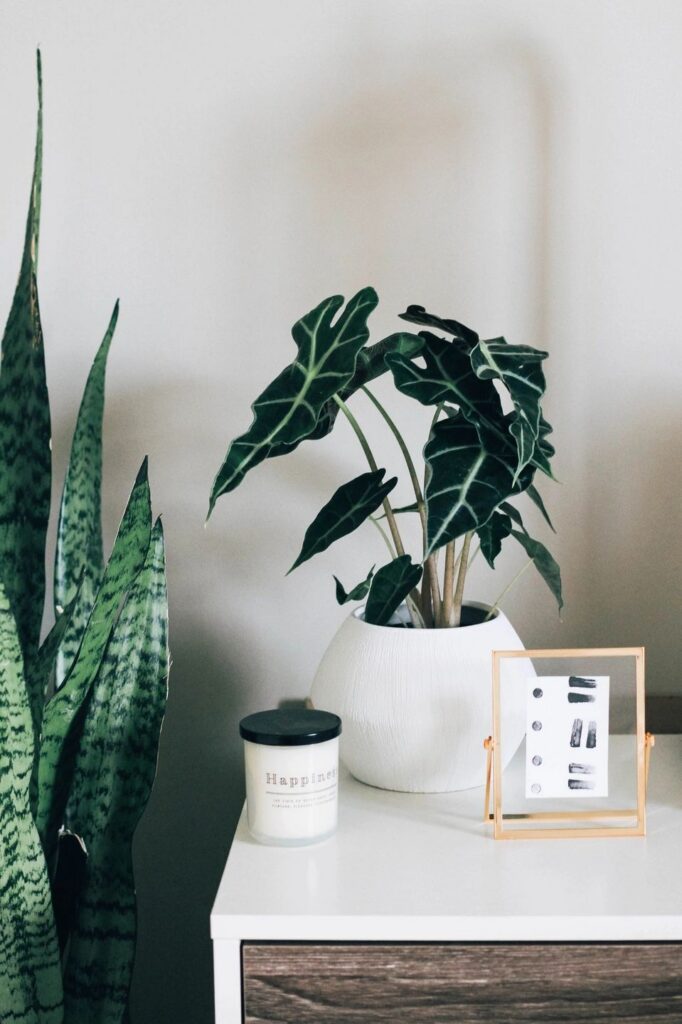
Nature possesses a remarkable ability to create feelings of calm and comfort within our homes. Introducing natural elements into our living spaces encourages both relaxation and creativity throughout our daily routines.
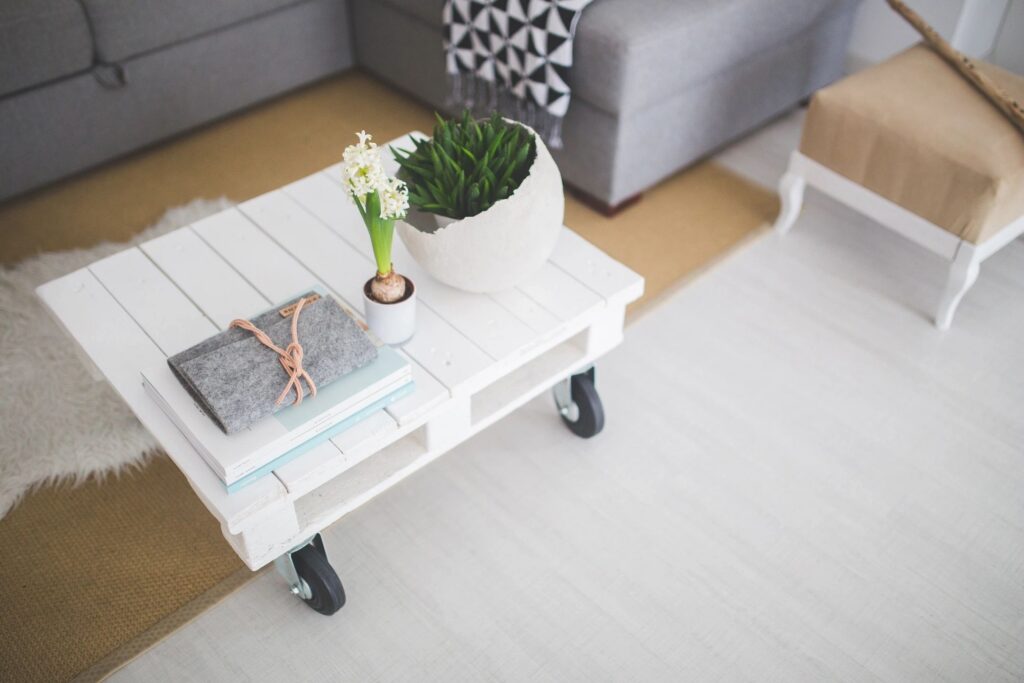
Fresh flowers, indoor plants, natural materials, and abundant sunlight can significantly influence how welcoming and peaceful our homes feel. Even small additions often create meaningful transformations.
Creating beautiful spaces need not require extensive renovations or expensive furnishings. Sometimes, opening a window to welcome fresh air or creating a quiet reading corner becomes enough to transform an ordinary room into something truly restorative.
Our homes should nurture us emotionally as well as physically. Bringing nature indoors gently reminds us to slow down, breathe deeply, and appreciate life’s quieter moments.
The most beautiful homes are often those that make us feel entirely at peace simply by walking through the door.
RELATIONSHIPS – The Value of Keeping in Touch
Life becomes increasingly busy as responsibilities multiply, making it easy to unintentionally lose touch with people we care deeply about. Yet meaningful relationships flourish when they are nurtured consistently over time.
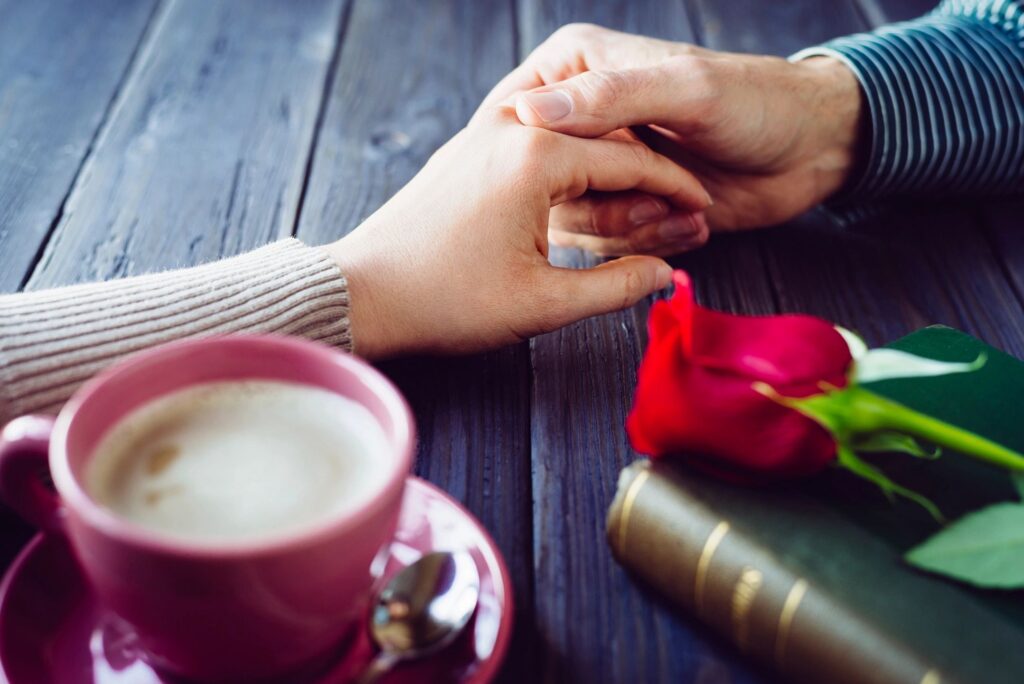
A thoughtful message, an unexpected telephone call, or making time for coffee together may seem like small gestures, but they often mean far more than we realise. Relationships are strengthened through countless ordinary moments of kindness and connection.
Maintaining meaningful friendships and family relationships requires intention. People deserve to know they are remembered, appreciated, and valued beyond life’s busiest seasons.
Never underestimate how much joy your kindness may bring to someone else’s day. Sometimes, reaching out requires only a few moments of your time while creating memories that endure for years.
The greatest investment we will ever make remains the time and love we share with others.
FRANKLY SPEAKING WITH FRANCA – “I Feel Left Behind”
Dear Franca,
Sometimes I feel as though everyone else is moving forward while I’m standing still. Friends are achieving exciting things, and I can’t help wondering whether I’m falling behind in life.
Franca Says:
The first thing I would like you to remember is this—you are not late. Life was never intended to be experienced according to someone else’s timetable. Comparison quietly convinces us that there is only one acceptable timeline for success, happiness, or fulfilment. There isn’t.
Some people achieve their dreams early in life, while others discover entirely new passions decades later. Neither journey is more valuable than the other. What matters most is whether you are continuing to grow in ways that feel meaningful to you.
Please stop measuring your progress using someone else’s milestones. Your experiences, challenges, and opportunities are uniquely your own. Life is not a race with a single finish line—it is a collection of moments that shape who we become.
Be patient with yourself. Continue learning, showing kindness, and embracing opportunities as they arise. The path before you belongs to no one else.
You are not falling behind. You are simply becoming who you were always meant to be—one beautiful step at a time.
In many households, breakfast has become a hurried affair. A quick cup of coffee, a slice of toast eaten on the move, or skipping the meal altogether has become increasingly common. Yet, breakfast offers more than nourishment—it presents an opportunity to begin the day with connection and intention.
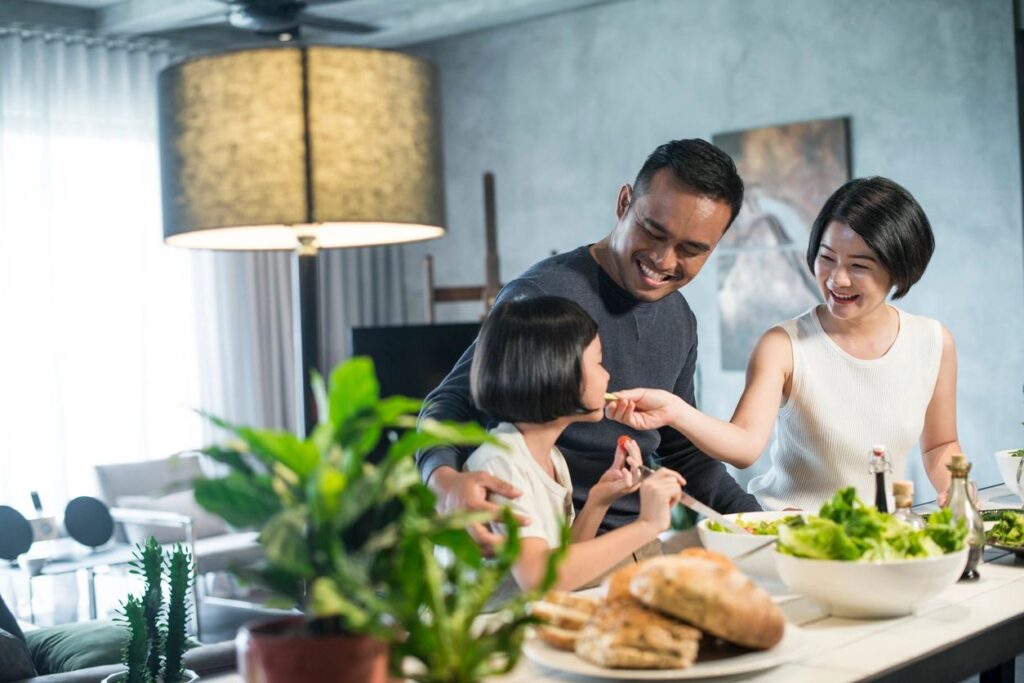
Sharing breakfast with family members, even a few times a week, encourages meaningful conversations before the demands of the day take over. It can be as simple as fresh fruit, porridge, eggs on toast, or homemade pancakes enjoyed together around the table.
Nutritionists have long emphasised the importance of starting the day with balanced meals that provide sustained energy. Including protein, fibre, and healthy fats can support concentration and help maintain energy levels throughout the morning.
More importantly, family breakfasts create moments that become cherished memories. Children remember conversations shared around the table far longer than we often realise.
Life will always feel busy, but making time for one meal together can strengthen both our health and our relationships. Sometimes, the best way to begin the day is simply by beginning it together.
HEALTH – Walking Your Way to Better Health
Walking remains one of the most accessible and beneficial forms of physical activity available to us. It requires no expensive equipment or gym membership, yet it offers remarkable benefits for both physical and mental well-being.
A daily walk may help improve cardiovascular health, strengthen muscles, support healthy weight management, and contribute positively to mood. Spending time outdoors also provides valuable opportunities to disconnect from technology and reconnect with our surroundings.
Walking can easily become part of everyday life. Choosing the stairs, taking a short stroll after meals, or parking slightly further from your destination are simple ways to increase daily movement.
Equally important are the mental health benefits. Walking often provides space for reflection, creativity, and emotional restoration. Many people discover that their best ideas arrive during a quiet walk rather than while sitting at a desk.
Health does not always require dramatic changes. Sometimes, lasting improvements begin with the simple decision to put one foot in front of the other.
WELLNESS – Learning the Art of Being Present
How often do we find ourselves physically present but mentally elsewhere? We think about tomorrow’s responsibilities while rushing through today’s experiences. Wellness invites us to rediscover the art of being present.
Being present means paying attention to the moment we are currently living. It may involve appreciating the aroma of freshly brewed coffee, listening attentively during conversations, or noticing the beauty of a sunset we might otherwise overlook.
Mindfulness need not be complicated or time-consuming. Taking a few moments each day to pause, breathe deeply, and observe our surroundings can create meaningful improvements in emotional well-being.
Modern life constantly competes for our attention. Choosing to become more present allows us to experience life more fully and appreciate moments that might otherwise pass unnoticed.
The present moment is where life happens. Yesterday has already passed, and tomorrow has yet to arrive. Learning to appreciate today may be one of the greatest gifts we can offer ourselves.
CAREER – Becoming Known for Excellence
Professional success is rarely determined by talent alone. More often, it is built through consistency, reliability, and a commitment to excellence in both large and small responsibilities.
Excellence does not require perfection. Rather, it involves approaching our work with care, integrity, and a willingness to continually improve. Arriving prepared, communicating respectfully, and maintaining high standards all contribute to professional growth.
Being known for excellence often opens unexpected opportunities. Employers and colleagues value individuals who demonstrate both competence and character, understanding that positive workplace cultures are built through meaningful contributions from every team member.
Professional reputations develop gradually through countless everyday interactions. Small actions performed consistently often become the foundation upon which successful careers are built.
Success is not always about accomplishing extraordinary things. Sometimes, it is simply about doing ordinary things extraordinarily well.
FINANCE – The Freedom of Living Within Your Means
Financial freedom is frequently misunderstood as having unlimited resources. In reality, it often begins with something much simpler—learning to live comfortably within our means.
Living within our means encourages intentional spending and reduces unnecessary financial stress. It allows us to prioritise our goals while developing healthier relationships with money.
Budgeting should never feel restrictive. Instead, it provides clarity by helping us understand where our money goes and whether our spending reflects what matters most to us. Saving regularly, avoiding impulse purchases, and planning thoughtfully all contribute to greater financial confidence.
Financial contentment is not determined by comparison with others. True freedom comes from feeling secure, prepared, and confident in the decisions we make regarding our finances.
The greatest financial luxury may not be having more—it may simply be needing less.
EDUCATION – The Lifelong Gift of Curiosity
Curiosity remains one of our greatest educational companions. It encourages us to continue asking questions, exploring unfamiliar ideas, and embracing opportunities for growth throughout our lives.
Learning should never feel limited by age or circumstance. Every experience offers lessons worth discovering if we remain open to them. Whether through books, conversations, documentaries, or practical experiences, education surrounds us daily.
Curious individuals often approach challenges differently. Rather than fearing uncertainty, they view it as an invitation to learn something new. This mindset contributes positively to both personal and professional development.
The world continues to change in remarkable ways. Remaining curious allows us to adapt, grow, and appreciate the extraordinary opportunities that lifelong learning provides.
Education is not something we complete—it is something we continue to experience every day.
TRAVEL – The Joy of Returning to Favourite Places
While discovering new destinations is exciting, there is something equally special about returning to places we already love. Familiar cafés, favourite walking paths, and treasured holiday destinations often welcome us like old friends.
Returning allows us to experience places differently. We notice details previously overlooked and create new memories while appreciating those we already cherish. Familiar destinations also offer comfort and a sense of belonging that first-time travel cannot always provide.
Travel is not exclusively about discovering somewhere new—it is equally about rediscovering what continues to inspire us. Sometimes, returning becomes its own beautiful adventure.
Favourite places often become part of our personal stories. Revisiting them reminds us not only of where we have been but also of how much we have grown along the way.
FASHION – Dressing for Comfort and Confidence
Fashion should never require us to choose between comfort and confidence. The most elegant styles are often those that allow us to feel entirely ourselves.
Comfortable clothing encourages confidence because it allows us to focus less on what we are wearing and more on fully engaging with the experiences before us. Timeless garments, thoughtful tailoring, and fabrics we genuinely enjoy wearing remain wonderful investments.
Personal style should celebrate individuality rather than imitate trends. Fashion becomes most meaningful when it reflects both who we are and how we wish to feel.
Confidence has always been fashion’s most beautiful accessory. When we feel comfortable in our choices, it naturally influences how we present ourselves to the world.
HOME & LIVING – Creating a Peaceful Evening Routine
The way we end our days significantly influences how we begin the next. Creating peaceful evening routines allows both the body and mind to prepare for restorative rest.
Simple habits such as reading, enjoying herbal tea, reducing screen time, or preparing thoughtfully for the following day can contribute positively to overall well-being. Evening routines need not be elaborate to be effective.
Our homes should offer opportunities to slow down and reconnect with ourselves after busy days. Creating moments of calm within our daily routines supports both physical and emotional wellness.
Perhaps peace is not something we discover occasionally but something we intentionally create every evening.
RELATIONSHIPS – Never Underestimate a Kind Word
Kind words possess remarkable power. A sincere compliment, an encouraging message, or a simple expression of gratitude can positively influence someone’s entire day.
We often underestimate how meaningful our words may become to others. Offering encouragement costs nothing, yet its impact can endure far longer than we realise. Relationships flourish when kindness becomes part of our everyday conversations.
Speaking kindly also encourages us to become more attentive and compassionate individuals. It reminds us that meaningful connections are strengthened not only through significant gestures but also through countless small moments of care.
Never assume that people already know how much they are appreciated. Sometimes, they need to hear it.
FRANKLY SPEAKING WITH FRANCA – “Why Do I Feel Guilty When I Rest?”
Dear Franca,
Whenever I take time to rest, I feel guilty because I think I should be doing something productive. How do I stop feeling this way?
Franca Says:
Somewhere along the way, many of us began believing that our worth is measured by how busy we are. We feel guilty when we rest because we’ve convinced ourselves that productivity is more valuable than peace.
The truth is quite different. Rest is not the reward we receive after becoming exhausted—it is an essential part of remaining physically, emotionally, and mentally healthy. Even nature understands the importance of seasons of rest.
You would never expect your mobile phone to function indefinitely without recharging. Why should you expect more from yourself?
Please stop apologising for taking care of your well-being. Rest allows you to return to your responsibilities with greater clarity, energy, and patience.
You are not lazy because you need rest. You are human. Sometimes, the most productive thing you can do is simply allow yourself permission to pause.
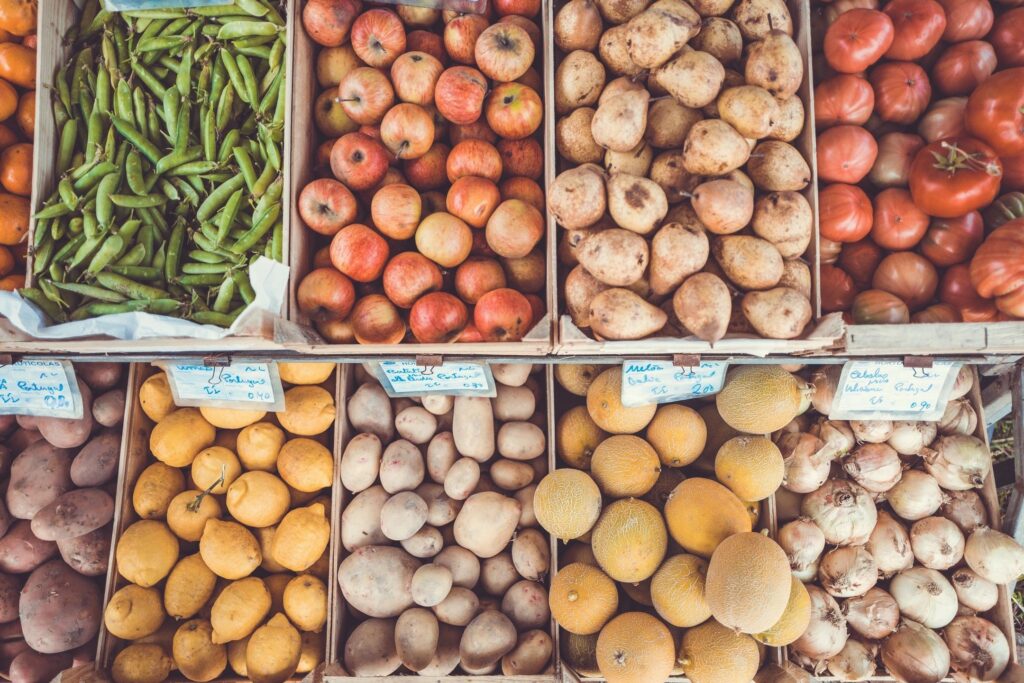
There is something wonderfully satisfying about eating foods that are naturally in season. Seasonal produce not only tastes better but often provides greater freshness, variety, and value. From sweet summer berries to hearty winter vegetables, every season offers its own unique flavours and culinary inspiration.
Eating seasonally encourages us to become more creative in the kitchen.
Instead of preparing the same meals throughout the year, we learn to appreciate the changing colours, textures, and tastes that nature provides. Seasonal cooking also invites us to support local growers and discover ingredients we may otherwise overlook.
Simple dishes often become extraordinary when made with fresh, seasonal ingredients. A homemade vegetable soup in autumn or a colourful fruit salad in summer celebrates the beauty of natural produce without unnecessary complexity.
Food has always reflected the rhythms of nature. By embracing seasonal cooking, we not only enjoy delicious meals but also reconnect with traditions that remind us to appreciate what each season has to offer. Sometimes, the freshest ingredients create the most memorable meals.
HEALTH – Making Sleep a Priority
Sleep is one of the most important pillars of good health, yet it is often the first thing we sacrifice when life becomes busy. Quality sleep supports our physical health, emotional well-being, concentration, and energy levels throughout the day.
Developing healthy sleep habits can make a meaningful difference to how we feel. Maintaining a consistent bedtime routine, limiting screen time before sleep, and creating a calm sleeping environment may all contribute to better rest.
Many people underestimate the impact that sleep has on their daily lives. Feeling refreshed in the morning influences productivity, mood, and our ability to manage everyday challenges more effectively.
Looking after your health doesn’t always require dramatic changes. Sometimes, simply allowing yourself adequate rest is one of the kindest things you can do for your body and mind.
Good health is built through everyday choices, and sleep deserves to be recognised as one of the most valuable investments we can make in our overall well-being.
WELLNESS – Learning to Celebrate Small Victories
Life is often measured through significant milestones—graduations, promotions, and major achievements. Yet many of our greatest accomplishments happen quietly through small victories that deserve equal celebration.
Getting through a difficult week, developing healthier habits, or simply finding the courage to begin again are achievements worth acknowledging. Wellness is not about perfection; it is about recognising progress in all its forms.
Celebrating small victories helps us develop gratitude and resilience.
Rather than focusing exclusively on how far we still have to go, we learn to appreciate how much we have already accomplished.
Taking time to recognise our efforts can also improve motivation and encourage consistency. Every meaningful goal is ultimately achieved through a series of small, intentional steps.
Life becomes more joyful when we allow ourselves to celebrate the ordinary moments that contribute to extraordinary growth. Never underestimate the significance of small victories—they are often the foundation upon which larger successes are built.
FRANKLY SPEAKING WITH FRANCA – “I’m Struggling to Find Balance”
Dear Franca,
Life feels busier than ever. Between work, family responsibilities, and trying to make time for myself, I constantly feel as though I’m falling behind. How do I find balance without feeling guilty?
Franca Says:
First, please stop expecting yourself to do everything perfectly. Balance isn’t about giving equal time and energy to every part of life every single day. It’s about learning to make thoughtful choices that reflect what matters most in each season of your life.
There will be days when work requires more of your attention and others when family or personal well-being must take priority. That isn’t failure—it’s reality.
Most importantly, stop feeling guilty about taking care of yourself. Rest is not something that must be earned. Looking after your physical and emotional well-being allows you to show up more fully for the people and responsibilities you care about.
Give yourself permission to pause occasionally. Life is not a race to be completed as quickly as possible. It is something to be experienced, appreciated, and enjoyed.
Balance begins not when everything becomes perfectly organised but when we learn to treat ourselves with the same kindness we so willingly offer to others.
FOOD – Why Traditional Recipes Never Go Out of Style
There is something timeless about traditional recipes. Whether they are passed down from grandparents or discovered in treasured cookbooks, these dishes carry stories that connect generations. Traditional cooking reminds us that food is more than nourishment—it is culture, history, and shared experience.
Many traditional recipes use simple, wholesome ingredients that are both affordable and satisfying. Slow-cooked stews, homemade breads, and family favourites often require patience rather than complicated techniques. Their greatest ingredient is often the love and care that goes into preparing them.
Preserving traditional recipes also allows younger generations to appreciate their heritage. Teaching children and grandchildren how to prepare family meals creates memories that can last a lifetime.
As food trends continue to change, traditional cooking remains wonderfully relevant. It encourages us to slow down, gather around the table, and appreciate the comfort of familiar flavours. Some recipes never go out of style because they nourish not only our bodies but also our sense of belonging.
HEALTH – The Importance of Healthy Ageing
Growing older is a privilege that should be embraced with optimism and intention. Healthy ageing is not about avoiding the passing of time—it is about maintaining quality of life as we move through different stages of it.
Simple daily habits can make a significant difference. Regular movement, balanced meals, adequate sleep, and maintaining social connections all contribute to overall well-being. Mental stimulation through reading, learning new skills, and engaging in meaningful conversations also supports healthy ageing.
Equally important is maintaining a positive outlook. Age should never become a limitation on curiosity or personal growth. Many people discover new passions and opportunities later in life.
Healthy ageing reminds us that wellness is a lifelong journey rather than a destination. Looking after ourselves today allows us to enjoy tomorrow more fully.
Growing older gracefully isn’t about counting the years—it’s about making every year count.
WELLNESS – Finding Happiness in Simple Pleasures
Modern life often encourages us to pursue bigger achievements, busier schedules, and endless goals. Yet happiness frequently arrives through life’s simplest pleasures.
A warm cup of tea on a rainy afternoon, the laughter of loved ones, a favourite song playing unexpectedly, or the quiet satisfaction of completing a small task can bring genuine joy. Learning to appreciate these moments allows us to experience life more fully.
Practising gratitude helps us recognise the abundance th
at already exists within our daily lives. Rather than waiting for extraordinary events, we can begin to notice the beauty of ordinary moments.
Wellness isn’t found exclusively in retreats or expensive experiences. It often begins with paying attention to the small things that make life meaningful.
Sometimes, the happiest days are not the busiest or most exciting—they are simply the ones we are fully present enough to appreciate.
CAREER – Why Kindness Is a Professional Strength
Kindness is sometimes underestimated in professional environments, yet it remains one of the most valuable qualities we can bring to the
workplace. Treating colleagues with respect, offering encouragement, and demonstrating patience contribute to stronger teams and healthier working relationships.
Professional success involves much more than technical expertise.
Emotional intelligence, effective communication, and compassion often determine how successfully we collaborate with others. Kindness creates environments where people feel valued and motivated to contribute their best work.
Simple actions such as acknowledging someone’s efforts or offering support during challenging times can leave lasting impressions.
Kindness should never be mistaken for weakness. In reality, it requires confidence, empathy, and integrity. Choosing kindness consistently benefits not only those around us but also contributes to our own sense of professional fulfilment.
Successful careers are built not only on what we achieve but also on how we make others feel along the way.
FINANCE – The Financial Benefits of Planning Ahead
Planning ahead remains one of the most effective ways to reduce financial stress. Whether preparing for expected expenses or creating an emergency fund, thoughtful financial planning provides both confidence and flexibility.
Many financial goals begin with modest steps. Saving regularly, reviewing monthly expenses, and avoiding unnecessary purchases can create meaningful progress over time. Financial planning isn’t about restricting enjoyment—it’s about making intentional decisions that support our priorities.
Unexpected situations are often easier to manage when we have prepared for them. Planning ahead provides reassurance and allows us to approach financial challenges more calmly.
Financial well-being is rarely achieved overnight. It is usually the result of consistency, patience, and thoughtful decision-making. Small actions practised regularly often become significant achievements in the years ahead.
EDUCATION – Why Reading Widens Our World
Books have an extraordinary ability to transport us beyond our immediate surroundings. Through reading, we encounter new ideas, cultures, and perspectives that expand our understanding of both ourselves and others.
Reading develops critical thinking skills and encourages curiosity throughout life. Whether exploring history, science, biographies, or fiction, every book presents an opportunity to learn something valuable.
Making time to read regularly also provides a welcome opportunity to slow down and focus. In a world filled with constant distractions, reading encourages deeper engagement with ideas and stories.
Education extends far beyond formal qualifications. Remaining curious allows us to continue growing regardless of our age or profession. Every page turned becomes another opportunity to discover something new.
Learning remains one of life’s greatest adventures, and books continue to be among its most faithful companions.
TRAVEL – Discovering the Beauty of Coastal Towns
Coastal towns possess a charm that continues to captivate travellers around the world. The sound of waves, the scent of sea air, and the relaxed pace of life create experiences that feel wonderfully restorative.
Whether enjoying fresh local cuisine, exploring historic harbours, or taking leisurely walks along the shoreline, coastal destinations invite visitors to slow down and appreciate their surroundings.
Travelling need not always involve distant destinations. Sometimes, nearby coastal communities offer remarkable beauty and memorable experiences waiting to be discovered.
Beyond their scenic appeal, coastal towns remind us of the simple pleasures of travel—the joy of watching a sunset, sharing a meal with loved ones, or discovering a hidden café overlooking the sea.
The most meaningful journeys are often those that allow us to return home feeling refreshed, inspired, and grateful.
FASHION – The Return of Timeless Elegance
Fashion trends come and go, but timeless elegance continues to endure. Increasingly, people are embracing classic styles that prioritise quality, comfort, and versatility over rapidly changing fashions.
A thoughtfully chosen wardrobe need not be extensive to be stylish. Well-tailored clothing, neutral colours, and timeless accessories provide countless possibilities for creating elegant looks suitable for every occasion.
Timeless fashion also encourages more sustainable choices by promoting quality over quantity. Investing in garments designed to last benefits both our wardrobes and the environment.
Ultimately, style is deeply personal. The most fashionable individuals are rarely those following every trend—they are those who wear their choices with confidence and authenticity.
True elegance never goes out of fashion.
HOME & LIVING – Bringing More Gratitude into Your Home
Our homes become more meaningful when they reflect gratitude rather than perfection. Creating welcoming spaces isn’t about achieving magazine-worthy interiors—it’s about celebrating the people, memories, and experiences that make a house feel like home.
Displaying treasured photographs, preparing favourite family recipes, or simply enjoying meaningful conversations around the dining table contributes to a home’s unique character.
Practising gratitude within our homes encourages us to appreciate what we already have rather than focusing exclusively on what we believe is missing.
Home should be a place where we feel comfortable enough to rest, laugh, learn, and simply be ourselves. The most beautiful homes are often those filled with warmth, kindness, and joyful memories.
Sometimes, gratitude is the most beautiful decoration of all.
RELATIONSHIPS – Making Time for Meaningful Conversations
Strong relationships are built through meaningful conversations. While daily responsibilities may leave us busy, making time to genuinely connect with others remains one of life’s greatest investments.
Meaningful conversations don’t require extraordinary occasions. Asking thoughtful questions, listening attentively, and sharing both joys and challenges create opportunities for deeper understanding.
Technology has undoubtedly improved communication, yet it cannot replace the value of spending uninterrupted time with those we care about. Relationships flourish when people feel heard, appreciated, and understood.
The conversations we have today often become the memories we cherish tomorrow. Choosing to be present may be one of the greatest gifts we can offer the people we love.
FRANKLY SPEAKING WITH FRANCA – “How Do I Become More Confident?”
Dear Franca,
I admire people who appear naturally confident, but I’ve struggled with self-doubt for most of my life. Is confidence something we’re born with, or can it be learned?
Franca Says:
Confidence is rarely something people are simply born with. More often, it is developed quietly over time through experience, perseverance, and self-compassion. Even the most confident individuals have moments of uncertainty.
Stop waiting until you feel fearless before trying something new. Confidence usually arrives after we’ve taken the first step—not before. Every small achievement contributes to a stronger belief in our own abilities.
Be kind to yourself when things don’t go perfectly. Confidence grows when we learn that mistakes are opportunities for growth rather than evidence of inadequacy.
Remember that confidence doesn’t mean believing you can do everything perfectly. It means trusting yourself to continue learning, adapting, and moving forward regardless of the outcome.
You are far more capable than you realise. Sometimes, confidence begins simply by believing that you are worthy of trying.
Some of our fondest memories are connected to food—not because of what was on the plate, but because of who was sitting around the table. A simple meal shared with family, friends, or neighbours can become a treasured moment that lasts for years.
Across cultures, food has always brought people together. Celebrations, milestones, and everyday conversations often happen over a meal. Sharing food creates opportunities to slow down, listen, laugh, and reconnect with one another.
In today’s busy world, many of us eat while working, watching television, or rushing from one commitment to another. Making time to share a meal, even once or twice a week, can positively influence our relationships and emotional well-being.
Food nourishes more than our bodies—it nourishes our connections with others. The next time you prepare a meal, remember that the greatest ingredient may not be found in your kitchen cupboard. It may simply be the joy of sharing it with someone else.
HEALTH – Listening to What Your Body Needs
Our bodies communicate with us every day, yet we often ignore the signals they send. Fatigue may be asking for rest. Persistent thirst may be reminding us to stay hydrated. Stress may be encouraging us to slow down and take care of our emotional well-being.
Learning to listen to our bodies is an important part of maintaining good health. Rather than pushing ourselves beyond our limits, we can develop habits that support both physical and mental wellness.
Taking regular breaks, prioritising sleep, eating nourishing foods, and seeking medical advice when necessary are all ways of responding to our body’s needs. Health is not simply the absence of illness—it is the ability to function well and feel balanced in our daily lives.
Your body works tirelessly for you every day. Listening to it with kindness and respect is one of the greatest investments you can make in your long-term well-being.
WELLNESS – The Joy of Starting Again
There are moments in life when we feel discouraged because things haven’t gone according to plan. We may abandon goals, postpone dreams, or become frustrated by setbacks. Yet one of life’s greatest gifts is the opportunity to begin again.
Every sunrise offers a fresh start. Yesterday’s mistakes do not define tomorrow’s possibilities. Starting again doesn’t require perfection—it simply requires willingness.
Wellness is not about never struggling; it is about giving ourselves permission to keep growing. Whether it’s returning to exercise after a long break, rebuilding confidence after disappointment, or learning something entirely new, progress often begins with a single step.
Be gentle with yourself during new beginnings. Growth takes time, and meaningful change rarely happens overnight. Remember that beginning again is not a sign of failure—it’s a sign of hope.
Sometimes, the bravest thing we can do is simply start.
FINANCE – The Wisdom of Financial Patience
In a world that encourages instant gratification, financial patience has become an increasingly valuable skill. Building financial security rarely happens overnight. It is usually the result of small, consistent decisions made over many years.
Patience allows us to save thoughtfully, avoid unnecessary debt, and make purchases that genuinely align with our priorities. Learning to wait before making financial decisions often leads to greater confidence and peace of mind.
Financial goals need not be ambitious to be meaningful. Saving for future opportunities, building an emergency fund, or simply spending more intentionally are all worthwhile achievements.
Remember that financial well-being is not a race. Comparing your progress to others can distract you from celebrating your own accomplishments. Progress remains progress, regardless of how slowly it arrives.
Good financial habits may begin with small choices today, but their benefits often continue for a lifetime.
TRAVEL – The Beauty of Travelling Slowly
Sometimes, the most memorable journeys are the ones that allow us to slow down. Rather than rushing from one destination to another, slow travel invites us to fully appreciate where we are.
Walking through local markets, enjoying traditional cuisine, and speaking with residents often creates richer experiences than simply ticking attractions off an itinerary. Travelling slowly allows us to become participants rather than spectators.
Whether exploring a nearby village or visiting another country, taking time to appreciate the details transforms ordinary moments into treasured memories.
Travel reminds us that life itself is not meant to be rushed. Occasionally, slowing down helps us see more clearly both where we are and who we are becoming.
FASHION – Dressing for the Season You’re In
Fashion is often associated with trends, but perhaps its greatest purpose is helping us feel comfortable and confident in every season of our lives.
Our style naturally evolves as our priorities, careers, and experiences change. What suited us ten years ago may no longer reflect who we are today—and that’s perfectly acceptable.
Rather than chasing every trend, consider building a wardrobe that supports your lifestyle and celebrates your individuality. Comfortable fabrics, timeless pieces, and thoughtful choices never go out of style.
Fashion should complement your life rather than complicate it. The most beautiful thing you can wear will always be confidence.
HOME & LIVING – Creating Traditions at Home
The traditions we create within our homes often become the memories we cherish most deeply. They need not be elaborate or expensive. Sometimes, the simplest routines become the most meaningful.
Sunday lunches, family game nights, evening walks, or reading together before bedtime are traditions that strengthen relationships and create a sense of belonging.
Homes become extraordinary not because of their size or appearance but because of the experiences shared within them. Thoughtful traditions provide comfort during difficult times and joy during life’s celebrations.
The moments we intentionally create today often become tomorrow’s treasured memories.
RELATIONSHIPS – Choosing Words Carefully
Words have tremendous power. They can encourage, comfort, inspire, or unintentionally wound. Choosing our words carefully remains one of the simplest ways to strengthen our relationships.
Speaking kindly does not mean avoiding difficult conversations. Rather, it means approaching them with respect, compassion, and honesty. Sometimes, the difference between criticism and encouragement lies in the words we choose.
We may forget many conversations throughout our lives, but we often remember how people made us feel. A sincere compliment, an apology, or a few words of encouragement can remain with someone for years.
Let your words become something people are grateful to remember.
FRANKLY SPEAKING WITH FRANCA – “I Feel Like I’m Not Good Enough”
Dear Franca,
No matter what I achieve, I always feel like I could have done more. I struggle to appreciate my accomplishments because I constantly focus on what I haven’t achieved yet.
Franca Says:
Many of us become so focused on the next goal that we forget to acknowledge how far we’ve already come. We celebrate for a moment before immediately moving the finish line further away.
Growth is important, but so is gratitude. There is nothing wrong with having ambitions, provided they don’t prevent you from appreciating the present.
Take time to recognise your efforts, not simply your outcomes. You deserve to celebrate the small victories as much as the significant milestones.
You are allowed to be both a work in progress and a person worthy of appreciation today. Those two truths can exist together.
Please don’t spend so much time becoming the person you hope to be that you forget to value the person you already are.
There is something deeply satisfying about preparing a meal from scratch. In an age of convenience foods and busy schedules, taking time to cook can become an act of self-care. From kneading dough for homemade bread to preparing a nourishing pot of soup, cooking allows us to reconnect with the ingredients we eat and the traditions that have been passed down through generations.
Cooking from scratch also gives us greater control over what goes into our meals. Fresh herbs, seasonal vegetables, and quality ingredients can transform simple recipes into memorable dishes. More importantly, home-cooked meals often become opportunities for meaningful conversations around the dining table.
Food is much more than nourishment—it is comfort, creativity, and connection. Sometimes, the most treasured family memories begin in the kitchen.
HEALTH – The Benefits of Taking Regular Health Breaks
Good health isn’t only about exercise and nutrition. Taking regular breaks throughout the day is equally important. Whether you’re working from home or spending long hours in the office, stepping away for a few minutes can help improve focus and reduce feelings of mental fatigue.
Simple habits such as stretching, walking around the room, or practising mindful breathing can make a noticeable difference to your well-being. Regular breaks encourage better posture, reduce stress, and help refresh the mind.
Health is built through consistency rather than perfection. Giving yourself permission to pause isn’t laziness—it’s an investment in your physical and emotional well-being.
WELLNESS – Rediscovering the Joy of Silence
Modern life is filled with constant notifications, conversations, and distractions. Yet silence remains one of the most overlooked forms of wellness. Spending even ten minutes each day in quiet reflection can have a calming effect on both the mind and body.
Silence allows us to process our thoughts, appreciate our surroundings, and reconnect with ourselves. It can be found during an early morning walk, while enjoying a cup of tea, or simply by sitting peacefully without distractions.
Creating moments of stillness reminds us that we do not always need to fill every moment with activity. Sometimes, wellness begins when we simply allow ourselves to be present.
CAREER – Building Confidence Through Preparation
Confidence in the workplace rarely happens by accident—it is often the result of preparation. Whether preparing for a meeting, learning a new skill, or developing professional relationships, investing time in preparation creates opportunities for success.
Confidence does not mean knowing everything. Rather, it is trusting your willingness to learn and adapt when faced with challenges. Asking questions, seeking feedback, and remaining curious are qualities that continue to open professional doors.
Remember that every accomplished professional was once a beginner. Growth happens one lesson, one conversation, and one experience at a time.
FINANCE – Why Saving Is an Act of Self-Care
Saving money is often discussed purely in financial terms, but it can also be viewed as an act of self-care. Having financial security provides peace of mind during both expected and unexpected moments in life.
Saving does not always require dramatic sacrifices. Small, consistent contributions can gradually create meaningful results over time. Setting achievable goals helps transform saving from an obligation into an empowering habit.
Financial well-being is not measured solely by wealth but by feeling prepared, confident, and secure in the choices we make.
TRAVEL – Finding Adventure Close to Home
Adventure doesn’t always require boarding an aeroplane. Sometimes, remarkable experiences can be found much closer than we imagine. Exploring nearby villages, visiting local museums, or discovering hidden walking trails can provide the same sense of excitement as travelling abroad.
Becoming a tourist in your own community encourages curiosity and appreciation for the places we often overlook. Weekend adventures can create lasting memories without extensive planning or expense.
Travel is ultimately about discovery—and sometimes, the most beautiful discoveries happen just around the corner.
FASHION – The Confidence of Simplicity
Fashion does not need to be complicated to make an impression. Often, the simplest styles are the most timeless. Comfortable clothing, thoughtful accessories, and colours that reflect your personality can create effortless elegance.
True style is never determined by labels or trends. It is about wearing what makes you feel confident and comfortable. When you feel good in what you’re wearing, it naturally influences how you carry yourself throughout the day.
Fashion should celebrate individuality rather than conformity. The most beautiful thing you can wear will always be confidence.
HOME & LIVING – Bringing Calm into Your Home
Our homes influence how we feel more than we often realise. Creating peaceful spaces encourages relaxation and promotes emotional well-being. Small touches such as fresh flowers, comfortable lighting, and organised spaces can make a meaningful difference.
A calm home does not need to be perfectly designed. Instead, it should reflect comfort, warmth, and the people who live there. Creating spaces that invite rest and connection allows our homes to become places of genuine restoration.
Home is not simply where we live—it is where we return to ourselves.
RELATIONSHIPS – The Importance of Encouraging Others
Words have extraordinary power. A few sincere words of encouragement can inspire confidence, provide comfort, and remind someone that they are valued. Encouragement strengthens relationships because it demonstrates kindness, attentiveness, and genuine care.
We never truly know the challenges another person may be facing. Offering support, expressing appreciation, or celebrating someone’s achievements can brighten their day more than we realise.
Encouragement costs nothing, yet its impact can last a lifetime.
FRANKLY SPEAKING WITH FRANCA – “How Do I Stop Overthinking?”
Dear Franca,
I spend so much time worrying about decisions that I often end up doing nothing at all. How can I stop overthinking everything?
Franca Says:
Overthinking usually comes from wanting certainty in situations where certainty simply doesn’t exist. We convince ourselves that if we think long enough, we’ll eventually discover the perfect answer. Life, however, rarely works that way.
Instead of asking yourself whether you’ll make the perfect decision, ask whether you’ve gathered enough information to make a thoughtful one. Then trust yourself to move forward.
Remember that mistakes are not evidence of failure—they are evidence that you’re living, learning, and growing. Most decisions can be adjusted if circumstances change.
Don’t allow fear to become your most trusted adviser. Sometimes, peace arrives not when we have all the answers but when we finally give ourselves permission to take the next step.
You are far more capable than your worries would have you believe.
There is something wonderfully satisfying about a meal that has been allowed to develop slowly. Slow cooking is more than a method of preparing food—it is an invitation to pause, savour the process, and appreciate simple ingredients transformed into something extraordinary.
Whether it’s a hearty stew, a fragrant curry, or a nourishing vegetable soup, slow-cooked meals often require little more than time and patience. The gentle cooking process allows flavours to deepen naturally, creating dishes that are both comforting and wholesome.
Slow cooking can also be economical. Less expensive cuts of meat become beautifully tender, while seasonal vegetables release their natural sweetness. It is a reminder that delicious food doesn’t have to be complicated or expensive.
Perhaps the greatest benefit of slow cooking is the way it brings people together. The aroma filling the home creates anticipation long before the meal is served. In a world that celebrates speed and convenience, slow cooking encourages us to rediscover the joy of taking our time.
Sometimes, life’s greatest pleasures arrive slowly—and a home-cooked meal is certainly one of them.
HEALTH – Why Prevention Matters
Good health is one of our greatest blessings, yet it is often appreciated most when it is challenged. Preventive healthcare reminds us that small daily habits can make a significant difference to our long-term well-being.
Regular exercise, balanced nutrition, adequate sleep, and routine health checks are investments in our future selves. Prevention is not about fear—it’s about making thoughtful choices that support a healthier and more active life.
Looking after our health also includes paying attention to our emotional well-being. Managing stress, maintaining meaningful relationships, and allowing ourselves time to rest are equally important aspects of overall wellness.
Many health goals do not require dramatic changes. Walking a little more each day, drinking more water, or choosing healthier meals are simple steps that become powerful when practised consistently.
The choices we make today have the potential to shape tomorrow. Prevention reminds us that caring for ourselves is not a luxury—it is a lifelong commitment worth making.
WELLNESS – Finding Peace in Everyday Moments
We often imagine that happiness arrives through extraordinary experiences, yet many of life’s most meaningful moments are beautifully ordinary. Wellness can be found in everyday rituals—a quiet morning coffee, the sound of rain against the window, or sharing laughter with someone you love.
Modern life can sometimes leave us rushing from one responsibility to another without appreciating the present moment. Learning to pause allows us to reconnect with ourselves and recognise the abundance that already exists within our daily lives.
Mindfulness need not involve complicated practices. It begins by paying attention. Notice the warmth of the sunshine, the comfort of a familiar song, or the kindness of a stranger’s smile.
Finding peace does not require escaping our responsibilities. Rather, it involves approaching life with greater presence and gratitude. Sometimes, slowing down for just a few moments is enough to restore our sense of balance.
Wellness is not something we achieve—it is something we practise every single day.
CAREER – The Confidence to Begin Again
Career journeys are rarely straight paths. Many people change professions, return to education, or discover entirely new passions later in life. Beginning again is not a sign of failure—it is often evidence of courage.
Starting something new can feel intimidating. Questions about age, experience, or uncertainty may create hesitation. Yet every successful career began with someone willing to take the first step.
Professional growth often comes from embracing opportunities that challenge us. Learning new skills, seeking mentorship, or simply remaining curious can open doors we never imagined possible.
The modern workplace continues to evolve, reminding us that adaptability remains one of our greatest strengths. Your next opportunity may not resemble your previous experience—and that’s perfectly acceptable.
Never underestimate the value of starting over. Sometimes, the chapter we are most reluctant to begin becomes the one we are most grateful to have written.
FINANCE – Financial Habits That Build Confidence
Financial confidence isn’t determined solely by how much we earn. More often, it reflects how thoughtfully we manage the resources we already have.
Simple habits such as tracking expenses, planning purchases, and saving consistently can transform our relationship with money. Financial well-being develops gradually through small, intentional choices rather than dramatic changes.
Learning to distinguish between needs and wants also creates greater financial clarity. Delaying impulse purchases often reveals which expenses genuinely align with our priorities.
Financial planning should never feel overwhelming. Starting with modest goals—a monthly savings target or creating an emergency fund—is often enough to build meaningful progress.
Money is ultimately a tool that supports our values and aspirations. Developing healthy financial habits creates greater freedom to pursue the experiences and opportunities that matter most.
FASHION – Dressing with Purpose
Fashion should never feel like a competition. True style begins when we choose clothing that reflects both our personality and our lifestyle.
Rather than following every passing trend, many people are discovering the value of thoughtful wardrobes filled with versatile and timeless pieces. Dressing with purpose encourages confidence, comfort, and sustainability.
Fashion has always been a form of self-expression. The colours we wear, the fabrics we choose, and the details we appreciate quietly communicate something about who we are.
The most stylish people are rarely those wearing the most expensive clothing. More often, they are those who feel comfortable and confident in their own choices.
After all, confidence remains the most timeless accessory of all.
HOME & LIVING – Creating a Home That Welcomes You
Home should be more than simply a place we return to each evening—it should be a place that restores us. Creating a welcoming environment begins not with expensive furniture but with thoughtful details.
Natural light, comfortable spaces, meaningful photographs, and favourite books all contribute to a sense of belonging. Sometimes, small changes can transform how a space feels.
A welcoming home reflects the people who live within it. It celebrates memories while creating opportunities for new ones. Whether shared with family, friends, or enjoyed in peaceful solitude, home should offer comfort and encouragement.
Perhaps the greatest luxury a home can provide is the simple feeling of peace.
FRANKLY SPEAKING WITH FRANCA – “I’m Afraid of Change”
Dear Franca,
I’ve been presented with an opportunity that could change my life, but I’m afraid of making the wrong decision. How do I know when it’s time to embrace change?
Franca Says:
Fear often accompanies meaningful change. If we’re honest, most worthwhile experiences arrive with at least a little uncertainty. Courage isn’t the absence of fear—it’s choosing to move forward despite it.
Rather than asking whether change will be difficult, ask whether remaining exactly where you are will allow you to become the person you hope to be. Growth rarely occurs within the boundaries of complete comfort.
Not every decision will be perfect, and that’s perfectly acceptable. Life isn’t about avoiding mistakes; it’s about learning, adapting, and continuing to move forward with grace.
Trust yourself more than your fears. You have already overcome challenges you once believed impossible. Give yourself permission to embrace new beginnings when they arrive.
Sometimes, the opportunities that frighten us most become the experiences we treasure most deeply.
Have you ever noticed that the most inviting meals are often the most colourful? Nature provides us with a beautiful palette of nutritious foods, from vibrant red peppers and golden mangoes to deep green spinach and purple aubergines. Adding colour to your plate is one of the simplest ways to create balanced and enjoyable meals.
Each colour in fruits and vegetables represents different nutrients that support overall health. Eating a variety of colourful foods encourages diversity in our diets and makes healthy eating more exciting. Preparing colourful meals can also inspire creativity in the kitchen and encourage children to develop healthier eating habits.
Food should nourish both the body and the senses. A colourful plate not only looks beautiful but reminds us that healthy eating can be joyful, delicious, and wonderfully simple.
HEALTH – The Power of Taking Small Steps
Good health is rarely achieved through dramatic changes. Instead, it is often built through small, consistent actions practised every day. Drinking an extra glass of water, choosing to take the stairs, or spending twenty minutes walking can all contribute to better well-being over time.
Many people postpone healthy habits because they feel overwhelmed by ambitious goals. However, meaningful progress often begins with one small step. The key is consistency rather than perfection.
Your health journey belongs to you. Celebrate small achievements and remember that lasting change happens gradually. Sometimes, the smallest choices create the biggest transformations.
WELLNESS – Making Time for Joy
We often schedule meetings, appointments, and responsibilities, yet rarely make time for joy. Wellness includes creating space for activities that make us smile, whether it’s listening to music, gardening, dancing in the kitchen, or spending time with loved ones.
Joy does not need to be expensive or extraordinary. It can be found in life’s simplest moments—a beautiful sunrise, a favourite meal, or an unexpected act of kindness.
Protecting your happiness is just as important as protecting your physical health. Giving yourself permission to enjoy life isn’t selfish; it’s necessary. A joyful life is often built from many small moments appreciated fully.
FINANCE – Building Better Spending Habits
Healthy financial habits begin long before we make major financial decisions. They are built through everyday choices. Asking ourselves whether a purchase aligns with our priorities can help us become more mindful consumers.
Delayed gratification remains one of the most valuable financial skills. Waiting before making non-essential purchases often helps distinguish between what we truly need and what we simply want in the moment.
Financial wellness is not about deprivation—it’s about making intentional choices that support both present enjoyment and future security.
FRANKLY SPEAKING WITH FRANCA – “I’m Always Comparing Myself to Others”
Dear Franca,
I constantly compare my achievements to those of my friends and colleagues. No matter what I accomplish, it never feels like enough. How can I stop comparing myself to others?
Franca Says:
Comparison is one of the quickest ways to steal your joy. We often compare our everyday lives to someone else’s highlight moments without knowing the challenges they may be facing behind the scenes.
Your journey was never meant to look exactly like anyone else’s. Success is deeply personal and cannot be measured by someone else’s timeline. Instead of asking whether you’re doing better than others, ask whether you’re growing into the person you want to become.
Celebrate your own progress, however small it may seem. Life isn’t a competition with those around you—it’s an opportunity to become the very best version of yourself.
Be grateful for where you are while remaining hopeful about where you’re going. Your story matters precisely because it is uniquely yours.
Manage Consent
To provide the best experiences, we use technologies like cookies to store and/or access device information. Consenting to these technologies will allow us to process data such as browsing behavior or unique IDs on this site. Not consenting or withdrawing consent, may adversely affect certain features and functions.
Functional
Always active
The technical storage or access is strictly necessary for the legitimate purpose of enabling the use of a specific service explicitly requested by the subscriber or user, or for the sole purpose of carrying out the transmission of a communication over an electronic communications network.
Preferences
The technical storage or access is necessary for the legitimate purpose of storing preferences that are not requested by the subscriber or user.
Statistics
The technical storage or access that is used exclusively for statistical purposes.The technical storage or access that is used exclusively for anonymous statistical purposes. Without a subpoena, voluntary compliance on the part of your Internet Service Provider, or additional records from a third party, information stored or retrieved for this purpose alone cannot usually be used to identify you.
Marketing
The technical storage or access is required to create user profiles to send advertising, or to track the user on a website or across several websites for similar marketing purposes.