A career can be easier to navigate when you have someone who has already travelled part of the road. That is where a good mentor can make a real difference.
A mentor does not have to be someone who has all the answers. Often, their greatest value comes from sharing experience, asking useful questions and offering a perspective that is difficult to see when you are too close to a situation.
Mentorship can help people understand workplace expectations, recognise opportunities and learn from mistakes without having to make every mistake themselves. It can also provide encouragement during moments when confidence is low.
The relationship does not have to be formal. A former manager, experienced colleague, teacher or professional contact may become a valuable source of guidance.
The best mentoring relationships are not simply about receiving advice. They are conversations where both people listen, exchange ideas and learn from one another.
If you are looking for a mentor, begin by thinking about what you actually want to learn. Then look for someone whose experience matches that goal.
You do not need someone to build your career for you.
Sometimes, you simply need someone who can help you see the possibilities more clearly.
FINANCE
Planning for the Expenses We Forget
Most people remember the obvious monthly bills. Rent or mortgage, utilities, food and transport are easy to anticipate. It is the less frequent expenses that can catch us off guard.
Car servicing, annual insurance payments, birthdays, school costs, home repairs and seasonal spending can all arrive at inconvenient times. When they are not included in a budget, they can feel like unexpected emergencies even when they were entirely predictable.
One useful approach is to create a calendar of expenses throughout the year. Look at the previous twelve months and identify payments or purchases that do not happen every month. Then estimate when they are likely to appear again.
Once you know what is coming, you can gradually set money aside rather than trying to find a large amount at the last minute.
This approach can also change the way you think about budgeting. A good budget is not simply about restricting spending. It is about understanding your financial life well enough to make decisions with fewer surprises.
The aim is not perfection.
It is preparation.
Knowing that a large annual expense is coming can make it feel much more manageable — and give you greater confidence in your everyday finances.
EDUCATION
The Art of Note-Taking
Taking notes may seem like a simple skill, but good notes can make learning easier long after the lesson, lecture or conversation has finished.
The biggest mistake is often trying to write down everything. Notes are most useful when they capture the important ideas rather than every sentence that was spoken.
Writing information in your own words can be particularly helpful. Instead of copying a definition exactly, explain the idea as though you were teaching it to someone else. This encourages you to understand the subject rather than simply record it.
It can also help to organise notes clearly. Headings, short points, questions and examples can make information easier to revisit later.
Technology has given us countless ways to record information, but paper still has its place. Some people find that physically writing ideas helps them concentrate and remember what they are learning.
There is no single perfect note-taking system.
The best method is the one that helps you understand, remember and return to information when you need it.
Good notes are not a transcript.
They are a map — a simple record that helps you find your way back to what mattered.
We often dream about distant destinations while overlooking the interesting places right on our doorstep. Yet exploring your own city can feel surprisingly similar to travelling somewhere new.
Take a different route home. Visit a neighbourhood you rarely see. Spend an afternoon in a museum, browse an independent shop or sit in a café you have never tried. Even a familiar city can reveal something new when you slow down and look at it differently.
Exploring locally also removes many of the pressures that come with traditional travel. There are no flights to catch, no complicated itineraries and no need to pack a suitcase. You can simply step outside and start exploring.
One of the pleasures is discovering the stories behind familiar streets and buildings. A place you have passed hundreds of times may have an interesting history that you never knew about.
You can also turn an ordinary weekend into a mini adventure. Take photographs, try a new restaurant, visit a local market or plan a walking route through an unfamiliar area.
Travel does not always require going far.
Sometimes, all it takes is curiosity and the willingness to see somewhere familiar with fresh eyes.
HOME & LIVING
The Beauty of a Well-Made Bed
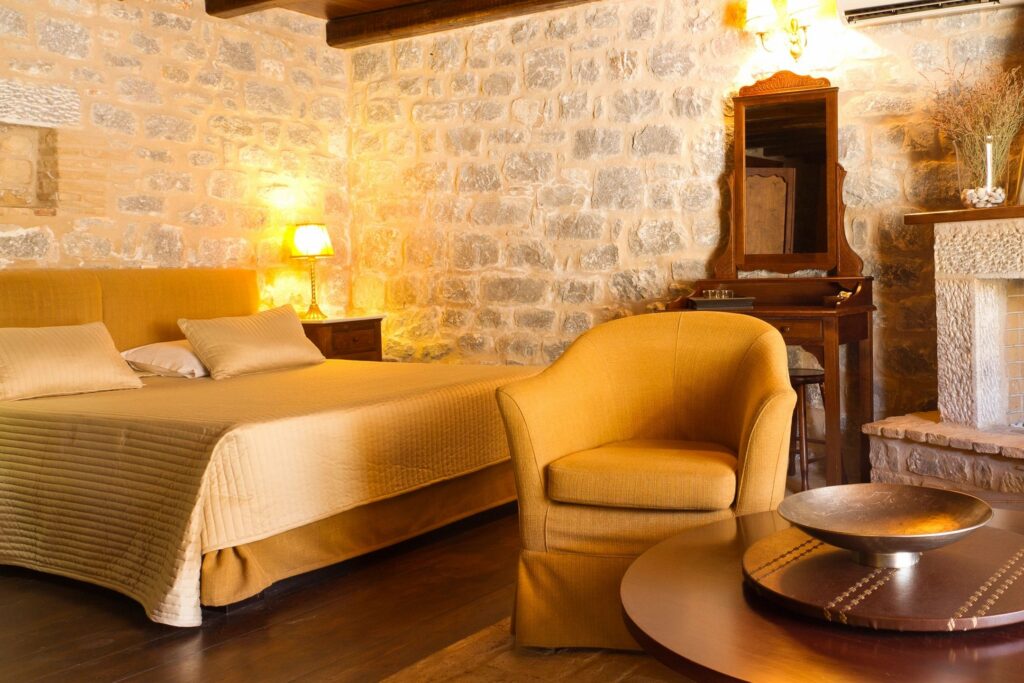
There are few simple pleasures quite like climbing into a beautifully made bed at the end of the day. It does not require expensive furniture or a complete bedroom makeover. A little attention can make a remarkable difference.
Fresh bedding immediately creates a sense of comfort. Choose fabrics that feel pleasant against the skin and colours that make the room feel calm and inviting. Adding a few cushions or a soft throw can create an extra layer of warmth without making the bed feel overcrowded.
The way a bed is made can also influence the atmosphere of the entire bedroom. Smooth sheets, neatly arranged pillows and a folded blanket at the end can make the room feel more organised.
But perfection is not the goal. A bedroom should feel lived in and comfortable, not like a hotel showroom.
Small details can make the biggest difference. Open the curtains in the morning, let fresh air into the room and keep unnecessary clutter away from the bedside.
Your bedroom is one of the places where you begin and end each day.
Making the bed beautifully is therefore more than a household task. It is a small daily ritual that says: this space is worth caring for, and so are you.
FRANCA
“I’m Afraid to Start Over”
Dear Franca,
I feel as though I have reached a point in my life where I know something needs to change, but I am frightened of starting again. I have stayed in the same situation for a long time because it is familiar. I keep telling myself that I should be grateful for what I have, yet deep down I know I am not happy. How do I find the courage to begin again?
— Nervous About Change
Franca says:
Starting again is frightening because it means stepping away from what you know and accepting that you cannot see the whole road ahead.
But remember this: you do not have to have your entire future planned before making your first move.
Sometimes starting again simply means making one honest decision. It might be updating your CV, taking a course, having a difficult conversation, ending something that no longer serves you or finally admitting to yourself what you really want.
Being afraid does not necessarily mean you are making the wrong choice. It may simply mean the choice matters.
Do not pressure yourself to transform your entire life overnight. Give yourself permission to take small steps. Gather information. Make a plan. Speak to people you trust. Then take the next step when you are ready.
A familiar life is not always a fulfilling one.
And starting over does not mean everything you have done before was wasted. Your experiences, mistakes and lessons come with you.
You are not beginning from nothing.
You are beginning with everything you have learned.
A good dressing can transform an ordinary meal into something memorable. Whether it is drizzled over a crisp salad, spooned onto roasted vegetables or used as a dip, homemade dressing brings freshness and personality to the table.
The beauty of making your own is that you can adjust everything to your taste. A simple combination of olive oil, lemon juice, mustard and a little seasoning can create a bright, tangy dressing in minutes. For something richer, try adding yoghurt, tahini or a touch of honey.
Dressings are also a wonderful opportunity to experiment. Fresh herbs can add fragrance, while garlic gives depth. A little chilli can bring warmth, and citrus zest can make the whole mixture feel lighter.
Another advantage is knowing exactly what has gone into your food. Instead of reaching for a ready-made bottle, you can create a dressing using ingredients already sitting in your kitchen.
There is no need for complicated recipes or precise measurements. Start with a few ingredients, taste as you go and adjust until it feels right.
Sometimes, the smallest addition is what makes a meal special.
WELLNESS
The Value of Having a Hobby
Life can easily become centred around responsibilities: work, family, appointments and everyday chores. Having a hobby gives us something different — an activity we choose simply because we enjoy it.
A hobby does not have to be impressive or productive. Reading, gardening, painting, photography, baking, knitting, collecting records or learning an instrument can all provide a welcome change of pace.
One of the greatest pleasures of a hobby is becoming absorbed in something. When attention moves away from endless notifications and daily concerns, even a short period spent doing something enjoyable can feel refreshing.
Hobbies can also introduce us to new people. Joining a walking group, book club, craft class or community organisation can create friendships that develop naturally through a shared interest.
There is also something satisfying about improving at something simply for yourself. You might learn a new technique, finish a project or discover that an activity you once found difficult has become easier.
Most importantly, a hobby does not need to become another obligation. There is no requirement to be brilliant at it.
The point is enjoyment.
In a busy world, having something that belongs entirely to you can be a small but meaningful form of wellbeing.
FASHION
The Power of Tailoring
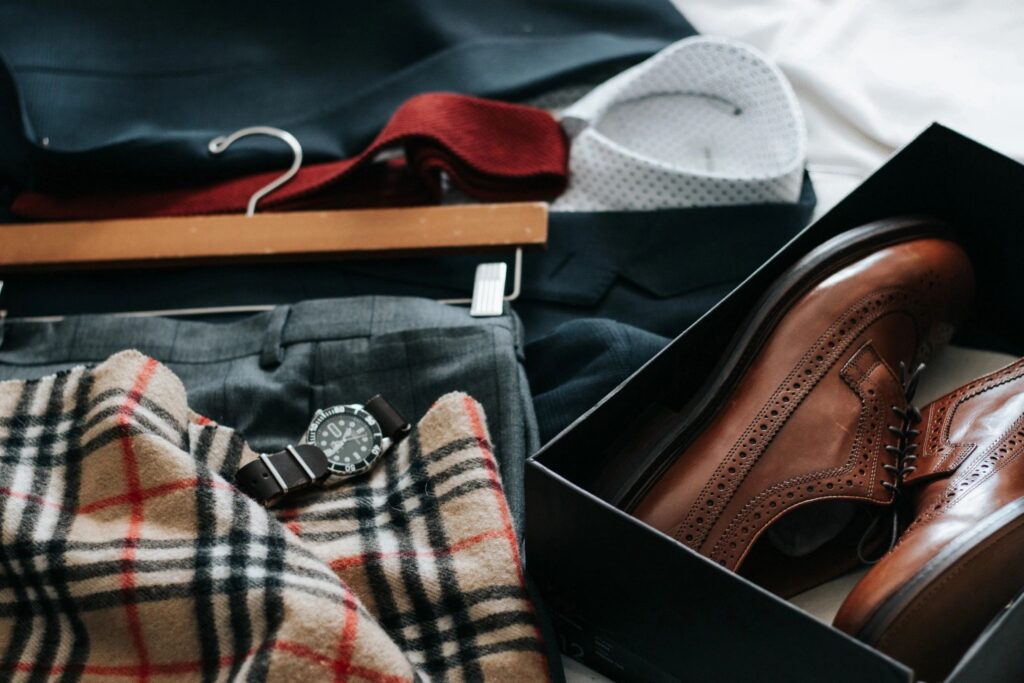
Sometimes, the secret to looking well dressed has very little to do with buying more clothes. It is about making the clothes you already own fit properly.
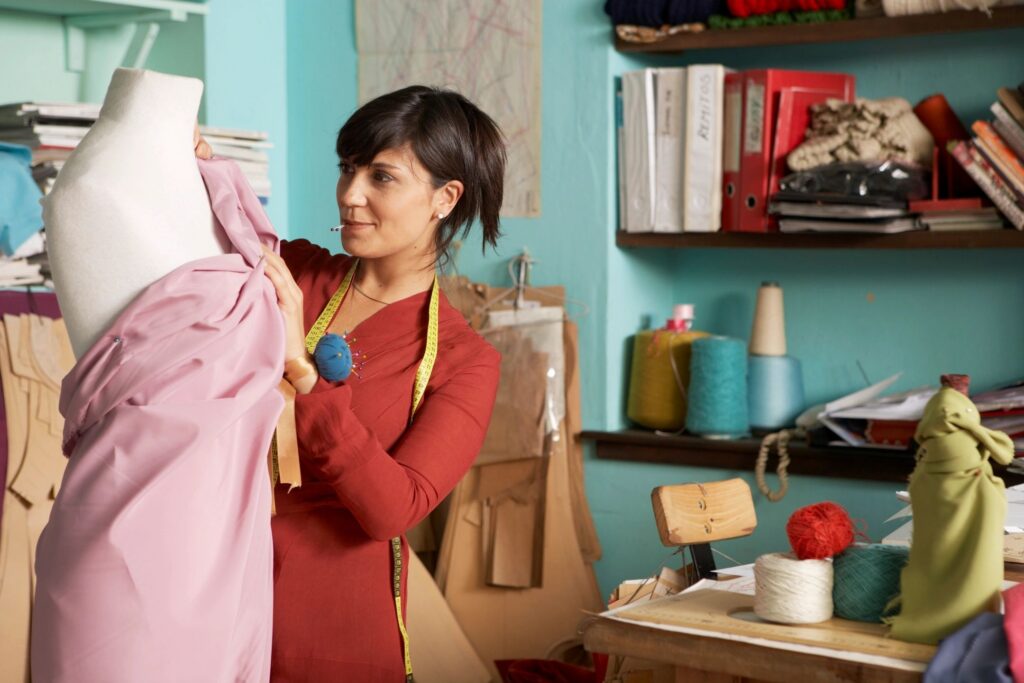
Tailoring can completely change the appearance of an outfit. A jacket with sleeves that sit correctly, trousers with the right length or a dress adjusted to suit your shape can instantly look more polished.
This is particularly useful when buying quality pieces. Instead of abandoning a favourite garment because it does not fit perfectly, a small alteration may give it a completely new life.
Tailoring can also make your wardrobe feel more personal. Clothing does not have to fit a standard shape perfectly because our bodies are all different. A skilled tailor or alterations specialist can make thoughtful adjustments that create a better silhouette.
There is something satisfying about wearing a piece that feels as though it was made especially for you.
It can also encourage a more considered approach to shopping. Rather than constantly replacing clothes, you may find yourself choosing fewer pieces and investing more thought into how they fit and how long they can remain part of your wardrobe.
Good style is not always about following the latest trend.
Sometimes, it is simply about wearing your clothes well — and feeling comfortable and confident in them.
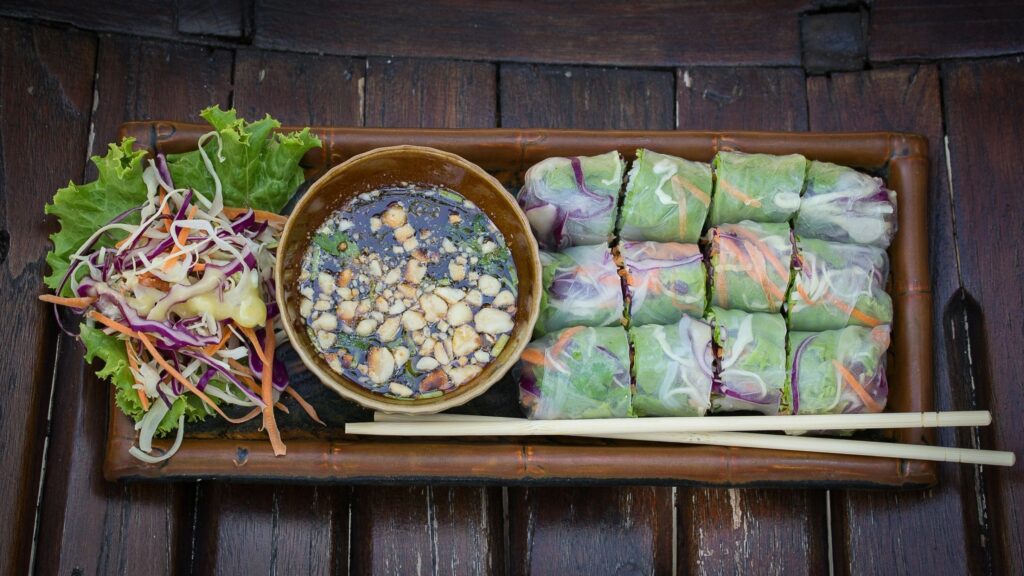
Pickles may be small, but they can bring an enormous amount of flavour to a meal. From crunchy vegetables to tangy fruits, pickling is a traditional way of creating something delicious from simple ingredients.
Cucumbers, onions, carrots, cabbage and peppers can all be transformed with the right combination of vinegar, salt, spices and herbs. Different cultures have developed their own distinctive approaches, making pickles an interesting way to explore food traditions around the world.
One of the pleasures of pickling is experimentation. You can adjust the flavours according to your preferences, adding ingredients such as garlic, chilli, ginger, dill or mustard seeds.
Pickles can also add contrast to a meal. Their sharp, refreshing flavour works beautifully alongside richer foods, sandwiches, salads and many traditional dishes.
For anyone who enjoys discovering new flavours, homemade pickles offer an easy way to become more adventurous in the kitchen.
A jar of colourful vegetables sitting in the refrigerator may not look particularly exciting.
But served alongside the right meal, it can become the ingredient everyone remembers.
2. WELLNESS – Reconnecting With Nature
Modern life can keep us surrounded by screens, buildings, traffic and constant notifications. Spending time in nature offers a simple opportunity to step away from that noise.
You don’t need to travel to a remote forest or countryside retreat. A local park, garden, riverside path or green space can provide a welcome change of scenery.
Pay attention to the small details: leaves moving in the breeze, birdsong, changing clouds, flowers, trees and the feel of fresh air.
Time outdoors can also encourage movement. A gentle walk gives you the chance to explore your surroundings while taking a break from sitting indoors.
Nature reminds us that not everything needs to happen quickly. Plants grow gradually, seasons change and daylight comes and goes according to its own rhythm.
Making time for nature isn’t about escaping everyday life permanently.
It is about stepping away for a little while and returning with a clearer mind.
Sometimes, a quiet walk outside can provide exactly the reset we didn’t realise we needed.
3. FASHION – The Timeless Appeal of Denim
Few fabrics have remained as popular as denim. What began as practical workwear has become one of the most recognisable materials in fashion.
Jeans are perhaps the best-known example, but denim can also appear in jackets, skirts, shirts, dresses and accessories.
Part of denim’s appeal is its versatility. A pair of jeans can be dressed up with a smart jacket and elegant accessories or kept casual with a simple top and trainers.
Denim can also change beautifully with age. Fading and natural wear can give a favourite piece character and make it feel uniquely yours.
The key to wearing denim well is finding styles that suit your personal taste and lifestyle. Some people prefer classic straight-leg jeans, while others enjoy wider silhouettes or structured jackets.
Fashion trends may influence the shapes and washes that become popular, but denim itself continues to return season after season.
Perhaps that is its greatest strength.
Denim doesn’t need to constantly reinvent itself.
It simply keeps finding new ways to fit into our lives.
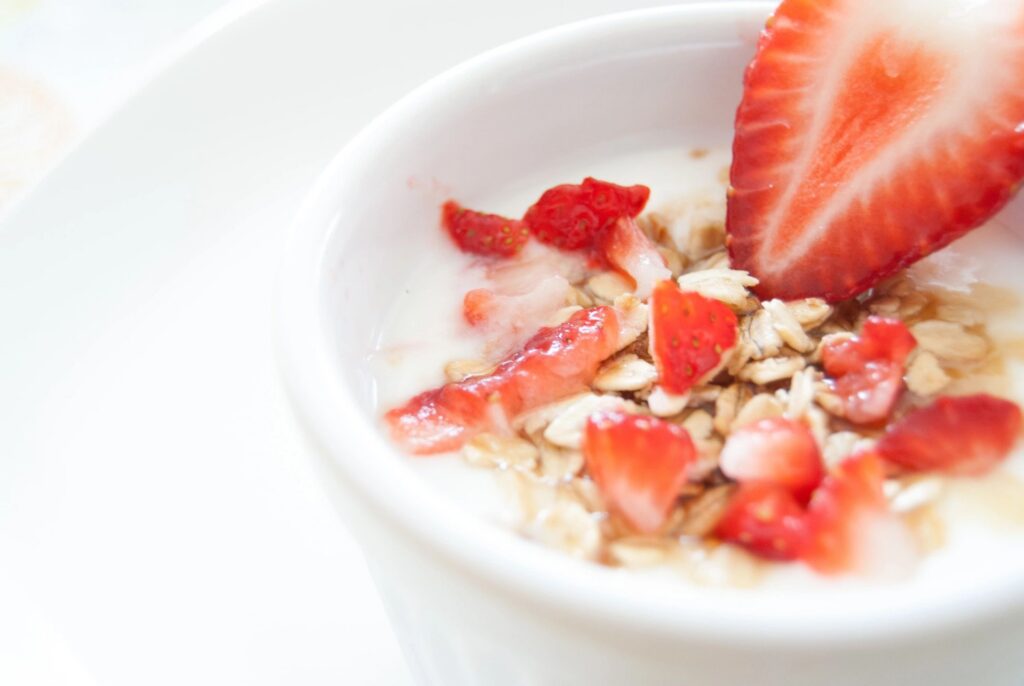
Breakfast doesn’t have to be complicated to be satisfying. A well-prepared breakfast bowl can combine different flavours, textures and ingredients into one colourful start to the day.
The beauty of a breakfast bowl is its flexibility. You can build one around yoghurt, porridge, fruit, grains or another favourite base, then add toppings according to your taste.
Fresh fruit can bring natural sweetness and colour, while nuts and seeds provide a satisfying crunch. A little cinnamon, honey or other flavouring can add another dimension.
Breakfast bowls can also be adapted to different routines. On a relaxed morning, you might spend time arranging a beautiful combination of ingredients. On a busy day, preparing some components in advance can make breakfast quicker.
The presentation is part of the pleasure too. A colourful bowl can make an ordinary morning feel a little more special.
Breakfast is often called the most important meal of the day, but it can also be one of the most enjoyable.
Sometimes a beautiful bowl is all it takes to start the morning with a smile.
2. CAREER – The Importance of Building Professional Relationships
A successful career is not built entirely through qualifications and technical skills. The relationships we develop along the way can also make a lasting difference.
Professional relationships are built through simple actions: being respectful, listening carefully, offering help, sharing knowledge and keeping in touch.
You don’t need to meet hundreds of people or collect as many contacts as possible. A small network of genuine professional relationships can be much more valuable.
Colleagues can become mentors, collaborators, trusted advisers or friends. Someone you worked with years ago may unexpectedly introduce you to an opportunity in the future.
Networking should not feel like pretending to be interested in people simply because they might be useful. The strongest relationships are based on genuine respect and mutual support.
Be interested in what other people do. Ask questions. Celebrate their achievements. Offer assistance when you can.
A career is a journey, and you rarely travel it entirely alone.
Sometimes the most valuable opportunity comes through a conversation with someone you already know.
3. HOME & LIVING – The Perfect Reading Corner
A reading corner can turn an unused part of your home into a peaceful little retreat.
You don’t need a large room. A comfortable chair beside a window, a small table and a good lamp may be enough to create a space where you can escape into a book.
Soft cushions and a warm blanket can make the area more inviting, while a nearby bookshelf keeps favourite books within easy reach.
Natural light is wonderful during the day, but good evening lighting is equally important. Choose lighting that allows you to read comfortably without making the space feel harsh.
The best reading corner reflects your personality. Add a plant, artwork, photographs or another object that makes the area feel like yours.
Most importantly, don’t turn the corner into another place for work.
Let it remain somewhere you can sit down, put your phone aside and enjoy a few quiet pages.
In a busy home, a small reading corner can become a valuable reminder that sometimes we simply need a comfortable chair and a little time for ourselves.
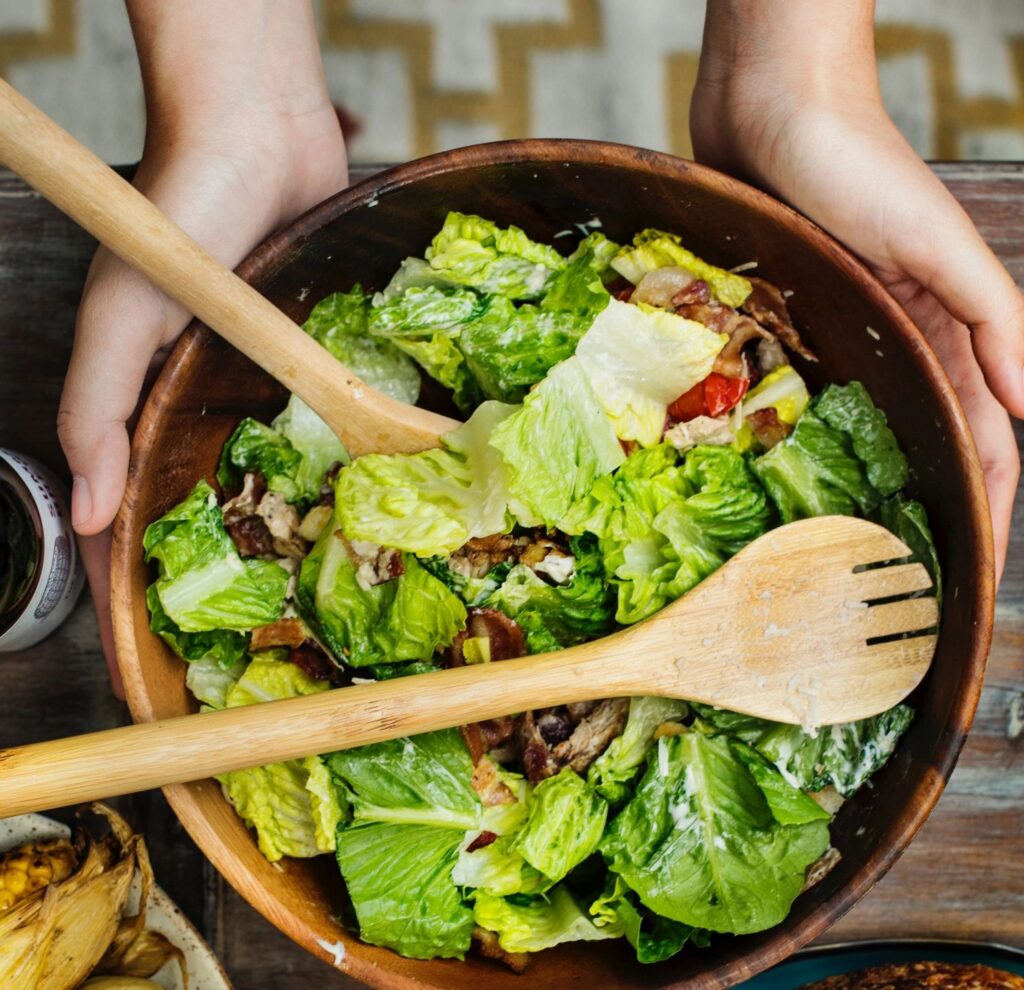
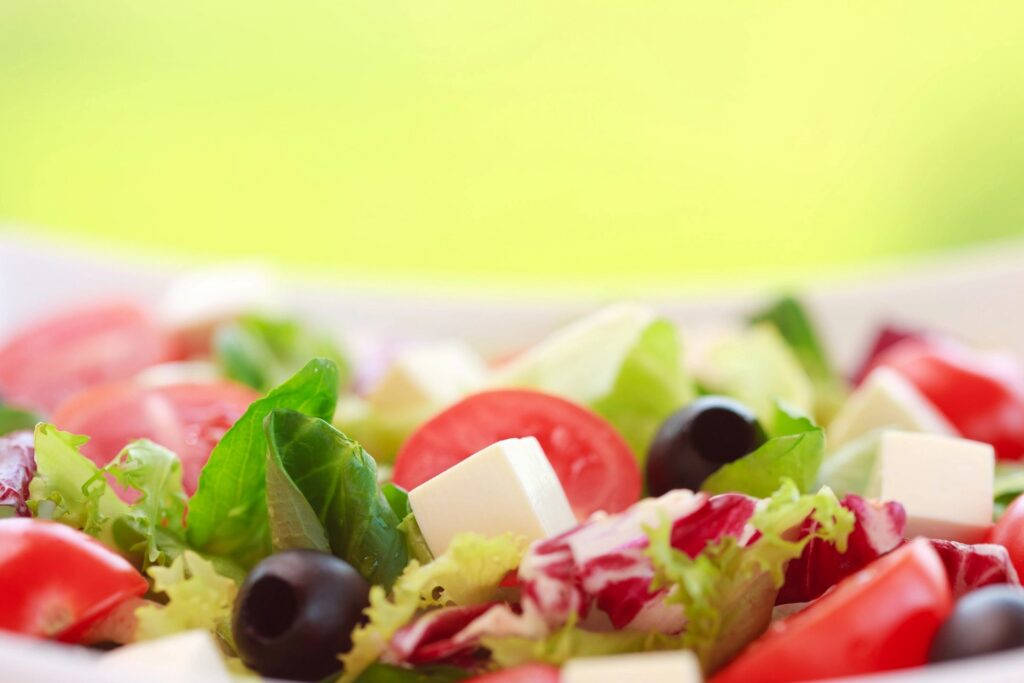
A salad can be so much more than a bowl of lettuce. With the right combination of ingredients, it can become a colourful, satisfying and delicious meal.
The secret is variety. Start with a fresh base such as leafy greens, then add vegetables for colour and crunch. Tomatoes, cucumber, peppers, carrots, beetroot and sweetcorn can all bring something different to the plate.
For extra substance, add ingredients such as beans, lentils, eggs, grains, cheese, nuts or seeds. Fresh herbs can provide another layer of flavour.
The dressing is where everything comes together. A simple mixture of oil, vinegar or lemon juice, seasoning and herbs can completely transform the ingredients.
Salads are also a wonderful opportunity to use what you already have in the kitchen. Leftover vegetables, cooked grains or pieces of chicken can become part of a new creation rather than going to waste.
There are no strict rules.
Mix colours, textures and flavours until you find combinations you love.
A great salad proves that healthy food doesn’t have to be boring.
2. TRAVEL – The Joy of Taking a Scenic Train Journey
There is something wonderfully relaxing about travelling by train. Unlike driving, you can sit back, look through the window and watch the landscape change as you travel.
A scenic train journey can become part of the holiday rather than simply a way of getting from one destination to another.
Mountains, coastlines, countryside, villages and cities can all look different from a train window. You may notice small details that would be impossible to appreciate when travelling quickly by road or air.
Train journeys also provide an opportunity to slow down. Bring a book, listen to music, enjoy a snack or simply watch the world pass by.
For families, couples and solo travellers, the journey itself can become a memorable part of the experience.
Not every travel memory needs to happen after you arrive.
Sometimes the most beautiful part of the adventure is the view outside the window and the knowledge that somewhere new is waiting at the end of the line.
3. WELLNESS – The Benefits of Having Something to Look Forward To
Having something to look forward to can bring a little brightness to ordinary days.
It doesn’t have to be a major holiday or expensive event. A lunch with a friend, a favourite meal, a weekend walk, a cinema trip, a family gathering or an afternoon dedicated to a hobby can give the week a pleasant sense of anticipation.
Small plans can be particularly valuable when everyday life feels repetitive.
Writing something on the calendar gives it a place in your mind and creates a moment to anticipate.
Of course, life doesn’t always go according to plan. A cancelled event or unexpected change can be disappointing. But having small moments of enjoyment built into our routines can encourage us to notice the good things that are already around us.
You don’t need to wait for a major occasion to enjoy yourself.
Give yourself something small to look forward to.
Sometimes, knowing that Friday dinner, Sunday afternoon or next month’s little adventure is waiting for you can make an ordinary Tuesday feel much brighter.
Cooking for one can sometimes feel like a chore, especially when recipes are written for families or large gatherings. But preparing a meal for yourself can actually be an enjoyable opportunity to slow down and be creative.
You don’t need an elaborate recipe. A colourful omelette, a bowl of pasta with fresh vegetables, a warm grain bowl, or a simple baked dish can make an ordinary evening feel special.
Cooking for one also gives you complete freedom. You can choose exactly what you want, experiment with flavours, and try something unusual without worrying about whether everyone else will enjoy it.
Planning portions carefully can help reduce food waste. Ingredients such as vegetables, grains, eggs and herbs can often be used across several meals.
Most importantly, eating alone doesn’t mean you should settle for less. Put your food on a proper plate, sit somewhere comfortable and give yourself time to enjoy it.
You are worth cooking for.
A meal prepared for one can still be beautiful, nourishing and full of flavour.
2. WELLNESS – The Power of a Fresh Start
Sometimes we don’t need to change our entire lives. We simply need a fresh start.
A fresh start can happen at any time—a new week, a new month, a birthday, or simply a morning when you decide that something needs to be different.
It might mean clearing an untidy room, restarting an abandoned hobby, organising your schedule, reconnecting with someone, or finally beginning something you’ve been postponing.
The beauty of a fresh start is that it doesn’t require perfection. You are allowed to begin again after losing motivation, making mistakes or changing your mind.
Don’t wait for the perfect date or the perfect circumstances.
Choose one small thing and begin.
A fresh start is not about pretending the past didn’t happen. It is about accepting what happened and deciding what you want to do next.
Every morning offers another opportunity to make a different choice.
Sometimes, the new chapter begins with nothing more complicated than saying:
“Today, I will try again.”
3. HOME & LIVING – Creating a Home That Feels Peaceful
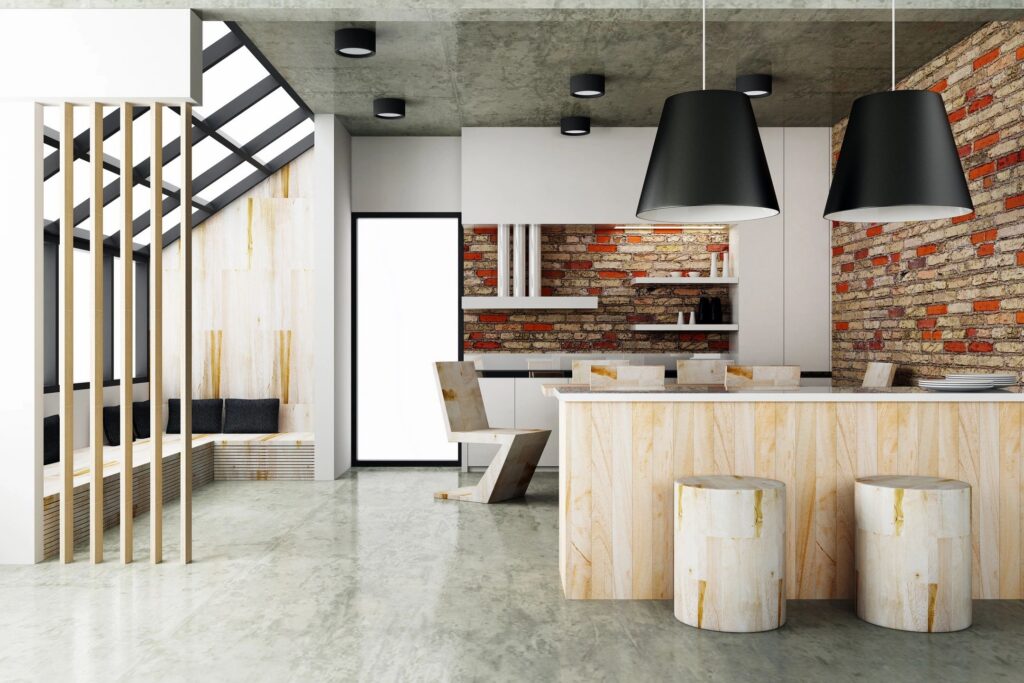
A peaceful home doesn’t have to be perfectly decorated. Often, it is the small details that make a space feel calm and comfortable.
Start by removing unnecessary clutter from the areas you use most. Too many objects competing for attention can make a room feel overwhelming.
Soft lighting can create warmth in the evening, while natural daylight can make a space feel fresh during the day. Comfortable fabrics, natural textures and a few favourite objects can add personality without creating visual chaos.
Sound matters too. A quiet room, gentle music or the natural sounds coming from outside can influence the atmosphere of a home.
Most importantly, think about how you want your home to make you feel.
Do you want it to feel cosy? Bright? Relaxing? Energising?
Once you know the feeling you want, your decorating choices become easier.
A peaceful home isn’t about having everything perfect.
It’s about creating a space where you can breathe, relax and feel completely at ease.
There is something wonderfully comforting about a Sunday roast. It is more than a meal; it can become a weekly tradition that brings family and friends around the same table.
A traditional roast can include tender meat, crispy potatoes, colourful vegetables, gravy and all the little extras that make the meal feel special. But there is no single way to prepare one. Chicken, lamb, beef, fish or a vegetable-based centrepiece can all create a memorable Sunday lunch.
The beauty of a roast is the atmosphere surrounding it. The kitchen fills with delicious aromas, everyone begins to gather, and conversation continues long after the plates have been served.
It can also be an excellent opportunity to make use of leftovers. Cooked meat and vegetables can become sandwiches, pies, soups or other meals during the week.
In a busy world, traditions such as the Sunday roast give us an excuse to slow down.
Sometimes the food is only part of the experience.
The real ingredient is bringing people together.
2. HEALTH – Why Strength Matters as We Age
Strength is not only important for athletes. Maintaining muscle strength throughout adulthood can support everyday activities and help us remain independent as we grow older.
Simple activities such as carrying shopping bags, climbing stairs, gardening or getting up from a chair all require strength.
Strength-building exercise can be adapted to different abilities and fitness levels. Some people may use weights or resistance bands, while others may begin with bodyweight exercises or movements recommended by a qualified professional.
It is important to progress gradually and use appropriate technique. Anyone with health concerns or existing injuries should seek suitable professional guidance before beginning a new exercise programme.
Strength is ultimately about more than appearance.
It is about being able to lift, carry, walk, bend, reach and move through everyday life with confidence.
Looking after your muscles today can help you maintain greater physical independence tomorrow.
3. WELLNESS – Making Time for the Things That Make You Happy
Life can become so focused on responsibilities that we sometimes forget to make room for simple enjoyment.
Happiness does not always come from major achievements. It can be found in small activities that make an ordinary day feel better—a favourite song, gardening, cooking, reading, meeting a friend, watching a beautiful sunset or enjoying a quiet cup of tea.
The important thing is to recognise what genuinely brings you pleasure.
Adults often say they are too busy for hobbies, yet spending a little time doing something enjoyable can provide a valuable mental break.
You don’t have to justify every activity by making it productive.
Not everything needs to improve your career, increase your income or achieve a measurable goal.
Some things are worth doing simply because they make you smile.
Wellness is not only about avoiding stress.
It is also about creating a life that contains moments of joy.
4. CAREER – Building Confidence Without Pretending to Know Everything
Confidence at work doesn’t mean having all the answers. In fact, some of the most confident professionals are comfortable admitting when they don’t know something.
Pretending to understand can create bigger problems later. Asking questions, seeking clarification and learning from experienced colleagues can demonstrate maturity rather than weakness.
Confidence also grows through preparation. Knowing your subject, arriving organised and thinking carefully before important meetings can make it easier to express yourself clearly.
Another useful habit is remembering previous successes. When facing a new challenge, think about situations you have already handled successfully. Your past experience can remind you that you are capable of learning and adapting.
Nobody feels confident every minute of every day.
Real confidence is not the absence of doubt.
It is the willingness to move forward despite it.
5. FINANCE – The Value of Reviewing Your Monthly Expenses
Financial habits can become automatic. Bills are paid, subscriptions renew, shopping continues and months pass without us stopping to examine where our money is going.
Taking time to review your expenses can provide useful information.
Look at regular payments, household costs, subscriptions, transport, food and discretionary spending. You may discover expenses that no longer reflect your current lifestyle.
Perhaps you joined a service that you rarely use. Perhaps your circumstances have changed and there are cheaper options available.
A review doesn’t mean cutting everything enjoyable.
It is about making sure your money is being used intentionally.
Financial planning works best when it reflects real life. There should be room for necessities, savings where possible, and things that bring enjoyment.
Money becomes easier to manage when you understand it.
A monthly financial check-in can be a simple habit that helps you stay informed and in control.
6. EDUCATION – Never Be Too Old to Start Something New
There is no age limit on curiosity.
Learning something new in adulthood can be exciting because there is often no pressure to achieve a particular grade or qualification. You can learn simply because the subject interests you.
Perhaps you want to learn photography, gardening, painting, cooking, a musical instrument or another language. Maybe there is a subject you always wanted to study but never had the opportunity to explore.
Learning can also introduce us to new people and communities.
The first attempts may feel awkward. That’s perfectly normal. Nobody becomes skilled without first being a beginner.
The important thing is to enjoy the process rather than demanding immediate perfection.
A new skill can bring fresh energy into everyday life.
Sometimes starting something completely unfamiliar is exactly what we need to remind ourselves that there is always more to discover.
7. TRAVEL – The Joy of Returning to a Favourite Place
Travelling somewhere for the first time is exciting, but returning to a place you already love can be just as rewarding.
The second visit often feels different because you already know the streets, restaurants, landmarks and rhythms of the destination. Instead of trying to see everything, you can relax and experience the place at your own pace.
Returning also allows you to discover details you missed previously.
You may find a small café you walked past before, explore a different neighbourhood, revisit a favourite restaurant or discover how the destination has changed.
There is comfort in familiarity, but also excitement in seeing something with fresh eyes.
Not every journey needs to be about collecting new destinations.
Sometimes returning to somewhere that made you happy is exactly the holiday you need.
8. FASHION – How to Make Old Clothes Feel New Again
A wardrobe doesn’t always need new clothes. Sometimes it needs a fresh perspective.
A dress that has been sitting untouched may look completely different when paired with a new jacket, belt or shoes. Trousers can be styled differently with a change of top, while jewellery can transform a simple outfit.
Try experimenting with combinations you haven’t worn before.
You can also consider alterations. A professional tailor may be able to adjust the fit, shorten a garment or make other changes that give an old favourite a new lease of life.
This approach can save money while encouraging more thoughtful fashion choices.
Fashion is not simply about purchasing something new every season.
Creativity is part of style too.
Before deciding that you have nothing to wear, take another look at your wardrobe.
You may already have more possibilities than you realise.
9. HOME & LIVING – Bringing Nature Into Your Home
Plants can bring an entirely different feeling to an interior. Their shapes, textures and natural colours can make rooms feel more welcoming and connected to the outdoors.
You don’t need a huge collection. A few carefully placed plants can be enough to change the atmosphere of a room.
For homes with limited space, smaller plants can sit on shelves, windowsills or side tables. Larger plants can become striking focal points in living areas.
If maintaining plants is difficult, choose varieties suited to your environment and level of experience. The best plant is one you can realistically care for.
Natural materials can also introduce an outdoor feeling. Wood, woven textures, stone and natural fabrics can complement greenery beautifully.
A home doesn’t need to look like a garden centre.
A few touches of nature can be enough to make an interior feel calmer, warmer and more alive.
10. REAL ESTATE – What Makes a House Feel Like a Home?
A house can have beautiful architecture, a spacious kitchen and impressive rooms, yet still feel strangely impersonal.
What transforms a property into a home is often the way people use the space.
Family photographs, favourite books, artwork, meaningful furniture and objects collected during travels can give a property character.
Comfort matters too. A home should have spaces where people naturally want to sit, talk, eat, relax and spend time together.
When viewing a property, it can be useful to imagine your ordinary life there rather than focusing only on decoration.
Where would you have breakfast?
Where would you sit after work?
Would there be enough space for family and friends?
A property becomes a home when it supports the life you want to live.
The most beautiful home isn’t necessarily the most expensive.
It is the one that feels like yours.
11. FRANKLY SPEAKING WITH FRANCA – “I Am Always Tired of Being the Strong One”
Dear Franca,
Everyone comes to me when they have a problem. I am always the person who listens, helps and stays calm. But sometimes I am exhausted too. I don’t know how to tell people that I need support.
Franca Says:
Being the strong person in your family or friendship circle can become a very lonely position.
People may have become so accustomed to your strength that they forget you need care too.
You don’t have to wait until you completely break down before asking for help.
Start by telling someone you trust how you are actually feeling. You don’t need a dramatic explanation. Simply saying, “I’m struggling at the moment and I could really use someone to talk to,” can open the door.
And remember that being strong doesn’t mean carrying everything alone.
Strong people need support. Strong people have bad days. Strong people cry, become tired and sometimes don’t know what to do next.
You are not failing because you need someone else.
You are human.
You have spent so much time being a safe place for other people. Don’t forget that you deserve to have a safe place too.
A good sauce can transform an ordinary meal into something memorable. It can add richness, freshness, spice, sweetness, or simply bring different ingredients together.
Homemade sauces are surprisingly easy to prepare. A simple tomato sauce can accompany pasta, meat or vegetables, while a fresh herb dressing can brighten a salad. Yogurt-based sauces can add creaminess, and sauces made with spices, garlic, ginger, or citrus can give familiar dishes a completely different character.
Making sauces at home also gives you control over the ingredients. You can adjust the seasoning and create flavours that suit your family.
Sauces are particularly useful when trying to make leftovers interesting. Yesterday’s chicken, fish or vegetables can feel completely different when served with a new sauce.
Cooking does not always require an entirely new recipe.
Sometimes, one small addition is enough to transform the whole plate.
2. HEALTH – The Importance of Healthy Breathing
Breathing is something we do automatically, yet the way we breathe can change when we are stressed, anxious, physically active, or deeply relaxed.
Taking occasional slow, comfortable breaths can encourage us to pause and become more aware of how we are feeling. This can be particularly useful during busy moments when everything seems to be happening at once.
Good breathing also works alongside physical activity. When exercising, our breathing naturally changes as the body requires more oxygen.
The simple act of stepping outside for fresh air can also provide a welcome change from a stuffy indoor environment.
Of course, persistent breathing difficulties, chest pain, or unusual shortness of breath should never be ignored and should be assessed by a healthcare professional.
For everyday wellbeing, however, becoming more aware of our breathing can remind us to slow down.
Something as simple as taking a comfortable breath can become a small moment of calm in a busy day.
3. WELLNESS – The Art of Saying “Not Today”
We are often encouraged to say yes—to invitations, requests, responsibilities, and opportunities. But sometimes wellbeing requires us to say, “Not today.”
Saying no does not automatically mean that we are unkind or unhelpful. It can simply mean that we recognise our own limits.
Perhaps you are tired and need an evening at home. Perhaps your schedule is already full. Or perhaps you simply don’t have the emotional energy for something.
Learning to recognise these moments can prevent exhaustion and resentment.
A polite response doesn’t need a long explanation. “I’m sorry, I can’t manage that today” can be enough.
Of course, there will always be responsibilities we cannot avoid. The goal isn’t to reject everything difficult. It is to become more intentional about where we spend our time and energy.
Rest is not laziness.
Protecting your time is not selfish.
Sometimes, saying “not today” is exactly what allows you to say “yes” with genuine enthusiasm tomorrow.
4. CAREER – Why Adaptability Is a Superpower
The workplace rarely stays the same for long. New technology, changing customer expectations, new responsibilities, and different ways of working can all require us to adapt.
Adaptability does not mean abandoning your principles or constantly changing who you are. It means being willing to learn and adjust when circumstances change.
Someone who is comfortable learning new systems, taking on unfamiliar tasks, and considering different approaches may find it easier to navigate workplace changes.
Adaptability also involves attitude. Instead of immediately thinking, “This is how we’ve always done it,” ask whether there might be a better way.
Change can be uncomfortable, particularly when it happens unexpectedly. But it can also create opportunities to develop skills that would otherwise remain unused.
A successful career isn’t necessarily built by knowing exactly what will happen next.
It is often built by becoming the kind of person who can handle whatever comes next.
5. FINANCE – Making Better Use of What You Already Own
Saving money does not always mean buying cheaper things. Sometimes it means making better use of what you already have.
Before replacing something, consider whether it can be repaired. Before buying new clothes, look through your wardrobe. Before ordering takeaway, check what ingredients are waiting in the kitchen.
This approach can also reduce waste.
Many household items are discarded simply because they are no longer fashionable, slightly damaged, or forgotten about. A little creativity can give them a second life.
Clothes can sometimes be altered, furniture can be refreshed, and leftover ingredients can become another meal.
Being financially responsible doesn’t mean depriving yourself.
It means becoming more thoughtful about consumption.
When we stop automatically replacing things and start appreciating what we already own, we may discover that we need far less than we thought.
Sometimes saving money begins not with spending less, but with wasting less.
TRAVEL – Discovering a Destination Through Its Food
Food can tell us a great deal about a place. Ingredients, cooking methods, traditions, and family recipes often reveal the history and culture of a community.
Trying local dishes while travelling can therefore become an important part of the experience.
Instead of always choosing familiar international chains, consider visiting local restaurants, cafés, food markets, and independent sellers. You may discover flavours you have never experienced before.
Food can also create connections. Sharing a meal provides an opportunity to talk with people and learn about traditions that may not appear in a guidebook.
You don’t have to try everything.
Choose something that interests you, ask questions, and remain open to discovering new flavours.
A memorable holiday is not always defined by the famous landmarks you photographed.
Sometimes, it is the meal you never expected to enjoy that stays in your memory for years.
FASHION – The Beauty of Wearing Colour
Colour can completely change the mood of an outfit.
Some people naturally gravitate towards neutral shades, while others love bright colours and bold combinations. There is no right or wrong approach.
If wearing a bright outfit feels intimidating, start with small details. A colourful handbag, scarf, pair of shoes, belt, or piece of jewellery can introduce personality without overwhelming your look.
You can also experiment with different shades of colours you already enjoy. Soft blue, deep navy, bright red, burgundy, pale pink, and rich coral can create very different effects.
The most important consideration is how the colour makes you feel.
Fashion is a form of expression, and colour gives us an easy way to communicate energy, confidence, elegance, or playfulness.
You don’t need to follow seasonal colour rules.
Choose the colours that make you look in the mirror and smile.
HOME & LIVING – The Art of a Beautiful Dining Table
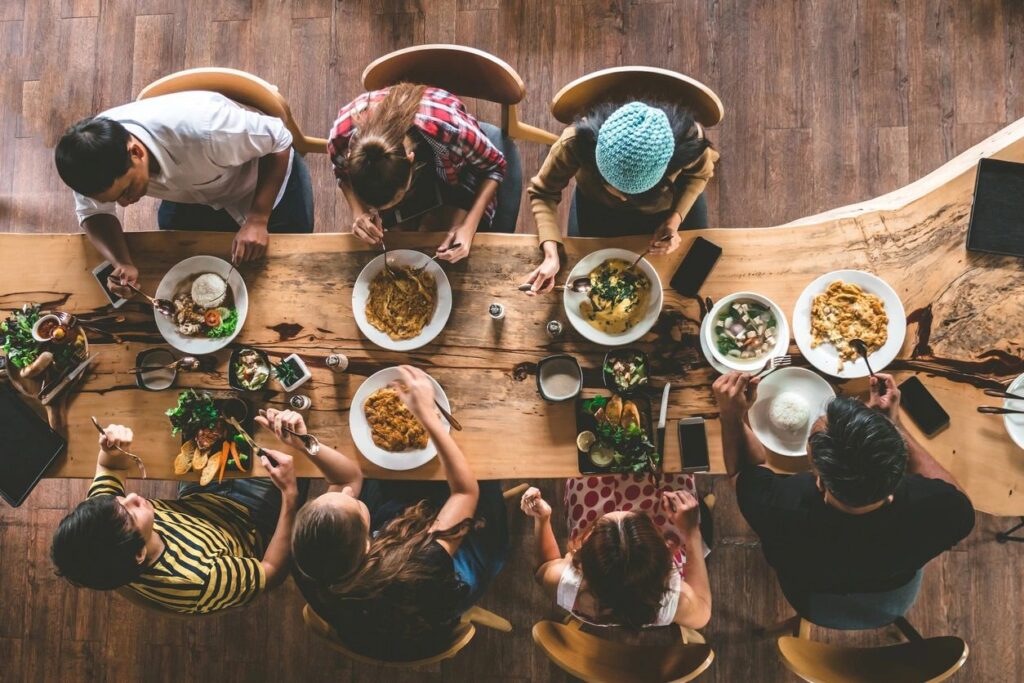
A dining table is more than a place to eat. It can become the centre of family conversations, celebrations, Sunday lunches, and memorable evenings with friends.
Creating an attractive table does not require expensive dinnerware.
Fresh flowers, candles, cloth napkins, attractive serving dishes, or even a simple bowl of fruit can create a welcoming atmosphere.
The secret is balance. Too many decorations can make it difficult for people to see each other or comfortably enjoy their meal.
For everyday dining, keep things simple. Save elaborate decorations for special occasions.
There is something wonderful about sitting down at a thoughtfully prepared table, even when the meal itself is quite ordinary.
A beautiful table doesn’t need to impress everyone.
It simply needs to make people want to sit down, stay a little longer, and enjoy one another’s company.
REAL ESTATE – The Importance of Storage in a Home
Storage is one of those features people often overlook when viewing a property, yet it can have a major impact on everyday life.
A beautiful home can quickly feel cluttered when there isn’t enough space for coats, shoes, kitchen equipment, cleaning supplies, books, and everyday belongings.
When viewing a property, look carefully at cupboards, wardrobes, kitchen storage, garages, loft areas, and other available spaces.
Creative storage can also make a significant difference. Shelving, baskets, under-bed storage, built-in cupboards, and multi-purpose furniture can help make better use of limited space.
Good storage isn’t simply about hiding possessions.
It helps a home function more efficiently.
A property may have beautiful floors and impressive rooms, but if there is nowhere to put your belongings, everyday life can become frustrating.
Sometimes the most valuable feature in a home is the cupboard you almost forgot to look inside.
FRANKLY SPEAKING WITH FRANCA – “I Keep Comparing My Life to Other People’s”
Dear Franca,
I constantly compare myself with other people. When I see someone succeeding, I immediately start thinking about everything I haven’t achieved. I know social media isn’t the whole truth, but I still struggle with it.
Franca Says:
Comparison can steal your happiness very quietly.
The problem is that you are comparing your complete life—including your worries, mistakes and disappointments—with the carefully selected parts of someone else’s life.
You don’t know what happens behind their closed doors.
Instead of asking, “Why don’t I have what they have?” try asking, “What do I actually want for myself?”
Perhaps you don’t want their life at all. Perhaps you simply want one particular aspect of it.
Identify that aspect and work towards your own version.
It can also help to reduce the amount of content that makes you feel inadequate. Protecting your peace is a perfectly reasonable choice.
Your journey will never look exactly like anyone else’s.
There is no prize for reaching milestones first.
Stop measuring your life against somebody else’s ruler. Your life deserves to be measured on its own terms.
Every family seems to have at least one recipe that carries a story. It may be a dish prepared for celebrations, a Sunday favourite, or something passed from one generation to another.
Family recipes are special because they conta
in more than ingredients. They carry memories of kitchens, gatherings, laughter and people we love. Sometimes the recipe is written carefully in a notebook; other times, it exists only in someone’s memory, with measurements described as “a little of this” and “enough of that.”
Preserving these recipes can be a wonderful way to keep family history alive. Writing down the ingredients, photographing the finished dish, or recording an older relative preparing it can help ensure that the recipe isn’t lost.
The beauty of a family recipe is that it doesn’t have to remain exactly the same. Younger generations may add their own ideas while still respecting the original dish.
Food has always had a remarkable ability to connect people.
A family recipe is not simply something we cook.
It is a piece of history that we can taste, share and pass on.
WELLNESS – Learning to Enjoy Your Own Company
Being comfortable in your own company is an underrated form of wellbeing. We often associate happiness with being surrounded by people, but peaceful moments alone can be equally valuable.
Enjoying your own company might mean having breakfast alone, taking yourself for coffee, reading in a quiet room, visiting a gallery, going for a walk or simply sitting somewhere peaceful.
These moments allow us to make choices based entirely on what we enjoy. There is no need to compromise, entertain anyone else or follow somebody else’s schedule.
This doesn’t mean withdrawing from relationships. Human connection remains important. Instead, it is about developing a healthy relationship with yourself alongside your relationships with others.
The more comfortable we become alone, the less likely we are to depend entirely on other people’s presence to feel content.
You don’t always need someone else to make an ordinary day special.
Sometimes, discovering that you genuinely enjoy your own company can be one of life’s quietest and most rewarding discoveries.
FASHION – Building a Wardrobe That Truly Works for You
A wardrobe should make life easier, not more complicated. Yet many people have cupboards full of clothes and still feel that they have nothing to wear.
The answer may not be buying more. It may be understanding what you already own.
Start by identifying the clothes you reach for most often. Which colours do you enjoy wearing? Which shapes make you feel comfortable? Which pieces work for your everyday lifestyle?
Once you understand these preferences, shopping becomes more intentional.
A useful wardrobe doesn’t need to contain every trend. A selection of well-fitting basics can provide a foundation, while a few distinctive pieces add personality.
It is also worth considering how often clothes can be combined. A jacket that works with jeans, trousers and a dress is likely to be more useful than a piece that can only be worn once.
Personal style develops when we stop dressing for everyone else and start understanding ourselves.
The best wardrobe isn’t necessarily the biggest one.
It is the one that makes getting dressed feel easy, confident and completely you.
Manage Consent
To provide the best experiences, we use technologies like cookies to store and/or access device information. Consenting to these technologies will allow us to process data such as browsing behavior or unique IDs on this site. Not consenting or withdrawing consent, may adversely affect certain features and functions.
Functional
Always active
The technical storage or access is strictly necessary for the legitimate purpose of enabling the use of a specific service explicitly requested by the subscriber or user, or for the sole purpose of carrying out the transmission of a communication over an electronic communications network.
Preferences
The technical storage or access is necessary for the legitimate purpose of storing preferences that are not requested by the subscriber or user.
Statistics
The technical storage or access that is used exclusively for statistical purposes.The technical storage or access that is used exclusively for anonymous statistical purposes. Without a subpoena, voluntary compliance on the part of your Internet Service Provider, or additional records from a third party, information stored or retrieved for this purpose alone cannot usually be used to identify you.
Marketing
The technical storage or access is required to create user profiles to send advertising, or to track the user on a website or across several websites for similar marketing purposes.