
Have you ever followed a recipe exactly and still wondered why your food doesn’t taste like something from a restaurant? The difference is rarely about talent — it’s about technique and mindset.
Restaurants are not just cooking food; they are building layers of flavor. One of the biggest differences is seasoning. Professional kitchens season at every stage, not just at the end. This builds depth rather than surface-level taste.
Another key factor is heat. Many home cooks are afraid of high heat, but restaurants use it strategically. Searing, caramelization, and controlled charring create flavors that are hard to replicate with low heat.
Then there’s fat — butter, oils, and sauces. Restaurants use more of it than most people realize. While you don’t need to overdo it at home, understanding how fat enhances flavor can instantly improve your meals.
Timing also matters. Ingredients are often cooked separately and combined at the right moment instead of everything being cooked together.
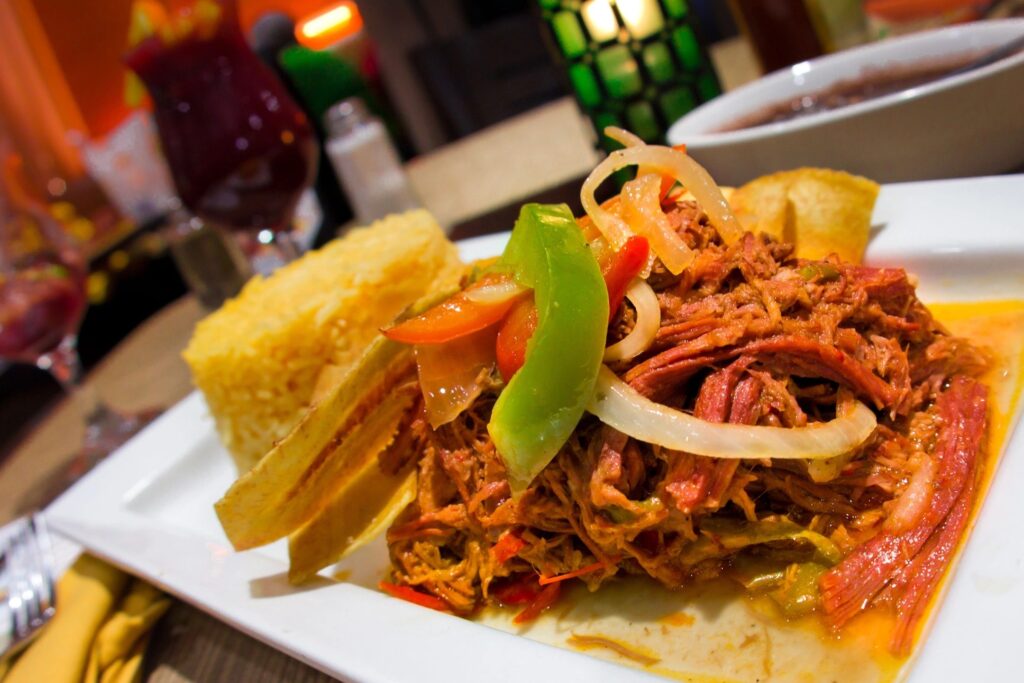
Finally, presentation changes perception. Even simple food feels more enjoyable when it looks appealing.
The truth is, restaurant-quality cooking isn’t about complexity — it’s about attention to detail. Once you understand these principles, your cooking will start to feel less ordinary and far more intentional.