
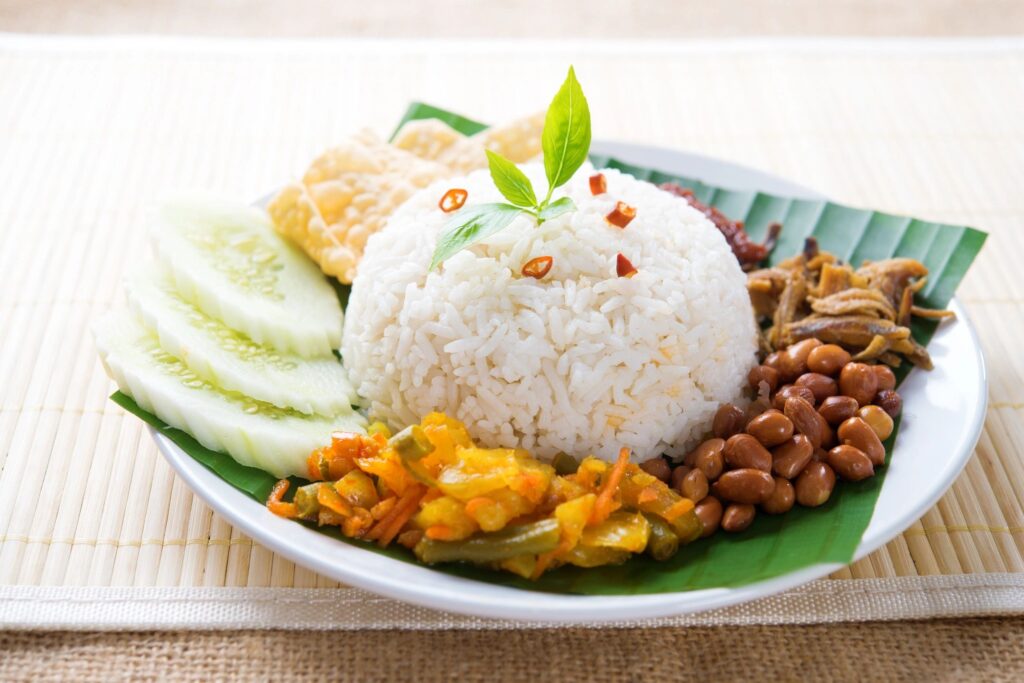
For years, food trends often pushed people toward whatever was newest — superfoods, imported ingredients, complicated eating styles. But lately, many people are looking back instead of forward, rediscovering traditional foods that generations relied on long before wellness became fashionable.
Beans, lentils, fermented foods, broths, whole grains, root vegetables — many of these humble staples are returning to modern tables with renewed appreciation.
Part of the appeal is simplicity. Traditional foods are often nourishing without being expensive or complicated. They were shaped by practicality and wisdom.
Many are naturally balanced, built around ingredients that sustain energy and support long-term well-being.
There is also cultural richness here.
Traditional food often carries story. Memory. Identity. Connection.
Recipes passed through families preserve more than flavor. They preserve belonging.
People are realizing healthy eating does not always require something exotic. Sometimes wellness has been sitting in heritage recipes all along.
Traditional foods also tend to align with slower, more mindful cooking. Meals built from scratch. Ingredients recognized. Food prepared with intention.
That has emotional value too.
In a fast-food culture, returning to traditional foods can feel grounding.
And perhaps that is part of why they are resonating again. Not because they are trendy. But because they have quietly worked for generations.
Sometimes the future of food looks surprisingly rooted in the past.