
Raising awareness of period poverty, advocating international cooperation and building partnerships for meaningful change.
I was honoured and privileged to serve as a delegate of the Institut de Diplomatie Publique at the United Nations in Geneva, Switzerland, in October 2026.
Being at the United Nations was a memorable and rewarding experience, providing an opportunity to engage with international discussions, exchange ideas and contribute to conversations addressing important global challenges.
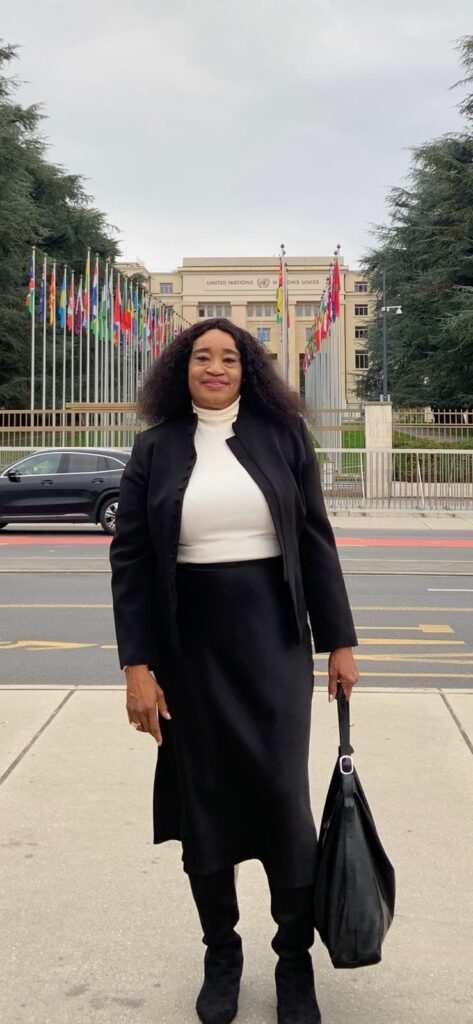
One of the issues I was particularly keen to bring to the attention of the international community was period poverty and the affordability and accessibility of menstrual products.
Advocating for women’s health and dignity
During my intervention at the United Nations, I highlighted the challenges women and girls face in accessing affordable menstrual products. Although progress has been made in providing free menstrual products in certain public facilities and institutions, access remains inconsistent, and many women and girls still struggle to afford these essential products.
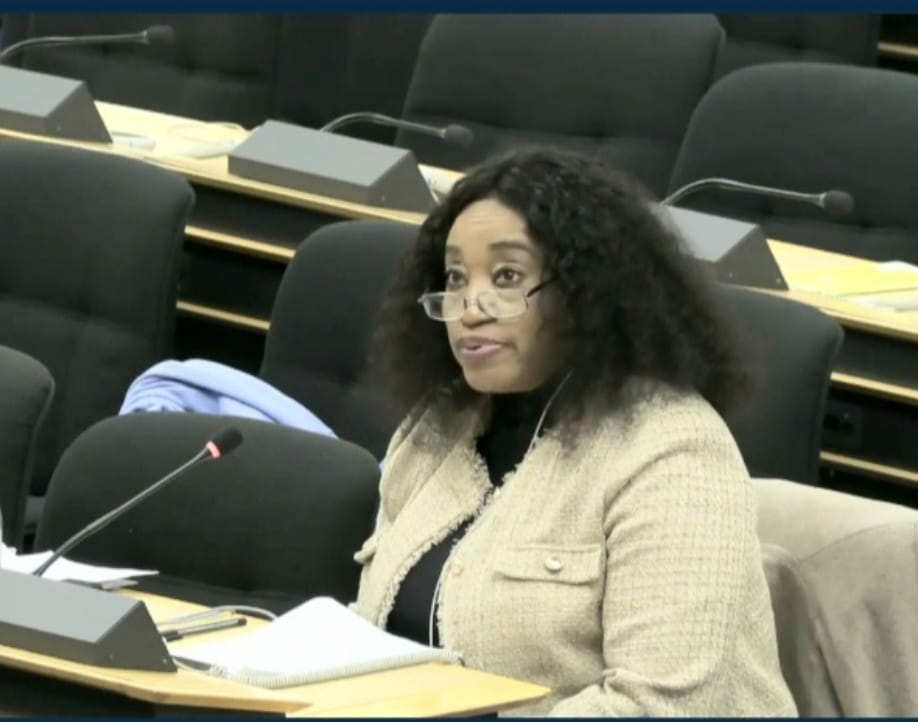
Menstruation is a natural and recurring biological reality. Yet, the products required to manage it safely and with dignity remain an ongoing financial burden for many.
I emphasised that no woman or girl should have to choose between purchasing essential menstrual products and meeting other basic needs.
Drawing from my experience mentoring more than 500 women through Young Women in Science, Engineering and Technology (YWISET), the majority of whom are from the Global South, I highlighted the importance of listening to women’s experiences and recognising the practical barriers affecting their health, dignity, education and participation in everyday life.
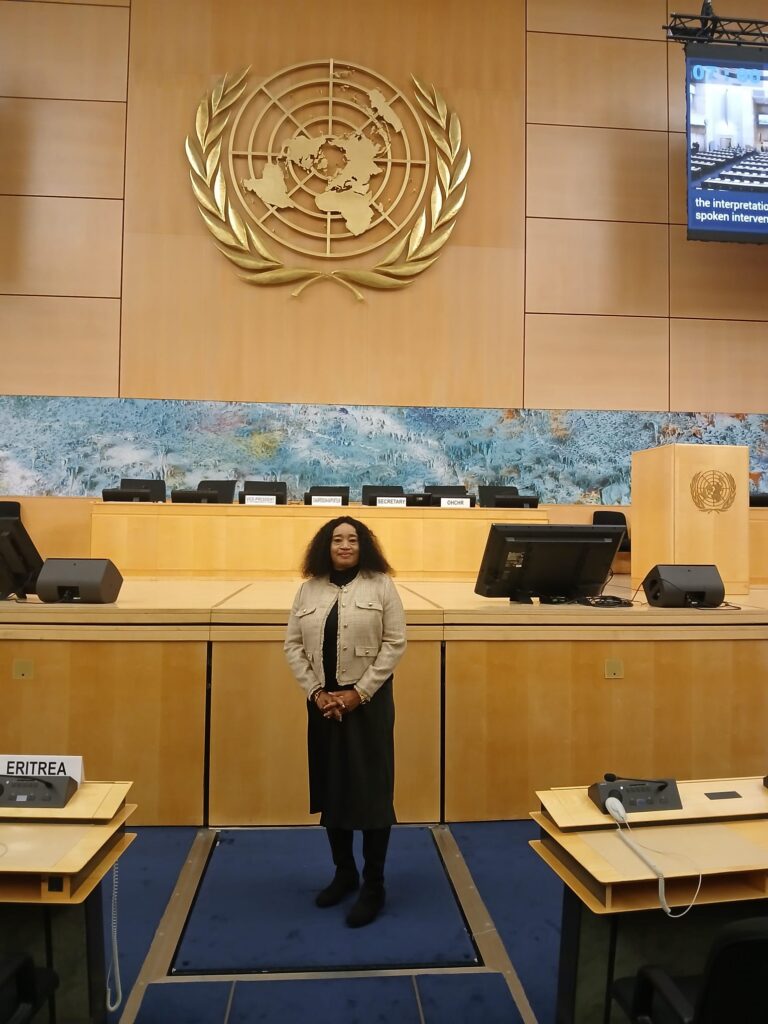
I called for stronger international cooperation involving governments, international organisations, the private sector and civil society. I also emphasised the need for sustainable financing measures, including subsidies, reduced prices and free provision for those most in need.
My message was clear: access to essential menstrual products should not be determined by a woman’s financial circumstances or geographical location.
A meaningful encounter and potential collaboration
One of the highlights of my time at the United Nations was meeting Dr. Eva Skulteti, Secretary General of the Chamber of Commerce and Industry of Hajdú-Bihar County, Hungary.
Following my intervention, Dr. Skulteti approached me and expressed her interest in becoming involved in efforts to support women and girls.
I was particularly encouraged by her enthusiasm and willingness to explore practical ways of addressing period poverty. Our conversation developed into further communication, during which she shared some initial ideas and a proposal for possible collaboration.
I was delighted by this encounter. It was encouraging to meet someone who not only recognised the importance of the issue but was also interested in exploring ways to translate the conversation into practical action.
I am genuinely grateful to Dr. Skulteti for her warmth, openness and interest in this cause. I look forward to reviewing her proposal, contributing my thoughts and continuing our discussions about possible areas of collaboration.
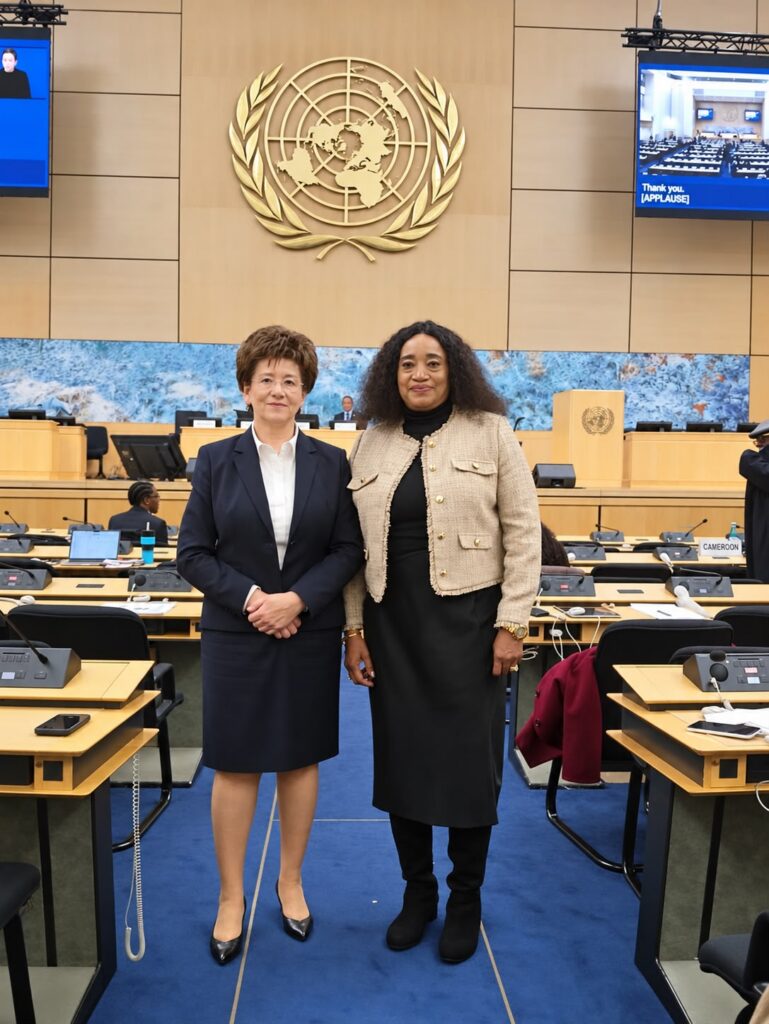
This encounter reinforced my belief that international gatherings provide valuable opportunities to build relationships and partnerships that can help transform important conversations into practical initiatives.
The work behind the advocacy: Young Women in Science, Engineering and Technology
My advocacy for women’s empowerment is rooted in my longstanding commitment to supporting women and girls.
Through Young Women in Science, Engineering and Technology (YWISET), I have mentored more than 500 women, encouraging their educational, professional and personal development. The initiative has also supported women through scholarships, mentoring, essay-writing activities and other empowerment opportunities.
Working with women from different backgrounds has strengthened my understanding that empowerment goes beyond access to education and professional opportunities. Health, dignity, economic independence and access to essential resources are equally important.
This is why I am interested in broadening conversations around women’s empowerment to include practical interventions addressing the everyday challenges women and girls face.
Menstrual health and access to affordable menstrual products deserve particular attention because they affect women’s wellbeing, dignity and ability to participate fully in society.
International cooperation: Turning conversations into action
My experience at the United Nations reinforced the importance of international cooperation in addressing challenges that affect women and girls across national boundaries.
Governments, international organisations, businesses, civil society organisations and individuals all have important roles to play in developing sustainable solutions.
By bringing together expertise, resources and shared commitment, international partnerships can help expand access to essential products, support vulnerable communities and create opportunities for lasting change.
I believe there is considerable scope for collaboration across sectors and national borders, particularly in developing practical initiatives that reach women who need support the most.
Looking ahead
Serving as a delegate of the Institut de Diplomatie Publique at the United Nations in Geneva was an important milestone in my journey as an educator, mentor and advocate for women’s empowerment.
I am grateful for the opportunity to raise an issue that matters deeply to me, engage with people from different professional and national backgrounds, and establish connections that may lead to meaningful collaboration.
I look forward to building on these conversations and exploring initiatives that can improve the lives of women and girls, particularly through greater access to affordable menstrual products and other essential resources.
Women’s dignity, health and empowerment should never depend on their financial circumstances or geographical location. These are issues that deserve attention, commitment and collective action.
The journey from dialogue to impact begins when people are willing to listen, collaborate and act.
Professor Ngozi Franca Okoye
Founder, Young Women in Science, Engineering and Technology (YWISET)