πŸ’° FINANCE: The Hidden Cost of Lifestyle Inflation

When income increases, spending often increases automatically. A better salary leads to a bigger house, a newer car, more dining out, and upgraded habits.

This is lifestyle inflation.

The danger is subtle. You feel more successful, yet your savings do not grow.

Financial maturity requires resisting automatic upgrades. When income rises, a portion should immediately strengthen investments, savings, and emergency funds β€” not expenses.

Lifestyle inflation creates pressure. It locks you into higher monthly obligations and reduces flexibility.

Instead of expanding lifestyle instantly, pause.

Ask:

β€’ Does this purchase improve my long-term position?
β€’ Am I upgrading for necessity or image?
β€’ Would I regret this decision during financial hardship?

Financial growth should first strengthen security.

Freedom is more impressive than appearance.

πŸ₯— FOOD:Why Balanced Eating Is More Powerful Than Dieting

Every year, new diets trend β€” low-carb, high-protein, fasting windows, elimination plans. Yet many people find themselves losing weight temporarily, only to regain it later. The problem is not lack of discipline. It is the obsession with extremes.

Balanced eating is sustainable. Extreme dieting is temporary.

A balanced plate includes protein, fiber, healthy fats, and complex carbohydrates. Protein stabilizes blood sugar and supports muscle maintenance. Fiber improves digestion and prolongs fullness. Healthy fats support hormone balance and brain health. Complex carbohydrates provide steady energy.

When you eliminate entire food groups without medical necessity, you often create nutritional imbalance and psychological restriction. Restriction increases cravings. Cravings increase overeating. The cycle continues.

Instead of asking, β€œWhat should I remove?”
Ask, β€œWhat can I improve?”

Eat regularly. Hydrate properly. Reduce ultra-processed foods. Control portions without starving yourself.

Health is not built through punishment.
It is built through consistency.

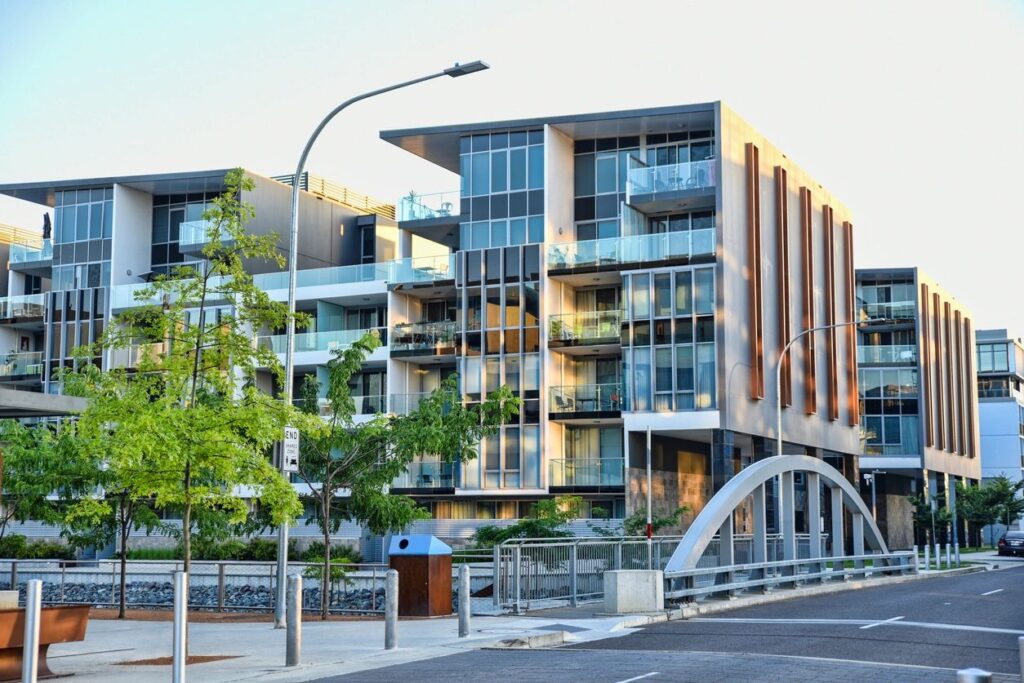
🏠 REAL ESTATE: Before You Buy Property, Ask These 5 Questions

Real estate can build wealth β€” but poor decisions create long-term stress.

Before purchasing property, ask:

  1. Is the location growing economically?
  2. Can I comfortably afford repayments?
  3. What are the maintenance costs?
  4. Is this a long-term or short-term investment?
  5. Does this purchase align with my broader financial goals?

Property should be a calculated decision, not an emotional one.

Good real estate decisions are patient decisions.

🌿 WELLNESS: Emotional Intelligence Is a Daily Practice

Emotional intelligence is not a personality trait. It is a skill.

It involves:

β€’ Recognizing your emotions
β€’ Managing reactions
β€’ Understanding others
β€’ Responding thoughtfully

Emotionally intelligent individuals pause before reacting. They ask questions before assuming. They choose clarity over drama.

Emotional maturity reduces conflict in relationships, improves leadership ability, and strengthens self-respect.

Calm responses are powerful responses.

🩺 HEALTH: The Long-Term Cost of Ignoring Sleep

Sleep is often sacrificed for work, entertainment, or social media.

But chronic sleep deprivation has serious consequences:

β€’ Weakened immunity
β€’ Increased stress hormones
β€’ Slower metabolism
β€’ Poor concentration
β€’ Mood instability

Adults generally require 7–8 hours of quality sleep for optimal functioning.

Sleep is not laziness.

It is biological repair.

Protecting sleep is protecting long-term health.

πŸ’° FINANCE :Why Financial Discipline Is More Important Than High Income

;

Many high earners struggle financially. At the same time, moderate earners build stability and wealth.

The difference is rarely income.

It is discipline.

Financial discipline includes:

β€’ Spending below your means
β€’ Saving before spending
β€’ Avoiding emotional purchases
β€’ Investing consistently
β€’ Planning for emergencies

Income creates opportunity.
Discipline creates security.

Without structure, higher income simply creates higher expenses.

Financial maturity begins when you stop asking, β€œHow much do I earn?”
And start asking, β€œHow well do I manage what I earn?”

πŸ₯— FOOD: 6 Simple Eating Rules That Keep Your Energy Stable All Day

Many people complain about fatigue, afternoon crashes, and brain fog. Often, the problem is not workload β€” it is unstable blood sugar caused by poor eating patterns.

Here are six simple food rules that protect your daily energy.

  1. Never Start the Day With Sugar
    Sugary cereals, pastries, or sweet coffee spike blood sugar and cause a crash within hours. Begin with protein and fiber instead.
  2. Include Protein in Every Meal
    Eggs, fish, beans, yogurt, or lean meat help stabilize blood sugar and prevent sudden hunger.
  3. Do Not Skip Meals
    Skipping meals leads to overeating later and unstable energy levels.
  4. Drink Water Before Coffee
    Hydration improves focus naturally. Many people are dehydrated, not tired.
  5. Limit Ultra-Processed Snacks
    Highly processed snacks digest quickly and cause energy drops.
  6. Eat Slowly
    Fast eating disrupts digestion and fullness signals.

Stable energy is not accidental. It is nutritional discipline practiced daily.