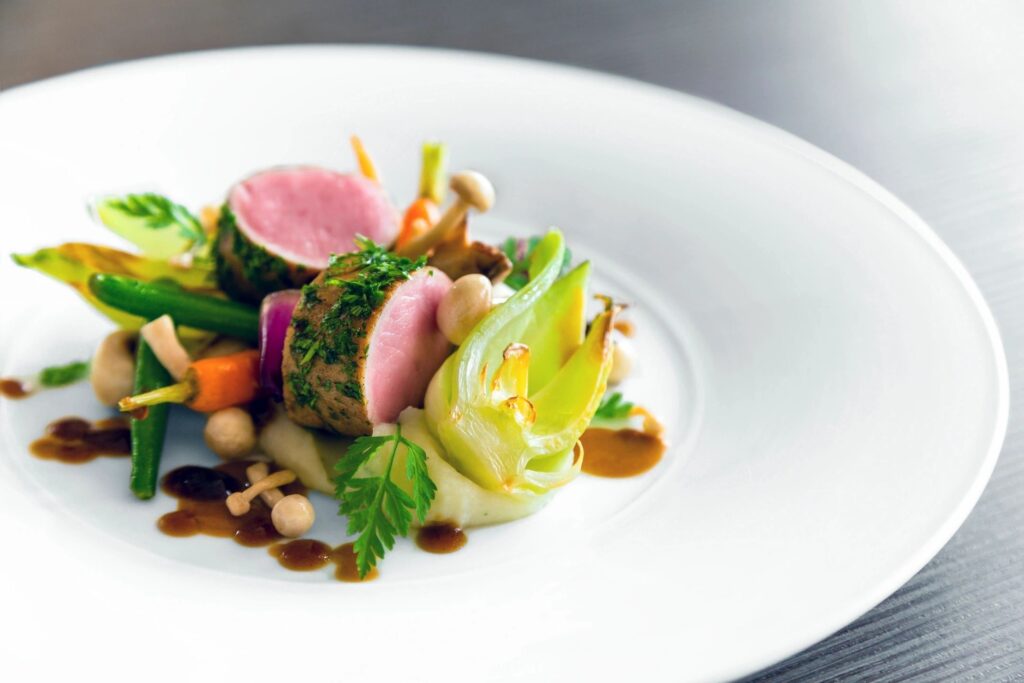
The Mediterranean Diet Explained: Why It’s Considered the World’s Healthiest Way to Eat


The Mediterranean Diet Explained: Why It’s Considered the World’s Healthiest Way to Eat

Discover the science-backed benefits of the Mediterranean diet and how to apply its principles anywhere in the world for better heart and brain health.

Mediterranean diet benefits, healthy eating plan, heart healthy diet, longevity foods

For decades, nutrition researchers have studied why certain populations experience longer life expectancy and lower rates of chronic disease. One eating pattern consistently stands out: the Mediterranean diet.

Rooted in traditional cuisines of countries like Greece, Italy, and Spain, this approach focuses on whole foods rather than strict calorie counting.

At its core, the Mediterranean diet emphasizes vegetables, fruits, legumes, whole grains, olive oil, nuts, seeds, and moderate portions of fish. Red meat and processed foods are limited.

What makes it powerful isn’t just the food — it’s the lifestyle. Meals are shared socially. Eating is slower. Movement is part of daily life.

You don’t need to live in Southern Europe to benefit. You can apply the same principles globally:

  • Replace processed oils with olive oil.
  • Add more plant-based meals weekly.
  • Eat fish more often than red meat.
  • Include nuts and seeds for healthy fats.

Research shows this pattern supports heart health, reduces inflammation, and promotes cognitive longevity.

The lesson isn’t about copying a culture — it’s about embracing balance.

Food, Healthy Diet, Longevity, Nutrition

INSPIRATION

Small Improvements, Massive Results

We often underestimate small habits.

Reading 10 pages daily equals 12–15 books per year.
Saving a small percentage monthly builds significant savings over time.
Walking daily improves long-term health.

Success compounds quietly.

Progress is rarely loud — but it is powerful.

WELLNESS

The Global Burnout Epidemic — And How to Recover

Burnout is no longer just a corporate issue. Students, parents, entrepreneurs — everyone feels stretched.

Burnout signs include:

  • Chronic fatigue
  • Irritability
  • Loss of motivation
  • Sleep disruption
  • Emotional numbness

Recovery requires:

  • Honest workload assessment
  • Saying no without guilt
  • Scheduling recovery time
  • Seeking support
  • Redefining success

Restoration is not weakness. It’s maintenance.

RELATIONSHIP

Communication Isn’t Just Talking — It’s Listening Without Defending

Many relationships fail not because of lack of love — but because of defensive communication.

When your partner speaks, do you listen to understand or listen to respond?

Defensiveness turns conversations into competitions. Healthy communication turns them into collaboration.

Practice this:

  • Pause before reacting
  • Repeat what you heard
  • Validate feelings even if you disagree
  • Avoid phrases like “You always” or “You never”

Listening is emotional generosity.

Strong relationships require humility — not just passion.

HEALTH

Movement as Medicine: Why Daily Activity Matters More Than Intense Workouts

You don’t need a gym membership to stay healthy.

Research consistently shows that consistent daily movement is more important than occasional intense workouts.

Walking 30 minutes daily reduces risk of heart disease, improves mood, regulates blood sugar, and strengthens joints.

If you live in a city, walk more.
If you work from home, stretch every hour.
If you sit long hours, schedule movement breaks.

The human body was built to move — not to sit for 10 hours a day.

Simple global movement habits:

  • Take stairs instead of elevators
  • Walk during phone calls
  • Dance at home
  • Stretch before bed
  • Stand periodically during work

Consistency beats intensity.

FINANCE

The 24-Hour Rule: A Simple Habit That Can Transform Your Finances

Impulse spending is one of the biggest silent drains on personal finances worldwide.

The solution? The 24-hour rule.

Whenever you feel the urge to buy something non-essential, wait 24 hours before purchasing. That pause interrupts emotional spending and activates rational thinking.

Why it works:

  • It reduces regret purchases
  • It prevents debt accumulation
  • It builds financial discipline
  • It shifts focus from impulse to intention

Most purchases triggered by emotion — boredom, stress, comparison — lose urgency after a day.

In a world engineered to make you spend instantly, slowing down is financial power.

Financial growth is rarely dramatic. It’s the accumulation of small disciplined decisions.

FOOD

Smart Eating on a Budget: How to Nourish Your Body Without Overspending

Food prices are rising globally, and many households are feeling the pressure. But eating healthy doesn’t have to mean spending more — it means planning better.

Across cultures, the most nourishing traditional meals were built on affordable staples: grains, legumes, seasonal vegetables, and modest portions of protein. The problem today isn’t lack of access to food — it’s over-reliance on processed convenience.

Here’s how to eat well without draining your wallet:

1. Build Meals Around Staples
Rice, beans, lentils, oats, potatoes, pasta, millet, and maize are affordable worldwide. These foods provide energy and fiber at a low cost.

2. Buy Seasonal Produce
Seasonal fruits and vegetables are cheaper and more nutritious. Local markets often offer better deals than supermarkets.

3. Reduce Processed Snacks
Packaged foods are convenient but expensive per serving. Replace chips and sugary snacks with boiled eggs, roasted nuts, yogurt, fruit, or homemade popcorn.

4. Cook Once, Eat Twice
Meal prepping reduces waste and prevents impulsive spending on takeout.

5. Embrace Plant Proteins
Beans, chickpeas, tofu, and lentils are significantly cheaper than meat while still being protein-rich.

Healthy eating isn’t about luxury ingredients. It’s about consistency and intention. A simple plate made at home is often healthier than an expensive meal eaten out.

WELLNESS

Rest Is Not Laziness: The Science of Recovery

Productivity culture glorifies exhaustion.

But science is clear: rest improves creativity, memory, mood, and physical performance.

Rest includes:

  • Sleep
  • Mental breaks
  • Digital detox
  • Vacations
  • Saying no

Rest is strategic.


INSPIRATION

Discipline Is More Reliable Than Motivation

Motivation is emotional. Discipline is structural.

If you wait to “feel ready,” you may wait forever.

Build systems:

  • Fixed wake-up time
  • Scheduled exercise
  • Weekly financial review
  • Monthly goal check

Success respects structure.

LIFESTYLE

The Power of Intentional Living in a Distracted World

The modern world rewards urgency. But intentional living rewards clarity.

Intentional living means choosing what matters instead of reacting to everything.

Ask yourself:

  • What kind of life do I want?
  • What habits align with that life?
  • What distractions must I reduce?

Minimalism is not about owning less. It’s about choosing better.

Your life improves when your decisions become deliberate.

RELATIONSHIP

Why Modern Relationships Are Failing — And How to Build One That Lasts

Technology has made communication easier — and commitment harder.

We have more options than ever before. But too many options create comparison. Comparison creates dissatisfaction.

Strong relationships are built on three pillars:

  1. Emotional safety
  2. Honest communication
  3. Shared values

Attraction starts relationships. Character sustains them.

If you constantly feel anxious, insecure, or unheard — that’s data.

Choose someone who chooses you clearly.

Love is not confusion.