FINANCE-Why Earning More Money Doesn’t Always Solve Financial Problems

It’s easy to assume that higher income automatically leads to financial stability.

But in many cases, it doesn’t.

When income increases, spending often increases with it. This is known as lifestyle inflation.

You upgrade your lifestyle — better housing, more spending, higher expectations.

As a result, financial pressure remains, even with more money.

The problem is not income.

It’s behaviour.

Without financial structure, more money simply scales existing habits.

This is why some high earners still struggle financially.

On the other hand, people with moderate incomes but strong financial habits often achieve stability.

The key is awareness.

Tracking spending, setting priorities, and maintaining discipline matters more than income alone.

Because financial security is not just about how much you earn.

It’s about how you manage it.

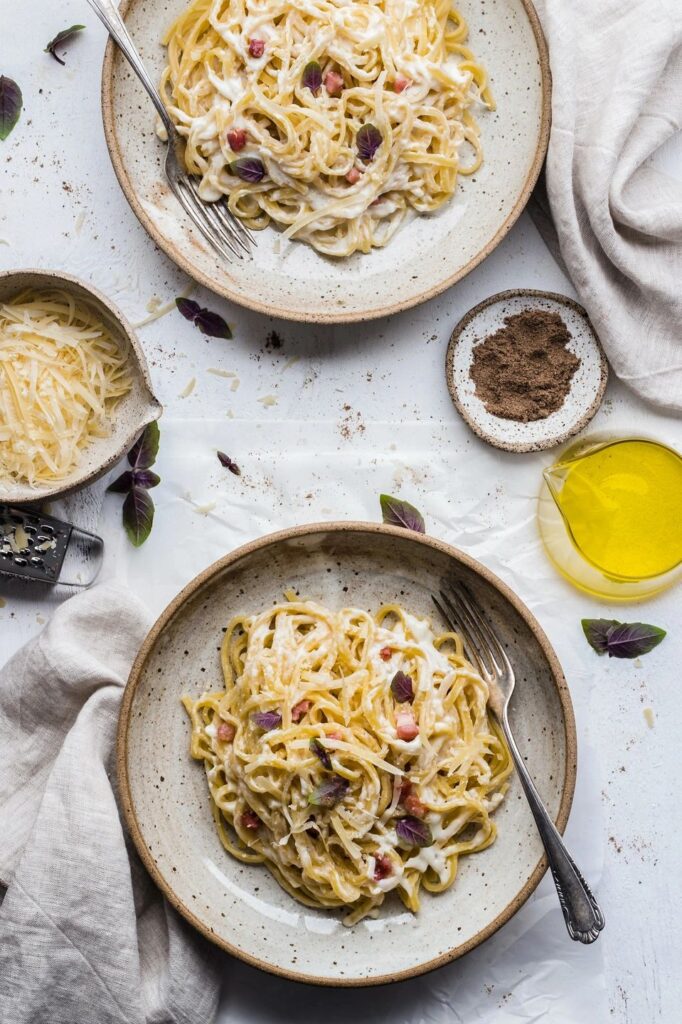
FOOD-Why “Eating Clean” Might Be Doing More Harm Than Good

“Eat clean” sounds like simple, positive advice. But the phrase itself has become increasingly problematic.

At first glance, it encourages healthier choices — whole foods, fewer processed items, better ingredients. But over time, it has evolved into something more rigid.

Food becomes labeled as “clean” or “dirty.”

This creates a mental divide.

Instead of balance, people begin to associate guilt with certain foods. Eating something outside of the “clean” category feels like failure, even if it’s occasional and harmless.

This mindset can lead to stress around eating.

Food is no longer just nourishment or enjoyment — it becomes a source of pressure.

Ironically, this can push people further away from sustainable habits. Extreme restriction often leads to cycles of control and overindulgence.

The body doesn’t need perfection.

It needs consistency.

Balanced eating — including flexibility — is more effective long-term than strict rules.

Understanding this changes your relationship with food.

Because health is not about being “perfect.”

It’s about being consistent without unnecessary pressure.

FRANKLY SPEAKING WITH FRANCA

Q: I feel stuck in life. I try new things, but nothing seems to make a difference. How do I move forward?

Franca’s Answer: Feeling stuck is a signal, not a failure. It often means you’re operating on routine, habit, or external expectations without evaluating your internal desires.

Many people confuse movement with progress. You’re busy, trying, and exploring — but your actions aren’t aligned with your personal goals. This creates frustration despite effort.

The first step is clarity. What is truly important to you? Identify 1–2 areas that matter most — personal growth, career, relationships — and focus there.

Next, audit your daily actions. Are they aligned with these priorities? Eliminate energy-draining tasks that don’t contribute to your goals.

Then, commit to micro-actions. Small, consistent steps compound over time. Sometimes the smallest adjustment — reading for 10 minutes, reaching out to a mentor, or experimenting with a new habit — creates momentum.

Finally, embrace experimentation. Not everything will work. Failure is feedback, not punishment. Track results, adjust, and continue.

Stuckness often disappears when intention replaces activity. Focus on direction, not motion.

INSPIRATION-Why “Follow Your Passion” Can Be Misleading Advice

We’ve all heard: “Do what you love, and you’ll never work a day in your life.”

In reality, passion alone doesn’t pay bills. Many passionate pursuits require skill-building, patience, and often supplemental income. Following passion blindly can lead to frustration if practical realities are ignored.

The better approach? Combine interest with strategy. Pursue passion intentionally, while building skills and financial stability. This keeps dreams realistic and sustainable.

WELLNESS-Why Your Smartphone Is Quietly Sabotaging Your Mental Health

Notifications, social media, and constant messages may seem harmless, but research shows high device use can increase anxiety, reduce attention span, and disrupt sleep.

Small changes, like phone-free meals, device-free zones, and scheduled social media breaks, can dramatically improve mental clarity and emotional balance.

The debate isn’t about quitting technology. It’s about controlling it, instead of letting it control you.

LIFESTYLE-Why Minimalism Isn’t For Everyone

Minimalism has become a global trend. Clean spaces, fewer belongings, and intentional living are praised widely.

But minimalism isn’t a universal solution. Some people thrive in rich, stimulating environments with lots of possessions. Their energy, creativity, and identity are tied to objects and experiences.

Minimalism works best when it enhances life rather than restricts it. Forcing it can create stress instead of calm. The key is intentional choice: keep what matters, let go of what doesn’t, and find your balance.

RELATIONSHIP-Why Ghosting Isn’t Always Cruel — And Why It Hurts Anyway

Ghosting has become common in modern dating. People leave conversations without explanation, creating frustration and confusion.

Some argue it’s a natural result of avoiding confrontation. Others say it’s lazy and disrespectful.

The truth is somewhere in between. Ghosting may prevent conflict, but it fails to provide closure. It’s an easy way out that leaves emotional gaps for the other person.

A better approach is honesty. A brief, clear explanation may feel uncomfortable, but it builds maturity and respect.

Relationships — romantic or otherwise — thrive on transparency, not avoidance.

HEALTH-The Debate: Supplements vs. Real Food

Are vitamins and supplements essential or overhyped?

Supplements can fill nutrient gaps, but they can’t replicate the complex nutrition of whole foods. Fruits, vegetables, grains, and proteins contain compounds that work synergistically, which isolated pills cannot match.

On the other hand, some people benefit from supplements — especially those with dietary restrictions or specific deficiencies.

The key is balance and knowledge. Supplements should support a healthy diet, not replace it. Understanding when and why to use them can prevent unnecessary spending and potential health risks.

FINANCE-Why Following Financial Advice Online Can Be Risky

Social media finance experts and blogs are everywhere. Everyone seems to have the secret to getting rich fast.

The problem is that most advice is generalized or oversimplified. What works for one person may fail for another. Blindly copying advice without understanding your own finances can lead to poor decisions or even debt.

True financial growth comes from personalized planning, awareness, and discipline, not trends or viral tips. Analyze your income, expenses, and goals before implementing strategies.

Remember, financial security isn’t glamorous. It’s consistent and sometimes boring work — not viral videos.

FOOD-Why “Organic” Isn’t Always Better — The Truth About Food Labels

Organic food has become synonymous with health and quality. But the reality is more nuanced. Organic does not always guarantee better nutrition or taste.

Many organic products have the same calorie, sugar, and fat content as conventional items. Labels may create perception of superiority rather than actual advantage.

The bigger consideration is food sourcing and preparation. Locally grown produce, seasonal vegetables, and minimal processing often matter more than the organic label itself.

Price is another factor. Organic foods are often 2–3x more expensive. For people trying to balance nutrition and cost, spending on fresh, local foods may yield better results than chasing the “organic” tag.

The takeaway? Read beyond labels. Focus on freshness, variety, and balance. Organic is one tool, not a universal rule.