FOOD

Why Breakfast Culture Is Quietly Changing Around the World

Breakfast has long been described as the most important meal of the day, yet the way people approach breakfast is changing significantly across different cultures and lifestyles.

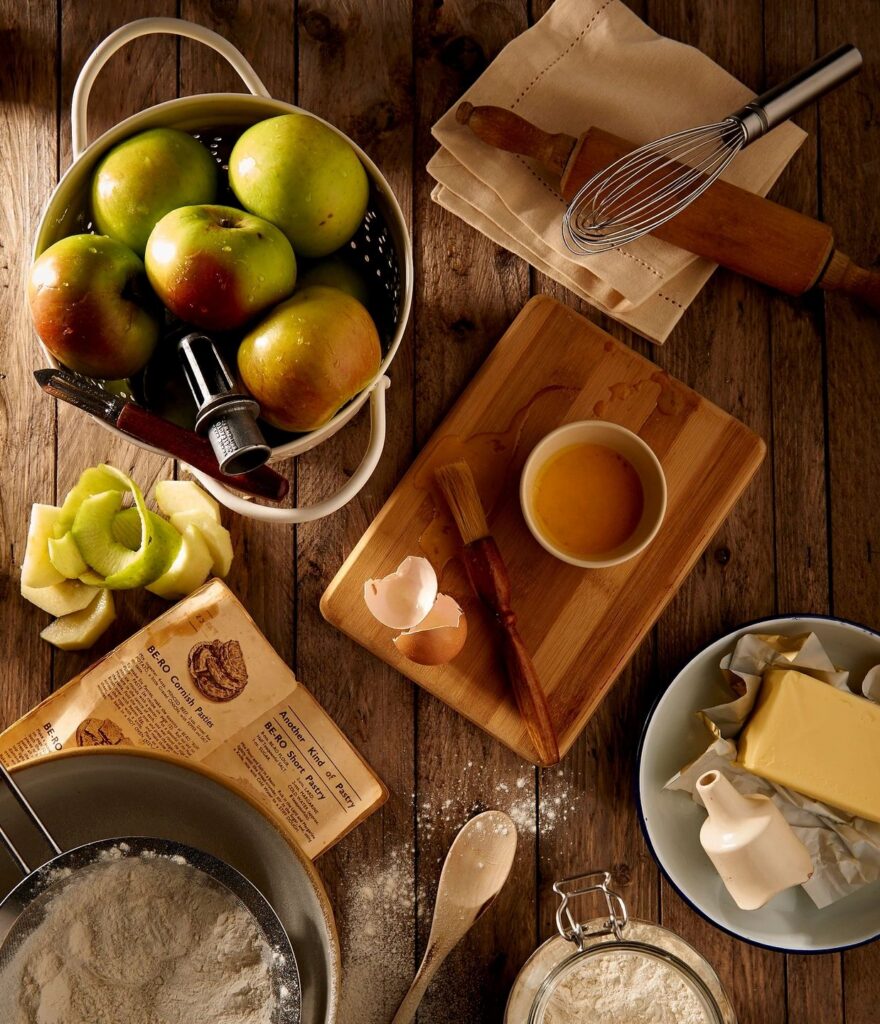
Traditional breakfast routines once centered around large family meals eaten at home before work or school. Today, modern schedules, urban living, and evolving health habits are reshaping morning eating patterns. Many people now prefer lighter, simpler breakfasts that fit into fast-paced routines while still supporting energy and focus.

One major influence behind this shift is wellness culture. Increasing awareness around nutrition has encouraged people to become more intentional about what they eat in the morning. Protein-rich meals, fresh ingredients, smoothies, fruit bowls, and lighter combinations are increasingly replacing heavily processed breakfast options.

Another factor is flexibility in modern work culture. Remote and hybrid work schedules have reduced the pressure of rushed early mornings for some individuals. This has allowed people to create more personalized breakfast routines rather than following rigid schedules.

At the same time, café culture continues to influence breakfast trends globally. Breakfast meetings, brunch culture, and social coffee spaces have transformed mornings into more social and lifestyle-driven experiences.

Importantly, breakfast is becoming less about strict tradition and more about individual balance. People are adapting meals based on their energy needs, health priorities, and daily structure.

This evolution reflects broader changes in modern living. Food habits are becoming increasingly connected to wellness, flexibility, and intentional lifestyle choices.

And increasingly, breakfast culture is being redefined not only by what people eat, but by how they choose to begin their day.


FINANCE

Why People Are Becoming More Interested in Financial Boundaries

Conversations about boundaries are often linked to relationships and mental health, but financial boundaries are becoming equally important in modern life.

Financial boundaries involve setting clear limits around spending, lending, financial expectations, and lifestyle pressure. As economic pressures increase, many people are recognizing the importance of protecting their financial stability through intentional decision-making.

One reason financial boundaries matter is social influence. Constant exposure to luxury lifestyles and online comparison culture can create pressure to overspend or maintain appearances that do not align with reality.

Financial boundaries help individuals make choices based on their own priorities rather than external expectations.

These boundaries can include declining unnecessary expenses, limiting financial support that creates strain, or resisting lifestyle inflation when income increases.

Importantly, financial boundaries are not about selfishness. They are about sustainability and emotional peace.

Money-related stress affects relationships, mental health, and long-term stability. Clear boundaries reduce unnecessary pressure and improve decision-making.

As financial awareness grows, people are becoming more comfortable discussing budgeting, priorities, and realistic expectations openly.

And increasingly, financial health is being understood not only as income, but as the ability to maintain stability without constant pressure or comparison.


HEALTH

Why Hydration Is Often Overlooked in Everyday Health

Health conversations frequently focus on exercise, nutrition, and supplements, but hydration remains one of the simplest and most overlooked aspects of wellness.

Water supports nearly every major function in the body. Energy levels, digestion, concentration, circulation, and temperature regulation all depend heavily on proper hydration.

Despite its importance, many people underestimate how much dehydration affects daily functioning. Fatigue, headaches, poor focus, and low energy are often linked to inadequate water intake.

Modern lifestyles can make hydration more difficult. Busy schedules, caffeine-heavy routines, and long periods indoors may reduce awareness of the body’s need for water.

There is also growing recognition that hydration affects appearance and mental clarity in addition to physical health. Skin quality, concentration, and mood can all improve with better hydration habits.

Importantly, improving hydration does not require dramatic lifestyle changes. Small consistent habits throughout the day often make the biggest difference.

This reflects a larger wellness principle: foundational habits are frequently more important than complicated routines.

And increasingly, people are recognizing that better health sometimes begins with the simplest daily practices.


LIFESTYLE

Why More People Are Creating “Offline Hours”

In an age of constant digital access, many individuals are beginning to intentionally disconnect for parts of the day through what is becoming known as “offline hours.”

Offline hours are scheduled periods without social media, messaging, or constant online engagement. For some, this may mean avoiding screens during meals or before sleep. For others, it involves dedicated periods of complete digital absence.

The goal is not to reject technology completely, but to create healthier relationships with it.

Many people report feeling mentally exhausted from continuous notifications, information overload, and social comparison. Offline time allows the mind to recover and refocus.

It also improves presence. Without constant digital distraction, conversations, hobbies, and personal reflection often become more meaningful.

Importantly, offline hours help restore boundaries between work, personal life, and rest.

As awareness around digital fatigue grows, intentional disconnection is becoming more common.

And increasingly, protecting time away from screens is being viewed as an important part of modern well-being.


WELLNESS

Why Restorative Spaces Matter for Mental Health

Environment plays a significant role in emotional well-being.

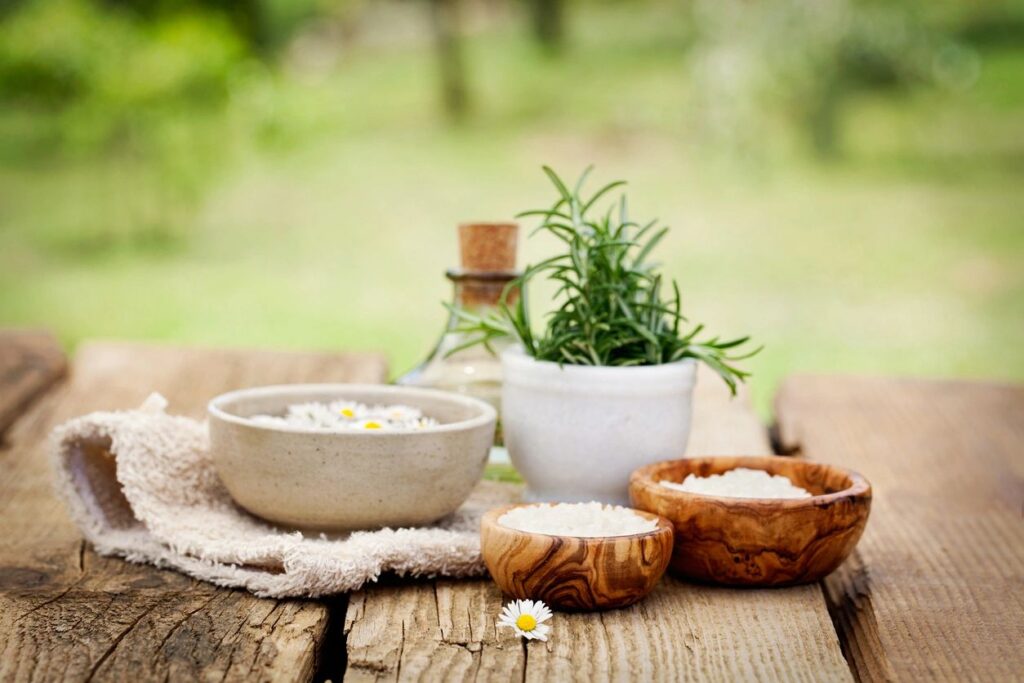
Restorative spaces—places that create calmness, comfort, and mental relief—are becoming increasingly important in modern lifestyles.

These spaces do not need to be large or luxurious. A quiet room, a reading corner, a garden, or even a peaceful café can provide emotional recovery from overstimulation.

Modern environments are often noisy, fast-paced, and highly demanding. Restorative spaces create opportunities to pause mentally and emotionally.

Many wellness experts now emphasize the importance of surroundings in stress management and emotional regulation.

And increasingly, people are designing their environments intentionally to support calmness and clarity.


INSPIRATION

Why Resilience Often Develops Quietly

Resilience is often associated with dramatic moments of strength, but most resilience develops quietly over time.

It grows through repeated experiences of adaptation, recovery, and persistence during ordinary challenges.

People become resilient by continuing despite uncertainty, setbacks, or emotional difficulty.

Importantly, resilience does not mean the absence of struggle.

It means developing the ability to move through difficulty without completely losing direction.

And increasingly, resilience is being understood as a long-term process rather than a single moment of strength.


REAL ESTATE

Why Outdoor Living Spaces Are Increasingly Valuable

Outdoor living spaces have become increasingly desirable in modern real estate.

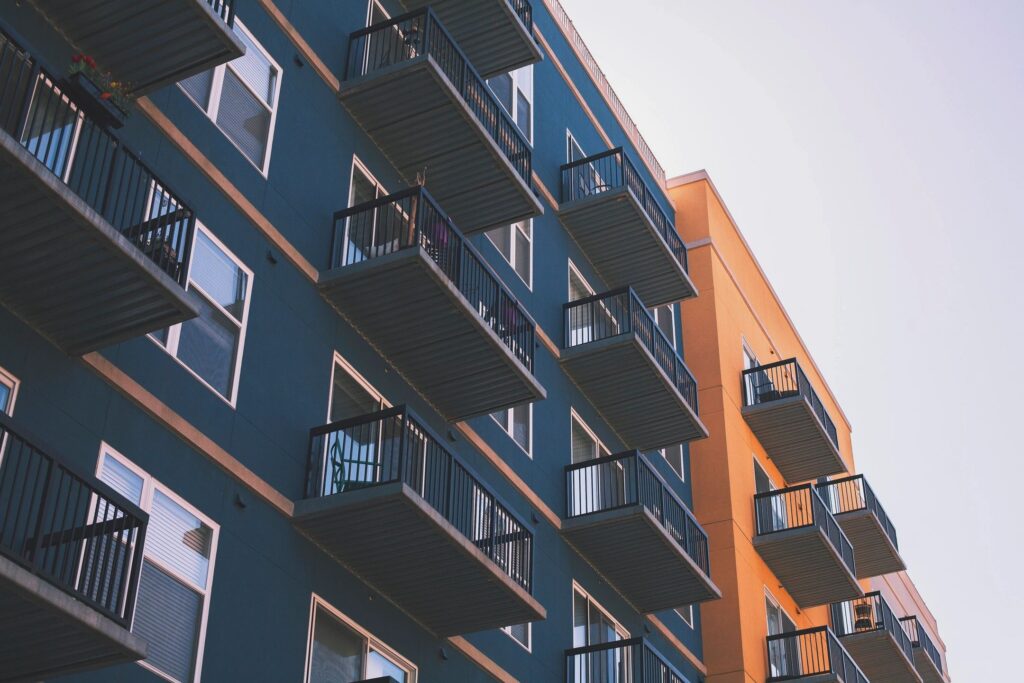
Balconies, terraces, gardens, and shared outdoor areas are now viewed as important lifestyle features rather than optional additions.

This shift reflects growing awareness around wellness, fresh air, and lifestyle balance.

People want environments that provide relaxation and connection to nature without leaving home completely.

Outdoor spaces also increase flexibility for social gatherings, work, and personal downtime.

And increasingly, property value is being influenced not only by interior design, but by outdoor experience as well.


RELATIONSHIPS

Why Emotional Honesty Improves Communication

Healthy communication depends heavily on emotional honesty.

Emotional honesty involves expressing thoughts and feelings clearly rather than avoiding important conversations or hiding emotions completely.

Without honesty, misunderstandings and emotional distance often increase over time.

Open communication creates trust and emotional security within relationships.

Importantly, emotional honesty requires respect and maturity, not harshness.

And increasingly, communication quality is being recognized as one of the strongest indicators of relationship strength.


PERSONAL DEVELOPMENT

Why Confidence Is Built Through Repetition

Confidence is rarely immediate.

In most cases, confidence develops through repeated action and experience rather than sudden certainty.

People become more confident by practicing skills, facing discomfort, and gradually expanding their abilities over time.

This process requires patience because confidence often grows slowly.

Importantly, action usually comes before confidence—not after it.

And increasingly, people are recognizing that experience is one of the strongest builders of self-belief.


HEALTHY LIVING

Why Evening Routines Affect Overall Wellness

Morning routines receive significant attention, but evening routines are equally important for overall well-being.

Evening habits influence sleep quality, stress levels, and mental recovery.

Reducing screen exposure, creating calmer environments, and maintaining consistent sleep schedules can significantly improve physical and emotional health.

Evening routines also create psychological separation between work and rest.

And increasingly, wellness experts are emphasizing the importance of how people end their day, not only how they begin it.


FRANKLY SPEAKING WITH FRANCA

“I’m Struggling to Stay Motivated”

Dear Franca,
I start things with excitement, but after a while I lose motivation and struggle to continue.

Franca Says:

Motivation naturally changes over time.

That is why consistency matters more than temporary excitement.

You will not feel inspired every single day, and that is completely normal.

What creates progress is continuing even during less exciting periods.

Small consistent effort usually produces stronger long-term results than emotional bursts of motivation.

Focus less on feeling motivated all the time and more on building habits that continue regardless of mood.

Because discipline often carries you further than inspiration alone.

FOOD

Why Tea Culture Is Experiencing a Modern Revival

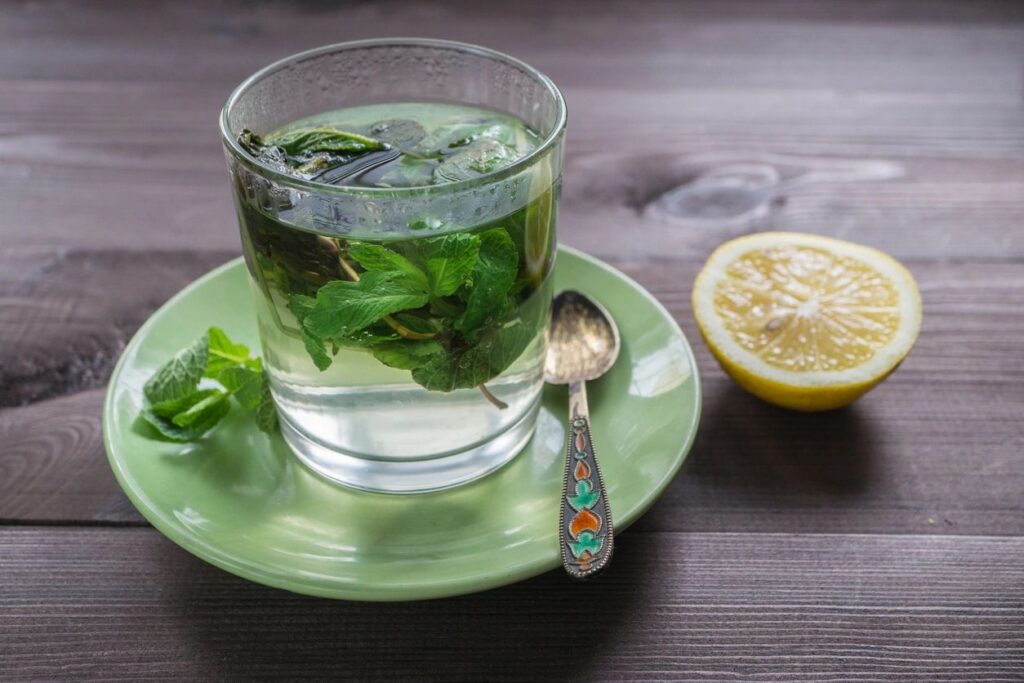
Tea has been part of social and cultural traditions for centuries, but recently it has experienced a noticeable modern revival. Across cities around the world, tea culture is evolving beyond tradition and becoming part of contemporary wellness and lifestyle habits.

One reason for this renewed popularity is the growing desire for slower daily rituals. In highly connected and fast-moving environments, many people are looking for calming routines that create moments of pause during the day. Preparing and drinking tea naturally encourages slowness and presence.

Tea culture is also expanding creatively. Independent tea houses, specialty blends, herbal infusions, and wellness-focused beverages are attracting younger audiences who are interested in both health and experience.

Unlike highly stimulating drinks often associated with productivity culture, tea is increasingly connected to balance and mindfulness. Many people view it as a gentler alternative that supports focus without intensity.

Socially, tea spaces are also changing. Modern tea cafés are becoming environments for conversation, remote work, reflection, and relaxation. Their atmosphere is often quieter and more intentional than fast-paced coffee environments.

There is also a cultural appreciation attached to tea traditions. Different regions around the world bring unique preparation styles, ceremonies, and flavors that continue to influence global tea culture.

Importantly, the revival of tea reflects a broader lifestyle movement toward intentional living. Small daily rituals are gaining importance as people search for stability and calm in busy routines.

And increasingly, tea is being appreciated not only as a beverage, but as an experience connected to wellness, culture, and modern lifestyle balance.


FINANCE

Why Financial Independence Is Becoming More Appealing Than Early Retirement

For many years, financial success was strongly linked to the idea of early retirement. Increasingly, however, people are focusing more on financial independence rather than leaving work completely.

Financial independence means having enough stability and flexibility to make life decisions without constant financial pressure. It allows individuals greater freedom over how they work, where they live, and how they spend their time.

This shift reflects changing attitudes toward work itself. Many people no longer want to stop working entirely. Instead, they want the ability to choose meaningful projects, reduce stress, or create more balanced lifestyles.

Economic uncertainty has also influenced this perspective. Flexibility is becoming more valuable than rigid long-term plans.

Another reason for the popularity of financial independence is emotional well-being. People increasingly associate financial security with peace of mind rather than status alone.

Importantly, financial independence is often built gradually through consistent habits rather than dramatic wealth accumulation.

And increasingly, success is being measured by freedom of choice rather than by retirement timelines alone.


HEALTH

Why Recovery Is Becoming Central to Fitness Culture

Fitness culture traditionally emphasized effort, intensity, and endurance. Today, however, recovery is becoming just as important as exercise itself.

Recovery includes sleep, hydration, stretching, rest days, and stress management. These practices allow the body to repair and maintain long-term performance.

Many people are beginning to recognize that constant strain without recovery can lead to exhaustion, injury, and burnout.

Athletes and wellness professionals now frequently discuss the importance of balancing effort with restoration.

Recovery also affects mental health. Rest improves focus, emotional regulation, and motivation.

This shift reflects a more sustainable approach to wellness. Instead of extreme routines, people are prioritizing long-term consistency and overall balance.

And increasingly, recovery is being understood not as weakness, but as an essential part of health and performance.


LIFESTYLE

Why More People Are Choosing Smaller Social Circles

Modern social culture often encourages large networks and constant interaction. Increasingly, however, many people are intentionally choosing smaller and more meaningful social circles.

This shift reflects growing awareness around emotional energy and mental well-being. Maintaining too many superficial relationships can become exhausting and emotionally draining.

Smaller social circles often create deeper trust, stronger communication, and more genuine support systems.

People are becoming more selective about where they invest their time and emotional attention.

Quality of connection is beginning to matter more than quantity of interaction.

Importantly, this change does not necessarily mean isolation. It reflects a preference for authenticity and emotional balance.

And increasingly, close and dependable relationships are being valued more than broad social visibility.


WELLNESS

Why Emotional Calm Is Becoming a Personal Goal

For many years, achievement and productivity dominated conversations around success. Today, emotional calm is increasingly becoming a personal goal for many people.

Calmness supports clearer thinking, healthier relationships, and emotional resilience.

Modern lifestyles create constant stimulation through work pressure, digital exposure, and social expectations. As a result, many individuals are seeking environments and routines that reduce emotional overwhelm.

Practices such as mindfulness, boundaries, quiet routines, and intentional rest are becoming more common.

Importantly, emotional calm is not about avoiding ambition or responsibility.

It is about maintaining internal stability while navigating external demands.

And increasingly, peace of mind is being viewed as a valuable form of success.


REAL ESTATE

Why Mixed-Use Communities Are Growing in Popularity

Urban planning and property development are increasingly moving toward mixed-use communities.

These environments combine residential, commercial, recreational, and social spaces within the same area.

The appeal lies in convenience and lifestyle integration. People want easier access to workspaces, cafés, parks, shops, and services without long commuting times.

Mixed-use communities also encourage walkability and social interaction.

This reflects changing lifestyle priorities around balance and accessibility.

And increasingly, property buyers are looking for neighborhoods that support daily convenience and quality of life together.


RELATIONSHIPS

Why Respect Is the Foundation of Healthy Relationships

Attraction and chemistry may create connection initially, but respect is what sustains relationships over time.

Respect involves listening, honesty, emotional consideration, and healthy boundaries.

Without respect, communication becomes difficult and trust weakens.

Strong relationships depend on mutual value and understanding.

Respect also creates emotional safety, allowing people to communicate openly without fear of constant judgment.

And increasingly, emotional respect is being recognized as one of the strongest indicators of relationship health.


HEALTHY LIVING

Why Natural Light Affects Daily Well-Being

Natural light has a significant influence on both physical and mental health.

Exposure to daylight supports energy levels, sleep quality, mood, and concentration.

However, many modern lifestyles involve long hours indoors under artificial lighting.

As awareness grows, people are paying greater attention to home design, outdoor routines, and environments that maximize natural light exposure.

Simple changes such as morning walks or brighter living spaces can positively influence well-being.

And increasingly, natural light is being recognized as an important part of healthy living.


FRANKLY SPEAKING WITH FRANCA

“I Feel Guilty Saying No to People”

Dear Franca,
I struggle to say no because I don’t want to disappoint people, but I end up overwhelmed.

Franca Says:

Saying no does not make you selfish.

It means recognizing your limits and protecting your well-being.

When you constantly say yes to everything, you may begin neglecting your own needs completely.

Healthy boundaries are necessary for emotional balance.

People who genuinely respect you will understand that you cannot do everything all the time.

And learning to say no calmly and respectfully is part of self-respect and emotional maturity.

FRANKLY SPEAKING WITH FRANCA

“I Feel Behind Compared to Other People My Age”

Dear Franca,
I keep comparing my progress to other people my age and it makes me feel like I’m falling behind in life.

Franca Says:

Life is not a synchronized timeline.

People reach different stages at different moments for different reasons.

Comparison often creates unnecessary pressure because you are measuring your private reality against someone else’s public image.

Your journey is shaped by your own experiences, responsibilities, opportunities, and timing.

Progress is still progress, even when it looks different from someone else’s.

Focus less on speed and more on direction.

Because fulfillment rarely comes from competing with other people’s timelines.


REAL ESTATE

Why Design Simplicity Is Influencing Modern Homes

Modern property design is moving toward simplicity and functionality.

Clean lines, natural light, open spaces, and practical layouts are becoming increasingly desirable.

Many buyers now prioritize comfort and usability over excessive decoration.

This trend reflects broader lifestyle changes toward minimalism and intentional living.

Simple design also creates flexibility, allowing spaces to adapt to different needs over time.

And increasingly, simplicity is being associated with sophistication in modern real estate.

Why Personal Privacy Is Becoming a Modern Luxury

In the digital age, privacy has become increasingly rare.

Social media, constant connectivity, and public sharing have created environments where much of daily life is visible online. As a result, personal privacy is becoming more valuable than ever.

Many people are becoming more selective about what they share publicly. Quiet living, private routines, and controlled visibility are increasingly viewed as forms of balance and self-protection.

Privacy creates emotional space. It allows individuals to think, grow, and make decisions without constant external observation.

This shift also reflects fatigue with performative culture. People are recognizing that not every experience needs to be documented or publicly validated.

And increasingly, the ability to maintain personal boundaries is becoming a modern form of freedom.

Why Silence Is Becoming Part of Wellness Culture

Wellness culture often focuses on activity—exercise, productivity, routines, and constant self-improvement. Increasingly, however, silence itself is becoming recognized as beneficial.

Silence allows the mind to recover from constant stimulation. In environments filled with notifications, conversations, and media, quiet moments have become increasingly rare.

Many people are intentionally creating periods of silence through meditation, nature walks, or simply stepping away from digital devices.

These moments support emotional regulation and mental clarity.

Silence also creates space for reflection and deeper thinking.

And increasingly, wellness is being associated not only with action, but also with stillness.

FRANKLY SPEAKING WITH FRANCA

“I Feel Like I Need Constant Validation”

Dear Franca,
I constantly look for approval from other people before I feel confident about myself.

Franca Says:

External validation can feel reassuring, but it should not become the foundation of your self-worth.

People’s opinions change constantly.

If your confidence depends entirely on approval, your peace becomes unstable.

Real confidence develops when you trust yourself even without constant reassurance.

That does not happen overnight.

It grows through experience, self-awareness, and learning to value your own judgment.

Because eventually, the most important approval is your own.

Why Gut Health Is Receiving Global Attention

Health discussions are increasingly focusing on one area that was often overlooked in the past: gut health.

Researchers and health professionals continue to explore how digestion influences overall well-being, including energy, immunity, and even mood.

The digestive system plays a central role in how nutrients are absorbed and how the body functions overall. When digestion is disrupted, it can affect multiple aspects of health.

As awareness grows, people are paying closer attention to foods that support digestive balance. Fiber-rich meals, fermented foods, hydration, and balanced eating habits are becoming more widely discussed.

There is also growing understanding of the connection between stress and digestion. Emotional pressure can significantly affect gut health, reinforcing the relationship between mental and physical well-being.

This growing focus reflects a broader shift toward preventive health and long-term wellness.

And increasingly, gut health is being recognized as an essential foundation for overall health.

Why Quiet Wealth Is Becoming More Influential

For decades, wealth was often associated with visible luxury and public display. Increasingly, however, many financially successful individuals are moving toward a quieter approach.

Quiet wealth focuses less on appearance and more on long-term stability, flexibility, and privacy. Instead of prioritizing visible status symbols, people are placing greater value on financial independence and control over their time.

This shift reflects changing cultural attitudes around success. Many individuals no longer feel the need to publicly display financial achievement to validate it.

Quiet wealth also encourages more intentional spending. Investments in education, health, travel, and long-term security are often prioritized over unnecessary consumption.

Another reason for this change is uncertainty in the global economy. Financial resilience has become more valuable than performative spending.

And increasingly, confidence is being associated with stability rather than visibility.

Why Late-Night Dining Culture Is Changing

For many years, late-night dining was associated with fast food, convenience meals, or rushed eating after long working hours. Today, however, late-night food culture is beginning to evolve into something more intentional and experience-driven.

In many cities around the world, restaurants and cafés are adapting to changing lifestyles by creating calmer, more refined evening dining environments. Instead of hurried meals, people are increasingly looking for relaxed spaces where they can unwind after demanding days.

Part of this shift is linked to modern work culture. Flexible schedules and remote work have changed traditional eating patterns. Dinner is no longer always limited to a fixed early-evening timeframe. Many people now view late-night dining as a way to slow down and reconnect socially after busy days.

There is also a growing focus on atmosphere. Lighting, music, and comfort have become important elements of the dining experience. Increasingly, people are looking for spaces that feel restorative rather than overstimulating.

Food choices themselves are changing as well. Lighter meals, healthier options, and carefully prepared dishes are replacing the heavy late-night meals traditionally associated with evening dining.

This trend also reflects a broader cultural movement toward intentional experiences. Dining is becoming less transactional and more connected to emotional well-being and lifestyle.

And increasingly, late-night dining is being viewed not just as eating late, but as creating space for relaxation, conversation, and balance in modern life.