The Remarkable Benefits of Sweet Potatoes
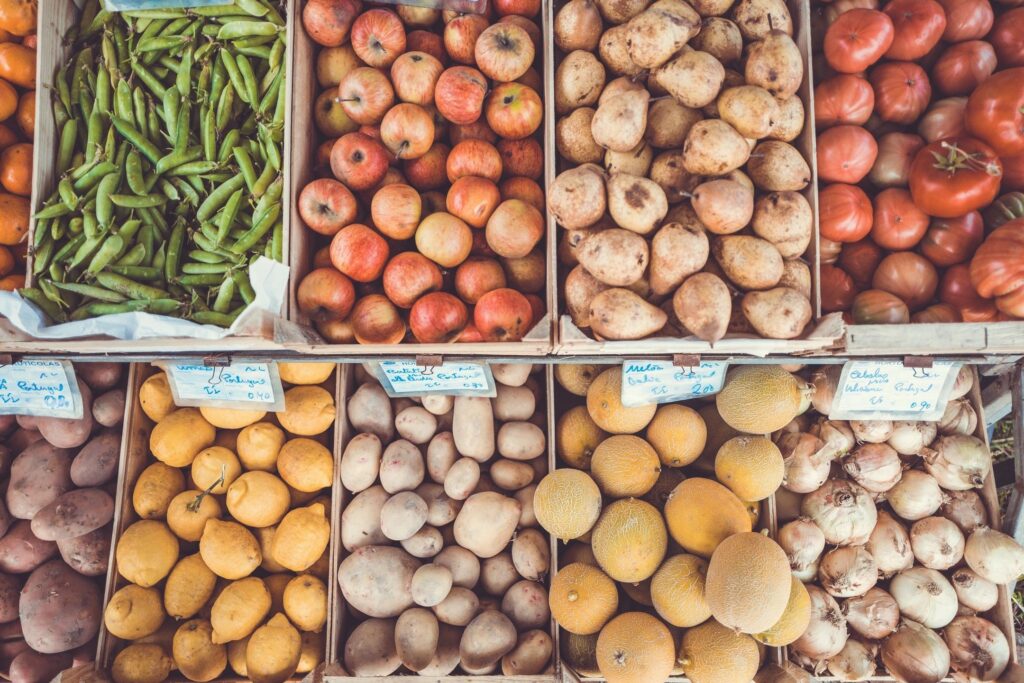
Sweet potatoes have earned their place as one of the world’s most nutritious root vegetables. Naturally rich in fibre, vitamins A and C, potassium, and antioxidants, they are both delicious and highly beneficial to overall health.
Their vibrant orange colour comes from beta-carotene, which the body converts into vitamin A, supporting healthy vision, skin, and the immune system. Sweet potatoes also provide slow-releasing carbohydrates, making them an excellent source of sustained energy.
Whether baked, roasted, boiled, mashed, or added to soups and stews, sweet potatoes are versatile enough to complement countless dishes.
Nutritious, affordable, and satisfying, this humble vegetable continues to prove that healthy eating can also be comforting and full of flavour.
2. FINANCE
Why Every Budget Needs Flexibility

A budget should never feel like a punishment. Instead, it should serve as a guide that helps people make informed financial decisions while adapting to life’s changing circumstances.
Unexpected expenses, new opportunities, and shifting priorities are inevitable. Flexible budgeting allows adjustments without abandoning long-term financial goals.
Rather than aiming for perfection, successful budgeting focuses on consistency. A realistic financial plan provides confidence because it balances discipline with practicality.
Financial planning works best when it reflects real life.
3. HEALTH
The Value of Daily Movement

Good health does not always require intensive exercise programmes.
Simple daily movement—walking, stretching, gardening, climbing stairs, or cycling—helps maintain cardiovascular health, strengthen muscles, improve flexibility, and support mental well-being.
The body is designed for movement. Even small amounts of physical activity accumulated throughout the day contribute to long-term health.
Consistency matters more than intensity. Regular movement remains one of the most accessible ways to improve quality of life.
4. LIFESTYLE
Living Well Through Simplicity

Many people discover that true contentment comes not from having more but from appreciating what they already possess.
Living simply encourages thoughtful choices about time, relationships, and personal priorities. It allows people to focus less on possessions and more on meaningful experiences.
Simplicity creates room for creativity, gratitude, and peace of mind.
In a busy world, choosing simplicity is often a deliberate decision to value quality over quantity.
5. WELLNESS
The Healing Power of Nature

Nature has long provided a place for rest, reflection, and renewal.
Spending time outdoors can reduce stress, improve mood, and encourage physical activity. Whether walking through a park, visiting the countryside, or sitting beneath a tree, natural environments offer valuable opportunities to recharge.
Nature reminds us to slow down, observe, and appreciate the world around us.
Sometimes the best remedy for a busy mind is simply stepping outside.
6. CAREER
Success Begins with Self-Discipline

Talent creates potential, but self-discipline transforms potential into achievement.
Professionals who consistently manage their time, honour commitments, and continue learning often distinguish themselves in competitive environments.
Self-discipline also supports resilience during challenges because it encourages steady progress rather than relying on motivation alone.
Long-term career success is built through consistent habits practised every day.
7. TRAVEL
The Beauty of Coastal Destinations

Coastal communities have long attracted visitors seeking relaxation, adventure, and natural beauty.
From dramatic cliffs to peaceful beaches, coastlines offer opportunities for recreation, wildlife observation, photography, and cultural exploration.
Many coastal towns preserve rich maritime traditions reflected in their architecture, cuisine, and local festivals.
Whether watching the sunrise over the ocean or enjoying freshly prepared seafood, coastal travel creates experiences that remain memorable long after the journey ends.
8. REAL ESTATE
The Importance of Natural Light in Modern Homes

Natural light is one of the most valued features in residential design.
Bright interiors contribute to comfort, reduce the need for artificial lighting, and create inviting living spaces.
Architects increasingly incorporate large windows, open layouts, and thoughtful orientation to maximise daylight throughout the home.
Beyond aesthetics, natural light enhances everyday living by making spaces feel more open, welcoming, and connected to the outdoors.
11. FRANKLY SPEAKING WITH FRANCA
“I Feel Like Giving Up”
Dear Franca,
I’ve been working towards my goals for a long time, but lately I feel discouraged. Sometimes I wonder if it’s worth continuing.
Franca Says:
Every worthwhile journey includes moments of doubt.
Progress is rarely a straight line. There will be seasons when results seem invisible, motivation fades, and obstacles appear overwhelming.
During those moments, remember why you started.
Success is often achieved by people who refused to quit one step before the breakthrough. Every challenge develops qualities that easy victories cannot—patience, resilience, wisdom, and determination.
You do not need to have everything figured out today.
You simply need enough courage to take the next step.
When you look back years from now, you may realise that the hardest chapter was also the one that shaped your greatest strength.
Keep moving forward.
Your future self will thank you for not giving up.