
Why Balance and Mobility Matter
Being able to move comfortably and confidently is something many of us take for granted. Yet balance and mobility are important parts of staying active and independent throughout life.
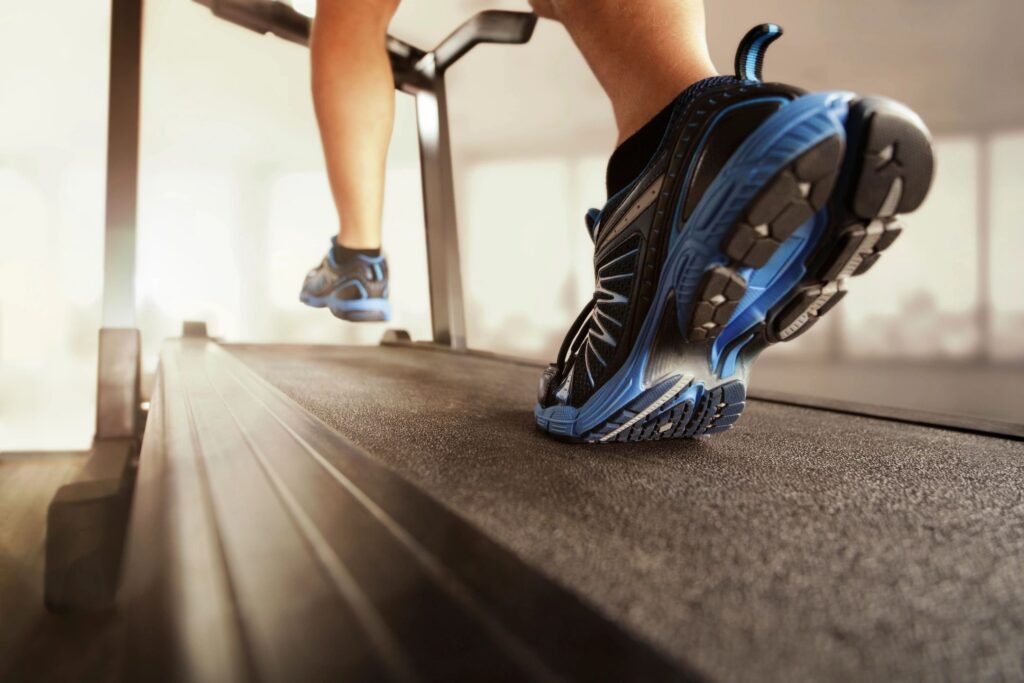
Mobility is not simply about being able to exercise. It affects everyday activities such as reaching for something on a shelf, getting out of a chair, climbing stairs or turning around comfortably.
Balance also deserves attention. Simple activities that encourage controlled movement can help us become more aware of how we stand, walk and change direction.
The key is consistency rather than intensity. Gentle stretching, walking, strength exercises and activities that challenge coordination can all become part of an active routine, depending on individual ability.
It is also worth listening to your body. Persistent pain, dizziness or unexplained changes in balance should not simply be ignored, and professional advice may be appropriate.
Looking after mobility is an investment in everyday freedom. It is about maintaining the ability to do the things that matter — from enjoying a walk to carrying shopping or playing with the grandchildren.
Movement does not have to be complicated.
Sometimes, keeping the body moving regularly is one of the simplest ways to support an active lifestyle.
TRAVEL
The Pleasure of a Weekend Escape
Not every trip needs to involve a long journey or an elaborate itinerary. Sometimes, two or three days away are enough to provide a welcome change of scenery.
A weekend escape can be as simple as choosing a nearby town, countryside retreat or coastal destination and giving yourself permission to slow down.

The secret is not trying to fit everything into a short break. Choose a few things you genuinely want to experience and leave room for spontaneity.
Perhaps one morning is spent exploring local streets, followed by a leisurely lunch and an afternoon somewhere peaceful. The following day might involve a scenic walk, a market or a visit to a place you have never seen before.
Short trips can also be easier to organise. With less time away, packing becomes simpler and there is often less pressure to create the “perfect” holiday.
What makes a weekend memorable is rarely the number of attractions visited. It is often the small moments — discovering a beautiful view, finding a welcoming café or having an unhurried conversation.
You do not always need a long holiday to feel refreshed.
Sometimes, a change of place for just a couple of days is enough to return home seeing everyday life a little differently.
HOME & LIVING
The Role of Texture in Interior Design
When decorating a room, we often think first about colour and furniture. Yet texture can be just as important in creating a home that feels comfortable and inviting.

Imagine a room filled with smooth, hard surfaces. Now introduce a soft rug, woven cushions, natural wood, linen curtains or a knitted throw. The atmosphere immediately becomes more layered.
Texture gives a room character because it adds visual and physical interest. It can make a simple space feel warmer without requiring a complete redesign.
The best part is that texture can be introduced gradually. A basket beside a chair, a fabric lampshade, a wooden tray or a soft blanket can make a subtle difference.
Natural materials can work particularly well because they bring variation and a sense of authenticity. Mixing materials is also useful — combining wood, glass, metal, fabric and ceramics can prevent a room from feeling flat or overly uniform.
There is no need to follow a complicated formula.
Look around your home and consider what feels missing. Perhaps a room needs something softer, warmer or more tactile.
Good interiors are not only about what we see.
They are also about how a space feels when we live in it.