
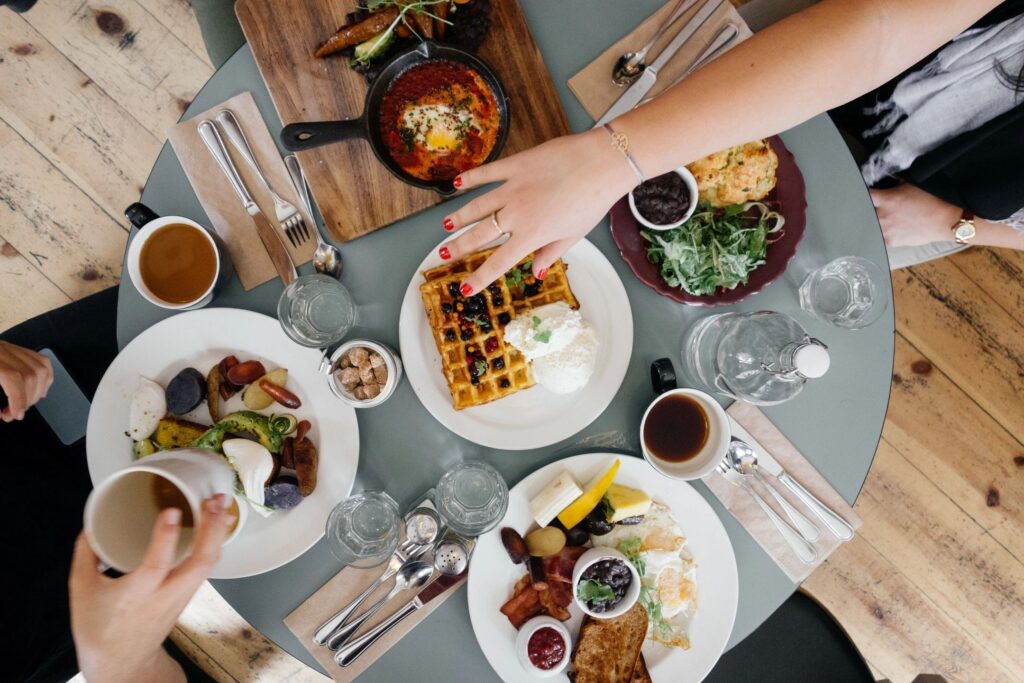
There’s a moment many people experience: a meal you once loved suddenly feels unappealing. You’ve eaten it so many times that even the thought of it feels repetitive. This isn’t about the food losing quality — it’s about how your brain responds to repetition.
Humans naturally seek variety. When you eat the same meals repeatedly, your brain becomes familiar with the taste, texture, and experience. What once felt enjoyable becomes predictable. And predictability, over time, reduces excitement.
This is why even your favorite dishes can lose their appeal.
Interestingly, this doesn’t mean you need to completely change your diet. The key is variation, not replacement.
Small changes can make a big difference. Adjusting seasoning, cooking methods, or presentation can create a new experience from the same ingredients. For example, grilled chicken can feel entirely different from roasted or stir-fried chicken, even though the base ingredient is the same.
Another factor is context. Eating the same meal in a different setting, with different sides, or at a different time of day can shift how it feels.
Variety doesn’t have to be complex. It’s about keeping your meals interesting enough to stay engaged.
Because the goal isn’t just to eat — it’s to enjoy the experience consistently over time.