

Luxury dining was once associated mainly with exclusive restaurants, formal reservations, and elaborate public experiences. Increasingly, however, many people are rediscovering the value of dining at home and transforming ordinary meals into intentional experiences.
Modern lifestyles have become highly demanding, fast-paced, and digitally overstimulating. As a result, people are searching for comfort, calmness, and more personal forms of enjoyment. Dining at home offers privacy and flexibility that many public spaces cannot always provide.
This shift is not necessarily about avoiding restaurants. Instead, it reflects a growing appreciation for atmosphere, quality time, and intentional living. People are investing more effort into table settings, cooking techniques, lighting, music, and creating environments that feel warm and meaningful.
Another factor influencing this trend is emotional connection. Meals prepared and shared at home often feel more personal than highly commercial dining experiences. Cooking together, hosting intimate gatherings, or simply enjoying a quiet dinner without distraction creates stronger moments of connection.
Social media and lifestyle content have also influenced how people approach home dining. Beautifully presented meals, carefully designed interiors, and creative recipes have inspired many individuals to see home dining as both practical and enjoyable.
Importantly, dining at home can also support wellness and financial balance. People often have greater control over ingredients, portions, and overall spending while still creating memorable experiences.
This movement reflects broader cultural changes around intentional living. Luxury is increasingly being associated with privacy, emotional comfort, and meaningful experiences rather than public display alone.
And increasingly, people are discovering that some of the most satisfying dining experiences happen not in crowded venues, but around their own tables.
FINANCE
Why People Are Redefining Financial Success
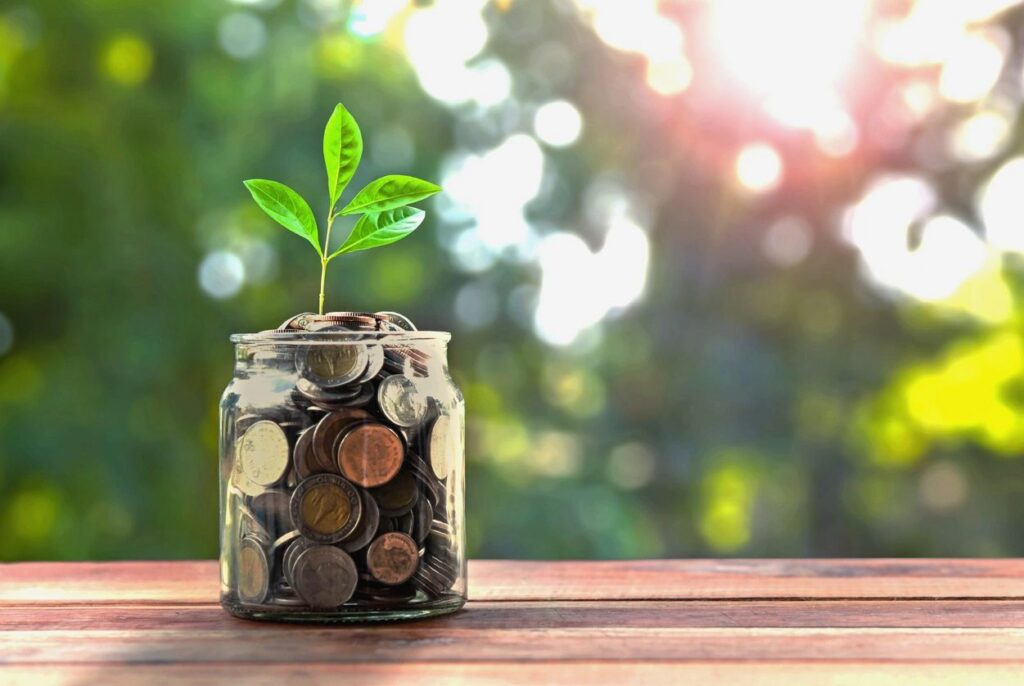
Financial success has traditionally been associated with high income, visible wealth, and material achievement. Today, however, many people are redefining what financial success truly means.
Increasingly, individuals are prioritizing stability, flexibility, and peace of mind over public displays of wealth. The ability to live comfortably without constant financial stress is becoming more appealing than chasing endless external validation.
This shift reflects broader social and economic realities. Rising costs, economic uncertainty, and changing work structures have encouraged more realistic and intentional financial planning.
Many people are also questioning lifestyles built entirely around consumption and comparison. Social media often creates unrealistic financial expectations, leading some individuals to focus more on appearance than sustainability.
As awareness grows, financial success is increasingly connected to freedom of choice. Having the ability to make decisions without overwhelming financial pressure has become a major goal for many professionals and families.
Importantly, redefining financial success does not mean rejecting ambition. It means aligning financial goals more closely with personal values and long-term well-being.
And increasingly, people are recognizing that true financial success often feels calmer and more stable than it looks publicly.
HEALTH
Why Daily Movement Matters More Than Extreme Fitness

Modern health culture often highlights intense workouts and dramatic transformations. Increasingly, however, health experts are emphasizing the importance of consistent daily movement rather than extreme exercise alone.
Daily movement includes walking, stretching, standing regularly, and maintaining physical activity throughout ordinary routines.
This shift reflects growing awareness around sedentary lifestyles. Long hours spent sitting at desks, using screens, or commuting can negatively affect circulation, posture, energy levels, and long-term health.
Importantly, movement does not always need to be intense to be beneficial. Consistent low-impact activity often improves overall well-being more sustainably than occasional extreme routines.
Daily movement also supports mental health by reducing stress and improving focus.
And increasingly, wellness conversations are shifting toward sustainable habits rather than unrealistic fitness expectations.
LIFESTYLE
Why People Are Becoming More Selective With Their Energy

Modern life constantly demands attention, interaction, and emotional engagement. As a result, many people are becoming far more selective about where they invest their energy.
This includes relationships, work environments, social interactions, and digital spaces.
People are beginning to recognize that emotional energy is limited and should be protected carefully.
Overexposure to negativity, unnecessary conflict, or constant pressure often leads to emotional exhaustion.
As awareness around mental health grows, individuals are becoming more intentional about creating environments that support calmness and balance.
Importantly, protecting energy is not selfishness.
It is understanding that emotional well-being affects every area of life.
And increasingly, emotional boundaries are being viewed as forms of maturity and self-respect.
WELLNESS
Why Solitude Is Becoming More Appreciated

For many years, being constantly social was often associated with success and happiness. Today, however, solitude is being viewed differently.
Healthy solitude provides opportunities for reflection, emotional recovery, and mental clarity.
In highly connected societies, quiet moments alone have become increasingly rare.
Many people now intentionally create space away from constant communication and digital interaction.
Importantly, solitude is not the same as loneliness.
It is the ability to feel comfortable and balanced in one’s own company.
And increasingly, solitude is being appreciated as an important part of emotional wellness.
CAREER
Why Emotional Intelligence Is Influencing Professional Success

Technical expertise remains important in professional environments, but emotional intelligence is becoming equally valuable.
Emotional intelligence includes communication, self-awareness, empathy, adaptability, and the ability to manage emotions effectively.
Professionals with strong emotional intelligence often navigate leadership, teamwork, and conflict more successfully.
Modern workplaces increasingly value collaboration and communication alongside technical skill.
Importantly, emotional intelligence improves both professional performance and workplace culture.
And increasingly, career advancement is being influenced not only by qualifications, but by interpersonal effectiveness as well.
TRAVEL
Why Travelers Are Seeking More Meaningful Experiences

Modern travel is changing. Increasingly, people are seeking experiences that feel meaningful rather than rushed or purely performative.
Travelers want connection, cultural understanding, and personal perspective rather than only collecting photographs or checking destinations off lists.
This shift reflects broader lifestyle changes around intentional living and emotional fulfillment.
Smaller experiences—local cafés, conversations, neighborhoods, and cultural traditions—often leave stronger impressions than crowded tourist attractions.
And increasingly, meaningful travel is being defined by depth of experience rather than quantity of destinations.
REAL ESTATE
Why Lifestyle Is Influencing Property Decisions
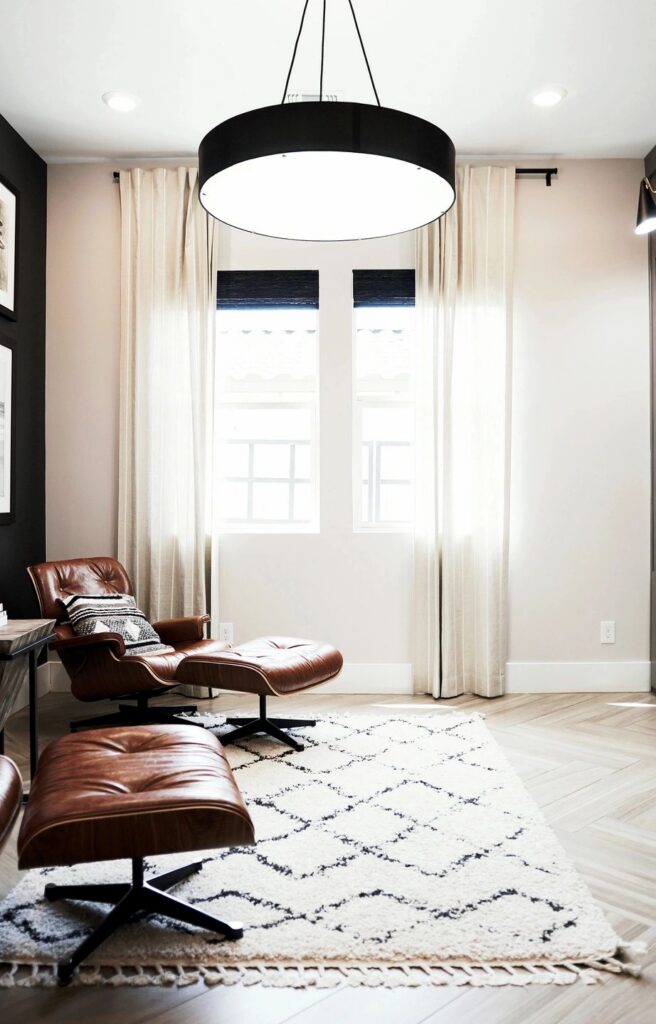
Property decisions are increasingly connected to lifestyle preferences rather than financial investment alone.
People are considering factors such as wellness, walkability, natural light, community atmosphere, and emotional comfort when choosing where to live.
Modern homes must now support work, rest, social life, and personal well-being simultaneously.
As a result, lifestyle compatibility has become a major part of real estate demand.
And increasingly, buyers are choosing homes based on how spaces support daily quality of life.
RELATIONSHIPS
Why Trust Is Built Through Small Actions

Trust is rarely created through dramatic moments alone.
In healthy relationships, trust is usually built gradually through consistency, honesty, communication, and reliability over time.
Small actions often matter more than large promises.
Keeping commitments, listening carefully, and showing emotional consistency create long-term emotional security.
Importantly, trust requires both patience and accountability.
And increasingly, relationship stability is being recognized as something built daily rather than assumed automatically.
EDUCATION
Why Independent Learning Is Becoming More Common

Technology has transformed access to knowledge. Increasingly, people are learning independently outside traditional classrooms and institutions.
Online courses, digital communities, podcasts, books, and educational platforms have made learning more flexible and accessible.
Independent learning allows individuals to explore interests at their own pace and according to their own goals.
This shift reflects changing attitudes toward education and professional development.
Importantly, independent learning encourages curiosity, initiative, and adaptability.
And increasingly, education is becoming more personalized and continuous throughout life.
FRANKLY SPEAKING WITH FRANCA
“I Feel Pressured to Have Everything Figured Out”
Dear Franca,
Sometimes I feel like everyone else knows exactly what they’re doing in life while I still feel uncertain.
Franca Says:
Most people are figuring things out as they go, even if they appear confident externally.
Life is not a perfectly planned timeline.
Growth often involves uncertainty, adjustment, and unexpected changes.
The pressure to have everything figured out usually comes from comparison and unrealistic expectations.
Focus less on appearing certain and more on continuing to learn and grow.
Because clarity often develops gradually through experience, not instantly through perfection.