
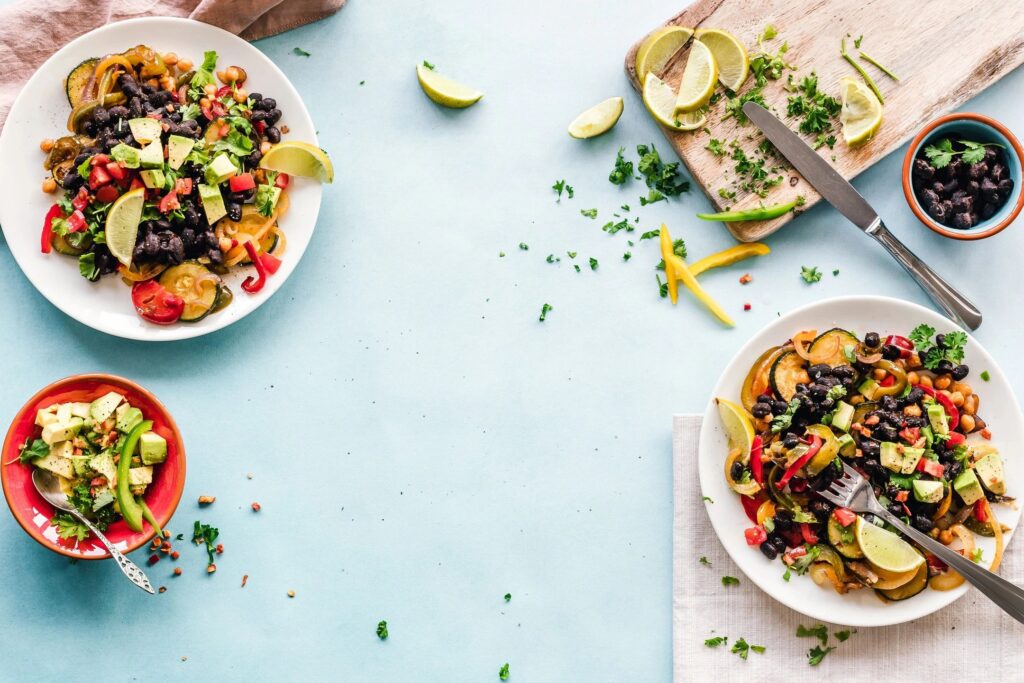
- FOOD – The Wonderful World of Herbs and Spices
Herbs and spices do much more than add flavour to our meals—they have been treasured for centuries for their culinary and wellness benefits. Ingredients such as cinnamon, turmeric, rosemary, basil, ginger, and mint can transform ordinary dishes into something extraordinary.
Cooking with herbs and spices allows us to reduce our reliance on excessive salt and sugar while creating exciting flavours. Ginger adds warmth to soups and teas, basil brings freshness to salads and pasta dishes, and cinnamon offers a naturally sweet aroma perfect for breakfast recipes and desserts.
Many herbs and spices are also rich in antioxidants and plant compounds that contribute to overall well-being when enjoyed as part of a balanced diet. They are an easy and affordable way to make healthy eating more enjoyable.
Experimenting with different herbs and spices can also introduce you to cuisines from around the world. Sometimes, the secret ingredient that elevates a simple meal is sitting quietly in your kitchen cupboard.
Healthy cooking does not need to be complicated. A pinch of flavour can often make all the difference.
- HEALTH – The Benefits of Good Sleep Hygiene
Sleep is one of the most important pillars of good health, yet it is often neglected in our busy lives. Quality sleep supports the body and mind by allowing them to rest, repair, and recharge.
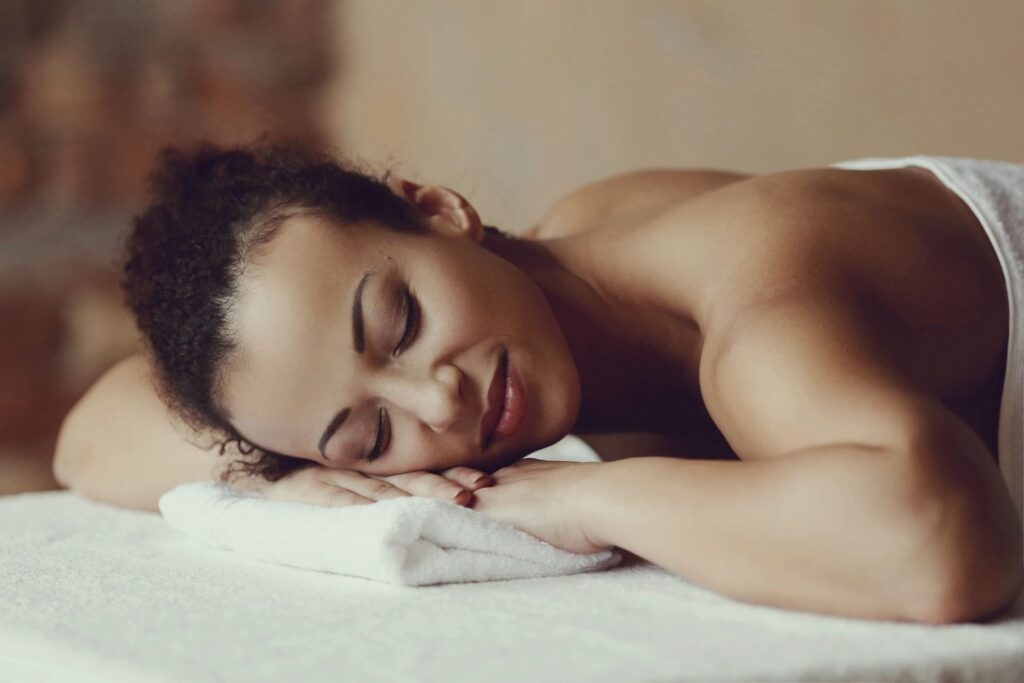
Developing good sleep hygiene involves creating habits that encourage better rest. Going to bed at the same time each night, limiting screen time before sleeping, and creating a calm bedroom environment can improve sleep quality significantly.
Poor sleep can affect concentration, mood, and energy levels. In contrast, adequate rest can improve productivity, emotional well-being, and overall health.
Simple bedtime routines, such as reading a book, drinking herbal tea, or practising relaxation techniques, can prepare the body for a restful night’s sleep.
Prioritising sleep should not be seen as a luxury but as an essential part of self-care. Investing in better sleep today can lead to a healthier and more energetic tomorrow.
- WELLNESS – Learning to Celebrate Small Victories
Life often encourages us to focus only on major achievements, but there is tremendous value in celebrating small victories. Progress is rarely made through one giant leap—it is usually the result of many small steps.
Completing a project, exercising consistently for a week, learning a new skill, or simply making it through a difficult day are all accomplishments worth acknowledging.

Celebrating small successes helps build confidence and motivation. It reminds us that personal growth is happening even when we feel like we have not reached our biggest goals.
Keeping a gratitude journal or taking a moment to reflect on what went well each day can encourage a more positive mindset.
Wellness is not about perfection. It is about appreciating progress and recognising that every small achievement contributes to the bigger picture.
Life becomes more meaningful when we learn to celebrate the little wins along the way.
- CAREER – Why Adaptability Is the Skill of the Future
The modern workplace is constantly evolving. Technology, industries, and career opportunities continue to change at an incredible pace. One of the most valuable qualities anyone can develop is adaptability.

Being adaptable means remaining open to learning new skills, embracing change, and approaching challenges with a positive attitude. Employers increasingly value individuals who are flexible and willing to grow.
Adaptability also reduces fear when facing unexpected situations. Whether changing careers, learning new technologies, or working with different teams, adaptable professionals often thrive because they see change as an opportunity rather than a threat.
Developing adaptability begins with curiosity and a willingness to learn. Taking courses, asking questions, and stepping outside your comfort zone can strengthen this important skill.
In today’s world, success is not necessarily about knowing everything—it is about being willing to continue learning.
- FINANCE – Why Financial Literacy Matters
Financial literacy is one of the most valuable life skills that everyone should develop. Understanding how money works allows people to make informed decisions about saving, spending, and planning for the future.
Learning basic financial concepts such as budgeting, interest rates, investments, and debt management can significantly improve financial confidence.

Financial literacy is not reserved for business professionals or accountants. It benefits students, families, entrepreneurs, and retirees alike.
Making wise financial decisions can reduce stress and create opportunities for achieving personal goals. The earlier people begin learning about money management, the better prepared they are for life’s financial responsibilities.
Financial knowledge is an investment that continues to provide benefits throughout your lifetime.
- EDUCATION – The Importance of Asking Questions
Education begins with curiosity. Asking questions encourages deeper understanding and helps develop critical thinking skills.
Many great discoveries throughout history began with someone asking a simple question. Curiosity drives innovation, creativity, and lifelong learning.

Students who actively ask questions often gain a richer understanding of subjects because they engage more deeply with the material.
Questioning also helps us challenge assumptions and explore new perspectives. It reminds us that learning is not simply about memorising information but understanding how and why things work.
Never underestimate the power of asking, “Why?” It remains one of the most important tools for personal and intellectual growth.
- TRAVEL – Slow Travel: Enjoying the Journey
Slow travel is becoming increasingly popular among travellers seeking meaningful experiences. Rather than rushing through multiple destinations, slow travel encourages visitors to spend more time appreciating a single place.

This style of travel allows people to experience local culture, cuisine, and traditions more authentically. Walking through neighbourhood markets, speaking with local residents, and enjoying leisurely afternoons often create the most memorable experiences.
Slow travel also promotes sustainability by reducing unnecessary transportation and encouraging support for local businesses.
Travelling slowly reminds us that the journey itself can be just as rewarding as the destination.
- FASHION – Dressing for Comfort and Confidence
Fashion should never feel uncomfortable or restrictive. The most stylish people are often those who wear their clothes with confidence and authenticity.

Comfortable clothing that reflects your personality can positively influence how you feel throughout the day. Fashion is not about wearing expensive labels or following every trend—it’s about feeling comfortable in your own skin.
Building a wardrobe that suits your lifestyle and body shape allows you to express yourself confidently.
True style comes from knowing who you are and wearing what makes you feel your best.
- HOME & LIVING – The Joy of Decluttering Your Space
A clutter-free home often creates a clutter-free mind. Decluttering is not about throwing everything away; it is about creating spaces that feel calm, organised, and welcoming.
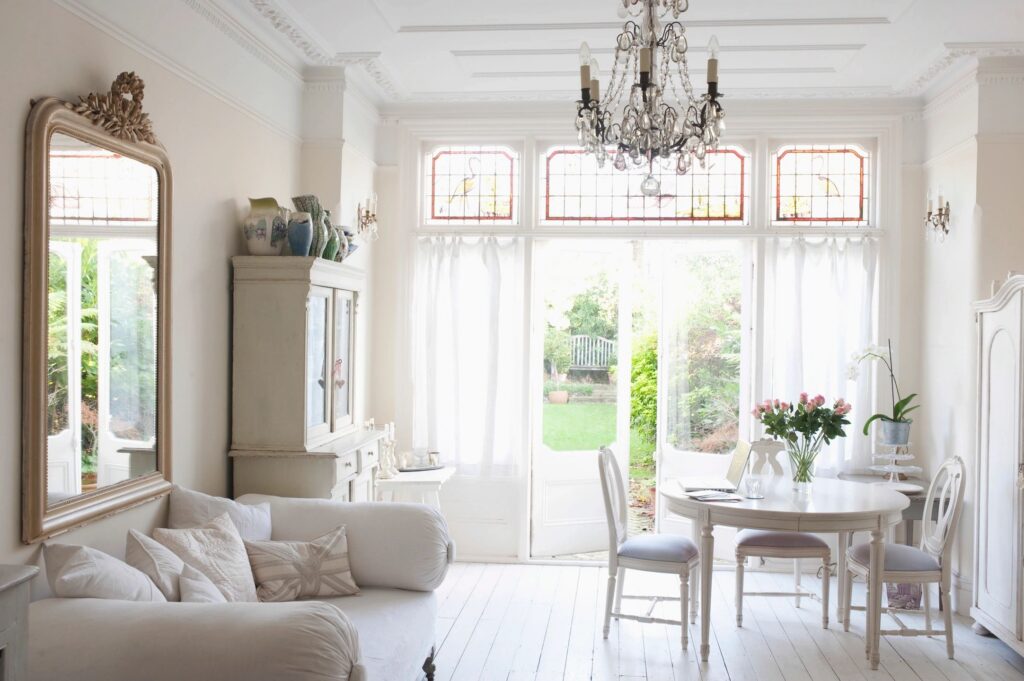
Removing items you no longer use can make cleaning easier and improve your overall living environment. Organised spaces also reduce everyday stress by helping you find what you need quickly.
Decluttering can begin with a single drawer or shelf. Small changes often create significant improvements over time.
Creating a peaceful home environment contributes positively to both mental and emotional well-being.
- RELATIONSHIPS – Building Stronger Family Connections
Strong families are built through consistent communication, shared experiences, and mutual support. Spending quality time together strengthens emotional bonds and creates cherished memories.

Simple activities such as family meals, game nights, or weekend outings provide valuable opportunities for meaningful conversations.
Families do not need to be perfect to be strong. They simply need kindness, understanding, and a willingness to support one another through life’s challenges.
Investing time in relationships remains one of the most valuable investments we can ever make.
- FRANKLY SPEAKING WITH FRANCA – “I Feel Like I Have Lost My Passion”
Dear Franca,
I used to be excited about my hobbies and goals, but lately I feel unmotivated and disconnected from the things I once loved. How can I find my passion again?
Franca Says:
Passion is not something we permanently lose—it often changes and evolves throughout our lives. Sometimes, life becomes so busy that we simply stop making time for the things that bring us joy.
Rather than waiting for motivation to return, begin by taking small steps. Try something new, revisit an old hobby, or allow yourself time to rest if you’re feeling overwhelmed.
Passion rarely arrives in a dramatic moment. More often, it quietly grows through curiosity, learning, and new experiences.
Be patient with yourself. Your interests may have changed, and that’s perfectly normal. Give yourself permission to explore what excites and inspires you today—not who you were years ago.
Your next passion may be waiting just around the corner.