
There is something deeply satisfying about making bread at home. From mixing the ingredients to watching the dough rise and finally smelling it as it bakes, the entire process creates a sense of anticipation.

Homemade bread does not have to be complicated. A simple loaf made with flour, yeast, water, salt and a little patience can produce wonderful results. Once the basic method is understood, different ingredients can be introduced, including herbs, seeds, grains, cheese or dried fruit.
Bread is also incredibly versatile. A fresh loaf can accompany soup, become the foundation of a sandwich, or simply be enjoyed warm with a little spread.
Making bread can become more than cooking. It can be a relaxing ritual that encourages us to slow down and appreciate the process of creating something from simple ingredients.
In a world where so many foods are bought ready-made, there is a special pleasure in serving something you have made with your own hands.
Sometimes, the simplest ingredients create the greatest satisfaction.
2. HEALTH – Looking After Your Eyes
Our eyes work from the moment we wake up until we close them at night, yet eye care can easily be forgotten.
Modern lifestyles mean many people spend long periods looking at phones, tablets and computer screens. Taking regular breaks and giving your eyes opportunities to rest can be a useful everyday habit.
Good lighting is important too. Reading or working in poorly arranged lighting can make activities feel uncomfortable, particularly when combined with long periods of concentration.

Regular eye examinations can also help identify changes that may otherwise go unnoticed. Anyone experiencing persistent changes in vision, pain, flashes, or other concerning symptoms should seek appropriate professional advice.
Protecting your eyes is not about making dramatic changes. It is about paying attention to them and recognising their importance.
We rely on our eyesight for reading, driving, working, enjoying nature, recognising faces and experiencing countless moments every day.
Our eyes deserve the same care and attention that we give the rest of our body.
3. WELLNESS – The Pleasure of an Evening Walk
An evening walk can be one of the simplest ways to create a transition between the demands of the day and the quiet of the evening.
Walking provides an opportunity to step away from desks, screens and household routines. Even a short walk around the neighbourhood can give you time to breathe, observe your surroundings and clear your thoughts.

There is something particularly peaceful about walking as the day begins to wind down. Streets become quieter, the light changes and the pace of life can feel slightly slower.
You don’t need to walk quickly or set a complicated fitness goal. The purpose can simply be to move your body and enjoy being outdoors.
Walking with a friend or family member can also turn the activity into valuable social time.
Wellness does not always require expensive treatments or complicated routines.
Sometimes, putting on a comfortable pair of shoes and walking out the front door is enough.
4. CAREER – Becoming Better at Giving Feedback
Feedback can be uncomfortable, but when it is given thoughtfully, it can help people grow.
Good feedback should focus on the work or behaviour rather than attacking someone’s personality. Clear examples are usually more useful than vague criticism.
It is equally important to recognise what someone is doing well. People need to understand not only what they should improve but also which strengths they should continue developing.

The way feedback is delivered matters too. A private and respectful conversation is usually more productive than embarrassing someone in front of colleagues.
Receiving feedback is another valuable professional skill. Instead of immediately becoming defensive, listen carefully and consider whether there is something useful in what has been said.
Nobody gets everything right.
A workplace where people can exchange honest, respectful feedback is more likely to encourage learning, improvement and stronger relationships.
Feedback should not be about proving who is right.
It should be about helping people become better.
5. FINANCE – Building an Emergency Fund
Unexpected expenses are an unavoidable part of life. A broken appliance, urgent repair, change in circumstances or other unexpected cost can place pressure on a household budget.
An emergency fund can provide a financial cushion when these situations arise.

The amount needed will depend on individual circumstances, income, expenses and responsibilities. The important thing is to begin with a realistic goal rather than becoming discouraged by a large target.
Keeping emergency savings separate from everyday spending can make it easier to avoid using the money unnecessarily.
Even small regular contributions can establish the habit of saving.
An emergency fund isn’t designed to make you rich. Its purpose is security.
Knowing that you have money available for an unexpected situation can provide a sense of financial confidence and reduce the temptation to rely immediately on borrowing.
Financial planning is not only about preparing for exciting goals.
Sometimes, it is simply about being prepared when life doesn’t go according to plan.
6. EDUCATION – Why Museums Are Living Classrooms
Museums can turn learning into an experience.
Instead of simply reading about history, visitors can see objects that were actually used by people from another time. Art galleries allow us to stand in front of works that have influenced generations, while science museums can turn complex ideas into interactive experiences.
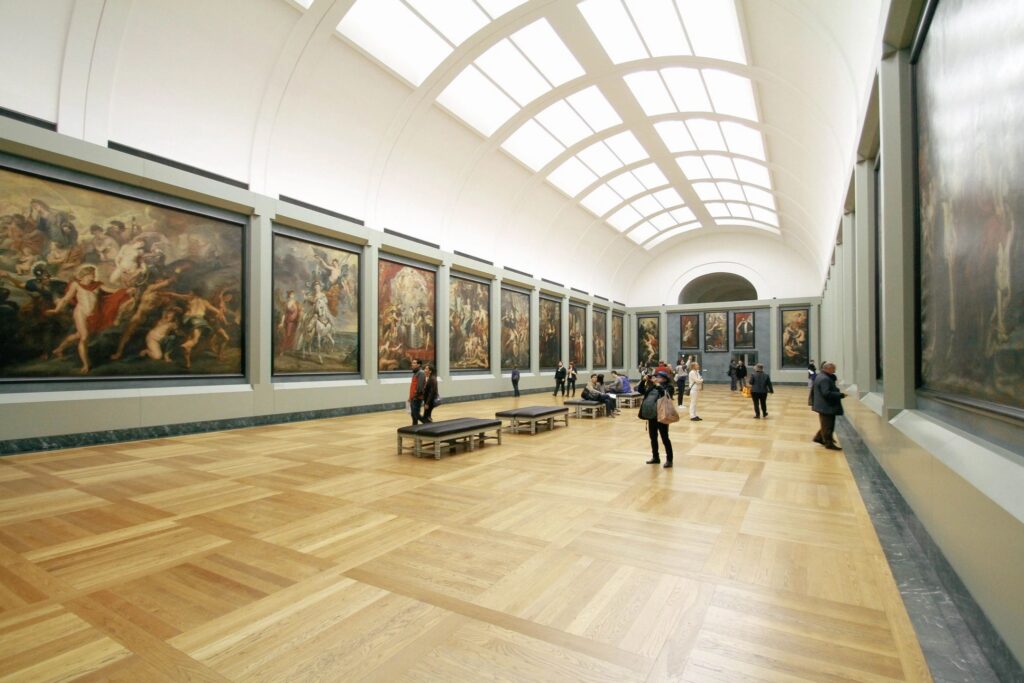
Museums also encourage curiosity. You may visit with one particular interest and leave fascinated by something completely unexpected.
Children can benefit enormously from museum visits because seeing an object in person can make an abstract subject feel real.
Adults can discover just as much. Learning does not stop when formal education ends.
A museum visit can be educational, inspiring and enjoyable at the same time.
The next time you pass a museum, don’t assume it is only for school trips or history enthusiasts.
Walk through the doors.
You may discover a story you never knew existed.
7. TRAVEL – The Beauty of Travelling in the Off-Season
Travelling outside the busiest holiday periods can offer a completely different experience.
Popular destinations can feel calmer when fewer visitors are around. Streets may be quieter, attractions less crowded, and travellers may have more opportunities to experience the everyday character of a place.
Off-season travel can also encourage a slower pace. Instead of trying to see everything in a short period, visitors may have time to sit in a local café, explore smaller streets or simply enjoy the scenery.

The experience will naturally depend on the destination and time of year, so researching weather, opening hours and local events before travelling is important.
But sometimes the quieter season reveals a destination more clearly than the peak period.
You may discover that you don’t need sunshine and crowds to have a memorable holiday.
Sometimes a cool morning, a quiet street and a warm meal can create the perfect travel memory.
8. FASHION – The Return of the Statement Shoe
Shoes can completely change the personality of an outfit.
A statement pair can turn simple clothing into something memorable without requiring an entirely new wardrobe. Bold colours, interesting textures, unusual shapes or striking details can become the focal point of an otherwise understated look.

The beauty of statement shoes is their versatility. A simple black dress can take on a completely different character with colourful heels, while jeans and a plain top can feel more polished with an eye-catching pair of shoes.
Comfort should remain part of the decision. The most beautiful shoes are not particularly useful if they cannot be worn comfortably.
Fashion should allow us to experiment.
A statement shoe provides an easy way to try something different without changing your entire personal style.
Sometimes, all an outfit needs is one confident step.
9. HOME & LIVING – Creating a Home That Reflects Your Personality
A beautiful home does not need to look like a showroom. The most interesting homes often reveal something about the people who live in them.
Family photographs, books, artwork, travel souvenirs, treasured furniture and objects collected over the years can give a home personality.

Instead of following every decorating trend, think about what genuinely makes you feel comfortable.
Perhaps you love colourful cushions, vintage furniture, plants, traditional artwork or minimalist spaces. Your home should reflect your taste rather than simply copying somebody else’s.
This doesn’t mean every room needs to be filled with possessions. Personality can also come through carefully chosen pieces.
A home becomes special when it tells a story.
The goal isn’t perfection.
The goal is creating a place where you can walk through the door and immediately feel that you belong there.
10. REAL ESTATE – Why Location Matters So Much
When people search for a property, it is easy to become focused on the house itself. But the surrounding location can have just as much influence on everyday life.
A beautiful property may become less attractive if commuting is difficult or essential amenities are far away.

Transport links, schools, shops, healthcare facilities, parks, restaurants and other local services can all influence how convenient an area feels.
It is also worth visiting a potential neighbourhood at different times of day. A quiet street on a Saturday afternoon may feel very different during a weekday morning or evening.
The surrounding community matters too. Spending time in the area can provide a better sense of whether it suits your lifestyle.
A property can be renovated, decorated and personalised.
Its location cannot.
That is why one of the oldest pieces of real estate advice remains so relevant: look beyond the front door.
11. FRANKLY SPEAKING WITH FRANCA – “I Feel Like Everyone Has Moved Ahead of Me”
Dear Franca,
I look at people my age and feel as though everyone is achieving more than I am. Some have successful careers, beautiful homes and happy families, while I feel stuck. How do I stop feeling behind?
Franca Says:
First, stop using somebody else’s timeline to judge your own life.
There is no universal schedule for success. One person may buy a home at 25, another at 45. Someone may discover their dream career early, while someone else changes direction several times before finding what feels right.
And remember that you are seeing only part of other people’s stories.
You don’t see every disappointment, worry, debt, argument, rejection or private struggle behind the photographs and announcements.
Instead of asking whether you are ahead or behind other people, ask whether you are moving in the direction that matters to you.
Maybe your progress is quieter than someone else’s.
Maybe you’re rebuilding after a difficult period. Maybe you’re learning, saving, healing, changing careers or simply trying to find your feet.
That still counts.
Life isn’t a race with one finish line.
You are not behind. You are living your own story, and your story has its own timetable.