
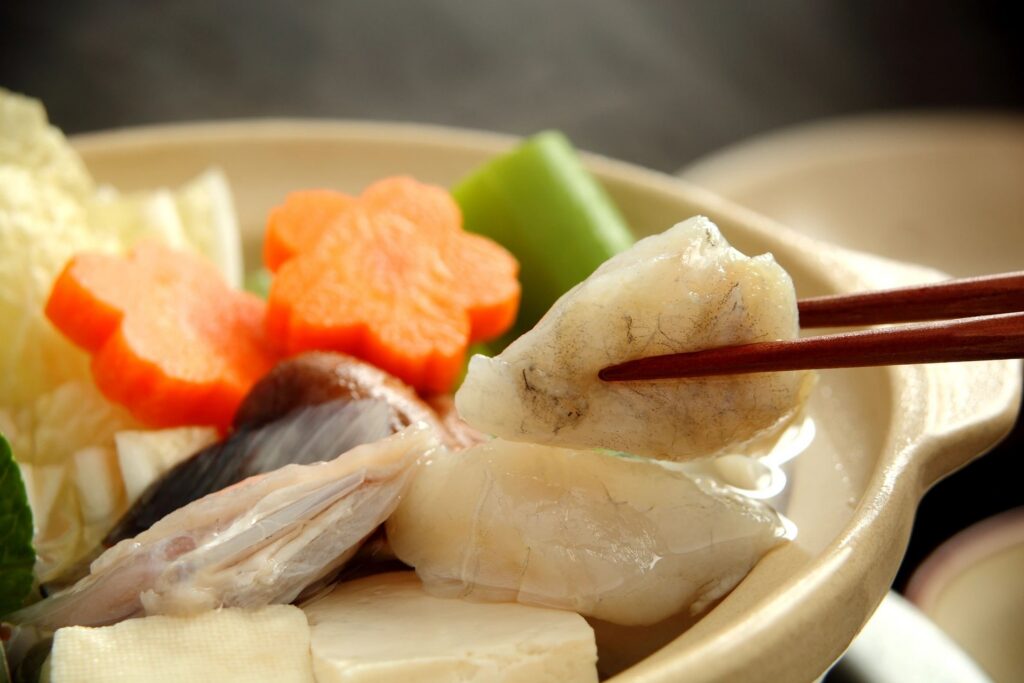
There is something wonderfully comforting about a meal that comes together in one pot. From hearty stews and fragrant rice dishes to nourishing casseroles and vegetable curries, one-pot cooking combines simplicity with delicious flavour.
One-pot meals are particularly useful for busy households. With everything cooked together, preparation is often straightforward and cleaning up afterwards is much easier. They also provide an excellent opportunity to combine different food groups in one satisfying dish.
Vegetables, beans, grains, fish, chicken, or lean meats can be combined with herbs and spices to create meals that are both colourful and nourishing. Ingredients can easily be adjusted according to what is available in the kitchen, making one-pot cooking a practical way to reduce food waste.
These meals are also perfect for sharing. A large pot placed in the centre of the table naturally encourages people to gather, serve themselves, and enjoy conversation.
In a world where cooking can sometimes feel like another demanding task, one-pot meals remind us that delicious food can be simple, generous, and comforting.
2. HEALTH – The Importance of Protecting Your Eyes
Our eyes work from the moment we wake until we close them at night, yet eye health is something many of us take for granted. With increasing amounts of time spent looking at phones, computers, and televisions, giving our eyes proper care has become more important.

Taking regular breaks from screens can help reduce eye strain. Looking away from a screen periodically, adjusting lighting, and keeping screens at a comfortable distance can make everyday digital activities easier on the eyes.
Nutrition also plays a role in overall eye health. A balanced diet containing colourful vegetables, leafy greens, fruits, fish, and other nutrient-rich foods supports general wellness, including the health of our eyes.
Regular eye examinations are another important part of looking after our vision. Professional checks can identify changes that may otherwise go unnoticed.
Our eyesight is one of life’s greatest gifts. Taking a few simple steps to care for our eyes today can help us appreciate the world around us for many years to come.
3. WELLNESS – The Healing Power of Nature
There is a reason people often feel refreshed after spending time outdoors. Nature gives us an opportunity to step away from screens, noise, and busy schedules and reconnect with something much simpler.
A walk through a park, time spent gardening, or simply sitting beneath a tree can create valuable moments of calm. Being outdoors encourages movement while providing a change of scenery that can help clear a busy mind.

Nature also reminds us to slow down. Watching birds, listening to leaves moving in the wind, or noticing the changing colours of the seasons can encourage mindfulness and appreciation.
You do not need to travel to a remote destination to experience the benefits of nature. A local park or garden may be enough.
Making outdoor time part of your routine is a simple form of self-care. Sometimes, stepping outside for a little while is all we need to pause, breathe, and return to our day with a clearer mind.
MONEY – Learning to Spend with Purpose
Spending money is part of everyday life, but thoughtful spending can make a significant difference to our financial well-being. The goal isn’t to avoid spending altogether—it is to make sure our money supports the life we actually want.

Before making a purchase, it can be useful to pause and ask whether the item provides genuine value. Will it be used regularly? Does it solve a real problem? Is it something we genuinely need or simply something we want at that moment?
Purposeful spending can also mean choosing experiences over unnecessary possessions. A meal with loved ones, a meaningful trip, or an activity that creates lasting memories may provide greater satisfaction than something that quickly loses its appeal.
Money should serve our priorities rather than control them.
By becoming more intentional about spending, we can enjoy what we purchase while reducing unnecessary financial pressure. Financial confidence often begins with a simple question: Is this purchase helping me build the life I want?
7. TRAVEL – Travelling with Purpose
Travel can be much more meaningful when we look beyond photographs and sightseeing. Travelling with purpose means taking time to understand the places we visit and appreciating the people who call them home.
Trying local food, learning a few words of the local language, visiting independent businesses, and respecting cultural traditions can create a deeper connection with a destination.

Responsible travel also means considering our impact. Supporting local businesses, reducing unnecessary waste, respecting natural environments, and treating cultural sites with care all help protect destinations for future visitors.
Travel gives us the opportunity to step outside our familiar routines and see the world from a different perspective.
The best journeys often leave us with more than photographs. They leave us with greater understanding, unforgettable conversations, and stories that remain long after we have returned home.
8. FASHION – Accessories That Transform an Outfit
A simple outfit can be completely transformed by the right accessories. A beautiful handbag, elegant watch, statement necklace, scarf, belt, or pair of shoes can add personality and sophistication without requiring an entirely new wardrobe.
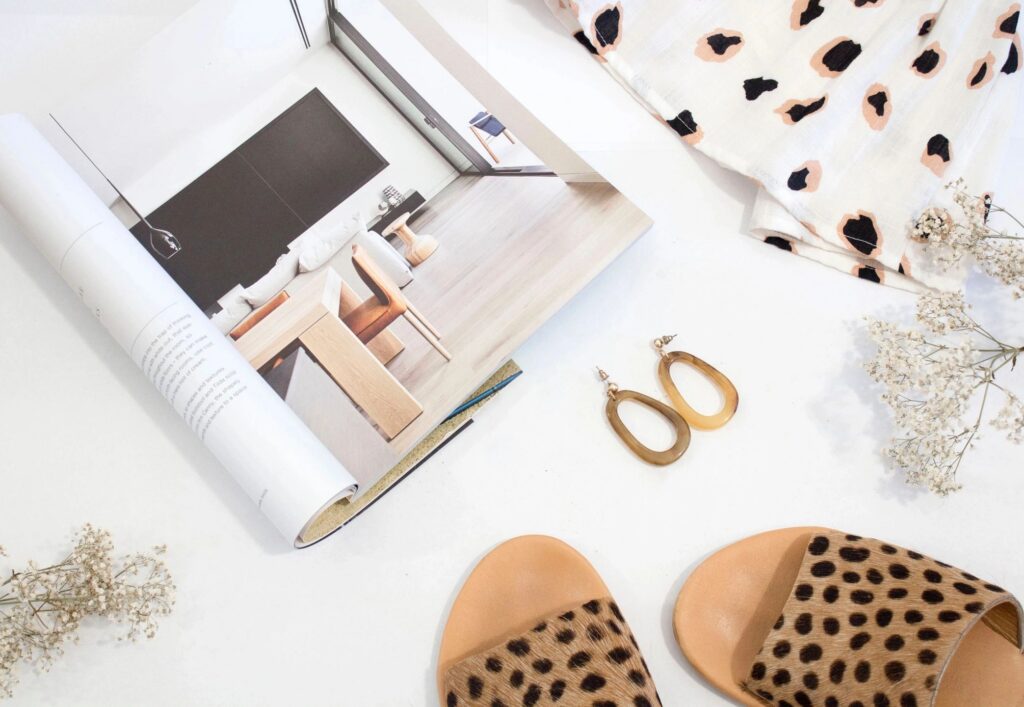
Accessories also provide an affordable way to experiment with fashion. Instead of purchasing new clothing for every occasion, changing a few carefully chosen details can create an entirely different appearance.
The key is balance. One striking accessory can become the focal point of an outfit, while simpler pieces can create a polished everyday look.
Personal style is ultimately about expression. Accessories give us the freedom to experiment with colours, textures, and shapes while remaining true to our individual preferences.
Sometimes, the smallest detail makes the biggest difference.
9. HOME & LIVING – Making Your Dining Table the Heart of the Home
The dining table has always been more than a place to eat. It is where families share news, friends tell stories, celebrations take place, and important conversations begin.
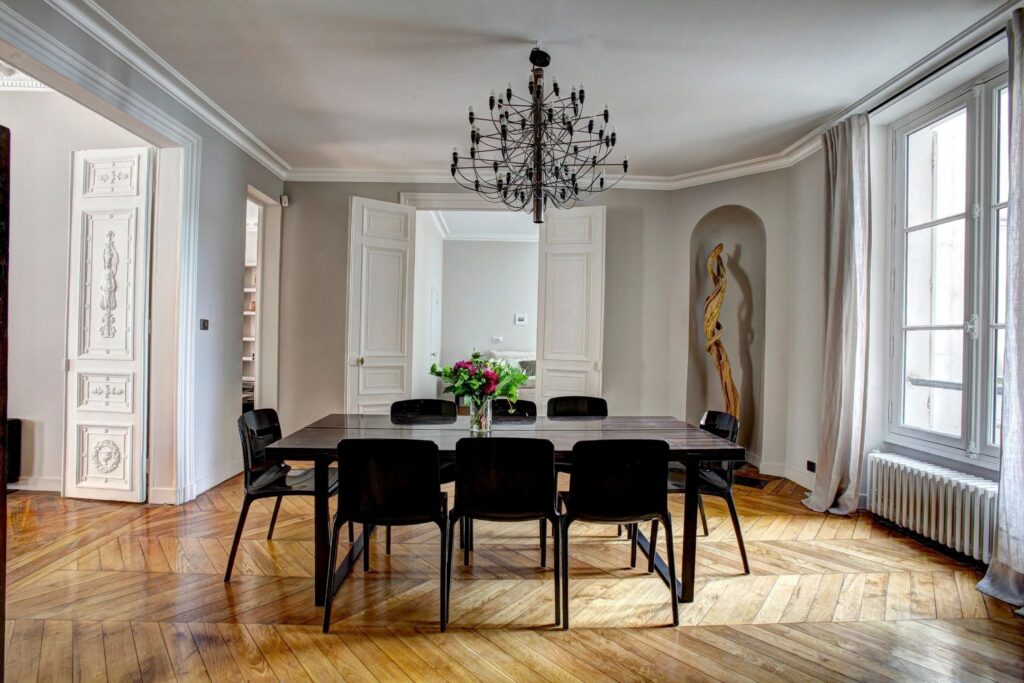
Creating an inviting dining area can encourage people to spend more time together. It doesn’t require expensive furniture or elaborate decorations. Clean table settings, comfortable chairs, soft lighting, and a welcoming atmosphere can make ordinary meals feel special.
Even when everyone has busy schedules, making an effort to share occasional meals together can strengthen family connections.
The dining table can also become a place for creativity—children doing homework, friends playing games, or family members planning future adventures.
A home becomes warmer when people gather around the same table. In a world where everyone seems to be rushing somewhere, sitting down together may be one of the simplest ways to reconnect.
10. REAL ESTATE – Making a Small Property Feel Spacious
A smaller home does not necessarily mean a smaller lifestyle. With thoughtful design choices, even compact properties can feel comfortable, bright, and surprisingly spacious.
Natural light is one of the easiest ways to create a sense of openness. Keeping windows clear and choosing lighter furnishings can help rooms feel brighter.
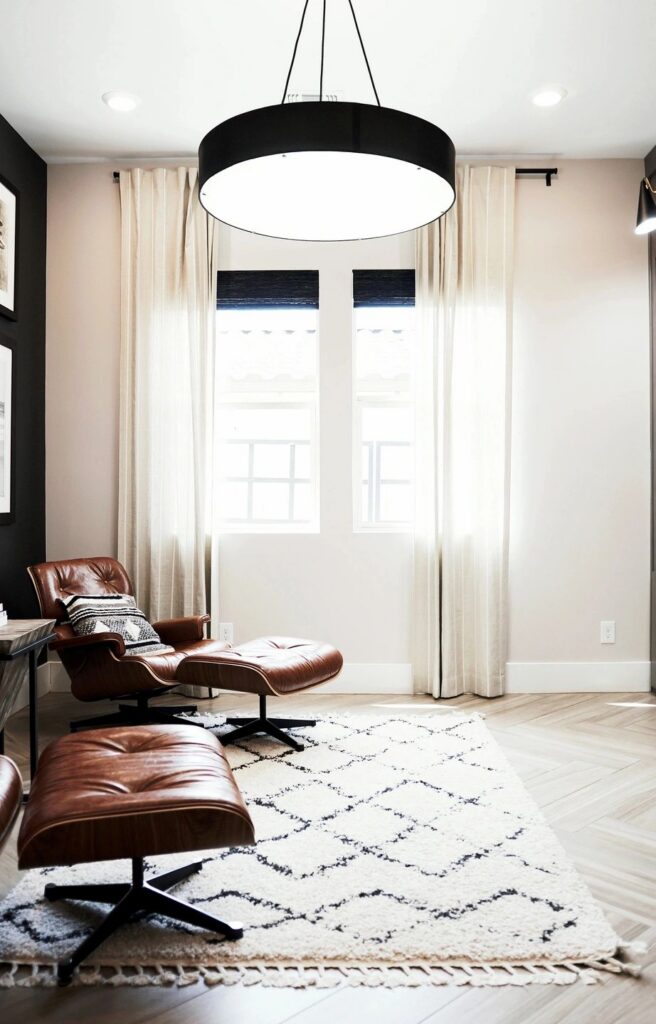
Smart storage is equally important. Using vertical shelving, multifunctional furniture, and organised storage solutions can reduce clutter while making better use of available space.
Mirrors can also create the impression of greater depth, while keeping a consistent colour palette can make different areas feel connected.
The key is not trying to fill every available corner. Allowing some open space gives rooms a calmer and more spacious appearance.
Good design is not necessarily about having more space. It is about making the best possible use of the space you already have.
11. FRANKLY SPEAKING WITH FRANCA – “I Find It Difficult to Say No”
Dear Franca,
I often agree to things because I don’t want to disappoint people. Afterwards, I feel overwhelmed and wish I had said no. How can I set better boundaries?
Franca Says:
Learning to say no is not an act of selfishness. It is an act of honesty.
When you automatically say yes to everything, you may eventually become exhausted, resentful, or unable to give your best to the commitments that truly matter. Saying no allows you to protect your time and energy.
You don’t always need to provide a lengthy explanation. A simple, respectful response is enough. You can say that you are unable to take something on at the moment without feeling guilty about it.
Remember, someone being disappointed by your answer does not mean you have done something wrong. Other people’s expectations cannot always become your responsibilities.
Healthy boundaries actually strengthen relationships because they encourage honesty and mutual respect.
You are allowed to have limits. You are allowed to rest. And you are allowed to choose where your time and energy go.
A peaceful life isn’t created by saying yes to everyone. Sometimes, it begins with learning to say no with confidence and kindness.