
The Wonderful World of Homemade Gnocchi
There is something special about making pasta from scratch, and homemade gnocchi is one of the most rewarding dishes to try. These little Italian dumplings are traditionally made with potatoes, flour and egg, creating a soft, delicate texture that works beautifully with a variety of sauces.
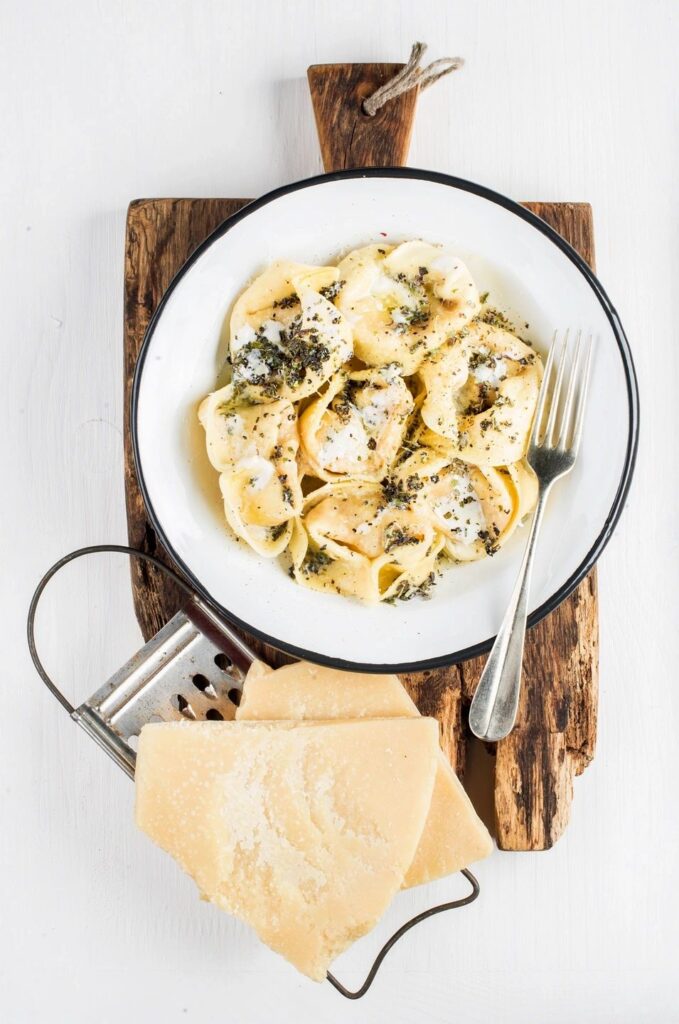
Although gnocchi may look complicated, the ingredients are surprisingly simple. The secret is to use potatoes that are light and floury, cook them until tender and allow them to cool slightly before preparing the dough. Too much flour can make the finished gnocchi heavy, so it is important to work gently and avoid over-kneading.
Once the dough comes together, divide it into manageable pieces and roll each into a long strip. Cut into small pillows and, if desired, gently press each piece against the back of a fork to create the familiar ridges that help sauce cling to the surface.
Fresh gnocchi cooks quickly. When the pieces rise to the surface of boiling water, they are generally ready to be removed with a slotted spoon.
For a simple meal, toss them with sage butter and Parmesan. Tomato sauce, pesto or creamy mushroom sauce also make delicious accompaniments.
Making gnocchi can be a lovely weekend activity, particularly when shared with family. It is a reminder that homemade food does not have to be perfect to be enjoyable. Sometimes, the pleasure lies in the process as much as the finished dish.
HEALTH
Looking After Your Joints as You Get Older
Our joints allow us to perform countless everyday activities, from walking and climbing stairs to opening jars and reaching for objects. Because they work so hard, looking after them should be an important part of maintaining an active and independent lifestyle.
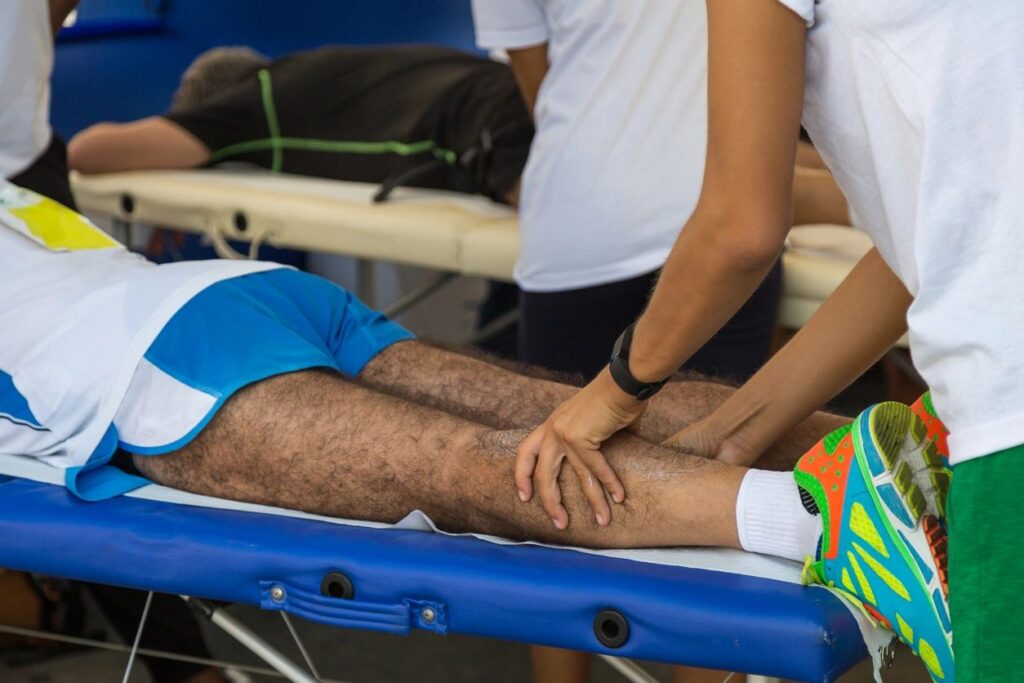
Joint discomfort can have many causes, including ageing, previous injuries, inflammation and conditions such as arthritis. Although some changes are unavoidable, there are practical steps that may help support joint health.
Regular movement is particularly valuable. Gentle activities such as walking, swimming and cycling can help maintain mobility without placing excessive strain on the body. Strengthening the muscles around the joints can also provide better support and stability.
Maintaining a healthy weight may reduce unnecessary pressure on weight-bearing joints, particularly the knees and hips. A balanced diet containing vegetables, fruit, whole grains, protein and healthy fats supports general health and provides important nutrients.
It is equally important to listen to your body. Persistent pain, swelling or stiffness should not simply be ignored. Pushing through discomfort can sometimes make an underlying problem worse. A healthcare professional or physiotherapist can offer advice suited to individual needs.
Simple habits also matter. Wearing supportive footwear, using good lifting techniques and avoiding prolonged periods in one position can help make everyday activities more comfortable.
Healthy joints are not just about avoiding pain. They are about preserving the freedom to move, participate in activities and enjoy life with confidence.
Taking small steps today can help support mobility for years to come.
FRANKLY SPEAKING WITH FRANCA
Stop Apologising for Taking Up Space
Have you ever noticed how often you apologise for things that do not actually require an apology?
You apologise for asking a question, expressing an opinion, needing help or simply taking a little time for yourself. You make yourself smaller because you do not want to appear demanding, difficult or inconvenient.
Well, I think it is time to stop.
There is a difference between being considerate and constantly making yourself feel guilty for having needs. You can be polite without apologising for every little thing. You can disagree with someone without feeling that you have committed an offence. And you can ask for what you need without believing you are asking too much.
Somewhere along the way, many of us learned that being liked meant being agreeable. We became experts at keeping the peace, even when that peace came at our own expense.
But your voice matters. Your opinions matter. Your presence matters.
Of course, when we make a genuine mistake or hurt somebody, a sincere apology is important. But saying sorry simply because you exist, have feelings or need consideration is something entirely different.
Try replacing unnecessary apologies with more confident words. Instead of saying, “Sorry to bother you,” try, “When you have a moment, could I ask you something?” Instead of apologising for having a different opinion, calmly explain your point of view.
You do not have to be the loudest person in the room to deserve to be heard.
So stand a little taller, speak a little more confidently and stop treating your own needs as an inconvenience.
There is room for you, too.
With love,
Franca