
The Art of Creating a Beautiful Cheese Board
A thoughtfully prepared cheese board can turn an ordinary gathering into a special occasion. Whether served at a family celebration, a dinner party or a relaxed evening with friends, it offers a simple way to bring people together over good food.

The secret to a successful cheese board is variety. Choose cheeses with different textures and flavours, such as a creamy Brie, a mature Cheddar and a tangy goat’s cheese. This gives guests an opportunity to discover new favourites while enjoying familiar options.
Accompaniments are equally important. Fresh grapes, sliced apples, dried apricots, olives and nuts provide contrasting flavours and textures. Crackers and crusty bread offer a satisfying base, while a little chutney or honey can complement the richness of certain cheeses.
Presentation need not be complicated. Arrange the cheeses at different points on a wooden board or large plate, then fill the spaces with fruit and other accompaniments. Small knives make serving easier, and separate utensils can help prevent flavours from mixing.
It is also worth considering the needs of guests. Clearly identifying different cheeses and providing suitable alternatives for people with dietary restrictions can make everyone feel welcome.
For the best flavour, take the cheese out of the refrigerator shortly before serving, following appropriate food-safety guidance for the time it spends at room temperature.
A cheese board demonstrates that entertaining does not have to involve hours in the kitchen. With a few carefully chosen ingredients and a little imagination, even the simplest gathering can feel thoughtful, generous and memorable.
FINANCE
Understanding Your Payslip: Small Details That Matter
For many people, payday is a welcome moment in the month. Yet while the money arriving in a bank account is easy to notice, the details on a payslip can be less familiar. Understanding those details is an important step towards managing personal finances confidently.

A payslip generally shows gross pay, which is earnings before deductions, alongside net pay, the amount received after deductions. Depending on the circumstances, deductions may include income tax, National Insurance contributions, pension payments and student loan repayments.
Checking a payslip regularly can help identify mistakes before they become bigger problems. Employees should look at their basic salary or hourly rate, overtime, bonuses, holiday pay and any other adjustments. It is also useful to compare the figures with previous months, particularly when working hours or employment arrangements have changed.
Pension contributions deserve attention as well. Understanding how much is being contributed by both the employee and employer can help people appreciate the role their workplace pension may play in future financial security.
If something appears incorrect, the first step is usually to contact the payroll or human resources department and ask for an explanation. Keeping copies of payslips and employment records can make these conversations easier.
It is also important to remember that a higher gross salary does not necessarily translate into the same increase in take-home pay, because deductions may change as earnings rise.
A payslip is more than a record of payment. It is a useful financial document that helps employees understand their earnings, monitor deductions and make informed decisions about their money. Spending a few minutes reviewing it each payday can provide greater clarity and peace of mind.
FASHION
The Power of Getting the Fit Right
Fashion trends may change with every season, but well-fitting clothes remain a reliable foundation for personal style. An outfit does not need to be expensive or elaborate to look polished; often, the way a garment fits is what makes the greatest difference.
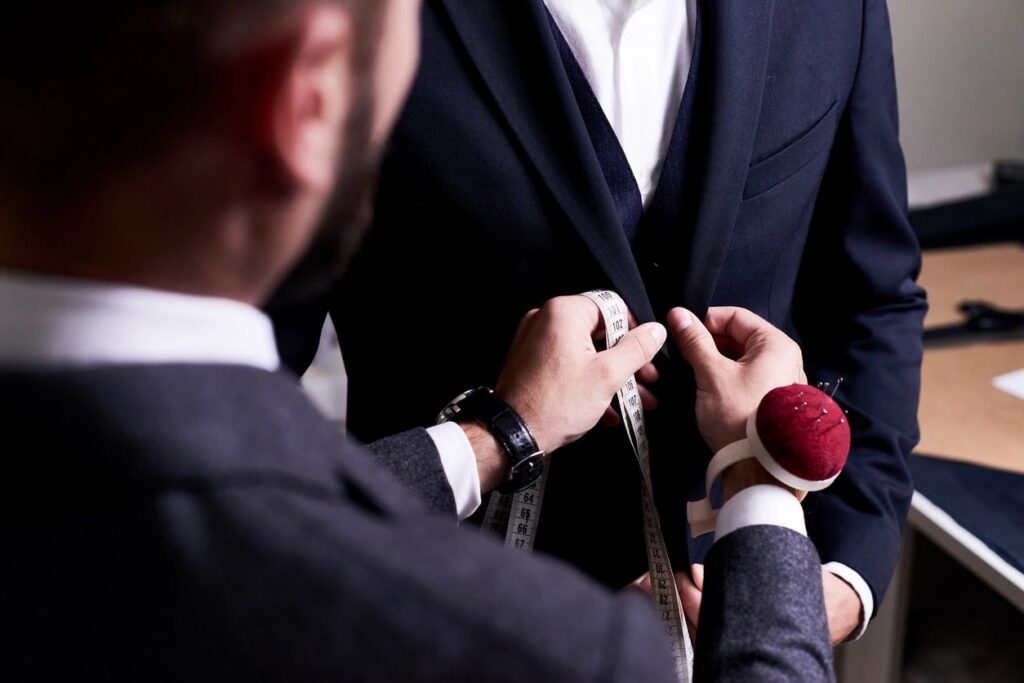
Clothing that fits comfortably allows a person to move naturally and feel at ease throughout the day. A jacket should sit neatly across the shoulders, trousers should be comfortable at the waist, and sleeves should finish at a practical length. These small details can influence how an entire outfit looks.
Finding the right fit can sometimes require patience. Sizes vary between brands, and a label does not always reflect how a garment will sit on an individual body. Trying different cuts and paying attention to comfort are more useful than relying on the number printed inside a garment.
Simple alterations can also extend the life of a wardrobe. Shortening trousers, adjusting a hem or taking in a loose waist may help an otherwise suitable item become a favourite. Before buying something new, it can be worth considering whether a small adjustment would improve clothes already owned.
Fit should never be confused with following a particular body ideal. The purpose of clothing is to serve the person wearing it, not to force every individual into the same silhouette.
A well-fitting outfit can make getting dressed easier because pieces work together more naturally. It can also encourage more thoughtful shopping, reducing the temptation to purchase clothes that look appealing on a hanger but remain unworn.
Ultimately, personal style begins with feeling comfortable in what you wear. Trends may offer inspiration, but the right fit helps make fashion practical, individual and enduring.