
The Art of Seasonal Eating: Why Nature Knows Best
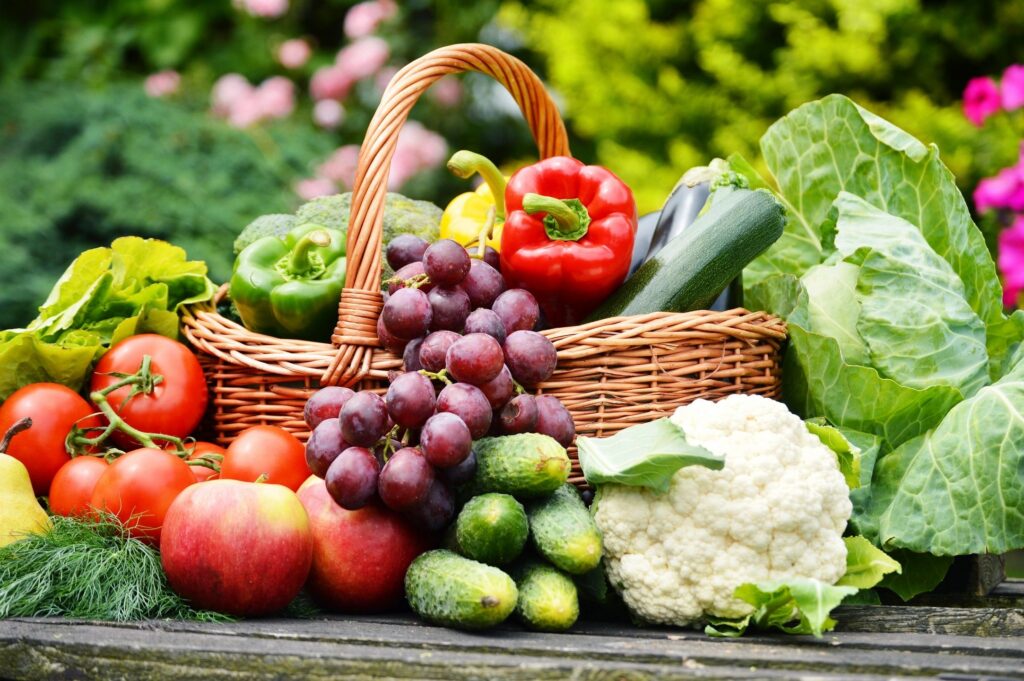
In a world where almost any fruit or vegetable can be found year-round, it’s easy to forget that food has seasons. Supermarkets make strawberries available in winter and pumpkins accessible in spring. Yet eating seasonally — consuming produce naturally harvested at a particular time of year in your region — offers benefits that go far beyond flavor.
Seasonal produce is typically fresher, more nutrient-dense, and more affordable. Fruits and vegetables harvested at peak ripeness contain higher levels of vitamins and antioxidants. When produce travels long distances out of season, it’s often picked early and stored for extended periods, which can reduce both taste and nutritional value.
But seasonal eating isn’t just about science — it’s about rhythm. Aligning your meals with the natural cycle of the year fosters awareness and appreciation. In summer, hydrating foods like watermelon, tomatoes, and cucumbers cool the body. In colder months, root vegetables, squash, and hearty greens provide grounding nourishment.
Seasonal eating also supports local farmers and reduces environmental impact. Shorter transportation routes mean fewer emissions. Local markets often offer better prices because supply is abundant. Shopping seasonally encourages variety too — instead of repeating the same meals, you naturally rotate ingredients throughout the year.
To begin, explore farmers’ markets or research what grows naturally in your region each season. Build simple meals around those ingredients. A winter vegetable stew, a spring salad bursting with fresh herbs, or a grilled summer vegetable platter can transform everyday cooking into a sensory experience.
Seasonal eating isn’t restrictive. It’s adaptive. It reconnects you with the environment, enhances flavor, and supports sustainability — all while making meals more exciting and nourishing.