
The Forgotten Grains Making a Comeback

For years, rice, wheat and maize have dominated our dinner tables, but a quiet food revolution is bringing ancient grains back into the spotlight. Once considered traditional staples in many parts of the world, grains such as millet, sorghum, teff and quinoa are making a remarkable comeback—and for good reason.
These grains are naturally rich in fibre, vitamins, minerals and plant-based protein, making them an excellent addition to a healthy diet. Many are also gluten-free, making them suitable for people with gluten intolerance or those looking to diversify their meals.
Millet has long been enjoyed in Africa and Asia, while teff has been a staple in Ethiopia for centuries. Sorghum is highly versatile and can be used in porridge, salads, baked goods and even popcorn-like snacks. Their nutty flavours and hearty textures make them a delicious alternative to refined grains.
Beyond their nutritional value, ancient grains are also environmentally friendly. Many require less water to grow and are more resilient to changing climates, making them an important crop for sustainable agriculture.
Whether added to soups, stews or side dishes, these forgotten grains prove that healthy eating doesn’t have to be boring. Sometimes, the best way forward is by rediscovering foods that have nourished generations before us.
FINANCE
How Inflation Changes the Way We Spend and Save

Have you ever noticed that the same amount of money doesn’t buy as much as it used to? That’s the effect of inflation. As the cost of goods and services rises, families and businesses must adjust how they spend, save, and plan for the future.
Inflation can affect everyday essentials such as food, fuel, transport, and household bills. While these increases may seem gradual, they can have a noticeable impact on monthly budgets over time. This is why reviewing spending habits regularly is so important.
One way to manage inflation is by focusing on needs before wants. Planning meals, comparing prices, avoiding impulse purchases, and setting realistic savings goals can help make finances more resilient. Small adjustments often make a big difference over the long term.
Although inflation presents challenges, it also encourages smarter financial decisions. People become more aware of how they use their money and often discover new ways to save without sacrificing quality of life.
Financial success isn’t about predicting the economy—it’s about developing habits that allow you to adapt confidently to changing circumstances.
HEALTH
Healthy Ageing: Small Habits That Make a Big Difference

Growing older is a natural part of life, but healthy ageing is about maintaining energy, independence, and a positive outlook as the years go by. The choices we make today can influence how we feel tomorrow.
Regular physical activity is one of the best ways to support healthy ageing. Walking, swimming, gardening, or gentle stretching helps maintain strength, balance, and flexibility. Combined with a balanced diet rich in fruits, vegetables, whole grains, and lean proteins, these habits contribute to long-term well-being.
Mental health is equally important. Keeping the mind active by reading, learning new skills, solving puzzles, or engaging in meaningful conversations helps maintain cognitive function. Social connections also play a significant role, as spending time with family and friends supports emotional health and reduces feelings of loneliness.
Adequate sleep, regular medical check-ups, and managing stress all contribute to healthy ageing. Rather than focusing on age itself, the goal is to continue enjoying life with confidence and vitality.
Healthy ageing isn’t about trying to stay young forever. It’s about embracing each stage of life while making choices that help you feel your best every day.
LIFESTYLE
Why Decluttering Can Refresh Your Mind
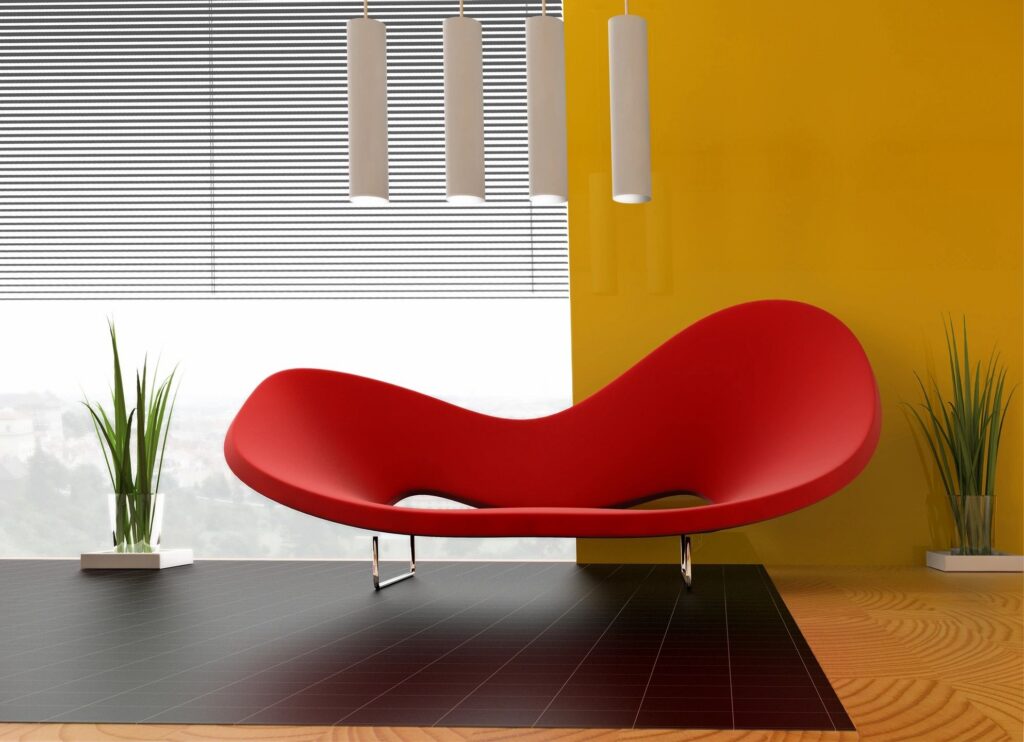
A cluttered space can often lead to a cluttered mind. Whether it’s a crowded wardrobe, an overflowing desk, or a room filled with unused items, too much clutter can make everyday life feel more stressful than it needs to be.
Decluttering isn’t about throwing everything away. It’s about creating a living environment that feels organised, comfortable, and functional. By keeping only the items that are useful or meaningful, your home becomes easier to manage and more enjoyable to live in.
Many people find that tidying a room gives them a sense of accomplishment and renewed motivation. An organised space can improve concentration, reduce distractions, and make daily routines more efficient.
Decluttering also encourages mindful consumption. Before making new purchases, we begin to ask whether we truly need another item or whether we’re simply adding to the collection.
A peaceful home often supports a peaceful mind. Even small steps, such as organising a bookshelf or clearing a kitchen counter, can create a noticeable difference.
Sometimes, making space in your home is the first step towards creating more space in your life.
WELLNESS
The Healing Power of Fresh Air

In our increasingly busy and technology-driven lives, it’s easy to spend most of the day indoors. Yet one of the simplest ways to support our well-being is also one of the most accessible—stepping outside for some fresh air.
Whether it’s a walk through a local park, time spent in a garden, or simply sitting on a balcony, being outdoors can have a calming effect on both body and mind. Fresh air, combined with natural light, can help improve mood, increase energy levels, and reduce feelings of stress.
Spending time outdoors also encourages movement. A short walk, gentle stretching, or enjoying nature can contribute to better physical health while providing a welcome break from screens and daily responsibilities.
Fresh air offers an opportunity to slow down, breathe deeply, and reconnect with the world around us. Listening to birdsong, feeling a gentle breeze, or watching the changing seasons reminds us that wellness is often found in life’s simplest moments.
Making time to step outside each day may seem like a small habit, but it can have a lasting impact on your overall health and happiness. Sometimes, the best remedy is simply opening the door and embracing the fresh air.