
Why Dining Alone Is Becoming More Accepted
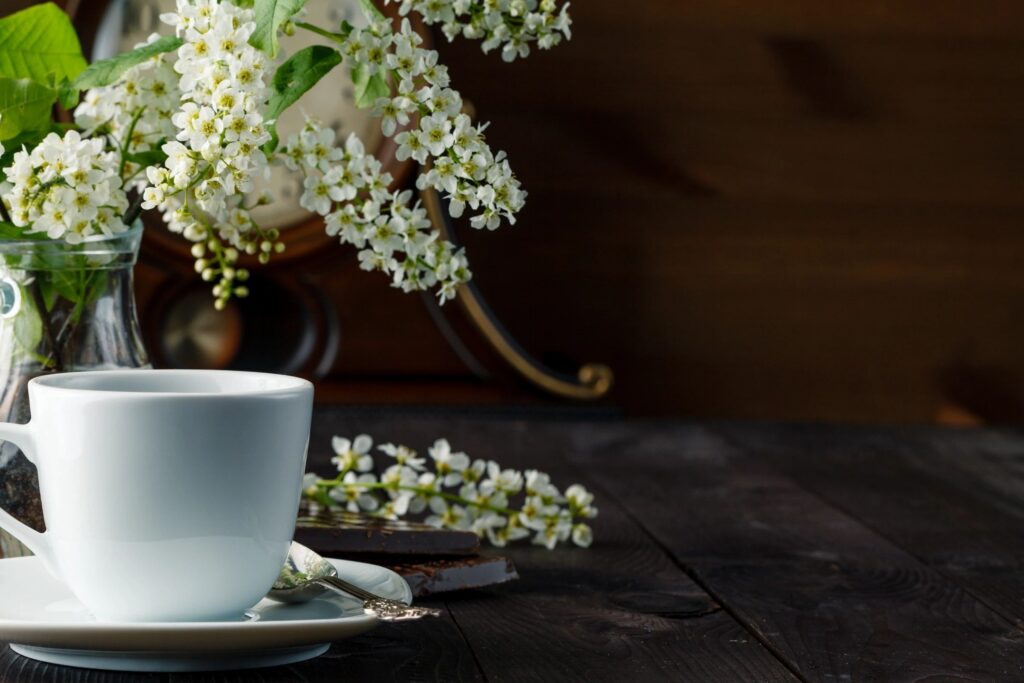
For many years, dining alone was often viewed negatively. Restaurants, cafés, and social spaces were traditionally associated with groups, families, or social gatherings. Today, however, attitudes are changing, and dining alone is becoming increasingly accepted and even appreciated.
Modern lifestyles are more independent than ever before. People travel alone, work remotely, relocate frequently, and maintain flexible schedules that do not always align with others. As a result, solo dining has become a practical and increasingly normal part of daily life.
One major reason for this shift is changing attitudes toward independence. Many people now see the ability to enjoy one’s own company as a sign of confidence rather than isolation. Dining alone can create moments of calmness and reflection in otherwise busy environments.
Technology has also influenced this cultural change. Smartphones, laptops, and digital workspaces have transformed cafés and restaurants into places where people comfortably spend time alone while reading, working, or simply relaxing.
Importantly, solo dining allows individuals to engage more intentionally with their surroundings. Without constant conversation, people often become more aware of atmosphere, food quality, music, and the overall dining experience itself.
Restaurants and hospitality spaces are adapting to this trend as well. More venues now create welcoming environments for individual guests rather than designing exclusively around large groups.
There is also a wellness aspect connected to solo experiences. Spending time alone can support emotional independence and mental clarity when balanced healthily with social interaction.
This shift reflects broader changes in modern culture. Independence, self-awareness, and intentional solitude are becoming more socially accepted.
And increasingly, dining alone is being viewed not as loneliness, but as a comfortable expression of modern lifestyle flexibility and self-confidence.
FINANCE
Why Financial Planning Is Becoming a Life Skill

Financial planning was once considered something mainly associated with investors, business owners, or later stages of adulthood. Increasingly, however, it is becoming recognized as an essential life skill for people of all ages.
Modern financial life is more complex than ever before. Digital payments, subscriptions, online shopping, loans, investments, and rising living costs require individuals to make financial decisions constantly.
Without planning, even stable income can quickly become difficult to manage.
Financial planning involves understanding income, budgeting, saving, spending habits, and long-term priorities. It creates structure and reduces unnecessary financial stress.
Importantly, financial planning also supports emotional well-being. Financial uncertainty often affects mental health, relationships, and overall stability.
As awareness grows, more people are becoming intentional about financial education and sustainable money habits.
And increasingly, financial planning is being viewed not as restriction, but as a foundation for freedom and long-term security.
HEALTH
Why Sleep Quality Is Receiving More Attention

Health conversations often focus on diet and exercise, but sleep quality is becoming equally important in modern wellness discussions.
Poor sleep affects concentration, mood, memory, energy levels, and long-term physical health. Yet many people underestimate how significantly sleep influences daily performance.
Modern lifestyles contribute heavily to sleep disruption. Excessive screen exposure, stress, irregular schedules, and overstimulation make restful sleep increasingly difficult.
As awareness grows, individuals are paying greater attention to evening routines, sleep environments, and overall recovery habits.
Importantly, quality sleep supports both physical and emotional resilience.
And increasingly, rest is being recognized as a critical part of long-term health rather than simply downtime.
LIFESTYLE
Why People Are Prioritizing Experiences Over Possessions

Material success once centered heavily around ownership and accumulation. Today, however, many people are placing greater value on experiences rather than possessions.
Travel, personal growth, wellness, meaningful relationships, and memorable moments are increasingly viewed as more fulfilling than constant consumption.
One reason for this shift is emotional sustainability. Experiences often create stronger memories and personal meaning than material purchases.
There is also growing awareness that excessive consumption does not necessarily lead to long-term happiness.
Importantly, experiences often strengthen human connection and perspective in ways possessions cannot.
And increasingly, modern lifestyles are becoming more focused on meaning and fulfillment rather than accumulation alone.
WELLNESS
Why Quiet Environments Support Emotional Health

Noise and constant stimulation have become normal parts of modern life.
However, quiet environments are increasingly being recognized as important for emotional balance and mental clarity.
Continuous exposure to noise, information, and social interaction can create emotional fatigue over time.
Quiet spaces allow the mind to slow down, process emotions, and recover mentally.
This may include nature, peaceful rooms, libraries, or simply moments without digital distraction.
Importantly, quietness is not emptiness.
It often creates the conditions necessary for focus, reflection, and emotional calmness.
And increasingly, people are intentionally seeking quieter environments to support overall well-being.
CAREER
Why Professional Adaptability Is a Competitive Advantage

Modern industries change rapidly, making adaptability one of the most valuable professional qualities today.
Professionals who can learn new systems, adjust to changing environments, and remain flexible during uncertainty are often better positioned for long-term success.
Adaptability also improves resilience because it reduces dependence on rigid expectations.
Importantly, adaptable professionals are often more open to growth and innovation.
And increasingly, career success is being shaped by flexibility and continuous learning rather than routine alone.
TRAVEL
Why Smaller Cities Are Becoming Popular Travel Destinations

Large global cities continue to attract travelers, but smaller cities and towns are becoming increasingly appealing.
Many travelers now seek slower environments, authentic culture, and less crowded experiences.
Smaller destinations often provide stronger local identity and more relaxed atmospheres.
They also allow visitors to engage more deeply with communities and regional traditions.
And increasingly, meaningful travel experiences are being found outside major tourist centers.
REAL ESTATE
Why Natural Light Influences Property Appeal

Natural light has become one of the most desired features in modern real estate.
Bright environments improve mood, comfort, productivity, and overall atmosphere within homes.
As people spend more time indoors for work and lifestyle activities, light-filled spaces are becoming increasingly valuable.
Natural light also creates stronger visual openness and emotional comfort.
And increasingly, buyers are prioritizing environments that support both physical and emotional well-being.
RELATIONSHIPS
Why Communication Timing Matters in Relationships

Healthy communication involves not only what is said, but also when it is said.
Difficult conversations handled during stressful or emotionally reactive moments often become more complicated unnecessarily.
Good timing creates calmer and more productive communication.
It allows people to listen more carefully and respond more thoughtfully.
Importantly, emotional awareness improves communication quality significantly.
And increasingly, relationship strength is being linked to emotional maturity and respectful communication habits.
EDUCATION
Why Critical Thinking Is More Important Than Memorization

Education is evolving beyond memorization-based learning.
Critical thinking—the ability to analyze information, ask questions, and evaluate ideas independently—is becoming increasingly valuable.
Modern societies are filled with information, opinions, and digital content. As a result, the ability to think carefully and critically is essential.
Critical thinking improves problem-solving, communication, and decision-making across many areas of life.
Importantly, it encourages intellectual independence rather than passive learning.
And increasingly, education systems are recognizing the importance of developing thoughtful and adaptable learners.
FRANKLY SPEAKING WITH FRANCA
“I Feel Guilty Resting”
Dear Franca,
Whenever I take time to rest, I feel like I should be doing something productive instead.
Franca Says:
Many people have been conditioned to associate constant activity with value and success.
But rest is not wasted time.
Without recovery, exhaustion eventually affects focus, emotional health, and even productivity itself.
You are not meant to operate endlessly without pause.
Rest allows your mind and body to recover so you can function more sustainably.
And learning to rest without guilt is part of creating a healthier relationship with yourself and your time.