
Why Tea Culture Is Experiencing a Modern Revival

Tea has been part of social and cultural traditions for centuries, but recently it has experienced a noticeable modern revival. Across cities around the world, tea culture is evolving beyond tradition and becoming part of contemporary wellness and lifestyle habits.
One reason for this renewed popularity is the growing desire for slower daily rituals. In highly connected and fast-moving environments, many people are looking for calming routines that create moments of pause during the day. Preparing and drinking tea naturally encourages slowness and presence.
Tea culture is also expanding creatively. Independent tea houses, specialty blends, herbal infusions, and wellness-focused beverages are attracting younger audiences who are interested in both health and experience.
Unlike highly stimulating drinks often associated with productivity culture, tea is increasingly connected to balance and mindfulness. Many people view it as a gentler alternative that supports focus without intensity.
Socially, tea spaces are also changing. Modern tea cafés are becoming environments for conversation, remote work, reflection, and relaxation. Their atmosphere is often quieter and more intentional than fast-paced coffee environments.
There is also a cultural appreciation attached to tea traditions. Different regions around the world bring unique preparation styles, ceremonies, and flavors that continue to influence global tea culture.
Importantly, the revival of tea reflects a broader lifestyle movement toward intentional living. Small daily rituals are gaining importance as people search for stability and calm in busy routines.
And increasingly, tea is being appreciated not only as a beverage, but as an experience connected to wellness, culture, and modern lifestyle balance.
FINANCE
Why Financial Independence Is Becoming More Appealing Than Early Retirement

For many years, financial success was strongly linked to the idea of early retirement. Increasingly, however, people are focusing more on financial independence rather than leaving work completely.
Financial independence means having enough stability and flexibility to make life decisions without constant financial pressure. It allows individuals greater freedom over how they work, where they live, and how they spend their time.
This shift reflects changing attitudes toward work itself. Many people no longer want to stop working entirely. Instead, they want the ability to choose meaningful projects, reduce stress, or create more balanced lifestyles.
Economic uncertainty has also influenced this perspective. Flexibility is becoming more valuable than rigid long-term plans.
Another reason for the popularity of financial independence is emotional well-being. People increasingly associate financial security with peace of mind rather than status alone.
Importantly, financial independence is often built gradually through consistent habits rather than dramatic wealth accumulation.
And increasingly, success is being measured by freedom of choice rather than by retirement timelines alone.
HEALTH
Why Recovery Is Becoming Central to Fitness Culture

Fitness culture traditionally emphasized effort, intensity, and endurance. Today, however, recovery is becoming just as important as exercise itself.
Recovery includes sleep, hydration, stretching, rest days, and stress management. These practices allow the body to repair and maintain long-term performance.
Many people are beginning to recognize that constant strain without recovery can lead to exhaustion, injury, and burnout.
Athletes and wellness professionals now frequently discuss the importance of balancing effort with restoration.
Recovery also affects mental health. Rest improves focus, emotional regulation, and motivation.
This shift reflects a more sustainable approach to wellness. Instead of extreme routines, people are prioritizing long-term consistency and overall balance.
And increasingly, recovery is being understood not as weakness, but as an essential part of health and performance.
LIFESTYLE
Why More People Are Choosing Smaller Social Circles
Modern social culture often encourages large networks and constant interaction. Increasingly, however, many people are intentionally choosing smaller and more meaningful social circles.
This shift reflects growing awareness around emotional energy and mental well-being. Maintaining too many superficial relationships can become exhausting and emotionally draining.
Smaller social circles often create deeper trust, stronger communication, and more genuine support systems.
People are becoming more selective about where they invest their time and emotional attention.
Quality of connection is beginning to matter more than quantity of interaction.
Importantly, this change does not necessarily mean isolation. It reflects a preference for authenticity and emotional balance.
And increasingly, close and dependable relationships are being valued more than broad social visibility.
WELLNESS
Why Emotional Calm Is Becoming a Personal Goal

For many years, achievement and productivity dominated conversations around success. Today, emotional calm is increasingly becoming a personal goal for many people.
Calmness supports clearer thinking, healthier relationships, and emotional resilience.
Modern lifestyles create constant stimulation through work pressure, digital exposure, and social expectations. As a result, many individuals are seeking environments and routines that reduce emotional overwhelm.
Practices such as mindfulness, boundaries, quiet routines, and intentional rest are becoming more common.
Importantly, emotional calm is not about avoiding ambition or responsibility.
It is about maintaining internal stability while navigating external demands.
And increasingly, peace of mind is being viewed as a valuable form of success.
REAL ESTATE
Why Mixed-Use Communities Are Growing in Popularity

Urban planning and property development are increasingly moving toward mixed-use communities.
These environments combine residential, commercial, recreational, and social spaces within the same area.
The appeal lies in convenience and lifestyle integration. People want easier access to workspaces, cafés, parks, shops, and services without long commuting times.
Mixed-use communities also encourage walkability and social interaction.
This reflects changing lifestyle priorities around balance and accessibility.
And increasingly, property buyers are looking for neighborhoods that support daily convenience and quality of life together.
RELATIONSHIPS
Why Respect Is the Foundation of Healthy Relationships

Attraction and chemistry may create connection initially, but respect is what sustains relationships over time.
Respect involves listening, honesty, emotional consideration, and healthy boundaries.
Without respect, communication becomes difficult and trust weakens.
Strong relationships depend on mutual value and understanding.
Respect also creates emotional safety, allowing people to communicate openly without fear of constant judgment.
And increasingly, emotional respect is being recognized as one of the strongest indicators of relationship health.
HEALTHY LIVING
Why Natural Light Affects Daily Well-Being
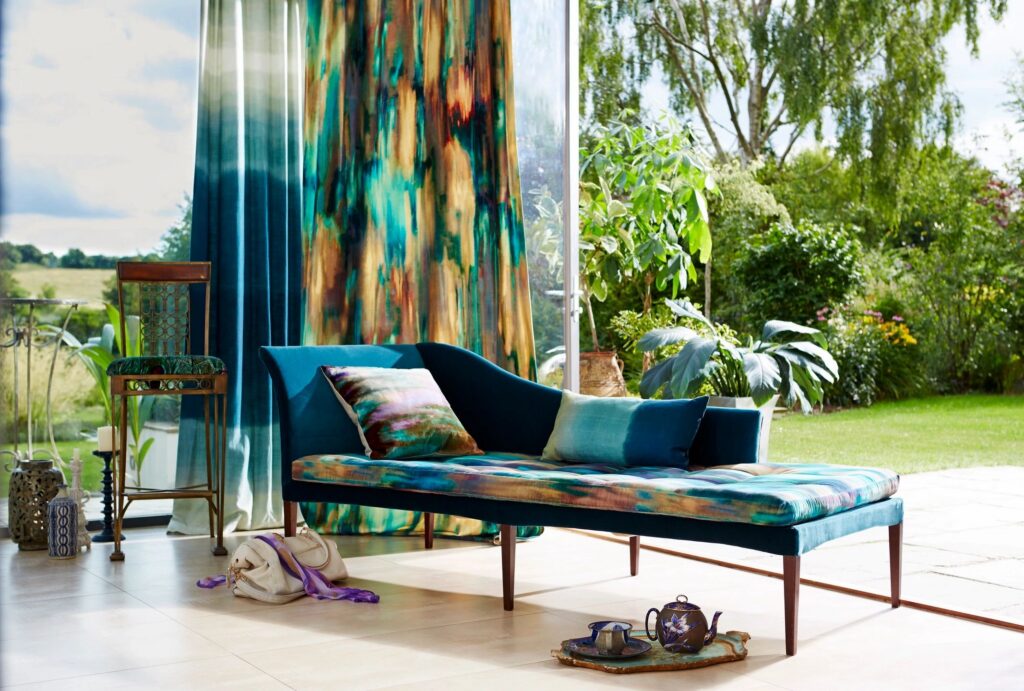
Natural light has a significant influence on both physical and mental health.
Exposure to daylight supports energy levels, sleep quality, mood, and concentration.
However, many modern lifestyles involve long hours indoors under artificial lighting.
As awareness grows, people are paying greater attention to home design, outdoor routines, and environments that maximize natural light exposure.
Simple changes such as morning walks or brighter living spaces can positively influence well-being.
And increasingly, natural light is being recognized as an important part of healthy living.
FRANKLY SPEAKING WITH FRANCA
“I Feel Guilty Saying No to People”
Dear Franca,
I struggle to say no because I don’t want to disappoint people, but I end up overwhelmed.
Franca Says:
Saying no does not make you selfish.
It means recognizing your limits and protecting your well-being.
When you constantly say yes to everything, you may begin neglecting your own needs completely.
Healthy boundaries are necessary for emotional balance.
People who genuinely respect you will understand that you cannot do everything all the time.
And learning to say no calmly and respectfully is part of self-respect and emotional maturity.