
The Quiet Return of Civility

For much of the past decade, public conversation has often seemed dominated by conflict. Political disagreements, social debates, and online discussions frequently become polarized, leaving little room for nuance or understanding. Yet beneath the headlines and social media arguments, there are signs that many people are beginning to value something that once seemed old-fashioned: civility.
Civility is not about avoiding disagreement. Healthy societies require debate, differing viewpoints, and the exchange of ideas. Rather, civility is about maintaining respect even when opinions differ. It is the ability to challenge ideas without attacking individuals and to engage in discussion without turning every disagreement into a personal conflict.
Many people are becoming fatigued by constant outrage. The speed of digital communication often encourages immediate reactions rather than thoughtful responses. As a result, misunderstandings can spread quickly, and conversations can become more confrontational than constructive.
In workplaces, schools, and communities, there is growing recognition that collaboration depends on mutual respect. Leaders increasingly understand that productive teams are built not only on expertise but also on trust, communication, and professionalism. People are more willing to share ideas when they feel respected and heard.
Civility also has broader social importance. Democracies function best when citizens can engage in meaningful dialogue across differences. The ability to listen, question, and debate respectfully helps strengthen institutions and build social trust.
Importantly, civility does not require agreement. It simply requires maturity and self-discipline. People can hold strong opinions while still treating others with dignity.
As society continues navigating complex global challenges, the value of respectful dialogue may become even more important. The ability to disagree without creating division is a skill that benefits individuals, organizations, and entire communities.
In an increasingly noisy world, civility may not be a sign of weakness. It may be one of the strongest qualities a society can possess.
TECHNOLOGY
Are We Losing the Ability to Be Bored?
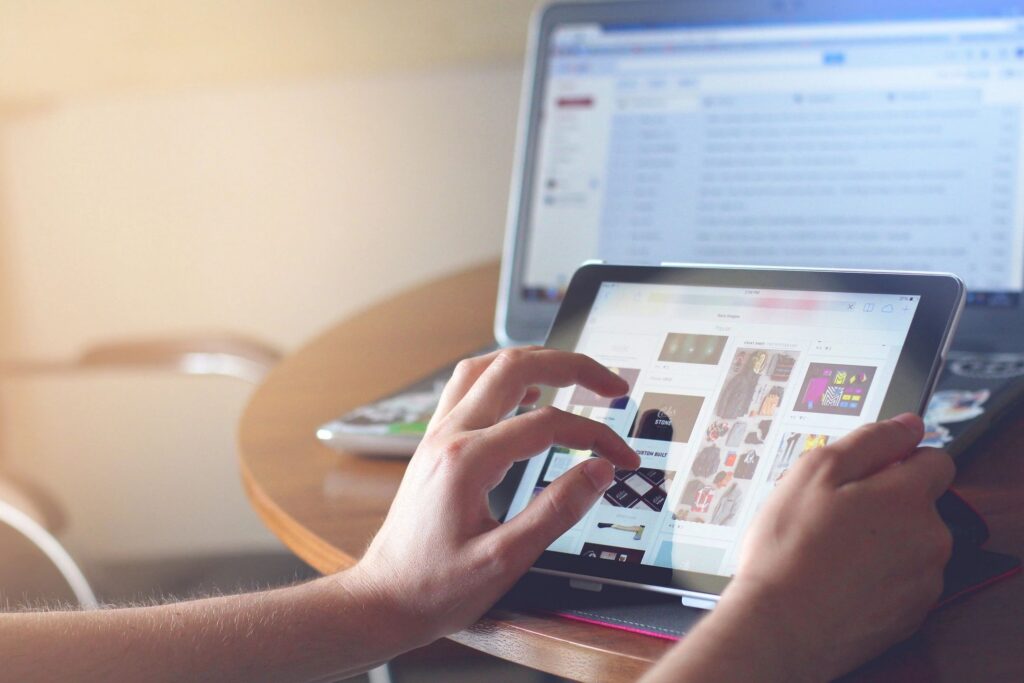
For generations, boredom was considered an unavoidable part of daily life. People waited in queues, sat quietly during journeys, or spent time with their thoughts. Today, however, boredom is becoming increasingly rare.
Smartphones, streaming services, social media platforms, and endless digital content ensure that entertainment and information are always within reach. Every spare moment can be filled with activity. While this convenience offers many benefits, it also raises an interesting question: what happens when we never allow ourselves to be bored?
Boredom has often been viewed negatively, but researchers and psychologists have long suggested that it serves an important purpose. Moments of mental stillness create opportunities for reflection, creativity, and problem-solving. Some of our best ideas emerge not when we are actively searching for them, but when our minds are free to wander.
Children provide a useful example. Unstructured time often encourages imagination and creativity. When children are not constantly entertained, they learn how to create games, solve problems, and engage their curiosity independently.
Adults benefit in similar ways. Constant stimulation can make deep concentration more difficult and reduce opportunities for self-reflection. Many people report feeling constantly occupied yet struggle to focus on important tasks for extended periods.
The issue is not technology itself. Digital tools have transformed communication, education, and access to information in positive ways. The challenge lies in maintaining balance.
Allowing occasional periods without constant stimulation may help improve focus, creativity, and mental clarity. Taking a walk without checking a phone, sitting quietly, or simply allowing thoughts to develop naturally can be surprisingly valuable.
Perhaps boredom is not something that should be eliminated entirely. In a world filled with endless distractions, moments of stillness may become increasingly important for both creativity and well-being.
MODERN LIFE
Why Presence Is Becoming a Competitive Advantage

Modern life rewards speed. Messages arrive instantly, deadlines move quickly, and information is available at the touch of a screen. Yet amid this constant acceleration, one quality is becoming increasingly rare—and increasingly valuable: presence.
Presence means giving full attention to the task, conversation, or person directly in front of you. While this sounds simple, maintaining focus has become increasingly difficult in a world filled with notifications, distractions, and competing demands.
Many people spend their days switching rapidly between emails, messages, meetings, and social media. Even leisure time is often interrupted by digital devices. As attention becomes fragmented, the ability to focus deeply is becoming a significant advantage.
In professional environments, presence improves communication and decision-making. Leaders who listen carefully build stronger trust with colleagues and employees. Professionals who focus fully on their work often produce higher-quality results than those constantly multitasking.
Presence also strengthens personal relationships. Giving someone undivided attention communicates respect and interest. In an era where many conversations compete with screens, genuine attention has become increasingly meaningful.
There are also benefits for mental well-being. People often feel more satisfied when they are fully engaged in an activity rather than constantly thinking about future obligations or past concerns. Presence encourages individuals to experience moments more fully rather than rushing through them.
Ironically, technology has made presence both more difficult and more valuable. Because attention is constantly being pulled in different directions, those who can maintain focus stand out.
As society continues becoming more connected, the ability to remain present may become one of the defining skills of modern life. In a distracted world, attention is not simply a resource—it is a competitive advantage.