
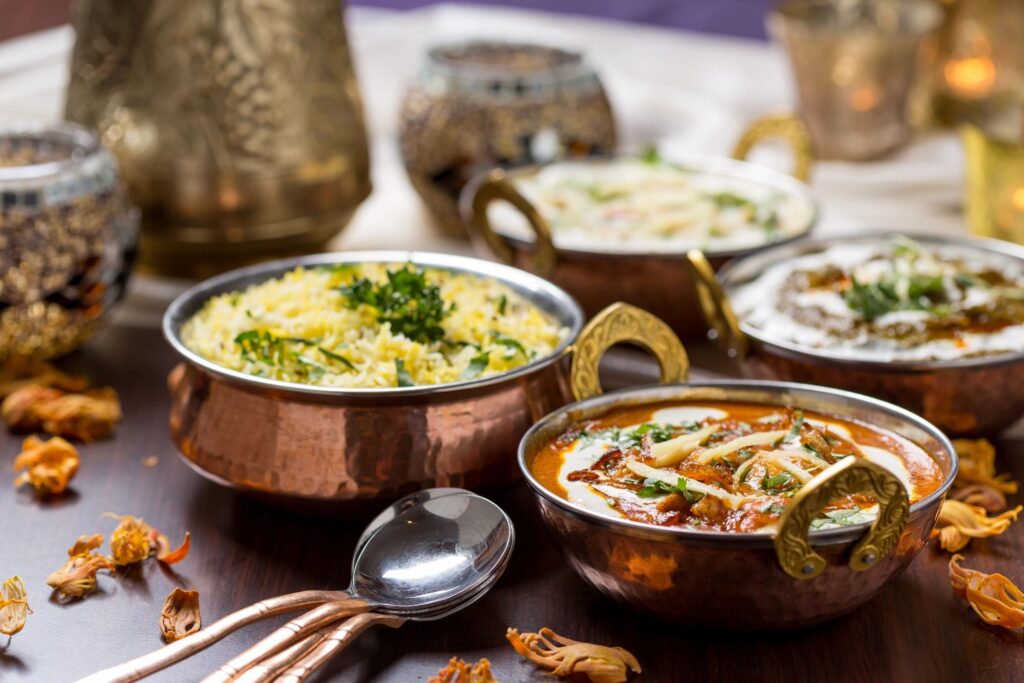
Cooking with spices is one of the easiest ways to transform simple meals into rich, flavorful dishes. Many people either underuse spices or rely on the same few options, missing out on the depth they can bring to food.
Spices come from seeds, roots, bark, and dried fruits of plants, and each has a unique flavor profile. Learning how to combine them effectively can elevate everyday cooking.
Start by understanding basic spice categories. Warm spices like cinnamon, nutmeg, and cloves add sweetness and depth, while earthy spices like cumin and turmeric provide richness. Spicy elements like chili powder or black pepper add heat, and aromatic spices like coriander or cardamom enhance fragrance.
One important technique is toasting spices. Heating whole or ground spices briefly in a dry pan releases their natural oils and intensifies their flavor. This step can make a noticeable difference in dishes like stews, rice, or sauces.
Layering spices is another key method. Instead of adding all spices at once, introduce them at different stages of cooking. For example, start with garlic and onions, then add spices, followed by liquids. This builds a deeper flavor profile.
Balance is essential. Too much of one spice can overpower a dish. Start with small amounts and adjust gradually. Combining spices with herbs, acidity, or sweetness can create harmony.
Experimenting with global cuisines is a great way to learn spice combinations. Indian, Middle Eastern, and North African dishes are especially rich in spice usage.
With practice, cooking with spices becomes intuitive, allowing you to create meals that are flavorful, aromatic, and memorable.