FINANCE

Financial Confidence in 2026: Why Earning More Isn’t the Same as Building Wealth

Across the globe, people are earning more — yet feeling poorer. Why?

Because income and wealth are not the same thing.

Income is what you make.
Wealth is what you keep and grow.

Many professionals increase their salary but also increase their lifestyle. Bigger house. Better phone. More subscriptions. More debt. This is called “lifestyle inflation,” and it quietly blocks wealth creation.

Here’s a smarter global wealth formula:

1. Pay Yourself First
Before paying bills, save at least 10–20% of your income. Automate it if possible.

2. Build an Emergency Fund
Three to six months of living expenses protects you from unexpected shocks — job loss, medical bills, economic instability.

3. Invest Early
Whether through index funds, retirement accounts, real estate, or diversified global portfolios — compounding rewards patience.

4. Avoid Emotional Spending
Marketing is psychological. Learn to pause before purchases.

5. Create Multiple Income Streams
Freelancing, digital products, investments, consulting, online businesses — the global economy rewards skill.

Financial confidence isn’t about being rich. It’s about being prepared.

FOOD

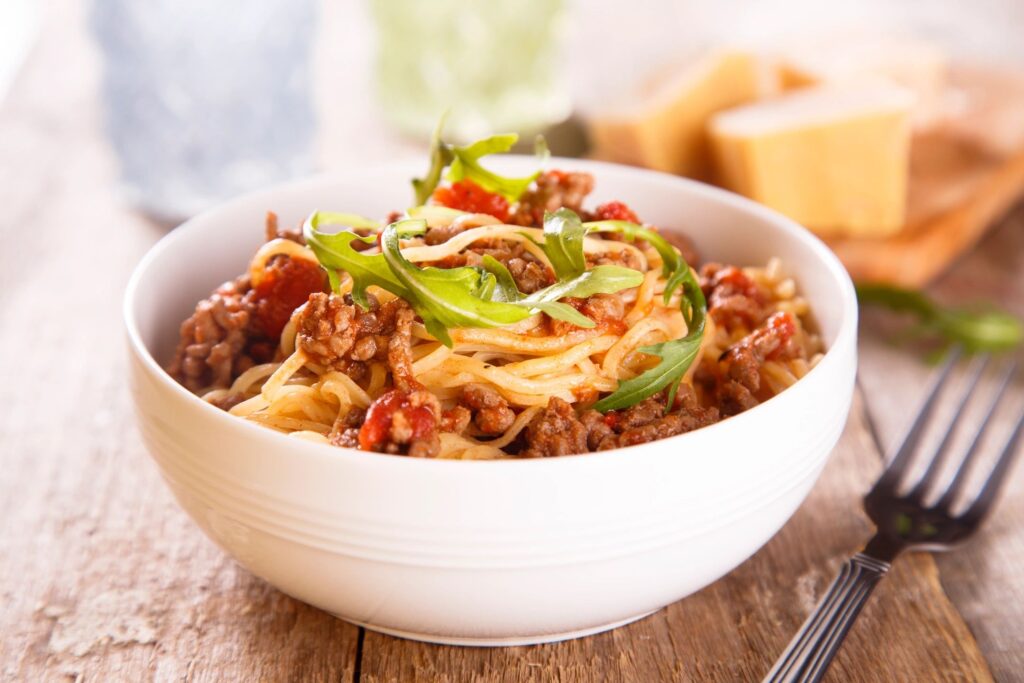
Eating Well in a Busy World: How to Build a Healthy Plate Without Complicating Your Life

In today’s world, eating has become confusing. One expert says go keto. Another says go plant-based. Social media promotes detox teas, extreme fasting, and miracle superfoods. Meanwhile, you’re just trying to survive the week without living on takeout.

The truth? Healthy eating doesn’t have to be dramatic. It has to be sustainable.

A balanced plate is not about restriction — it’s about structure. Across cultures — whether in Asia, Africa, Europe, or the Americas — traditional meals tend to follow a simple formula: whole foods, natural ingredients, and balance.

Here’s a universal formula you can follow anywhere in the world:

1. Half Your Plate: Vegetables & Fruits
These provide fiber, vitamins, minerals, and antioxidants. Think leafy greens, carrots, tomatoes, bell peppers, okra, spinach, broccoli, cabbage, seasonal fruits. Fresh or lightly cooked is best.

2. One Quarter: Protein
Protein stabilizes blood sugar and keeps you full longer. Options vary globally: beans, lentils, eggs, chicken, fish, tofu, yogurt, lean meat, chickpeas. You don’t need exotic powders. Real food works.

3. One Quarter: Smart Carbohydrates
Carbs are not the enemy. Over-processed carbs are. Choose rice, sweet potatoes, whole wheat bread, quinoa, oats, plantains, couscous, millet — depending on your region.

4. Healthy Fats Matter
Olive oil, avocado, nuts, seeds, coconut (in moderation), fatty fish — these support heart and brain health.

But food isn’t just nutrients. It’s culture. It’s memory. It’s connection.

Instead of eliminating your traditional meals, modify them. Reduce excess oil. Add more vegetables. Control portions. Eat slowly.

And most importantly: cook more at home. Even one extra home-cooked meal per week can significantly improve overall health.

Healthy eating is not about perfection. It’s about patterns.

🎙 FRANKLY SPEAKING WITH FRANCA: Q & A –

Question:

I appear strong and composed in public, but privately I feel overwhelmed balancing leadership, career, family, and personal growth. How do I maintain strength without burning out?”

Responsible but Exhausted

Answer:

Strength does not mean carrying everything alone.

High-functioning individuals often overextend because they are capable.

But capability does not eliminate limits.

To prevent burnout:

• Delegate where possible.
• Schedule personal restoration time.
• Separate identity from productivity.
• Accept that rest is strategic, not weakness.

Leadership requires endurance.

Endurance requires renewal.

You are allowed to pause without losing authority.

Sustainable strength is built through balance.

💼 CAREER & LEADERSHIP : The Difference Between Authority and Influence

Authority is position-based. Influence is behavior-based.

You may hold a title, but without integrity, consistency, and competence, influence fades.

Influential leaders:

• Communicate clearly
• Remain composed under pressure
• Accept accountability
• Make informed decisions

True leadership is demonstrated in difficult moments — not comfortable ones.

Respect is earned through consistency.

👗 FASHION & PRESENCE: Professional Image in a Digital Age

Your presence extends beyond physical rooms.

Online appearance matters.

Clear communication, respectful tone, polished presentation, and consistent branding create authority.

Professional presence includes:

• Thoughtful speech
• Calm delivery
• Intentional attire
• Controlled emotional expression

Digital visibility requires digital discipline.

Reputation now travels faster than ever.

🧠 LIFESTYLE: Why Routine Creates Freedom

Many people resist routine because they associate it with restriction.

In reality, routine reduces decision fatigue.

When meals, exercise, work blocks, and rest are structured, mental energy is preserved for creativity and problem-solving.

Routine builds:

• Stability
• Productivity
• Calmness
• Long-term progress

Chaos feels exciting but drains efficiency.

Structure feels steady and builds success.

🏠 REAL ESTATE: Renting vs Buying: A Strategic Decision

The debate between renting and buying is often emotional.

Buying offers long-term equity and potential appreciation. Renting offers flexibility and lower immediate responsibility.

Before deciding, consider:

• Stability of your income
• Length of time you plan to stay in one location
• Maintenance responsibilities
• Market conditions
• Opportunity cost of tying up capital

Buying property is not automatically superior. In some life stages, renting preserves flexibility and investment liquidity.

The right decision depends on your goals — not societal pressure.

Property should align with strategy, not emotion.

🌿 WELLNESS: The Discipline of Emotional Boundaries

Not every conversation deserves your vulnerability.

Emotional boundaries protect your mental clarity.

Oversharing with the wrong people creates regret. Under-sharing with trusted people creates isolation.

Healthy boundaries mean:

• You choose who accesses your personal struggles.
• You do not tolerate disrespect.
• You disengage from draining interactions.
• You protect your peace without apology.

Boundaries are not coldness.

They are self-respect in action.

🩺 HEALTH: Stress: The Silent Health Disruptor

Stress is not always loud. It does not always look like panic. Sometimes it looks like fatigue, irritability, headaches, poor sleep, or digestive discomfort.

Chronic stress increases cortisol levels. Over time, this disrupts immunity, metabolism, and mood stability.

The body cannot distinguish between work pressure, emotional conflict, or financial anxiety. Stress is processed biologically.

Managing stress requires daily discipline:

• Regular movement
• Adequate sleep
• Clear boundaries
• Controlled information intake
• Intentional relaxation

Ignoring stress does not make you strong.

Managing stress does.

Health is not only physical.
It is hormonal and emotional.

💰 FINANCE: The Hidden Cost of Lifestyle Inflation

When income increases, spending often increases automatically. A better salary leads to a bigger house, a newer car, more dining out, and upgraded habits.

This is lifestyle inflation.

The danger is subtle. You feel more successful, yet your savings do not grow.

Financial maturity requires resisting automatic upgrades. When income rises, a portion should immediately strengthen investments, savings, and emergency funds — not expenses.

Lifestyle inflation creates pressure. It locks you into higher monthly obligations and reduces flexibility.

Instead of expanding lifestyle instantly, pause.

Ask:

• Does this purchase improve my long-term position?
• Am I upgrading for necessity or image?
• Would I regret this decision during financial hardship?

Financial growth should first strengthen security.

Freedom is more impressive than appearance.