In relationships, it’s often the big moments that get the most attention. Celebrations, surprises, and grand gestures stand out and are remembered.
But what truly sustains relationships are the small, consistent actions that happen every day.
A simple message checking in. Remembering something important. Listening without distraction. These may seem minor, but they build trust and connection over time.
Big gestures are occasional. Small gestures are continuous.
They create a sense of reliability. They show care in a way that feels natural, not forced.
In contrast, relying only on big moments can create imbalance. A grand gesture cannot replace consistent attention.
People may remember the big things, but they feel the impact of the small ones daily.
Relationships are not built in single moments. They are built over time, through repeated actions that show presence and care.
And often, it’s the smallest things that matter the most.
One of the biggest misconceptions about health is that it requires a complete, structured routine. Many people believe they need to overhaul their entire lifestyle to see results.
So they try.
They start strict diets, intense workout schedules, early wake-up times — all at once. For a short period, it works. Motivation is high, and everything feels possible.
Then reality sets in.
Work becomes demanding. Energy drops. The routine becomes difficult to maintain. And slowly, everything falls apart.
This cycle is common, and it’s not because people lack discipline. It’s because the approach is too extreme.
What actually works is something much simpler: a reliable routine.
A reliable routine is not impressive or intense. It doesn’t require perfect conditions. It fits into your life as it already is.
It might be a daily walk instead of a full gym session. It could be improving one meal a day instead of changing your entire diet overnight.
The key is consistency.
When something is easy to repeat, it becomes sustainable. And sustainability is what leads to long-term results.
There’s also a psychological benefit. A manageable routine reduces pressure. It feels achievable, which makes it easier to stick to.
Over time, these small habits build momentum. And once consistency is established, improvement becomes natural.
Health is not built in extreme moments. It’s built in everyday actions that are simple enough to maintain — even on your busiest days.
There’s a financial habit that feels harmless in the moment but becomes costly over time. It’s the habit of postponing decisions.
“I’ll check my account later.” “I’ll start saving next month.” “I’ll deal with that bill when I have time.”
These small delays don’t feel like mistakes. In fact, they often feel reasonable, especially when life is busy. But over time, they build up in ways that are easy to overlook.
A bill left unchecked might lead to late fees. A postponed savings plan becomes months or even years without progress. Ignoring spending patterns allows small, frequent expenses to quietly grow into larger financial problems.
The real issue is not always lack of money — it’s lack of timely attention.
Financial stability is rarely built through big, dramatic actions. It’s built through small, consistent decisions made at the right time.
What makes this habit dangerous is its invisibility. There is no immediate consequence, no urgent warning. But the longer something is delayed, the more complicated it becomes.
Breaking this habit doesn’t require major change. It starts with awareness and small actions.
Checking your finances regularly, even briefly, creates control. Paying bills early removes stress. Saving small amounts consistently builds momentum.
The key is shifting from avoidance to engagement.
Because in finance, timing matters — and dealing with things now is almost always easier than dealing with them later.
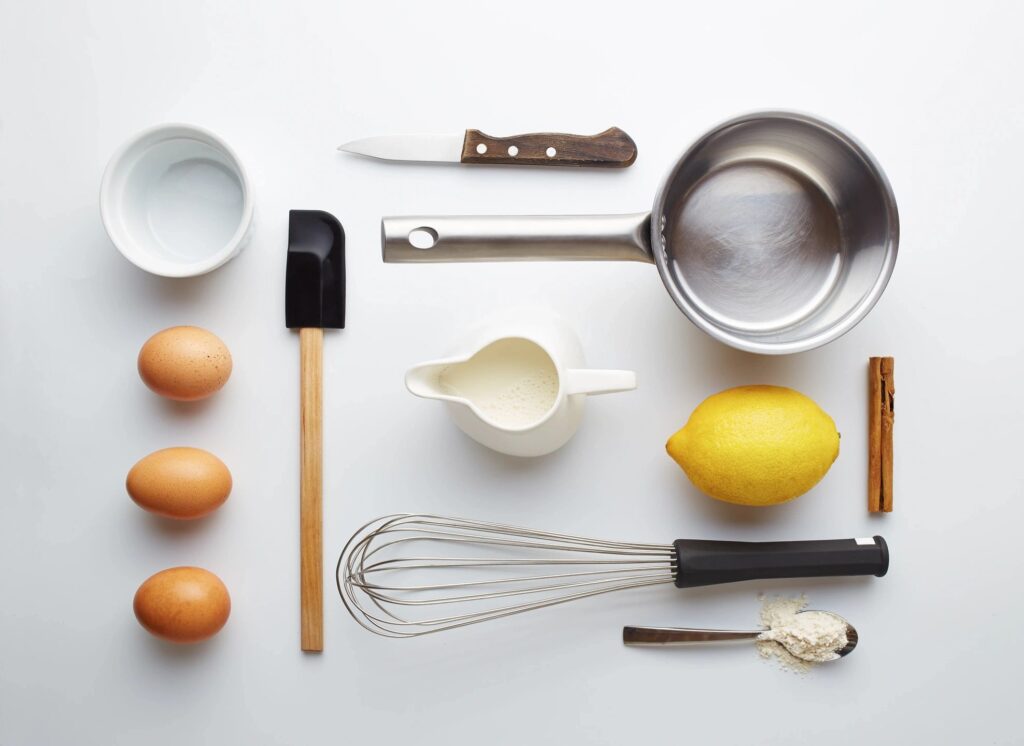
If you’ve ever watched someone cook without measuring anything, it can seem almost unbelievable. They pour oil, sprinkle seasoning, stir ingredients together — and somehow, everything turns out perfectly balanced. No measuring spoons, no strict instructions. Just instinct.
But what looks like guessing is actually experience in action.
Cooking “by eye” is about understanding ingredients on a deeper level. Over time, people learn what a dish needs by observing texture, color, smell, and taste. They recognize how much oil is enough by how it coats a pan, how much seasoning is needed by the aroma, and when something is cooked simply by how it looks and feels.
This method also allows flexibility. Recipes are fixed, but real ingredients are not. Vegetables vary in freshness, spices differ in strength, and personal taste always plays a role. Cooking by eye allows immediate adjustment instead of blindly following a formula.
There’s also a confidence element. Measuring gives structure, especially for beginners, but it can also create dependence. When you move beyond measuring, you start trusting your senses.
That said, this doesn’t mean recipes are unnecessary. They are essential for learning. They teach proportions, techniques, and combinations. But once those basics are understood, cooking becomes more intuitive.
Cooking by eye transforms the process from following instructions into creating something personal. It becomes less about getting it “right” and more about making it your own.
And that’s when cooking becomes not just a task — but a skill you truly own.
FOOD The 5-Minute Kitchen Trick That Changes How Your Food Tastes
There’s a simple habit that many experienced cooks use, yet most home cooks overlook — letting flavors develop before serving.
Imagine cooking a sauce, soup, or even a simple stir-fry and immediately serving it. It tastes good, but something feels missing. Now imagine letting that same dish sit for just five minutes after cooking. Suddenly, the flavors feel deeper, more balanced, more complete.
This happens because ingredients continue to interact even after the heat is turned off. Spices settle, sauces thicken slightly, and flavors blend together more naturally.
This technique works across many dishes. Rice becomes fluffier, sauces become richer, and even grilled foods develop more depth when allowed to rest.
It’s not about doing more — it’s about giving your food time.
In a fast-paced world, we often rush everything, including cooking. But sometimes, the smallest pause creates the biggest difference.
2. FINANCE Case Study: How One Small Habit Saved More Than Expected
A young professional decided to track every expense for just one month. Not to restrict spending, but simply to observe it.
At the end of the month, the results were surprising. The largest expenses were expected — rent, bills, groceries. But the real discovery was in the small, frequent purchases that added up over time.
Coffee, quick meals, subscriptions, and impulse buys formed a significant portion of total spending.
Instead of eliminating everything, the approach was adjusted. A few small changes — reducing certain habits and becoming more intentional — created noticeable savings.
Within a few months, those savings turned into a consistent financial buffer.
The lesson is simple: awareness leads to control. You don’t always need drastic changes — sometimes, small adjustments make the biggest difference.
3. HEALTH Why Feeling “Tired All the Time” Is Becoming Normal — And Why It Shouldn’t Be
Many people now accept constant tiredness as part of daily life. Busy schedules, long hours, and digital overload have made fatigue feel normal.
But constant tiredness is not something to ignore.
It can be linked to poor sleep quality, stress, lack of movement, or even mental exhaustion. Often, it’s not just one factor but a combination of habits.
The problem is that people adapt to feeling tired instead of addressing the cause.
Small changes can make a difference. Improving sleep routines, taking breaks, and reducing screen time can gradually restore energy levels.
Being tired all the time should not be the standard. It’s often a sign that something needs attention.
4. RELATIONSHIP The Difference Between Talking and Actually Connecting
Two people can talk every day and still feel disconnected. Communication alone does not guarantee connection.
Real connection happens when people feel understood, not just heard.
It involves paying attention, asking meaningful questions, and being present in the moment.
Distractions often interfere. Conversations while scrolling on a phone or multitasking reduce the quality of interaction.
Connection also requires vulnerability. Sharing thoughts, feelings, and experiences creates deeper bonds.
Talking is easy. Connecting requires intention.
5. LIFESTYLE The “Reset Day” Concept That More People Are Adopting
Instead of waiting for a new week or month, many people are now using “reset days” to regain control of their routine.
A reset day is not about doing everything perfectly. It’s about pausing, organizing, and starting fresh.
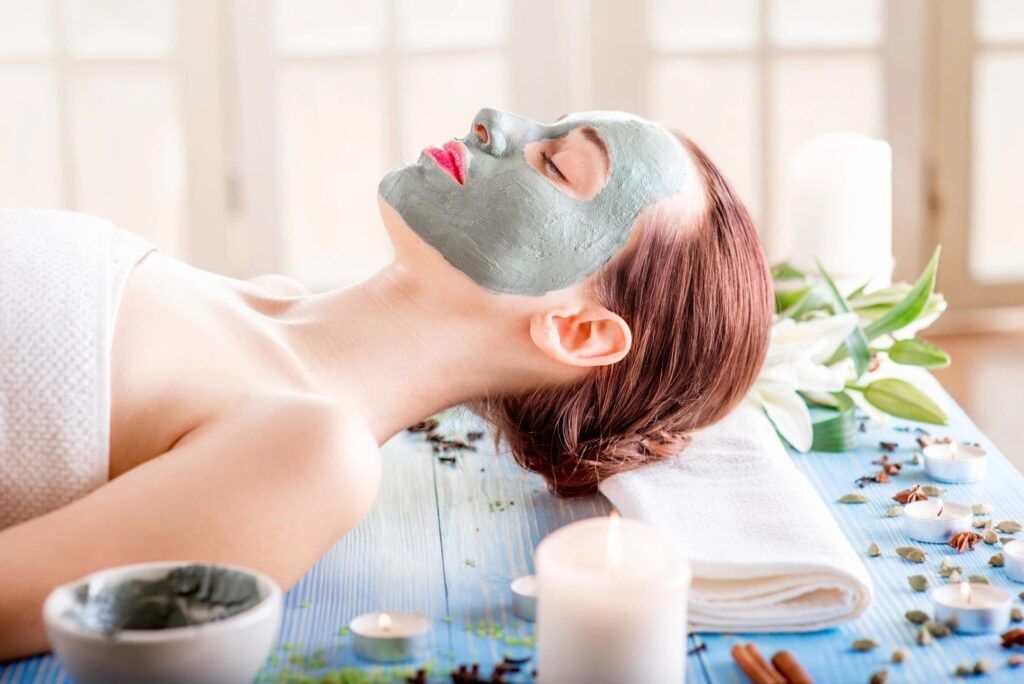
This can include cleaning your space, planning your schedule, or simply taking time to reflect or going to a spa to recharge.
The goal is to break the cycle of feeling overwhelmed.
Reset days can happen anytime — not just on weekends. Whenever things feel out of control, a reset helps bring clarity.
It’s a simple concept, but it can make a big difference in maintaining balance.
6. ENTERTAINMENT Why Short-Form Content Is Changing How We Pay Attention
Short videos, quick clips, and fast-paced content are becoming the dominant form of entertainment.
They are easy to consume, require little commitment, and provide instant engagement.
However, they are also changing attention spans. Constant exposure to short content makes it harder to focus on longer formats like movies or books.
This shift is not entirely negative, but it requires awareness.
Balancing short-form and long-form content helps maintain focus while still enjoying modern entertainment.
The way we consume content is evolving — and so is our attention.
7. WELLNESS What Happens When You Finally Take a Break From Constant Noise
Noise is not just physical — it’s digital, mental, and emotional.
Notifications, conversations, and constant information create a background noise that rarely stops.
Taking a break from this noise, even briefly, can feel unusual at first. But over time, it creates space for clarity and calm.
Silence allows thoughts to settle and reduces mental overload.
It doesn’t require complete isolation — just moments of disconnection.
In a world that is always on, choosing quiet can be powerful.
8. INSPIRATION The Power of Starting Before You Feel Ready
Waiting until you feel fully prepared can delay progress indefinitely.
Most people never feel completely ready — they start anyway.
Starting creates experience, and experience builds confidence.
Mistakes become part of the learning process rather than something to avoid.
The difference between those who move forward and those who stay stuck is often just one step — starting.
9. REAL ESTATE Why Some Homes Sell Faster Than Others (Even in the Same Area)
Two similar homes in the same location can have very different outcomes. One sells quickly, while the other stays on the market.
The difference is often presentation.
Well-lit spaces, clean environments, and simple layouts make a strong impression.
Pricing strategy also matters. Overpricing can reduce interest, even if the property is good.
Timing plays a role as well. Market conditions and demand can affect how quickly a property sells.
Small details, like staging and first impressions, can influence decisions more than expected.
Selling a home is not just about the property — it’s about how it is presented.
10. FRANKLY SPEAKING WITH FRANCA
Q: I feel like I’m always overthinking my decisions. How do I stop second-guessing myself?
Franca’s Answer: Overthinking often comes from the fear of making the wrong decision. But the truth is, not every decision needs to be perfect.
Try setting limits for yourself. Give yourself a specific amount of time to think, then decide.
Also, remind yourself that most decisions are not permanent. You can adjust and learn as you go.
Confidence grows from making decisions, not avoiding them.
The more you trust yourself, the less you will feel the need to second-guess everything.
11. PERSONAL DEVELOPMENT Why Progress Feels Slow (Even When You’re Improving)
Progress often feels slower than it actually is because change happens gradually.
Small improvements are easy to overlook, especially when focusing only on big results.
Comparing yourself to others can also make progress feel insignificant.
Tracking your own journey helps reveal how far you’ve come.
Growth is not always visible in the moment, but it becomes clear over time.
At first, it felt risky. Cooking without recipes meant no measurements, no step-by-step guidance, and no guarantee the food would turn out well. But after a week, something unexpected happened — cooking became easier.
Without recipes, the focus shifted from instructions to understanding. Instead of asking, “What does the recipe say?”, the question became, “What does this dish need?”
Meals became simpler but more intuitive. Ingredients were combined based on taste rather than rules. A basic pasta turned into something new each time, depending on what was available.
Mistakes happened, of course. Some dishes were too salty, others lacked balance. But those mistakes taught more than perfectly following instructions ever could.
The biggest change was confidence. Cooking stopped feeling like a task and started feeling like a skill.
Following recipes is helpful, especially for beginners. But stepping away from them, even briefly, can unlock creativity and make cooking more enjoyable.
2. FINANCE The “Invisible Wealth” Mindset That Most People Overlook
Not all wealth is visible. In fact, some of the strongest financial positions are completely invisible to others.
Invisible wealth is not about what you show, but what you build quietly — savings, investments, and financial stability that are not immediately obvious.
Many people focus on visible success: expensive items, lifestyle upgrades, or appearances. But these often come at the cost of long-term security.
Those who build invisible wealth prioritize freedom. The ability to make choices without financial pressure is more valuable than temporary display.
It requires discipline, patience, and a long-term perspective.
While it may not attract attention, invisible wealth creates something more important — peace of mind.
3. HEALTH A Realistic Look at “Healthy Living” (That No One Talks About)
Healthy living is often presented as a perfect routine — balanced meals, regular exercise, and consistent habits. But in reality, it is rarely that simple.
There are days when motivation is low, schedules are busy, and plans do not go as expected. This does not mean failure — it means being human.
The problem with unrealistic standards is that they make consistency harder. When people feel they cannot do everything perfectly, they often do nothing at all.
A more realistic approach is flexibility. Some days will be better than others, and that is part of the process.
Healthy living is not about perfection. It is about making better choices more often than not.
When you remove the pressure of being perfect, it becomes easier to stay consistent.
4. RELATIONSHIP When Silence Says More Than Words in a Relationship
Not all communication is verbal. Sometimes, silence carries more meaning than words.
Silence can be comfortable, showing trust and understanding between two people. But it can also signal distance, avoidance, or unresolved issues.
The difference lies in context. Comfortable silence feels natural, while uncomfortable silence feels heavy.
Ignoring issues often leads to silent tension. What is not said builds over time, creating emotional distance.
Recognizing the type of silence in a relationship is important. It helps determine whether it is a sign of connection or something that needs attention.
Communication is not just about speaking — it is also about understanding what is not being said.
5. LIFESTYLE The Myth of “Having It All Together”
Everyone seems to be chasing the idea of having everything figured out. But the truth is, that idea is largely a myth.
What looks like control from the outside is often a collection of routines, habits, and ongoing adjustments.
People who appear organized and successful still face uncertainty, setbacks, and challenges.
The difference is not perfection but adaptability. They adjust, learn, and keep moving forward.
Letting go of the need to have everything figured out can be freeing.
Life is not meant to be perfectly planned — it is meant to be lived and adjusted along the way.
6. ENTERTAINMENT Why Some Songs Stay With You for Years
There are songs you hear once and forget, and others that stay with you for years. The difference is not always about popularity or production.
Music that stays often connects emotionally. It reminds you of a moment, a feeling, or a specific time in your life.
Lyrics can feel personal, even if they were not written for you.
Melody also plays a role. Certain patterns are easier to remember and evoke stronger emotional responses.
Sometimes, it is not the song itself but when you heard it that makes it memorable.
Music becomes part of personal history, which is why some songs never really leave.
7. WELLNESS The Difference Between Resting and Escaping
Not all rest is the same. There is a difference between resting and escaping, even though they can look similar.
Resting restores energy. It leaves you feeling refreshed and ready to return to your activities.
Escaping, on the other hand, avoids discomfort without addressing it. It may feel good temporarily but often leaves underlying issues unresolved.
Scrolling endlessly or avoiding responsibilities can feel like rest, but it does not provide real recovery.
Great cooking is not always about complicated recipes. Often, it comes down to a few consistent habits that completely change the outcome of your meals.
First, taste your food as you cook. This sounds simple, but many people wait until the end, missing the chance to adjust flavors along the way.
Second, prep before you cook. Chopping, measuring, and organizing ingredients beforehand prevents mistakes and reduces stress.
Third, don’t overcrowd your pan. When too many ingredients are cooked at once, they steam instead of sear, which reduces flavor.
Fourth, season gradually. Adding small amounts of seasoning at different stages builds depth.
Fifth, let food rest. Whether it’s meat or even baked dishes, resting allows flavors to settle and improve texture.
Sixth, clean as you go. A clear space helps you stay focused and enjoy the process.
Finally, keep it simple. Not every dish needs complexity. Sometimes, the best meals come from doing a few things very well.
These habits may seem small, but together, they make a noticeable difference in how your food turns out every day.
2. FINANCE Why Saving Money Feels Hard (And How to Make It Easier)
Saving money is often seen as a discipline problem, but in reality, it’s usually a system problem.
When saving feels difficult, it’s often because the system relies too much on willpower. If you have to decide every time whether to save, it becomes exhausting.
The easier approach is automation. Setting up automatic transfers removes the need to think about it, turning saving into a habit instead of a decision.
Another issue is unrealistic expectations. Trying to save large amounts quickly can feel overwhelming. Starting small makes the process manageable and sustainable.
Environment also matters. Constant exposure to spending — through ads, social media, or peer pressure — makes saving harder.
The goal is not perfection but consistency. When saving becomes part of your routine, it stops feeling like a sacrifice and starts feeling natural.
3. HEALTH The 10-Minute Daily Reset That Can Improve Your Health
Not everyone has time for long workouts or complex routines, but small daily resets can have a powerful impact.
A 10-minute reset can include stretching, deep breathing, light movement, or simply stepping away from screens.
This short break helps reduce tension, improve circulation, and clear the mind.
Consistency is what makes it effective. Doing it every day creates a rhythm that supports both physical and mental health.
It also serves as a pause in a busy day, allowing you to reset your focus and energy.
Health does not always require big changes. Sometimes, small daily habits make the biggest difference.
4. RELATIONSHIP 3 Signs You’re Not Being Heard in a Relationship (And What to Do About It)
Feeling unheard can be frustrating and isolating, especially in close relationships.
One sign is repeating yourself without change. If you keep expressing the same concern and nothing improves, it may not be fully understood.
Another sign is being dismissed. If your feelings are minimized or ignored, it creates emotional distance.
A third sign is lack of response. When important conversations are avoided or brushed aside, communication breaks down.
Addressing this requires calm and direct communication. Instead of repeating the issue, explain how it makes you feel and why it matters.
Healthy relationships involve listening, not just hearing.
5. LIFESTYLE The “Slow Living” Trend: Is It Actually Realistic?
Slow living has become popular, promoting a lifestyle focused on mindfulness, simplicity, and balance. But is it realistic in a fast-paced world?
For some, slow living means reducing commitments and focusing on fewer, more meaningful activities. For others, it’s about being present, even in a busy schedule.
The idea is not to remove all responsibilities but to approach them with intention.
Critics argue that slow living is easier for those with fewer obligations, but elements of it can be applied by anyone.
Even small changes, like taking breaks, limiting multitasking, or creating quiet moments, can bring the benefits of slow living.
It’s not about slowing life down completely — it’s about experiencing it more fully.
6. ENTERTAINMENT What Makes a Movie Truly Memorable? (It’s Not What You Think)
Some movies stay with us long after we watch them, while others are quickly forgotten.
It’s not always about special effects or big budgets. Memorable films often connect emotionally, telling stories that feel real or relatable.
Strong characters play a big role. When viewers connect with characters, the story becomes more impactful.
Music, dialogue, and pacing also contribute to how a film is remembered.
Sometimes, it’s a single scene or moment that leaves a lasting impression.
Memorable entertainment is not just watched — it’s felt.
7. WELLNESS The Power of Doing Nothing (And Why It Feels So Difficult)
In a world that values constant productivity, doing nothing can feel uncomfortable.
However, moments of stillness are essential for mental clarity and emotional balance.
Doing nothing allows the mind to rest, process thoughts, and recover from constant stimulation.
The discomfort often comes from feeling unproductive, but rest is not wasted time.
Learning to sit in silence, even briefly, can improve focus and reduce stress.
Sometimes, the most productive thing you can do is pause.
8. INSPIRATION You Don’t Need a Big Break — You Need Consistency
Many people wait for a big opportunity to change their lives, but progress often comes from consistent small actions.
Daily effort, even in small amounts, builds momentum over time.
Consistency creates habits, and habits create results.
Waiting for the “right moment” can delay progress indefinitely.
Instead, start where you are and keep going.
Success is rarely sudden — it is built step by step.
9. REAL ESTATE The Biggest Mistakes First-Time Renters Make (And How to Avoid Them)
Renting a property for the first time can be exciting, but it often comes with avoidable mistakes.
One common mistake is not reading the agreement carefully. Missing details can lead to unexpected costs or restrictions.
Another is underestimating total expenses. Rent is not the only cost — utilities, maintenance, and deposits add up.
Choosing based only on appearance is also risky. A property may look good but lack essential features like good location or security.
Rushing the decision can lead to regret. Taking time to compare options helps avoid poor choices.
Being informed and patient makes the renting process smoother and more successful.
10. FRANKLY SPEAKING WITH FRANCA
Q: I start things with excitement but lose interest quickly. How do I stay committed?
Franca’s Answer: This happens to many people, and it’s often not about lack of discipline but about unrealistic expectations.
When you start something new, motivation is high. But once that initial excitement fades, consistency becomes the real challenge.
Try setting smaller goals instead of focusing on the final outcome. This keeps the process manageable and less overwhelming.
Also, allow yourself to enjoy the process, not just the result. If something feels like a constant struggle, it’s harder to stay committed.
Consistency is not about always feeling motivated — it’s about continuing even when motivation is low.
11. PERSONAL DEVELOPMENT What Highly Focused People Do Differently
Highly focused people are not necessarily more talented — they simply manage their attention better.
They eliminate distractions before starting important tasks.
They work in clear time blocks instead of switching between tasks constantly.
They prioritize important work over urgent but less meaningful tasks.
They also understand the value of rest and take breaks to maintain focus.
Focus is a skill that can be developed with practice and intentional habits.
Q: I feel like I’m falling behind in life compared to others my age. How do I deal with that pressure?
Franca’s Answer: The idea of “falling behind” is often based on comparison, not reality. Everyone’s journey is different, even if it doesn’t feel that way.
What you see in others is only part of the story. You don’t see their struggles, doubts, or setbacks.
Instead of measuring your life against others, focus on your own progress. Ask yourself: Are you growing? Are you learning? Are you moving forward in your own way?
There is no universal timeline for success. The pressure you feel comes from expectations that may not even be yours.
The debate between renting and buying has always existed, but in today’s world, the answer is not as straightforward as it once was.
Buying a property offers long-term investment potential and stability. However, it also comes with responsibilities such as maintenance, taxes, and market risks.
Renting provides flexibility. It allows people to move easily and avoid long-term financial commitments.
In 2026, factors such as remote work, global mobility, and rising property prices are changing how people approach housing.
For some, buying is still the best long-term decision. For others, renting provides freedom and financial flexibility.
The right choice depends on personal goals, lifestyle, and financial situation — not just tradition.
Manage Consent
To provide the best experiences, we use technologies like cookies to store and/or access device information. Consenting to these technologies will allow us to process data such as browsing behavior or unique IDs on this site. Not consenting or withdrawing consent, may adversely affect certain features and functions.
Functional
Always active
The technical storage or access is strictly necessary for the legitimate purpose of enabling the use of a specific service explicitly requested by the subscriber or user, or for the sole purpose of carrying out the transmission of a communication over an electronic communications network.
Preferences
The technical storage or access is necessary for the legitimate purpose of storing preferences that are not requested by the subscriber or user.
Statistics
The technical storage or access that is used exclusively for statistical purposes.The technical storage or access that is used exclusively for anonymous statistical purposes. Without a subpoena, voluntary compliance on the part of your Internet Service Provider, or additional records from a third party, information stored or retrieved for this purpose alone cannot usually be used to identify you.
Marketing
The technical storage or access is required to create user profiles to send advertising, or to track the user on a website or across several websites for similar marketing purposes.