HEALTH-The Debate: Supplements vs. Real Food

Are vitamins and supplements essential or overhyped?

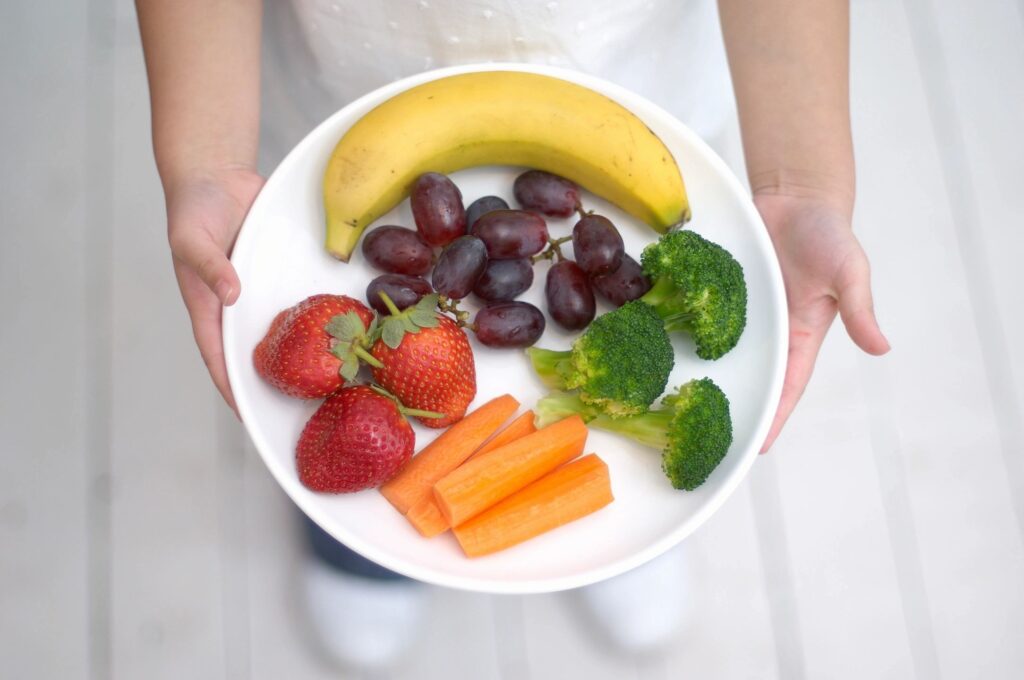
Supplements can fill nutrient gaps, but they can’t replicate the complex nutrition of whole foods. Fruits, vegetables, grains, and proteins contain compounds that work synergistically, which isolated pills cannot match.

On the other hand, some people benefit from supplements — especially those with dietary restrictions or specific deficiencies.

The key is balance and knowledge. Supplements should support a healthy diet, not replace it. Understanding when and why to use them can prevent unnecessary spending and potential health risks.

FINANCE-Why Following Financial Advice Online Can Be Risky

Social media finance experts and blogs are everywhere. Everyone seems to have the secret to getting rich fast.

The problem is that most advice is generalized or oversimplified. What works for one person may fail for another. Blindly copying advice without understanding your own finances can lead to poor decisions or even debt.

True financial growth comes from personalized planning, awareness, and discipline, not trends or viral tips. Analyze your income, expenses, and goals before implementing strategies.

Remember, financial security isn’t glamorous. It’s consistent and sometimes boring work — not viral videos.

FOOD-Why “Organic” Isn’t Always Better — The Truth About Food Labels

Organic food has become synonymous with health and quality. But the reality is more nuanced. Organic does not always guarantee better nutrition or taste.

Many organic products have the same calorie, sugar, and fat content as conventional items. Labels may create perception of superiority rather than actual advantage.

The bigger consideration is food sourcing and preparation. Locally grown produce, seasonal vegetables, and minimal processing often matter more than the organic label itself.

Price is another factor. Organic foods are often 2–3x more expensive. For people trying to balance nutrition and cost, spending on fresh, local foods may yield better results than chasing the “organic” tag.

The takeaway? Read beyond labels. Focus on freshness, variety, and balance. Organic is one tool, not a universal rule.

FRANKLY SPEAKING WITH FRANCA

Q: I feel like I’m doing everything I’m supposed to do, but I still feel unfulfilled. What am I missing?

Franca’s Answer: That feeling is more common than people admit, especially among those who are responsible, disciplined, and doing what’s expected of them.

You follow the structure: work, responsibilities, routine. On the outside, everything looks stable. But internally, something feels incomplete.

What you may be missing is not effort — it’s connection to meaning.

Doing what you’re “supposed” to do often comes from external expectations. Society, family, or environment sets a path, and you follow it because it makes sense.

But fulfillment doesn’t come from logic alone.

It comes from alignment — doing things that reflect your interests, values, and identity.

If those elements are missing, life can feel structured but empty.

The first step is awareness.

Ask yourself: what do I actually enjoy? What feels meaningful, even in small ways?

Not what looks good, not what others value — what genuinely matters to you.

This question can feel difficult because it requires honesty.

The second step is integration.

You don’t need to abandon your responsibilities.

But you do need to introduce elements that create meaning.

That could be creative work, learning something new, building something, or even changing how you approach your current routine.

Fulfillment often comes from small, consistent alignment, not dramatic change.

Also, be careful about comparison.

Many people appear fulfilled, but you don’t see their internal reality.

Comparing your internal experience to someone else’s external presentation creates distortion.

Finally, understand this:

Feeling unfulfilled is not failure.

It’s information.

It’s a signal that something needs adjustment.

And once you listen to that signal, you can begin to create a life that feels not just stable — but meaningful.

INSPIRATION-Why You Don’t Need to Feel Confident to Take Action

Confidence is often seen as a requirement.

People wait until they feel ready before starting something.

But confidence usually comes after action, not before.

Waiting for confidence delays progress.

Starting without it builds experience.

And experience builds confidence.

Understanding this changes how you approach challenges.

Because action creates confidence — not the other way around.

WELLNESS-Why You Feel Better After Cleaning Your Space

Cleaning often feels like a chore.

But after it’s done, there’s a noticeable sense of relief.

This is not just about appearance.

Your environment affects your mental state.

Clutter creates visual noise.

It signals unfinished tasks and lack of control.

Cleaning reduces that noise.

It creates order.

That sense of order translates into calm.

Even small actions — organizing a desk or clearing a room — can improve focus and mood.

Because your surroundings influence how you think and feel.

ENTERTAINMENT-Why Viral Content Doesn’t Always Mean Quality

Viral content spreads quickly.

It gets attention, shares, and visibility.

But attention does not always equal quality.

Content often goes viral because it’s simple, emotional, or surprising.

Not necessarily because it’s valuable.

This creates a gap.

Highly visible content may not be the most meaningful.

Understanding this helps you choose what to consume.

Instead of following trends blindly, you can focus on what actually adds value.

Because visibility and quality are not the same thing.

LIFESTYLE-Why Being Busy Has Become a Status Symbol

Being busy is often associated with importance.

People say “I’m busy” as a sign of productivity or success.

But busyness and effectiveness are not the same.

Constant activity can create the illusion of progress.

But without direction, it becomes noise.

The problem is perception.

When busyness is valued, people feel pressure to stay occupied.

Rest can feel unproductive.

But rest and focus are essential for meaningful work.

Shifting from busyness to intentional activity improves both results and well-being.

Because doing more is not always the same as doing better.

RELATIONSHIP-Why Being “Too Independent” Can Affect Your Relationships

Independence is often seen as a strength.

Being able to rely on yourself, manage your life, and handle challenges alone is valuable.

But taken too far, it can create distance.

If you never rely on others, you may unintentionally limit connection.

Relationships involve interdependence.

Sharing, asking for help, and allowing others to contribute strengthens bonds.

Extreme independence can feel like self-protection.

But it can also prevent deeper connection.

Balance is key.

Being independent while still allowing support creates stronger relationships.

Because connection requires openness, not just strength.

. HEALTH-Why You Feel More Tired After Resting Sometimes

It sounds strange, but sometimes resting makes you feel more tired.

This often happens when rest is unstructured.

Scrolling on your phone, watching multiple shows, or staying inactive for long periods doesn’t always restore energy.

It may feel like rest, but your mind is still active.

True rest involves recovery.

Sleep, quiet time, or low-stimulation activities allow your body and mind to reset.

Another factor is rhythm.

If your routine is inconsistent — irregular sleep, unpredictable schedules — your body struggles to regulate energy.

This creates fatigue, even after resting.

The key is intentional rest.

Not just stopping activity, but choosing how you rest.

Because not all rest restores energy.