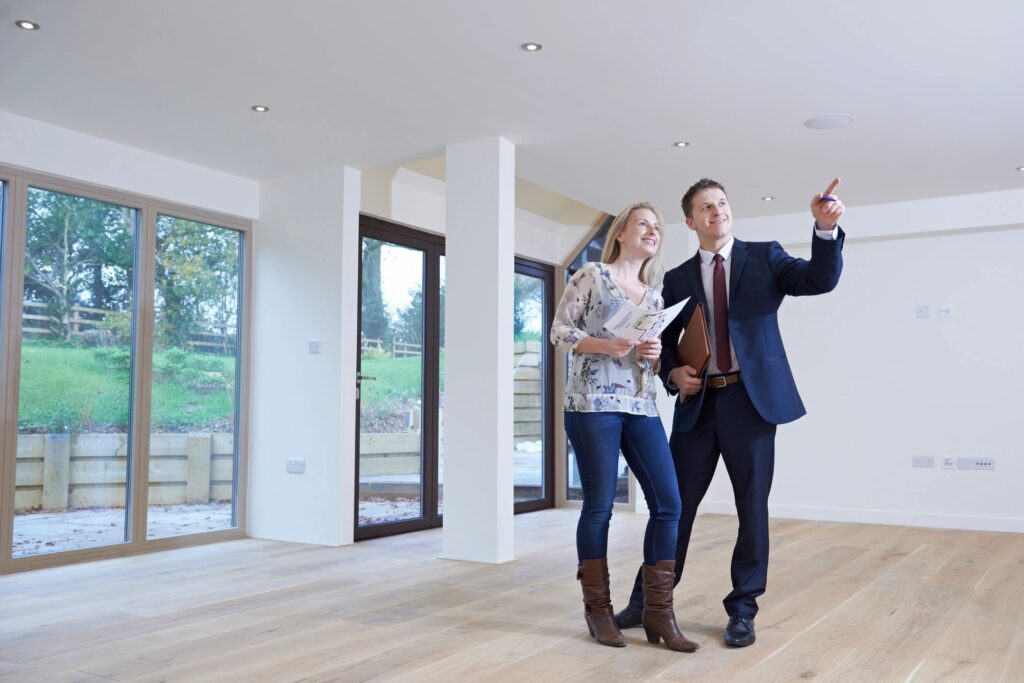
The Quiet Wealth Strategy More People Are Choosing in 2026

For years, wealth was associated with visible success—bigger homes, luxury cars, status purchases. But a growing number of financially savvy people are embracing something different: quiet wealth.

Quiet wealth focuses less on looking rich and more on being financially secure. It means prioritizing assets over appearances, investing over impressing, and freedom over lifestyle inflation.

This strategy often begins with simple shifts: automated investing, reducing unnecessary subscriptions, building emergency reserves, and putting raises toward long-term growth instead of instant upgrades.

Financial planners note that quiet wealth builders tend to focus on ownership—stocks, retirement funds, side income streams, even digital assets like online businesses—rather than consumption.

There’s also a psychological benefit. People pursuing quiet wealth often report less financial stress because their money choices align with personal goals rather than social pressure.

In uncertain economies, quiet wealth may be less trend and more survival strategy. Because the new flex, increasingly, is peace of mind.
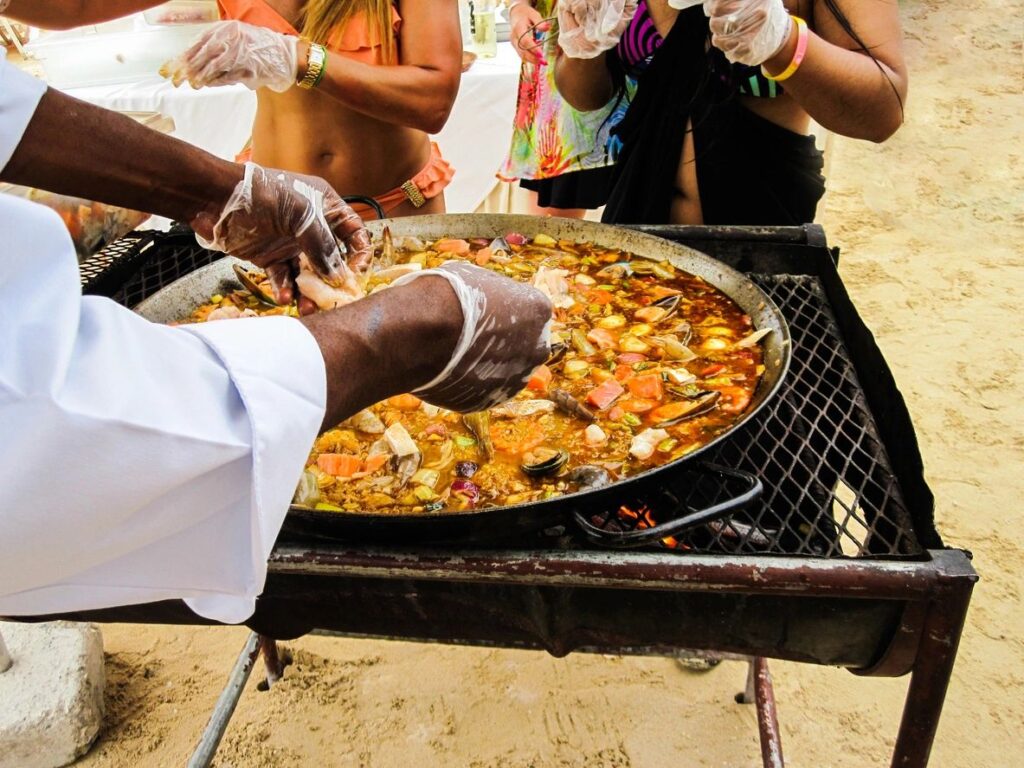

The Return of Slow Cooking: Why Homemade Meals Are Becoming Luxury

In a culture built around speed, slow cooking is quietly becoming a modern luxury. More people are rediscovering the comfort of simmering soups, roasting vegetables, and baking bread—not just for nutrition, but for the emotional value tied to preparing food with intention.

Unlike convenience meals, slow cooking creates a sensory experience. The aroma of garlic softening in olive oil, herbs infusing broth, or bread rising in a warm kitchen taps into something deeply grounding. For many, cooking has become less about obligation and more about reclaiming calm.

Nutrition experts say slow-cooked meals often preserve ingredients in their whole form, reducing dependency on preservatives, sodium, and ultra-processed additives. Beans, grains, root vegetables, and affordable cuts of meat become nourishing centerpieces rather than budget compromises.

There’s also a social revival happening around food. Families are returning to shared meals. Friends are hosting soup nights and homemade pasta dinners. Food is becoming connection again.

Perhaps most surprisingly, slow cooking aligns with sustainability. It encourages seasonal produce, reduces packaging waste, and helps people make use of ingredients they already have.

Luxury today isn’t always expensive. Sometimes it looks like a pot on the stove, time in the kitchen, and a meal made from scratch.

FRANKLY SPEAKING WITH FRANCA

“I Keep Doubting Myself After Every Decision”

Dear Franca,
Every time I make a decision, I second-guess it. Even after choosing, I keep wondering if I made the wrong move. It leaves me anxious and exhausted.

Franca Says:

First — self-doubt after decisions is often less about bad judgment and more about fear of uncertainty.

You may not distrust your choices. You may distrust not knowing outcomes.

That is different.

No decision comes with complete guarantees.

At some point living requires choosing without total certainty.

And that is normal.

Sometimes overthinking after a decision is an attempt to gain control after the fact.

But revisiting a decision endlessly rarely creates clarity. It often creates paralysis.

Instead ask: Did I make this thoughtfully? Did I act with the information I had? Did this align with my values?

If yes, practice standing by the decision.

Not because it is perfect. But because constantly doubting yourself erodes confidence.

Trust grows by making decisions — and letting yourself live inside them.

And remember: Even imperfect decisions often teach more than endless hesitation.

You do not need flawless judgment. You need growing self-trust.

And that can be built.

— Franca

REAL ESTATE

Why First-Time Buyers Should Think Beyond the Mortgage

When purchasing property, many buyers focus primarily on whether they can manage the mortgage.

But ownership includes much more.

Maintenance. Insurance. Taxes. Repairs. Community fees.

Thinking only in terms of mortgage payments can create surprises.

Wise buying includes considering the full cost of ownership.

It also includes lifestyle fit. Will commuting costs rise? Will upkeep suit your schedule? Does the property support future needs?

Buying well is not simply about qualifying. It is about preparing.

And often the smartest property decisions happen before the offer is made.

Why Rituals Make Ordinary Life Feel Richer

Routines help life function. Rituals help life feel meaningful.

There is a difference.

A routine may be making coffee. A ritual may be making coffee slowly every morning while journaling near a window.

Same act. Different presence.

Rituals turn ordinary moments into anchors.

A Sunday meal. An evening walk. Fresh flowers on the table. Reading before bed.

These small repeated acts create texture in life.

They are often underestimated because they seem simple. Yet they can shape atmosphere, mood, and memory.

In busy lives, rituals offer steadiness.

They remind us life is not made only of milestones. It is made of repeated moments.

And often it is those moments that become the most cherished.

A rich life is not always built from grand experiences. Sometimes it is built from beautiful repetitions.

Why Energy Is a Better Health Metric Than Weight

Many people evaluate health primarily through weight.

But an often more revealing question is: How is your energy?

Energy affects everything — focus, mood, movement, resilience.

Low energy can be a sign something in lifestyle needs attention, even when other measures seem fine.

Sleep quality. Stress levels. Nutrition. Hydration. Movement. All influence energy.

And unlike chasing numbers, paying attention to energy often encourages more holistic choices.

You may start eating in ways that sustain you. Resting more intentionally. Moving to feel better, not merely to burn calories.

This shifts health away from appearance and toward function.

How well is life being supported by your body?

That may be a far more meaningful question.

Because health is not only how you look. It is how you live.

And energy often tells that story first.

Why Quiet Wealth Often Looks Unremarkable

Popular culture often presents wealth as visible — luxury, status, display.

But quiet wealth often looks very different.

It may look like low debt. Consistent investing. Living below one’s means. Owning time. Having choices.

Often true financial strength is less about appearance and more about stability.

This matters because many people compare themselves against visible consumption, not invisible security.

But the person projecting abundance may have little financial peace. While the person living modestly may be building real wealth.

Quiet wealth is often rooted in patience. It grows through habits more than dramatic wins.

Saving regularly. Avoiding unnecessary lifestyle inflation. Making decisions for long-term freedom rather than short-term image.

There is something deeply grounding in redefining wealth this way.

It becomes less about impressing others. And more about creating resilience.

Sometimes financial success looks ordinary from the outside.

And that may be exactly why it works.

Why Comfort Food Is Being Reimagined as Healthy Food

Comfort food has long been associated with indulgence — rich dishes, family favorites, and meals tied to memory. But today, many people are redefining comfort food in a healthier way, proving that nourishment and comfort do not have to compete.

At its core, comfort food is emotional. It is food that soothes, grounds, and restores. Traditionally that may have meant heavy dishes, but comfort can also come from warm lentil soup, roasted vegetables, fragrant rice, homemade stews, or simple meals prepared with care.

This shift matters because it changes the relationship people have with healthy eating. Wellness no longer has to feel restrictive. It can feel satisfying.

Part of this change comes from how people are cooking. More home kitchens are embracing flavor-rich but nourishing versions of classics — baked instead of fried, whole ingredients instead of highly processed ones, homemade sauces instead of packaged shortcuts.

Another reason this trend resonates is emotional well-being. In stressful times, people often crave food that feels grounding. Healthy comfort food offers that support without the aftermath of heavy, overly processed meals.

There is also cultural richness in this movement. Many traditional cuisines have always known how to combine comfort and nourishment — broths, legumes, grains, spices, seasonal produce.

Perhaps the deeper lesson is this: healthy food does not need to feel clinical.

It can be warm. It can be soulful. It can carry memory.

And when healthy eating feels comforting rather than punishing, it becomes easier to sustain.

Sometimes the future of wellness looks less like deprivation — and more like a pot simmering on the stove.

FRANKLY SPEAKING WITH FRANCA

“I’m Afraid I’ve Started Life Over Too Late”

Dear Franca,
I’m making changes in midlife — career, personal goals, even how I see myself. But sometimes I worry I started too late. I look at people who seem established and feel behind.

Franca Says:

First, let me challenge the idea that growth has an expiration date.

Who decided reinvention belongs only to the young?

Some of the strongest decisions people make happen later — not earlier — because they are made with more wisdom.

Starting over can feel humbling. But it can also be brave.

And often what looks like “late” is actually right timing.

You may not be behind. You may simply be beginning from greater clarity.

There is a difference.

Do not confuse comparison with truth.

Lives unfold differently.

And many people who appear settled are still quietly redefining themselves too.

Growth does not close at a certain age.

Sometimes life asks for a second chapter. Sometimes a third.

And those chapters can be richer precisely because of what came before.

So no — you are not too late.

You are continuing.

And continuing takes courage.

— Franca

REAL ESTATE

What Buyers Often Miss About Resale Value

People often buy homes based on present emotion. But wise buyers also think like future sellers.

Resale value is shaped by more than interior design.

Location. Layout. Natural light. Neighborhood appeal. School reputation. Transit access.

These often matter long after trendy finishes fade.

A property should work for you today. But considering how attractive it may be to future buyers can strengthen the decision.

Real estate is partly shelter. Partly strategy.

Thinking ahead matters.

Because one of the smartest buying decisions is considering eventual selling before you purchase.