
Fresh herbs may seem like a small addition to a recipe, but they can transform the flavour, aroma and appearance of an everyday meal. A handful of parsley, coriander, basil or thyme can bring freshness to even the simplest ingredients.
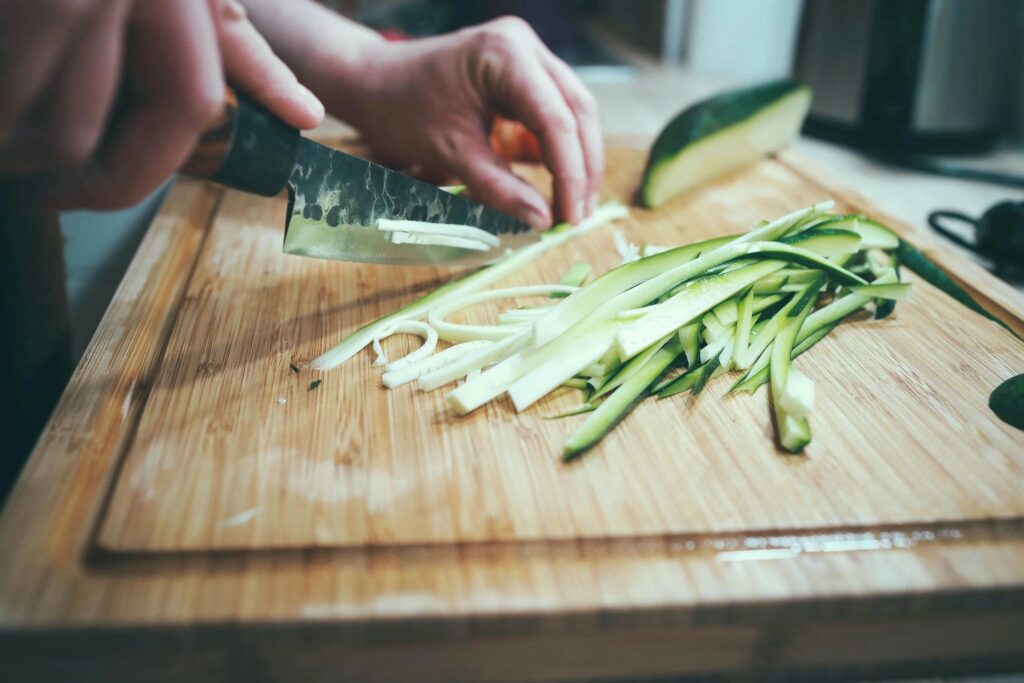
Different herbs suit different dishes. Basil pairs beautifully with tomatoes, parsley adds brightness to soups and salads, while thyme works well with roasted vegetables and slow-cooked meals. Coriander can bring a lively flavour to rice dishes, curries and homemade salsas.
One of the easiest ways to use fresh herbs is to add them towards the end of cooking. This helps preserve the delicate flavour of softer herbs such as basil and parsley. Hardier herbs, including rosemary and thyme, can often withstand longer cooking times.
You do not need a large garden to enjoy them. A few small pots on a sunny windowsill can provide a convenient supply, provided the plants receive suitable light and water.
Fresh herbs can also help reduce food waste. Rather than allowing a bunch to sit unused in the refrigerator, chop the remaining leaves into dressings, sauces or soups.
Cooking becomes more interesting when you experiment with new flavours. The next time you prepare a familiar recipe, try adding a different herb. A small change may give an old favourite an entirely new character.
WELLNESS — Learning to Enjoy Your Own Company
Spending time alone is often misunderstood. Some people associate it with loneliness, while others see it as an opportunity to rest, reflect and enjoy life at their own pace. The difference often lies in whether the time feels chosen and fulfilling.
Learning to enjoy your own company begins with small experiences. You might take yourself out for a coffee, visit a bookshop, watch a favourite film or enjoy a walk without feeling the need to contact someone throughout the journey.
Time alone can also help you recognise your own preferences. Without the influence of other people’s opinions, you have space to decide what you enjoy, what interests you and what you would like to explore.
This does not mean withdrawing from relationships. Human connection remains important, and solitude should not become a substitute for support when you need it. Instead, the aim is to feel comfortable with yourself as well as with others.
If being alone feels unfamiliar, start with a short activity you genuinely enjoy. Gradually, you may discover that quiet time can be refreshing rather than uncomfortable.
You do not need constant entertainment or company to make every moment worthwhile. Sometimes a peaceful afternoon spent doing something you love can restore your energy and help you return to daily life with a clearer mind.
Being comfortable in your own company is not about needing nobody. It is about appreciating the person you are when nobody else is around.
CAREER — Building Confidence in Meetings
Speaking during a workplace meeting can feel intimidating, particularly when the room is filled with experienced colleagues or senior managers. Yet contributing ideas is a skill that can be developed through preparation and practice.

Confidence often begins before the meeting itself. Review the agenda, identify the topics relevant to your work and think about any questions or suggestions you would like to raise. Having a few notes can help you organise your thoughts without needing to prepare a speech.
You do not have to be the person who speaks the most. A thoughtful question, a useful observation or a concise summary can contribute just as much as a lengthy presentation.
Listening carefully is equally important. Understanding what others have said allows you to respond meaningfully instead of feeling pressured to speak simply to be noticed.
If you are nervous, try contributing early with one straightforward point. Waiting for the perfect moment can sometimes make anxiety grow, while a small contribution can help you feel more involved.
It is also worth remembering that confidence does not require knowing everything. Acknowledging uncertainty and asking for clarification can demonstrate sound judgement rather than weakness.
Over time, regular participation can make meetings feel more natural. Each contribution becomes an opportunity to practise communicating clearly and respectfully.
Your ideas do not need to be extraordinary to be valuable. Sometimes the question nobody has thought to ask is the one that moves the whole discussion forward