
The Pleasure of a Proper Picnic
A picnic can turn an ordinary day into a small celebration. It does not need expensive equipment, elaborate recipes or perfect weather. All it really requires is good food, a comfortable place and a little time to enjoy the moment.

The best picnic foods are often simple and easy to share. Sandwiches, fresh fruit, savoury pastries, salads and homemade treats can all be prepared in advance and packed into a basket or bag.
A little planning makes the experience more enjoyable. Choose foods that travel well, bring enough water and remember essentials such as napkins, cutlery and a blanket to sit on.
The location can be just as important as the menu. A park, beach, garden or quiet countryside spot can provide the perfect setting. Even a picnic in your own garden can feel like a change from the usual routine.
There is also something lovely about eating outdoors. Food seems to taste better when enjoyed in the fresh air, away from the distractions of everyday life.
A picnic is not about creating a perfect photograph.
It is about sharing food, enjoying conversation and making ordinary moments feel special.
CAREER
How to Handle a Difficult Conversation at Work
Difficult conversations are part of professional life. Whether the subject is missed deadlines, misunderstandings, workload or workplace behaviour, avoiding the issue can often make it more complicated.
The first step is to prepare. Think clearly about what has happened and decide what you hope the conversation will achieve. Focus on facts rather than assumptions or personal attacks.

Choosing the right time and place also matters. A private, calm setting is usually more helpful than raising a sensitive issue in front of other people.
When speaking, be direct but respectful. Explain the situation, describe how it has affected the work and allow the other person to respond. Listening is just as important as expressing your own concerns.
Try not to turn the conversation into a competition about who is right. The aim should be to understand the problem and find a practical way forward.
If emotions begin to rise, it may be sensible to pause and return to the discussion later.
A difficult conversation does not have to damage a professional relationship.
Handled thoughtfully, it can improve communication, establish clearer expectations and prevent a small issue from becoming a larger one.
HOME & LIVING
Creating a Useful Kitchen Pantry
A well-organised pantry can make everyday cooking easier, reduce waste and help you see exactly what you already have.
The first step is to remove items that are out of date or unlikely to be used. Then group similar ingredients together. Keep pasta, rice and grains in one area, tins in another and baking ingredients somewhere easy to reach.
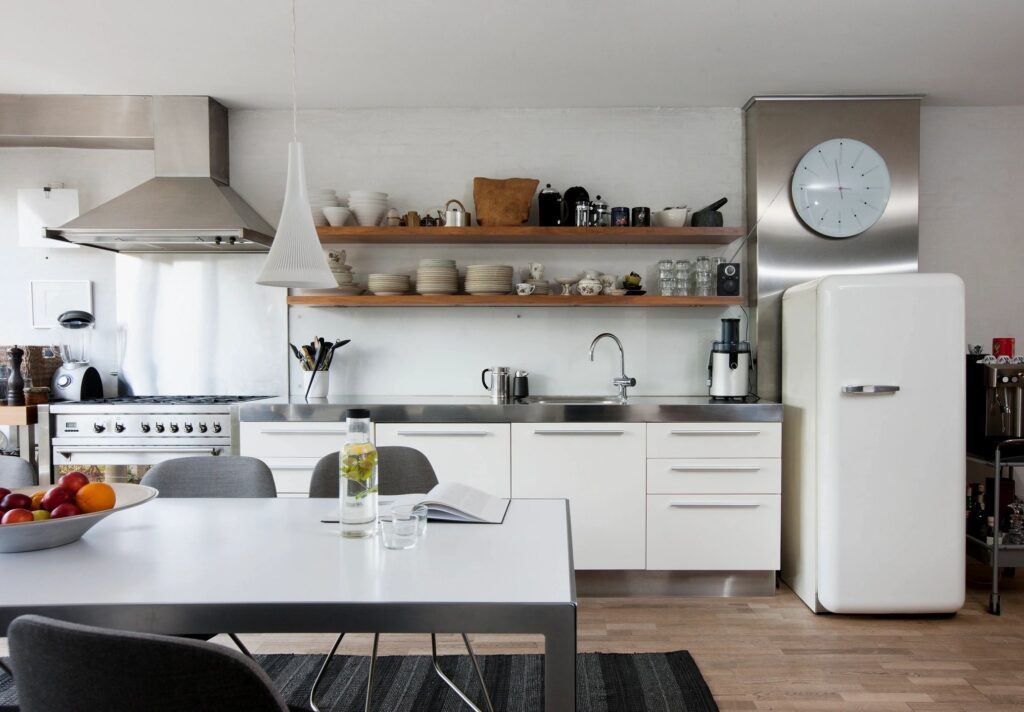
Clear containers can be useful because they make ingredients visible, but they are not essential. Simple labels and sensible grouping can work just as well.
It is also helpful to place frequently used items at eye level. Ingredients used less often can be stored higher up or further back, provided they remain safe and accessible.
Try keeping a short list of items that need replacing. This can prevent buying duplicates and make shopping more focused.
A pantry does not need to be large to be useful. Even one cupboard or a few shelves can become much more efficient with a little attention.
The goal is not to create a picture-perfect storage space.
It is to make cooking feel easier, reduce unnecessary spending and ensure that good ingredients are not forgotten at the back of a cupboard.