
The Value of Mentorship
A career can be easier to navigate when you have someone who has already travelled part of the road. That is where a good mentor can make a real difference.

A mentor does not have to be someone who has all the answers. Often, their greatest value comes from sharing experience, asking useful questions and offering a perspective that is difficult to see when you are too close to a situation.
Mentorship can help people understand workplace expectations, recognise opportunities and learn from mistakes without having to make every mistake themselves. It can also provide encouragement during moments when confidence is low.
The relationship does not have to be formal. A former manager, experienced colleague, teacher or professional contact may become a valuable source of guidance.
The best mentoring relationships are not simply about receiving advice. They are conversations where both people listen, exchange ideas and learn from one another.
If you are looking for a mentor, begin by thinking about what you actually want to learn. Then look for someone whose experience matches that goal.
You do not need someone to build your career for you.
Sometimes, you simply need someone who can help you see the possibilities more clearly.
FINANCE
Planning for the Expenses We Forget
Most people remember the obvious monthly bills. Rent or mortgage, utilities, food and transport are easy to anticipate. It is the less frequent expenses that can catch us off guard.
Car servicing, annual insurance payments, birthdays, school costs, home repairs and seasonal spending can all arrive at inconvenient times. When they are not included in a budget, they can feel like unexpected emergencies even when they were entirely predictable.
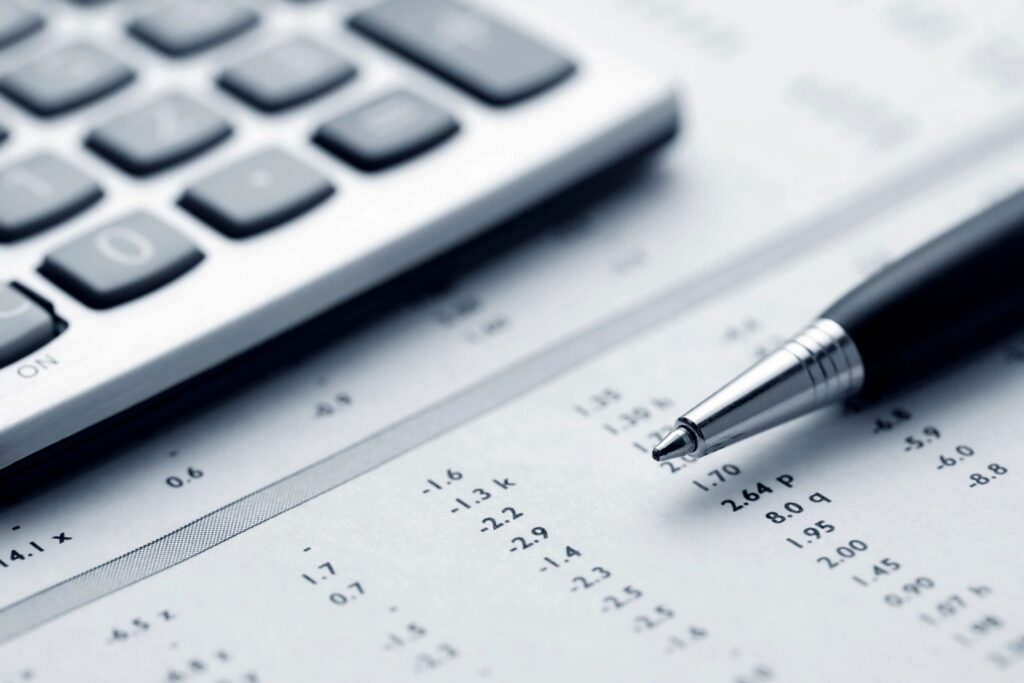
One useful approach is to create a calendar of expenses throughout the year. Look at the previous twelve months and identify payments or purchases that do not happen every month. Then estimate when they are likely to appear again.
Once you know what is coming, you can gradually set money aside rather than trying to find a large amount at the last minute.
This approach can also change the way you think about budgeting. A good budget is not simply about restricting spending. It is about understanding your financial life well enough to make decisions with fewer surprises.
The aim is not perfection.
It is preparation.
Knowing that a large annual expense is coming can make it feel much more manageable — and give you greater confidence in your everyday finances.
EDUCATION
The Art of Note-Taking
Taking notes may seem like a simple skill, but good notes can make learning easier long after the lesson, lecture or conversation has finished.
The biggest mistake is often trying to write down everything. Notes are most useful when they capture the important ideas rather than every sentence that was spoken.
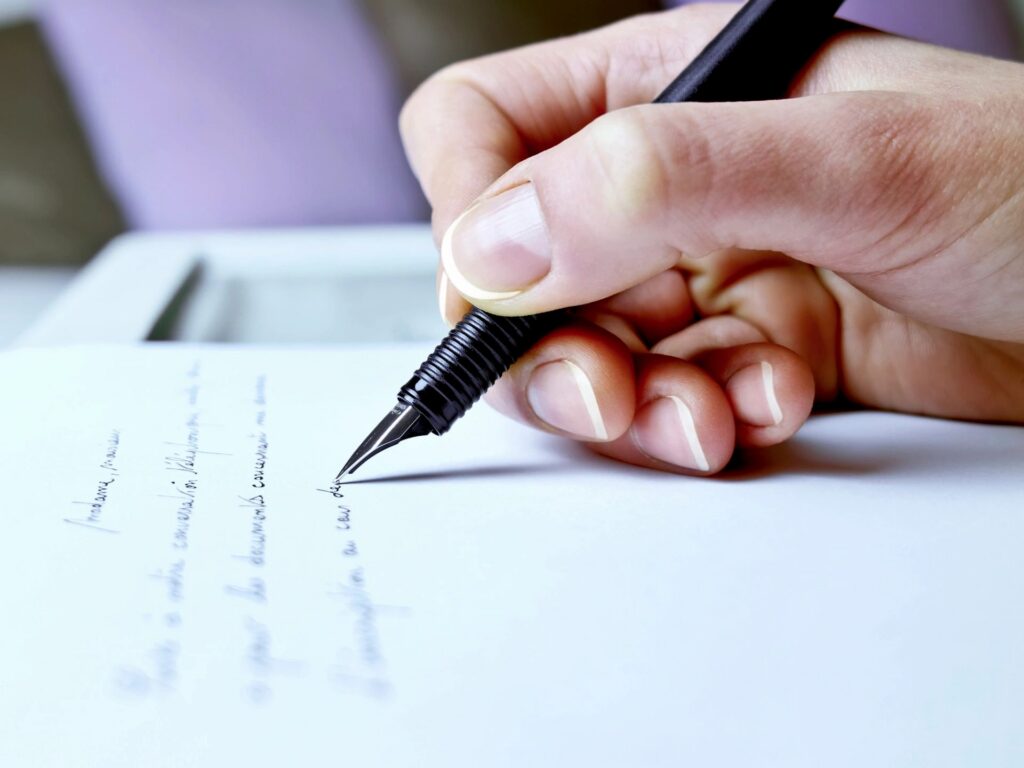
Writing information in your own words can be particularly helpful. Instead of copying a definition exactly, explain the idea as though you were teaching it to someone else. This encourages you to understand the subject rather than simply record it.
It can also help to organise notes clearly. Headings, short points, questions and examples can make information easier to revisit later.
Technology has given us countless ways to record information, but paper still has its place. Some people find that physically writing ideas helps them concentrate and remember what they are learning.
There is no single perfect note-taking system.
The best method is the one that helps you understand, remember and return to information when you need it.
Good notes are not a transcript.
They are a map — a simple record that helps you find your way back to what mattered.