
A good sauce can transform an ordinary meal into something memorable. It can add richness, freshness, spice, sweetness, or simply bring different ingredients together.

Homemade sauces are surprisingly easy to prepare. A simple tomato sauce can accompany pasta, meat or vegetables, while a fresh herb dressing can brighten a salad. Yogurt-based sauces can add creaminess, and sauces made with spices, garlic, ginger, or citrus can give familiar dishes a completely different character.
Making sauces at home also gives you control over the ingredients. You can adjust the seasoning and create flavours that suit your family.
Sauces are particularly useful when trying to make leftovers interesting. Yesterday’s chicken, fish or vegetables can feel completely different when served with a new sauce.
Cooking does not always require an entirely new recipe.
Sometimes, one small addition is enough to transform the whole plate.
2. HEALTH – The Importance of Healthy Breathing
Breathing is something we do automatically, yet the way we breathe can change when we are stressed, anxious, physically active, or deeply relaxed.
Taking occasional slow, comfortable breaths can encourage us to pause and become more aware of how we are feeling. This can be particularly useful during busy moments when everything seems to be happening at once.

Good breathing also works alongside physical activity. When exercising, our breathing naturally changes as the body requires more oxygen.
The simple act of stepping outside for fresh air can also provide a welcome change from a stuffy indoor environment.
Of course, persistent breathing difficulties, chest pain, or unusual shortness of breath should never be ignored and should be assessed by a healthcare professional.
For everyday wellbeing, however, becoming more aware of our breathing can remind us to slow down.
Something as simple as taking a comfortable breath can become a small moment of calm in a busy day.
3. WELLNESS – The Art of Saying “Not Today”
We are often encouraged to say yes—to invitations, requests, responsibilities, and opportunities. But sometimes wellbeing requires us to say, “Not today.”

Saying no does not automatically mean that we are unkind or unhelpful. It can simply mean that we recognise our own limits.
Perhaps you are tired and need an evening at home. Perhaps your schedule is already full. Or perhaps you simply don’t have the emotional energy for something.
Learning to recognise these moments can prevent exhaustion and resentment.
A polite response doesn’t need a long explanation. “I’m sorry, I can’t manage that today” can be enough.
Of course, there will always be responsibilities we cannot avoid. The goal isn’t to reject everything difficult. It is to become more intentional about where we spend our time and energy.
Rest is not laziness.
Protecting your time is not selfish.
Sometimes, saying “not today” is exactly what allows you to say “yes” with genuine enthusiasm tomorrow.
4. CAREER – Why Adaptability Is a Superpower
The workplace rarely stays the same for long. New technology, changing customer expectations, new responsibilities, and different ways of working can all require us to adapt.
Adaptability does not mean abandoning your principles or constantly changing who you are. It means being willing to learn and adjust when circumstances change.
Someone who is comfortable learning new systems, taking on unfamiliar tasks, and considering different approaches may find it easier to navigate workplace changes.

Adaptability also involves attitude. Instead of immediately thinking, “This is how we’ve always done it,” ask whether there might be a better way.
Change can be uncomfortable, particularly when it happens unexpectedly. But it can also create opportunities to develop skills that would otherwise remain unused.
A successful career isn’t necessarily built by knowing exactly what will happen next.
It is often built by becoming the kind of person who can handle whatever comes next.
5. FINANCE – Making Better Use of What You Already Own
Saving money does not always mean buying cheaper things. Sometimes it means making better use of what you already have.
Before replacing something, consider whether it can be repaired. Before buying new clothes, look through your wardrobe. Before ordering takeaway, check what ingredients are waiting in the kitchen.
This approach can also reduce waste.

Many household items are discarded simply because they are no longer fashionable, slightly damaged, or forgotten about. A little creativity can give them a second life.
Clothes can sometimes be altered, furniture can be refreshed, and leftover ingredients can become another meal.
Being financially responsible doesn’t mean depriving yourself.
It means becoming more thoughtful about consumption.
When we stop automatically replacing things and start appreciating what we already own, we may discover that we need far less than we thought.
Sometimes saving money begins not with spending less, but with wasting less.
TRAVEL – Discovering a Destination Through Its Food
Food can tell us a great deal about a place. Ingredients, cooking methods, traditions, and family recipes often reveal the history and culture of a community.
Trying local dishes while travelling can therefore become an important part of the experience.

Instead of always choosing familiar international chains, consider visiting local restaurants, cafés, food markets, and independent sellers. You may discover flavours you have never experienced before.
Food can also create connections. Sharing a meal provides an opportunity to talk with people and learn about traditions that may not appear in a guidebook.
You don’t have to try everything.
Choose something that interests you, ask questions, and remain open to discovering new flavours.
A memorable holiday is not always defined by the famous landmarks you photographed.
Sometimes, it is the meal you never expected to enjoy that stays in your memory for years.
FASHION – The Beauty of Wearing Colour
Colour can completely change the mood of an outfit.
Some people naturally gravitate towards neutral shades, while others love bright colours and bold combinations. There is no right or wrong approach.

If wearing a bright outfit feels intimidating, start with small details. A colourful handbag, scarf, pair of shoes, belt, or piece of jewellery can introduce personality without overwhelming your look.
You can also experiment with different shades of colours you already enjoy. Soft blue, deep navy, bright red, burgundy, pale pink, and rich coral can create very different effects.
The most important consideration is how the colour makes you feel.
Fashion is a form of expression, and colour gives us an easy way to communicate energy, confidence, elegance, or playfulness.
You don’t need to follow seasonal colour rules.
Choose the colours that make you look in the mirror and smile.
HOME & LIVING – The Art of a Beautiful Dining Table
A dining table is more than a place to eat. It can become the centre of family conversations, celebrations, Sunday lunches, and memorable evenings with friends.
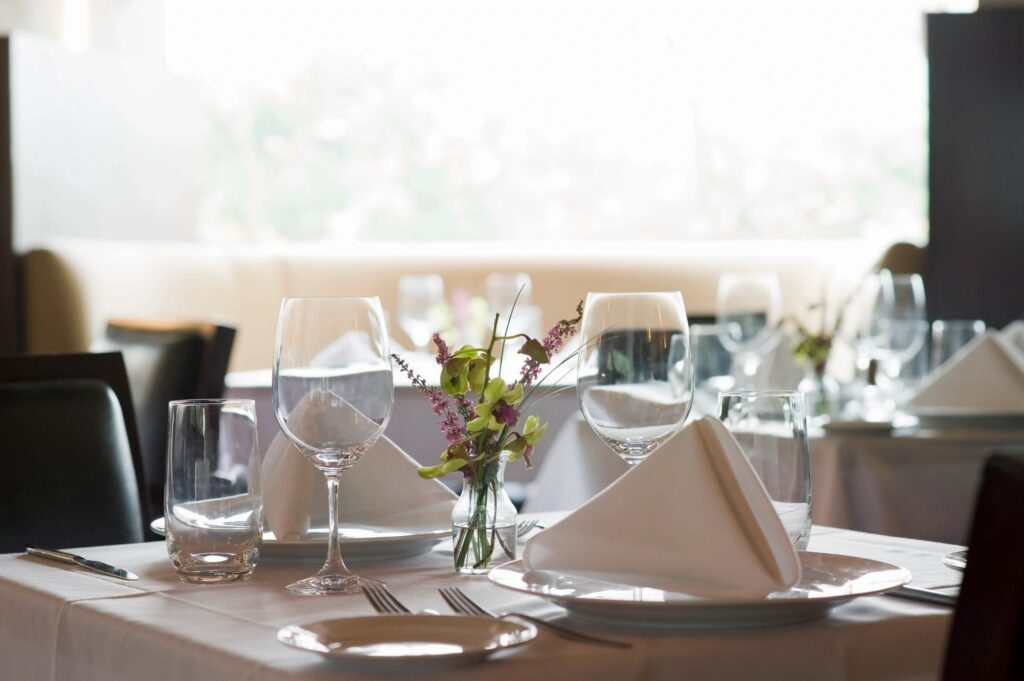
Creating an attractive table does not require expensive dinnerware.
Fresh flowers, candles, cloth napkins, attractive serving dishes, or even a simple bowl of fruit can create a welcoming atmosphere.
The secret is balance. Too many decorations can make it difficult for people to see each other or comfortably enjoy their meal.
For everyday dining, keep things simple. Save elaborate decorations for special occasions.
There is something wonderful about sitting down at a thoughtfully prepared table, even when the meal itself is quite ordinary.
A beautiful table doesn’t need to impress everyone.
It simply needs to make people want to sit down, stay a little longer, and enjoy one another’s company.
REAL ESTATE – The Importance of Storage in a Home
Storage is one of those features people often overlook when viewing a property, yet it can have a major impact on everyday life.
A beautiful home can quickly feel cluttered when there isn’t enough space for coats, shoes, kitchen equipment, cleaning supplies, books, and everyday belongings.
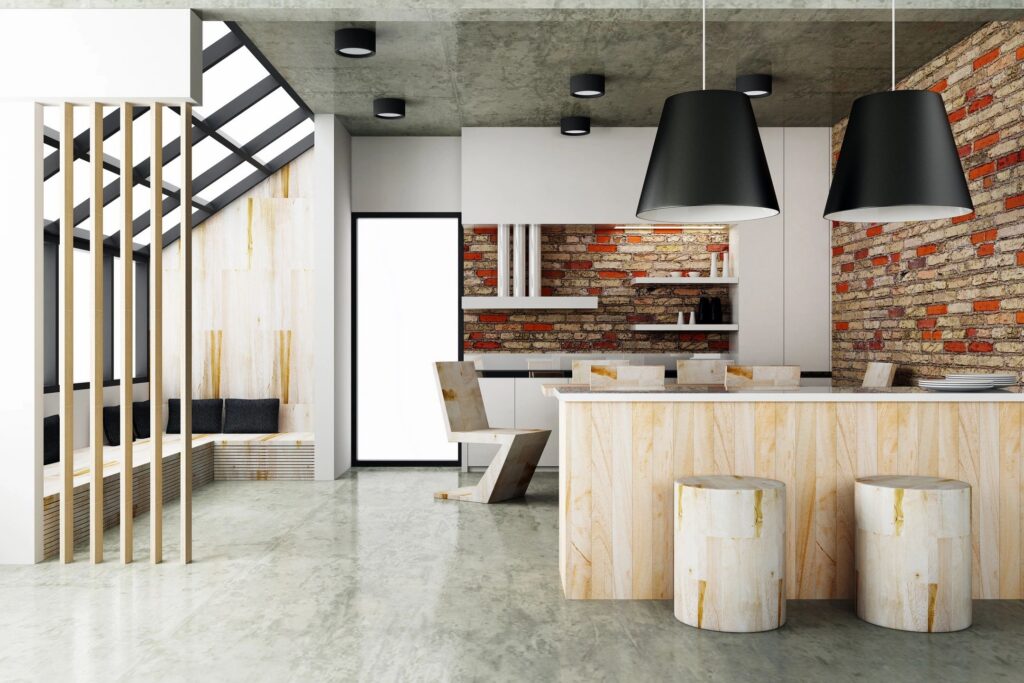
When viewing a property, look carefully at cupboards, wardrobes, kitchen storage, garages, loft areas, and other available spaces.
Creative storage can also make a significant difference. Shelving, baskets, under-bed storage, built-in cupboards, and multi-purpose furniture can help make better use of limited space.
Good storage isn’t simply about hiding possessions.
It helps a home function more efficiently.
A property may have beautiful floors and impressive rooms, but if there is nowhere to put your belongings, everyday life can become frustrating.
Sometimes the most valuable feature in a home is the cupboard you almost forgot to look inside.
FRANKLY SPEAKING WITH FRANCA – “I Keep Comparing My Life to Other People’s”
Dear Franca,
I constantly compare myself with other people. When I see someone succeeding, I immediately start thinking about everything I haven’t achieved. I know social media isn’t the whole truth, but I still struggle with it.
Franca Says:
Comparison can steal your happiness very quietly.
The problem is that you are comparing your complete life—including your worries, mistakes and disappointments—with the carefully selected parts of someone else’s life.
You don’t know what happens behind their closed doors.
Instead of asking, “Why don’t I have what they have?” try asking, “What do I actually want for myself?”
Perhaps you don’t want their life at all. Perhaps you simply want one particular aspect of it.
Identify that aspect and work towards your own version.
It can also help to reduce the amount of content that makes you feel inadequate. Protecting your peace is a perfectly reasonable choice.
Your journey will never look exactly like anyone else’s.
There is no prize for reaching milestones first.
Stop measuring your life against somebody else’s ruler. Your life deserves to be measured on its own terms.