
A salad can be so much more than a bowl of lettuce. With the right combination of ingredients, it can become a colourful, satisfying meal packed with texture and flavour.
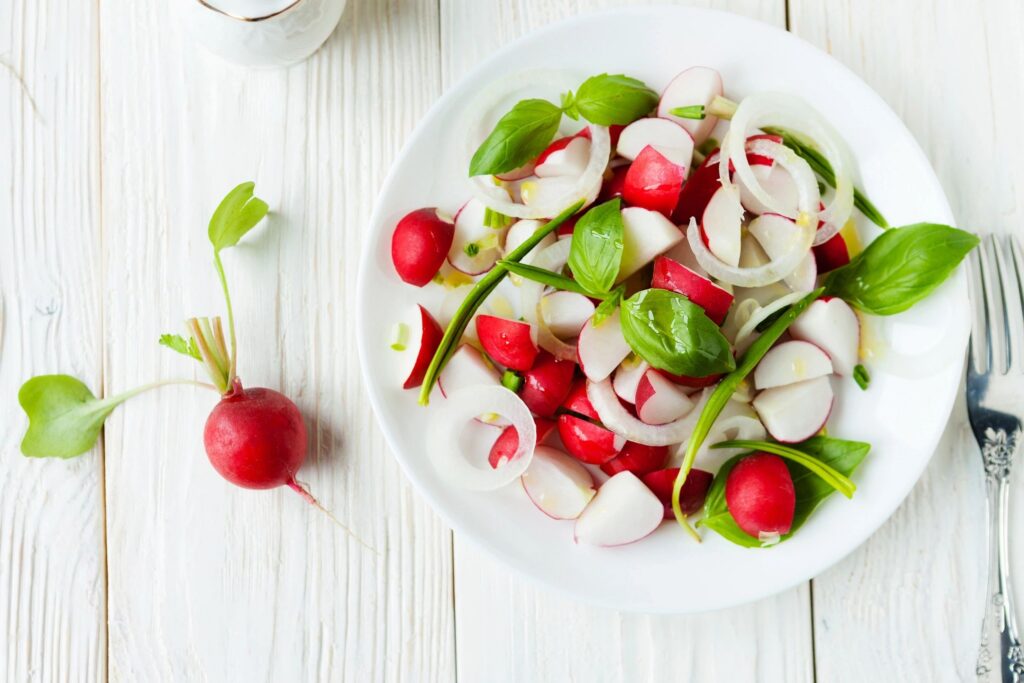
The secret to a memorable salad is variety. Crisp vegetables can be combined with creamy avocado, sweet fruit, crunchy nuts, grains, beans, eggs, cheese, or pieces of cooked chicken or fish. Fresh herbs can add another layer of flavour, while a homemade dressing can bring everything together.

Colour also matters. A mixture of green, red, orange, yellow, and purple ingredients makes a salad visually appealing before the first bite.
Salads are particularly useful when the weather is warm because they can feel fresh and light while still being filling. They are also an excellent way to use ingredients already available in the kitchen.
There are no strict rules. Experiment with different combinations and discover what you enjoy.
A great salad is proof that healthy food can be colourful, creative, satisfying, and delicious.
2. HEALTH – Caring for Your Feet
Our feet carry us through almost every part of our daily lives, yet they rarely receive the attention they deserve. From walking to exercising and simply standing throughout the day, our feet work continuously.
Comfortable, well-fitting footwear is one of the simplest ways to care for them. Shoes that provide appropriate support and enough room can make everyday movement more comfortable.

Basic foot care is important too. Keeping feet clean and dry, paying attention to the condition of the skin and nails, and allowing footwear to air properly can all contribute to good foot hygiene.
Regular movement is beneficial for overall physical health and also keeps us using our feet and legs regularly.
Anyone experiencing persistent pain, swelling, numbness, or other concerning changes should seek appropriate medical advice rather than ignoring the symptoms.
Our feet may be at the bottom of the body, but they play a huge role in keeping us mobile and independent.
They deserve a little appreciation.
3. WELLNESS – The Benefits of Spending Time Alone
Being alone and being lonely are not necessarily the same thing. For many people, intentional time alone can be an opportunity to recharge, think clearly, and reconnect with themselves.
A quiet afternoon reading, taking a walk, visiting a café, gardening, or simply enjoying your own company can provide a welcome break from constant demands.

Time alone can also help us recognise what we genuinely enjoy rather than automatically following the preferences of those around us.
Of course, meaningful relationships remain an important part of a healthy life. The goal is not to isolate ourselves, but to create a comfortable balance between social connection and personal space.
In a world filled with messages, notifications, conversations, and expectations, quiet time can feel surprisingly precious.
You don’t always need company to have a meaningful experience.
Sometimes, sitting quietly with your own thoughts can be one of the most refreshing things you do all week.
4. CAREER – The Power of Being a Good Listener
Professional success is often associated with speaking confidently, presenting ideas, and taking the lead. Yet one of the most valuable career skills can be much quieter: listening.
Good listeners pay attention to what colleagues and customers are actually saying. They ask thoughtful questions, avoid interrupting, and take time to understand before responding.

Listening can prevent misunderstandings and improve teamwork. It also helps people feel respected and valued.
In leadership, listening is particularly important. Employees are more likely to share useful ideas and concerns when they believe they will genuinely be heard.
Being a good listener doesn’t mean remaining silent all the time. It means being fully present when another person is speaking.
In busy workplaces, where everyone wants to be heard, the person who takes the time to listen can become surprisingly influential.
Sometimes, the most powerful contribution you can make to a conversation is simply to pay attention.
5. FINANCE – The Difference Between Want and Need
One of the simplest financial lessons is also one of the most useful: understanding the difference between what we need and what we want.
Needs generally include essentials such as housing, food, utilities, transportation, and other necessary expenses. Wants are the things that make life more enjoyable but are not essential for basic living.

There is nothing wrong with buying things we want. The problem begins when wants are treated as necessities and spending becomes difficult to control.
A simple pause before making a purchase can help. Ask yourself whether you genuinely need the item, whether you can comfortably afford it, and whether you will still value it a month from now.
This doesn’t mean living without enjoyment. It means spending with awareness.
Financial freedom is often less about earning enormous amounts of money and more about understanding how to use the money you already have.
TRAVEL – The Joy of Travelling by Train
There is something wonderfully relaxing about watching a landscape pass by from a train window. Unlike driving, train travel allows passengers to sit back, read, talk, observe, or simply enjoy the journey.
Train journeys can reveal parts of a country that travellers might otherwise miss. Fields, villages, rivers, hills, towns, and coastlines become part of the experience.

The journey itself becomes part of the holiday rather than simply a means of reaching the destination.
Travelling by train can also encourage slower, more thoughtful exploration. Instead of rushing from one place to another, passengers have time to observe the changing scenery and appreciate the distance being travelled.
Some journeys become memorable precisely because of the route.
A beautiful destination is wonderful, but sometimes the most enjoyable part of travelling is simply sitting by the window and watching the world go by.
FASHION – The Perfect Coat for Every Season
A good coat is one of the hardest-working pieces in any wardrobe. It protects us from the weather while also making a strong contribution to our overall style.
Choosing the right coat begins with considering lifestyle. Someone who walks frequently may need something practical and weather-resistant, while another person may prefer a tailored coat for work and formal occasions.

Neutral colours such as black, navy, grey, camel, and cream offer excellent versatility, while brighter shades can create a stronger statement.
Fit is equally important. A coat should feel comfortable when worn over other layers without looking unnecessarily oversized.
Quality matters too. A well-made coat can remain part of a wardrobe for years when cared for properly.
Rather than buying a new outer layer every season, finding one that suits your lifestyle, body shape, and personal style can be a much more rewarding investment.
9. HOME & LIVING – The Beauty of a Reading Corner
Every home deserves a small space dedicated to relaxation. A reading corner can provide exactly that without requiring an entire room.
A comfortable chair, a small table, good lighting, and a few favourite books are often all that is needed. A soft blanket and cushion can add warmth and make the space even more inviting.
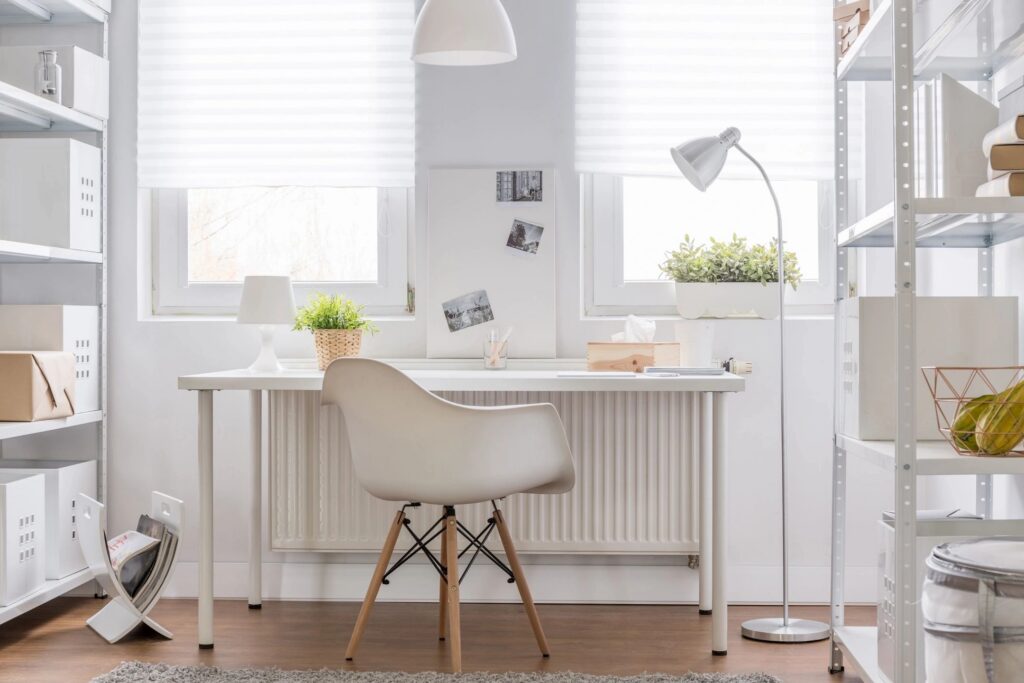
The location matters too. A corner near a window can provide natural light during the day, while a quieter part of the home may create a peaceful atmosphere in the evening.
A reading corner doesn’t have to be perfectly styled. Its purpose is to make you want to sit down and stay awhile.
In a world filled with screens and constant notifications, creating a space where you can simply read and unwind can feel like a luxury.
Sometimes, the smallest corner can become the most peaceful place in the house.
10. REAL ESTATE – The Value of Natural Light in a Home
Natural light can completely change the atmosphere of a property. A room filled with daylight often feels brighter, more welcoming, and more spacious.
When viewing a property, it is worth paying attention to how much natural light enters different rooms and at what times of day. The direction of windows, surrounding buildings, trees, and the layout of the property can all influence brightness.

For homeowners, simple choices can help make the most of available daylight. Keeping windows clean, avoiding unnecessarily heavy curtains, and using lighter interior finishes can help rooms feel brighter.
Natural light is also an important consideration when arranging furniture. Blocking windows with large pieces can reduce the amount of light entering a room.
A beautiful home isn’t only about its furnishings and square footage. The way natural light moves through the space can have a powerful effect on how it feels.
Sometimes, sunshine is the best interior designer.
11. FRANKLY SPEAKING WITH FRANCA – “I Keep Putting Things Off”
Dear Franca,
I have so many things I want to accomplish, but I keep putting them off. I tell myself I’ll start tomorrow, and then tomorrow becomes next week. How can I break this habit?
Franca Says:
Procrastination often becomes a cycle because a task feels too large or uncomfortable to begin. The answer isn’t always more motivation. Sometimes, you simply need a smaller starting point.
Instead of saying, “I need to clean the entire house,” choose one room. Instead of “I need to write a book,” decide to write one page. Instead of “I need to get my finances organised,” begin by looking at one account.
Small actions remove some of the pressure surrounding a big goal.
It can also help to stop waiting for the perfect moment. There will rarely be a day when everything is calm, convenient, and completely free of distractions.
Start imperfectly.
Once you begin, the task often feels less intimidating than it did while sitting in your head.
And remember: progress does not have to be dramatic to be real.
Don’t worry about finishing everything today. Just give yourself a reason to begin.