
Breakfast has a special place in the rhythm of family life. It is the first meal of the day and, for many households, an opportunity to gather before everyone begins their separate routines.

A satisfying breakfast does not need to be complicated. Eggs, whole-grain toast, fresh fruit, porridge, yoghurt, vegetables, or homemade pancakes can provide plenty of variety. Adding different fruits, herbs, seeds, or spices can keep familiar dishes interesting.
For busy families, preparing some ingredients the night before can make mornings easier. Overnight oats, chopped fruit, or homemade breakfast muffins can save valuable time without sacrificing a home-cooked feel.
Breakfast is also about creating habits. Sitting down together, even for a short time, gives family members an opportunity to talk about their plans for the day.
In a busy world, that small moment of connection can be just as valuable as the food itself.
2. HEALTH – The Importance of Healthy Bones
Strong bones provide the framework that supports our bodies throughout life. Looking after bone health is therefore an important part of maintaining strength, mobility, and independence as we grow older.
A balanced diet containing calcium and other essential nutrients contributes to maintaining healthy bones. Foods such as dairy products, leafy green vegetables, beans, nuts, and certain fish can form part of a varied diet.
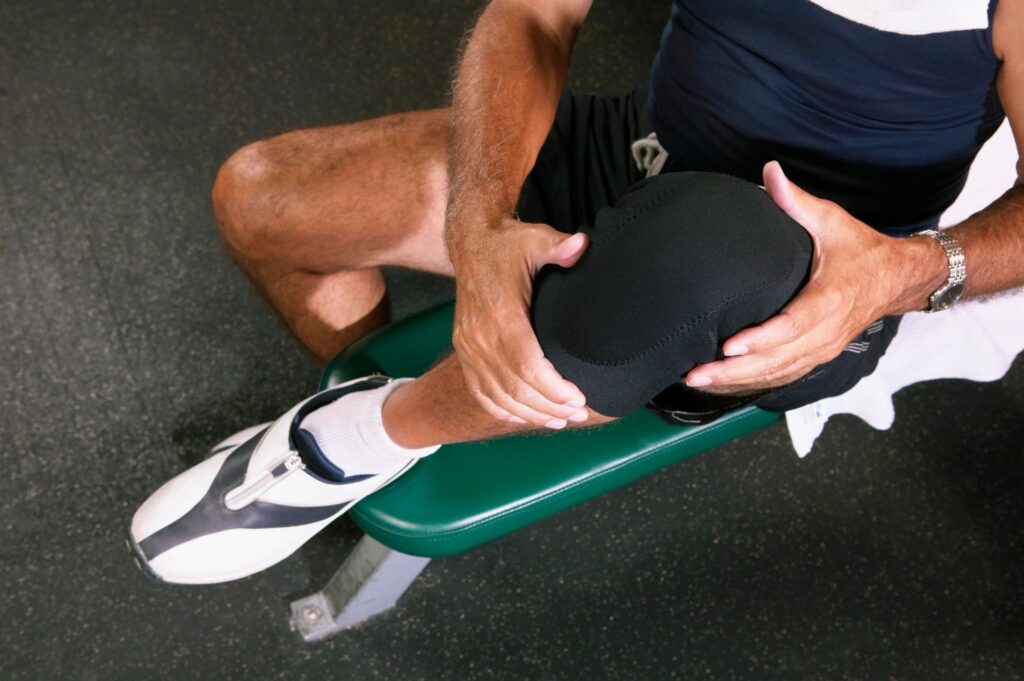
Regular physical activity is also valuable. Weight-bearing activities and strength exercises can support bones and muscles, while activities that improve balance may help maintain physical confidence.
Bone health deserves attention at every age, not only later in life. Building healthy habits early creates a strong foundation for the future.
If you have concerns about your bone health or nutritional needs, a healthcare professional can provide appropriate advice.
Taking care of our bones today can help us remain active and independent for many years to come.
3. WELLNESS – Creating a Peaceful Morning Routine
The way we begin the morning can influence how we approach the rest of the day. Instead of immediately rushing towards messages, deadlines, and responsibilities, creating a calm morning routine can provide a valuable sense of control.

A peaceful morning might begin with opening the curtains, drinking water, stretching gently, enjoying breakfast, or spending a few quiet minutes reflecting on the day ahead.
There is no perfect routine. What matters is finding habits that help you feel prepared rather than overwhelmed.
Even fifteen minutes of intentional quiet can make a difference. Leaving the phone untouched for the first part of the morning may also create space for clearer thinking.
Mornings do not have to be rushed simply because life is busy.
Starting the day calmly can become a small daily act of self-care—and sometimes a peaceful beginning makes everything that follows feel more manageable.
4. CAREER – How to Make a Good Impression at Work
Making a positive impression at work is not about trying to impress everyone. It is about demonstrating reliability, respect, professionalism, and a willingness to contribute.

Simple behaviours often make the strongest impression. Arriving prepared, meeting deadlines, listening carefully during conversations, and communicating clearly show colleagues that they can depend on you.
Being respectful to everyone is equally important. The way someone treats colleagues, customers, junior employees, and support staff often reveals more about their character than their job title ever could.
A good professional reputation is built gradually. One successful meeting will not define a career, but consistent behaviour over months and years can open doors to new opportunities.
You don’t need to be the loudest person in the room.
Sometimes, the person who listens carefully, works reliably, and treats others with genuine respect becomes the person everyone remembers.
5. FINANCE – Making a Household Budget Work
A household budget is not designed to make life miserable. Its purpose is to give you a clearer understanding of where your money is going and help you make choices with greater confidence.
Begin by identifying regular household expenses such as housing, utilities, food, transport, and other essential commitments. Then consider flexible spending, savings, and occasional costs.

One of the most useful aspects of budgeting is awareness. Small purchases can seem insignificant individually, but regular spending can add up considerably over time.
A realistic budget should also include room for enjoyment. Completely eliminating treats or social activities can make a financial plan difficult to maintain.
The aim is balance.
When you know what is coming in and going out, financial decisions become less mysterious. A budget can help turn money from a source of worry into something you manage with greater purpose.
6. EDUCATION – Why Learning a New Language Is Worth It
Learning another language can open doors to new cultures, friendships, literature, travel experiences, and professional opportunities.
It can be challenging, particularly at the beginning, but progress doesn’t require hours of study every day. Learning a few words regularly, listening to conversations, practising pronunciation, and reading simple material can gradually build confidence.

Language learning also encourages us to see the world from another perspective. Words and expressions often reflect the history and culture of the people who use them.
Making mistakes is part of the process. Speaking imperfectly is still progress, and most people appreciate the effort involved in learning their language.
Whether you choose Spanish, French, Arabic, Italian, Yoruba, Mandarin, or another language, learning something new can be both practical and deeply rewarding.
A new language doesn’t simply give you new words. It gives you another way of connecting with the world.
7. TRAVEL – The Pleasure of a Weekend Escape
Not every holiday needs to last two weeks. A carefully planned weekend escape can provide a refreshing change of scenery without requiring extensive preparation.
A short trip might involve exploring a historic town, staying in a countryside guesthouse, visiting a coastal destination, or discovering a new city.

The secret is not to overcrowd the itinerary. Choose a few activities you genuinely want to enjoy and leave space for spontaneous discoveries.
Weekend travel can also be an opportunity to support independent businesses. Local cafés, restaurants, markets, galleries, and small hotels often provide experiences that reflect the character of the destination.
Sometimes we don’t need to travel far to feel refreshed.
A change of scenery, a comfortable bed somewhere new, a good meal, and a leisurely morning can be enough to return home feeling renewed.
8. FASHION – Dressing Well for Every Occasion
Knowing what to wear for different occasions can make getting dressed much easier. A wardrobe becomes more useful when it includes pieces that can move comfortably between everyday life, work, celebrations, and special occasions.

The secret is versatility. A well-cut blazer can transform a casual outfit, while a simple dress can become more formal with elegant shoes and accessories.
Comfort should never be forgotten. Clothes that look beautiful but make you uncomfortable are unlikely to become favourites.
Colours can also influence how an outfit feels. Neutral tones provide flexibility, while brighter colours and patterns can introduce personality.
Good style is not about owning hundreds of clothes. It is about understanding what works for your body, lifestyle, personality, and the occasions you regularly attend.
When you feel comfortable in what you’re wearing, confidence naturally follows.
9. HOME & LIVING – Creating a Beautiful Outdoor Space
A garden, balcony, patio, or even a small terrace can become an extension of the home. With thoughtful planning, outdoor spaces can provide somewhere to relax, entertain, garden, or simply enjoy fresh air.
Comfortable seating is a good starting point. Adding cushions, outdoor lighting, plants, and a small table can quickly create an inviting atmosphere.

Plants bring colour and life to outdoor areas, while herbs and vegetables can add a practical element. Even small containers can make a noticeable difference.
Outdoor spaces don’t need to be expensive. Reusing furniture, creating simple decorations, and choosing plants suited to the available space can produce beautiful results.
As warmer days arrive, having a welcoming outdoor area gives us another place to enjoy meals, conversations, and peaceful moments.
Sometimes the best room in the house is the one without a roof.
10. REAL ESTATE – What First-Time Buyers Should Consider
Buying a first home is an exciting milestone, but it is also a decision that requires careful preparation. Beyond the excitement of finding a beautiful property, buyers need to consider whether the home is financially and practically suitable.
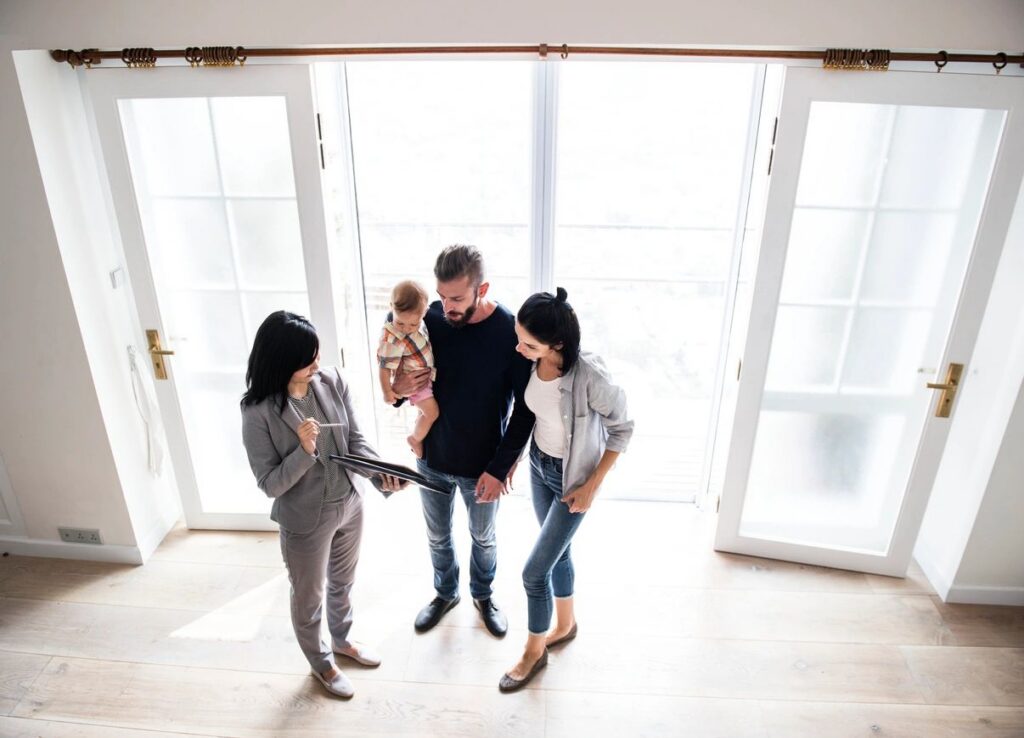
Understanding the total cost of ownership is essential. Buyers should think beyond the purchase price and consider mortgage payments, insurance, maintenance, utilities, taxes or charges where applicable, and other ongoing expenses.
Location is another major consideration. Transport, schools, employment opportunities, shops, healthcare, and local amenities can all affect everyday life.
It is also important not to rush simply because a property looks attractive. Visiting the area, asking questions, arranging appropriate inspections or surveys, and seeking professional advice can help buyers make informed decisions.
Your first home does not have to be your forever home.
The most important thing is choosing a property that fits your circumstances and gives you a solid foundation for the next chapter of your life.
11. FRANKLY SPEAKING WITH FRANCA – “I Feel Like I Have Lost Myself”
Dear Franca,
I’ve spent so much of my life taking care of everyone else that I don’t really know what I want anymore. I feel as though I’ve lost touch with myself. Where do I begin?
Franca Says:
Begin by becoming curious about yourself again.
When we spend years focusing on work, family, responsibilities, and other people’s needs, it is easy to forget that we are individuals with dreams, interests, preferences, and ambitions of our own.
You don’t have to make a dramatic change overnight. Start small.
Ask yourself what you enjoyed before life became so busy. What makes you laugh? What have you always wanted to learn? Where do you feel most peaceful? What would you do if you weren’t worried about anyone else’s opinion?
Give yourself permission to explore those questions.
Perhaps you rediscover an old hobby. Perhaps you make new friends, take a class, travel somewhere, or simply begin spending an hour each week doing something purely because you enjoy it.
Looking after yourself does not mean loving your family or responsibilities any less.
It means remembering that you are a person too.
And sometimes finding yourself isn’t about becoming someone new. It is about reconnecting with the person you were before you became too busy taking care of everyone else.