
Why Comfort Food Still Matters in Modern Life

In a world increasingly focused on health trends, food technology, and fast-paced dining, comfort food continues to hold a special place in people’s lives. Across cultures and generations, certain meals remain deeply connected to memory, emotion, and personal identity.
Comfort food is not only about taste. It often represents familiarity, safety, and emotional reassurance. A homemade soup, warm bread, family recipe, or favorite childhood meal can instantly create feelings of calm and nostalgia.
Modern lifestyles have become increasingly demanding, which may explain why comfort food remains so important. During stressful periods, people naturally seek experiences that feel emotionally grounding and familiar.
Interestingly, comfort food itself is evolving. While traditional recipes remain popular, many people are now combining emotional satisfaction with healthier ingredients and balanced preparation methods. Familiar meals are being adapted to fit modern wellness priorities without losing their emotional value.
Restaurants and cafés are also embracing this movement. Many dining spaces now focus on warmth, atmosphere, and emotionally familiar dishes rather than overly complicated menus.
Social connection is another important part of comfort food culture. Shared meals continue to strengthen relationships and create moments of connection in otherwise busy lifestyles.
Importantly, comfort food reflects more than eating habits. It highlights the emotional role food plays in everyday life.
And increasingly, people are recognizing that food nourishes not only the body, but also memory, emotion, and human connection.
FINANCE
Why Financial Simplicity Is Becoming More Attractive

Financial culture often encourages complexity—multiple investments, endless consumption, and constant upgrading. Increasingly, however, many people are moving toward financial simplicity.
Financial simplicity focuses on clarity, sustainability, and reduced financial stress. Rather than chasing endless accumulation, individuals are prioritizing manageable lifestyles and intentional spending.
This shift reflects growing fatigue with pressure-driven consumer culture. Many people are realizing that financial peace often comes from control and stability rather than constant expansion.
Simplifying finances can involve reducing unnecessary expenses, avoiding lifestyle inflation, and focusing on long-term priorities.
Importantly, financial simplicity also improves emotional well-being. Less financial chaos often leads to clearer decision-making and reduced anxiety.
And increasingly, people are discovering that simplicity can feel more valuable than excess.
HEALTH
Why Stretching Is Receiving More Attention in Wellness Culture

Stretching was once viewed mainly as a warm-up activity before exercise. Today, however, it is becoming an important wellness practice on its own.
Modern lifestyles involve long periods of sitting, screen use, and limited movement. As a result, muscle stiffness, poor mobility, and physical tension are becoming increasingly common.
Stretching improves flexibility, posture, circulation, and physical comfort. It can also reduce stress because physical tension and emotional tension are often connected.
Many wellness professionals now recommend daily stretching routines even for individuals who are not highly active physically.
Importantly, stretching encourages body awareness. It helps people reconnect with physical movement in a calmer and more intentional way.
And increasingly, mobility and flexibility are being recognized as important parts of long-term health.
LIFESTYLE
Why People Are Creating More Intentional Homes
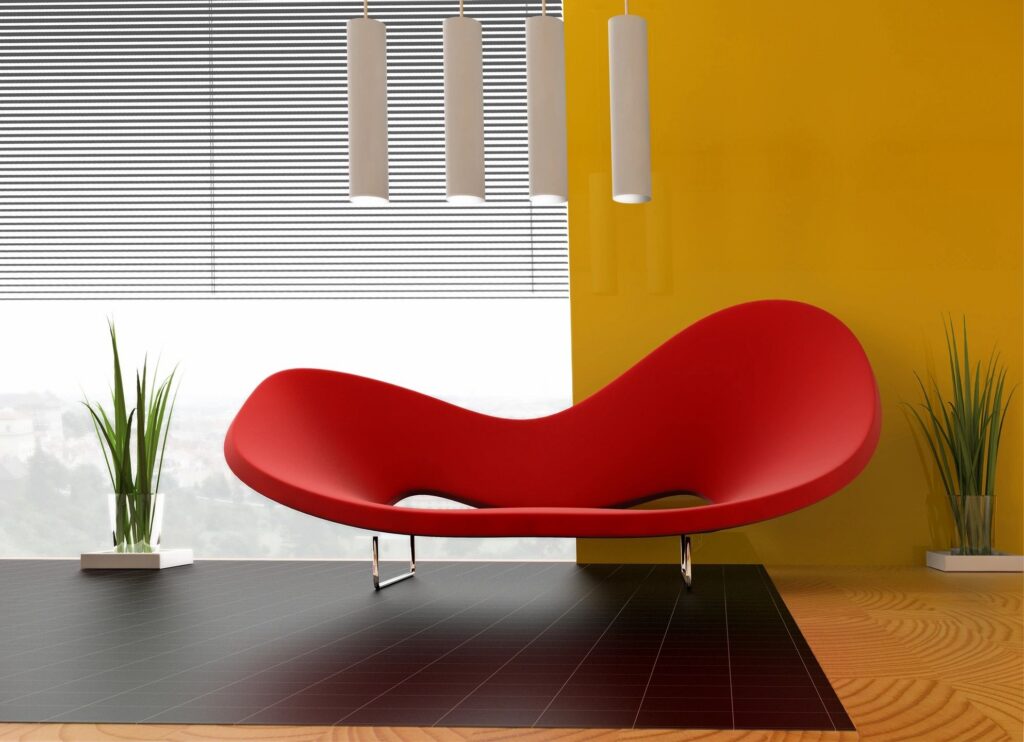
Homes are becoming more than places to sleep or store belongings. Increasingly, people are designing homes intentionally to support emotional well-being, productivity, and personal identity.
This trend reflects changing priorities around lifestyle quality. Many individuals now value calmness, comfort, and functionality more than excessive decoration or status-focused design.
Lighting, organization, natural materials, and peaceful environments are becoming more important in modern interiors.
Remote work has also influenced this shift by increasing the amount of time people spend at home.
Importantly, intentional homes are not about perfection or luxury. They are about creating spaces that support daily balance and comfort.
And increasingly, home environments are being viewed as extensions of emotional wellness itself.
WELLNESS
Why Rest Is Becoming a Wellness Priority
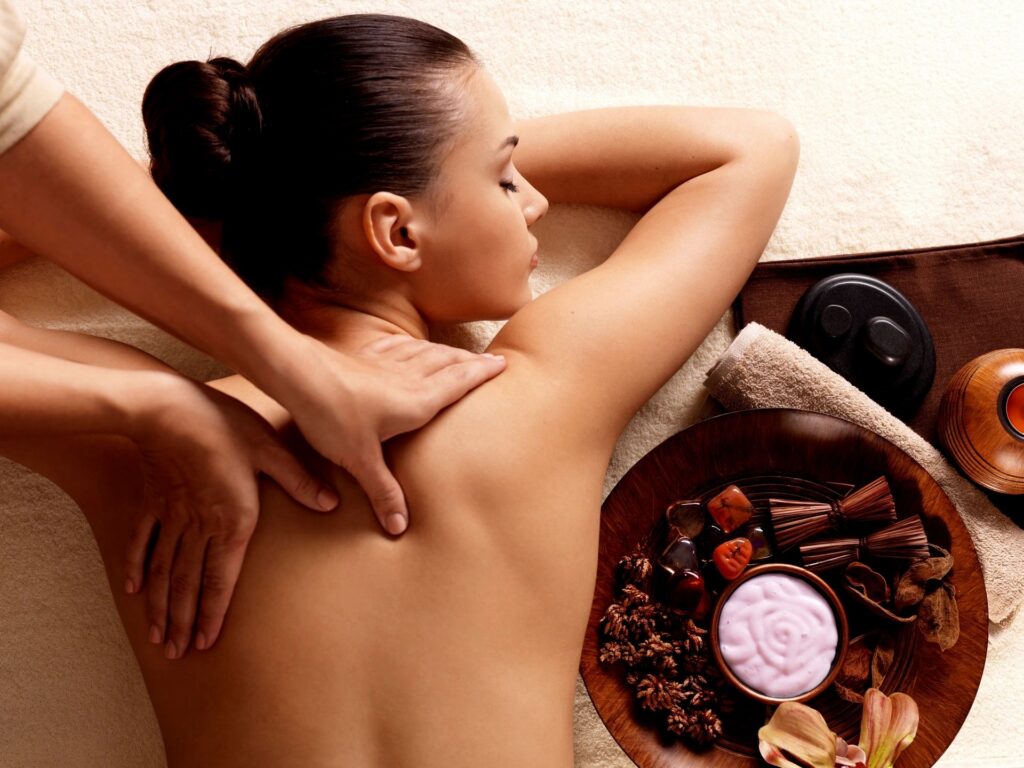
For many years, modern culture celebrated constant productivity and nonstop activity. Today, however, rest is becoming increasingly recognized as essential for overall well-being.
Rest supports physical recovery, emotional regulation, mental clarity, and long-term health.
Without adequate rest, stress accumulates and affects concentration, mood, and energy levels.
People are now becoming more intentional about sleep, quiet time, and emotional recovery.
Importantly, rest is not laziness.
It is part of maintaining balance and sustainability in demanding environments.
And increasingly, wellness conversations are shifting from constant performance toward healthier rhythms of effort and recovery.
CAREER
Why Career Satisfaction Is Becoming More Important Than Job Titles

Professional success is increasingly being measured differently than before.
While titles and status still matter in many industries, more people are prioritizing career satisfaction, flexibility, and emotional well-being over external recognition alone.
This shift reflects changing attitudes toward work-life balance and long-term happiness.
Many professionals are asking whether their careers align with their values, interests, and quality of life rather than focusing only on prestige.
Importantly, satisfaction often improves creativity, motivation, and long-term professional performance.
And increasingly, career fulfillment is becoming just as valuable as professional status.
TRAVEL
Why Local Travel Experiences Are Becoming More Popular

International travel remains appealing, but local and regional travel experiences are growing in popularity.
Many people are rediscovering nearby destinations, smaller towns, countryside retreats, and local cultural experiences.
This shift reflects growing appreciation for slower and more accessible travel.
Local travel often feels less stressful while still providing relaxation and new perspective.
It also supports local economies and encourages deeper connection with regional culture.
And increasingly, meaningful travel is being defined by experience rather than distance alone.
REAL ESTATE
Why Functional Design Is Influencing Property Choices
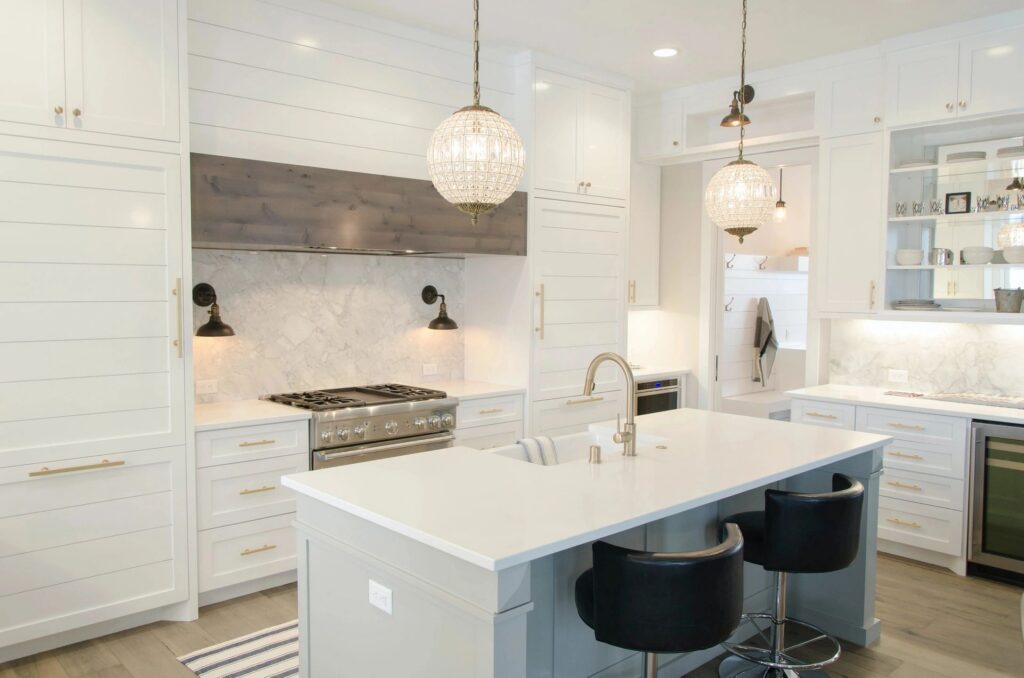
Property buyers are increasingly prioritizing functionality over excess.
Practical layouts, storage solutions, natural light, and adaptable spaces are becoming more valuable than purely decorative features.
This reflects changing lifestyles where homes must support work, wellness, and daily living simultaneously.
Functionality improves comfort and long-term usability.
And increasingly, modern buyers are looking for homes that simplify life rather than complicate it.
RELATIONSHIPS
Why Listening Is One of the Most Important Relationship Skills

Strong communication involves more than speaking clearly. Listening is equally important.
People want to feel heard, understood, and emotionally acknowledged within relationships.
Active listening improves trust and reduces misunderstandings.
It also creates emotional safety during difficult conversations.
Importantly, listening requires patience and attention rather than immediate reaction.
And increasingly, healthy relationships are being built on communication quality rather than constant agreement.
PERSONAL DEVELOPMENT
Why Personal Discipline Creates Long-Term Freedom

Discipline is often misunderstood as restriction. In reality, personal discipline frequently creates greater freedom over time.
Consistent habits improve financial stability, emotional balance, health, and productivity.
Discipline also reduces chaos because it creates structure and reliability.
Importantly, discipline is not about perfection.
It is about making repeated decisions that support long-term goals rather than temporary impulses.
And increasingly, self-discipline is being viewed as a tool for independence and personal growth.
FRANKLY SPEAKING WITH FRANCA
“I Feel Drained by Constant Negativity Around Me”
Dear Franca,
Lately I feel emotionally exhausted because the people around me are constantly negative.
Franca Says:
Energy matters more than many people realize.
Constant negativity affects emotional balance, motivation, and even confidence over time.
You cannot always control other people’s behavior, but you can protect your emotional environment.
That may mean creating stronger boundaries, limiting certain conversations, or spending more time around people who inspire calmness and encouragement.
Not every environment deserves unlimited access to your energy.
And protecting your peace is part of emotional maturity and self-care.