
Plant-Forward Eating: A Balanced Approach to Modern Diets
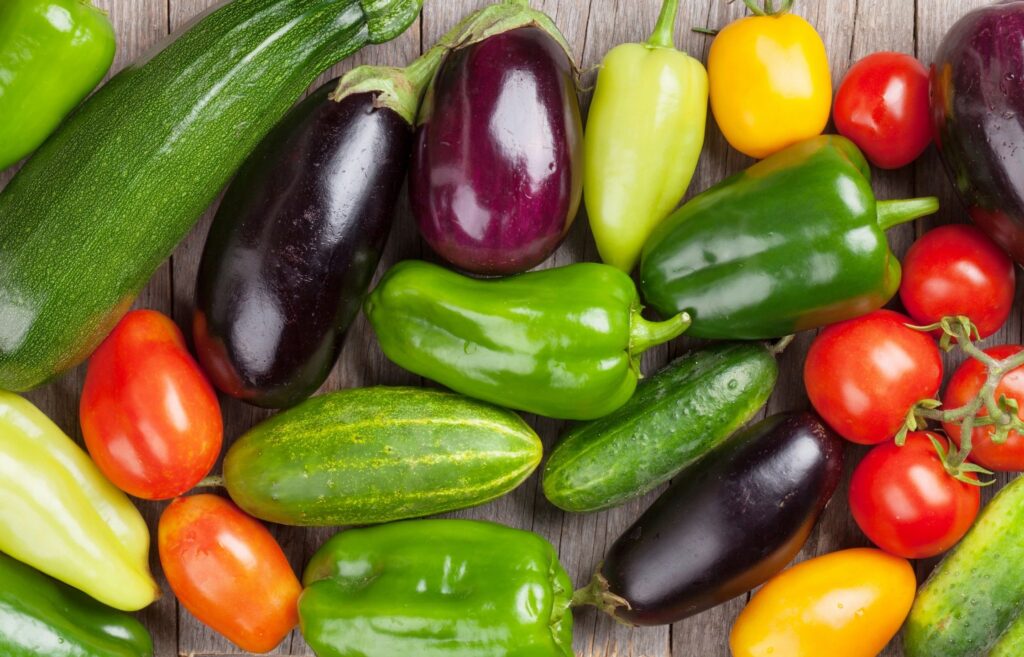
Around the world, a growing number of people are adopting a plant-forward diet. Unlike strict vegetarian or vegan lifestyles, plant-forward eating simply prioritizes plant-based foods while still allowing flexibility. It focuses on vegetables, fruits, legumes, whole grains, nuts, and seeds as the foundation of meals.
One reason this approach has gained popularity is its balance. Many people want to eat healthier but are hesitant to eliminate entire food groups. Plant-forward eating offers a middle ground. It encourages more vegetables and whole foods without imposing rigid restrictions.
Health research consistently shows that diets rich in plant foods support heart health, improve digestion, and provide important nutrients such as fiber, vitamins, and antioxidants. Fiber, in particular, plays a major role in digestive health and blood sugar regulation.
Environmental considerations also contribute to the trend. Producing plant foods generally requires fewer resources than large-scale livestock production. For individuals concerned about sustainability, incorporating more plant-based meals can feel like a practical step toward reducing environmental impact.
Plant-forward meals can be simple and satisfying. A bowl of roasted vegetables with quinoa, a lentil soup with herbs, or a colorful salad topped with nuts and seeds can provide both flavor and nutrition.
Importantly, this approach emphasizes addition rather than restriction. Instead of focusing on what to remove from the diet, it focuses on adding more nourishing ingredients.
Over time, these small shifts in eating habits can improve health, expand culinary creativity, and support a more balanced relationship with food.