
The Beauty of Coastal Destinations

Coastal communities have long attracted visitors seeking relaxation, adventure, and natural beauty.
From dramatic cliffs to peaceful beaches, coastlines offer opportunities for recreation, wildlife observation, photography, and cultural exploration.
Many coastal towns preserve rich maritime traditions reflected in their architecture, cuisine, and local festivals.
Whether watching the sunrise over the ocean or enjoying freshly prepared seafood, coastal travel creates experiences that remain memorable long after the journey ends
CAREER
The Importance of Being Reliable

Talent may open doors, but reliability keeps them open.
Professionals who consistently meet deadlines, communicate honestly, and honour commitments build strong reputations.
Reliability demonstrates respect for colleagues, clients, and employers. It creates trust and encourages long-term professional relationships.
In every industry, dependable individuals become valuable team members because others know they can be counted upon.
Why Reputation Is Built One Day at a Time

Professional reputations are not created through a single achievement. Instead, they develop gradually through daily actions and interactions.
Reliability, professionalism, integrity, and consistency all contribute to how individuals are perceived by colleagues and employers.
A strong reputation often creates opportunities that qualifications alone cannot provide. People are more likely to recommend, trust, and collaborate with professionals who have demonstrated credibility over time.
In many cases, reputation becomes one of the most valuable career assets a person can possess.
Why Small Towns Offer Unique Travel Experiences

Major cities often dominate travel itineraries, but small towns can provide equally rewarding experiences.
Smaller destinations frequently offer authentic local culture, historic architecture, and a slower pace of life. Visitors often enjoy more personal interactions with residents and discover traditions that may be overlooked in larger tourist centers.
Small-town travel encourages exploration and allows travelers to experience destinations from a different perspective.
For those seeking meaningful journeys, small towns often provide memorable experiences that cannot be replicated elsewhere.
CULTURE
The Quiet Return of Civility

For much of the past decade, public conversation has often seemed dominated by conflict. Political disagreements, social debates, and online discussions frequently become polarized, leaving little room for nuance or understanding. Yet beneath the headlines and social media arguments, there are signs that many people are beginning to value something that once seemed old-fashioned: civility.
Civility is not about avoiding disagreement. Healthy societies require debate, differing viewpoints, and the exchange of ideas. Rather, civility is about maintaining respect even when opinions differ. It is the ability to challenge ideas without attacking individuals and to engage in discussion without turning every disagreement into a personal conflict.
Many people are becoming fatigued by constant outrage. The speed of digital communication often encourages immediate reactions rather than thoughtful responses. As a result, misunderstandings can spread quickly, and conversations can become more confrontational than constructive.
In workplaces, schools, and communities, there is growing recognition that collaboration depends on mutual respect. Leaders increasingly understand that productive teams are built not only on expertise but also on trust, communication, and professionalism. People are more willing to share ideas when they feel respected and heard.
Civility also has broader social importance. Democracies function best when citizens can engage in meaningful dialogue across differences. The ability to listen, question, and debate respectfully helps strengthen institutions and build social trust.
Importantly, civility does not require agreement. It simply requires maturity and self-discipline. People can hold strong opinions while still treating others with dignity.
As society continues navigating complex global challenges, the value of respectful dialogue may become even more important. The ability to disagree without creating division is a skill that benefits individuals, organizations, and entire communities.
In an increasingly noisy world, civility may not be a sign of weakness. It may be one of the strongest qualities a society can possess.
CAREER
Why Reputation Is More Valuable Than a Job Title

Many professionals focus heavily on titles, promotions, and visible achievements when evaluating career success. While these milestones can be important, reputation often proves to be a far more valuable long-term asset.
A professional reputation is built through consistent behavior over time. Reliability, integrity, communication skills, and professionalism all contribute to how colleagues, clients, and employers perceive an individual.
Unlike a job title, reputation follows a person throughout their career. Opportunities frequently arise through recommendations, referrals, and professional relationships. People are often remembered less for the positions they held and more for how they treated others and performed their responsibilities.
Trust is a key component of reputation. Organizations value individuals who consistently deliver on commitments and maintain high standards of conduct. Such qualities create credibility that can open doors to leadership positions, partnerships, and new opportunities.
The digital age has made reputation even more significant. Professional networks, online profiles, and public communication platforms allow individuals to build visibility beyond their immediate workplace. This creates both opportunities and responsibilities regarding personal and professional conduct.
Building a strong reputation takes time and effort. It requires consistency across different situations and interactions. However, the long-term benefits often outweigh short-term gains associated with status or titles alone.
As careers become increasingly dynamic and interconnected, reputation may become one of the most important forms of professional capital available.
TRAVEL
Why Slow Travel Is Gaining Popularity

Many travelers are moving away from rushed itineraries and choosing a slower approach to exploration.
Slow travel emphasizes quality over quantity, encouraging visitors to spend more time in fewer destinations.
This approach allows deeper cultural immersion, stronger local connections, and reduced travel stress.
Rather than trying to see everything, slow travelers focus on experiencing places more meaningfully.
As people seek authentic experiences, slow travel continues to gain appeal.
Why Local Experiences Matter More Than Tourist Attractions

Many travelers spend months planning visits to famous landmarks, yet their most memorable experiences often come from everyday local interactions.
A conversation in a neighborhood café, a visit to a community market, or participation in a local tradition can provide deeper cultural understanding than major attractions alone.
These experiences allow travelers to see destinations through the perspective of residents rather than guidebooks.
As travel becomes increasingly accessible, many people are prioritizing authenticity and cultural immersion over traditional sightseeing.
The Importance of Professional Reputation

A professional reputation is built through daily actions rather than major achievements alone.
Reliability, integrity, communication, and consistency all contribute to how colleagues and employers perceive an individual.
In an interconnected world, reputation often influences opportunities, partnerships, and career progression.
Building a strong reputation requires time, but maintaining it requires continuous effort and professionalism.
Ultimately, professional reputation remains one of the most valuable assets any career can possess.
TRAVEL
Why Walking Is the Best Way to Discover a City

Modern travelers often focus on famous landmarks and busy itineraries. However, walking remains one of the most rewarding ways to experience a destination.
Walking allows visitors to notice architecture, local businesses, street art, and everyday life that might otherwise go unnoticed.
It encourages spontaneous discoveries and deeper cultural connection.
Many memorable travel experiences occur not at major attractions but during unplanned moments along city streets.
For travelers seeking authentic experiences, slowing down and exploring on foot can be surprisingly rewarding.
TRAVEL
Why Wellness Travel Is Growing Globally

Travel is no longer only about sightseeing or luxury experiences. Increasingly, people are traveling specifically to improve well-being.
Wellness travel includes retreats, nature experiences, spa destinations, mindfulness programs, and restorative environments designed to support mental and physical recovery.
Many individuals are seeking travel experiences that reduce stress rather than intensify activity.
Natural environments, slower schedules, and intentional relaxation are becoming increasingly appealing.
This reflects broader lifestyle priorities around balance and emotional health.
And increasingly, travel is being viewed as an opportunity for restoration as well as exploration.
CAREER
Why Networking Is Becoming More Relationship-Focused

Professional networking is evolving. Traditional networking often focused on collecting contacts and creating transactional opportunities. Today, however, relationship-based networking is becoming more valuable.
People increasingly prefer authentic professional connections built on trust, communication, and shared interests rather than superficial interaction.
Digital communication has expanded access to global professional communities, but it has also increased appreciation for genuine connection.
Strong professional relationships often create long-term opportunities more effectively than aggressive self-promotion.
Importantly, relationship-focused networking emphasizes consistency and mutual value.
And increasingly, professional success is being shaped by meaningful connections rather than visibility alone.
Why Career Satisfaction Is Becoming More Important Than Job Titles

Professional success is increasingly being measured differently than before.
While titles and status still matter in many industries, more people are prioritizing career satisfaction, flexibility, and emotional well-being over external recognition alone.
This shift reflects changing attitudes toward work-life balance and long-term happiness.
Many professionals are asking whether their careers align with their values, interests, and quality of life rather than focusing only on prestige.
Importantly, satisfaction often improves creativity, motivation, and long-term professional performance.
And increasingly, career fulfillment is becoming just as valuable as professional status.
CAREER
Why Soft Skills Are Becoming More Valuable in Professional Life

Technical expertise remains important, but soft skills are becoming increasingly valuable in modern careers.
Communication, emotional intelligence, adaptability, leadership, and problem-solving strongly influence professional success.
As workplaces become more collaborative and technology-driven, human interaction skills are becoming more essential.
Soft skills also improve teamwork, conflict management, and professional relationships.
Importantly, these abilities often determine long-term career growth beyond technical qualifications alone.
And increasingly, companies are recognizing that professional effectiveness depends heavily on interpersonal capability.
FOOD
Why Private Dining Clubs Are Returning in Modern Cities

Across major cities, private dining clubs are quietly making a comeback. Unlike traditional restaurants, these experiences focus on intimacy, exclusivity, and conversation rather than large crowds or fast service.
Many modern diners are looking for more personal experiences. Instead of noisy venues and rushed meals, people are becoming interested in smaller gatherings where food feels curated and intentional.
Private dining clubs often operate through invitation, membership, or limited guest lists. Some are hosted inside homes, creative studios, or hidden locations rather than commercial restaurants. This creates a sense of discovery and privacy that many people find appealing.
Another reason for the trend is growing interest in storytelling around food. Guests increasingly want to understand ingredients, cultural influences, and the inspiration behind meals. Dining is becoming more conversational and immersive.
Technology fatigue also plays a role. In highly digital lifestyles, intimate shared experiences feel more valuable. Smaller dining settings encourage slower conversation and deeper connection.
Importantly, this movement reflects broader cultural changes. Luxury today is often associated with exclusivity, calmness, and personalization rather than excess.
And increasingly, food culture is shifting toward experiences that feel thoughtful, private, and memorable.
FINANCE
Why Younger Generations Are Redefining Wealth Building

Traditional financial goals are evolving. Younger generations are increasingly approaching wealth building differently from previous decades.
Instead of focusing only on property ownership or corporate careers, many are prioritizing flexibility, digital income streams, entrepreneurship, and financial independence.
This shift reflects changing economic realities. Rising housing costs, global uncertainty, and technological transformation have altered how younger professionals think about stability.
Many are also more cautious about burnout. Rather than chasing status alone, they are seeking financial systems that support lifestyle freedom and personal well-being.
Digital platforms have expanded opportunities as well. People can now build businesses, audiences, and independent careers without relying entirely on traditional structures.
At the same time, there is growing awareness around investing, financial education, and multiple income streams.
Importantly, this generation often values experiences and autonomy as much as material accumulation.
And increasingly, wealth is being defined not only by assets, but by freedom, adaptability, and control over one’s life.
HEALTH
Why Sleep Is Becoming a Global Health Conversation

For years, sleep was often overlooked in conversations about health and productivity. Today, however, it is receiving increasing global attention.
Researchers continue to highlight the connection between sleep and nearly every aspect of physical and mental well-being. Energy, concentration, immunity, emotional regulation, and long-term health are all strongly influenced by sleep quality.
Modern lifestyles have created widespread sleep disruption. Constant screen exposure, stress, irregular schedules, and digital overstimulation make rest increasingly difficult for many people.
As awareness grows, sleep is no longer viewed as passive downtime. It is being recognized as an active part of recovery and performance.
People are also becoming more intentional about sleep environments, evening routines, and reducing digital distractions before bed.
Importantly, improving sleep often improves other areas of health naturally.
And increasingly, sleep is being treated as one of the foundations of modern wellness.
LIFESTYLE
Why More People Are Choosing “Quiet Living”

A growing number of people are moving away from highly performative lifestyles and embracing what many describe as “quiet living.”
Quiet living focuses on privacy, emotional balance, and intentional routines rather than constant visibility or social comparison.
This shift reflects exhaustion with digital pressure and nonstop stimulation. Many individuals no longer want to feel constantly observed online or pressured to display every aspect of their lives publicly.
Quiet living does not necessarily mean isolation. Instead, it emphasizes peace, selectivity, and meaningful experiences.
People are becoming more protective of their personal time and emotional energy.
Simple pleasures—reading, cooking, walking, spending time with close friends—are gaining renewed value.
And increasingly, calmness is being viewed as a form of modern success.
WELLNESS
Why People Are Becoming More Protective of Their Attention

Attention has become one of the most competed-for resources in modern life.
Advertisements, platforms, notifications, and digital content continuously fight for focus. As a result, many people feel mentally exhausted and overstimulated.
This has led to a growing awareness around attention management.
People are becoming more intentional about where they place their focus, how much content they consume, and how often they engage digitally.
Protecting attention improves concentration, emotional balance, and mental clarity.
It also supports deeper thinking and stronger decision-making.
And increasingly, attention is being recognized as something valuable that should be managed carefully rather than constantly divided.
CULTURE & SOCIETY
Why Public Image Has Become More Complex in the Digital Era

Public image has always mattered, but digital culture has made reputation more immediate and more complicated than ever before.
Social media allows people to build visibility quickly, but it also creates constant scrutiny. Personal and professional identities are now often connected online in ways that did not exist previously.
This has changed how individuals, businesses, and public figures communicate.
Authenticity is increasingly important because audiences are becoming more skeptical of overly controlled or artificial public personas.
At the same time, misinformation and online criticism can spread rapidly, making reputation management more challenging.
As digital communication evolves, credibility and consistency are becoming essential.
And increasingly, public image is shaped as much by trust as by visibility.
REAL ESTATE
Why Wellness Amenities Are Influencing Property Markets

Health and well-being are increasingly influencing real estate design and buyer priorities.
Modern buyers are paying greater attention to features that support physical and mental wellness. Natural light, air quality, green spaces, fitness facilities, and quiet environments are becoming major selling points.
Developers are also responding to lifestyle changes by incorporating wellness-focused design into residential projects.
This reflects broader social priorities around balance and quality of life.
People no longer want homes that only look impressive. They want spaces that actively support daily well-being.
And increasingly, wellness is becoming part of property value itself.
RELATIONSHIPS
Why Emotional Consistency Matters More Than Grand Gestures

In relationships, consistency often matters more than dramatic moments.
Grand gestures may create excitement temporarily, but emotional consistency creates trust over time.
Consistency involves reliability, communication, and emotional steadiness.
It allows people to feel secure because they know what to expect emotionally from each other.
Healthy relationships are usually built through repeated everyday actions rather than occasional dramatic displays.
And increasingly, emotional reliability is being recognized as one of the strongest forms of care.
PERSONAL DEVELOPMENT

Why Curiosity Is Becoming an Important Professional Skill
Curiosity is increasingly valuable in modern professional life.
Rapid technological and social change means that industries evolve constantly. People who remain curious are often better able to adapt, learn, and innovate.
Curiosity encourages open-mindedness and continuous growth.
It also improves problem-solving because curious individuals tend to explore multiple perspectives.
Importantly, curiosity supports resilience in uncertain environments.
And increasingly, the willingness to keep learning is becoming just as important as existing expertise.
HEALTHY LIVING
Why Walking Culture Is Growing in Major Cities
Walking is becoming more popular in urban lifestyles around the world.
Many cities are redesigning public spaces to encourage walkability, green areas, and reduced car dependence.
Walking supports both physical and mental well-being. It provides movement, reduces stress, and encourages connection with the surrounding environment.
People are also rediscovering the value of slower movement in increasingly fast-paced societies.
Walking creates opportunities for reflection and presence that are often missing in highly rushed routines.
And increasingly, walking is being viewed not just as transportation, but as part of healthy living itself.
FRANKLY SPEAKING WITH FRANCA
“I Feel Behind Compared to Other People My Age”
Dear Franca,
I keep comparing my progress to other people my age and it makes me feel like I’m falling behind in life.
Franca Says:
Life is not a synchronized timeline.
People reach different stages at different moments for different reasons.
Comparison often creates unnecessary pressure because you are measuring your private reality against someone else’s public image.
Your journey is shaped by your own experiences, responsibilities, opportunities, and timing.
Progress is still progress, even when it looks different from someone else’s.
Focus less on speed and more on direction.
Because fulfillment rarely comes from competing with other people’s timelines.
FOOD
Why Late-Night Dining Culture Is Changing

For many years, late-night dining was associated with fast food, convenience meals, or rushed eating after long working hours. Today, however, late-night food culture is beginning to evolve into something more intentional and experience-driven.
In many cities around the world, restaurants and cafés are adapting to changing lifestyles by creating calmer, more refined evening dining environments. Instead of hurried meals, people are increasingly looking for relaxed spaces where they can unwind after demanding days.
Part of this shift is linked to modern work culture. Flexible schedules and remote work have changed traditional eating patterns. Dinner is no longer always limited to a fixed early-evening timeframe. Many people now view late-night dining as a way to slow down and reconnect socially after busy days.
There is also a growing focus on atmosphere. Lighting, music, and comfort have become important elements of the dining experience. Increasingly, people are looking for spaces that feel restorative rather than overstimulating.
Food choices themselves are changing as well. Lighter meals, healthier options, and carefully prepared dishes are replacing the heavy late-night meals traditionally associated with evening dining.
This trend also reflects a broader cultural movement toward intentional experiences. Dining is becoming less transactional and more connected to emotional well-being and lifestyle.
And increasingly, late-night dining is being viewed not just as eating late, but as creating space for relaxation, conversation, and balance in modern life.
FINANCE
Why Quiet Wealth Is Becoming More Influential

For decades, wealth was often associated with visible luxury and public display. Increasingly, however, many financially successful individuals are moving toward a quieter approach.
Quiet wealth focuses less on appearance and more on long-term stability, flexibility, and privacy. Instead of prioritizing visible status symbols, people are placing greater value on financial independence and control over their time.
This shift reflects changing cultural attitudes around success. Many individuals no longer feel the need to publicly display financial achievement to validate it.
Quiet wealth also encourages more intentional spending. Investments in education, health, travel, and long-term security are often prioritized over unnecessary consumption.
Another reason for this change is uncertainty in the global economy. Financial resilience has become more valuable than performative spending.
And increasingly, confidence is being associated with stability rather than visibility.
HEALTH
Why Gut Health Is Receiving Global Attention
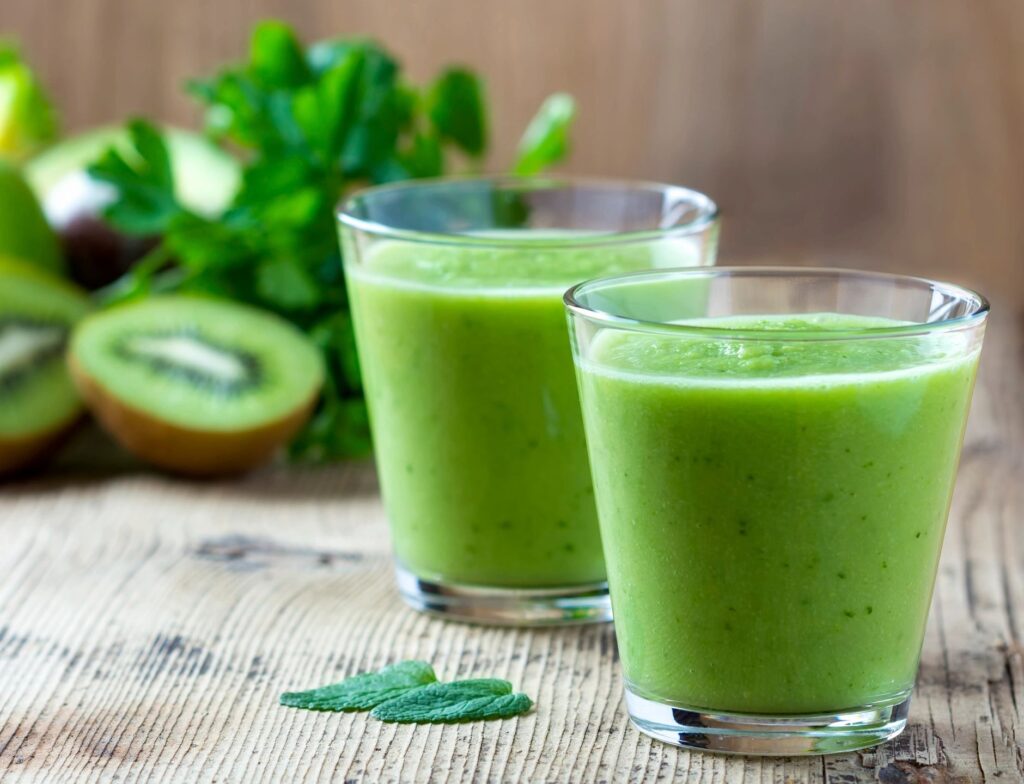
Health discussions are increasingly focusing on one area that was often overlooked in the past: gut health.
Researchers and health professionals continue to explore how digestion influences overall well-being, including energy, immunity, and even mood.
The digestive system plays a central role in how nutrients are absorbed and how the body functions overall. When digestion is disrupted, it can affect multiple aspects of health.
As awareness grows, people are paying closer attention to foods that support digestive balance. Fiber-rich meals, fermented foods, hydration, and balanced eating habits are becoming more widely discussed.
There is also growing understanding of the connection between stress and digestion. Emotional pressure can significantly affect gut health, reinforcing the relationship between mental and physical well-being.
This growing focus reflects a broader shift toward preventive health and long-term wellness.
And increasingly, gut health is being recognized as an essential foundation for overall health.
LIFESTYLE
Why Personal Privacy Is Becoming a Modern Luxury

In the digital age, privacy has become increasingly rare.
Social media, constant connectivity, and public sharing have created environments where much of daily life is visible online. As a result, personal privacy is becoming more valuable than ever.
Many people are becoming more selective about what they share publicly. Quiet living, private routines, and controlled visibility are increasingly viewed as forms of balance and self-protection.
Privacy creates emotional space. It allows individuals to think, grow, and make decisions without constant external observation.
This shift also reflects fatigue with performative culture. People are recognizing that not every experience needs to be documented or publicly validated.
And increasingly, the ability to maintain personal boundaries is becoming a modern form of freedom.
WELLNESS
Why Silence Is Becoming Part of Wellness Culture

Wellness culture often focuses on activity—exercise, productivity, routines, and constant self-improvement. Increasingly, however, silence itself is becoming recognized as beneficial.
Silence allows the mind to recover from constant stimulation. In environments filled with notifications, conversations, and media, quiet moments have become increasingly rare.
Many people are intentionally creating periods of silence through meditation, nature walks, or simply stepping away from digital devices.
These moments support emotional regulation and mental clarity.
Silence also creates space for reflection and deeper thinking.
And increasingly, wellness is being associated not only with action, but also with stillness.
Why Late Blooming Has Its Own Beauty

Some lives unfold early. Others deepen later.
We often celebrate early success. Less often the beauty of late blooming.
But there is richness in growth that arrives with maturity.
Perspective. Depth. Hard-earned clarity.
Things that come later may come stronger.
Do not confuse delayed visibility with diminished potential.
Many remarkable stories began long after people thought they were supposed to.
Life is not a race with one timeline.
And sometimes blooming later means blooming wiser.
FOOD
How to Make Plant-Based Meals Exciting Without Overthinking

Plant-based eating is growing globally, but many people struggle with monotony. Salads, grains, and legumes can feel repetitive if prepared the same way repeatedly.
The key to making plant-based meals exciting lies in flavor layering. Herbs, spices, and sauces transform simple ingredients into bold experiences. For instance, roasted chickpeas with smoked paprika can feel like a completely different dish from boiled chickpeas in a salad.
Another approach is texture contrast. Mixing soft, crunchy, and chewy ingredients creates interest with each bite. Roasted vegetables, toasted nuts, and fresh greens on one plate can elevate a simple meal into something memorable.
Additionally, explore global cuisines. Asian stir-fries, Mediterranean grain bowls, and Middle Eastern mezze can all be adapted to plant-based ingredients, offering variety without sacrificing nutrition.
Finally, consider presentation and color. Humans eat with their eyes first. Bright vegetables, artful plating, and contrasting colors enhance the perceived taste and satisfaction.
Plant-based eating doesn’t have to be bland or complicated. With creativity, it can be both nourishing and exciting.
2. FINANCE
Beginner Guide to Micro-Investing in 2026

Micro-investing has become a powerful tool for people who want to start building wealth without large upfront capital. Apps and platforms now allow users to invest small amounts, even spare change, into diversified portfolios.
The principle is simple: instead of waiting to save thousands before investing, you start with what you have and let compound interest do the work over time. Even $5–$10 a day can grow significantly over a decade.
Begin by selecting a reputable micro-investing platform. Look for low fees, user-friendly interfaces, and educational tools. Once registered, automate contributions — this ensures consistency without needing to think daily.
Diversification is crucial. Spread small investments across stocks, bonds, and ETFs to minimize risk. Micro-investing doesn’t eliminate risk, but it allows you to grow gradually and learn the market without major financial exposure.
Education complements practice. Learn the basics of asset allocation, risk tolerance, and long-term investing. Micro-investing is not a shortcut but a gateway to smarter financial habits.
Consistency, patience, and knowledge are the true drivers of success in this space.
3. HEALTH
How to Fix Poor Sleep Patterns Without Pills

Poor sleep is a growing global problem, often treated with short-term fixes like sleeping pills or alcohol. Yet these do not address the root cause: habits and environment.
Start with sleep hygiene. Set a consistent bedtime and wake-up schedule, even on weekends. Your body’s internal clock responds best to predictability.
Next, optimize your environment. Dark, cool, and quiet rooms promote deeper sleep. Avoid screens at least an hour before bed — blue light disrupts melatonin production.
Mindfulness also helps. Meditation, breathing exercises, or journaling before bed reduce mental chatter that keeps you awake.
Lastly, watch diet and activity. Avoid caffeine in the afternoon and heavy meals close to bedtime. Regular physical activity enhances sleep quality, but intense workouts too close to bedtime may have the opposite effect.
By addressing habits, environment, and mental state, poor sleep can be significantly improved naturally — without pills or dependency.
4. RELATIONSHIP
The Best Way to Rebuild Trust After a Break

Trust is the foundation of any meaningful relationship, yet it is fragile. Once broken, rebuilding it requires intentionality, honesty, and patience.
First, take responsibility. Acknowledge mistakes without excuses. Transparency demonstrates sincerity and commitment to change.
Next, communicate consistently. Avoid vague reassurances. Specific actions — keeping promises, being punctual, and showing empathy — carry more weight than words.
Patience is key. Trust isn’t restored overnight. Both parties need time to observe and confirm consistency in behavior.
Finally, consider professional support. Therapy or counseling can provide tools to navigate lingering resentment and rebuild emotional safety.
Rebuilding trust is challenging but possible when accountability, communication, and consistent action are prioritized.
5. LIFESTYLE
Beginner Guide to Decluttering Your Digital Life

Digital clutter affects focus, stress, and productivity. From overflowing emails to multiple unused apps, the virtual environment mirrors our mental state.
Start with email cleanup. Unsubscribe from non-essential lists and organize remaining emails into folders. Daily or weekly review prevents backlog accumulation.
Next, audit apps and devices. Delete unused apps, organize home screens, and streamline notifications. This reduces distraction and decision fatigue.
Cloud storage and digital filing systems help maintain long-term organization. Name files logically and create folders for categories like finances, work, and personal projects.
Finally, schedule regular digital maintenance. Weekly or monthly reviews prevent clutter from re-accumulating.
A clean digital life reduces cognitive load, improves focus, and restores a sense of control in an increasingly connected world.
6. ENTERTAINMENT
How to Choose Films That Truly Inspire You
Not all movies are created equal. Some entertain but leave no lasting impact. Selecting films that inspire or provoke thought requires intentional choices.
Start by identifying themes that resonate — courage, resilience, innovation, or empathy. Research reviews, but prioritize those focused on substance over spectacle.
Documentaries and biopics are often underutilized sources of inspiration. Real-life stories of individuals overcoming challenges provide actionable lessons.
Engaging with discussion groups or film clubs also enhances reflection. Shared perspectives can reveal insights you may have overlooked during solo viewing.
Finally, reflect after watching. Ask: What did I learn? How can I apply it? Inspiration grows when passive consumption becomes active reflection.
7. WELLNESS
The Best Way to Start a Mindfulness Practice in a Busy Life

Mindfulness is often associated with meditation retreats or long sessions — intimidating for beginners. In reality, it can be integrated into daily routines.
Start small: a 5-minute daily meditation focusing on breath awareness. Gradually extend as comfort grows.
Incorporate mindfulness into ordinary tasks: eating, walking, or even washing dishes. Paying attention to sensory details cultivates presence.
Use reminders. Phone alerts, sticky notes, or visual cues can trigger short mindfulness exercises throughout the day.
Consistency matters more than duration. Even brief daily practice reinforces calm, focus, and resilience over time.
8. INSPIRATION
Why Facing Discomfort Leads to Unexpected Growth
Discomfort is often avoided — whether through routines, distractions, or avoidance strategies. Yet real growth often occurs outside comfort zones.
Taking small risks, such as public speaking, cold showers, or learning new skills, strengthens resilience and adaptability.
Discomfort also teaches perspective. Facing fear, uncertainty, or difficulty enhances emotional intelligence and problem-solving skills.
Rather than avoiding discomfort, embrace it as a teacher. Incremental challenges foster confidence, skill, and personal growth.
9. REAL ESTATE
Beginner Guide to Evaluating a Property Before Buying

Purchasing a property is often the largest financial decision people make. Evaluating potential purchases carefully is crucial.
Start with location. Proximity to work, schools, and amenities affects lifestyle and property value.
Inspect the property thoroughly. Look for structural issues, plumbing, and electrical integrity. Consider hiring a professional inspector.
Understand the financial implications. Property taxes, maintenance costs, and HOA fees impact affordability.
Finally, assess long-term potential. Consider resale value, neighborhood trends, and personal goals.
A structured evaluation process reduces risk and ensures a smarter investment decision.
FOOD
Why You Get Bored of the Same Meals (Even If You Once Loved Them)
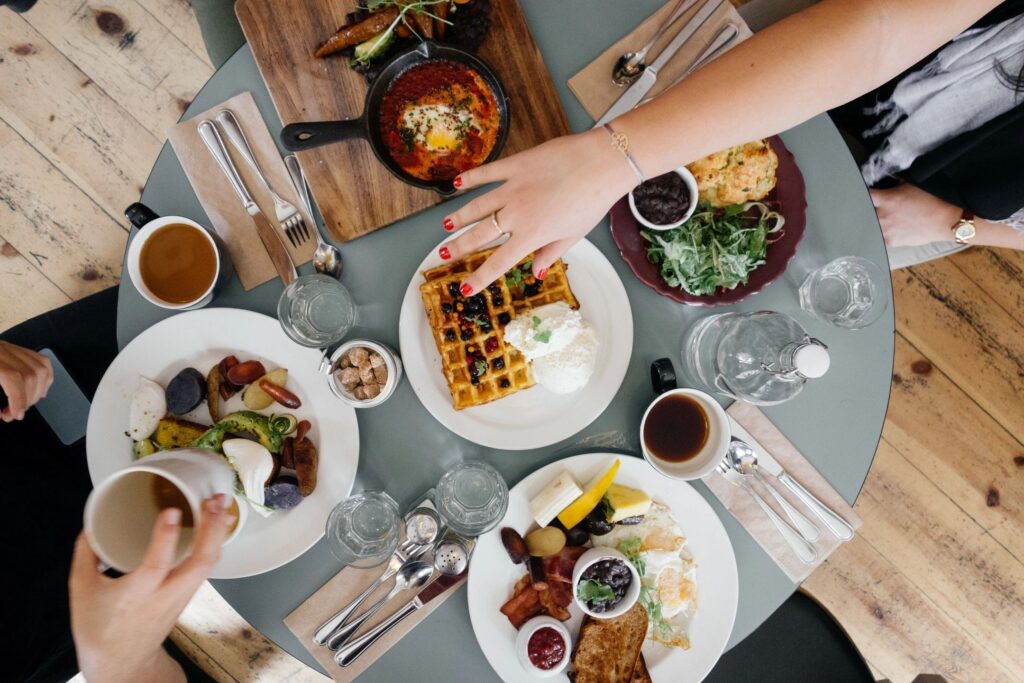
There’s a moment many people experience: a meal you once loved suddenly feels unappealing. You’ve eaten it so many times that even the thought of it feels repetitive. This isn’t about the food losing quality — it’s about how your brain responds to repetition.
Humans naturally seek variety. When you eat the same meals repeatedly, your brain becomes familiar with the taste, texture, and experience. What once felt enjoyable becomes predictable. And predictability, over time, reduces excitement.
This is why even your favorite dishes can lose their appeal.
Interestingly, this doesn’t mean you need to completely change your diet. The key is variation, not replacement.
Small changes can make a big difference. Adjusting seasoning, cooking methods, or presentation can create a new experience from the same ingredients. For example, grilled chicken can feel entirely different from roasted or stir-fried chicken, even though the base ingredient is the same.
Another factor is context. Eating the same meal in a different setting, with different sides, or at a different time of day can shift how it feels.
Variety doesn’t have to be complex. It’s about keeping your meals interesting enough to stay engaged.
Because the goal isn’t just to eat — it’s to enjoy the experience consistently over time.
2. FINANCE
Why Earning More Money Doesn’t Always Solve Financial Stress

It seems logical: if you earn more money, your financial stress should decrease. But for many people, the opposite happens.
As income increases, so do expectations.
Lifestyle upgrades begin to appear — better housing, more spending, more financial commitments. What once felt like a comfortable income now feels just enough to maintain the new standard.
This creates a cycle known as lifestyle expansion.
Instead of reducing stress, higher income can introduce new pressures. Larger expenses mean greater responsibility. There is more to manage, more to maintain, and often more to worry about.
The issue is not income — it’s how it’s managed.
Without intentional decisions, spending naturally rises with earnings. This prevents real financial progress.
Breaking this cycle requires awareness.
Instead of automatically upgrading your lifestyle, pause and decide what truly adds value to your life. Increase savings and investments alongside income, not after expenses.
Financial stability comes from control, not just earnings.
Because earning more only helps if you manage more effectively.
3. HEALTH
The Hidden Impact of Sitting for Too Long

Modern life encourages sitting — at work, at home, during travel, even during leisure time. While it may feel harmless, prolonged sitting has subtle but significant effects on the body.
When you sit for extended periods, your muscles become inactive. Circulation slows, posture weakens, and energy levels drop.
Over time, this can lead to discomfort, stiffness, and reduced mobility.
The challenge is that these effects are gradual. You don’t notice them immediately, which makes them easy to ignore.
But the impact builds.
The solution is not necessarily intense exercise. It’s consistent movement.
Standing up regularly, stretching, walking short distances — these small actions interrupt long periods of inactivity and help maintain balance.
Even brief movement can improve circulation and energy.
The goal is not to eliminate sitting entirely — that’s unrealistic. The goal is to reduce how long you remain inactive at one time.
Because health is influenced not just by what you do occasionally, but by what you do consistently throughout the day.
4. RELATIONSHIP
Why Assumptions Create Distance in Relationships

Assumptions are one of the most common sources of misunderstanding in relationships.
You assume someone knows how you feel. You assume they understand your expectations. You assume their actions mean something specific.
But assumptions are rarely accurate.
When you assume instead of communicate, you create a gap between perception and reality.
This gap leads to confusion. One person believes something is understood, while the other is unaware.
Over time, this creates frustration.
Clear communication reduces this gap.
Expressing thoughts, expectations, and feelings openly may feel uncomfortable, but it prevents long-term misunderstandings.
It also creates stronger connection.
Because relationships are not built on assumptions — they are built on understanding.
5. LIFESTYLE
Why You Feel Like You Never Have Enough Time

Many people feel like time is always limited.
No matter how much they do, there’s always something left unfinished.
This feeling is not always about lack of time — it’s about how time is perceived.
When your day is filled with constant tasks, interruptions, and decisions, it creates a sense of pressure.
Even small tasks add up, making the day feel overwhelming.
Another factor is lack of prioritization.
When everything feels important, nothing stands out. Time becomes scattered across too many activities.
The solution is not to do more, but to focus differently.
Identifying a few key priorities each day creates clarity.
This shifts the focus from quantity to quality.
Because having enough time is not always about the hours available — it’s about how those hours are used.
6. ENTERTAINMENT
Why You Sometimes Lose Interest Halfway Through a Movie
It’s common to start watching something with interest, only to lose focus halfway through.
This doesn’t always mean the content is bad.
Attention naturally fluctuates.
If the pacing slows, or the story doesn’t maintain engagement, your focus shifts elsewhere.
External factors also play a role — distractions, mood, or fatigue can reduce attention.
Another reason is expectation.
If the beginning of a movie creates a certain expectation that isn’t met, interest declines.
Understanding this helps you make better choices.
Not every piece of content needs to be finished.
Choosing what to continue and what to leave allows you to spend your time more intentionally.
7. WELLNESS
The Quiet Effect of Spending Time Alone

Spending time alone is often misunderstood.
Some see it as loneliness, but it can also be a form of balance.
Being alone creates space to think, reflect, and reset.
Without constant interaction, your mind has time to process experiences.
This can improve clarity and reduce stress.
However, balance matters.
Too much isolation can feel disconnecting, while too little alone time can feel overwhelming.
Understanding your personal balance is key.
Because time alone is not about isolation — it’s about connection with yourself.
8. INSPIRATION
Why You Don’t Need a Perfect Plan to Move Forward
Many people delay action because they feel unprepared.
They want a clear plan, complete certainty, and confidence before starting.
But progress rarely begins that way.
Clarity often comes after action, not before.
Starting with incomplete information allows you to learn and adjust.
Waiting for perfection delays growth.
Because the most important step is not planning — it’s beginning.
9. REAL ESTATE
Why Smaller Spaces Are Becoming More Appealing

There is a growing shift toward smaller living spaces.
This is not just about cost — it’s about lifestyle.
Smaller spaces require less maintenance, lower expenses, and more efficient use of resources.
They also encourage simplicity.
With limited space, people become more intentional about what they keep.
This creates a more organized and manageable environment.
The appeal is not just practical — it’s psychological.
Less space can mean less stress.
Because sometimes, having less creates more clarity.
FOOD
Why Following Food Trends Can Actually Ruin Your Taste Buds

Social media is flooded with food trends — smoothie bowls topped with exotic fruits, charcoal ice cream, keto everything, air fryer obsessions. On the surface, keeping up seems harmless, even fun. But if you follow these trends blindly, you may be unintentionally reshaping your taste buds and changing the way you perceive food.
Taste is not just a sense; it is a dynamic skill. When you constantly seek extreme flavors or novel combinations, your palate begins to crave intensity over simplicity. A simple, fresh tomato might no longer excite you. A plain salad may feel bland. The more extreme or flashy the trend, the more your baseline expectation of “taste” shifts.

This has psychological implications as well. When your meals are dictated by trends rather than your own preference, eating becomes a performance. You chase approval, likes, or the idea of being trendy, rather than enjoying what naturally nourishes and satisfies your body.
Balance is crucial. Trends are not inherently bad — they can introduce you to new flavors and ideas — but they shouldn’t dominate your diet. Reconnecting with foundational foods and simple cooking helps maintain a natural, enjoyable palate. Fresh vegetables, seasonal fruits, grains, and simple proteins form the backbone of sustainable eating.
Another overlooked aspect is sustainability. Many trends focus on imported superfoods or rare ingredients. Chasing these trends contributes to environmental strain and high food costs. Returning to local, seasonal, and simple ingredients is not only healthier for your body but better for the planet.
In the end, food should feel like a conversation with your body. Listen to what you enjoy, experiment when curious, but don’t let external pressures dictate your habits. Your taste buds, long-term satisfaction, and overall health will thank you.
2. FINANCE
Why Saving Isn’t Enough to Make You Wealthy

For decades, conventional wisdom has preached: save money, and you will become wealthy. While saving is important, it is only part of the equation. Real financial growth requires leveraging money through investments, strategic decisions, and creating multiple streams of income.
The difference is subtle but powerful. Two people can each save $500 per month. One keeps it in a savings account earning minimal interest, while the other invests in stocks, real estate, or a small business. Over time, the second person’s money multiplies through compound growth, while the first may feel stuck despite disciplined saving.
Many people are hesitant to invest because they fear loss or complexity. Yet, even small, calculated risks outperform passive saving over long periods. Understanding risk, diversification, and compound growth is essential. Learning how money works — not just how to hold it — separates true financial independence from stagnation.
Another critical factor is mindset. Saving alone often ties satisfaction to restraint. You may deny yourself enjoyable experiences in the name of future security but feel little progress. Leveraging money allows you to create freedom while still securing your future.
It’s also about time. The earlier you begin leveraging money, the greater the potential for growth. A small amount invested consistently over decades compounds far more than larger amounts saved later.
In essence, wealth is not about hoarding money. It’s about using it strategically, making decisions that increase value, and letting your resources work for you.
3. HEALTH
The Surprising Reason Your Workouts Aren’t Working

You exercise consistently. You hit the gym, run, lift, or practice yoga. Yet results come slowly — sometimes frustratingly so. The problem often lies not in effort but in how your body recovers and adapts.
Overtraining is a common mistake. Many believe that more effort equals faster results, but your muscles, metabolism, and nervous system need recovery. Without proper rest, workouts can lead to fatigue, plateauing, or even injury.
Sleep is another underestimated factor. Your body repairs muscle tissue, balances hormones, and consolidates energy during rest. Skimping on sleep undermines progress, regardless of intensity or frequency.
Nutrition is equally crucial. Eating without proper protein, vitamins, or hydration prevents your body from adapting to workouts. Energy and focus drop, and muscles fail to rebuild efficiently.
A smart approach balances effort with recovery. This might mean alternating intense and light sessions, integrating active recovery like walking or stretching, and prioritizing rest days. Paying attention to your body’s cues — soreness, fatigue, sleep patterns — allows adjustments before issues escalate.
Consistency over intensity wins in the long run. Short, focused, and well-recovered workouts are more effective than prolonged sessions fueled by sheer willpower.
Finally, mental recovery matters. Stress, work, and emotional strain affect energy levels and performance. Meditation, mindfulness, and stress management enhance overall fitness outcomes.
Your workout is not just about what you do in the gym. It’s about how you manage rest, nutrition, and mental balance. Smart effort ensures results; blind effort often does not.
4. RELATIONSHIP
Why Sometimes You Need to Speak Less to Be Heard

Have you noticed that the more you explain, the less people seem to understand? Conversations are tricky. We assume that quantity ensures clarity — that repeating and expanding our point makes it stick. Often, the opposite happens.
Speaking less, intentionally, allows your words to carry weight. It creates space for reflection, for the listener to process, and for a deeper connection to emerge. Silence is not emptiness; it is opportunity.
Timing and tone also matter. Pausing before responding allows you to frame thoughts more effectively, while allowing the other person to respond genuinely.
Another aspect is emotional space. Over-explaining often stems from anxiety or the need to be understood perfectly. Ironically, this behavior can alienate others because they feel overwhelmed or pressured.
Clarity comes not from volume but from presence, authenticity, and focus. By speaking less, you invite true listening, which builds understanding even when opinions differ.
Intentional communication strengthens relationships. It creates a rhythm of dialogue that is both heard and respected.
5. LIFESTYLE
Why Multitasking Is Slowly Stealing Your Life

Multitasking is praised in modern society — doing emails while attending a meeting, scrolling social media while cooking, or checking messages while working. But science proves it decreases efficiency, increases errors, and exhausts your mind.
The brain is designed for focus, not constant switching. Every time you switch tasks, you incur a “cognitive cost,” slowing progress and reducing quality.
Single-tasking — focusing on one thing at a time — may feel slower initially but produces more meaningful results. Completing a task fully before moving on reduces mental clutter and stress.
Multitasking also affects emotional health. Constant partial attention fragments experience, leaving a feeling of incompletion and dissatisfaction. You might finish the day exhausted yet feel you achieved little.
Breaking the habit requires intention. Start with time blocks dedicated to one task, turn off notifications, and resist the urge to split focus. Gradually, the brain adapts, improving both productivity and mental well-being.
By valuing depth over speed, single-tasking restores control and presence in daily life.
6. ENTERTAINMENT
Why We Keep Watching Shows We Hate

There’s a strange phenomenon in entertainment: we continue watching shows, movies, or series even when we know we aren’t enjoying them. You might finish a season that leaves you frustrated, bored, or unimpressed. Why do we do it?
The answer lies in human psychology. We dislike leaving things unfinished. Storytelling is designed to exploit this trait. Cliffhangers, episodic tension, and unresolved story arcs create a mental pull that makes it hard to stop. Each episode ends with a small “reward” — curiosity, suspense, or emotional satisfaction — which keeps us returning despite diminishing enjoyment.
This is often compounded by social factors. Friends, online communities, or trending discussions add pressure to keep watching, even when the content doesn’t resonate personally. The fear of being out of the loop or missing cultural touchpoints drives continued consumption.
Another factor is habit. Watching becomes automatic — a way to fill downtime or avoid thinking. Instead of evaluating what truly entertains or inspires us, we follow the routine. It becomes less about enjoyment and more about completion.
Recognizing this pattern is liberating. You can reclaim your time by intentionally evaluating content before consuming it. Ask yourself: does this show genuinely add value, laughter, or insight? Or am I just watching out of habit, expectation, or fear of missing out?
Breaking the cycle is simple but requires conscious effort. Take breaks, skip content that no longer engages, and focus on material that genuinely enriches your life. This isn’t just about entertainment — it’s about mastering attention and emotional energy in a world designed to distract.
When you stop mindlessly watching, you rediscover the joy of stories that resonate, challenge, or inspire. Entertainment becomes a tool, not a trap.
7. WELLNESS
Why Chasing Happiness Can Actually Make You Miserable

Happiness is often treated as a goal — a prize to attain. But this pursuit can backfire. When happiness becomes an objective, every moment is evaluated against whether it “counts” as joyful. Life becomes a constant self-assessment: Am I happy yet? Am I doing enough?
Paradoxically, chasing happiness too aggressively often leads to anxiety, dissatisfaction, and even depression. The more we focus on feeling good, the less satisfied we feel, because real life includes discomfort, challenge, and complexity.
Instead, meaningful engagement produces a deeper form of contentment. This comes from pursuing purpose, learning new skills, contributing to others, or entering “flow” states where time disappears and focus is total. These moments may not feel blissful in a superficial sense, but they create a sustained sense of fulfillment.
A practical approach is to stop evaluating every action through the lens of immediate happiness. Focus on growth, curiosity, and contribution. Enjoyment often follows as a byproduct, not a direct aim.
It’s also important to redefine happiness. Contentment is not a constant euphoria but a balanced awareness of life’s highs and lows. By embracing this perspective, you reduce pressure, improve mental resilience, and cultivate genuine well-being.
Ultimately, the lesson is clear: don’t chase happiness directly. Live intentionally, engage meaningfully, and let true satisfaction emerge naturally.
8. INSPIRATION
The Power of Starting Where You Are, Not Where You Wish You Were

Many people wait for the “perfect conditions” to start a project, pursue a goal, or make a change. They think: I’ll start once I have more experience, money, confidence, or time. This mindset creates stagnation because ideal conditions rarely exist.
Starting where you are is about acknowledging your current resources, knowledge, and abilities — however imperfect they may seem. Action, even small and hesitant, builds momentum. Each step provides lessons, feedback, and adjustments that refine your path forward.
Consider real-life examples: a writer begins with imperfect drafts, a business owner starts with minimal funding, a musician practices in a noisy apartment. In all cases, progress occurs not because conditions were ideal but because consistent effort was applied.
Starting now also reduces fear. Action confronts uncertainty and builds confidence organically. Waiting for perfection often magnifies doubt, making the initial leap harder over time.
Practical tips: break your goals into small, manageable tasks. Start with one simple step today, then the next tomorrow. Measure progress not by immediate perfection but by momentum.
Inspiration is not about waiting for readiness — it’s about embracing imperfection and using your present circumstances as fuel for growth.
9. REAL ESTATE
Why Buying a Home Isn’t Always the Smart Choice

Cultural narratives push homeownership as the ultimate milestone — proof of success, stability, or adulthood. Yet buying a property isn’t always the best move for your finances or lifestyle.
Renting offers flexibility: you can move for opportunities, explore different neighborhoods, and avoid costly repairs or maintenance. Homeownership, especially early in life, often brings debt, unexpected expenses, and restricted mobility.
Financially, property isn’t guaranteed to grow in value quickly. Market fluctuations, local economic conditions, and hidden costs like taxes or repairs can turn a “smart investment” into a burden. Many first-time buyers underestimate these risks.
Lifestyle considerations matter, too. A rented apartment allows exploration without long-term commitment. It can provide freedom to change jobs, cities, or even countries without the constraints of mortgage obligations.
The key is self-awareness: what aligns with your financial goals, career trajectory, and personal priorities? If flexibility and low risk are important, renting may be superior. If long-term equity and stability are priorities, buying might make sense.
The lesson: homeownership should be a choice, not a societal expectation. Align decisions with your life, not pressure or perception.
10. FRANKLY SPEAKING WITH FRANCA
Q: I feel stuck in life and don’t know which path to take. How can I move forward?
Franca’s Answer: Feeling stuck is common, especially when choices feel overwhelming. The first step is to clarify what truly matters to you. What aligns with your values, strengths, and long-term goals?
Start small. Instead of waiting for a perfect plan, experiment. Try a side project, volunteer, or take a short course. These actions produce clarity by showing what excites and motivates you.
Movement creates insight. Waiting for certainty often prolongs stagnation. Action — even imperfect — illuminates possibilities and reduces fear.
Remember: life paths are rarely linear. Flexibility, reflection, and intentional action are more valuable than waiting for perfect clarity.
11. PERSONAL DEVELOPMENT
Why Consistency Beats Motivation Every Time

Motivation is fleeting. One day you wake up inspired, ready to tackle goals; the next, you struggle to start even simple tasks. Relying on motivation alone is unreliable.
Consistency is the real driver of progress. Daily habits, routines, and incremental effort compound over time, creating results that motivation alone cannot achieve.
Breaking projects into smaller steps ensures momentum. The focus is on action, not inspiration. You may not feel like it, but showing up consistently builds progress.
Consistency also builds confidence. Completing tasks, even small ones, reinforces capability and resilience. Motivation may spark action, but habit sustains it.
Practical tips: schedule tasks, set reminders, track progress, and reward small wins. Over time, these systems replace dependence on fluctuating inspiration.
The takeaway: success is less about bursts of enthusiasm and more about showing up daily, learning from mistakes, and steadily moving forward.
FOOD
1. FOOD
Why Cooking Feels Like a Chore — And How to Change That
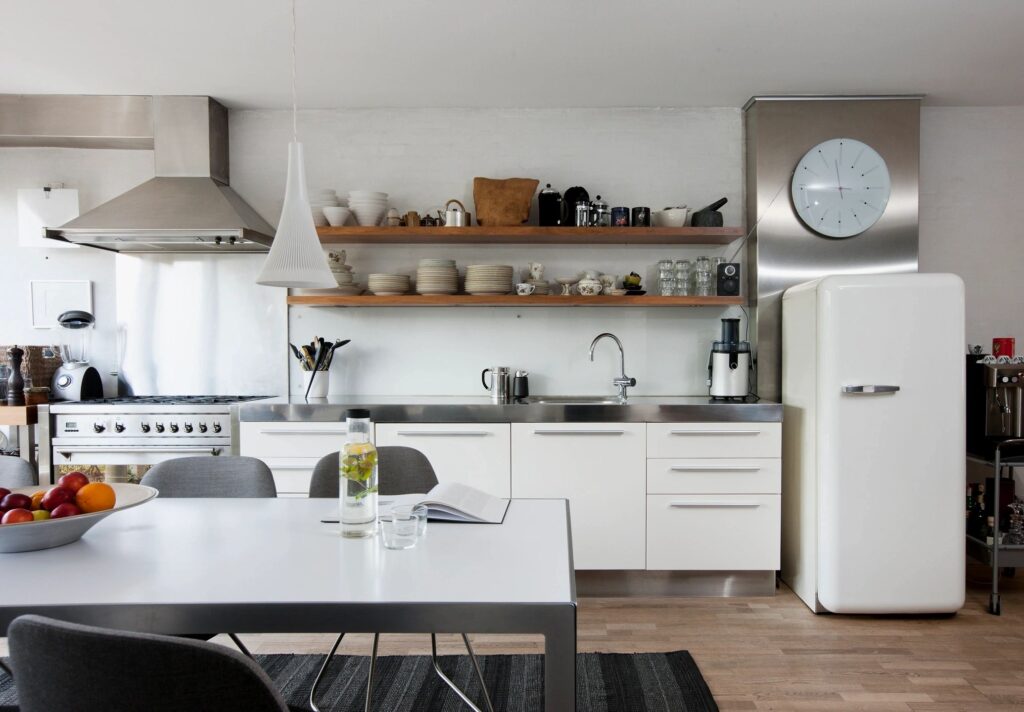
There are days when cooking feels enjoyable, almost relaxing. And then there are days when it feels like a burden — something you have to do rather than something you want to do.
This difference is not always about the food itself. It’s often about how the process fits into your day.
When cooking is rushed, unplanned, or done out of obligation, it naturally feels like a chore. You’re thinking about time, effort, and everything else you still need to do.
But when the process is simplified, something changes.
Reducing the number of decisions — knowing what to cook, having ingredients ready, keeping meals simple — removes a lot of the pressure.
Environment matters too. A cluttered kitchen makes cooking feel harder. A clean, organized space makes it feel more manageable.
Another factor is expectation. Trying to cook something perfect every time adds unnecessary stress. Not every meal needs to be impressive.
Sometimes, cooking becomes easier when you stop treating it as a performance and start treating it as a routine.
Because the goal isn’t to enjoy every moment of cooking — it’s to make it feel less difficult overall.
2. FINANCE
The Subtle Difference Between Spending and Investing in Your Life

Not all spending is the same, even if it looks similar on the surface.
Two people can spend money in similar ways but experience very different outcomes.
One spends on things that provide short-term satisfaction but little long-term value. The other spends on things that improve their skills, health, or opportunities.
The difference is not always obvious in the moment.
Spending becomes investing when it contributes to future benefit.
This doesn’t only apply to money. Time and energy work the same way.
Understanding this distinction changes how decisions are made.
Instead of asking whether something is worth the cost, the question becomes whether it adds value beyond the present moment.
Not every expense needs to be justified this way. But being aware of the difference creates better balance.
Because over time, what you invest in shapes what you become.
3. HEALTH
Why You Feel Worse After Doing Nothing All Day

It seems logical that doing nothing should feel relaxing. But often, a day without activity leaves you feeling more tired, not less.
This happens because rest and inactivity are not the same thing.
Rest restores energy. Inactivity without purpose can actually reduce it.
When you stay inactive for long periods, both physical and mental energy can drop. Movement, even light movement, helps maintain balance.
There’s also a mental aspect. A lack of structure can create a sense of stagnation, which affects how you feel.
This is why even small activities — a short walk, simple tasks, or light engagement — can make a difference.
The goal is not to stay busy, but to stay active enough to feel balanced.
Because doing nothing is not always as restful as it seems.
4. RELATIONSHIP
The Difference Between Being Understood and Being Agreed With

In many conversations, especially difficult ones, people seek agreement.
But what most people actually need is understanding.
Being agreed with means someone shares your opinion. Being understood means they recognize your perspective, even if they don’t share it.
Confusing the two can lead to frustration.
You may feel unheard, even when the other person is listening, simply because they don’t agree.
But true communication allows space for both perspectives.
Understanding creates connection, even in disagreement.
It allows conversations to move forward instead of becoming arguments.
And in relationships, that distinction makes a significant difference.
5. LIFESTYLE
Why Free Time Sometimes Feels Harder Than Being Busy

It sounds strange, but many people feel more comfortable being busy than having free time.
When you’re busy, your time is structured. You know what to do, and your focus is directed.
Free time, on the other hand, requires decisions.
What should you do? How should you spend it? What matters most?
This freedom can feel overwhelming.
Without structure, it’s easy to fall into passive habits — scrolling, watching, or doing things that don’t feel meaningful.
Creating light structure for free time can help.
It doesn’t mean planning everything, but having a general idea of how you want to spend it.
Because free time is valuable — but only if it’s used intentionally.
6. ENTERTAINMENT
Why Some Content Feels Addictive — Even When It’s Not That Good

Have you ever continued watching something, even when you know it’s not particularly interesting?
This happens because of how content is designed.
Cliffhangers, quick pacing, and constant stimulation keep attention engaged.
Each moment creates a small reason to continue, even if the overall experience isn’t meaningful.
This is different from genuinely engaging content, which holds attention through quality and connection.
Recognizing this difference helps you choose what to consume more intentionally.
Not all content that holds your attention deserves your time.
And sometimes, the most engaging content is not the most valuable.
7. WELLNESS
The Impact of Starting Your Day in a Rush

The way your day begins often sets the tone for everything that follows.
Starting in a rush creates immediate pressure.
You move quickly, react instead of plan, and carry that sense of urgency throughout the day.
Even if the rest of the day is manageable, that initial stress can linger.
Starting calmly, even for a short period, creates a different effect.
It allows you to think clearly, prioritize, and approach the day with more control.
This doesn’t require a long routine.
Even a few minutes of calm can shift how the day feels.
Because how you start often influences how you continue.
8. INSPIRATION
Why You Don’t Need to Feel Confident to Take Action

Confidence is often seen as a requirement for action.
People wait until they feel ready, certain, and sure of themselves.
But confidence usually comes after action, not before.
Taking action without confidence is uncomfortable, but it creates experience.
And experience builds confidence.
Waiting for confidence can delay progress indefinitely.
Starting without it may feel uncertain, but it moves you forward.
Because confidence is not the starting point — it’s the result.
9. REAL ESTATE
Why Location Feels Different at Different Times of the Day

A location can feel completely different depending on when you experience it.
A quiet area during the day may feel busy at night. A lively place in the evening may feel empty in the morning.
This variation is often overlooked when choosing property.
Visiting a location at only one time can give an incomplete picture.
Observing it at different times provides better understanding.
It reveals patterns — noise levels, activity, and overall atmosphere.
This information can influence long-term satisfaction.
Because location is not just about where it is — it’s about how it feels over time.
10. FRANKLY SPEAKING WITH FRANCA
Q: I feel like I’m always waiting for the “right time” to do things. How do I stop that?
Franca’s Answer: The idea of the “right time” is often more of a feeling than a reality.
In most cases, conditions are never perfect. There will always be something missing — more time, more confidence, more clarity.
Waiting can feel safe, but it often delays progress.
Instead of waiting for the right time, focus on starting with what you have.
You can adjust along the way. But you can’t adjust something you haven’t started.
11. PERSONAL DEVELOPMENT
Why You Struggle to Finish What You Start

Starting something new is exciting. There’s energy, motivation, and curiosity.
But finishing is different.
As you continue, challenges appear. The work becomes less exciting and more demanding.
This is where many people stop.
Not because they lack ability, but because the process changes.
Understanding this helps manage expectations.
The middle stage is often the hardest — it’s where progress requires consistency rather than excitement.
Breaking tasks into smaller parts and focusing on completion, not perfection, makes finishing easier.
Because success is not just about starting — it’s about continuing until the end.
FOOD
The Night You Don’t Feel Like Cooking — And What It Reveals About Your Habits

There’s always that one evening. You’re tired, maybe slightly overwhelmed, and the thought of cooking feels like too much effort. You open the fridge, stare for a few seconds, then close it again without making a decision.
In that moment, your habits are revealed more clearly than at any other time.
Do you order something quickly? Skip the meal entirely? Snack instead of preparing proper food? Or do you find a simple way to make something work?
These moments matter more than the well-planned ones.
Anyone can cook when they have energy, time, and motivation. But your real food habits show up when those things are missing.
This is where having simple “fallback meals” becomes important. Not elaborate recipes, just easy options you can rely on — something quick, familiar, and satisfying.
Because the goal isn’t perfection. It’s consistency.
The nights when you don’t feel like cooking are not exceptions. They are part of your routine.
And how you handle them often shapes your long-term habits more than your best days.
2. FINANCE
The Day You Realize Money Is About Choices, Not Just Numbers

At some point, there’s a shift in how you see money.
It stops being just about how much you have, and starts becoming about what you choose to do with it.
Two people with the same income can live completely different lives. One may feel constantly restricted, while the other feels in control.
The difference is not always the amount — it’s the decisions behind it.
Every financial choice carries a trade-off. Spending in one area often means limiting another.
Understanding this changes your perspective.
Instead of asking “Can I afford this?”, the question becomes “Is this what I want to prioritize?”
This shift brings clarity.
Money stops feeling like something that controls you, and starts becoming something you direct.
And once you see it that way, your decisions become more intentional.
3. HEALTH
What Your Body Tries to Tell You Before You Burn Out

Burnout rarely happens suddenly.
Before it reaches that point, there are signs — small, often ignored signals that something is off.
You feel more tired than usual, even after resting. Concentration becomes harder. Small tasks feel heavier than they should.
You may notice irritability, lack of motivation, or a general sense of mental fog.
These are not random. They are indicators.
The problem is that they are easy to dismiss. You tell yourself it’s just a busy period, that things will settle soon.
But when these signals are consistently ignored, they build.
Listening to your body earlier can prevent reaching that breaking point.
This might mean taking breaks, adjusting your workload, or simply acknowledging that you need rest.
Health is not just about reacting when something goes wrong.
It’s about paying attention before it does.
4. RELATIONSHIP
The Moment You Realize You’re Not Saying What You Really Feel

There are conversations where you speak, but not completely honestly.
You soften your words, avoid certain topics, or say what feels easier instead of what is true.
At first, it seems harmless.
But over time, these small omissions create distance.
When you don’t express what you actually feel, the other person responds to something incomplete.
This can lead to misunderstandings or a sense of disconnection.
Honesty in relationships doesn’t mean saying everything without thought.
It means being clear enough that you are understood.
That requires courage, especially when the conversation is uncomfortable.
But without that clarity, communication becomes surface-level.
And real connection requires more than that.
5. LIFESTYLE
Why Your Routine Stops Working (Even When It Used to Work Perfectly)

A routine that once felt effective can suddenly feel difficult.
What used to be manageable becomes frustrating. What once worked no longer fits.
This is not failure — it’s change.
Your life is not static. Responsibilities shift, priorities evolve, and energy levels fluctuate.
When your routine doesn’t adapt, it becomes outdated.
The mistake many people make is trying to force the old system to keep working.
Instead, routines should be flexible.
They need to be adjusted based on your current situation, not your past one.
Letting go of what used to work can be difficult.
But creating something that fits your present life is what keeps you moving forward.
6. ENTERTAINMENT
The Strange Satisfaction of Watching Something You Already Know the Ending To

There’s something interesting about choosing to watch a movie or show when you already know how it ends.
At first, it seems unnecessary. Why watch something when the outcome is already known?
But the experience is different.
Instead of focusing on what will happen, you notice how it happens.
Details become clearer. Performances stand out. Small moments that were missed before become meaningful.
There’s also a sense of comfort in familiarity.
You know what to expect, which makes the experience more relaxed.
This type of viewing is less about discovery and more about appreciation.
It shows that entertainment is not only about surprise — it’s also about connection.
7. WELLNESS
The Feeling of Finally Slowing Down — And Why It Feels Uncomfortable at First

Slowing down sounds appealing in theory.
Less pressure, more calm, more time to think.
But when it actually happens, it can feel uncomfortable.
Without constant activity, thoughts become louder. You become more aware of things you may have been avoiding.
This discomfort often leads people to fill the space again — with work, distractions, or noise.
But staying in that quiet moment is where clarity begins.
It allows you to process, reflect, and reset.
Slowing down is not always easy, but it is often necessary.
And over time, what once felt uncomfortable can become something you value.
8. INSPIRATION
The Point Where You Stop Waiting and Start Deciding
There’s a shift that happens when you stop waiting for the right moment.
Waiting for the right time, the right conditions, the right level of confidence.
At some point, you realize that waiting doesn’t always lead to action.
Deciding does.
Making a decision, even without perfect conditions, creates movement.
It doesn’t guarantee success, but it removes hesitation.
This shift from waiting to deciding changes how you approach things.
Instead of hoping something happens, you choose to make it happen.
And that decision often becomes the starting point for progress.
9. REAL ESTATE
The First Visit That Changes How You See a Property

Looking at property online and seeing it in person are completely
different experiences.
A place that looks perfect in photos may feel different when you walk through it.
Space feels different. Light changes perception. The surrounding area adds context.
Sometimes, a property exceeds expectations. Other times, it falls short.
This is why physical visits matter.
They provide a sense of reality that cannot be captured through images alone.
Decisions based only on appearance can miss important details.
Seeing a place in person brings clarity.
And often, that first visit tells you more than any listing ever could.
10. FRANKLY SPEAKING WITH FRANCA
Q: I feel like I’m doing the same things every day and nothing is changing. How do I break out of that?
Franca’s Answer: When life starts to feel repetitive, it’s usually because your actions have become automatic. You’re doing things out of habit, not intention.
Breaking that cycle doesn’t require a big change. It starts with doing something differently, even in a small way.
Change your routine slightly. Try something new. Adjust how you approach your day.
Even small shifts can create a different experience.
Repetition feels stagnant, but change — even small change — creates movement.
11. PERSONAL DEVELOPMENT
The Real Reason You Avoid Certain Tasks
There are always tasks you delay, even when you know they’re important.
It’s easy to label this as laziness, but often, there’s a deeper reason.
The task may feel overwhelming, unclear, or uncomfortable.
Avoidance is usually a response to how something feels, not what it is.
Breaking the task into smaller steps can make it more approachable.
Starting, even in a small way, reduces resistance.
Once you begin, the task often feels less difficult than expected.
Understanding why you avoid something is the first step to dealing with it.
Because the issue is rarely the task itself — it’s how you perceive it.
1. FOOD
The Night You Don’t Feel Like Cooking — And What It Reveals About Your Habits
There’s always that one evening. You’re tired, maybe slightly overwhelmed, and the thought of cooking feels like too much effort. You open the fridge, stare for a few seconds, then close it again without making a decision.
In that moment, your habits are revealed more clearly than at any other time.
Do you order something quickly? Skip the meal entirely? Snack instead of preparing proper food? Or do you find a simple way to make something work?
These moments matter more than the well-planned ones.
Anyone can cook when they have energy, time, and motivation. But your real food habits show up when those things are missing.
This is where having simple “fallback meals” becomes important. Not elaborate recipes, just easy options you can rely on — something quick, familiar, and satisfying.
Because the goal isn’t perfection. It’s consistency.
The nights when you don’t feel like cooking are not exceptions. They are part of your routine.
And how you handle them often shapes your long-term habits more than your best days.
2. FINANCE
The Day You Realize Money Is About Choices, Not Just Numbers
At some point, there’s a shift in how you see money.
It stops being just about how much you have, and starts becoming about what you choose to do with it.
Two people with the same income can live completely different lives. One may feel constantly restricted, while the other feels in control.
The difference is not always the amount — it’s the decisions behind it.
Every financial choice carries a trade-off. Spending in one area often means limiting another.
Understanding this changes your perspective.
Instead of asking “Can I afford this?”, the question becomes “Is this what I want to prioritize?”
This shift brings clarity.
Money stops feeling like something that controls you, and starts becoming something you direct.
And once you see it that way, your decisions become more intentional.
3. HEALTH
What Your Body Tries to Tell You Before You Burn Out
Burnout rarely happens suddenly.
Before it reaches that point, there are signs — small, often ignored signals that something is off.
You feel more tired than usual, even after resting. Concentration becomes harder. Small tasks feel heavier than they should.
You may notice irritability, lack of motivation, or a general sense of mental fog.
These are not random. They are indicators.
The problem is that they are easy to dismiss. You tell yourself it’s just a busy period, that things will settle soon.
But when these signals are consistently ignored, they build.
Listening to your body earlier can prevent reaching that breaking point.
This might mean taking breaks, adjusting your workload, or simply acknowledging that you need rest.
Health is not just about reacting when something goes wrong.
It’s about paying attention before it does.
4. RELATIONSHIP
The Moment You Realize You’re Not Saying What You Really Feel
There are conversations where you speak, but not completely honestly.
You soften your words, avoid certain topics, or say what feels easier instead of what is true.
At first, it seems harmless.
But over time, these small omissions create distance.
When you don’t express what you actually feel, the other person responds to something incomplete.
This can lead to misunderstandings or a sense of disconnection.
Honesty in relationships doesn’t mean saying everything without thought.
It means being clear enough that you are understood.
That requires courage, especially when the conversation is uncomfortable.
But without that clarity, communication becomes surface-level.
And real connection requires more than that.
5. LIFESTYLE
Why Your Routine Stops Working (Even When It Used to Work Perfectly)
A routine that once felt effective can suddenly feel difficult.
What used to be manageable becomes frustrating. What once worked no longer fits.
This is not failure — it’s change.
Your life is not static. Responsibilities shift, priorities evolve, and energy levels fluctuate.
When your routine doesn’t adapt, it becomes outdated.
The mistake many people make is trying to force the old system to keep working.
Instead, routines should be flexible.
They need to be adjusted based on your current situation, not your past one.
Letting go of what used to work can be difficult.
But creating something that fits your present life is what keeps you moving forward.
6. ENTERTAINMENT
The Strange Satisfaction of Watching Something You Already Know the Ending To
There’s something interesting about choosing to watch a movie or show when you already know how it ends.
At first, it seems unnecessary. Why watch something when the outcome is already known?
But the experience is different.
Instead of focusing on what will happen, you notice how it happens.
Details become clearer. Performances stand out. Small moments that were missed before become meaningful.
There’s also a sense of comfort in familiarity.
You know what to expect, which makes the experience more relaxed.
This type of viewing is less about discovery and more about appreciation.
It shows that entertainment is not only about surprise — it’s also about connection.
7. WELLNESS
The Feeling of Finally Slowing Down — And Why It Feels Uncomfortable at First
Slowing down sounds appealing in theory.
Less pressure, more calm, more time to think.
But when it actually happens, it can feel uncomfortable.
Without constant activity, thoughts become louder. You become more aware of things you may have been avoiding.
This discomfort often leads people to fill the space again — with work, distractions, or noise.
But staying in that quiet moment is where clarity begins.
It allows you to process, reflect, and reset.
Slowing down is not always easy, but it is often necessary.
And over time, what once felt uncomfortable can become something you value.
8. INSPIRATION
The Point Where You Stop Waiting and Start Deciding
There’s a shift that happens when you stop waiting for the right moment.
Waiting for the right time, the right conditions, the right level of confidence.
At some point, you realize that waiting doesn’t always lead to action.
Deciding does.
Making a decision, even without perfect conditions, creates movement.
It doesn’t guarantee success, but it removes hesitation.
This shift from waiting to deciding changes how you approach things.
Instead of hoping something happens, you choose to make it happen.
And that decision often becomes the starting point for progress.
9. REAL ESTATE
The First Visit That Changes How You See a Property
Looking at property online and seeing it in person are completely different experiences.
A place that looks perfect in photos may feel different when you walk through it.
Space feels different. Light changes perception. The surrounding area adds context.
Sometimes, a property exceeds expectations. Other times, it falls short.
This is why physical visits matter.
They provide a sense of reality that cannot be captured through images alone.
Decisions based only on appearance can miss important details.
Seeing a place in person brings clarity.
And often, that first visit tells you more than any listing ever could.
10. FRANKLY SPEAKING WITH FRANCA
Q: I feel like I’m doing the same things every day and nothing is changing. How do I break out of that?
Franca’s Answer: When life starts to feel repetitive, it’s usually because your actions have become automatic. You’re doing things out of habit, not intention.
Breaking that cycle doesn’t require a big change. It starts with doing something differently, even in a small way.
Change your routine slightly. Try something new. Adjust how you approach your day.
Even small shifts can create a different experience.
Repetition feels stagnant, but change — even small change — creates movement.
11. PERSONAL DEVELOPMENT
The Real Reason You Avoid Certain Tasks
There are always tasks you delay, even when you know they’re important.
It’s easy to label this as laziness, but often, there’s a deeper reason.
The task may feel overwhelming, unclear, or uncomfortable.
Avoidance is usually a response to how something feels, not what it is.
Breaking the task into smaller steps can make it more approachable.
Starting, even in a small way, reduces resistance.
Once you begin, the task often feels less difficult than expected.
Understanding why you avoid something is the first step to dealing with it.
Because the issue is rarely the task itself — it’s how you perceive it.
FOOD
Why Your Food Tastes Better When Someone Else Cooks It

It’s a strange but familiar experience — eating a simple meal prepared by someone else and finding it surprisingly more enjoyable than your own cooking.
This isn’t always about skill. In many cases, it’s about perception.
When you cook for yourself, you are involved in every step — chopping, seasoning, adjusting. You become accustomed to the smells and flavors before the meal is even finished. By the time you eat, the experience feels less exciting because your senses have already been exposed to it.
When someone else cooks, there’s an element of surprise. You experience the meal fully for the first time at the moment you eat it. This freshness enhances enjoyment.
There’s also a psychological factor. Being served a meal can create a sense of care and relaxation. You’re not thinking about effort — just the result.
Interestingly, this also explains why leftovers sometimes taste better the next day. The break between cooking and eating resets your senses.
Understanding this can change how you approach your own meals. Taking a short break before eating, plating your food differently, or even changing your environment can make your own cooking feel new again.
Sometimes, it’s not the food that changes — it’s the experience.
2. FINANCE
The “Almost Rich” Zone That Keeps People Stuck

There is a stage in financial growth that often goes unnoticed — the “almost rich” zone.
This is where income has increased enough to allow comfort, but not enough to create true financial security.
At this stage, people often upgrade their lifestyle. Better housing, more spending, more convenience. On the surface, everything looks successful.
But behind the scenes, there may still be little savings, limited investments, and ongoing financial pressure.
This creates a trap.
Because life feels improved, there is less urgency to build long-term stability. But because spending rises with income, financial progress slows down.
The result is being stuck — earning more, spending more, but not moving forward.
Breaking out of this requires awareness.
Instead of allowing lifestyle to rise automatically, intentional decisions need to be made. Saving and investing must increase alongside income.
The “almost rich” zone is comfortable, but it can delay real progress if not managed carefully.
3. HEALTH
Why Your Energy Feels Different at Different Times of the Day
Not all hours of the day feel the same — and that’s not accidental.
Energy levels naturally fluctuate based on your body’s internal rhythm.
Some people feel most alert in the morning, while others peak later in the day. This affects focus, productivity, and even mood.
The problem arises when schedules don’t align with these natural patterns.
Trying to force high-focus work during low-energy periods often leads to frustration and reduced performance.
Instead of fighting your energy patterns, working with them can improve efficiency.
Identifying when you feel most focused allows you to schedule important tasks at those times.
Lower-energy periods can be used for lighter activities.
This approach doesn’t require changing your entire routine — just adjusting how you use your time.
Understanding your energy is a simple but powerful way to improve daily performance.
4. RELATIONSHIP
Why Some Conversations Feel Effortless — And Others Feel Draining

Have you ever noticed how some conversations flow naturally, while others feel exhausting?
The difference often comes down to alignment.
Effortless conversations happen when both people are equally engaged, interested, and present. There is a natural exchange, without forcing the interaction.
Draining conversations, on the other hand, often involve imbalance. One person may be doing most of the talking, or there may be a lack of genuine interest.
It can also happen when communication styles don’t match. Some people prefer depth, others prefer light interaction.
This doesn’t mean one type of conversation is better than the other — it just means compatibility matters.
Recognizing this can help you understand your interactions better.
Not every difficult conversation is a problem. Sometimes, it’s simply a difference in connection.
5. LIFESTYLE
The “I’ll Be Happy When…” Mindset That Keeps Moving the Goalpost

Many people link their happiness to future events.
“I’ll be happy when I get that job.”
“I’ll be happy when I move.”
“I’ll be happy when things improve.”
This mindset creates a constant delay.
Because once one goal is achieved, another takes its place. The feeling of satisfaction becomes temporary, and the next target appears.
The issue is not having goals — goals are important.
The issue is attaching happiness only to outcomes.
When satisfaction depends entirely on future achievements, the present is often overlooked.
Shifting this mindset doesn’t mean abandoning ambition. It means allowing yourself to appreciate progress along the way.
Because if happiness is always postponed, it becomes difficult to ever feel it fully.
6. ENTERTAINMENT
Why You Sometimes Rewatch the Same Shows Instead of Trying New Ones

With endless new content available, it might seem strange that people often return to the same shows repeatedly.
But there’s a reason for this.
Familiar content requires less effort. You already know the characters, the storyline, and what to expect. This makes it easier to relax.
New content, while exciting, requires attention and energy. You need to follow the plot, understand new characters, and stay engaged.
Rewatching provides comfort. It’s predictable and low-pressure.
This doesn’t mean people are avoiding new experiences — it means they are balancing effort and ease.
Entertainment is not always about discovery. Sometimes, it’s about comfort.
7. WELLNESS
The Subtle Stress of Having Too Many Choices

Having options is often seen as a positive thing. More choices mean more freedom.
But too many choices can create a different kind of pressure.
Deciding what to eat, what to watch, what to do — constant decision-making can become exhausting.
This is known as decision fatigue.
When faced with too many options, it becomes harder to choose, and satisfaction with the decision may decrease.
Simplifying choices can reduce this stress.
Having routines, limiting options, or setting preferences in advance can make daily life easier.
Freedom is valuable, but too much of it can feel overwhelming without structure.
8. INSPIRATION
Why Small Wins Matter More Than Big Breakthroughs

Big achievements often get the most attention, but small wins play a more important role in long-term success.
Small wins create momentum. They build confidence and make progress feel real.
Without them, goals can feel distant and overwhelming.
Each small step reinforces the idea that progress is happening.
Over time, these steps accumulate into larger results.
Focusing only on big outcomes can make progress feel slow.
Recognizing small wins makes the journey more visible — and more motivating.
9. REAL ESTATE
Why Some People Regret Buying Property Too Early
Buying property is often encouraged as a major milestone. But for some, doing it too early can lead to challenges.
Financial pressure is one of the main reasons. Managing a mortgage, maintenance, and other costs can limit flexibility.
There’s also the issue of lifestyle changes. Moving, career shifts, or personal changes can make early decisions feel restrictive.
Ownership comes with responsibility, which may not suit every stage of life.
This doesn’t mean buying early is always a mistake. It means timing matters.
Understanding your financial position and future plans is key before making that commitment.
10. FRANKLY SPEAKING WITH FRANCA
Q: I feel like I lose motivation halfway through everything I start. How do I fix that?
Franca’s Answer: What you’re describing is not uncommon. Most people don’t struggle with starting — they struggle with continuing.
At the beginning, motivation is high because everything feels new. But once that excitement fades, consistency becomes the real challenge.
The key is not relying on motivation. Instead, create a routine that keeps you going even when you don’t feel like it.
Also, break your goals into smaller parts. Finishing smaller steps keeps you engaged.
Motivation comes and goes — but structure keeps you moving.
1. FOOD
Why Simple Meals Are Becoming More Popular Than Complicated Recipes

For years, cooking was often associated with complexity — long ingredient lists, detailed steps, and elaborate presentation. But recently, there has been a noticeable shift. More people are moving toward simpler meals.
This change is not about lack of skill. It’s about practicality.
Simple meals save time, reduce stress, and make cooking more accessible. Instead of spending hours preparing food, people are focusing on meals that can be made quickly without sacrificing taste.
There’s also a growing appreciation for ingredients themselves. When meals are simple, each ingredient stands out more. A well-cooked vegetable, properly seasoned, can be just as satisfying as a complex dish.
Another factor is consistency. Simple meals are easier to repeat, which makes them more sustainable in everyday life.
This doesn’t mean creativity is lost. In fact, it often increases. With fewer components, there is more room to experiment and refine.
The idea that good food must be complicated is slowly being replaced by something more realistic — that good food is about balance, not complexity.
2. FINANCE
The Truth About “Having Enough” That People Don’t Talk About

Many financial goals are built around the idea of reaching a certain point — a specific income, a certain amount of savings, or a lifestyle level that feels like “enough.”
But what often goes unspoken is that the idea of “enough” is not fixed.
As income increases, expectations often increase as well. What once felt sufficient may start to feel limited. This creates a moving target, where satisfaction becomes difficult to achieve.
The challenge is not always financial — it’s psychological.
Without a clear definition of what “enough” means personally, it’s easy to keep chasing more without ever feeling secure.
This is why some people with modest incomes feel content, while others with higher earnings still feel pressure.
Defining “enough” is less about numbers and more about priorities.
It’s about deciding what level of stability, comfort, and freedom truly matters to you.
Once that is clear, financial decisions become more focused.
Because without a clear sense of “enough,” it’s easy to keep moving forward without ever feeling like you’ve arrived.
3. HEALTH
What Happens When You Stop Treating Rest as a Reward

For many people, rest is something that has to be earned.
It comes after work is done, after goals are achieved, after responsibilities are handled. It’s treated as a reward rather than a necessity.
But this mindset can create imbalance.
When rest is delayed constantly, the body and mind do not fully recover. Fatigue builds gradually, often without being noticed until it becomes overwhelming.
Rest is not just about recovery — it supports performance. Without it, focus decreases, energy drops, and even simple tasks become more difficult.
Changing this perspective can have a significant impact.
When rest is seen as part of the process, not something separate from it, it becomes easier to maintain balance.
This doesn’t mean avoiding responsibilities. It means recognizing that rest supports them.
The most effective routines are not built on constant effort, but on a balance between activity and recovery.
4. RELATIONSHIP
The Unspoken Expectations That Quietly Affect Relationships

Not all expectations in relationships are expressed.
Many exist quietly — assumptions about communication, time, effort, and understanding.
The problem with unspoken expectations is that they often lead to disappointment.
One person may expect regular communication, while the other assumes occasional contact is enough. One may value emotional expression, while the other focuses on actions.
When these expectations are not discussed, misunderstandings develop.
What feels obvious to one person may not be obvious to another.
Addressing expectations does not require confrontation. It requires clarity.
Open conversations about needs and preferences can prevent confusion and strengthen connection.
Relationships are not just about compatibility — they are about understanding.
And understanding often begins with what is said clearly, not what is assumed.
5. LIFESTYLE
Why Your Environment Influences You More Than You Realize

It’s easy to think that habits come purely from motivation or discipline. But environment plays a larger role than most people expect.
The spaces you spend time in influence your behavior in subtle ways.
A cluttered environment can make it harder to focus. A noisy space can increase stress. A well-organized space can improve clarity and efficiency.
Even small details matter. Lighting, layout, and accessibility all shape how you move through your day.
This is why changing your environment can sometimes be more effective than trying to change your habits directly.
When your surroundings support your goals, good habits become easier.
Instead of relying only on discipline, adjusting your environment creates conditions that naturally guide behavior.
And often, those small changes lead to noticeable results.
6. ENTERTAINMENT
The Rise of “Background Entertainment” — And What It Says About Us
There was a time when watching a movie or show required full attention. Now, much of today’s content is consumed in the background.
People watch while scrolling, working, or doing other tasks. Entertainment becomes something that fills space rather than something fully experienced.
This shift reflects changes in attention and lifestyle.
With constant access to content, watching something is no longer a dedicated activity. It’s often combined with others.
This has changed how content is created as well. Some content is designed to be easy to follow without full focus.
But this also raises a question: is the experience being lost?
Engaging fully with content can create stronger emotional and intellectual connections.
Background entertainment has its place, but balance matters.
Because sometimes, giving something your full attention makes it far more meaningful.
7. WELLNESS
The Difference Between Being Busy and Being Mentally Drained

Being busy and being mentally drained are not the same thing, even though they often feel similar.
You can be busy with structured tasks and still feel energized. But mental drain comes from something different — constant switching, lack of focus, and emotional strain.
Activities that require constant attention shifts can exhaust the mind more than sustained effort.
This is why a day filled with small, scattered tasks can feel more tiring than one focused project.
Recognizing this difference helps in managing energy.
Reducing unnecessary distractions, grouping similar tasks, and allowing time for focused work can reduce mental fatigue.
It’s not always about doing less — it’s about how your attention is used.
8. INSPIRATION
Why You’re Closer to Your Goals Than You Think
Progress often feels slower than it actually is.
When focusing on what hasn’t been achieved yet, it’s easy to overlook how far you’ve already come.
Skills improve gradually. Habits develop over time. Experience builds with each step.
But because these changes happen slowly, they are not always noticed.
Looking back can provide a different perspective.
What felt difficult before may now feel manageable. What once required effort may now feel natural.
Recognizing this progress builds confidence.
It shows that movement is happening, even when it doesn’t feel obvious.
And often, the distance between where you are and where you want to be is smaller than it seems.
9. REAL ESTATE
Why First Impressions Matter So Much in Property Decisions

When people view a property, decisions are often influenced within the first few moments.
This initial impression sets the tone for everything that follows.
A clean, well-lit space feels more inviting. A cluttered or poorly maintained space creates hesitation.
Even if the property has strong features, a weak first impression can affect perception.
This is why presentation matters so much.
Small details — lighting, organization, even scent — can influence how a space is experienced.
First impressions are not always logical, but they are powerful.
And in real estate, they can make the difference between interest and indifference.
10. FRANKLY SPEAKING WITH FRANCA
Q: I feel like I’ve been working hard for a long time, but I’m not where I expected to be. What should I do?
Franca’s Answer: It’s important to separate effort from expectation. Sometimes, the timeline we imagine doesn’t match reality — and that can feel discouraging.
But progress is not always linear. There are periods of growth that are not immediately visible.
Instead of focusing only on where you thought you would be, look at what you’ve built so far. Skills, experience, resilience — these all matter.
You may not be where you expected, but that doesn’t mean you’re not moving forward.
Adjust your expectations if needed, but don’t underestimate your progress.
. FOOD
The Ingredient You’re Probably Ignoring That Changes Everything

Most people focus on the main ingredients when cooking — the protein, the vegetables, the base of the dish. But what often separates an average meal from a memorable one is something much smaller: finishing touches.
These are the final elements added just before serving. A squeeze of lemon, a drizzle of oil, fresh herbs, or even a pinch of something unexpected.
What makes finishing touches powerful is contrast. A rich dish becomes balanced with a bit of acidity. A soft texture becomes more interesting with a slight crunch. A warm meal feels fresher with something bright added at the end.
Without these elements, food can feel flat, even if everything else is done correctly.
This is why many dishes taste better at restaurants. They are rarely served without some form of finishing detail.
The good news is that this is easy to apply at home. You don’t need expensive ingredients — just awareness.
Next time you cook, pause before serving and ask: what does this dish need? A bit of freshness? A touch of brightness? A slight contrast?
Often, the smallest addition at the end makes the biggest difference.
2. FINANCE
Why “Looking Rich” and “Being Financially Secure” Are Not the Same

In today’s world, it’s easy to confuse appearance with reality. Expensive items, lifestyle upgrades, and visible spending often create the impression of success.
But looking wealthy and being financially secure are very different things.
Looking rich is about outward display. It focuses on what others can see — the visible side of spending.
Financial security, on the other hand, is mostly invisible. It includes savings, investments, and the ability to handle unexpected situations without stress.
The problem is that visible success often gets more attention, which can influence decision-making.
People may feel pressure to match what they see, even if it doesn’t align with their financial situation.
This creates a cycle where money is spent to maintain an image, rather than to build stability.
Breaking this cycle requires a shift in mindset.
It means prioritizing long-term security over short-term appearance.
True financial strength is not always visible — but it is always felt in the form of stability and freedom.
3. HEALTH
What Happens When You Actually Slow Down While Eating

Eating is something most people do every day, but rarely with full attention.
Meals are often rushed, combined with other activities, or treated as something to get through quickly.
But slowing down while eating can have a noticeable impact.
When you eat slowly, your body has time to recognize fullness. This can prevent overeating without requiring strict control.
It also improves digestion. Proper chewing allows the body to process food more effectively.
Beyond the physical benefits, there is also a mental shift. Slowing down turns eating into an experience rather than a task.
Flavors become more noticeable. Meals feel more satisfying.
This doesn’t require major changes. It can start with something simple — putting your phone aside, taking smaller bites, or pausing between mouthfuls.
In a fast-paced routine, slowing down even briefly can create a different relationship with food.
4. RELATIONSHIP
Why Timing Matters More Than Words in Difficult Conversations

Many people focus on what to say during difficult conversations, but often overlook something equally important: when to say it.
The same words can have very different outcomes depending on timing.
Bringing up an issue when emotions are high can lead to defensiveness. Addressing something at the wrong moment can cause misunderstanding.
On the other hand, choosing the right time creates space for better communication.
This means waiting until both people are calm, present, and willing to listen.
It also means recognizing when a conversation needs to happen sooner rather than later.
Timing is not about avoiding issues — it’s about creating the right conditions for resolution.
In many cases, how something is said matters less than when it is said.
5. LIFESTYLE
The Habit of Starting Your Day Without Direction

Many people begin their day by reacting — checking messages, scrolling through content, or responding to whatever comes first.
This reactive start sets the tone for the rest of the day.
Without direction, time gets filled with whatever demands attention, rather than what truly matters.
Starting the day with even a small sense of direction can make a difference.
This doesn’t require a complex routine. It could be as simple as identifying one or two priorities for the day.
Knowing what matters most creates focus.
Instead of reacting to everything, you begin to act with intention.
Over time, this shift changes how your days feel — from scattered to structured.
6. ENTERTAINMENT
Why You Remember Some Scenes Forever and Forget Entire Movies

It’s interesting how a single scene can stay with you for years, while entire movies fade from memory.
This happens because memory is often tied to emotion.
Scenes that create a strong emotional response — whether it’s excitement, tension, or connection — are more likely to be remembered.
It’s not always about the scale of the moment. Sometimes, it’s a quiet interaction, a line of dialogue, or a subtle detail.
These moments feel personal, even if they are part of a larger story.
This is why not all content leaves the same impact.
Memorable entertainment is not just about storytelling — it’s about creating moments that connect on a deeper level.
7. WELLNESS
The Mental Shift That Happens When You Stop Rushing Everything

Rushing becomes a habit so easily that many people don’t notice it anymore.
Moving quickly from one task to another, constantly checking the time, feeling like there’s never enough of it.
But when you stop rushing, even briefly, something changes.
You become more aware of what you’re doing. Tasks feel less stressful. There is more clarity.
Rushing often creates unnecessary pressure. It makes everything feel urgent, even when it’s not.
Slowing down doesn’t mean doing less. It means doing things with more attention.
This shift can improve both productivity and well-being.
Sometimes, the problem is not lack of time — it’s how that time is experienced.
8. INSPIRATION
Why Progress Feels Invisible Until It Suddenly Isn’t
Progress often feels slow because it happens gradually.
Day-to-day improvements are small and easy to overlook.
But over time, these small changes accumulate.
Then, at some point, the difference becomes noticeable.
This creates the feeling that progress happened suddenly, even though it was building all along.
Understanding this helps maintain patience.
Not every step feels significant, but each one contributes to the bigger picture.
Progress is not always visible in the moment — but it is always happening.
9. REAL ESTATE
The One Factor That Can Change Property Value Over Time

Property value is often linked to location, but what really influences it over time is change.
Areas evolve. New developments, infrastructure, and businesses can transform a location.
What was once less desirable can become highly valuable.
This makes long-term perspective important in real estate decisions.
Understanding potential growth is just as important as current conditions.
It’s not just about where a property is now — it’s about where it could be.
This is what often separates short-term decisions from long-term value.
10. FRANKLY SPEAKING WITH FRANCA
Q: I feel like I’m doing everything right, but I’m not seeing results. What am I missing?
Franca’s Answer: This is more common than you think. Sometimes, the issue is not what you’re doing — it’s how long you’ve been doing it.
Results don’t always appear immediately. In many cases, there is a delay between effort and outcome.
You might already be on the right path, but expecting quick results can make it feel like nothing is working.
Instead of changing direction too quickly, give your efforts time to build.
Consistency often produces results, even when it doesn’t feel like it in the moment.
FOOD
Why Some People Always Cook “By Eye” — And Why It Works

If you’ve ever watched someone cook without measuring anything, it can seem almost unbelievable. They pour oil, sprinkle seasoning, stir ingredients together — and somehow, everything turns out perfectly balanced. No measuring spoons, no strict instructions. Just instinct.
But what looks like guessing is actually experience in action.
Cooking “by eye” is about understanding ingredients on a deeper level. Over time, people learn what a dish needs by observing texture, color, smell, and taste. They recognize how much oil is enough by how it coats a pan, how much seasoning is needed by the aroma, and when something is cooked simply by how it looks and feels.
This method also allows flexibility. Recipes are fixed, but real ingredients are not. Vegetables vary in freshness, spices differ in strength, and personal taste always plays a role. Cooking by eye allows immediate adjustment instead of blindly following a formula.
There’s also a confidence element. Measuring gives structure, especially for beginners, but it can also create dependence. When you move beyond measuring, you start trusting your senses.
That said, this doesn’t mean recipes are unnecessary. They are essential for learning. They teach proportions, techniques, and combinations. But once those basics are understood, cooking becomes more intuitive.
Cooking by eye transforms the process from following instructions into creating something personal. It becomes less about getting it “right” and more about making it your own.
And that’s when cooking becomes not just a task — but a skill you truly own.
2. FINANCE
The “I’ll Deal With It Later” Money Habit That Costs You More Than You Think

There’s a financial habit that feels harmless in the moment but becomes costly over time. It’s the habit of postponing decisions.
“I’ll check my account later.”
“I’ll start saving next month.”
“I’ll deal with that bill when I have time.”
These small delays don’t feel like mistakes. In fact, they often feel reasonable, especially when life is busy. But over time, they build up in ways that are easy to overlook.
A bill left unchecked might lead to late fees. A postponed savings plan becomes months or even years without progress. Ignoring spending patterns allows small, frequent expenses to quietly grow into larger financial problems.
The real issue is not always lack of money — it’s lack of timely attention.
Financial stability is rarely built through big, dramatic actions. It’s built through small, consistent decisions made at the right time.
What makes this habit dangerous is its invisibility. There is no immediate consequence, no urgent warning. But the longer something is delayed, the more complicated it becomes.
Breaking this habit doesn’t require major change. It starts with awareness and small actions.
Checking your finances regularly, even briefly, creates control. Paying bills early removes stress. Saving small amounts consistently builds momentum.
The key is shifting from avoidance to engagement.
Because in finance, timing matters — and dealing with things now is almost always easier than dealing with them later.
3. HEALTH
You Don’t Need a Full Routine — You Need a Reliable One

One of the biggest misconceptions about health is that it requires a complete, structured routine. Many people believe they need to overhaul their entire lifestyle to see results.
So they try.
They start strict diets, intense workout schedules, early wake-up times — all at once. For a short period, it works. Motivation is high, and everything feels possible.
Then reality sets in.
Work becomes demanding. Energy drops. The routine becomes difficult to maintain. And slowly, everything falls apart.
This cycle is common, and it’s not because people lack discipline. It’s because the approach is too extreme.
What actually works is something much simpler: a reliable routine.
A reliable routine is not impressive or intense. It doesn’t require perfect conditions. It fits into your life as it already is.
It might be a daily walk instead of a full gym session. It could be improving one meal a day instead of changing your entire diet overnight.
The key is consistency.
When something is easy to repeat, it becomes sustainable. And sustainability is what leads to long-term results.
There’s also a psychological benefit. A manageable routine reduces pressure. It feels achievable, which makes it easier to stick to.
Over time, these small habits build momentum. And once consistency is established, improvement becomes natural.
Health is not built in extreme moments. It’s built in everyday actions that are simple enough to maintain — even on your busiest days.
4. RELATIONSHIP
Why Small Gestures Matter More Than Big Ones

In relationships, it’s often the big moments that get the most attention. Celebrations, surprises, and grand gestures stand out and are remembered.
But what truly sustains relationships are the small, consistent actions that happen every day.
A simple message checking in. Remembering something important. Listening without distraction. These may seem minor, but they build trust and connection over time.
Big gestures are occasional. Small gestures are continuous.
They create a sense of reliability. They show care in a way that feels natural, not forced.
In contrast, relying only on big moments can create imbalance. A grand gesture cannot replace consistent attention.
People may remember the big things, but they feel the impact of the small ones daily.
Relationships are not built in single moments. They are built over time, through repeated actions that show presence and care.
And often, it’s the smallest things that matter the most.
5. LIFESTYLE
The Hidden Pressure of Trying to “Keep Up” With Everyone

There is a subtle pressure that many people feel but rarely talk about — the pressure to keep up.
It comes from seeing what others are doing, achieving, or experiencing. Career progress, lifestyle choices, travel, possessions — there is always something to compare.
The challenge is that this comparison is incomplete.
What people see is often a highlight, not the full reality. Behind every visible success are struggles, trade-offs, and unseen effort.
Trying to keep up can lead to decisions that don’t align with personal goals. Spending more than necessary, taking on commitments that don’t fit, or pursuing paths that don’t feel right.
It shifts focus away from what matters personally and toward what appears successful externally.
Letting go of this pressure is not easy, but it is freeing.
It allows you to make decisions based on your own priorities rather than external expectations.
Life becomes less about matching others and more about building something meaningful for yourself.
And that shift makes a significant difference in both satisfaction and direction.
6. ENTERTAINMENT
When Entertainment Stops Being Fun
Entertainment is meant to relax, engage, and provide enjoyment. But sometimes, it becomes something else entirely — a routine without purpose.
Watching shows out of habit rather than interest. Scrolling endlessly without actually enjoying what you see. Finishing content simply because you started it.
At that point, entertainment stops being enjoyable and starts feeling automatic.
This often happens because of overload. With so many options available, choosing becomes overwhelming, and default habits take over.
There’s also a sense of obligation. Continuing a series or watching trending content even when it no longer feels interesting.
Taking a step back can change this.
Choosing what to watch intentionally, rather than automatically, brings back enjoyment. Taking breaks from constant consumption helps reset interest.
Entertainment should feel refreshing, not draining.
And sometimes, enjoying it more means consuming less.
7. WELLNESS
Why You Feel Better After Cleaning Your Space

There is a noticeable shift that happens after cleaning your space. The environment feels lighter, more organized — and so does your mind.
This is not just about appearance. It’s about how your surroundings influence your mental state.
Clutter creates subtle stress. Even if you’re not consciously aware of it, a disorganized space can feel overwhelming.
Cleaning introduces order. It reduces visual noise and creates a sense of control.
There is also a sense of completion. Finishing a task, even a simple one, can be satisfying and motivating.
The effect is both physical and psychological.
A clean space supports focus, reduces stress, and creates a more comfortable environment.
Sometimes, improving how you feel doesn’t start internally — it starts with changing what’s around you.
8. INSPIRATION
The Quiet Confidence of People Who Don’t Need Validation

Some people move through life without constantly seeking approval. They make decisions, take action, and trust themselves.
This kind of confidence is not loud or attention-seeking. It is steady and internal.
It comes from self-awareness — knowing your values, your goals, and your direction.
People with this mindset don’t rely heavily on external opinions. They listen, but they don’t depend on validation to move forward.
This doesn’t mean they never experience doubt. It means they don’t let doubt control their actions.
Building this kind of confidence takes time. It starts with small decisions — trusting yourself, even when outcomes are uncertain.
Over time, that trust grows.
And eventually, you rely less on approval and more on your own judgment.
9. REAL ESTATE
The Unexpected Costs of Owning Property That People Don’t Talk About
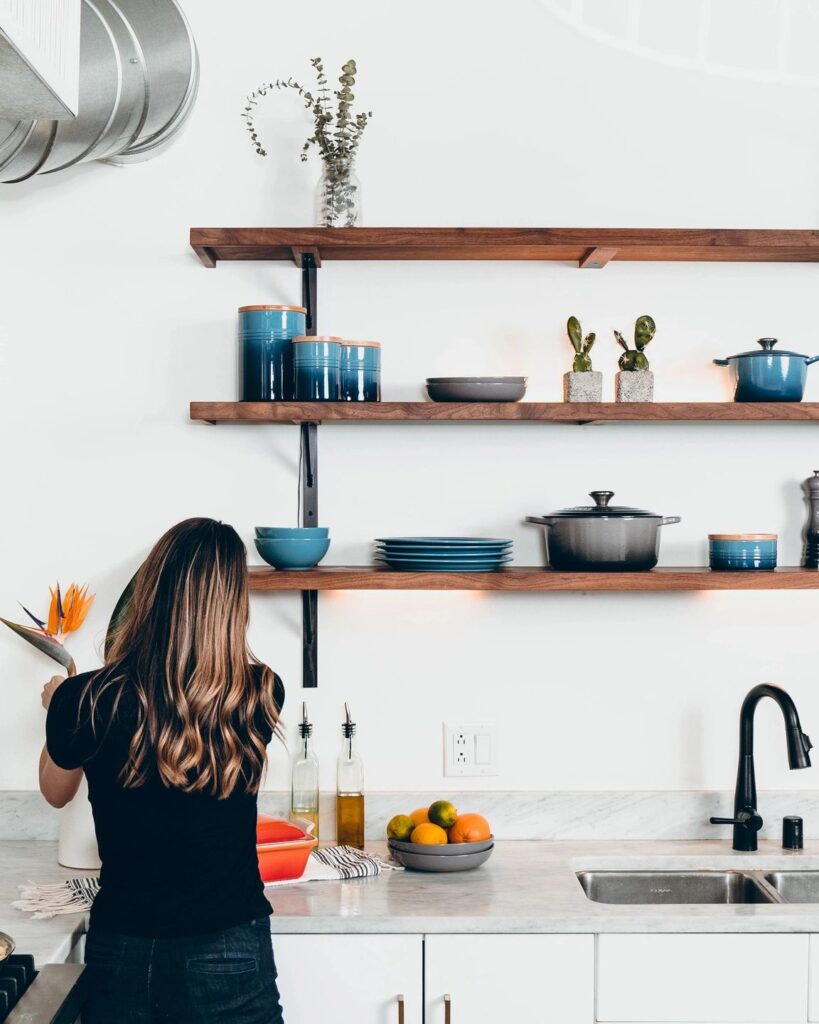
Owning property is often seen as a major milestone. It represents stability, investment, and long-term security.
But beyond the initial purchase, there are ongoing costs that many people underestimate.
Maintenance is one of the biggest. Repairs, replacements, and general upkeep are continuous responsibilities.
There are also property taxes, insurance, and unexpected issues that can arise at any time.
Unlike renting, where many costs are fixed, ownership requires ongoing financial attention.
Planning for these expenses is essential.
Understanding the full picture allows for better decision-making and reduces stress later.
Property ownership can be rewarding, but it comes with responsibilities that should not be overlooked.
10. FRANKLY SPEAKING WITH FRANCA
Q: I feel like I’m not making the most of my time, but I don’t know what to change. What should I do?
Franca’s Answer: That feeling usually comes from a lack of clarity, not lack of effort.
You might be doing a lot, staying busy, and still feel unfulfilled. That’s often because your time isn’t aligned with what truly matters to you.
Start by asking yourself one simple question: What do I actually want more of in my life right now?
Once you have that answer, look at how you’re currently spending your time. Do your actions reflect your priorities?
You don’t need to change everything at once. Even adjusting one part of your routine can make a difference.
Clarity leads to better decisions. And better decisions lead to better use of your time.
FOOD
Why Your Home Cooking Doesn’t Taste Like Restaurants (And What They Do Differently)

Have you ever followed a recipe exactly and still wondered why your food doesn’t taste like something from a restaurant? The difference is rarely about talent — it’s about technique and mindset.
Restaurants are not just cooking food; they are building layers of flavor. One of the biggest differences is seasoning. Professional kitchens season at every stage, not just at the end. This builds depth rather than surface-level taste.
Another key factor is heat. Many home cooks are afraid of high heat, but restaurants use it strategically. Searing, caramelization, and controlled charring create flavors that are hard to replicate with low heat.
Then there’s fat — butter, oils, and sauces. Restaurants use more of it than most people realize. While you don’t need to overdo it at home, understanding how fat enhances flavor can instantly improve your meals.
Timing also matters. Ingredients are often cooked separately and combined at the right moment instead of everything being cooked together.
Finally, presentation changes perception. Even simple food feels more enjoyable when it looks appealing.
The truth is, restaurant-quality cooking isn’t about complexity — it’s about attention to detail. Once you understand these principles, your cooking will start to feel less ordinary and far more intentional.
FINANCE
The Silent Money Mistakes People Make Without Realizing It

Not all financial mistakes are obvious. In fact, some of the most damaging ones feel completely normal — which is why people continue making them for years.
One of the biggest silent mistakes is ignoring small expenses. Daily spending on things that feel insignificant can quietly drain your finances over time.
Another is delaying financial decisions. Waiting to save, invest, or plan can cost more than making imperfect decisions early.
Lifestyle creep is another hidden issue. As income increases, spending increases automatically, leaving little room for actual wealth building.
There is also the habit of avoiding financial awareness altogether. Not checking accounts, ignoring budgets, or postponing planning creates long-term consequences.
What makes these mistakes dangerous is their subtlety. They don’t feel like mistakes in the moment, but over time, they shape your financial future.
Awareness is the first step to change. Once you recognize these patterns, you can begin making intentional decisions that support long-term stability.
HEALTH
What Your Body Is Trying to Tell You (But You Keep Ignoring)

Your body communicates constantly — through fatigue, tension, hunger, and even mood. The problem is not that the signals aren’t there, but that they are often ignored.
Feeling constantly tired is not always about needing more caffeine. It may be your body asking for rest, better nutrition, or reduced stress.
Frequent headaches can signal dehydration, tension, or lack of sleep. Digestive discomfort may point to eating habits that need adjustment.
Even emotional signals matter. Irritability or lack of focus can be linked to physical health, not just mental state.
Modern lifestyles often encourage pushing through discomfort, but ignoring these signals can lead to bigger problems later.
Listening to your body does not require drastic changes. It starts with paying attention and making small adjustments.
Your body is not working against you — it is trying to guide you. The sooner you listen, the better you feel.
RELATIONSHIP
The Conversation Most People Avoid (But Every Relationship Needs)

There is one conversation that many people avoid in relationships — expectations.
Unspoken expectations are one of the biggest causes of misunderstandings. People assume their partner or friend “should just know,” but this often leads to disappointment.
Talking openly about expectations does not make a relationship rigid; it makes it clearer. It helps both people understand what matters and what does not.
This conversation can include communication styles, time commitments, emotional needs, and boundaries.
Avoiding it may feel easier in the short term, but it creates confusion in the long run.
Strong relationships are not built on guessing — they are built on clarity.
LIFESTYLE
A Day in the Life of Someone Who Has Their Life Together (And What You Can Learn From It)

It’s easy to assume that people who seem “put together” have everything figured out. In reality, their lives are built on simple but consistent habits.
They don’t start their day in chaos. Their mornings are structured, even if simple.
They prioritize tasks instead of reacting to everything at once.
They take breaks without guilt and understand the importance of rest.
They say no when necessary and protect their time.
Most importantly, they are not perfect. They just have systems that help them stay consistent.
The idea of having your life together is not about perfection — it’s about intentional living.
ENTERTAINMENT
Why You Keep Rewatching the Same Shows (And Why It’s Not a Bad Thing)
Many people find themselves rewatching the same movies or series instead of exploring new content. While it may seem repetitive, there is a reason behind it.
Familiar content provides comfort. Knowing what will happen reduces stress and creates a sense of control.
It also allows deeper appreciation. Watching something again reveals details that were missed the first time.
In a world filled with constant choices, rewatching eliminates decision fatigue.
This habit is not about lack of curiosity — it is about emotional comfort.
Entertainment is not just about discovery; it is also about connection and familiarity.
WELLNESS
The Hidden Cost of Always Being Available
Being constantly available might seem like a good thing, but it comes with hidden costs.
Always responding to messages, emails, and requests leaves little time for rest and reflection.
It creates an expectation that you are always accessible, making it harder to set boundaries later.
Over time, this can lead to mental exhaustion and reduced focus.
Learning to disconnect is essential. Not every message requires an immediate response.
Protecting your time and energy improves both productivity and well-being.
INSPIRATION
What Happens When You Finally Start Believing in Yourself
Believing in yourself does not change everything overnight, but it changes how you approach everything.
You take opportunities you would have avoided before.
You stop overthinking every decision.
You become more resilient when things don’t go as planned.
Confidence is not about certainty — it’s about trust in your ability to handle whatever comes next.
The shift may be internal, but its impact is visible in every area of life.
REAL ESTATE
Renting vs Buying in 2026: Which One Actually Makes Sense?

The debate between renting and buying has always existed, but in today’s world, the answer is not as straightforward as it once was.
Buying a property offers long-term investment potential and stability. However, it also comes with responsibilities such as maintenance, taxes, and market risks.
Renting provides flexibility. It allows people to move easily and avoid long-term financial commitments.
In 2026, factors such as remote work, global mobility, and rising property prices are changing how people approach housing.
For some, buying is still the best long-term decision. For others, renting provides freedom and financial flexibility.
The right choice depends on personal goals, lifestyle, and financial situation — not just tradition.
FRANKLY SPEAKING WITH FRANCA
Q: I feel like I’m falling behind in life compared to others my age. How do I deal with that pressure?
Franca’s Answer: The idea of “falling behind” is often based on comparison, not reality. Everyone’s journey is different, even if it doesn’t feel that way.
What you see in others is only part of the story. You don’t see their struggles, doubts, or setbacks.
Instead of measuring your life against others, focus on your own progress. Ask yourself: Are you growing? Are you learning? Are you moving forward in your own way?
There is no universal timeline for success. The pressure you feel comes from expectations that may not even be yours.
Your path is valid, even if it looks different.
PERSONAL DEVELOPMENT
The Difference Between Being Busy and Being Effective
Being busy often feels productive, but it doesn’t always lead to results.
Effectiveness is about focusing on tasks that actually move you forward.
Many people fill their time with low-impact activities while avoiding what truly matters.
Prioritizing important tasks, reducing distractions, and working with intention leads to better outcomes.
It’s not about doing more — it’s about doing what matters.
FOOD
Best Way to Build Meals Around One Ingredient

Cooking does not always have to start with a full recipe. One of the simplest and most creative ways to cook is by choosing a single main ingredient and building an entire meal around it.
Start by selecting a core ingredient such as chicken, lentils, mushrooms, couscous, or even a vegetable like eggplant. Think of this as the “anchor” of your meal. Everything else should complement its flavor, texture, and cooking style.
Next, consider contrast. If your main ingredient is soft, like mashed beans or roasted squash, add something crunchy such as nuts or toasted bread. If it is rich, balance it with something fresh like herbs or citrus.
Cooking methods also matter. A single ingredient can taste completely different depending on how it is prepared. For example, potatoes can be roasted, boiled, mashed, or fried, each giving a unique experience.
Seasoning should enhance, not overpower. Let the main ingredient shine while supporting it with spices, sauces, or garnishes.
This approach simplifies cooking, reduces waste, and encourages creativity. It also helps you become more confident in the kitchen without relying on strict recipes.
2. FINANCE
How to Build Wealth Quietly Without Lifestyle Pressure

In today’s world, there is constant pressure to display success through spending. However, true financial strength is often built quietly, without the need for visible luxury.
Building wealth quietly starts with discipline. Instead of increasing spending as income grows, focus on saving and investing consistently.
Avoid comparison. Social pressure can lead to unnecessary expenses that do not align with your goals. Staying focused on your own financial journey is key.
Automating investments helps remove emotion from financial decisions. Regular contributions to savings or investment accounts build wealth steadily over time.
Living below your means is one of the most powerful strategies. It creates room for long-term growth and reduces financial stress.
Quiet wealth is not about deprivation. It is about making intentional decisions that prioritize long-term security over short-term appearance.
3. HEALTH
How to Reset Your Body After Long Periods of Inactivity

Periods of inactivity can happen due to work, travel, or lifestyle changes. Restarting healthy habits requires a gradual and realistic approach.
Begin with gentle movement. Walking, stretching, or light exercises help the body adjust without strain.
Focus on consistency rather than intensity. Doing small activities daily is more effective than occasional intense workouts.
Nutrition also plays a role. Eating balanced meals supports recovery and provides the energy needed to become active again.
Rest is equally important. Allow the body time to adapt and avoid pushing too hard too quickly.
Building back physical activity step by step prevents injury and creates sustainable habits.
4. RELATIONSHIP
How to Support Someone Without Trying to Fix Them

When someone you care about is struggling, the instinct is often to solve their problems. However, support is not always about fixing.
Listening is the most powerful form of support. Allow the person to express themselves without interruption or judgment.
Avoid giving unsolicited advice. Sometimes, people simply need to be heard rather than told what to do.
Offer presence instead of solutions. Being there consistently provides comfort and reassurance.
Respect their process. Everyone handles challenges differently, and pushing solutions can create pressure.
True support is about understanding, patience, and empathy rather than control.
5. LIFESTYLE
How to Design Your Day Around Energy Instead of Time

Most people plan their day based on time, but a more effective approach is to plan based on energy levels.
Identify when you feel most productive. Some people work best in the morning, while others are more focused later in the day.
Schedule important tasks during high-energy periods. Use lower-energy times for simpler or routine activities.
Take breaks when energy drops instead of forcing productivity. This prevents burnout and improves efficiency.
Pay attention to habits that affect energy, such as sleep, nutrition, and movement.
Designing your day around energy leads to better performance and less stress.
6. ENTERTAINMENT
How to Enjoy Entertainment Without Feeling Overwhelmed by Choices

With endless streaming options and content available, choosing what to watch can become overwhelming.
Start by limiting options. Instead of browsing endlessly, select from a small list of recommendations.
Set a purpose for your viewing. Decide whether you want relaxation, learning, or inspiration.
Avoid multitasking while watching. Giving full attention enhances the experience.
Take breaks between content instead of continuous consumption.
Enjoying entertainment intentionally makes it more satisfying and less overwhelming.
7. WELLNESS
How to Recognize When You Need a Mental Break

Many people push through stress without realizing they need a break. Recognizing early signs can prevent burnout.
Common signs include difficulty concentrating, irritability, and constant fatigue.
Pay attention to changes in mood or motivation. These often indicate mental overload.
Taking short breaks during the day can reset focus and improve clarity.
Engaging in relaxing activities helps restore balance.
Recognizing the need for rest is not weakness but a necessary part of maintaining well-being.
8. INSPIRATION
How to Start Over Without Feeling Like You Failed

Starting over can feel discouraging, especially when it follows a setback. However, it is often a sign of growth rather than failure.
Reframe your perspective. Every experience provides lessons that can guide future decisions.
Focus on what you can control now instead of dwelling on the past.
Set new goals that align with your current situation.
Take small steps forward. Progress builds confidence over time.
Starting over is not the end of a journey but the beginning of a stronger one.
9. REAL ESTATE
How to Make a Property More Attractive Without Major Renovation

Improving a property’s appeal does not always require expensive renovations. Small changes can significantly increase its attractiveness.
Start with cleanliness and organization. A well-maintained space creates a strong first impression.
Lighting plays a crucial role. Bright, well-lit spaces feel more inviting and spacious.
Neutral colors help appeal to a wider audience. Simple repainting can transform a space.
Minor upgrades such as new fixtures, handles, or décor can modernize a property without high costs.
Enhancing curb appeal with plants or simple exterior improvements also makes a difference.
These small changes can increase property value and attract potential buyers or tenants.
10. FRANKLY SPEAKING WITH FRANCA
Q: I feel like I’ve outgrown some of my friends, but I don’t know how to handle it without hurting them. What should I do?
Franca’s Answer: Outgrowing people is a natural part of personal growth, even though it can feel uncomfortable.
You don’t need to cut people off abruptly. Instead, allow the relationship to evolve naturally. Spend time where you feel aligned and reduce time where you feel disconnected.
Be respectful and kind. There is no need for conflict or dramatic explanations.
Focus on your growth while appreciating what those friendships once meant.
Not all relationships are meant to last forever, and that’s okay. Growth sometimes requires change
FOOD
How to Fix Bland Meals and Instantly Boost Flavor

One of the most common challenges in cooking is ending up with a meal that tastes flat or uninspiring. Bland food can be disappointing, especially after putting in time and effort. Fortunately, there are simple and effective ways to fix it and transform your dish into something flavorful and satisfying.
The first step is identifying what’s missing. Most bland meals lack balance in one or more of these areas: saltiness, acidity, sweetness, bitterness, or umami. Understanding these taste elements helps you adjust your dish accurately rather than randomly adding ingredients.
Salt is often the easiest fix, but it should be used carefully. A small pinch can enhance existing flavors without overpowering the dish. If salt isn’t the issue, try adding acidity. Ingredients like lemon juice, vinegar, or even yogurt can brighten flavors and bring a dish to life.
Spices and herbs are another powerful solution. Fresh herbs such as parsley, cilantro, or basil add freshness, while spices like paprika, cumin, or chili flakes add depth and warmth. Toasting spices before adding them can intensify their flavor.
Texture also plays a role in how we perceive taste. Adding crunch through nuts, seeds, or crispy toppings can make a dish more enjoyable and less dull.
Another effective method is layering flavors. Instead of adding everything at once, build flavor gradually throughout the cooking process. Sauté aromatics like garlic and onions first, then add spices, followed by liquids and finishing touches.
If a dish still feels lacking, consider adding a contrasting element. A sweet sauce with a savory dish or a tangy dressing over a rich meal can create balance.
Fixing bland meals is not about starting over but about adjusting and enhancing what is already there. With practice, these techniques become second nature, allowing you to create consistently delicious meals.
2. FINANCE
Best Way to Build a Financial Safety Net from Scratch

A financial safety net provides security during unexpected situations such as job loss, emergencies, or sudden expenses. Building one from scratch may seem difficult, but it is achievable with consistency and planning.
Start by setting a clear goal. A good target is saving at least three to six months of essential living expenses. This amount provides a buffer during uncertain times.
Begin small. Even setting aside a small portion of your income regularly can add up over time. The key is consistency rather than the amount.
Automating savings is highly effective. Setting up automatic transfers to a savings account ensures that saving becomes a habit rather than a decision.
Reducing unnecessary expenses also helps accelerate savings. Identify non-essential spending and redirect that money into your safety net.
Having a separate account for emergency funds prevents the temptation to use it for everyday expenses.
Building a financial safety net takes time, but once established, it provides peace of mind, stability, and greater financial confidence.
3. HEALTH
How to Build a Simple Daily Movement Habit

Staying active does not require intense workouts or long gym sessions. Building a simple daily movement habit can significantly improve physical and mental health.
Start by incorporating small movements into your routine. Walking, stretching, or light exercises can be done anywhere and require little time.
Consistency is more important than intensity. Even 10 to 15 minutes of daily movement can have long-term benefits when done regularly.
Find activities you enjoy. Dancing, cycling, or even household chores can count as physical activity and make movement feel less like a task.
Set reminders if needed. Scheduling movement breaks during the day ensures that you stay active even with a busy lifestyle.
Gradually increase activity levels as your body adapts. This prevents burnout and reduces the risk of injury.
A simple movement habit improves energy levels, reduces stress, and supports overall well-being.
4. RELATIONSHIP
Best Way to Rebuild Trust After Misunderstanding
Trust is a fundamental part of any relationship, and misunderstandings can sometimes damage it. Rebuilding trust requires patience, effort, and honest communication.
The first step is acknowledging the issue. Avoiding or ignoring the problem can make it worse. Openly discussing what happened creates a foundation for resolution.
Take responsibility where necessary. Owning your actions shows maturity and willingness to repair the relationship.
Listening is just as important as speaking. Allow the other person to express their feelings without interruption or judgment.
Consistency in actions helps rebuild trust over time. Words alone are not enough; behavior must align with intentions.
Give the process time. Trust is not rebuilt instantly, but steady effort and understanding can restore it.
Strong relationships are not defined by the absence of conflict but by the ability to overcome challenges together.
5. LIFESTYLE
How to Create a Balanced Work-Life Schedule

Balancing work and personal life is essential for long-term happiness and productivity. Without balance, burnout and stress can quickly develop.
Start by setting clear boundaries between work and personal time. Avoid letting work spill into personal hours whenever possible.
Prioritize tasks based on importance rather than urgency. This helps focus on meaningful work while reducing unnecessary stress.
Schedule personal activities just like work commitments. This ensures that time for rest, hobbies, and relationships is protected.
Take regular breaks during the day. Short breaks improve focus and prevent mental fatigue.
Review your schedule regularly and make adjustments when needed. Flexibility helps maintain balance in changing circumstances.
A balanced schedule supports both professional success and personal well-being.
6. ENTERTAINMENT
How to Explore Documentaries That Expand Your Perspective
Documentaries are a powerful way to learn about the world, offering insights into cultures, history, science, and human experiences.
Start by choosing topics that genuinely interest you. Whether it’s nature, technology, or social issues, curiosity drives engagement.
Explore recommendations from trusted sources or streaming platforms. Many platforms categorize documentaries based on themes, making discovery easier.
Watching documentaries from different countries provides diverse perspectives and a broader understanding of global issues.
Take time to reflect after watching. Thinking about what you’ve learned enhances the experience and deepens understanding.
Documentaries not only entertain but also educate, inspire, and encourage critical thinking.
7. WELLNESS
Best Way to Manage Mental Fatigue in a Busy World

Mental fatigue is common in today’s fast-paced environment. It can reduce productivity, focus, and overall well-being.
Recognizing the signs is the first step. Difficulty concentrating, irritability, and lack of motivation often indicate mental exhaustion.
Taking regular breaks is essential. Short pauses during work help reset the mind and improve performance.
Practicing mindfulness or relaxation techniques can reduce stress and improve mental clarity.
Limiting information overload is also important. Reducing screen time and avoiding constant multitasking helps prevent burnout.
Prioritizing rest and sleep ensures that the mind has time to recover and recharge.
Managing mental fatigue improves focus, creativity, and overall quality of life.
8. INSPIRATION
How to Stay Consistent When Progress Feels Slow

Progress is not always immediate, and slow results can be discouraging. Staying consistent during these times is key to long-term success.
Focus on the process rather than the outcome. Consistent effort eventually leads to results, even if they are not immediately visible.
Track small improvements. Recognizing progress, no matter how minor, helps maintain motivation.
Avoid comparing your journey to others. Everyone progresses at a different pace.
Build habits that support your goals. Consistency in daily actions leads to lasting change.
Patience and persistence are essential. Success often comes to those who continue despite slow progress.
9. REAL ESTATE
How to Identify High-Potential Property Locations

Choosing the right location is one of the most important factors in real estate investment. A good location can significantly increase property value over time.
Start by researching areas with growing infrastructure, such as new roads, schools, or business developments. These factors often indicate future growth.
Population growth is another key indicator. Areas with increasing population demand more housing, which can raise property value.
Access to amenities such as transportation, healthcare, and shopping centers also adds to a location’s attractiveness.
Safety and community environment should not be overlooked. A secure and well-maintained area is more desirable for residents and buyers.
Studying market trends helps identify areas with rising property values and investment potential.
A strategic approach to location selection leads to better returns and long-term success in real estate.
10. FRANKLY SPEAKING WITH FRANCA
Q: I often feel guilty for taking time for myself because I think I should always be productive. How do I stop feeling this way?
Franca’s Answer: Feeling guilty about rest is more common than you think, especially in a culture that constantly promotes productivity. But rest is not laziness; it is necessary for your well-being.
Start by changing your mindset. Understand that rest improves productivity rather than reducing it. When you are well-rested, you think more clearly and perform better.
Schedule rest just like you would schedule work. When rest becomes part of your routine, it feels more justified and less like wasted time.
Remind yourself that you are not defined solely by what you achieve. Your value goes beyond productivity.
Taking time for yourself allows you to recharge, reflect, and return stronger. Let go of guilt and embrace balance.
11. PERSONAL DEVELOPMENT
Best Way to Build Strong Self-Discipline
Self-discipline is the foundation of success in any area of life. It allows you to stay focused, consistent, and committed to your goals.
Start by setting clear and realistic goals. Knowing what you want to achieve provides direction and motivation.
Create routines that support your goals. Consistent habits make discipline easier over time.
Eliminate distractions that interfere with focus. A structured environment supports better decision-making.
Hold yourself accountable. Tracking progress and reflecting on your actions helps maintain discipline.
Be patient with yourself. Discipline is built gradually through consistent effort and practice.
Strong self-discipline leads to better habits, improved productivity, and long-term success
FOOD
Best Way to Create Flavorful Homemade Sauces Without Packaged Ingredients

Homemade sauces can completely transform a meal, adding depth, richness, and character without relying on store-bought options. Creating your own sauces allows full control over ingredients, flavor intensity, and nutritional value.
The foundation of many sauces begins with a balance of fat, acidity, sweetness, and seasoning. For example, olive oil or butter provides richness, vinegar or citrus adds brightness, a touch of honey or sugar balances flavors, and herbs or spices complete the profile. Understanding this balance makes it easier to experiment confidently.
One simple method is to create emulsion-based sauces, where oil and liquid are blended together. Vinaigrettes are a great example. By whisking together oil, vinegar, mustard, and seasoning, you can create a dressing that enhances salads, grains, or roasted vegetables.
Another approach is building sauces from aromatics. Ingredients like garlic, onion, ginger, and chili can be sautéed to release their natural flavors. Adding liquids such as broth, coconut milk, or tomato sauce creates a base that can be adjusted with spices and herbs.
Thickening sauces naturally is also important. Instead of relying on artificial thickeners, ingredients like blended vegetables, nuts, yogurt, or slow reduction of liquids can achieve a rich texture. For example, blending roasted peppers or cashews creates creamy sauces without heavy cream.
Herbs play a major role in finishing sauces. Fresh herbs like basil, cilantro, parsley, or dill can elevate a sauce just before serving, adding freshness and aroma.
Homemade sauces also allow customization. You can adjust spice levels, saltiness, or sweetness based on personal preference, making meals more enjoyable and tailored.
By mastering a few base techniques, anyone can create sauces that elevate everyday meals into something memorable and flavorful.
FINANCE
Beginner Guide to Managing Irregular Income

Managing irregular income can be challenging, especially for freelancers, entrepreneurs, or gig workers. Without a fixed paycheck, financial stability requires careful planning and discipline.
The first step is creating a baseline budget. Identify essential expenses such as rent, utilities, food, transportation, and insurance. These are your priority expenses and must be covered first.
Once your baseline is clear, build a system for managing income fluctuations. During high-income periods, allocate extra money into savings to cover lower-income months. This creates a financial cushion and reduces stress.
Setting up multiple bank accounts can help organize finances. One account can be dedicated to essential expenses, another for savings, and a third for discretionary spending. This separation helps maintain control over money flow.
Another key strategy is building an emergency fund. Ideally, this fund should cover three to six months of living expenses. It acts as a safety net during slow income periods.
Tracking income and expenses regularly is also essential. Use spreadsheets or budgeting apps to monitor financial patterns and make informed decisions.
Planning ahead, saving consistently, and maintaining financial discipline allows individuals with irregular income to achieve stability and long-term financial growth.
HEALTH
How to Improve Digestion Naturally Through Daily Habits

Digestive health affects overall well-being, energy levels, and even mood. Improving digestion naturally involves small but consistent lifestyle adjustments.
Eating slowly is one of the most effective habits. When food is chewed thoroughly, it is easier for the stomach to process, reducing bloating and discomfort.
Hydration is equally important. Drinking enough water throughout the day helps move food through the digestive system and prevents constipation. Warm water or herbal teas can be especially soothing.
Including fiber-rich foods supports healthy digestion. Fruits, vegetables, legumes, and whole grains help regulate bowel movements and promote gut health.
Fermented foods such as yogurt, kefir, sauerkraut, and kimchi introduce beneficial bacteria into the gut, improving digestion and supporting the immune system.
Regular physical activity also plays a role. Movement helps stimulate the digestive system and reduces sluggishness.
Avoiding overeating and allowing proper time between meals gives the digestive system time to process food effectively.
Improving digestion is not about drastic changes but about consistent, mindful habits that support the body’s natural processes.
RELATIONSHIP
How to Navigate Different Communication Styles in Relationships

People communicate in different ways, and misunderstandings often arise when communication styles clash. Learning to navigate these differences can strengthen relationships.
Some individuals are direct and expressive, while others are more reserved and subtle. Recognizing these differences helps avoid misinterpretation.
Active listening is essential. Paying attention to not only words but also tone, body language, and emotions helps build understanding.
Instead of reacting immediately, take time to process what the other person is saying. This prevents unnecessary conflict and allows for more thoughtful responses.
Adapting communication style when necessary can also help. For example, a more direct person may need to soften their approach, while a reserved person may need to express themselves more openly.
Clarifying misunderstandings early prevents small issues from becoming larger conflicts.
Healthy relationships are built on patience, respect, and a willingness to understand different perspectives.
LIFESTYLE
Best Way to Build a Productive Morning Routine
A strong morning routine sets the tone for the rest of the day. It can improve productivity, mental clarity, and overall well-being.
Start by waking up at a consistent time. A regular sleep schedule helps regulate the body’s internal clock.
Avoid immediately reaching for your phone. Instead, begin the day with calm and intentional activities such as stretching, meditation, or journaling.
Hydration is important after waking up. Drinking water helps rehydrate the body and kickstart metabolism.
Incorporating a short exercise session or movement routine can increase energy levels and focus.
Planning your day in the morning also helps prioritize tasks and reduce stress.
A well-structured morning routine creates momentum that carries throughout the day, leading to improved productivity and a sense of control.
ENTERTAINMENT
Beginner Guide to Discovering New Music Genres
Exploring new music genres can broaden your taste and introduce you to different cultures and styles.
Start by identifying your current preferences and then branching into related genres. For example, if you enjoy pop, you might explore indie pop or alternative music.
Streaming platforms often suggest similar artists and playlists, making it easier to discover new sounds.
Listening to international artists exposes you to global music styles, rhythms, and instruments.
Attending live performances or exploring curated playlists can also introduce unfamiliar genres in an engaging way.
Music exploration enhances creativity, emotional expression, and cultural appreciation.
WELLNESS
How to Improve Sleep Quality Naturally
Good sleep is essential for physical and mental health. Improving sleep quality involves both environment and habits.
Maintaining a consistent sleep schedule helps regulate the body’s internal clock.
Creating a calm sleeping environment, with minimal noise and comfortable lighting, supports better rest.
Avoiding screens before bedtime reduces exposure to blue light, which can disrupt sleep patterns.
Relaxation techniques such as deep breathing or reading help prepare the body for sleep.
Limiting caffeine and heavy meals before bedtime also improves sleep quality.
INSPIRATION
How to Build Self-Confidence Step by Step

Self-confidence is built through consistent actions and positive self-perception.
Start by setting small achievable goals and celebrating progress.
Focus on strengths rather than weaknesses.
Surround yourself with supportive and positive influences.
Challenge negative thoughts and replace them with constructive ones.
Confidence grows over time through action, persistence, and self-belief.
REAL ESTATE
Best Way to Evaluate a Property Before Buying

Evaluating a property before buying is essential to avoid future problems.
Start by inspecting the structural condition of the property, including walls, roof, plumbing, and electrical systems.
Research the neighborhood, including safety, accessibility, and future development plans.
Check property value trends to ensure a good investment.
Consider hidden costs such as maintenance, taxes, and repairs.
A thorough evaluation ensures a wise and informed decision.
FRANKLY SPEAKING WITH FRANCA
Q: I feel like I’m constantly comparing myself to others, especially online, and it’s affecting my confidence. How do I stop this?
Franca’s Answer: Comparison is natural, but constant comparison can be harmful. The first step is recognizing that social media shows highlights, not reality.
Limit your exposure to content that triggers negative feelings. Instead, follow accounts that inspire and uplift you.
Focus on your own journey. Write down your achievements, no matter how small, to remind yourself of your progress.
Practice gratitude. Appreciating what you have shifts your focus away from what others have.
Confidence grows when you stop measuring yourself against others and start valuing your own path.
PERSONAL DEVELOPMENT
How to Improve Decision-Making Skills
Good decision-making improves life outcomes and reduces stress.
Gather relevant information before making decisions.
Weigh the pros and cons carefully.
Avoid rushing important decisions.
Trust your judgment while remaining open to learning.
Improved decision-making leads to better results and increased confidence.
FOOD
Beginner Guide to Cooking With Herbs and Spices

Herbs and spices are some of the most powerful ingredients in cooking. They transform simple meals into flavorful dishes and allow cooks to explore cuisines from around the world.
Herbs usually come from the leafy parts of plants, such as basil, parsley, thyme, or cilantro. Spices, on the other hand, are made from seeds, roots, bark, or dried fruits of plants. Examples include cinnamon, turmeric, cumin, and paprika.
For beginners, it is best to start with a few versatile options. Garlic powder, black pepper, paprika, oregano, and cumin can enhance a wide variety of meals.
Fresh herbs are especially useful for finishing dishes. Adding basil to pasta, cilantro to rice dishes, or parsley to roasted vegetables can brighten flavors instantly.
Learning how to combine herbs and spices gradually improves cooking skills. Instead of relying heavily on salt or processed sauces, cooks can build natural flavor using simple seasonings.
Experimenting with herbs and spices also introduces people to global culinary traditions. Mediterranean, Asian, African, and Latin American cuisines all use distinctive spice combinations.
With practice, even basic ingredients can become delicious and exciting meals.
FINANCE
How to Fix the Habit of Living Paycheck to Paycheck

Living paycheck to paycheck is a financial challenge many people face. Even with steady income, unexpected expenses or poor budgeting habits can create constant financial pressure.
The first step toward change is understanding where money is going each month. Tracking expenses can reveal spending patterns that may not have been obvious before.
Reducing unnecessary expenses can create room for savings. Small changes—such as cooking more meals at home or limiting impulse purchases—can gradually free up money.
Building an emergency fund is another important goal. Even saving small amounts consistently helps reduce financial stress when unexpected costs appear.
Increasing income through side work, freelance projects, or skill development may also improve financial stability.
Breaking the paycheck-to-paycheck cycle takes time, but consistent planning and mindful spending can lead to greater financial security.
HEALTH
Best Way to Improve Your Daily Walking Habit

Walking is one of the simplest and most accessible forms of exercise. It requires no special equipment and can be adapted to almost any fitness level.
To make walking a daily habit, start with realistic goals. Even a 10–15 minute walk each day can improve physical health and mental clarity.
Choosing enjoyable routes also makes walking more appealing. Parks, waterfront paths, or quiet neighborhoods provide pleasant environments that encourage regular activity.
Walking with friends or family members can add motivation and make exercise more social.
Many people also use step counters or fitness apps to track progress and stay motivated.
Regular walking supports heart health, improves circulation, strengthens muscles, and reduces stress. Over time, it can become one of the easiest ways to maintain an active lifestyle.
RELATIONSHIP
Beginner Guide to Maintaining Long-Distance Relationships

Long-distance relationships can be challenging, but with effort and communication they can still be strong and meaningful.
The most important factor is consistent communication. Regular calls, messages, and video chats help maintain emotional connection despite physical distance.
Setting expectations also helps avoid misunderstandings. Discussing how often to communicate and planning visits can create stability in the relationship.
Trust plays a major role in long-distance relationships. Both individuals must feel confident in each other’s commitment.
Sharing daily experiences—even small details—helps partners remain involved in each other’s lives.
Although distance can be difficult, many couples find that strong communication and emotional support make their relationships even deeper.
LIFESTYLE
Best Way to Create a Calm Home Environment
A calm home environment helps people relax, recharge, and maintain emotional balance. Simple changes can transform a living space into a more peaceful place.
Decluttering is one of the first steps. Removing unnecessary items creates a cleaner and more comfortable atmosphere.
Lighting also influences mood. Natural light during the day and warm lighting in the evening can create a relaxing environment.
Adding natural elements such as plants, flowers, or wooden décor can make a space feel more welcoming.
Limiting noise and creating quiet areas for reading or reflection can further improve the atmosphere of a home.
A calm environment supports mental clarity and provides a peaceful retreat from the demands of daily life.
ENTERTAINMENT
Beginner Guide to Discovering International Cinema
International cinema offers a fascinating window into cultures and storytelling traditions around the world. Films produced outside Hollywood often explore unique themes and artistic styles.
One way to begin exploring international cinema is by watching films from well-known directors such as Bong Joon-ho, whose work has gained global recognition.
Subtitles allow audiences to enjoy films in many different languages, making international cinema accessible to viewers everywhere.
Film festivals and streaming platforms often highlight movies from countries such as France, India, Japan, and Brazil.
Watching international films broadens cultural understanding and introduces audiences to creative storytelling approaches that may differ from mainstream cinema.
WELLNESS
How to Fix Mental Fatigue From Too Much Screen Time
Modern lifestyles often involve hours spent on computers, phones, and digital devices. While technology is useful, excessive screen time can cause mental fatigue and eye strain.
Taking regular breaks from screens is essential. The “20-20-20 rule” is a helpful method: every 20 minutes, look at something 20 feet away for 20 seconds.
Spending time outdoors can also reduce mental fatigue. Natural environments allow the brain to rest from constant digital stimulation.
Limiting device use before bedtime helps improve sleep quality as well.
Balancing technology use with offline activities—such as reading, exercising, or socializing—creates a healthier relationship with digital tools.
INSPIRATION
Best Way to Turn Small Ideas Into Big Achievements
Many successful projects begin as small ideas. The difference between dreaming and achieving often comes down to taking action.
The first step is writing ideas down. Recording thoughts helps clarify goals and prevent them from being forgotten.
Next, create a simple plan. Breaking a large idea into smaller steps makes it easier to begin.
Consistency is more important than speed. Even small progress made regularly can lead to significant achievements over time.
Learning from setbacks is also part of the process. Mistakes often provide valuable lessons that improve future efforts.
With determination and patience, small ideas can grow into meaningful accomplishments.
REAL ESTATE
Beginner Guide to Understanding Property Value

Property value refers to the estimated worth of a home or building in the real estate market. Understanding this concept is essential for buyers, sellers, and investors.
Several factors influence property value. Location is often the most important, as neighborhoods with strong infrastructure, schools, and amenities tend to attract higher demand.
Property size, condition, and design also affect value. Well-maintained homes with modern features generally appeal to more buyers.
Market conditions play a role as well. Economic trends, interest rates, and housing demand can influence prices over time.
Professional appraisals and market comparisons help determine realistic property values.
Learning how these factors interact helps buyers and sellers make informed real estate decisions.
FRANKLY SPEAKING WITH FRANCA
Q: “How can I stay hopeful when things in life are not going the way I expected?”
Franca’s Answer:
Life rarely follows the exact path we imagine. Plans change, opportunities appear unexpectedly, and challenges sometimes slow us down.
Staying hopeful begins with accepting that setbacks are part of the journey rather than signs of failure.
One helpful approach is focusing on what you can learn from difficult moments. Many valuable lessons come from experiences that initially seem disappointing.
Surrounding yourself with positive influences—friends, mentors, or inspiring stories—can also renew motivation.
Remember that progress often happens quietly. Even when results are not immediately visible, your efforts may still be building something meaningful.
Hope grows when we continue moving forward with courage and patience.
PERSONAL DEVELOPMENT
How to Fix Procrastination and Start Taking Action
Procrastination is a common challenge that prevents many people from achieving their goals. Often it occurs because tasks feel overwhelming or unclear.
One effective solution is breaking tasks into smaller steps. When a task becomes manageable, it feels easier to begin.
Setting specific deadlines also helps create urgency and accountability.
Removing distractions—such as unnecessary phone use or background noise—improves focus and productivity.
Rewarding progress can provide motivation as well. Celebrating small achievements encourages continued effort.
Taking action, even in small ways, builds momentum and helps overcome the habit of procrastination.
FOOD
How to Fix Dry Chicken When Cooking at Home

Cooking chicken seems simple, yet many people struggle with dry or tough results. The problem usually comes from overcooking or cooking at the wrong temperature. Fortunately, there are several ways to fix dry chicken and prevent it from happening again.
One solution is adding moisture back into the dish. Slicing dry chicken and mixing it with sauces such as broth, tomato sauce, or a light cream sauce can help restore tenderness. Using the chicken in soups, pasta dishes, or wraps can also improve texture.
Another technique is marinating before cooking. Marinades made with ingredients like yogurt, lemon juice, olive oil, or herbs help tenderize the meat and lock in moisture.
Cooking temperature also matters. Chicken cooked slowly at moderate heat tends to stay juicier than chicken exposed to very high heat.
Finally, using a meat thermometer can prevent overcooking. Chicken is safely cooked when it reaches about 75°C (165°F). Removing it from heat at the right moment preserves its natural juices.
With a few adjustments, home cooks can turn dry chicken into flavorful and satisfying meals.
FINANCE
Best Way to Build an Emergency Fund Quickly

An emergency fund is one of the most important financial safety nets anyone can have. Unexpected events such as medical expenses, job loss, or urgent repairs can occur at any time.
The first step in building an emergency fund quickly is setting a clear savings goal. Many financial experts recommend saving three to six months of essential living expenses.
Start by reviewing your monthly spending and identifying areas where small reductions can be made. Cutting unnecessary subscriptions, reducing takeout meals, or limiting impulse purchases can free up money for savings.
Another effective strategy is setting up automatic transfers into a separate savings account. When savings happen automatically, the temptation to spend the money disappears.
Selling unused items around the house can also boost savings quickly. Many people have clothing, electronics, or furniture that could generate extra funds.
Even small contributions matter. Consistency is more important than the amount saved each week. Over time, the emergency fund grows into a reliable financial cushion that provides peace of mind.
HEALTH
Beginner Guide to Building a Strong Morning Routine

A strong morning routine can shape the tone of the entire day. Many successful individuals credit their productivity and focus to the habits they practice each morning.
The first step is waking up at a consistent time. Regular sleep schedules help regulate the body’s internal clock and improve energy levels.
Hydration is another important habit. Drinking water shortly after waking up helps rehydrate the body and improve alertness.
Many people also include physical activity in their morning routines. Even a short walk, stretching session, or light exercise can boost circulation and mental clarity.
Mindfulness practices such as journaling, meditation, or quiet reflection can also improve focus and emotional balance.
Finally, planning the day ahead helps prioritize tasks and reduce stress. Writing down the most important goals for the day provides direction and motivation.
A thoughtful morning routine does not need to be complicated. Even a few intentional habits can create a positive start to the day.
RELATIONSHIP
How to Fix Lack of Communication in Relationships
Communication is the foundation of any healthy relationship. When communication breaks down, misunderstandings and emotional distance can develop.
The first step to fixing communication issues is creating time for meaningful conversations. Many couples become so busy with work and daily responsibilities that they rarely discuss their feelings or experiences.
Listening is equally important as speaking. When someone feels heard and understood, trust grows naturally.
Avoiding blame during discussions also helps maintain respect. Instead of accusing or criticizing, focus on expressing personal feelings and concerns.
Another helpful practice is checking in regularly. Asking simple questions about each other’s day or emotions strengthens connection and prevents small problems from becoming larger conflicts.
Healthy communication requires patience, honesty, and empathy, but it ultimately strengthens relationships and emotional intimacy.
LIFESTYLE
Best Way to Create a Balanced Daily Routine

A balanced daily routine supports productivity while protecting mental and physical well-being. Without structure, many people feel overwhelmed by constant demands and distractions.
Start by identifying your most important responsibilities. Work, health, relationships, and personal development should all receive attention.
Time management is key. Scheduling specific blocks for work, exercise, relaxation, and social time helps ensure that no single area dominates the day.
Rest is equally important. Short breaks during the day improve concentration and prevent fatigue.
Digital boundaries also contribute to balance. Limiting unnecessary screen time allows individuals to focus on meaningful activities.
Creating a balanced routine takes experimentation, but once established, it can improve both efficiency and overall life satisfaction.
ENTERTAINMENT
Beginner Guide to Enjoying Live Theater

Live theater remains one of the most captivating forms of entertainment. Unlike films or television, theater performances happen in real time, creating a unique connection between actors and audiences.
For beginners, attending a live performance can be an exciting cultural experience. Productions may include classic plays, musicals, modern dramas, or experimental performances.
One of the most famous theater districts in the world is Broadway, known for producing world-class stage shows and musicals.
Watching theater encourages deeper appreciation for acting, stage design, music, and storytelling.
Audience members often feel emotionally connected to the performance because they share the moment with the actors and fellow viewers.
Exploring live theater can introduce audiences to new perspectives and artistic creativity.
WELLNESS
How to Fix Poor Sleep Habits

Sleep is essential for maintaining energy, mood, and overall health. Poor sleep habits can lead to fatigue, irritability, and reduced concentration.
The first step toward better sleep is establishing a consistent bedtime schedule. Going to bed and waking up at the same time each day helps regulate the body’s sleep cycle.
Reducing screen exposure before bedtime can also improve sleep quality. The blue light from phones and computers can interfere with the body’s natural production of sleep hormones.
Creating a relaxing bedtime routine—such as reading, stretching, or listening to calming music—signals to the body that it is time to rest.
Limiting caffeine intake later in the day and maintaining a comfortable sleep environment also support deeper sleep.
Healthy sleep habits contribute to stronger mental and physical performance throughout the day.
INSPIRATION
Best Way to Stay Consistent With Your Goals

Setting goals is easy, but staying consistent can be challenging. Motivation often fades when progress feels slow or obstacles appear.
One effective strategy is breaking large goals into smaller steps. Completing small milestones builds confidence and momentum.
Tracking progress is also helpful. Seeing visible improvements reinforces commitment and provides encouragement.
Accountability can make a big difference. Sharing goals with friends, mentors, or communities creates support and encouragement.
Finally, remember that setbacks are normal. Consistency does not mean perfection; it means continuing forward even after mistakes.
When individuals remain patient and focused, steady effort eventually leads to meaningful results.
REAL ESTATE
Beginner Guide to Renting Your First Apartment
Renting a first apartment is an exciting milestone, but it also requires careful planning.
Start by determining a realistic budget. Housing costs should ideally remain within a manageable portion of monthly income.
Next, research neighborhoods carefully. Factors such as transportation, safety, nearby amenities, and commute times can influence daily life.
Reading lease agreements thoroughly is extremely important. Tenants should understand rental terms, deposit conditions, and maintenance responsibilities.
Inspecting the apartment before signing any contract ensures that potential problems are identified early.
Renting responsibly helps individuals gain independence while managing finances wisely.
FRANKLY SPEAKING WITH FRANCA
Q: “How do I stop worrying about what other people think of me?”
Franca’s Answer:
Many people struggle with this question. Wanting approval is natural, but constantly worrying about others’ opinions can limit personal freedom.
One helpful perspective is realizing that most people are focused on their own lives rather than judging others. The attention we imagine rarely exists.
Another important step is defining your own values. When you understand what matters most to you, outside opinions become less powerful.
Confidence also grows through experience. The more you pursue your goals and express your true self, the less influence criticism has.
Ultimately, the opinions that matter most should come from those who genuinely care about your well-being.
Living authentically often brings greater happiness than trying to satisfy everyone else.
PERSONAL DEVELOPMENT
How to Fix Lack of Focus When Working
Many people struggle with maintaining focus, especially in environments filled with digital distractions.
The first solution is creating a clear workspace. Removing unnecessary clutter helps the mind concentrate on important tasks.
Time management techniques such as the Pomodoro method—working in focused intervals followed by short breaks—can improve productivity.
Limiting notifications and unnecessary phone use also prevents interruptions that disrupt concentration.
Prioritizing tasks ensures that the most important work receives attention first.
By creating structured work habits and minimizing distractions, individuals can improve focus and accomplish more in less time.
FOOD
How to Fix Overly Salty Dishes

Accidentally over-salting a dish can feel disastrous, but several simple techniques can restore balance.
One common solution is dilution. Adding unsalted ingredients like vegetables, grains, or water can reduce overall salt concentration. For soups or stews, add extra broth or cooked vegetables to absorb excess salt.
Acidity also helps. A splash of lemon juice, vinegar, or even a dollop of yogurt can counteract saltiness by balancing flavors.
Starchy ingredients such as potatoes or rice can absorb excess salt during cooking. Simply adding a peeled potato to a salty soup or sauce while it simmers helps neutralize flavor.
Finally, incorporating fat, such as butter, cream, or olive oil, can mellow strong saltiness and improve mouthfeel.
By applying these strategies, dishes can be salvaged, preserving both taste and presentation.
FINANCE
Best Way to Save for Retirement in 2026

Planning for retirement is essential, even for younger adults, and modern tools make saving easier.
The first step is establishing a retirement goal. Determine how much income you’ll need in the future and estimate contributions accordingly.
Next, utilize tax-advantaged accounts such as IRAs, 401(k)s, or other retirement plans offered in your country. These accounts allow your savings to grow with tax benefits over time.
Automated contributions simplify consistency. Setting aside a fixed percentage of your paycheck ensures progress without relying on willpower.
Diversifying investments—mixing stocks, bonds, and index funds—reduces risk and smooths long-term returns.
Finally, review your plan periodically. Adjust contributions, risk exposure, or account types as financial circumstances evolve.
By starting early and following a structured plan, retirement savings can grow steadily, creating financial security in later life.
HEALTH
Beginner Guide to Understanding Intermittent Fasting

Intermittent fasting (IF) has become a popular wellness trend, but beginners often feel overwhelmed. IF involves cycles of eating and fasting, rather than restricting specific foods.
The most common method is the 16:8 schedule, which entails fasting for 16 hours and eating during an 8-hour window. Other approaches include alternate-day fasting or 5:2 schedules.
Potential benefits include improved digestion, better blood sugar control, and support for weight management. Fasting periods allow the body to utilize stored energy efficiently and reduce inflammation.
Hydration is crucial during fasting. Water, herbal teas, or black coffee can prevent dehydration and reduce hunger.
Start gradually. Begin with shorter fasting windows and observe how your body responds. Consult a healthcare provider if you have underlying conditions.
When implemented safely, intermittent fasting can enhance metabolic health, energy levels, and overall well-being.
RELATIONSHIP
How to Fix Misunderstandings in Friendships

Even strong friendships encounter misunderstandings. Resolving them requires empathy, patience, and clear communication.
Start by listening without interrupting. Understanding your friend’s perspective reduces defensiveness and fosters trust.
Express feelings calmly and with ownership. Use statements like, “I felt hurt when…” instead of assigning blame.
Clarify intentions. Many conflicts arise from assumptions rather than facts. Asking open-ended questions helps reveal true motivations.
Agree on solutions together. Both parties should commit to actions that prevent future conflicts, such as clearer communication or setting boundaries.
By addressing misunderstandings constructively, friendships can grow stronger and more resilient over time.
LIFESTYLE
Best Way to Organize Your Day for Maximum Productivity

Productivity is not about working longer but working smarter. Effective organization begins with prioritization. Identify the most important tasks each day and tackle them first.
Time blocking is a powerful technique. Allocate specific periods for focused work, meetings, and breaks. Protect these blocks from interruptions whenever possible.
Minimize distractions by silencing notifications, keeping workspaces tidy, and using productivity apps to track progress.
Include short breaks to recharge. Studies show that even five-minute breaks every hour improve focus and prevent burnout.
Finally, review your day each evening. Reflecting on accomplishments and planning for the next day strengthens habit formation and overall efficiency.
When applied consistently, organized routines help individuals accomplish more while reducing stress.
ENTERTAINMENT
Beginner Guide to Exploring International Music
International music expands cultural awareness and offers fresh listening experiences. Platforms like streaming services, YouTube, and social media make it easy to explore artists worldwide.
Start by exploring genres outside your usual preferences. K-pop, Afrobeat, Latin pop, or classical music from different regions can reveal unique rhythms and storytelling.
Collaborative playlists curated by global listeners introduce new artists and tracks. Engaging with online communities adds context and background to the music.
Consider learning about instruments, language, or traditions associated with each genre. Understanding cultural context enhances appreciation and enjoyment.
Exploring international music enriches entertainment experiences and broadens perspectives on creativity and cultural expression.
WELLNESS
How to Fix Poor Posture While Working from Home

Long hours at a desk can lead to slouched shoulders, neck pain, and fatigue. Correcting posture improves comfort, focus, and overall health.
Start with ergonomics. Adjust chair height so feet rest flat on the floor, knees at a 90-degree angle, and elbows aligned with the desk. Monitor screens should be at eye level.
Strengthening exercises help maintain alignment. Focus on core, back, and shoulder muscles through planks, rows, and shoulder stretches.
Take movement breaks every hour. Simple standing stretches, short walks, or mobility exercises reduce stiffness.
Finally, mindfulness while sitting is essential. Regularly check posture, gently pulling shoulders back and aligning the spine.
Consistent attention to posture prevents chronic pain and promotes better energy and focus during work.
INSPIRATION
Best Way to Stay Motivated While Learning New Skills in 2026
Learning new skills can be challenging, especially when progress feels slow. Motivation is key to persistence.
Set clear, achievable milestones. Tracking small wins maintains momentum and reinforces confidence.
Break learning into focused sessions rather than long, overwhelming periods. Short, consistent practice often yields better results than occasional intensive effort.
Find accountability. Joining classes, online communities, or study groups provides encouragement and feedback.
Celebrate progress and allow yourself to experiment without fear of mistakes. Failure is part of the learning process.
By combining structure, community support, and self-compassion, skill acquisition becomes enjoyable and sustainable.
REAL ESTATE
Beginner Guide to Understanding Rental Properties

Investing in rental properties can generate long-term wealth, but beginners need to understand key principles.
Start by evaluating location. Proximity to transport, employment hubs, and amenities increases tenant demand.
Consider financial feasibility. Account for mortgage payments, property taxes, insurance, maintenance, and vacancy periods.
Screen tenants carefully. Background checks, references, and clear rental agreements reduce risk.
Regular property upkeep preserves value. Simple renovations or maintenance can improve rental income and attract tenants.
Rental property ownership is a long-term commitment. Proper planning, research, and management ensure financial stability and growth.
FRANKLY SPEAKING WITH FRANCA
Q: “I struggle to stick to healthy habits. How can I make them last?”
Franca’s Answer:
Consistency beats intensity. Start small rather than attempting drastic changes. For example, aim for a 10-minute daily walk instead of an hour-long workout you may abandon.
Habit stacking works well. Attach a new habit to an existing routine, such as stretching after brushing teeth.
Track progress. Seeing improvements visually reinforces commitment.
Be patient and compassionate with yourself. Setbacks happen, but returning to your habit is more important than perfection.
Gradually, these small actions compound into lasting lifestyle changes.
PERSONAL DEVELOPMENT
How to Fix Procrastination Using Time-Blocking
Procrastination often occurs when tasks feel overwhelming or unclear. Time-blocking breaks work into structured segments.
First, list all tasks and estimate the time required for each. Then assign specific blocks on your calendar for focused work, breaks, and minor tasks.
During each block, minimize distractions. Turn off notifications, silence phones, and create a quiet environment.
Start with high-priority or high-energy tasks in the morning when focus is strongest. Reserve easier or routine tasks for later.
Review daily progress each evening. Adjust blocks as needed for future efficiency.
Time-blocking transforms overwhelming workloads into achievable, structured actions, reducing stress and increasing productivity.
ENTERTAINMENT
The Return of Live Experiences in a Digital Age
Despite the dominance of digital entertainment, live experiences remain deeply meaningful. Concerts, theater performances, festivals, and sporting events continue to draw enthusiastic audiences.
Part of the appeal lies in shared presence. Watching a performance with others creates collective energy that cannot be replicated through screens.
For example, attending a concert by an artist such as Taylor Swift offers more than just music. Fans share excitement, sing together, and create memories tied to a specific moment and place.
Live events also introduce unpredictability. Each performance is unique, shaped by the interaction between performers and audience.
While digital platforms provide convenience and accessibility, live entertainment fulfills a deeper human desire for community and shared emotional experiences.
As a result, many people now balance both worlds — enjoying digital content at home while still seeking meaningful live events.
WELLNESS
Digital Mindfulness: Using Technology Intentionally

Technology has transformed communication, learning, and entertainment. Yet constant connectivity can also lead to distraction and mental fatigue.
Digital mindfulness involves using technology deliberately rather than automatically.
One effective strategy is setting boundaries. Designating specific times for checking emails or social media prevents constant interruptions. Turning off non-essential notifications can significantly improve concentration.
Another helpful practice is creating device-free spaces. Dining areas, bedrooms, or relaxation zones can become places where technology is intentionally absent.
Digital mindfulness does not mean rejecting technology. Instead, it encourages thoughtful engagement — choosing when and how devices serve personal goals.
By regaining control over digital habits, individuals often experience improved focus, better sleep, and stronger real-world connections.
INSPIRATION
Progress Over Perfection
Perfectionism can be one of the biggest barriers to growth. When people aim for flawless results, they often delay starting or abandon projects when progress feels imperfect.
A more effective approach focuses on progress rather than perfection.
Progress emphasizes learning, experimentation, and improvement over time. Each attempt provides feedback that leads to better outcomes in the future.
Many creative professionals embrace this mindset. Writers produce multiple drafts. Artists refine their work through repetition. Entrepreneurs test ideas and adjust strategies based on results.
The willingness to produce imperfect work is often what leads to excellence eventually.
Adopting a progress-oriented mindset reduces fear of failure and encourages persistence. It shifts attention from unrealistic standards toward meaningful development.
Over time, consistent progress can achieve far more than occasional attempts at perfection.
1. FOOD
Fermentation: Unlocking Health and Flavor in Everyday Meals
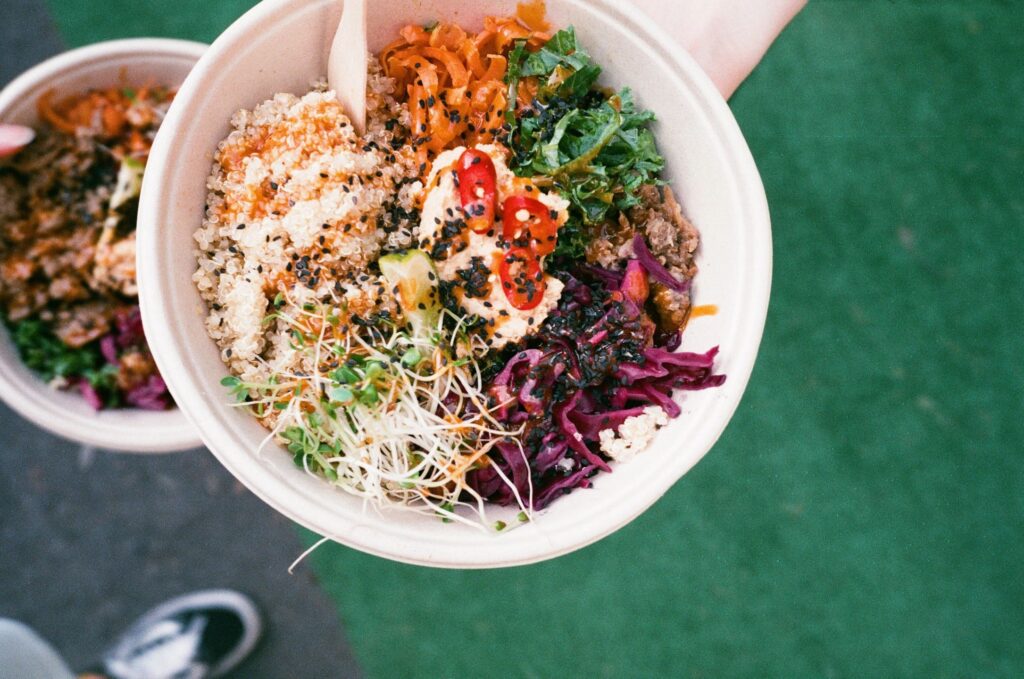
Fermented foods have been enjoyed for thousands of years, from kimchi in Korea to sauerkraut in Germany. Yet in today’s fast-paced world, they are often overlooked despite their powerful benefits.
Fermentation enhances both taste and nutrition. Probiotics created during the process support gut health, which is linked to immunity, mental clarity, and digestion. Additionally, fermentation can preserve nutrients and even create new compounds that benefit the body.
Making fermented foods at home is easier than many think. Yogurt, kombucha, and pickled vegetables require minimal ingredients and space. Beyond the health benefits, fermentation encourages creativity. Flavors evolve naturally, offering unique textures and tastes that elevate everyday meals.
For example, a simple bowl of miso soup or a plate of fermented vegetables adds depth to lunch or dinner while supporting digestive balance. Sharing homemade fermented foods with friends or family can also foster connection and cultural exchange.
Incorporating fermented foods doesn’t require overhauling your diet. Adding small amounts daily can gradually improve overall gut health and introduce exciting flavors to traditional meals.
2. FINANCE
Side Hustles That Are Changing the Global Workforce

Side hustles are no longer niche. Across continents, millions of people are supplementing their income through creative ventures, online work, and small businesses.
One reason for this trend is flexibility. Side projects allow individuals to pursue passions without leaving their main career. Someone skilled in graphic design may create digital products online, while a culinary enthusiast may sell baked goods locally or via social media.
Side hustles also provide financial security. Multiple income streams reduce dependency on a single salary and provide resilience during economic uncertainty.
However, success requires careful planning. Time management, realistic goal-setting, and evaluating potential profitability are essential. Not every side hustle will thrive, but the process itself develops valuable skills, from marketing to financial management.
Finally, side hustles can be deeply fulfilling. They allow people to explore interests, connect with communities, and create tangible outcomes that enrich both life and wallet.
3. HEALTH
Mindful Eating: Transforming the Relationship with Food

Many people eat quickly, distracted by phones, work, or television. This habit often leads to overeating, digestive discomfort, and reduced satisfaction. Mindful eating offers a solution by reconnecting individuals with the sensory and emotional experience of food.
Mindful eating involves slowing down, noticing flavors, textures, aromas, and appreciating each bite. It encourages listening to the body’s signals of hunger and fullness rather than relying on external cues or emotional triggers.
Research shows that mindful eating improves digestion, reduces stress, and supports weight management. It also fosters gratitude, as each meal becomes a deliberate act of nourishment rather than a rushed necessity.
Simple practices include chewing slowly, putting utensils down between bites, and reflecting briefly on the origin or preparation of the meal. Even a few minutes of attention can improve satisfaction and prevent unnecessary snacking.
Over time, mindful eating transforms not only physical health but also emotional relationships with food, promoting balance, awareness, and well-being.
4. RELATIONSHIP
Building Emotional Safety in Friendships
Friendships are often celebrated for fun and support, but one of the least discussed elements is emotional safety. Being able to share thoughts, fears, and feelings without judgment is crucial for meaningful connections.
Emotional safety is built through active listening, empathy, and consistency. Responding with validation rather than criticism allows friends to feel understood and supported.
Boundaries are also essential. Respecting each other’s limits and needs fosters trust and reduces tension. For example, some friends may need space during stressful times, and honoring that need strengthens long-term connection.
Finally, reciprocity matters. Emotional safety isn’t one-sided; it requires mutual effort. Friendships thrive when both parties invest in vulnerability, understanding, and support.
By focusing on emotional safety, friendships become deeper, more resilient, and enduring — providing stability in a rapidly changing world.
5. LIFESTYLE
Minimalism as a Lifestyle Choice, Not Just Design

Minimalism is often associated with aesthetics: clean lines, neutral colors, and decluttered homes. However, at its core, minimalism is a lifestyle philosophy emphasizing intentionality, value, and simplicity.
Living minimally involves evaluating possessions, routines, and commitments. The goal is not deprivation but clarity — keeping only what aligns with personal values and contributes meaningfully to life.
For example, wardrobe minimalism focuses on versatile, high-quality clothing instead of accumulating trendy items. Financial minimalism emphasizes thoughtful spending and saving. Mental minimalism involves reducing distractions and focusing on priorities.
Minimalism promotes freedom. Fewer possessions, obligations, and distractions allow people to invest time, energy, and resources in what matters most — relationships, personal growth, and experiences.
Adopting minimalism doesn’t require a sudden overhaul. Start with one area, such as your workspace or digital life, and gradually expand the principles to broader aspects of life. Over time, simplicity fosters clarity, peace, and purpose.
6. ENTERTAINMENT
Podcasts as Global Storytelling Platforms

Podcasts have become one of the fastest-growing entertainment mediums worldwide. Their appeal lies in accessibility, intimacy, and diversity of content.
Podcasts allow creators to share stories, ideas, and expertise in long-form formats that engage listeners differently than video or text. Topics range from history and science to personal development and true crime, appealing to countless niche audiences.
Listeners appreciate the personal connection. The voice of the host creates a sense of presence, as if sharing a conversation with a friend. Podcasts also provide flexibility, allowing consumption while commuting, exercising, or relaxing at home.
This format has democratized storytelling. Anyone with a microphone and internet access can reach a global audience, challenging traditional media monopolies.
As a medium, podcasts foster learning, cultural exchange, and engagement, providing both entertainment and insight in one format.
7. WELLNESS
The Benefits of Journaling for Mental Clarity

Journaling has been practiced across cultures for centuries. Modern science confirms its benefits for mental health, emotional regulation, and personal growth.
Writing thoughts down allows the brain to process emotions more effectively. Journaling can reduce anxiety, clarify priorities, and support problem-solving.
Different approaches work for different individuals. Some prefer reflective journaling, exploring emotions and life events. Others use bullet journals to track habits, goals, and achievements. Even brief daily entries can provide profound benefits over time.
Journaling also fosters gratitude. Noting small wins, positive interactions, or things you appreciate can shift focus from stress and negativity to optimism and resilience.
In a world full of digital distractions, journaling provides a quiet, intentional space for reflection, growth, and clarity.
8. INSPIRATION
The Power of Small Acts of Kindness
Kindness is often associated with grand gestures — volunteering abroad, donating large sums, or heroic acts. Yet small, consistent acts of kindness can have equally profound effects on individuals and communities.
Smiling at a stranger, complimenting a colleague, or helping someone with a small task creates ripples of positivity. Psychologically, kindness boosts mood for both the giver and the recipient. Studies show that acts of compassion reduce stress, enhance empathy, and increase overall life satisfaction.
Small kindnesses also strengthen social bonds. Communities thrive when individuals consistently engage in supportive behaviors, building trust and collective resilience.
In a fast-paced world, cultivating awareness of opportunities to be kind encourages meaningful connection and purpose in daily life.
9. FRANKLY SPEAKING WITH FRANCA
Q: “I struggle with motivation. I start projects enthusiastically but lose momentum quickly. How can I maintain drive?”
Franca’s Answer:
Motivation is not a constant; it ebbs and flows. Relying solely on fleeting enthusiasm often leads to inconsistency.
One strategy is to create structure. Break goals into small, manageable steps. Completing each step provides a sense of accomplishment, which fuels momentum.
Another approach is identity-based motivation. Instead of focusing on outcomes — “I want to run a marathon” — focus on who you want to become: “I am someone who trains consistently.” Aligning actions with identity strengthens follow-through.
Finally, recognize that energy fluctuates. Some days will be productive; others less so. The key is consistency, not perfection. Even small progress compounds over time.
By combining structured steps, identity alignment, and self-compassion, motivation becomes sustainable rather than fleeting.
10. PERSONAL DEVELOPMENT
Learning to Embrace Discomfort for Growth
Growth rarely occurs within comfort zones. Personal development often requires stepping into situations that feel unfamiliar, challenging, or intimidating.
Discomfort teaches resilience, creativity, and adaptability. It forces individuals to confront limitations, explore new skills, and build confidence.
Examples include public speaking, learning a new language, or tackling a professional challenge. Initially, discomfort is intense, but repeated exposure diminishes fear while strengthening competence.
The mindset matters. Viewing discomfort as a signal of growth rather than danger changes perspective. Challenges become opportunities rather than obstacles.
Over time, embracing discomfort cultivates courage, flexibility, and a capacity to navigate life’s uncertainties with confidence.
1. FOOD
The Art of Cooking Simple Meals That Impress

Cooking doesn’t have to be complicated to feel special. A few fresh ingredients, a bit of technique, and attention to flavors can transform ordinary meals into memorable experiences.
Focus on seasonal produce and proteins. A perfectly roasted vegetable medley or a simple pan-seared fish can feel luxurious without stress. Herbs and spices are your best friends — they elevate taste without extra calories.
Remember, presentation matters too. Serving a colorful plate and taking time to enjoy your meal can make even a weeknight dinner feel like an event.
2. FINANCE
How to Start a Side Hustle Without Burning Out

Extra income is appealing, but launching a side hustle can be overwhelming if done poorly. The key is balance.
Start with something manageable that aligns with your skills or passions. Dedicate specific hours each week rather than trying to work “whenever you can.” Avoid overcommitting and make sure it doesn’t interfere with your main income or personal life.
Document progress, celebrate small wins, and stay patient — most side hustles take time to grow. Consistency, not speed, is what builds real results.
3. HEALTH
The Power of Hydration: More Than Just Water

Staying hydrated affects more than thirst. Proper hydration improves focus, digestion, skin health, and energy levels.
Beyond water, natural fluids like herbal teas, coconut water, and infused water help maintain balance. Foods like cucumber, watermelon, oranges, and leafy greens also contribute.
Tip: Drink a glass of water first thing in the morning. Carry a reusable bottle and sip consistently. Your body thrives on steady hydration, not occasional gulps.
4. RELATIONSHIP
Building Trust in the Digital Age
Trust is often challenged in today’s online-heavy relationships. Constant social media updates, dating apps, and digital distractions create doubt if boundaries aren’t clear.
Transparent communication and shared expectations are essential. Check-ins, honesty about feelings, and consistent actions strengthen trust.
Remember, trust is demonstrated through actions over time, not promises alone. Small consistent gestures often mean more than grand declarations.
5. LIFESTYLE
Why Minimal Travel Planning Can Actually Enhance Your Trip

Overplanning travel can steal the joy from experiencing a destination. Leaving room for spontaneity allows you to discover hidden gems and local experiences.
Focus on essentials: accommodation, main transport, and a few must-see highlights. The rest can unfold organically. Conversations with locals, unplanned strolls, and unexpected events often become the memories that last.
Flexibility is part of the adventure.
6. ENTERTAINMENT
The Global Influence of Music Collaborations
Music collaborations across countries are shaping global culture. Artists from different continents are blending sounds, languages, and styles, creating hits that resonate worldwide.
Collaborations like Latin pop meets Afrobeat or hip-hop fusions with electronic music bridge cultural gaps. Music has become a universal language, allowing artists and listeners to connect beyond borders.
Fans are no longer confined to local charts — global streaming platforms allow cultural exchange in real time.
7. WELLNESS
The Science of Laughter: Why You Should Laugh Daily

Laughter isn’t just a reaction — it’s a form of therapy. It releases endorphins, lowers stress hormones, and strengthens the immune system.
Seek humor in everyday life: watch funny videos, read humorous books, or share stories with friends. Laughter in community is even more powerful, creating bonds and positive energy.
It’s a small daily habit with big benefits for mind and body.
8. INSPIRATION
Embracing Change as a Constant
Change is the only certainty in life. Resisting it often leads to frustration, while embracing it creates opportunity.
View each change — career, relationship, location, or mindset — as a chance to grow. Reflect on what you can learn, adapt, and carry forward.
The most resilient individuals aren’t those with perfect circumstances, but those who welcome change as part of their journey.
9. FRANKLY SPEAKING WITH FRANCA
Q: “I feel like I give so much to everyone else, but no one notices. How do I feel appreciated?”
Franca’s Answer:
Giving is admirable, but your value isn’t dependent on recognition. People often assume constant givers don’t need support.
Start by expressing your needs honestly. Communicate boundaries kindly but firmly. Appreciation often grows when people see what you value and respect it.
Self-worth comes from honoring yourself first. Others will notice when you stop silently carrying everything.
10. FINANCE / LIFESTYLE COMBO
Financial Minimalism: How Owning Less Can Make You Richer
Minimalism isn’t only about decluttering your home — it’s about decluttering your finances. Simplifying spending, reducing unnecessary purchases, and prioritizing what truly matters can dramatically improve financial health.
Focus on experiences over objects. Evaluate recurring subscriptions. Automate savings. Each decision reduces mental and financial stress while creating space for meaningful growth.
Financial freedom often comes from letting go — not accumulating more.
FOOD
Eating Well in a Busy World: How to Build a Healthy Plate Without Complicating Your Life

In today’s world, eating has become confusing. One expert says go keto. Another says go plant-based. Social media promotes detox teas, extreme fasting, and miracle superfoods. Meanwhile, you’re just trying to survive the week without living on takeout.
The truth? Healthy eating doesn’t have to be dramatic. It has to be sustainable.
A balanced plate is not about restriction — it’s about structure. Across cultures — whether in Asia, Africa, Europe, or the Americas — traditional meals tend to follow a simple formula: whole foods, natural ingredients, and balance.
Here’s a universal formula you can follow anywhere in the world:
1. Half Your Plate: Vegetables & Fruits
These provide fiber, vitamins, minerals, and antioxidants. Think leafy greens, carrots, tomatoes, bell peppers, okra, spinach, broccoli, cabbage, seasonal fruits. Fresh or lightly cooked is best.
2. One Quarter: Protein
Protein stabilizes blood sugar and keeps you full longer. Options vary globally: beans, lentils, eggs, chicken, fish, tofu, yogurt, lean meat, chickpeas. You don’t need exotic powders. Real food works.
3. One Quarter: Smart Carbohydrates
Carbs are not the enemy. Over-processed carbs are. Choose rice, sweet potatoes, whole wheat bread, quinoa, oats, plantains, couscous, millet — depending on your region.
4. Healthy Fats Matter
Olive oil, avocado, nuts, seeds, coconut (in moderation), fatty fish — these support heart and brain health.
But food isn’t just nutrients. It’s culture. It’s memory. It’s connection.
Instead of eliminating your traditional meals, modify them. Reduce excess oil. Add more vegetables. Control portions. Eat slowly.
And most importantly: cook more at home. Even one extra home-cooked meal per week can significantly improve overall health.
Healthy eating is not about perfection. It’s about patterns.
2. FINANCE
Financial Confidence in 2026: Why Earning More Isn’t the Same as Building Wealth

Across the globe, people are earning more — yet feeling poorer. Why?
Because income and wealth are not the same thing.
Income is what you make.
Wealth is what you keep and grow.
Many professionals increase their salary but also increase their lifestyle. Bigger house. Better phone. More subscriptions. More debt. This is called “lifestyle inflation,” and it quietly blocks wealth creation.
Here’s a smarter global wealth formula:
1. Pay Yourself First
Before paying bills, save at least 10–20% of your income. Automate it if possible.
2. Build an Emergency Fund
Three to six months of living expenses protects you from unexpected shocks — job loss, medical bills, economic instability.
3. Invest Early
Whether through index funds, retirement accounts, real estate, or diversified global portfolios — compounding rewards patience.
4. Avoid Emotional Spending
Marketing is psychological. Learn to pause before purchases.
5. Create Multiple Income Streams
Freelancing, digital products, investments, consulting, online businesses — the global economy rewards skill.
Financial confidence isn’t about being rich. It’s about being prepared.
3. HEALTH
Mental Fitness: The Health Priority We Can’t Ignore Anymore
For decades, health conversations focused on physical illness. Today, mental health is finally receiving attention — and rightly so.
Stress, anxiety, burnout, and depression affect people worldwide — regardless of culture or income level.
Mental fitness requires daily maintenance, just like physical fitness.
Here are five universal practices:
- Sleep 7–9 hours consistently
- Limit digital overload
- Exercise regularly
- Practice emotional regulation (breathing, journaling)
- Seek support when needed
There is no weakness in therapy. There is strength in self-awareness.
Your mind is not separate from your body. Chronic stress increases inflammation, weakens immunity, and impacts heart health.
Protect your peace intentionally.
4. RELATIONSHIP
Why Modern Relationships Are Failing — And How to Build One That Lasts

Technology has made communication easier — and commitment harder.
We have more options than ever before. But too many options create comparison. Comparison creates dissatisfaction.
Strong relationships are built on three pillars:
- Emotional safety
- Honest communication
- Shared values
Attraction starts relationships. Character sustains them.
If you constantly feel anxious, insecure, or unheard — that’s data.
Choose someone who chooses you clearly.
Love is not confusion.
5. LIFESTYLE
The Power of Intentional Living in a Distracted World
The modern world rewards urgency. But intentional living rewards clarity.
Intentional living means choosing what matters instead of reacting to everything.
Ask yourself:
- What kind of life do I want?
- What habits align with that life?
- What distractions must I reduce?
Minimalism is not about owning less. It’s about choosing better.
Your life improves when your decisions become deliberate.
6. ENTERTAINMENT
The Global Rise of Storytelling: Why Entertainment Now Shapes Culture
Entertainment is no longer just escape. It’s influence.
Streaming platforms have turned local stories into global phenomena. Korean dramas, African cinema, European thrillers, Latin American music — culture now travels instantly.
Artists like Beyoncé, Burna Boy, and Taylor Swift dominate global conversations because storytelling connects beyond borders.
We are living in the most culturally connected era in history.
What we watch shapes how we think.
Choose wisely.
7. WELLNESS
Rest Is Not Laziness: The Science of Recovery

Productivity culture glorifies exhaustion.
But science is clear: rest improves creativity, memory, mood, and physical performance.
Rest includes:
- Sleep
- Mental breaks
- Digital detox
- Vacations
- Saying no
Rest is strategic.
8. INSPIRATION
Discipline Is More Reliable Than Motivation

Motivation is emotional. Discipline is structural.
If you wait to “feel ready,” you may wait forever.
Build systems:
- Fixed wake-up time
- Scheduled exercise
- Weekly financial review
- Monthly goal check
Success respects structure.
9. FRANKLY SPEAKING WITH FRANCA
Q: “I’m 32 and feel behind in life. Everyone seems ahead. What should I do?”
Franca’s Answer:
First — stop comparing your Chapter 3 to someone else’s Chapter 15.
Second — define what “ahead” means to you. Is it marriage? Money? Career? Travel? Who defined that timeline?
Life is not a race. It’s a direction.
If you feel behind, use that feeling as information — not shame.
Ask:
- What skill can I improve this year?
- What habit must I drop?
- What opportunity am I avoiding because of fear?
You are not behind. You are evolving.
Move at your pace — but move intentionally.
🩺 HEALTH

The 5 Silent Habits That Are Damaging Your Health
Many health problems do not begin with dramatic symptoms. They begin quietly — through small daily habits we rarely question.
Here are five silent behaviors that slowly affect long-term health.
- Sitting for Long Hours
Prolonged sitting slows metabolism, reduces circulation, and increases the risk of heart disease. Even short walking breaks every hour can significantly improve health outcomes. - Poor Sleep Patterns
Sleeping less than six hours regularly disrupts hormone balance, weakens immunity, and affects mood stability. Quality sleep is not a luxury — it is biological maintenance. - Chronic Stress
Unmanaged stress raises cortisol levels, which affects weight, blood pressure, and emotional regulation. Daily stress management is not optional; it is preventative care. - Dehydration
Even mild dehydration affects focus, energy, and digestion. Many people mistake thirst for hunger or fatigue. - Skipping Preventative Checkups
Avoiding regular health screenings delays early detection of issues that are far easier to manage in early stages.
Health rarely collapses overnight. It declines quietly when daily care is ignored.
Small corrections today prevent major consequences tomorrow.
🌿 WELLNESS
Why Protecting Your Peace Is a Form of Strength
There is a misconception that constantly reacting, arguing, or defending yourself shows power.
It does not.
True strength is emotional control.
Protecting your peace means:
• Not engaging in every argument
• Not explaining yourself to everyone
• Not absorbing other people’s chaos
Emotionally strong people choose their battles carefully.
They understand that mental energy is limited. Where you place attention determines your emotional state.
Protecting your peace does not mean avoiding responsibility. It means setting boundaries that protect your clarity, productivity, and well-being.
Calm is not weakness.
It is discipline.
🏠 REAL ESTATE
Why Property Ownership Still Matters in 2026

Despite economic shifts, real estate remains one of the most stable long-term wealth-building tools.
Here is why property continues to matter:
- Tangible Asset
Unlike stocks or digital investments, property is physical. It provides shelter, rental income, or resale value. - Long-Term Appreciation
While markets fluctuate, property historically appreciates over time in strong locations. - Rental Income
Well-positioned property can generate steady monthly cash flow. - Inflation Protection
As living costs rise, property value and rental prices typically rise as well. - Legacy Building
Property can be passed down, creating generational stability.
The key is strategic purchasing — location, affordability, and long-term planning matter more than impulse buying.
Real estate rewards patience, not emotion.
🎬 ENTERTAINMENT
What Your Entertainment Choices Say About You
Entertainment is not neutral.
What you consistently watch influences your mindset, conversations, and emotional tone.
Ask yourself:
• Does this content inspire me?
• Does it educate me?
• Does it drain me?
High-quality entertainment can:
• Expand perspective
• Improve creativity
• Strengthen knowledge
• Provide healthy relaxation
Mindless consumption, however, often leads to mental fatigue and distraction.
Be intentional.
Your attention is currency.
Spend it wisely.
🧠 LIFESTYLE
The Power of Structured Days
Freedom does not come from chaos.
It comes from structure.
Highly productive and emotionally balanced individuals design their days intentionally.
They:
• Set clear priorities
• Allocate time for work and rest
• Schedule thinking time
• Protect focus hours
Structure reduces decision fatigue.
When your day has direction, your energy is not wasted on confusion.
Discipline creates freedom.
👗 FASHION & PRESENCE
Why Personal Presentation Still Matters
In a digital world, appearance still influences perception.
Presentation is not about vanity. It is about self-respect.
Neat clothing, intentional style, and confident posture communicate:
• Professionalism
• Attention to detail
• Self-awareness
You do not need expensive clothing.
You need:
• Clean lines
• Proper fit
• Simplicity
• Confidence
How you present yourself affects how you feel — and how others respond to you.
Style is silent communication.
Frankly Speaking with Franca is a direct, honest advice segment where real-life questions about relationships, money, career, and personal growth are discussed openly. It is practical, reflective, and grounded in lived experience.
Today’s Question:
“I feel stuck in my career. I am not growing, but I am afraid to leave because of financial security. What should I do?”
Answer:
Feeling stuck is often a signal, not a failure.
First, assess your current position objectively. Are there opportunities for growth within the same organization? Have you requested additional responsibility or development?
Second, strengthen your financial base before making emotional decisions. Build a six-month emergency fund if possible. Stability gives you negotiating power.
Third, develop skills quietly while employed. Certifications, networking, or side projects increase leverage.
Do not resign out of frustration.
Move strategically, not emotionally.
Growth is not about dramatic exits.
It is about calculated transitions.
TRAVEL: The Value of Changing Your Environment

Travel broadens perspective. Even short local trips can refresh the mind and inspire creativity. Exposure to new environments encourages adaptability and appreciation.
Travel does not need to be luxurious to be meaningful. Planning, budgeting, and prioritizing experiences over extravagance make it accessible.
Memories gained through travel often outlast material purchases.
ENTERTAINMENT: Why Stories Shape Society

Entertainment influences opinions, trends, and culture. Films, music, and media shape conversations and perceptions.
Consuming content mindfully is important. Choose stories that inspire growth rather than negativity. Entertainment should relax the mind without distorting values.
Balanced media consumption supports mental wellbeing.
PERSONAL GROWTH: Progress Over Perfection
Perfection delays action. Progress builds momentum. Waiting until conditions are ideal often results in missed opportunities.
Growth requires experimentation and learning from mistakes. Every improvement compounds over time.
Consistency creates transformation.
🥗 FOOD
Eating for Energy: How to Avoid the Afternoon Slump
Many people experience a noticeable drop in energy between 2pm and 4pm. While it’s often blamed on a long day, the real culprit is usually what we eat — or fail to eat — earlier.
Energy crashes are commonly caused by high-sugar or refined carbohydrate meals. White bread, pastries, sugary drinks, and heavily processed snacks spike blood sugar quickly, then cause it to fall just as fast. The result? Fatigue, irritability, and difficulty concentrating.
The solution is balance.
A balanced lunch should include lean protein, complex carbohydrates, healthy fats, and fiber. Think grilled chicken with quinoa and vegetables, lentil soup with whole-grain bread, or a salmon salad with avocado and leafy greens.
Hydration also plays a critical role. Even mild dehydration can cause sluggishness and headaches. Aim for steady water intake throughout the day rather than drinking large amounts all at once.
Finally, portion size matters. Overeating forces your body to direct energy toward digestion, leaving less available for mental focus.
Small adjustments — smarter carbs, added protein, more water — can transform your productivity and overall energy levels. Food is fuel, and when chosen wisely, it powers your entire day.
💰 FINANCE
Understanding Stocks: A Beginner’s Guide to Long-Term Investing
The world of stocks and shares can feel intimidating, but at its core, investing is simply buying ownership in a company.
When you purchase shares, you become a partial owner. If the company grows and performs well, the value of your shares may increase. Some companies also pay dividends — regular payments to shareholders.
The key to successful investing is long-term thinking. Markets rise and fall daily, but historically, diversified portfolios held over many years tend to grow.
Diversification is crucial. Instead of investing all your money in one company, spreading investments across industries reduces risk.
It’s also important to understand your risk tolerance. Younger investors often take more risk because they have time to recover from downturns. Those closer to retirement may prefer more stable assets.
Start small. Consistency matters more than timing. Even modest monthly investments can compound significantly over decades.
Investing is not gambling when done with education and discipline. It is one of the most powerful tools for building long-term wealth.
🧠 HEALTH
Why Sleep Is the Foundation of Good Health
Sleep is often sacrificed in the name of productivity, yet it is the cornerstone of physical and mental health.
During sleep, the body repairs tissues, balances hormones, and consolidates memory. Chronic sleep deprivation increases the risk of heart disease, weakened immunity, and mood disorders.
Adults typically require 7–9 hours of quality sleep per night. Consistency matters — going to bed and waking at similar times improves sleep cycles.
Limit screens before bedtime. Blue light interferes with melatonin production. Create a calming nighttime routine: dim lighting, light reading, or gentle stretching.
Sleep is not laziness. It is a biological necessity. Prioritizing rest enhances clarity, emotional regulation, and long-term health.
❤️ RELATIONSHIP
The Importance of Emotional Availability
Emotional availability means being open, present, and responsive to your partner’s feelings.
Many conflicts arise not from major issues but from feeling unheard or misunderstood. When one partner feels emotionally disconnected, resentment can quietly grow.
Being emotionally available involves active listening, empathy, and vulnerability. It means putting aside distractions and truly engaging in conversations.
Healthy relationships are built on emotional safety — knowing that your feelings will be respected rather than dismissed.
Small habits, like checking in daily or expressing appreciation, strengthen emotional bonds over time.
🌿 LIFESTYLE (Beauty, Fashion & Travel)
Building a Personal Style That Reflects Confidence
Fashion is not about trends alone — it’s about identity. Developing a personal style begins with understanding what makes you feel confident and comfortable.
Start with wardrobe essentials: neutral staples that mix and match easily. Then add statement pieces that reflect personality — bold colors, accessories, or unique textures.
Skincare and grooming are equally important. Healthy skin, neat presentation, and thoughtful details elevate any look.
Travel also influences personal style. Exposure to different cultures broadens fashion inspiration and beauty rituals.
Confidence is the most powerful accessory. When you dress intentionally, you communicate self-respect and clarity.
🎬 ENTERTAINMENT
Why Documentaries Are Becoming Mainstream
Documentaries were once niche programming, but today they dominate streaming platforms.
Audiences crave authenticity. Real stories about innovation, crime, health, or culture provide both entertainment and education.
Documentaries also spark conversation. They encourage viewers to question, reflect, and engage with global issues.
As attention shifts toward meaningful content, documentaries continue to bridge the gap between information and storytelling.
🧘 WELLNESS
The Power of Daily Reflection
Taking five minutes at the end of each day to reflect can dramatically improve personal growth.
Ask simple questions:
- What went well today?
- What could I improve?
- What am I grateful for?
Reflection builds awareness. Awareness drives change.
Over time, this habit strengthens decision-making and emotional intelligence.
Growth rarely happens by accident — it happens through intentional thought.
✨ INSPIRATION
Progress Is Often Invisible at First
Many people quit too soon because they do not see immediate results.
But progress is often happening beneath the surface — like roots growing before a tree becomes visible.
Consistency compounds. Effort accumulates.
Trust the process. Stay steady. Growth is closer than it appears.
🏡 REAL ESTATE
Why Property Remains a Powerful Wealth-Building Tool
Real estate continues to attract investors because it offers both tangible security and long-term growth potential.
Unlike stocks, property is a physical asset. It can generate rental income while appreciating over time.
Location remains critical. Areas with strong infrastructure, schools, and economic development often see higher demand.
Real estate also provides diversification. Combining property with stocks and other assets balances risk.
While markets fluctuate, well-researched property investments often serve as reliable pillars of financial stability.
💬 REAL ADVICE (Q&A)
“Should I Start a Pension Even If Retirement Feels Far Away?”
Question:
“I’m in my early 30s and retirement feels so far away. Is it really necessary to start a pension now?”
Answer:
Yes — and here’s why.
Time is your greatest advantage. Starting early allows compound growth to work in your favor. Even small monthly contributions can grow significantly over decades.
Waiting means you must contribute more later to achieve the same outcome.
A pension is not about old age — it’s about financial independence. It gives you options, security, and peace of mind.
Think of it as paying your future self first.