
Regular Engagement at OECD Policy Forums
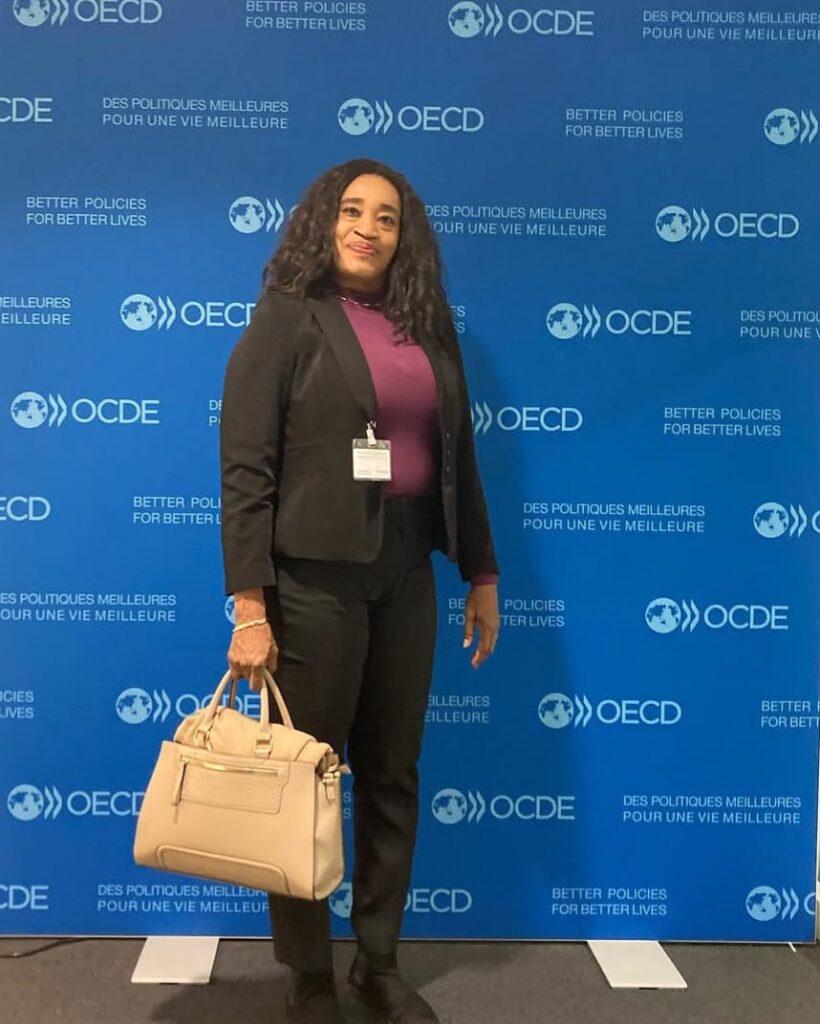
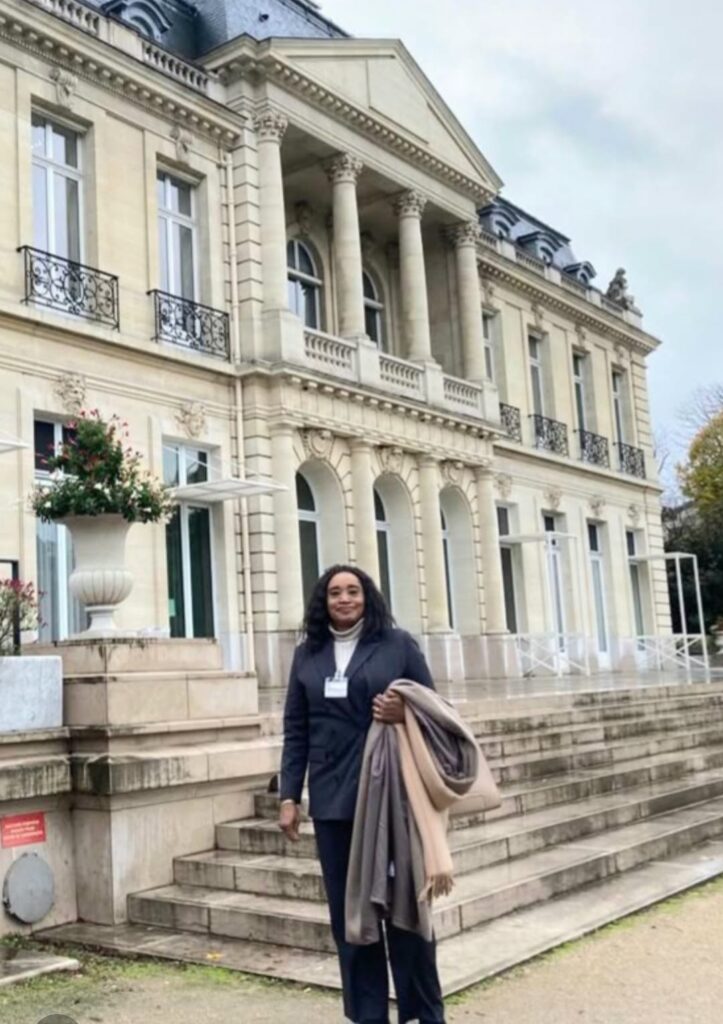
I regularly attend OECD policy forums and international summits as a delegate representing the Institute for Public Diplomacy. These engagements include discussions on disinformation, information integrity, and anti-corruption, bringing together policymakers, institutional leaders, and experts from across governments and civil society.
Through consistent participation in these OECD platforms, I engage with evolving global policy debates on governance, transparency, and democratic resilience. Each summit offers an opportunity to exchange perspectives on how institutions can respond to emerging challenges such as digital manipulation, institutional trust deficits, and corruption risks in increasingly interconnected systems.
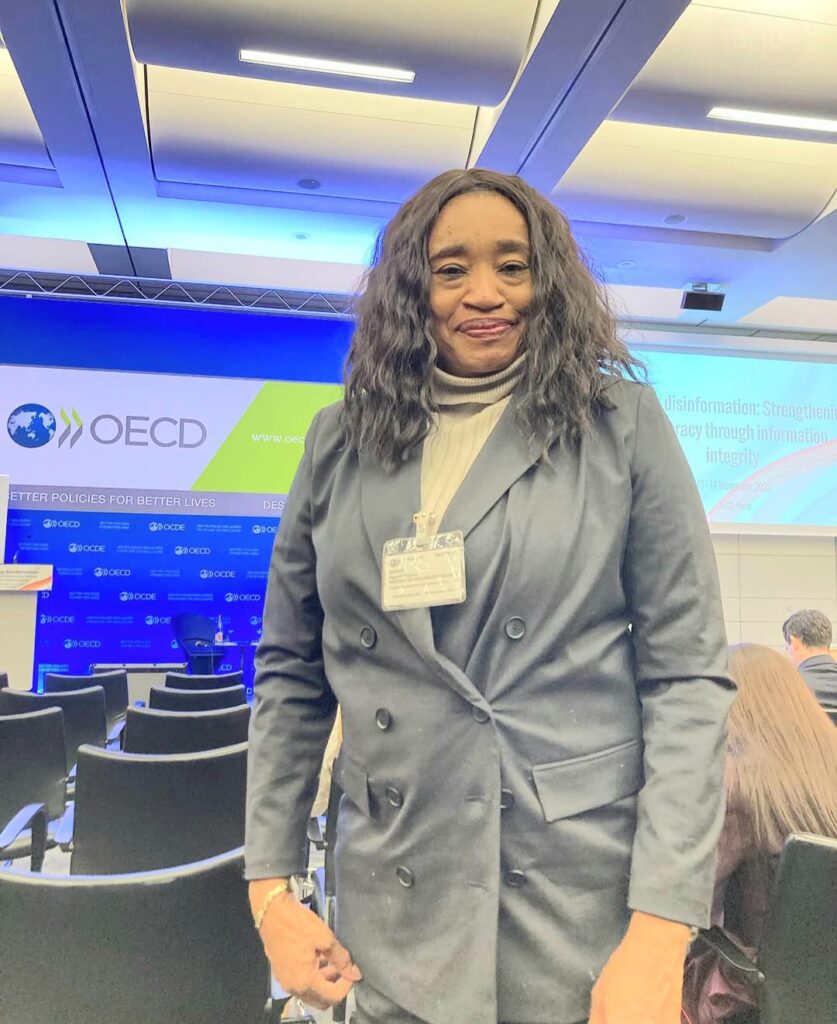
What makes these forums particularly valuable is their emphasis on practical cooperation. Rather than abstract discussion, OECD events focus on shared policy approaches, cross-border coordination, and strengthening institutional frameworks that support accountability and public trust.
Regular attendance has also provided deeper insight into how different countries approach similar governance challenges, and how international collaboration can support more effective and transparent systems. The conversations consistently highlight that issues such as information integrity and anti-corruption are not isolated policy areas, but interconnected pillars of democratic stability.
As part of my ongoing engagement, I continue to follow and contribute to discussions that shape global thinking on governance, public diplomacy, and institutional resilience within OECD-led initiatives.
Empowering the Next Generation of Women in STEM: The Mission of YWISET. Official website: https://ywiset.org/
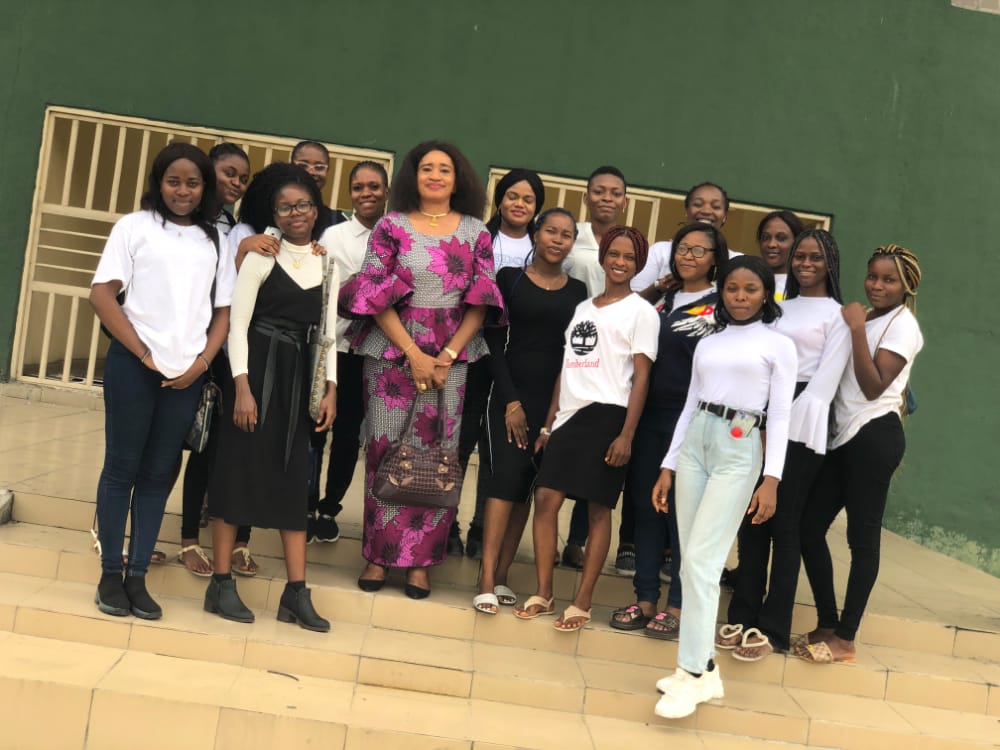
In a rapidly evolving world driven by science and technology, the need for inclusive innovation has never been greater. YWISET (Young Women in Science, Engineering and Technology) stands at the forefront of this movement, dedicated to inspiring and empowering young women and underrepresented individuals to pursue careers in STEM fields.
Founded in 2017 by Professor Lady Ngozi Franca Okoye, YWISET was created with a clear vision: to make science, engineering, and technology more accessible, inclusive, and inspiring for all. At its core, the organisation seeks to bridge the gender gap in STEM while ensuring that talent and curiosity—rather than background or circumstance—define opportunity.
YWISET achieves this mission through a range of impactful programmes. These include workshops, mentorship schemes, essay competitions, conferences, and scholarship opportunities designed to nurture both academic growth and personal development. By offering real-world exposure and guidance from experienced professionals, the organisation helps young people build confidence and discover their potential in fields often seen as inaccessible.
A key strength of YWISET lies in its community-driven approach. With a growing international network of members, volunteers, and partners, the organisation fosters collaboration between students, educators, and professionals across STEM industries. This global community not only supports learning but also encourages leadership, innovation, and peer-to-peer inspiration.
Importantly, YWISET recognises that representation matters. By actively encouraging participation from disadvantaged backgrounds and underrepresented groups, it helps ensure that the future of STEM is more diverse and equitable. The organisation also highlights the real-world benefits of STEM education, from career opportunities to solving global challenges in health, technology, and sustainability.
Beyond education, YWISET is building a movement—one that challenges traditional barriers and redefines who gets to be a scientist, engineer, or innovator. Its work continues to inspire a new generation of thinkers who are not only skilled in science and technology, but also conscious of their responsibility to society.
As STEM continues to shape the future, YWISET’s mission remains clear: empower, educate, and elevate young women to lead that future with confidence and purpose. Official website: https://ywiset.org/
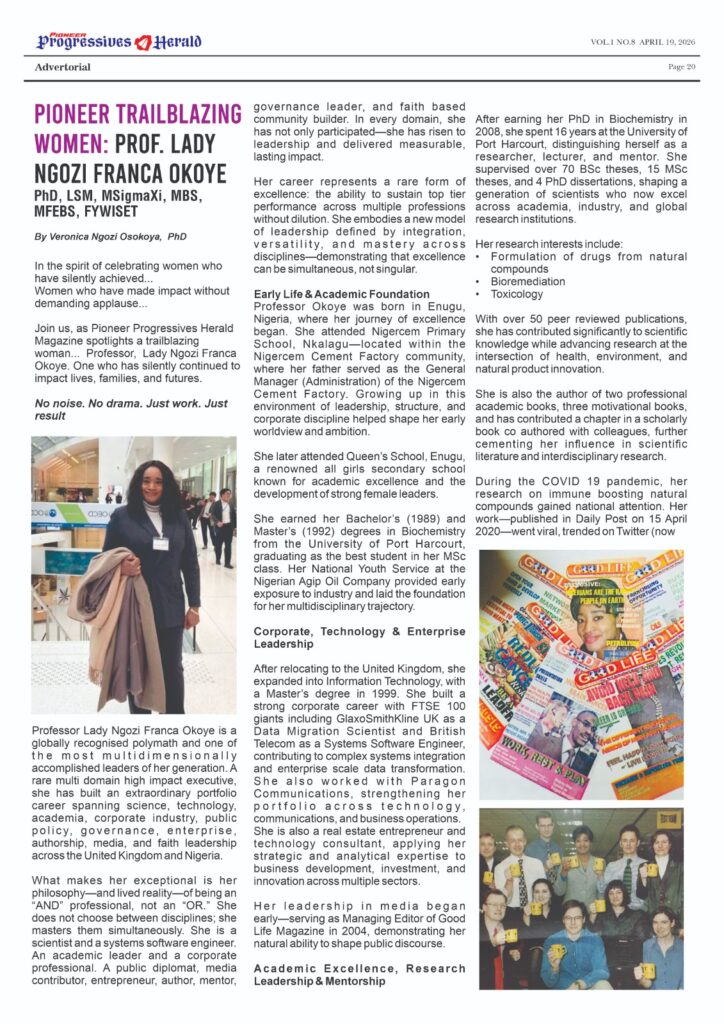
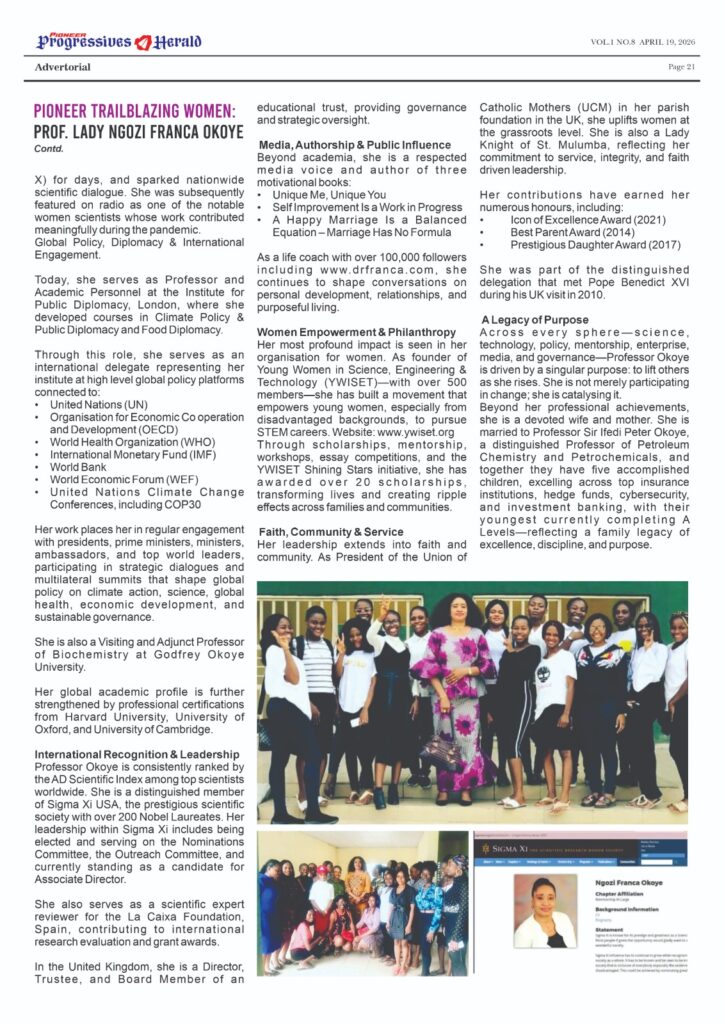
Professor Lady Ngozi Franca Okoye was featured in Pioneer Progressive Herald as a Pioneer Trailblazing Woman.
Reflections from the OECD Anti-Corruption & Integrity Forum
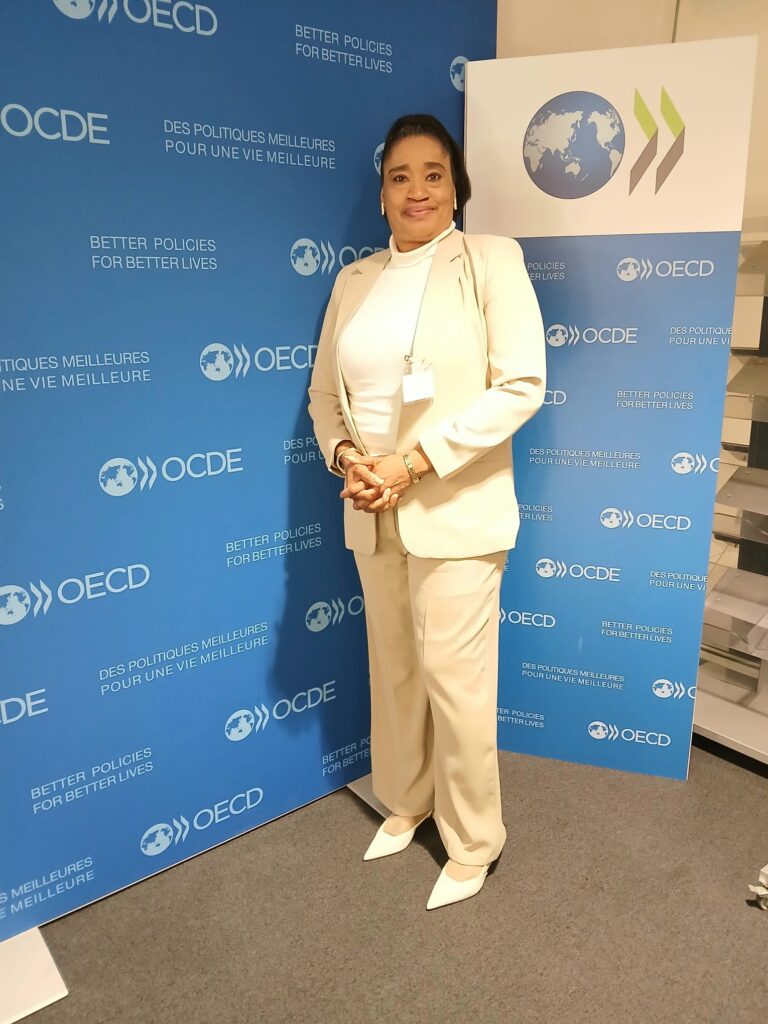
I am currently attending the OECD Anti-Corruption & Integrity Forum as a delegate of the Institute of Public Diplomacy London, and the experience has been both energising and deeply reflective.
The President of Dominican Republic and the Deputy Prime Minister of Thailand gave the opening speeches after the welcome remark by the Secretary General of the OECD. Several other world leaders made speeches.
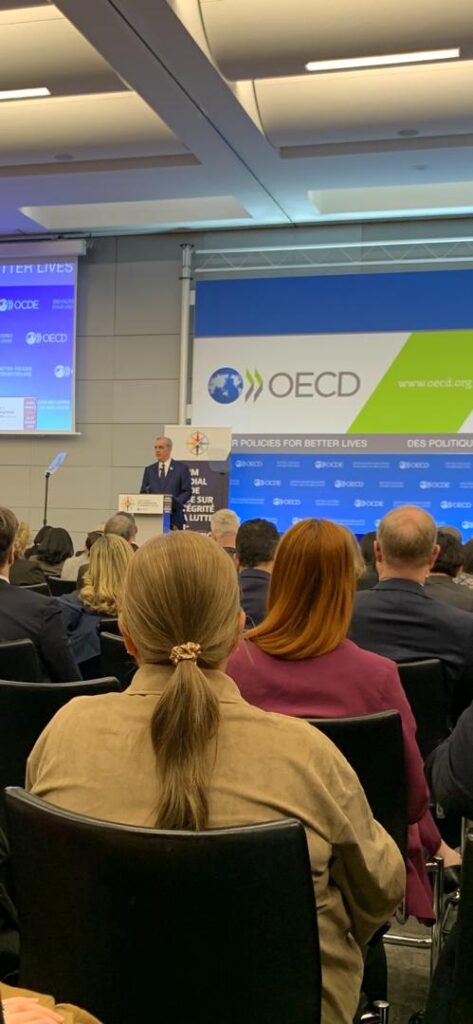
One of the most striking aspects of the Forum is the shared recognition that corruption is not just a governance issue—it is a barrier to sustainable development, climate action, and public trust. Across discussions, a consistent theme has emerged: integrity is not an abstract principle, but a practical foundation for effective policy.
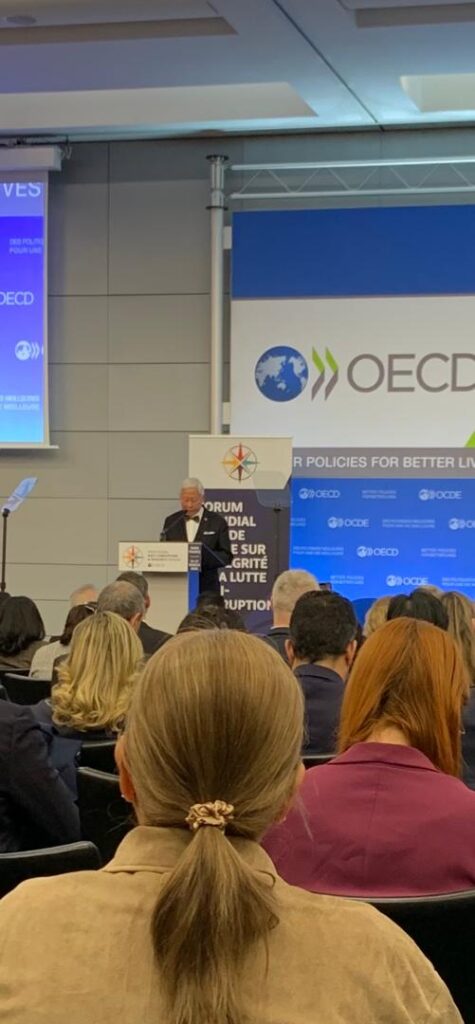
As someone working at the intersection of public diplomacy and climate education, I have been particularly interested in how anti-corruption frameworks relate to climate governance. Climate initiatives—whether financing, adaptation, or mitigation—depend heavily on transparency, accountability, and institutional trust. Without these, even the most ambitious climate strategies risk falling short.
This perspective has directly informed my recent work in developing a climate change course for the Institute, aimed at equipping individuals with both the knowledge and the ethical awareness needed to engage with global challenges responsibly.
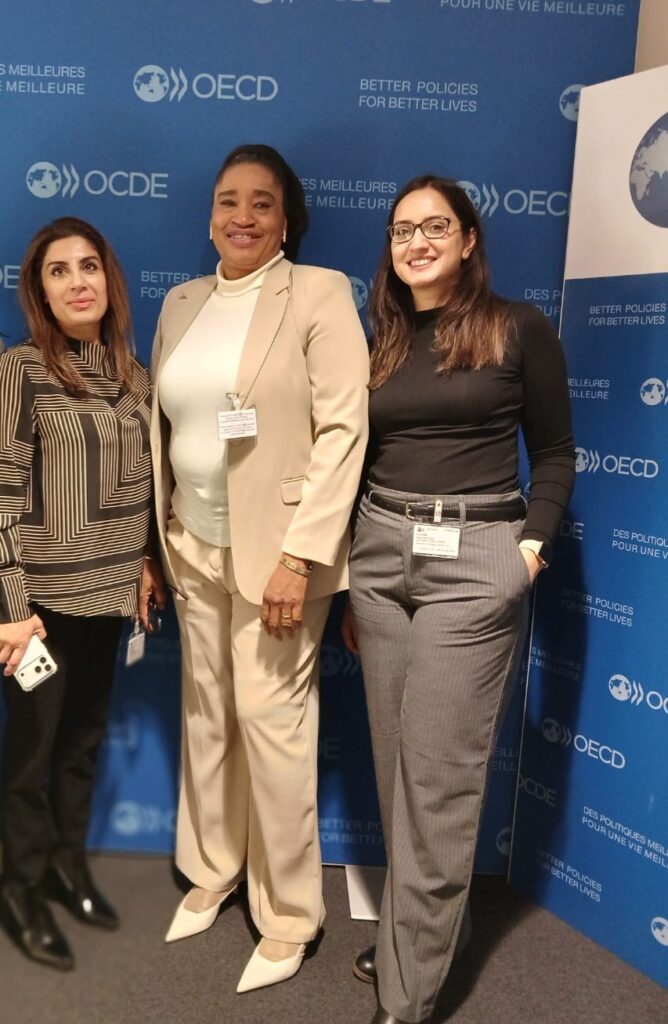
What stands out most at the Forum is the importance of collaboration—between governments, academia, and civil society. Tackling corruption and strengthening integrity systems requires not only technical solutions, but also a cultural commitment to accountability.
Defending Information Integrity: Reflections From the OECD Paris Summit on Disinformation
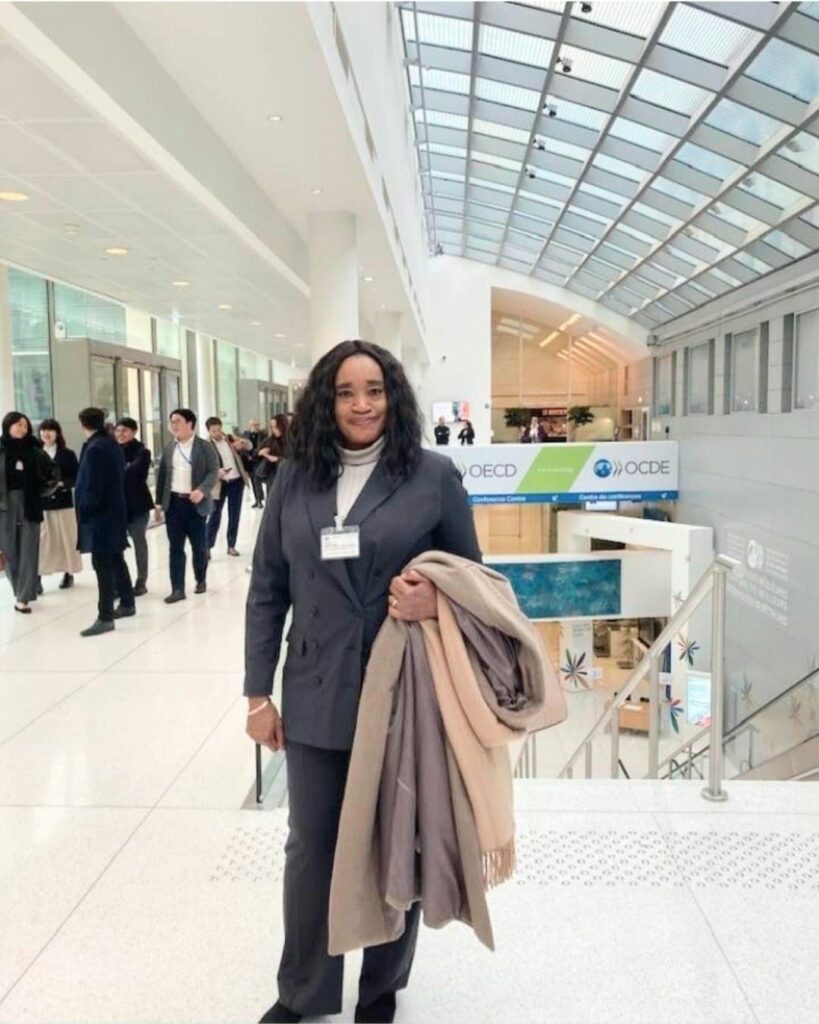
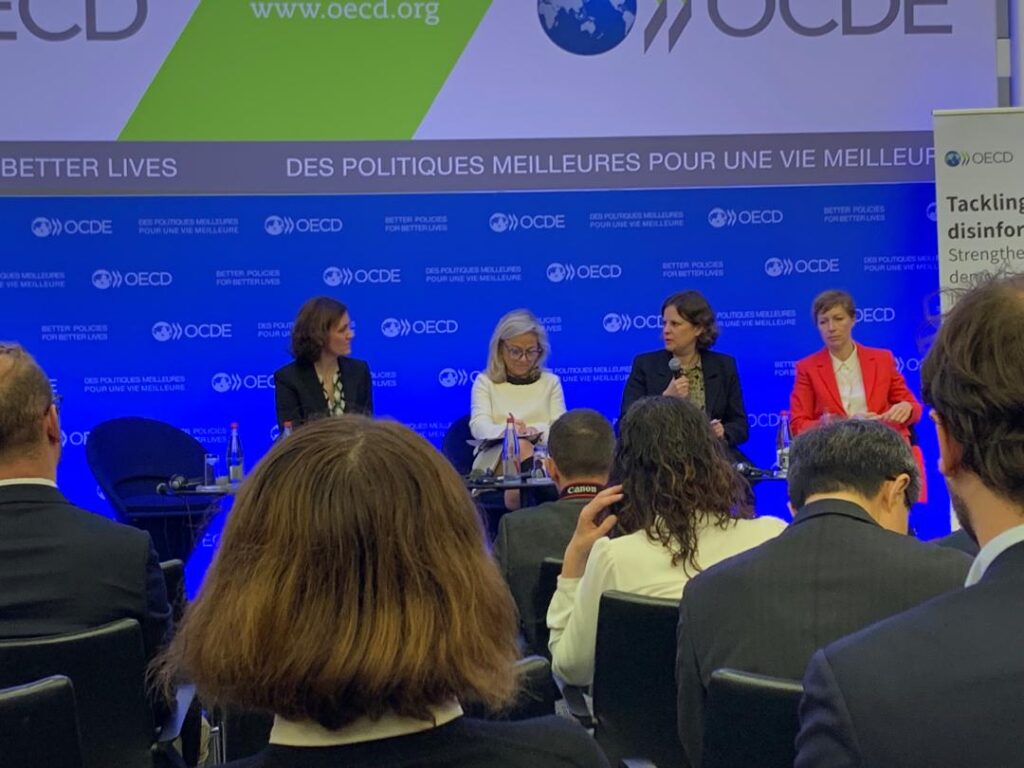
In November 2023, I attended the OECD Summit in Paris on disinformation and information integrity as a delegate representing the Institute for Public Diplomacy. The summit brought together policymakers, diplomats, academics, and digital governance experts to address a challenge that is increasingly shaping the stability of modern democracies: the erosion of trust in information itself.
What stood out throughout the discussions was a shared recognition that disinformation is no longer a marginal communications issue. It has become a structural challenge to governance, public trust, and democratic resilience. The conversations consistently moved beyond theory into practical questions of institutional preparedness, cross-border coordination, and the evolving role of technology platforms.
Keynote contributions from senior leaders such as Giedrė Balčytytė, Chancellor of the Government of Lithuania, and Eileen Donahoe, U.S. Special Envoy and Coordinator for Digital Freedom, reinforced two important perspectives. First, that disinformation must be understood within the broader context of national and democratic security. Second, that protecting open societies requires balancing information integrity with fundamental freedoms such as expression and access to information.
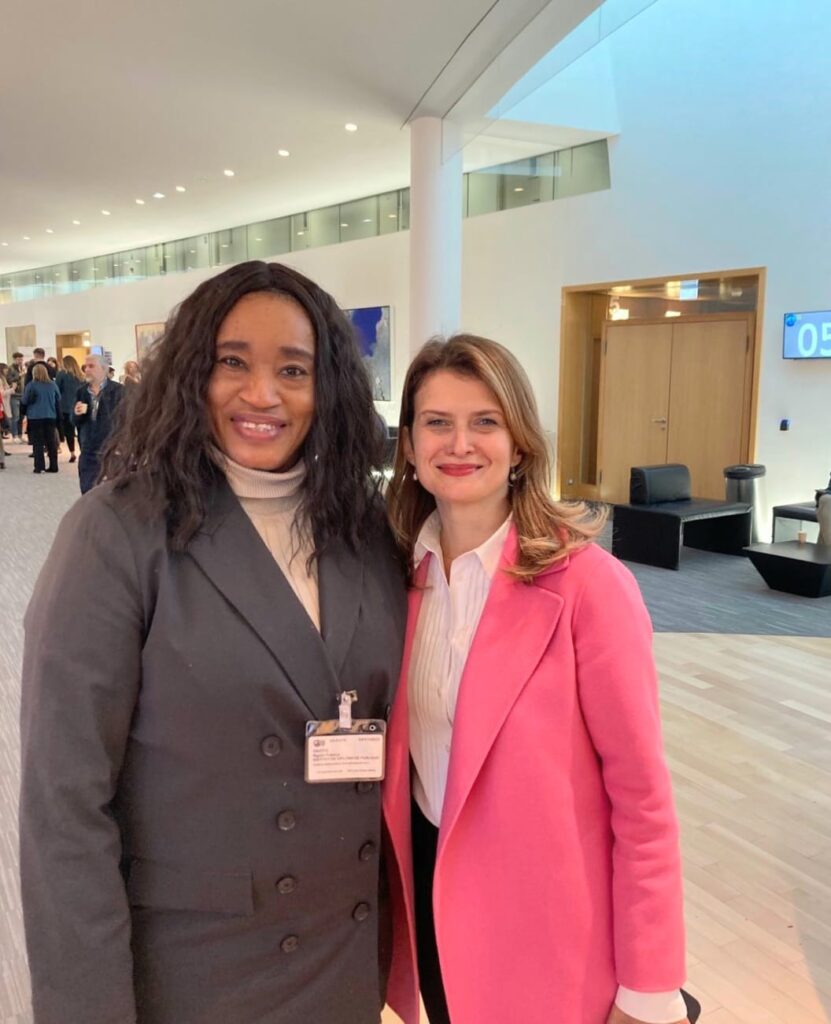
I was thrilled to discuss with Giedrė Balčytytė, Chancellor of the Government of Lithuania, during the OECD Paris Summit on disinformation and democratic resilience.
A recurring theme was that governments cannot address this challenge in isolation. The nature of digital ecosystems means that disinformation moves rapidly across borders, platforms, and communities. As a result, responses must be coordinated, adaptive, and grounded in collaboration between states, technology actors, and civil society.
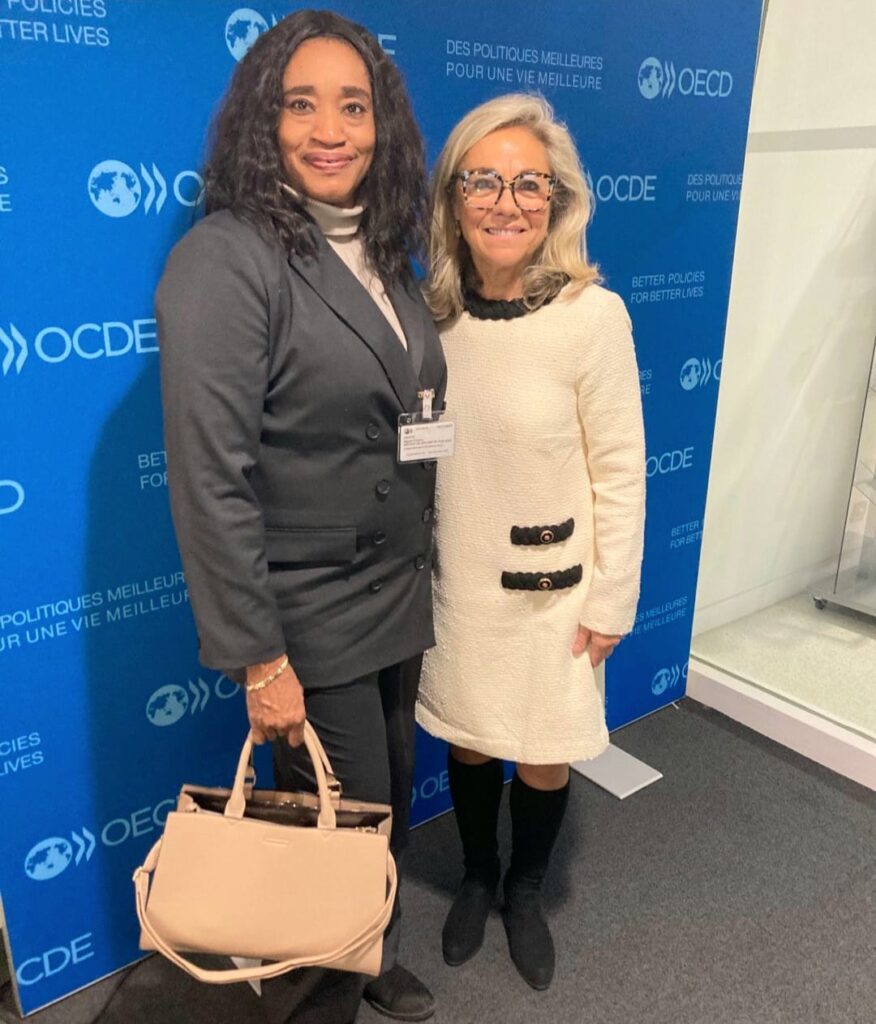
I was thrilled to meet Eileen Donahoe, U.S. Special Envoy and Coordinator for Digital Freedom, speaking with delegates at the OECD Summit in Paris on strengthening information integrity.
The summit also highlighted the growing importance of institutional resilience. Several ministers and senior officials, including Mathias Cormann (Secretary-General of the OECD), Juliane Seifert (Germany’s Federal Ministry of the Interior), Anne-Claire Legendre (France’s Ministry for Europe and Foreign Affairs), and Baiba Braže of Latvia, contributed to discussions on how governments can strengthen strategic communication, public trust, and societal awareness.
What became increasingly clear is that information integrity is not only about correcting falsehoods. It is about building systems that are capable of sustaining trust over time. This includes media literacy, transparency in digital governance, and proactive communication that helps citizens navigate complex information environments.
From a public diplomacy perspective, the summit reinforced an important shift: influence in the modern era is not defined only by messaging, but by credibility. Trust has become a form of strategic infrastructure.
Equally significant was the recognition that artificial intelligence and rapidly evolving digital tools are accelerating both the scale and sophistication of information manipulation. This adds urgency to the need for international cooperation and ethical frameworks that can keep pace with technological change.
Attending the summit underscored a broader reality. Disinformation is not simply a technical challenge to be solved by regulation or platforms alone. It is a societal challenge that touches education, governance, communication, and civic responsibility.
Ultimately, the OECD discussions pointed to a central truth: the strength of democratic systems is closely tied to the integrity of the information they rely on. Defending that integrity is no longer optional—it is foundational to the future of public trust and democratic stability.